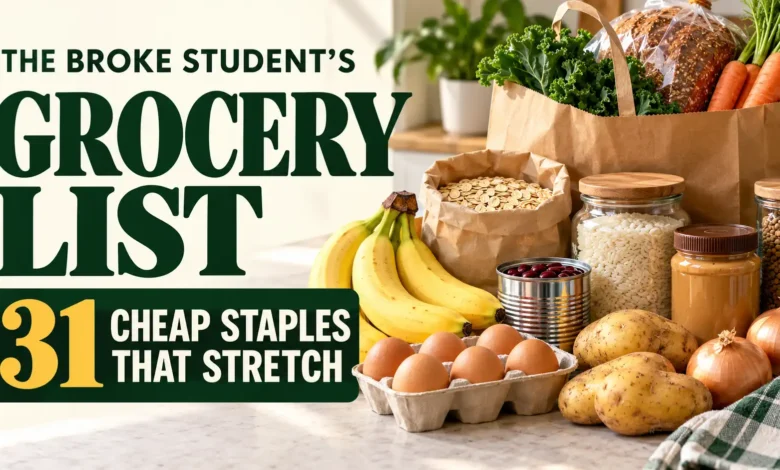
Start with oats, rice, beans, peanut butter, a few vegetables, and fruit you will actually eat. Add refrigerated foods only when you have room to store them safely. A cheap student grocery list works best when the same ingredients can become breakfast, lunch, and dinner without leaving you with half-used packages.
The 31 staples below are a menu to choose from, not a demand to buy everything this week. Each entry includes a sensible starting purchase and a way to use it. Prices vary by store, location, brand, and package size, so compare what is on your own shelf rather than chasing a promised national grocery total.
Your cheap student grocery list at a glance
- Bases and snacks: rolled oats, white rice, dry pasta, whole-wheat bread, tortillas, russet potatoes, popcorn kernels.
- Beans, protein foods, and dairy: canned black beans, canned chickpeas, split red lentils, peanut butter, eggs, extra-firm tofu, plain yogurt, milk or fortified soy milk, block cheddar.
- Fruit and vegetables: bananas, apples, cabbage, carrots, yellow onions, frozen mixed vegetables, frozen chopped spinach, frozen peas.
- Flavor builders: canned tomatoes, tomato paste, canola oil, soy sauce, cooking vinegar, garlic powder, chili powder blend.
If your cupboard is empty, choose one breakfast base, one lunch base, one dinner base, two protein foods, fruit, vegetables, and a couple of seasonings. Build from there as you learn what you finish.
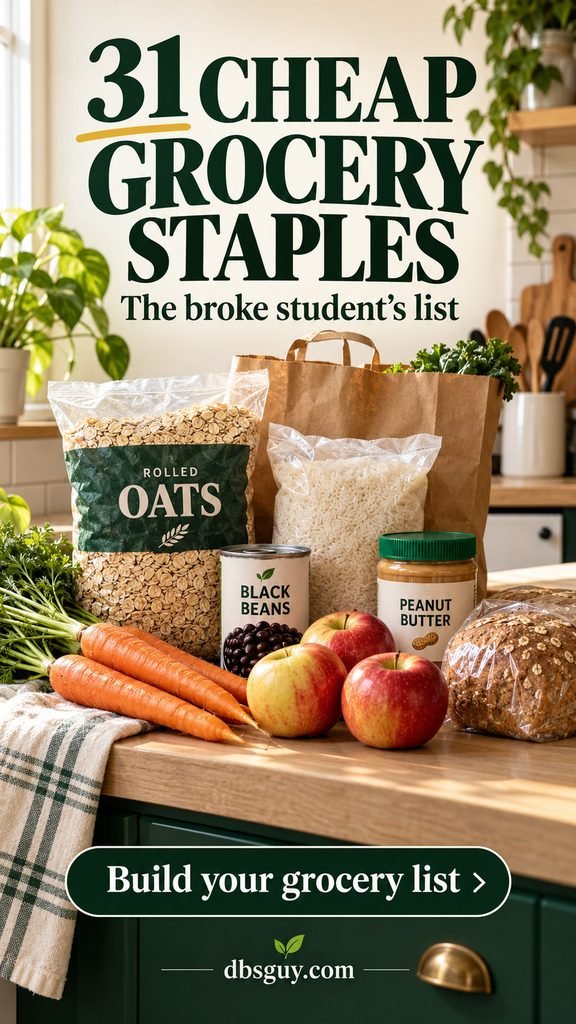
The images are AI-generated serving and grocery concepts. Optional garnishes are not required purchases. Meal combinations are suggestions rather than kitchen-tested recipes; follow package directions for cooking and storage.
Before you shop: match the list to your room
Check what is already available through your meal plan, a shared kitchen, or a campus pantry. Count the meals you need to cover before your next shopping trip, including days you eat elsewhere. Check housing rules before using a rice cooker, hot plate, or other appliance.
- No cooking equipment: prioritize bread or tortillas, peanut butter, canned chickpeas or beans, and whole fruit. A manual can opener matters if the cans have no pull tabs. Open only what you can finish or refrigerate safely.
- Microwave and refrigerator: add oats, potatoes, yogurt, milk, and microwave-ready rice if you need it. Buy frozen food only if you also have a suitable freezer.
- Stove or shared kitchen: dry rice, pasta, split lentils, eggs, and tofu become more practical. Keep a pot, skillet, basic utensils, and covered food containers available.
For specific microwave cooking methods, use 23 Easy Microwave Recipes for Dorm Rooms: No Kitchen Needed.
Compare unit prices using the same measure. As a made-up example, a 16-ounce package at $2 costs 12.5 cents per ounce; a 32-ounce package at $3.60 costs 11.25 cents per ounce. The larger one saves per ounce, but it still requires $1.60 more at checkout. Buy it only if you can afford, store, and use it.
1. Plain rolled oats
Buy a small canister or bag of plain rolled oats before committing to a bulk sack. They work as warm oatmeal, refrigerated overnight oats, or a spoonful stirred into yogurt. One package can cover several kinds of breakfast without buying separate flavored products.

For an easy starting portion, prepare ½ cup dry oats using the liquid and method on the package, then add banana and a spoonful of peanut butter. Quick oats also work; choose them if their preparation suits your morning better. Keep the dry package tightly closed.
2. Long-grain white rice
A 1- or 2-pound bag is a manageable first purchase if you have a pot or rice cooker. Turn it into black bean bowls, vegetable rice, or a side for tofu. Brown rice is another option if you prefer it and can allow for its package cooking time.
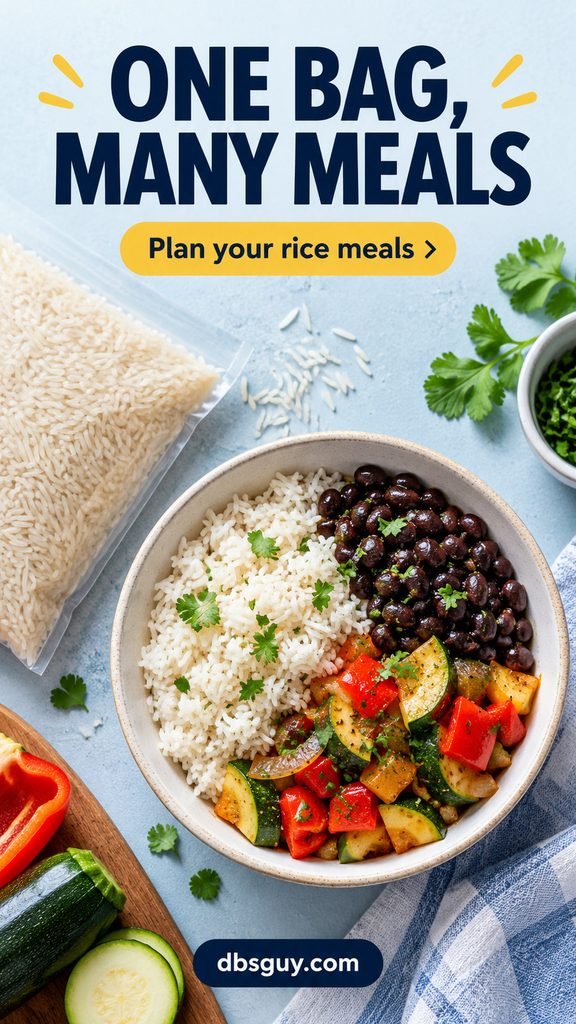
Buy dry rice for value when you can cook it; microwave-ready rice can be the more usable choice in a microwave-only room. Follow the package water ratio, and refrigerate cooked rice promptly in shallow portions. A pot left out overnight is not tomorrow’s lunch.
3. Dry pasta
Start with one 12- to 16-ounce box in a shape you enjoy. Short shapes are easy to mix with peas, chickpeas, or tomato sauce, so a little of each leftover ingredient can become part of dinner.
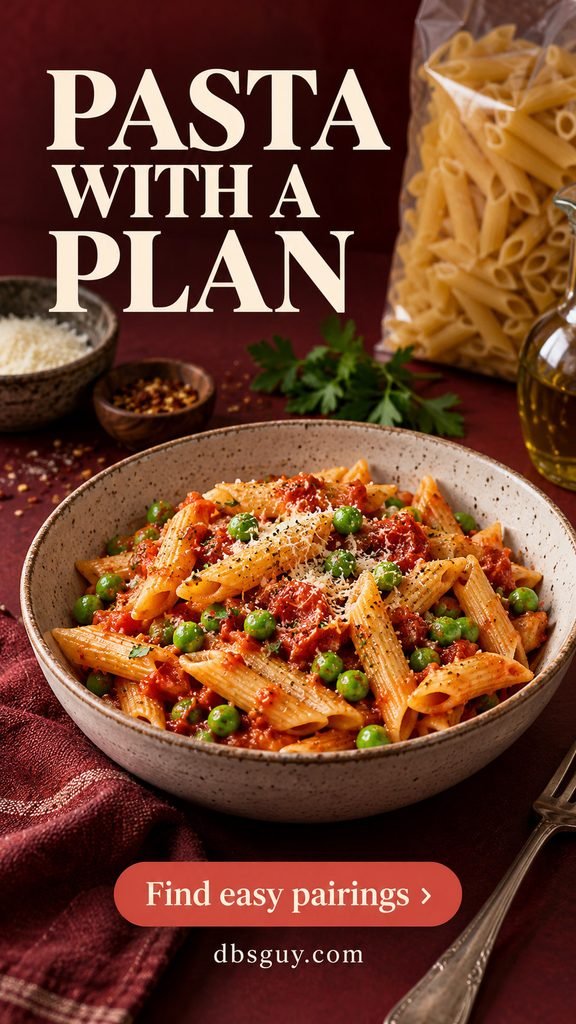
For one meal, 2 ounces dry pasta is a useful starting amount; adjust to your appetite and what you serve with it. Measure before cooking instead of automatically boiling the whole box. Save a splash of cooking water to loosen the sauce. Any cheese or herbs in the serving image are optional.
4. Whole-wheat bread
One loaf can handle peanut butter sandwiches, egg toast, and chickpea sandwiches. Compare it with the bread you normally buy; the useful choice is an affordable loaf you will finish, not one that sits untouched because you dislike it.
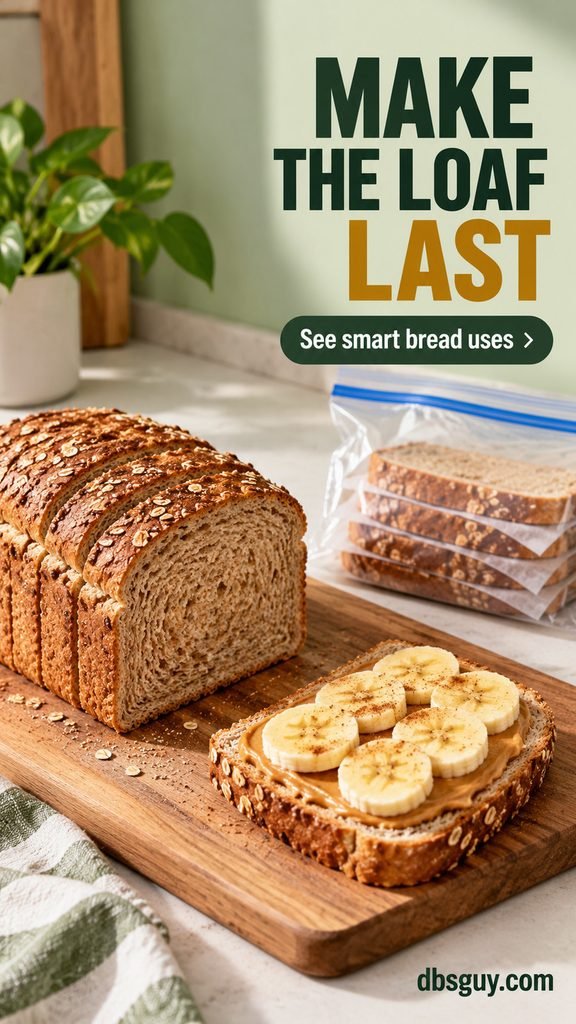
If you have a freezer, separate and freeze some slices early rather than waiting until the loaf is nearly stale. Take out only what you need. Without freezer space, a smaller loaf may cost less in practice even when its price per ounce is higher.
5. Tortillas
Buy one small pack of flour or corn tortillas, chosen for the meals you want to make. Flour tortillas suit larger wraps; corn tortillas work well for small bean tacos. You do not need both on the first trip.
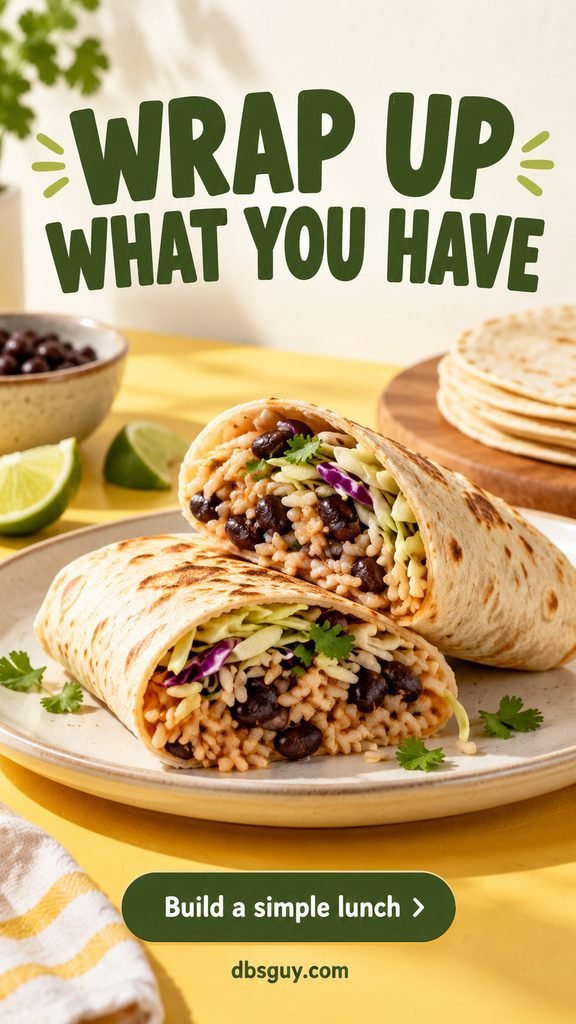
Fill a wrap with cooked rice, canned black beans, and shredded cabbage, or melt a little cheddar between tortillas in a skillet. Check the package for storage after opening. Lime, herbs, or extra toppings are optional; they should not turn a simple wrap into a second shopping trip.
6. Russet potatoes
Start with two or three loose potatoes unless a bag is clearly better value and you can use it. A cooked potato can be the base of a meal: add black beans, a little cheddar, and plain yogurt instead of buying a separate topping for every dinner.
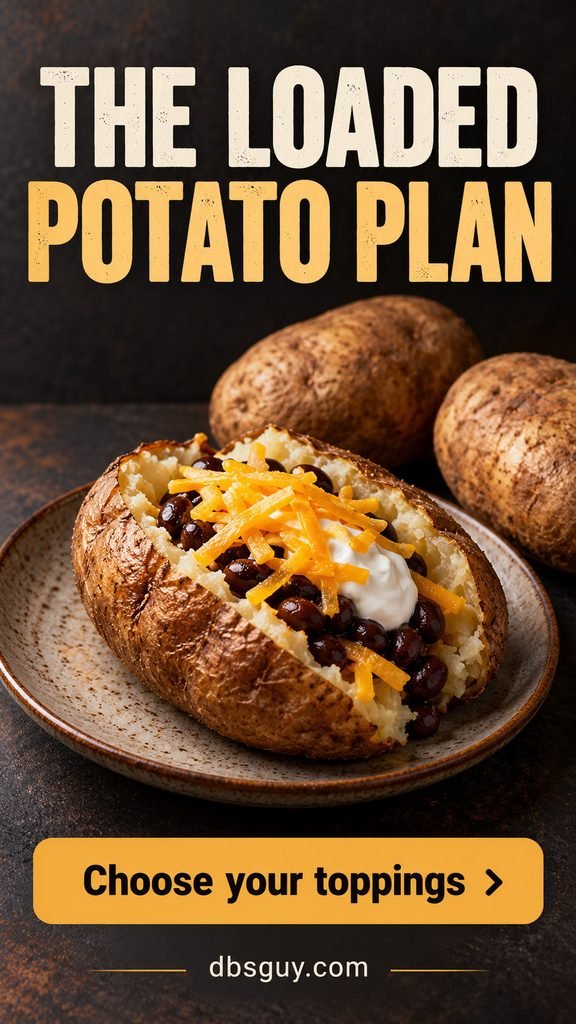
A microwave makes a single potato practical; scrub it, pierce the skin, and cook according to your appliance’s guidance until tender, turning as needed. Store uncooked potatoes in a cool, dark, ventilated place. Do not buy damaged or green potatoes to save a few cents.
7. Popcorn kernels
A small bag of kernels is worth comparing with individual snack bags if you have an approved way to pop them. It gives you a portionable snack ingredient that needs very little cupboard space.

Use a popcorn maker, a lidded stovetop pot, or a microwave popper according to its instructions. If none fits your housing rules, skip the kernels. Start with a small batch and add a little oil and seasoning after popping; buying the cheapest ingredient does not help if you cannot prepare it.
8. Canned black beans
One or two roughly 15-ounce cans give you cooked beans without soaking or a long simmer. Put them in rice bowls, mash them into wraps, or spoon them onto a potato. Choose reduced-sodium or no-salt-added versions when available and suitable for your budget.
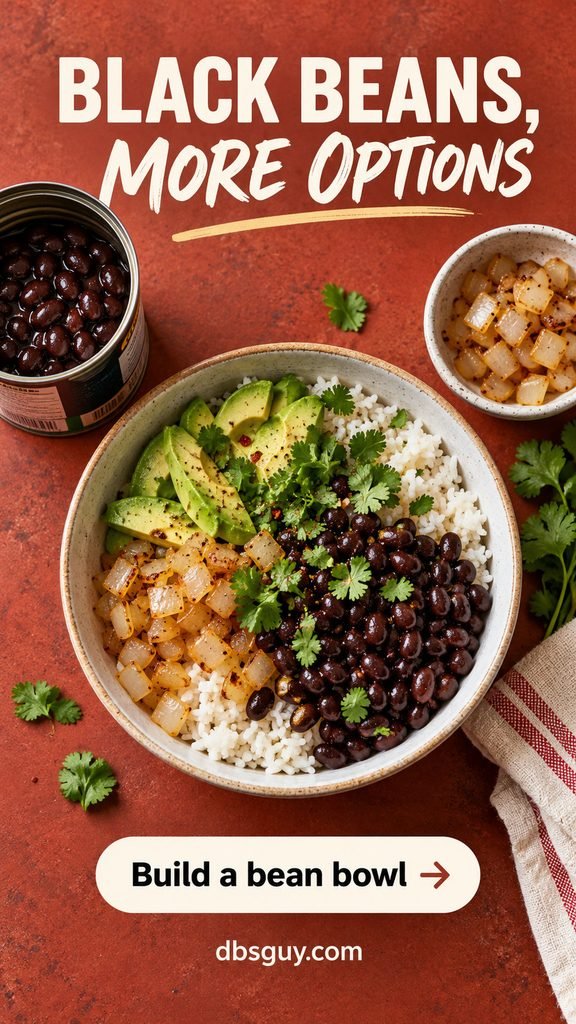
Drain and rinse them when you want a cleaner flavor or less salty liquid. If you will use only part of a can, plan the rest into another meal and refrigerate it in a covered container. The avocado in the serving concept is optional; the bowl works with beans, rice, and onion alone.
9. Canned chickpeas
Buy one roughly 15-ounce can for a lunch that does not require cooking. Drain the chickpeas, mash some with plain yogurt and a little vinegar, and add garlic powder. Spread the mixture on bread or tuck it into a tortilla with cabbage.
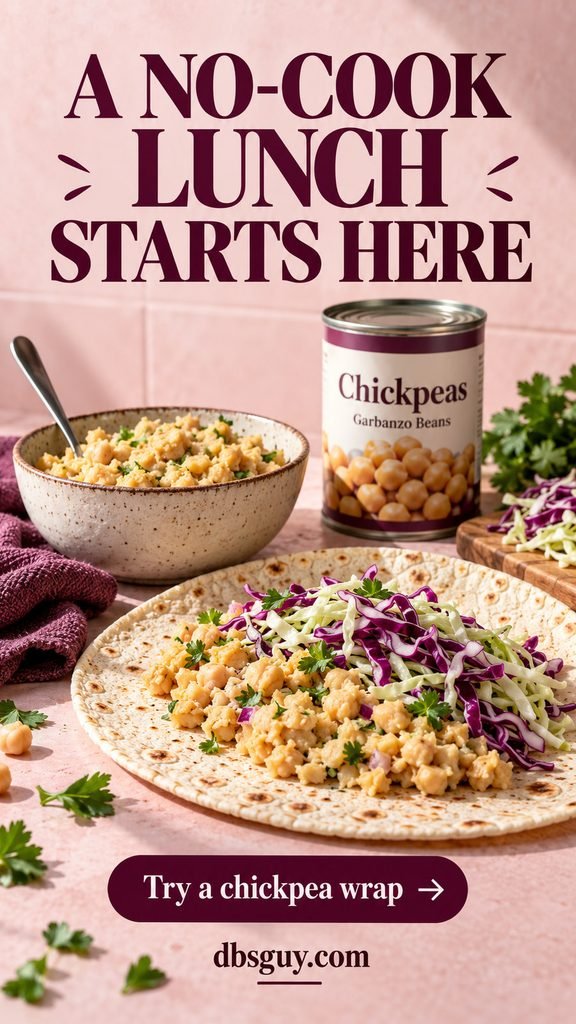
Their firmer texture also works in pasta or tomato-based stews. You can choose chickpeas instead of black beans this week rather than buying both. Refrigerate any opened portion promptly, and use a clean spoon when serving from the container.
10. Dried split red lentils
A small bag of split red lentils is useful when you have a stove and a saucepan. They soften into soups and sauces rather than staying firm like canned chickpeas, so they can thicken a tomato dish without a separate meat purchase.
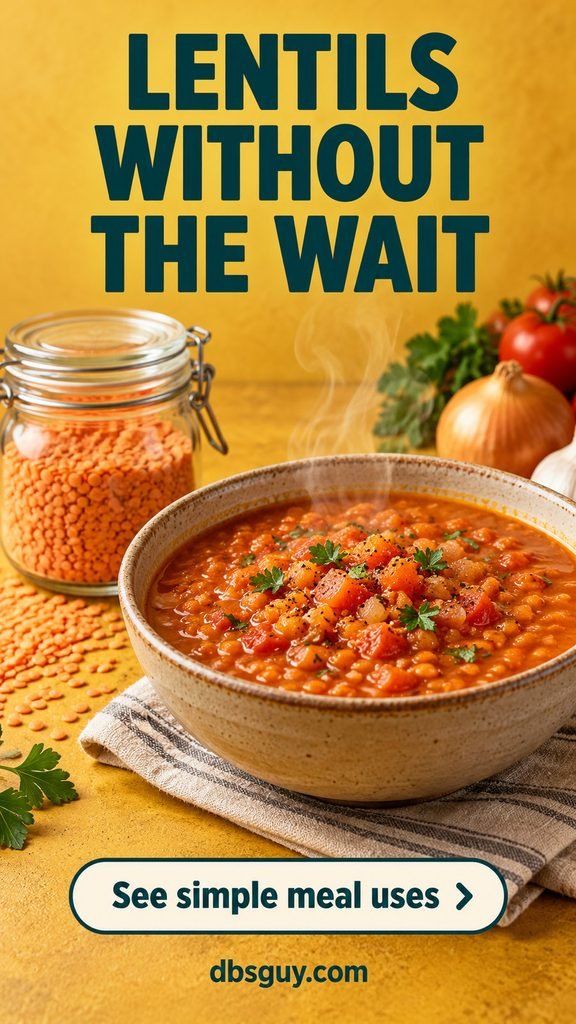
Rinse and cook them with the water amount and timing on the package; many split red lentils need no soaking, but check yours. Add tomatoes once the lentils are tender if acidity slows the softening. Keep the dry bag sealed. If you cannot simmer food, canned beans are the more practical buy.
11. Peanut butter
One small jar can cover toast, apple snacks, oatmeal, and a savory sauce. Stir a spoonful with a little warm water, soy sauce, and vinegar for a simple sauce to spoon over cooked pasta or rice.
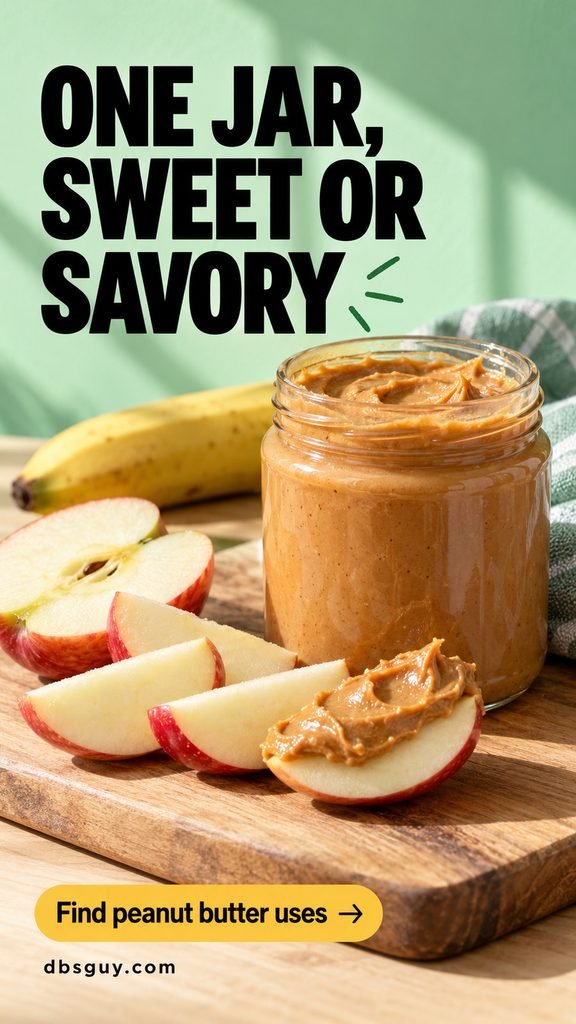
Compare jars by ounce, but follow the label’s storage instructions after opening. If peanuts are unsuitable because of an allergy or shared-space rule, choose a tolerated seed spread and check its price. Buying a spread you can use in both breakfast and lunch is more useful than collecting several specialty spreads.
12. Eggs
Choose a half-dozen or dozen based on the current price and how often you cook. Eggs can become toast toppings, a spinach scramble, or part of vegetable rice, so they are not limited to breakfast.

They require reliable refrigeration and a way to cook them safely. Keep them in their carton in the refrigerator and cook until the whites and yolks are firm, or until scrambled eggs are no longer runny. If your room has no suitable cooking setup, spend that part of the budget on ready-to-eat options instead.
13. Extra-firm tofu
Try one refrigerated block before buying a multipack. Extra-firm tofu holds up in a skillet with cabbage or mixed vegetables, and its mild flavor works with soy sauce and garlic powder.
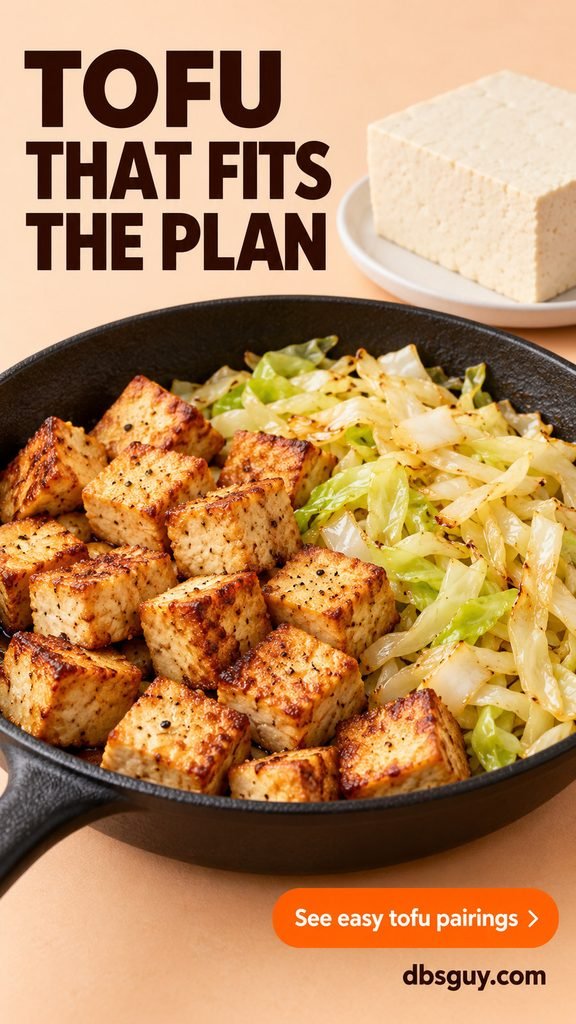
Drain it, pat it dry, and cut it into small pieces for better browning. Follow package cooking and storage instructions. A block you can use across two planned meals is a better purchase than a bargain pack that crowds out everything else in the mini fridge.
14. Plain yogurt
Choose one tub in a size you can finish. Regular plain yogurt often works well for breakfast bowls and sauces; Greek yogurt is thicker. Compare the actual shelf prices rather than assuming one style is always the best deal.

Use it with oats and bananas, mash it into chickpeas, or add a spoonful to a cooked potato. Buying plain lets the same tub serve sweet and savory meals. Keep it refrigerated and follow the label after opening; portion with a clean spoon instead of eating directly from the shared tub.
15. Milk or fortified soy milk
Start with a quart if a larger container would linger unfinished. Use it in oats, with breakfast, or in a simple cheese sauce. A smaller carton can be the better buy when fridge space and food waste matter more than the lowest unit price.

Choose dairy milk or a suitable fortified soy alternative based on your needs, and check the label for nutrients and allergens. Shelf-stable cartons are stored at room temperature only while unopened when the label allows it. Refrigerate after opening, including dairy-free versions, and follow the package’s use guidance.
16. Block cheddar
A small block of cheddar gives wraps, eggs, pasta, and potatoes a stronger flavor without needing a large portion in each meal. Compare its price per ounce with shredded cheese; the block only saves money when the shelf price supports it.

Shred or slice what you need and wrap the rest well in the refrigerator. If you do not own a grater, thin slices work for quesadillas and toast. Cheese is an optional extra in this list, so you can leave it out of a tight first trip and still make bean bowls and peanut butter sandwiches.
17. Bananas
Buy three or four rather than the biggest bunch. Use firmer bananas later in the week and ripe ones first, sliced onto oats or bread with peanut butter.
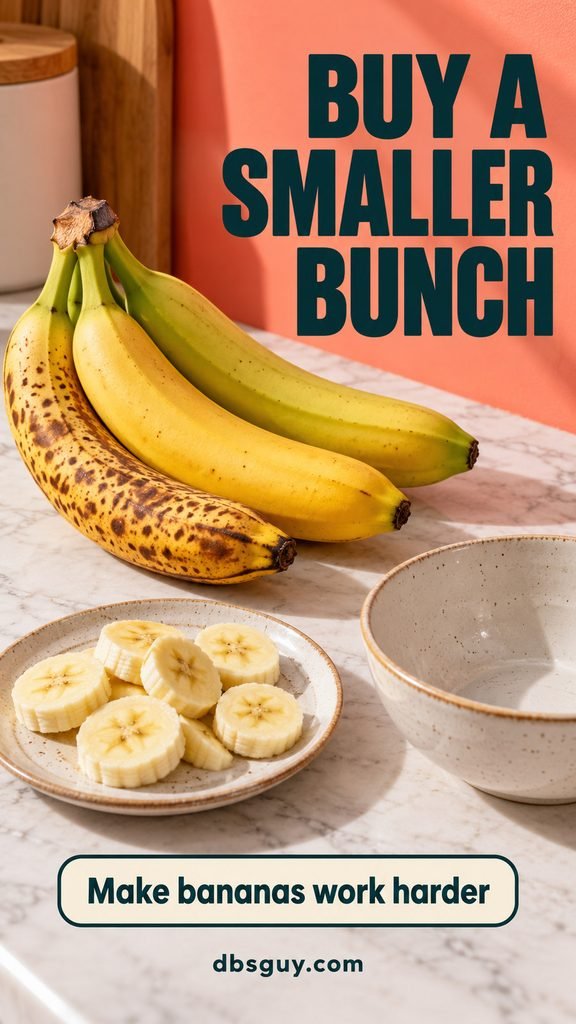
If you have a freezer, peel and slice extras before freezing for future oatmeal or a smoothie if you own a blender. Without a freezer, buy fewer on your next trip. Cheap fruit stops being cheap when it ripens faster than you can eat it.
18. Apples
Choose a few loose apples or a small bag after comparing the price and condition. Apples work as a portable snack, chopped into oatmeal, or sliced with peanut butter, making them useful even on days you do not cook.
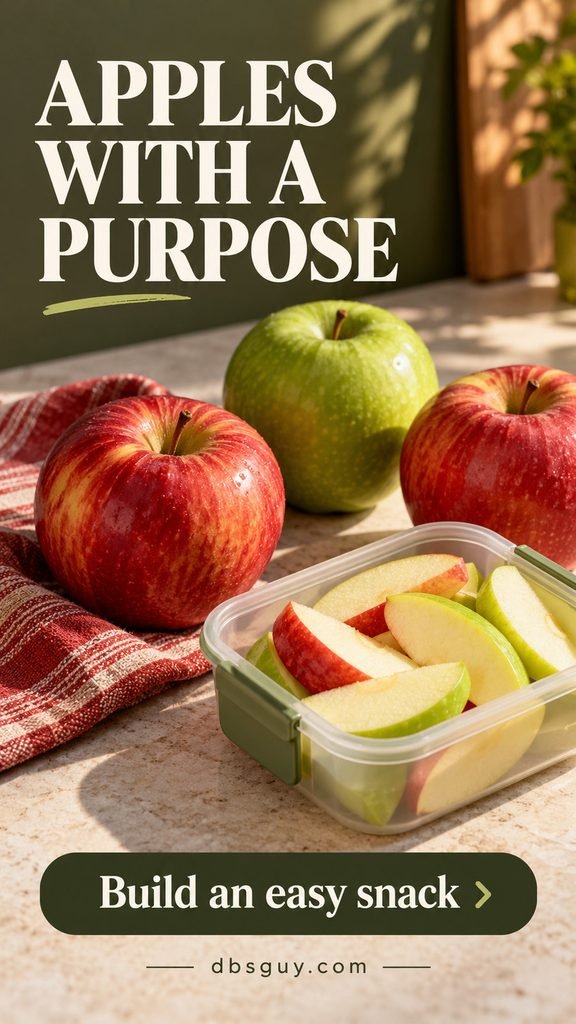
Refrigerate them when you can, and wash under running water before eating. A bag is not automatically cheaper per edible apple if several are bruised or too large for your appetite. In fall, check local apple specials, but let the shelf price decide.
19. Cabbage
A small head or a manageable cut portion can supply crunch for wraps and a cooked vegetable for rice bowls. Green cabbage is a useful starting point; red cabbage works too if its price and flavor suit you.
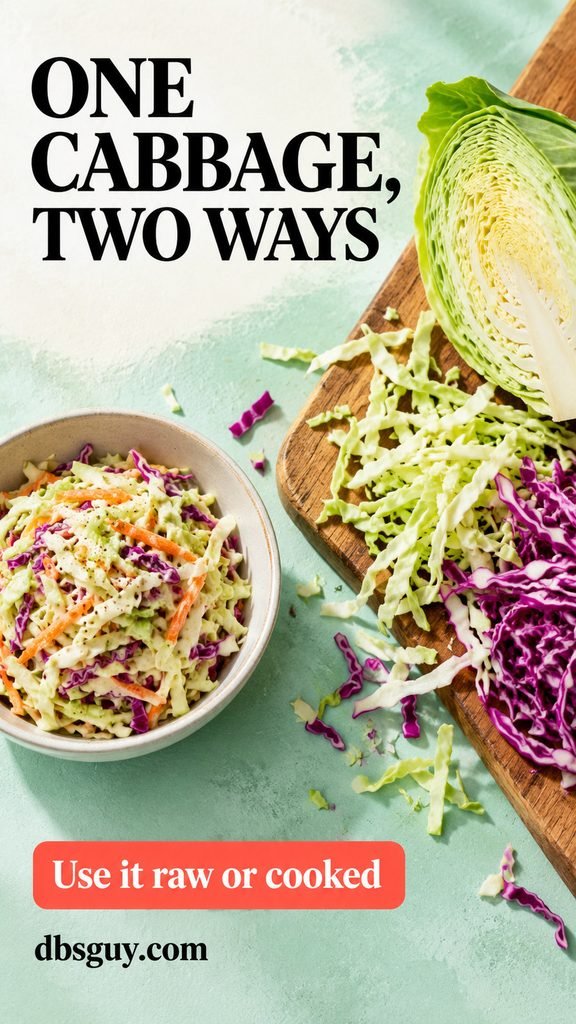
Shred only what you need, then keep the remainder refrigerated and covered. Toss a portion with vinegar and a little oil just before serving, or cook it with onion until softened. A full oversized head is a poor bargain if it takes over the only vegetable drawer.
20. Carrots
A 1-pound bag is a reasonable trial size for snacks, soups, and cooked vegetable bowls. Whole carrots are worth comparing with baby carrots; pay for the form you will realistically prepare and eat.
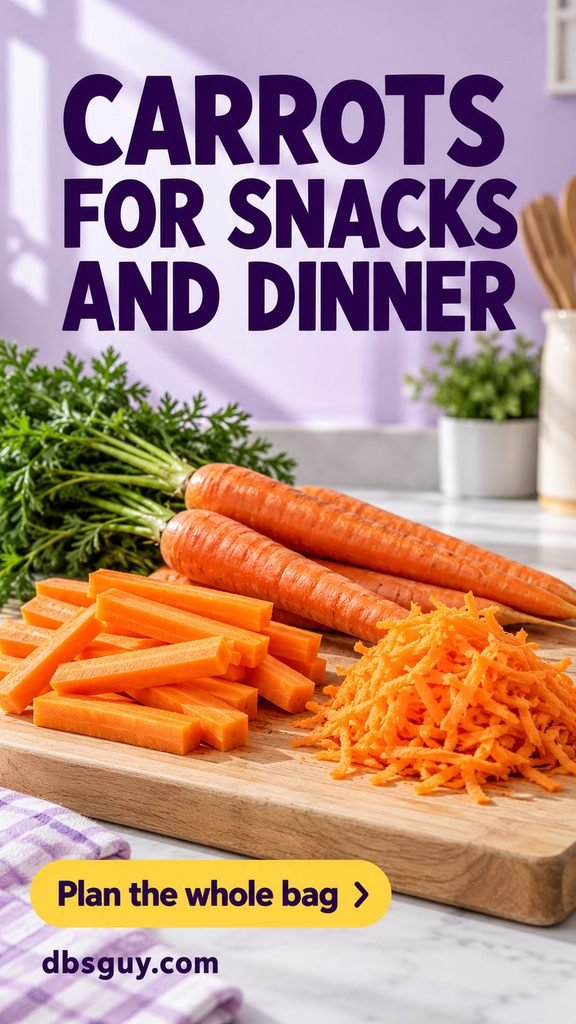
Keep them refrigerated, wash and scrub before use, and cut a few into sticks when you are already making lunch. Grate one into cabbage slaw or dice it small for lentil soup. Using carrots in both snacks and dinners makes it easier to finish the bag.
21. Yellow onions
Buy one or two loose onions first. A little cooked onion can give beans, tomato sauce, or cabbage a more rounded flavor without requiring a whole collection of fresh seasonings.
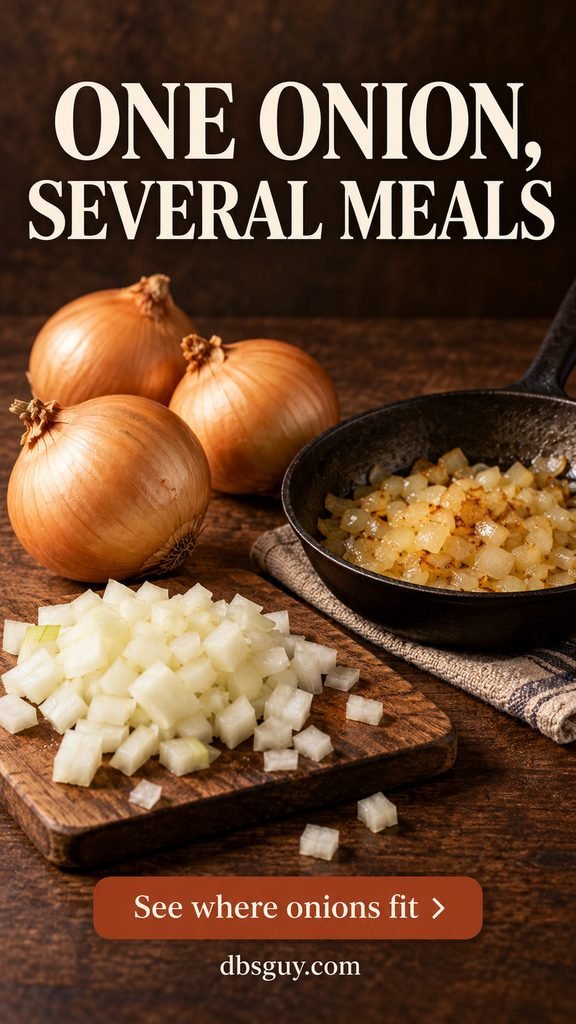
Store whole dry onions in a cool, dry, ventilated spot; refrigerate cut portions in a covered container. Chop only as much as the next few meals need. If chopping and storing fresh onion is impractical, skip it and use garlic powder for a simpler starting pantry.
22. Frozen mixed vegetables
Buy one small bag of an unsauced blend that fits your freezer. A corn-carrot-pea mix is easy to stir into rice; a blend with peppers or zucchini works too. The useful choice is one you like and can store properly.
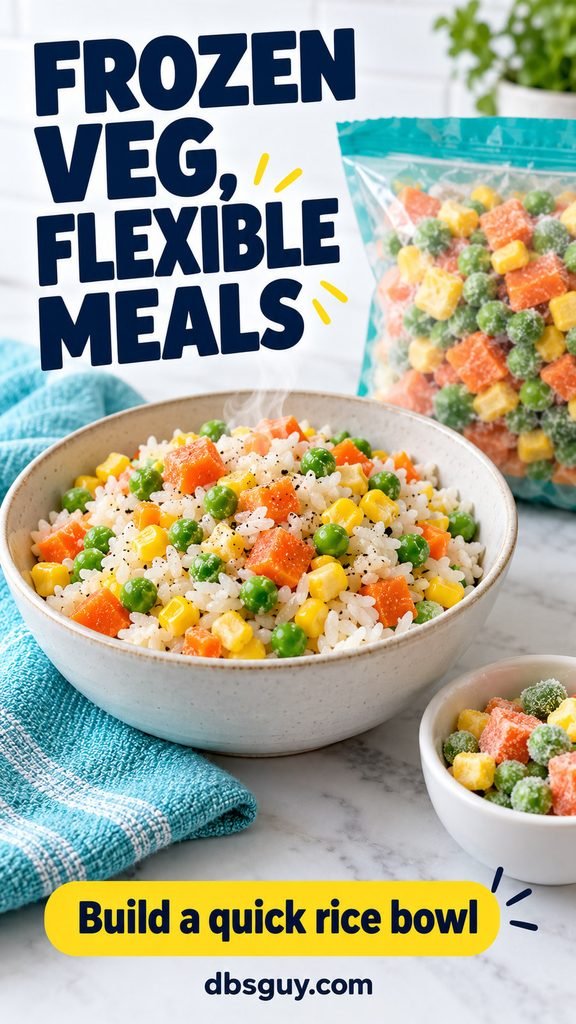
Pour out a portion and return the bag to the freezer promptly. Cook according to the package, even when the vegetables are going into a cold dish later. If your mini fridge only has a small ice compartment, check whether it can maintain freezer temperature before stocking frozen food.
23. Frozen chopped spinach
Choose a small bag or block of plain chopped spinach. It adds greens to eggs, lentil soup, and pasta without requiring you to finish a large container of fresh leaves.
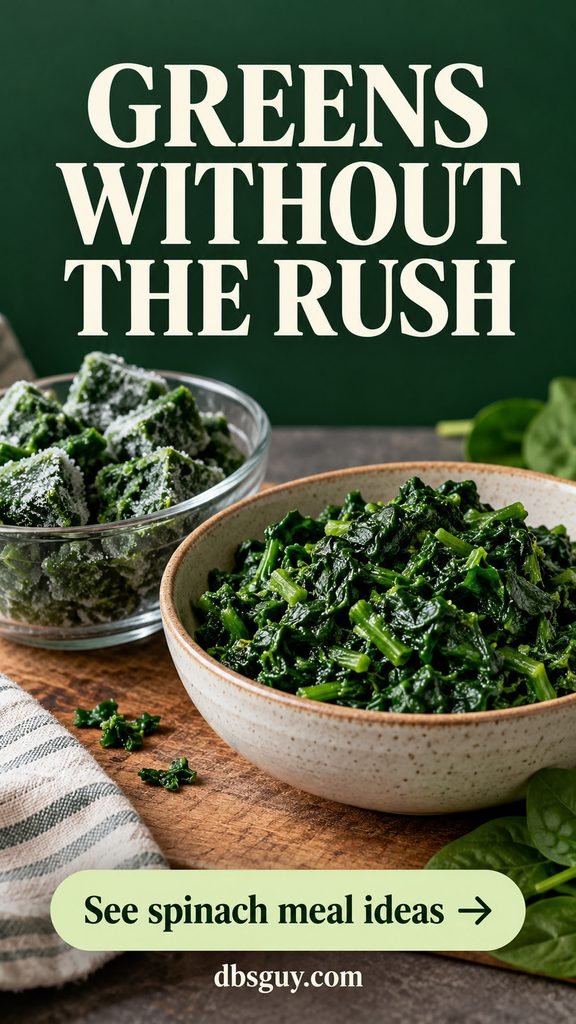
A loose bag is easier to portion than a solid block. Cook as directed, and drain excess liquid when using it in eggs or wraps so the meal does not turn watery. Buy it only when you can keep it frozen until use; a freezer compartment full of ice is not proof it holds food at 0°F.
24. Frozen peas
A small bag of peas is useful if you want a quick addition to pasta, rice, or soup without another chopping job. Their small size makes them easy to portion from a bag.

Cook according to the package rather than treating frozen peas as a ready-to-eat snack. If your mixed vegetable bag already contains enough peas for your meals, skip a separate bag this week. A useful master list should help you buy less when two purchases would do the same job.
25. Canned tomatoes
Start with one roughly 14- to 15-ounce can of diced or crushed tomatoes. Diced tomatoes suit chunky beans and soup; crushed tomatoes give pasta a smoother sauce. Choose the texture you need instead of buying both.
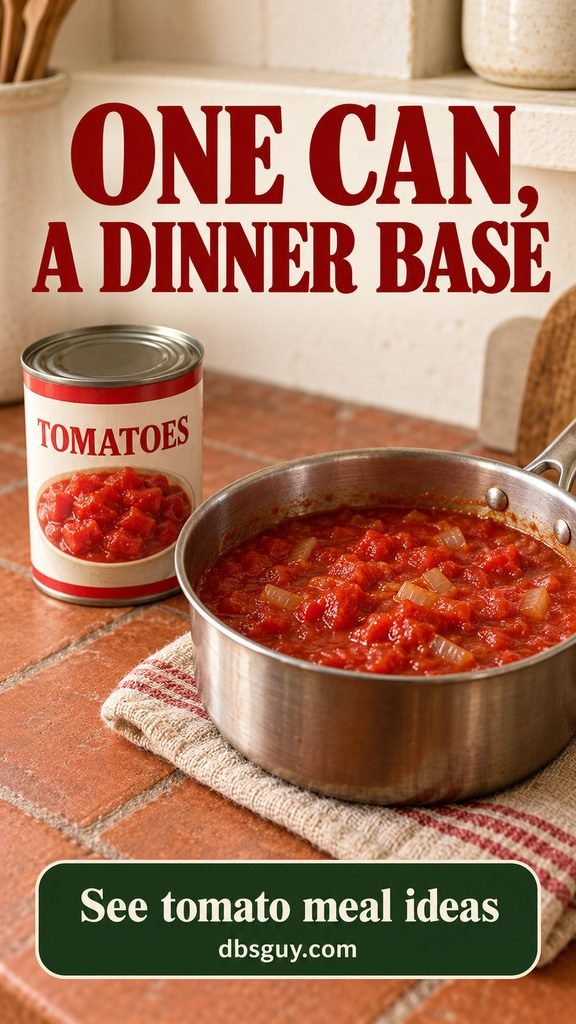
Simmer them with cooked onion and garlic powder for a basic sauce, then add beans or cooked lentils. Select no-salt-added tomatoes if that fits your needs and price. Refrigerate the unused portion in a covered container and plan where it will go before opening a large can.
26. Tomato paste
A small can or resealable tube supplies concentrated tomato flavor when a full can of tomatoes would make a dish too wet. A spoonful works in beans, lentils, or a quick pasta sauce loosened with water.
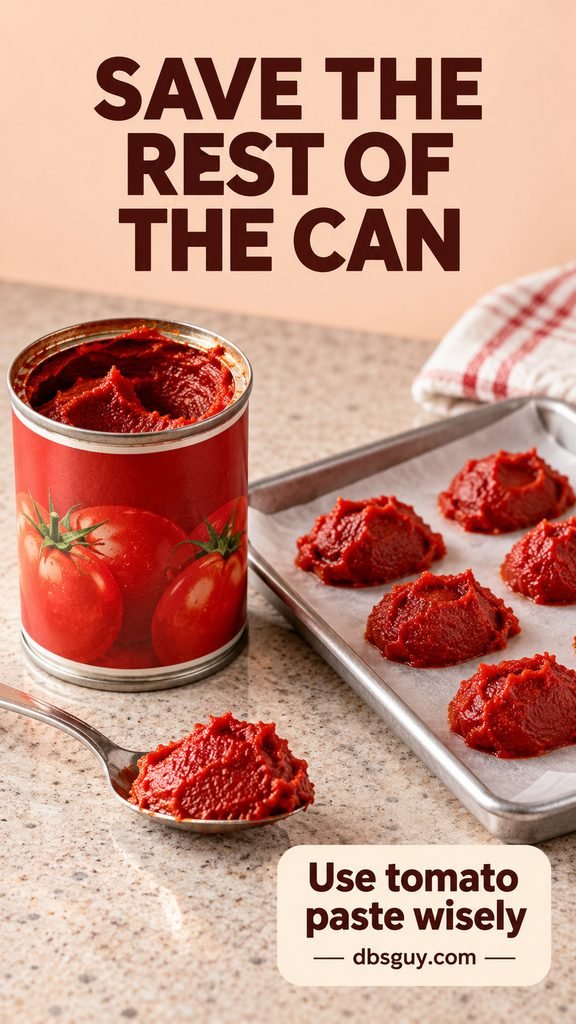
Compare the can’s lower upfront price with a tube’s portioning convenience. If you buy a can and have a freezer, freeze unused paste in small portions soon after opening, then store the frozen portions in a sealed freezer container. Otherwise, choose a size you can use within the label’s refrigerated guidance.
27. Canola oil
Choose a small bottle of canola or another affordable neutral cooking oil you tolerate. It covers eggs, pan-cooked tofu, vegetables, and simple dressing without buying a different oil for every recipe.

Use a measured amount instead of pouring freely; you can add more if the pan needs it. Keep the bottle capped, away from heat and sunlight. A giant bottle may have a lower unit price, but it is unnecessary if you cook only occasionally or have nowhere suitable to store it.
28. Soy sauce
A small bottle can season rice, tofu, cooked cabbage, and peanut sauce. Start with a little, taste, and add more only if needed; salty sauces are easier to increase than remove.
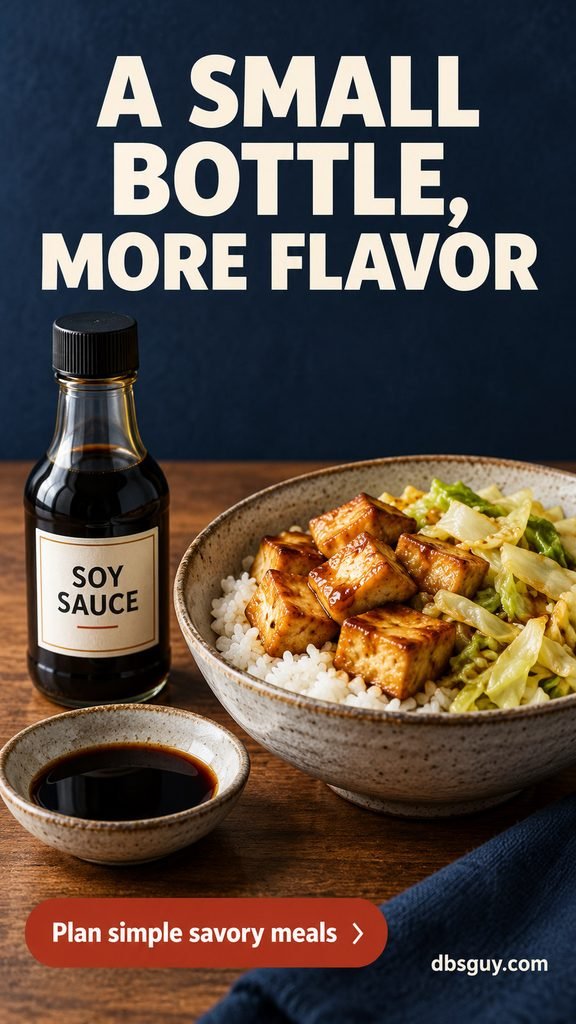
Compare regular and reduced-sodium versions, and follow the label for storage after opening. Ordinary soy sauce often contains wheat, so check the ingredients if you need a gluten-free option. You can skip it if chili-and-tomato meals are more your style; the point is a flavor you will use, not a complete sauce collection.
29. Vinegar
Buy one small bottle of food-grade distilled white or apple cider vinegar. A splash can brighten cabbage slaw, chickpea filling, or peanut sauce when the food tastes flat.

For a simple dressing, begin with 1 teaspoon vinegar and 2 teaspoons oil, then adjust to taste. Use vinegar sold for cooking, not cleaning vinegar. You do not need multiple varieties while building a student pantry; choose one flavor you can use across several meals.
30. Garlic powder
One small jar offers garlic flavor without peeling cloves or storing another fresh ingredient. Add a pinch to beans, yogurt dip, tomato sauce, or potatoes.

Look for garlic powder rather than garlic salt if you want to control salt separately. Keep the jar dry and closed, away from the stove’s steam. A large bargain jar is only useful if you will use it while it still tastes good; a small jar is enough to find out whether it suits your meals.
31. Chili powder blend
An American-style chili powder blend can season black beans, potatoes, rice, and tomato-lentil dishes. Start with one small jar and read the ingredients; blends differ in heat and whether they contain salt.
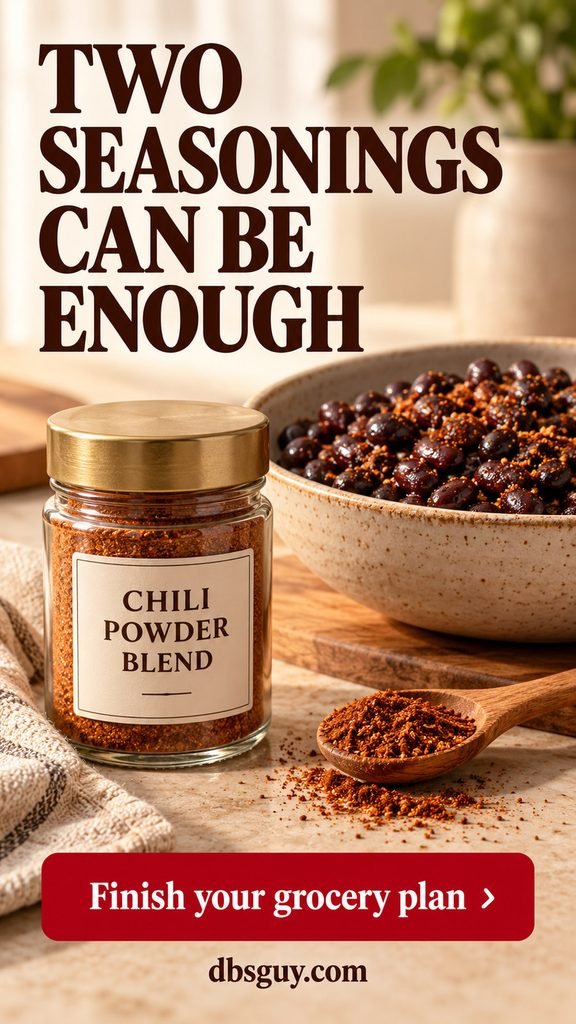
Do not swap a full spoonful of cayenne for the same amount of chili powder blend. Begin with a small pinch and taste as you cook. If you prefer mild food, choose a mild blend or leave it out. Two seasonings you enjoy will do more for your grocery budget than ten you never open.
A smaller first-trip list you can actually use
If you have a stove, refrigerator, and freezer, this is a practical starting basket for one person. These are shopping quantities, not a complete weekly meal plan or a promise that they meet every person’s food needs. Adjust for your appetite, schedule, dietary needs, and what you already own.
- One small canister of oats and one loaf of bread.
- One 1-pound bag of rice or one box of pasta; choose a single dinner base first.
- Two cans of black beans or chickpeas and one small jar of peanut butter.
- A half-dozen eggs or one tofu block, plus a small tub of plain yogurt if you want it.
- Three or four bananas or apples, one bag of carrots, and one small bag of frozen vegetables.
- A small bottle of oil and one seasoning you enjoy, if you do not have them already.
This basket can start breakfasts of oats with fruit, lunches of peanut butter toast or mashed chickpea sandwiches, and dinners of rice or pasta with beans and cooked vegetables. Add food as needed rather than treating a short list as an allowance you must live on. Skip duplicate ingredients until you know which meals you want again.
When a grocery trip has to stay below a fixed amount, add the full package prices in your phone as you shop. Leave room for any local taxes, fees, and transport costs. Remove an optional extra or switch a brand before cutting the food you need for planned meals.
Make the groceries stretch without losing them to waste
Give each opened ingredient its next job. Beans from a rice bowl can go into tomorrow’s wrap. Yogurt can cover breakfast and a potato topping. Cabbage can move from slaw to a cooked side. You do not need a different recipe and shopping list every night.
Label containers with the date. Keep your refrigerator at 40°F or below and a true freezer at 0°F or below. Refrigerate perishables within two hours, or one hour when the temperature is above 90°F. Divide hot leftovers into shallow containers and refrigerate promptly instead of leaving a large pot on the counter to cool.
Plan to eat most cooked leftovers within three to four days, or freeze portions you will not use in that window. Reheat leftovers to 165°F, and follow any shorter product-specific storage instructions. A week of meal prep does not mean keeping every portion in the refrigerator for seven days. See the federal four steps to food safety for handling and chilling guidance.
For more breakfast combinations using overlapping ingredients, read 19 Dorm Breakfast Ideas: Microwave & No-Cook Mornings.
Questions students ask before checking out
What should I buy first when I have very little money?
Buy for the next few meals you need, using what you already have. A base such as oats, bread, or rice; beans or peanut butter; fruit; and a vegetable give you places to start. Choose smaller packages when that is what your checkout budget allows. If food is running out, ask student support about your campus pantry or other local food assistance and how to access it.
Are dry beans always a better deal than canned beans?
No. Compare the cooked amount you can use, the equipment required, and your available time. Canned beans are ready to use after opening; dry beans need cooking. A dry bag is not useful savings if you cannot cook it. Split red lentils are another option for a kitchen with a saucepan.
Can I use this list without a refrigerator?
Use the shelf-stable choices: bread stored as labeled, peanut butter stored as labeled, whole fruit, and unopened shelf-stable cans. Oats still need a suitable preparation method unless you use them in a ready-to-eat combination. Buy small cans you can finish at one sitting when leftovers cannot be chilled. Skip eggs, refrigerated tofu, yogurt, and opened milk cartons until you have reliable cold storage.
Do I need all three frozen vegetables?
No. Start with one bag. Mixed vegetables suit rice bowls; spinach fits eggs and soups; peas are easy to add to pasta. Pick the one that matches your planned meals and freezer space, then rotate next time.
What should I put back if the cart costs too much?
Start with optional cheese, extra sauces, a second kind of bread, or a duplicate vegetable bag. Keep ingredients that cover the meals you actually need. Before buying another package, check whether an ingredient already in the cart can do the same job.
Write down two meals you can make from your cart before you join the checkout line. If an ingredient has no clear job, save it for a later trip.