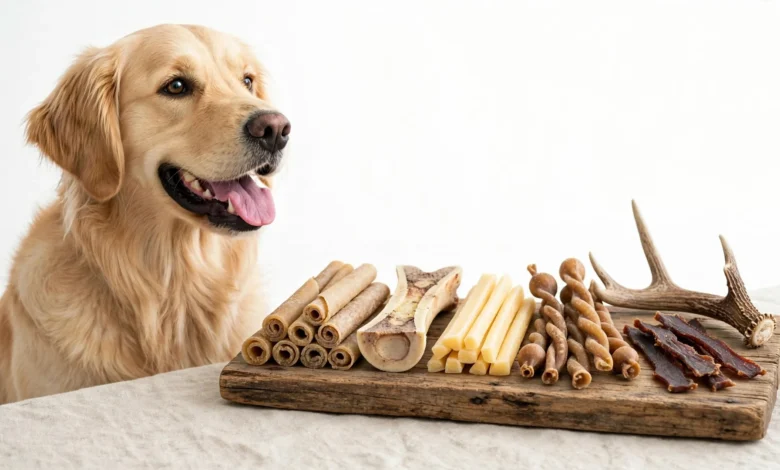
The pet-store treat aisle is designed to make everything look wholesome. Natural, long-lasting, vet-approved, great for teeth — the packaging promises it all. But emergency vets keep meeting the same products from the other side: in X-rays of blocked intestines, in cracked teeth, in dogs who were fine at breakfast and in surgery by dinner. The treats below are not obscure or recalled oddities; they are bestsellers. And according to the vets who treat the fallout, several of them deserve far more caution than their labels suggest. Choosing what your dog plays with matters — our guide to budget-friendly dog toys that keep dogs busy makes the same case — but what your dog swallows matters even more.
1. Rawhide Chews
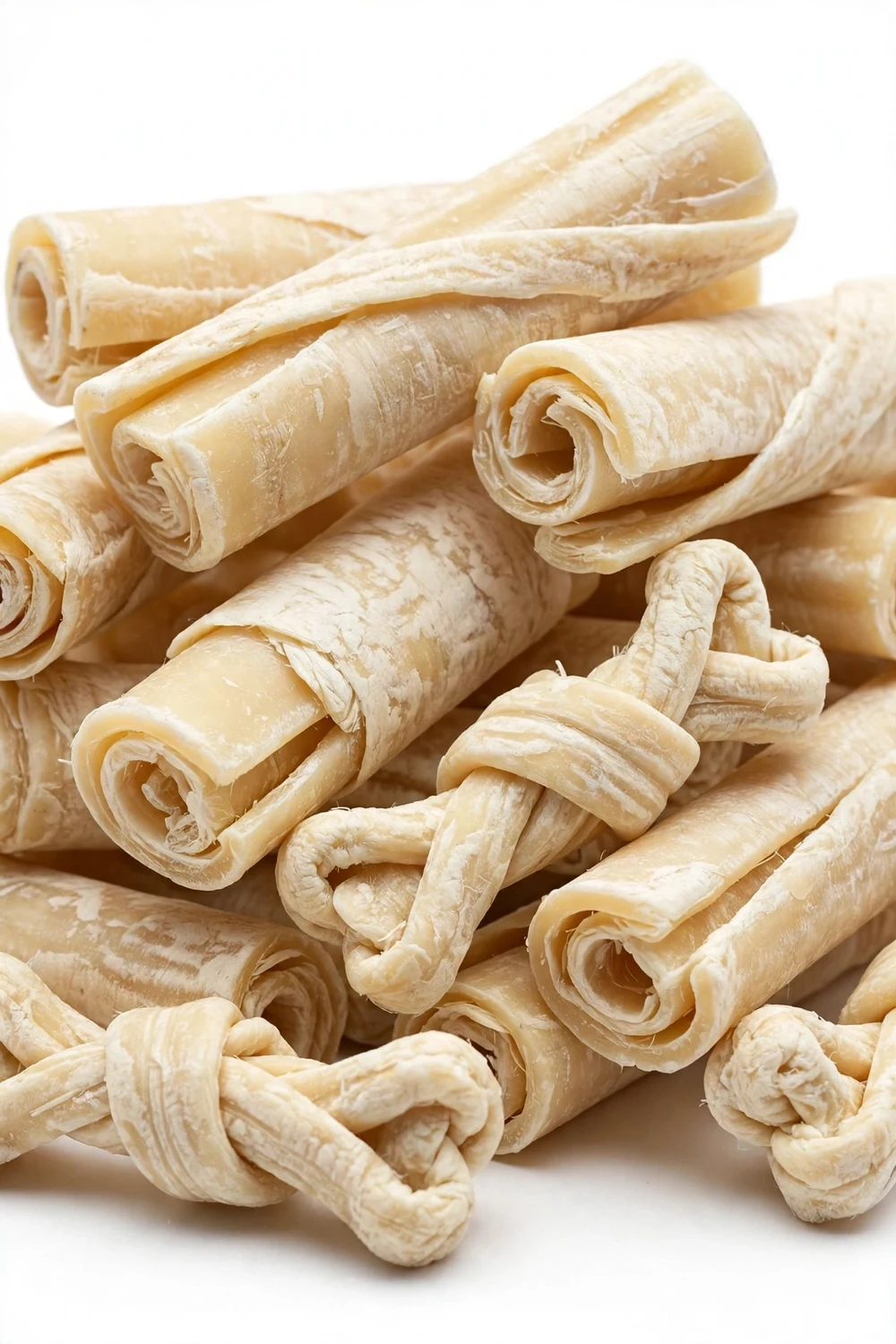
Rawhide is perhaps the most traditional dog chew in the world, which is exactly why its risks surprise people. Rawhide is made from the inner layer of cattle hide, and its problem is how it breaks down — or rather, how it doesn’t. Dogs tear off softened chunks and swallow them, and those chunks can swell in the stomach or lodge in the oesophagus or intestines, causing a blockage that often needs emergency surgery. Some rawhide is also processed using chemicals you would never knowingly feed a pet. A chew that has been handed out for generations is not automatically a safe one. If rawhide is already in your cupboard, vets suggest at minimum choosing large, single-piece chews your dog cannot gulp, supervising every session, and throwing the chew away the moment it gets small or soggy enough to tear chunks from — but many have quietly stopped buying it altogether.
2. Smoked Or Cooked Bones
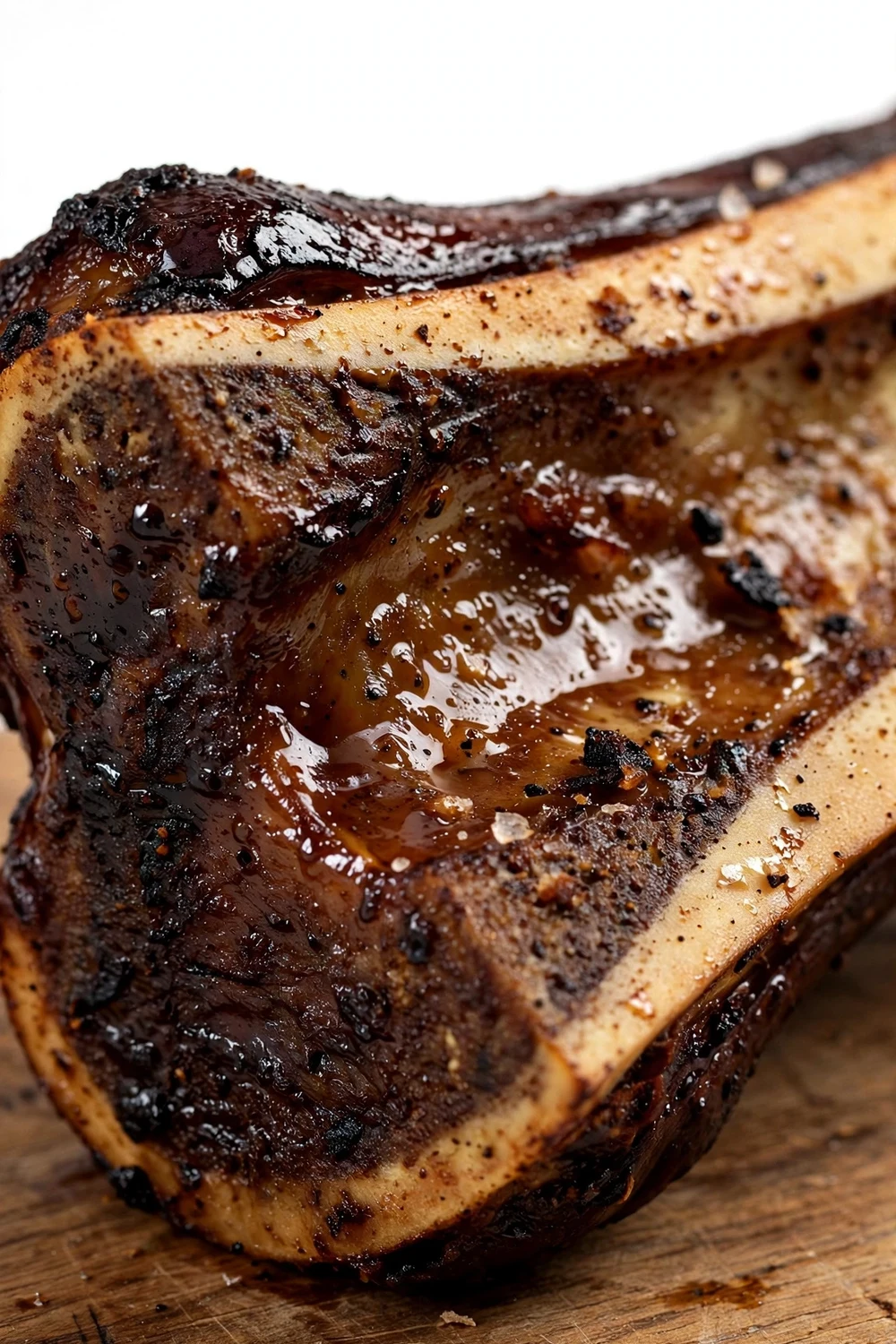
A bone feels like the most natural treat imaginable, and raw bones are a separate conversation — but the smoked, baked and cooked bones sold in pet stores are a different story. Cooking makes bone brittle, so instead of wearing down gradually it splinters into sharp shards. Those shards can cut the mouth and gums, crack teeth, perforate the gut or compact into painful blockages. The same applies to the bones left over from your own roast dinner: once a bone has been cooked, vets would rather it went in the bin than in the bowl. Bones from pet shops labelled “natural” are not exempt — the label describes where the bone came from, not how it behaves in a dog’s jaws.
3. Himalayan Yak Chews
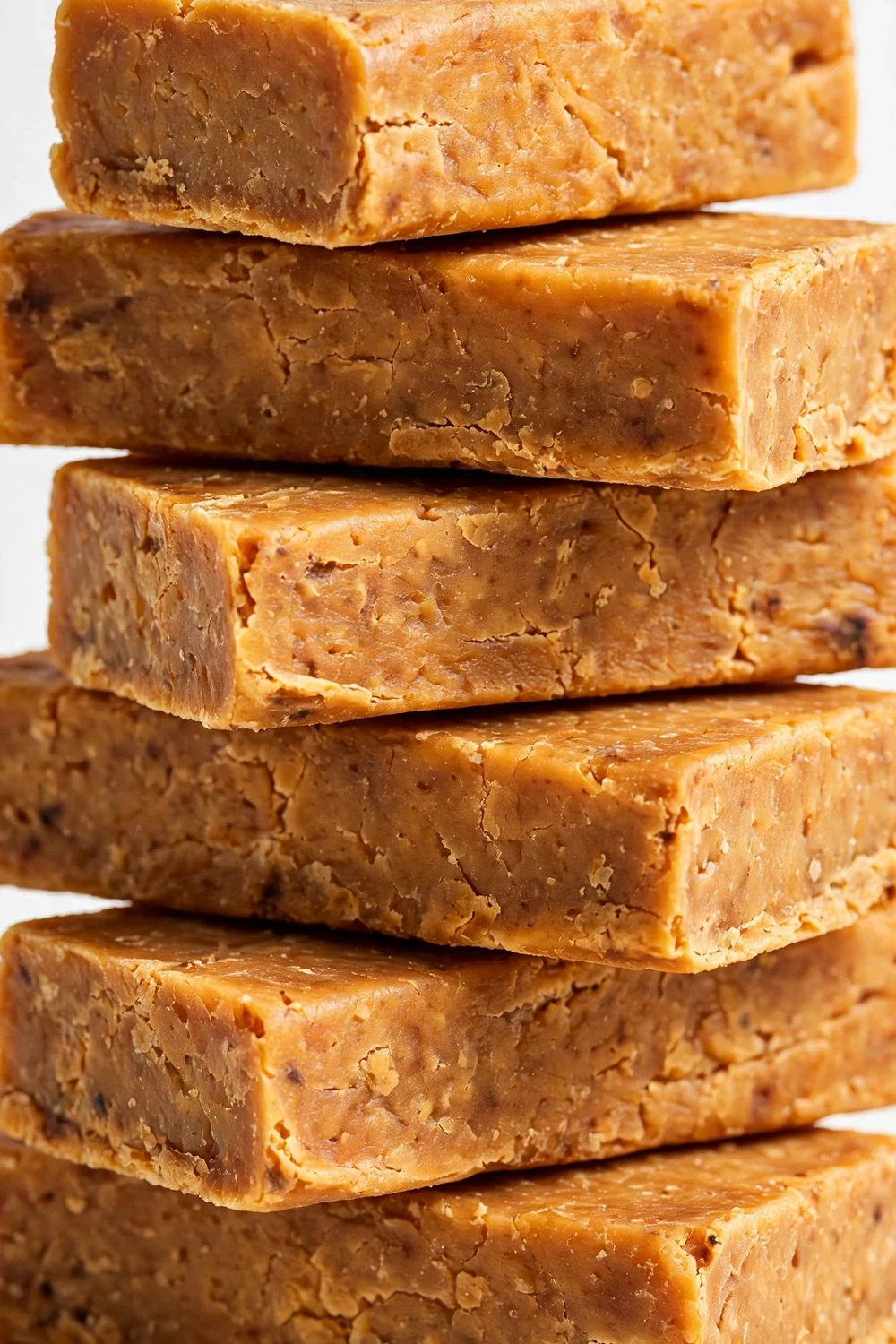
Yak chews — hard sticks made from pressed yak and cow milk cheese — are marketed as natural, odour-free and long-lasting, and they are certainly hard. That hardness is the issue. Determined chewers can snap off the end piece and swallow it whole, where it becomes a choking or blockage risk, and the rock-like density is tough on teeth. If you use them, the common vet advice is to microwave the final stub until it puffs into a softer, crunchy piece — and never leave a dog alone with one. The “for aggressive chewers” stamp on the packet is a warning to take literally: the stronger the jaws, the sooner the stick gets snapped rather than gnawed.
4. Antlers
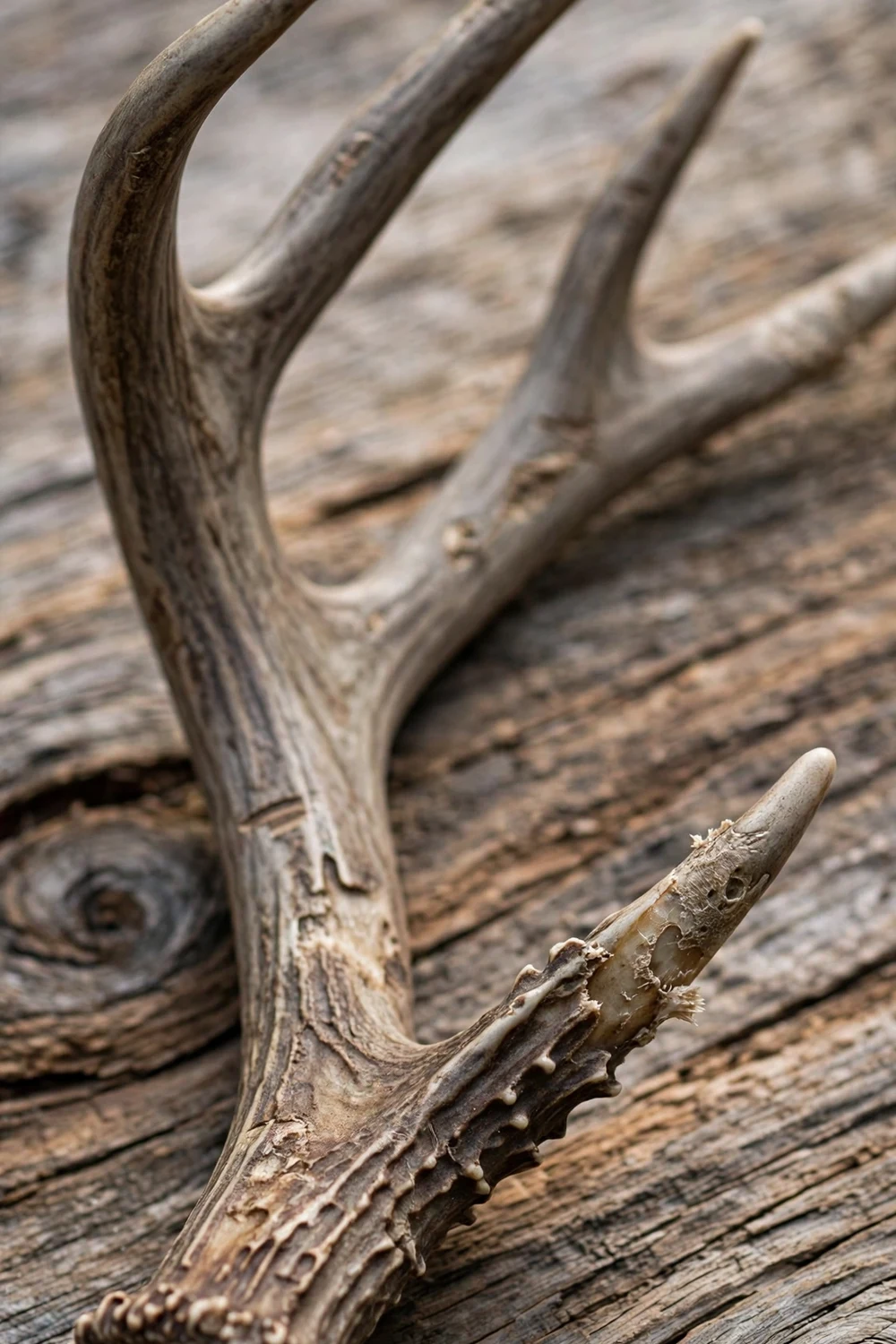
Antlers sound like the ultimate natural chew: mineral-rich, odourless, and they last for months. They last because they are extraordinarily hard — harder than tooth enamel can handle. Slabs of fractured tooth, especially the large upper chewing tooth, are one of the most common antler injuries vets repair, and a tooth fracture is painful and expensive. The simple hardness test vets suggest: if you would not want it rapped against your kneecap, it is too hard for your dog’s teeth. Dogs rarely show tooth pain obviously — many keep eating around a fractured tooth for weeks — so prevention is doing real work here.
5. Bully Sticks
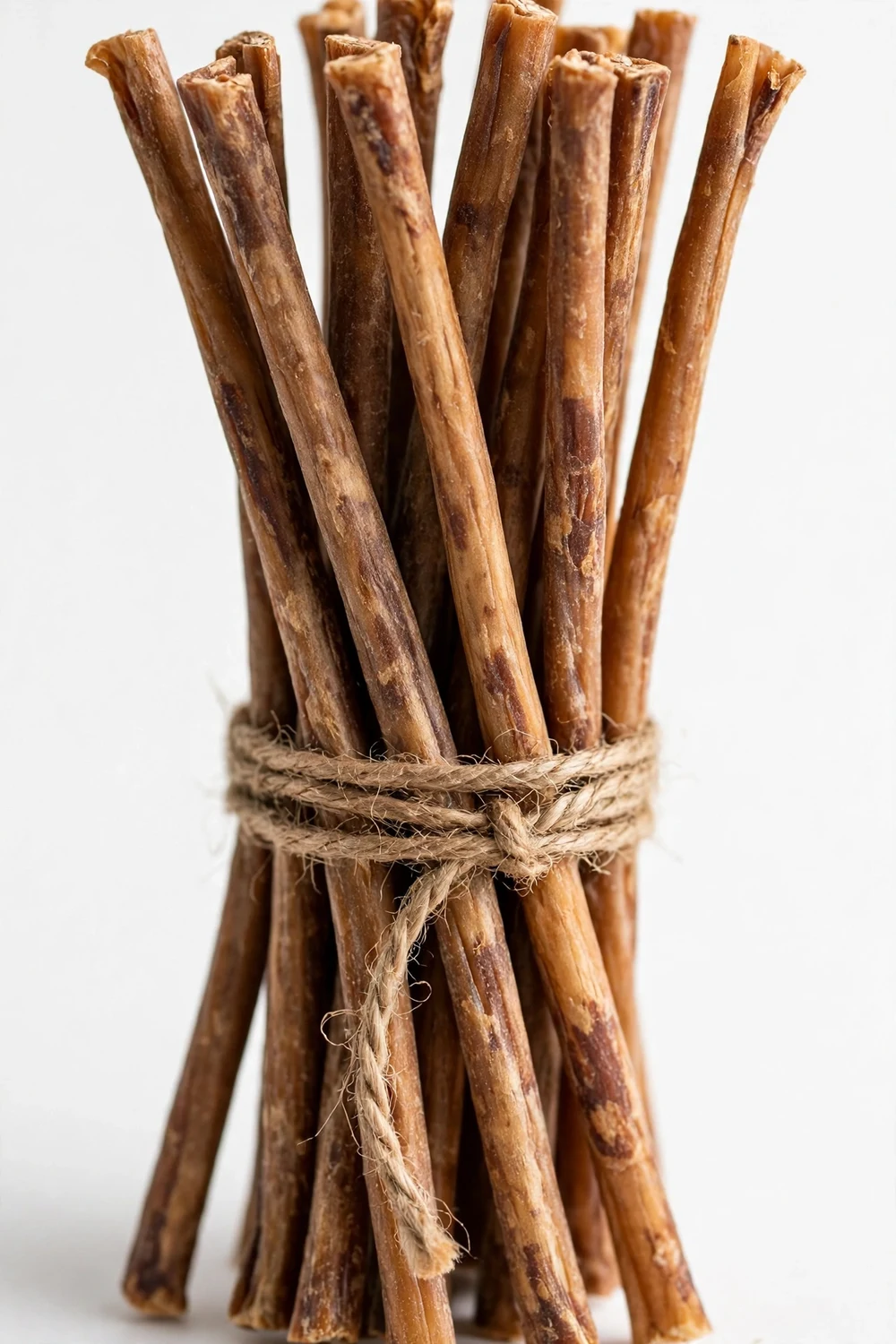
Bully sticks are widely considered one of the better chews — fully digestible and usually gentler than rawhide — which makes their risks easy to overlook. They are calorie-dense for their size, they can carry bacterial contamination if handled or stored poorly, and the last inch of the stick is a notorious choking hazard when a dog tries to swallow it whole. Many vets who accept bully sticks still insist on a holder device that clamps the end — and on washing your hands after handling them, as you would after raw meat. It is also worth knowing what a bully stick actually is, because packaging rarely spells it out: dried bull pizzle. Perfectly fine for dogs — but it explains both the smell and the hygiene rules.
6. Hard Dental Chews
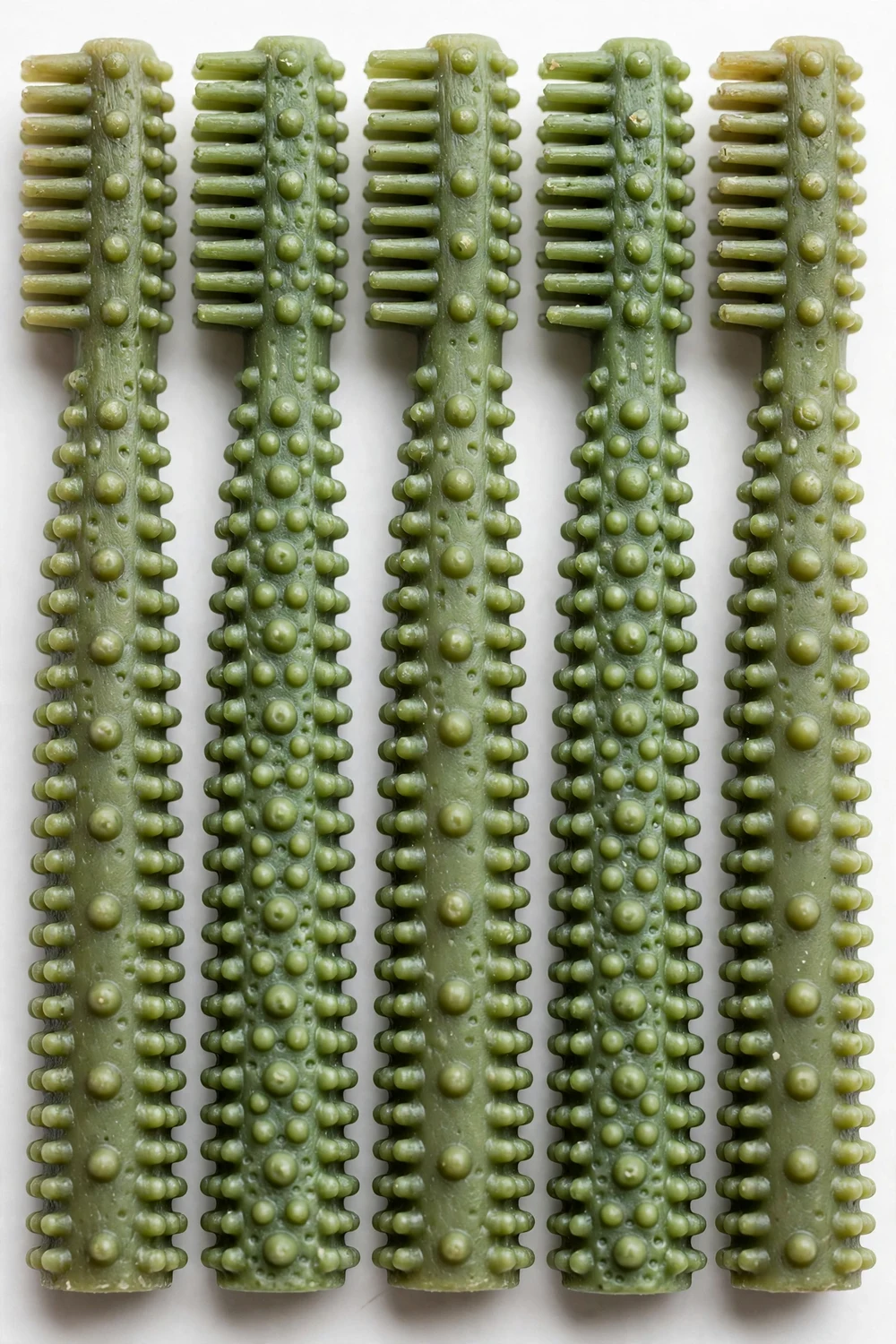
Dental chews carry health halos — they freshen breath and scrub teeth, the ads say — but the very hard types, especially compressed nylon-style and rigid dental bones, share the antler problem: teeth crack on things that do not give. There is a second issue, too. Dogs who gulp rather than chew can swallow large pieces of even edible dental chews, and those pieces are a recognised cause of oesophageal blockages. Softer, pliable dental chews that bend slightly are the safer end of this shelf. Look for the flexibility test on the packet if there is one — and remember that no dental chew replaces brushing; at best it buys time between cleans.
7. Jerky Treats
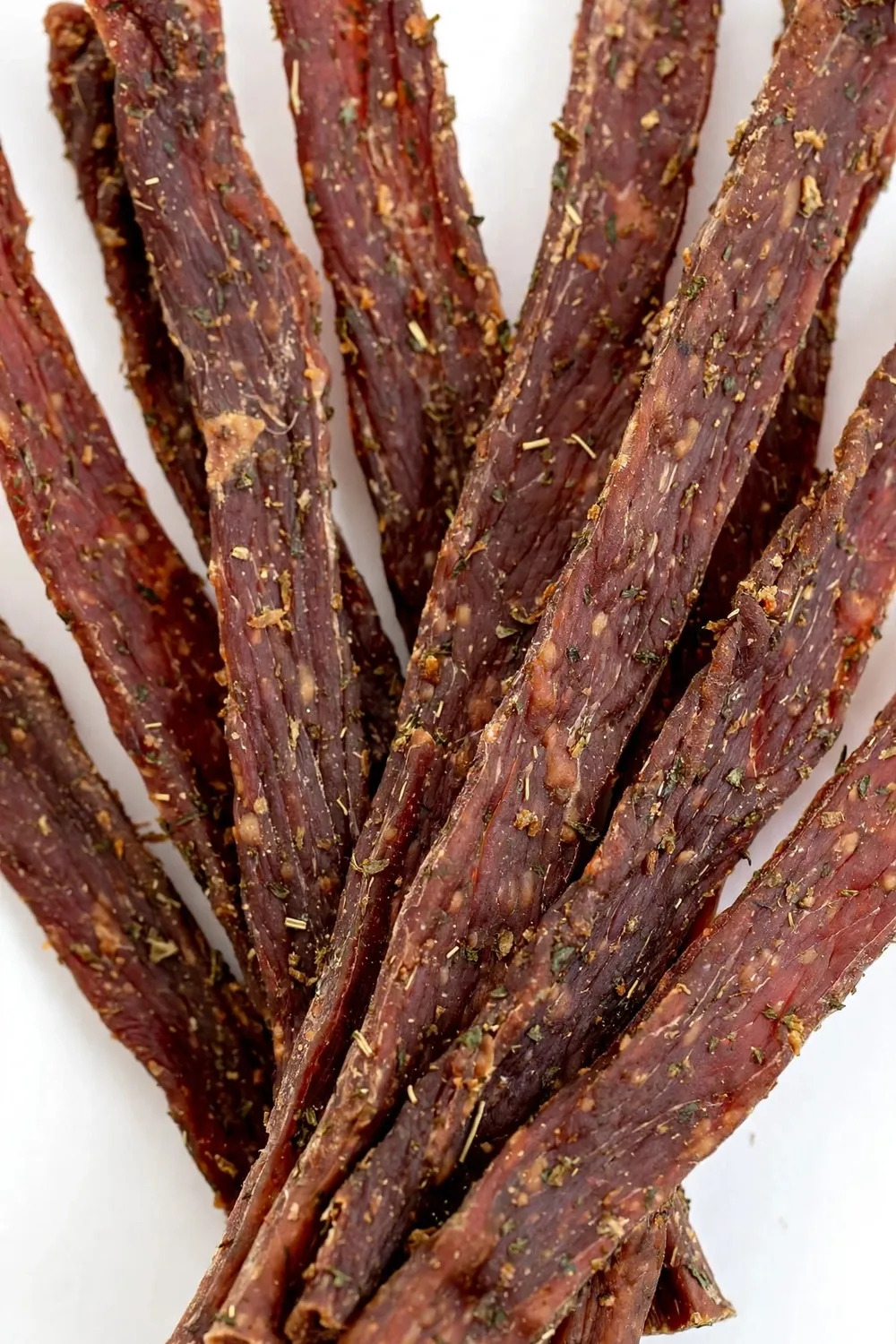
Jerky seems unimpeachable — it is just dried meat, after all. Yet for years, regulators have fielded reports of serious illness in dogs linked to certain jerky treats, particularly some imported chicken, duck and sweet potato varieties; the exact cause was never conclusively pinned down, which is precisely why many vets stay cautious. Add the everyday risks — jerky strips swallowed in large pieces can obstruct, and heavily processed jerky can be very salty — and modest portions from reputable makers, with the country of origin checked, is the prudent way to use them. If a dog becomes ill after eating jerky — thirstier than usual, off food, vomiting or lethargic — stop the treats and call your vet rather than waiting it out.
8. Grain-Free Diets
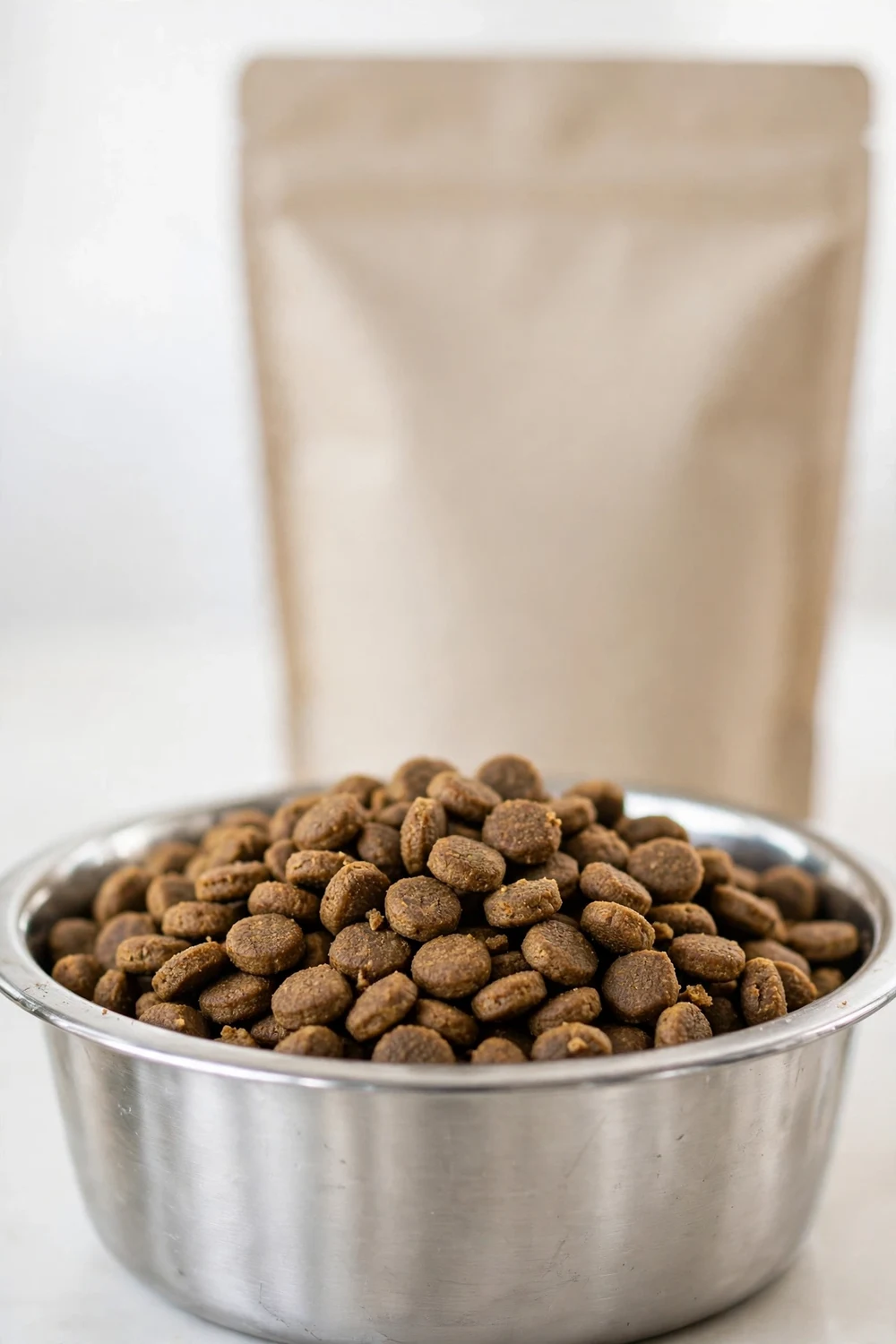
This one is not a chew at all, but it sits in the treat-and-food aisle with the same health halo — and it is the entry vets raise unprompted. In 2018 the US Food and Drug Administration reported investigating a possible link between grain-free diets heavy in peas, lentils and potatoes and a serious heart condition called dilated cardiomyopathy (DCM) in dogs, including breeds not normally prone to it. Research is ongoing and the picture is not fully settled, but the signal was strong enough that many vets now advise against boutique grain-free diets unless there is a genuine medical reason. Until the science settles, “grain-free” is a marketing phrase, not a health claim. If your dog is already on such a diet, do not panic or switch overnight; raise it at your next vet visit, where a proper conversation about the dog’s breed, heart health and overall diet can happen.
9. Xylitol In “Sugar-Free” Treats And Peanut Butter
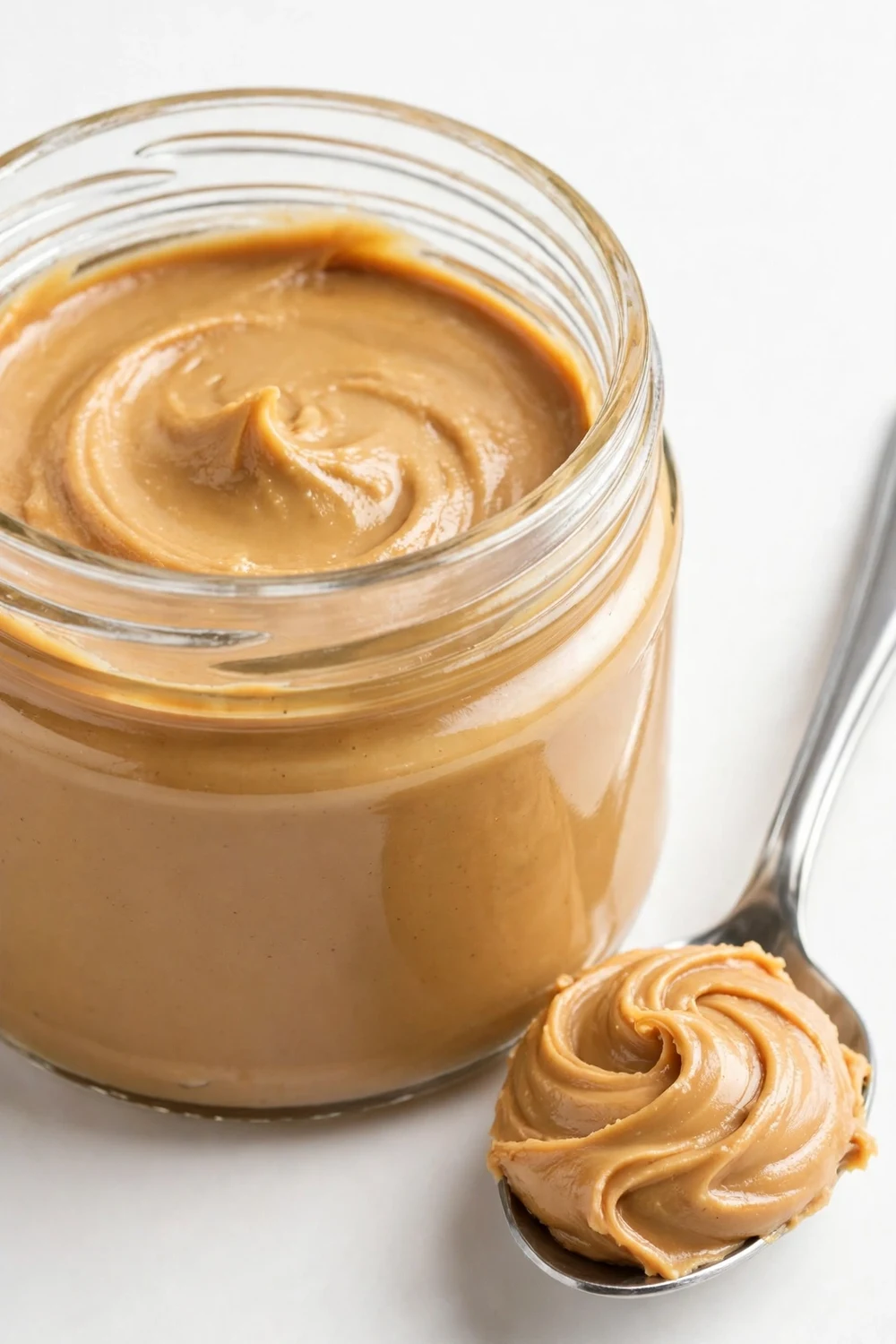
The last entry is the most dangerous on this list, and it hides in human foods often shared with dogs. Xylitol — also listed as birch sugar or E967 — is a sweetener found in some sugar-free peanut butters, yogurts, gums and baked goods. In dogs it is a genuine poison: even small amounts can trigger a dangerous insulin surge and liver failure. It has no place in a dog’s diet at all. Read every label before sharing human food, choose plain dog treats instead, and treat any suspected xylitol ingestion as an emergency. Stories about how completely pets have taken over our homes and budgets — like the puppy whose rescue story we shared, Newt the dachshund finding his forever home — make clear why getting this right matters so much.
Warning Signs Something Is Wrong
Whatever the treat, learn the red flags of a blockage or injury: repeated vomiting or retching, drooling, pawing at the mouth, refusing food, a painful or swollen belly, straining to pass stool, or sudden lethargy. A cracked tooth may show up as chewing on one side or dropping food. Any of these after a chew means a vet call the same day — gut blockages do not resolve on their own, and hours matter.
What To Reach For Instead
The pattern in vets’ advice is consistent: choose chews that are fully digestible, soft enough to dent with a thumbnail, and sized so they cannot be swallowed in chunks. Use a holder for stick-style chews, supervise every chewing session, and take treats away when they shrink to swallowing size. Match the chew to the dog — power-chewers destroy in minutes what lasts a gentle dog a week. And keep treats to a small share of daily calories, because even the safest treat is not dinner. Our look at how pets are reshaping American life shows how much we happily spend on them; spending it on the safer shelf is the easy part.
This article is general information based on widely reported veterinary guidance, not a substitute for advice from your own veterinarian, who knows your dog.