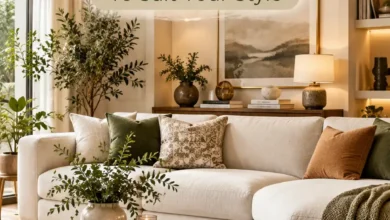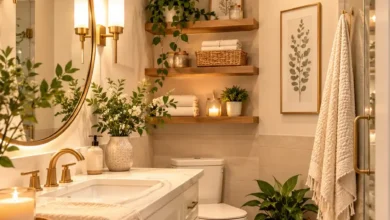
Your sleeping area should offer more than nighttime rest. With the right furniture, you can create a versatile retreat for reading, dressing, or unwinding after a long day. Choosing among sofa designs for bedroom spaces can maximize comfort while adding personal style to your sanctuary.
Whether you need a spot for morning coffee or extra storage, thoughtful sofa designs for bedroom layouts can change how you use your space. Plush upholstery and smart built-in functions can turn a plain room into a cozy haven.

This guide explores options to help you find the best fit. It covers compact loveseats, functional sleepers, modern corner arrangements, and clever space-saving solutions. Discover how furniture can elevate your home while feeling both practical and inviting.
Key Takeaways
- Select furniture based on your specific needs, such as lounging, reading, or extra storage.
- Consider the scale of your room to ensure the piece fits without overcrowding the area.
- Explore multi-functional options like sleeper couches to maximize utility in smaller spaces.
- Use upholstery and color to harmonize the new addition with your existing decor.
- Strategic placement near a window or corner can create a dedicated, relaxing nook.
Set the design goals for a bedroom sofa
A multifunctional bedroom retreat begins with clear goals for new seating. Before exploring various sofa designs for bedroom layouts, decide how the piece will support daily routines. A thoughtful choice can turn an empty corner into a sanctuary for productivity or relaxation.

Decide whether the sofa is for lounging, sleeping, dressing, or storage
The furniture’s primary function determines the style you should choose. For reading or morning coffee, a plush loveseat is ideal. For guests, consider a sleeper sofa, while a bench-style seat works well for dressing. Some modern sofa designs for bedroom spaces include hidden compartments that help manage clutter.
Match the sofa to the bedroom’s size and traffic flow
Measure the available floor space carefully so the sofa does not obstruct movement. Maintain at least 30 inches of clearance around the bed and primary walkways. Avoid placing large furniture before closet doors or entryways, because it creates a cramped, uninviting atmosphere.
Balance comfort, scale, and visual calm
Comfort is subjective, yet seat depth and cushion support strongly influence it. A sofa that is too deep may overwhelm a small room, while one that is too shallow might feel like a stiff chair. Choose a proportionate silhouette that preserves visual harmony with your existing bed frame and nightstands.
| Primary Goal | Recommended Sofa Type | Key Benefit |
|---|---|---|
| Lounging | Loveseat or Chaise | Maximum comfort |
| Sleeping | Sleeper or Daybed | Guest flexibility |
| Dressing | Bench or Settee | Space efficiency |
| Storage | Ottoman-style Sofa | Clutter reduction |
Defining these goals early helps your final choice improve both your home’s utility and aesthetic. Evaluating each factor can create a more intentional and satisfying bedroom environment.
Sofa designs for bedroom layouts by room role
Your bedroom can become more than a place to sleep with thoughtful sofa designs for bedroom spaces. When you identify your seating’s primary role, an empty wall or corner becomes a functional retreat that supports your daily routine.

Create a dedicated reading corner
A quiet corner offers an ideal place to unwind with a book after a long day. Pair a plush armchair or small loveseat with a floor lamp to define this space as your personal retreat. A soft throw blanket makes the area feel warm and inviting.
Build a conversation area at the foot of the bed
A bench or compact sofa at the foot of your bed creates a natural anchor for the room. This arrangement gives couples a comfortable spot to chat or put on shoes. It also separates the sleeping zone from the room’s other activities.
Add a flexible sitting zone near a window
Seating near a window lets you benefit fully from natural light. This position suits morning coffee or quiet moments spent enjoying the view. These versatile sofa designs for bedroom layouts give your furniture a purpose beyond filling unused space.
Keep clear pathways between the bed, closet, and door
Function should guide every bedroom furniture decision. Ensure your chosen seating does not obstruct traffic flow. Maintain at least 30 inches of clearance between the bed, closet, and door for easy movement.
| Role | Best Placement | Key Benefit |
|---|---|---|
| Reading Corner | Quiet Corner | Privacy and Focus |
| Conversation Area | Foot of Bed | Social Interaction |
| Flexible Zone | Near Window | Natural Lighting |
Small sofa for bedroom spaces with limited floor area
A small sofa for bedroom areas can anchor a relaxation zone with practical purpose. You do not need a massive footprint to enjoy the luxury of dedicated seating. Choose furniture made for tighter quarters, and turn an empty corner into a cozy retreat.

Choose apartment-size proportions without sacrificing comfort
Many homeowners worry that smaller furniture sacrifices cushion support. Modern apartment-size sofas, however, offer deep, plush seating within a slim profile. Choose frames with ergonomic designs rather than bulky padding for comfort during long reading sessions.
Use armless sofas and compact loveseats to reduce visual bulk
Visual weight strongly affects small rooms. For bedroom layouts, an armless small sofa for bedroom creates an airy, open feeling by removing bulky side barriers. Compact loveseats also provide seating for two without overwhelming nearby floor space.
Check seat depth, arm width, and clearance before buying
Measure your available space carefully before committing to a purchase. Confirm that the sofa fits through your bedroom door and leaves room for traffic flow. Check seat depth against your frame, and measure arm width to ensure it does not block your path.
Use a slim console or nesting tables beside the sofa
Pair your seating with a slim console or nesting tables to maximize utility. These pieces hold morning coffee or a book without consuming precious floor space. Nesting tables prove especially useful because you can tuck them away when unused.
| Sofa Type | Best Feature | Space Impact |
|---|---|---|
| Armless Loveseat | Open aesthetic | Minimal |
| Apartment Sofa | Full-size comfort | Moderate |
| Compact Settee | Elegant profile | Low |
Sofa bed design ideas for guest rooms and multipurpose bedrooms
A well-chosen sofa bed design can transform a multipurpose room into a welcoming retreat for visitors. Whether furnishing a home office or secondary bedroom, the right piece keeps the space versatile and stylish.

Select a pullout, click-clack, or daybed configuration
Choosing the right mechanism begins your sofa bed design journey. Each configuration offers distinct benefits based on how often you host guests:
- Pullout sofas: These feature a hidden mattress that unfolds, providing a traditional sleeping surface.
- Click-clack models: These fold flat by clicking the backrest forward, making them ideal for quick transitions.
- Daybeds: These offer a permanent lounge look and are perfect for smaller rooms where a full sofa might feel too bulky.
Reserve enough space for the bed mechanism to open fully
Before finalizing your purchase, measure the floor area carefully. A beautiful sofa bed design serves little purpose if it cannot open without striking a nightstand or bedroom door.
Test the clearance while the bed is fully extended. Leave sufficient walking space around its perimeter, allowing guests to move freely without feeling cramped.
Make overnight comfort part of the design decision
Comfort matters as much as aesthetics when selecting furniture. Choose high-density foam or pocket-coil mattresses that provide excellent support for a restful night’s sleep.
Also consider how easily the sofa converts. A user-friendly mechanism changes a daytime sofa into a cozy bed within seconds, offering hosts a major advantage.
Store bedding in an ottoman, drawer, or nearby cabinet
A dedicated place for linens helps keep the guest room tidy. Many modern designs include drawers beneath the seat, ideal for storing pillows and blankets.
If your model lacks storage, add a matching ottoman with a lift-top lid. Alternatively, a nearby cabinet or decorative basket can organize bedding and keep it ready for the next visitor.
Modern bedroom sofa styles for a clean, relaxed look
Modern design values simplicity, making a modern bedroom sofa an ideal addition to your sanctuary. Clean lines and deliberate choices can shape a bedroom that feels sophisticated, calm, and deeply restful.
Pair low-profile silhouettes with streamlined bedroom furniture
Choose furniture that sits close to the floor to preserve an open feel. Low-profile sofa designs for bedroom layouts keep sightlines clear and prevent the space from feeling cramped. Paired with streamlined bed frames and minimalist nightstands, these sofas create a cohesive horizontal flow that feels visually soothing.

Use curved edges to soften a contemporary room
Contemporary rooms can feel rigid or cold when their forms lack softness. A sofa with rounded arms or a curved back helps to soften the room’s geometry. This modest change adds comfort and organic warmth, making the seating area more inviting after a long day.
Combine boucle, linen, leather, or performance fabric with modern forms
Material choice strongly shapes your bedroom’s mood. Boucle offers trendy, tactile softness, while linen brings breathable, casual elegance. For durability, performance fabrics or supple leather provide a practical yet stylish solution that withstands daily use and preserves a crisp, modern appearance.
Coordinate the sofa’s legs and hardware with the room’s metal finishes
You do not need to match every furniture piece for a professional look. Instead, connect subtle details by matching sofa legs with drawer pulls or lamp bases. These links help your modern bedroom sofa feel like a deliberate part of the room’s design story.
Corner sofa for bedroom layouts that use awkward space
A corner sofa for bedroom layout solves dead space. Many rooms have awkward angles, yet these areas offer incredible potential for a private escape.
Turn an unused corner into a comfortable retreat
Tuck seating into an empty nook to create a dedicated zone for reading or morning coffee. This addition turns a cold area into a warm, inviting sanctuary. It also makes wasted square footage useful in your daily routine.

Choose between a compact chaise and an L-shaped arrangement
When choosing furniture, consider the exact dimensions of your wall space. A compact chaise suits tighter spots and has a sleek profile that keeps nearby windows clear. In a larger room, an L-shaped arrangement adds seating while hugging the walls.
Prevent the corner sofa from overwhelming the bed
The bed should remain the room’s primary focal point. A corner sofa for bedroom use should support it, not compete as a centerpiece. Keep the sofa low and its colors harmonious, so the room feels balanced and calm.
Anchor the arrangement with a round rug and compact floor lamp
Place a round rug beneath the seating area to define this zone. Its curved edges soften the corner’s sharp lines and create a cohesive look. Add a slim, compact floor lamp for task lighting without visual bulk.
Sectional sofa for small bedroom arrangements
Many homeowners overlook the potential of a sectional sofa for small bedroom arrangement, yet it offers remarkable versatility. Although these pieces seem suited to large living rooms, the right design can maximize limited floor space. Choosing a small sofa for bedroom requires a new view of how you use each square foot.

Measure each wall before choosing a sectional configuration
Measure every wall, corner, and opening before purchasing furniture. Accurate dimensions form the foundation of a successful layout. Also account for walking clearance around the sectional, bed, and nightstands.
Consider modular pieces that can be rearranged later
Modular furniture works well in spaces that evolve. Its individual components let you adjust the layout as your needs change or your decor develops. Flexibility remains its primary advantage, allowing sections to accommodate new furniture or different room functions.
Use a chaise to define the lounge zone without adding a chair
A chaise-style sectional creates a dedicated seating area without the clutter of an extra armchair. Its extended seat provides a comfortable place to lounge while preserving open floor space. This arrangement supports a clean, airy aesthetic in a compact bedroom.
Leave breathing room around windows, vents, and closet doors
Practicality matters as much as style when you place furniture. Ensure the sectional does not block closet doors, air vents, or other essential access points. Keeping these areas clear helps the room remain functional and comfortable throughout the year.
| Sectional Type | Best Use Case | Space Impact |
|---|---|---|
| Modular Units | Frequent layout changes | High flexibility |
| Chaise Sectional | Defined lounge zones | Efficient footprint |
| Apartment-Scale | Tight corners | Minimal bulk |
Space-saving sofa designs with built-in function
Transforming a compact bedroom into a versatile sanctuary begins with multifunctional furniture. When floor space is limited, space-saving sofa designs preserve a clean aesthetic without sacrificing relaxation.

Choose sofas with hidden storage for blankets and accessories
One effective way to reduce bedroom clutter is choosing a sofa with integrated storage. Many modern models include deep compartments beneath the seat cushions for extra blankets, pillows, or seasonal accessories.
This hidden utility keeps the room tidy while keeping essentials within reach. It is a brilliant way to maximize every square inch of your floor plan.
Use nesting tables, lift-top ottomans, and slim drink tables
Pairing seating with suitable accessories can significantly improve your room’s function. Nesting tables provide flexible space for a laptop or book, then tuck away when unused.
A lift-top ottoman serves as a footrest and temporary desk, while slim drink tables hold evening tea. These pieces help refine your sofa bed design without overcrowding the room.
Look for armless, wall-hugger, and foldable sofa designs
Your furniture’s silhouette determines how much visual weight it adds. Armless sofas create a sleek, open look that keeps the room from feeling cramped.
Wall-hugger mechanisms are another smart choice because they let sofas recline or expand without extra clearance behind the frame. Foldable options can shift from a cozy seat to a guest bed in seconds.
Prioritize furniture that serves at least two bedroom functions
When shopping for your next piece, choose items that serve two purposes. A sofa may offer storage, while a sofa bed design can double as a workspace. By choosing space-saving sofa designs with at least two roles, you keep your bedroom peaceful and efficient.
Cozy bedroom sofa ideas for a warm personal retreat
A cozy bedroom sofa anchors your private relaxation zone. The right piece transforms a simple sleeping area into a versatile sanctuary. It supports reading, meditation, and quiet reflection.

Layer the seat with pillows, throws, and tactile fabrics
Comfort depends on the textures surrounding you. Layering your seating with plush pillows and soft, chunky-knit throws creates instant warmth. These tactile elements invite you to relax and leave daily stress behind.
“The details are not the details. They make the design.” — Charles Eames
Use warm lighting to make the sofa inviting after dark
Lighting plays a crucial role in shaping your evening wind-down. Soft, warm-toned lamps near your cozy bedroom sofa create an intimate, reassuring glow. This subtle light helps your brain transition into rest, making the space feel like a true escape.
Build a relaxing palette with cream, tan, muted blue, or earthy green
Color influences emotions in our most private spaces. A palette of cream, tan, muted blue, or earthy green promotes calm and stability. These natural, grounded tones work together to keep the room airy yet deeply comfortable.
Choose washable covers or durable upholstery for everyday use
Practicality helps your retreat remain beautiful for years. If your cozy bedroom sofa receives frequent use from family members or pets, choose performance fabrics that resist wear. Removable, washable covers are a smart investment that preserves freshness without sacrificing style.
Stylish sofa for bedroom pairings that feel intentional
A truly stylish sofa for bedroom spaces bridges comfort and high-end design. Instead of rigid furniture sets, create a room that feels curated and personal. Focus on how each piece relates to the others for a sophisticated, inviting result.

Coordinate the sofa with the bed rather than matching every piece
Avoid buying every piece from the same collection. Instead, choose a modern bedroom sofa that shares a design language with your bed frame. If your bed features clean, mid-century lines, tapered sofa legs create a natural, harmonious connection.
Repeat one color or material across the sofa and bedroom accents
Visual continuity gives a room a professional appearance. Repeat a texture, such as a velvet headboard, with a sofa featuring similar upholstery. Alternatively, draw a secondary color from your bedding or curtains to anchor the seating area within the broader palette.
Use contrast to make the seating area a visual focal point
Contrast adds depth and prevents a room from feeling flat. A vibrant, jewel-toned seat can stand out against neutral walls, turning a quiet corner into a stylish sofa for bedroom retreat. This technique draws attention and defines the area as a distinct zone for relaxation.
Balance bold upholstery with simple bedding and uncluttered walls
When choosing a statement piece, let it shine by keeping surrounding elements understated. Simple, crisp bedding and minimalist wall decor ensure that bold furniture remains the room’s focal point. This balance creates a restful, modern bedroom sofa aesthetic without making the space feel overwhelming.
| Strategy | Visual Impact | Best For |
|---|---|---|
| Color Matching | High Harmony | Small, cozy rooms |
| Texture Pairing | High Sophistication | Luxury retreats |
| Bold Contrast | High Energy | Modern focal points |
Bedroom sofa placement ideas for better proportion and flow
Thoughtful bedroom seating creates a balanced, restful retreat. Careful placement improves utility while preserving clear movement through the room. A corner sofa for bedroom seating can work in either setting, from a small nook to a sprawling master suite.

Place a sofa at the foot of the bed without blocking circulation
Positioning a bench or slim sofa at the foot of your bed creates a sophisticated focal point. This location helps you put on shoes or lay out clothes for the next day. Leave at least 30 inches between the furniture and wall for comfortable passage.
Angle a compact sofa toward a fireplace, television, or window
If your room has architectural highlights, angle the seating toward them. A compact sofa or stylish corner sofa for bedroom layouts can fit into a corner facing a fireplace or sunny window. This arrangement creates an intimate nook separate from the sleeping area.
Float the sofa in a larger bedroom to define separate zones
In a spacious room, float the sofa away from the walls to create a room divider. This approach separates the sleeping quarters from a private lounge or home office. Place the sofa back-to-back with the bed or perpendicular to it, establishing a clear boundary and organized feel.
Use rugs and lighting to connect the sofa to the rest of the room
To prevent an isolated look, anchor the floating sofa with a plush area rug. A floor lamp or pair of wall sconces can further define the seating zone as a purposeful retreat. These details connect the furniture with the overall design, creating a cohesive space without clutter.
| Placement Strategy | Best For | Primary Benefit |
|---|---|---|
| Foot of Bed | Narrow Rooms | Maximizes utility |
| Angled Corner | Small Nooks | Saves floor space |
| Floating Zone | Large Suites | Defines separate areas |
Upholstery, color, and durability choices for bedroom sofas
Choosing materials and colors for a bedroom sofa helps create a restful sanctuary. Whether you choose a standalone piece or a sectional sofa for small bedroom layout, fabric affects comfort and furniture life.

Compare performance fabrics, linen blends, velvet, and leather
Each material provides a distinct feel and level of resilience. Performance fabrics suit high-traffic areas because they resist stains and wear.
- Linen blends: Provide a relaxed, breathable texture that feels airy and light.
- Velvet: Adds a touch of luxury and depth, perfect for creating a cozy, tactile atmosphere.
- Leather: Offers timeless durability and develops a beautiful patina over time, though it requires regular conditioning.
Choose colors that support sleep and complement existing finishes
Choose a palette that encourages calm instead of visual intensity. Soft, muted tones such as sage green, dusty blue, and warm cream support a peaceful environment conducive to rest.
Coordinate the sofa with existing bedding or wall paint. This approach creates a cohesive look and makes the room feel intentional and well designed.
Evaluate cushion construction, frame quality, and cleaning needs
A beautiful sofa must also endure. Choose kiln-dried hardwood frames for structural strength and better resistance to warping over time.
Cushion construction also shapes long-term comfort. High-density foam wrapped in fiber or down creates a supportive seat that keeps its shape with frequent use.
Consider pets, children, allergies, and long-term maintenance
If your home includes pets or children, choose fabrics that clean easily and resist snagging. For allergy concerns, tightly woven fabrics or leather can limit dust and dander buildup.
Regular vacuuming and spot cleaning keep furniture looking fresh. When choosing a sectional sofa for small bedroom spaces, select removable or machine-washable covers to simplify cleaning.
Finishing touches that complete a bedroom sofa zone
After choosing the perfect stylish sofa for bedroom comfort, focus on the finishing touches. These details can turn simple furniture into a cohesive, functional retreat. Layered textures and practical additions make the space feel intentional and deeply relaxing.

Add a side table, reading lamp, and accessible charging point
Function anchors a well-designed seating area. A slim side table offers space for morning coffee or an evening book. Add a warm reading lamp for a cozy glow that encourages you to unwind after a long day.
Modern living requires connectivity, so include an accessible charging point in your layout. Choose a side table with built-in USB ports or position the sofa near an existing outlet. This simple addition powers devices without tangled cords.
Style the wall behind the sofa with art or a mirror
The wall behind your seating area provides a canvas for personal style. Art can anchor the zone and create a visual focal point. Alternatively, a large mirror reflects light and makes the room feel more expansive.
Choose pieces that complement the color palette of your bedding and curtains. Consistency in tone makes the sofa feel like a natural extension of the room, not an afterthought. Bold prints and soft, minimalist frames can both create harmony.
Layer a rug, ottoman, and coordinated window treatments
A plush rug softens the floor and defines the seating zone as an intimate space. An ottoman adds comfort, offering a place to rest your feet or store extra blankets. Coordinating these items with your window treatments creates a polished, designer look.
Edit accessories so the seating area remains restful rather than crowded
Decor can easily become excessive, but restraint supports a peaceful bedroom. With space-saving sofa designs, choose multifunctional accessories that keep the floor clear. Limit surface items to preserve visual calm.
Regularly review your seating area to ensure it remains restful. If an item serves no purpose or brings no joy, remove it and let the room breathe. A curated space feels more inviting than one filled with competing elements.
| Accessory Type | Primary Benefit | Best For |
|---|---|---|
| Nesting Tables | Space efficiency | Small bedrooms |
| Floor Lamp | Task lighting | Reading corners |
| Textured Rug | Visual zoning | Defining the area |
| Storage Ottoman | Hidden utility | Multipurpose rooms |
Conclusion
The right furniture can transform a standard sleeping area into a versatile retreat. Begin with a clear purpose, proper scale, and a layout that preserves natural walking paths. Whether you select a compact loveseat or multifunctional sleeper, balance daily utility with your personal aesthetic.
A cozy bedroom sofa can anchor relaxation and give the room a deliberate center. Choose a modern silhouette or plush sectional to define your space. Before buying, assess cushion quality, fabric durability, and hidden storage so the furniture remains comfortable and functional for years.
Lighting and accessories complete the design while shaping its atmosphere. A well-placed lamp or soft rug creates an inviting setting for unwinding. A stylish sofa for bedroom comfort can create a quiet reading nook or peaceful place for morning coffee. Let your bedroom reflect your personality while offering a calm environment for rest and rejuvenation.
FAQ
How do I choose the best sofa designs for bedroom layouts if my space is limited?
When choosing sofa designs for bedroom spaces with a smaller footprint, begin with the room’s primary function. If you need morning coffee space, a small sofa for bedroom use, such as a compact West Elm loveseat, works well. Measure the “traffic flow” between the bed, closet, and door to prevent a cramped feeling. Armless silhouettes reduce visual bulk while preserving comfort.
What are the benefits of a sofa bed design in a guest room or master suite?
A versatile sofa bed design can transform a multi-purpose room. Models like the Joybird Briar Sleeper or sleek Pottery Barn daybed create a private lounge by day and sleeping area by night. Before buying, check the clearance required for full mattress extension and consider built-in storage for pillows and linens.
Can a corner sofa for bedroom spaces work in a standard-sized room?
Absolutely. A corner sofa for bedroom layouts can use “dead space” in an awkward nook. Choose a compact chaise or L-shaped piece from a brand like Article to create a reading retreat without disrupting the sleeping area. Anchor the zone with a round rug and slim floor lamp to define it without clutter.
How can I integrate a sectional sofa for small bedroom arrangements without it being overwhelming?
To place a sectional sofa for small bedroom configurations, choose modular pieces that fit your wall length. Brands like Burrow offer modular seating, allowing you to add or remove sections as your needs change. Keep the sectional lower than the bed, and maintain clear paths to windows and vents.
What are some popular space-saving sofa designs for modern homes?
Space-saving sofa designs often include multiple functions. Look for “wall-hugger” silhouettes that sit flush against the wall or hidden under-seat storage for extra blankets. Nesting tables or a lift-top ottoman can replace a traditional coffee table, adding surfaces while preserving valuable floor area in a busy bedroom.
How do I style a modern bedroom sofa to match my existing decor?
For a modern bedroom sofa, coordinate rather than match perfectly. Choose a streamlined silhouette with legs matching the metal finishes on your nightstand lamps. If your room has sharp angles, curved sofa edges, like those in Crate & Barrel’s contemporary collections, can soften the aesthetic and make it more inviting.
What fabrics and colors make for a truly cozy bedroom sofa?
To create a cozy bedroom sofa retreat, prioritize tactile fabrics such as bouclé, velvet, or high-quality linen blends. Use muted blues, earthy greens, or warm creams to promote a restful environment. Layer the seat with plush throws and oversized pillows to create an inviting place for winding down.
How do I ensure my stylish sofa for bedroom use is also durable?
A stylish sofa for bedroom aesthetics need not be fragile. If pets or children will use it daily, choose performance fabrics from brands like Maiden Home that resist stains and pilling. Evaluate frame quality and cushion density before buying to ensure long-term support for lounging or dressing while preserving its elegant appearance.