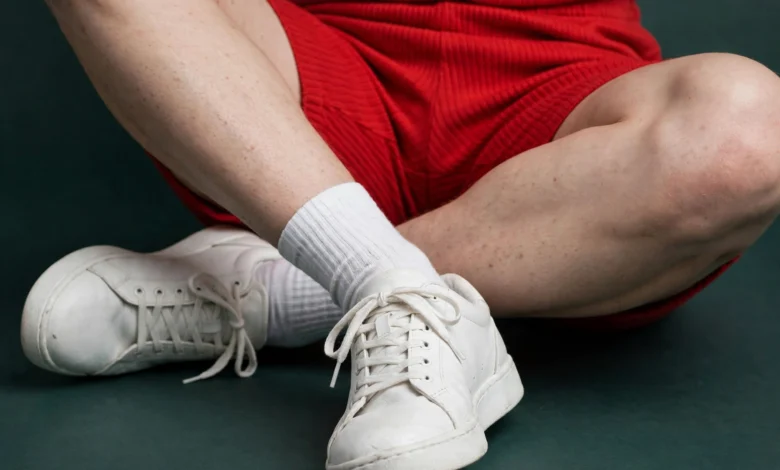
Hard, raised bumps on your legs — the kind you notice most in summer, when shorts put them on display — look like acne, so it is natural to treat them like acne. The problem is that they usually are not acne at all. The odds are that what you are seeing is folliculitis: inflammation in the hair follicles, showing up right around the leg hairs. Even the smallest, thinnest hair can become inflamed, and that is how leg pimples appear.
That mix-up matters, because folliculitis and acne do not respond to the same care. Three board-certified dermatologists explain what actually causes those bumps, how to tell them apart from a breakout, what to do about them, and how to keep them from coming back — from the shaving habits that trigger them to the cleansers that calm them down.
In this article: what causes folliculitis; how to prevent it; and how it is treated.
Key takeaways: what looks like leg acne is usually folliculitis — inflamed hair follicles, not clogged pores — and it is far more common on the legs, where acne itself is rare; ingrown hairs, tight clothing and shaving are the usual triggers; loose clothing and a quick shower after sweating help prevent it; and cleansers with salicylic acid and benzoyl peroxide are what dermatologists suggest for treating it.
Meet the experts: Dr. Annie Chiu, a board-certified dermatologist based in Redondo Beach, California; Dr. Stacy Chimento, a Florida-based board-certified dermatologist; and Dr. Shari Marchbein, a board-certified dermatologist based in New York City.
What Causes Folliculitis?
Folliculitis is inflammation in the hair follicles, and on the legs its most common cause is ingrown hairs, says Dr. Chiu. The other usual culprits are heat, sweat and occlusion — all three of which show up when you wear tight clothing. Occlusion, as the article defines it, is a blocked pore.
That is why the bumps cluster where hair grows and where clothing sits closest to the skin. “It is exceedingly rare for acne to occur on the legs,” says Dr. Chiu. Instead, she says the raised bumps may actually be folliculitis, which just means there is inflammation in the hair follicles — and they tend to show up around leg hairs, even the smallest, thinnest ones.
Telling the two apart can be tricky. Sometimes folliculitis bumps can be pus-filled and crusty, which makes people assume they are dealing with a breakout. “They can itch or burn and be painful,” says Dr. Chiu. Most cases sort themselves out, but if the bumps appear suddenly or develop yellow crusting, she says the area should be cultured by a dermatologist to rule out a bacterial infection.
How to Prevent Folliculitis:
The first rule is to beware of tight clothing. Dr. Chimento recommends “opting for looser, cotton clothing whenever possible, and make sure to change out of sweaty clothes and shower right after if you’ve been sweating or at the gym.” Loose cotton and a quick shower after sweating cut down the heat and sweat that feed the problem.
Shaving habits matter just as much. It is wise to stop shaving the affected areas until they heal, and when you do shave again, use shaving cream and shave in the direction the hair grows. Dr. Chiu also recommends using a sharp razor, exfoliating afterward, and moisturizing immediately after shaving. For the moisturizer, she suggests lotions with oatmeal, like Aveeno Daily Moisturizing Lotion.
How Is Folliculitis Treated?
For treatment, Dr. Marchbein suggests cleansers containing salicylic acid and benzoyl peroxide — like PanOxyl Acne Foaming Wash with 10% benzoyl peroxide — followed by topical antibiotics like Clindamycin lotion twice a day. More severe cases may require oral antibiotics.
When the problem keeps coming back, Dr. Chiu recommends considering laser hair removal to prevent ongoing inflammation, especially if you are prone to recurrent folliculitis from shaving or ingrown hairs. Less hair growth means fewer chances for the follicles to become inflamed in the first place.
The bottom line is simple: if the bumps on your legs keep returning, do not keep treating them as acne. Looser clothing, a shower soon after sweating, careful shaving, and the right cleanser cover most cases — and a dermatologist can sort out the rest.