
A sunset picnic, a market-to-table dinner, a tiny road trip, or a book by the water: these summer bucket list ideas give you 41 ways to make room for the season before Labor Day. Some fit into a worknight. Others deserve a Saturday. Choose the ones you actually want to do, then put the first one on your calendar.
Need a plan for today? Start here:
- Little time, little spending: sunrise coffee (#3), a photo walk (#4), or a library reading morning (#33).
- A summer date: a lemonade flight (#14), a ballpark evening (#22), or a botanical garden visit (#26).
- Friends or family: a potluck (#18), lawn games (#20), or a county fair (#23).
- A proper change of scenery: a small-town day trip (#28), a cabin weekend (#29), or a camping night (#30).
Time suggestions are planning estimates, not opening hours. “Free” assumes you already own the supplies and can reach the spot without extra transportation or parking costs. Admission, rentals, produce seasons, and accessibility vary by location.

The images are AI-generated concepts for inspiration, not photographs documenting specific destinations, businesses, or completed activities.
Get outside: water, fresh air, and a different view
1. Pack a sunset picnic
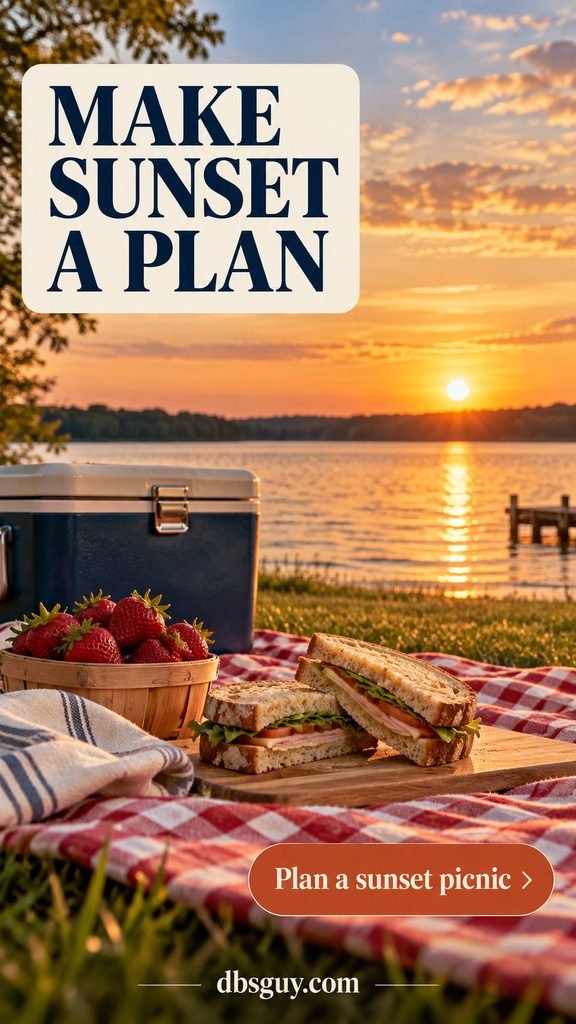
Move an ordinary dinner to a flat park lawn with a good view of the sky. Sandwiches, fruit, a blanket, and water are enough; you can skip the elaborate grazing board. Arrive before sunset so you have time to settle in and find your way back while there is still light.
Check park closing times and whether evening parking is allowed. Keep perishable food chilled in a cooler and leave the setting as clean as you found it. A nearby bench works just as well if sitting on the ground is uncomfortable.
2. Give yourself a beach-and-book afternoon

Pick a beach for its practical comforts: manageable parking, restrooms, shade options, and a place to sit. Bring a paperback you want to read, a towel, drinking water, and sun protection. The goal is a few unhurried hours, not a perfectly styled beach bag.
Look up local beach rules and conditions before leaving. If swimming is part of the plan, use an open, designated area with lifeguards where available and follow posted guidance. No beach nearby? Read beside a public waterfront without treating unfamiliar water as a swimming spot.
3. Watch the sunrise with your coffee

One early morning can make a familiar place feel surprisingly different. Check the sunrise time, choose a spot that is legally accessible before dawn, and fill a travel mug the night before. A public bench, your porch, or an east-facing window can all work.
Give yourself about 30 minutes to watch the light change. If you invite someone, agree on the meeting point in advance so neither of you spends the best part of the morning searching for the other. There is no need to add a long drive.
4. Take a summer-detail photo walk

Choose a short route and look for five details: a flower, a shadow, something blue, an interesting texture, and a scene that feels like summer to you. This gives a neighborhood walk a purpose without turning it into a full photo shoot.
A phone camera is enough. Stop somewhere safe before taking a picture, stay on public paths, and leave plants where they are. At the end, keep your favorite five images rather than a hundred near-identical shots. Try the same route a month later to see what changed.
5. Ride a bike along a greenway

A paved greenway or protected bike path makes a casual ride easier to plan than a busy road route. Start with a distance you can comfortably ride out and back, and choose a turnaround point with shade or a water stop.
Check your tires and brakes, wear a properly fitted helmet, and review the route’s rules. Rentals can be useful if you do not own a bike, but confirm the return deadline and any deposit. Keep your phone tucked away while riding; the scenery will still be there when you stop.
6. Find an easy, shaded hiking trail

Make this the hike you can enjoy without spending the following day recovering. Read the actual distance, elevation gain, surface description, and recent closure notices. A short woodland loop may suit a hot summer morning better than an exposed summit.
Pack water, a snack, and a saved route map, and tell someone where you are going. Start early when conditions allow, but postpone the outing if heat, air quality, or storms make it a poor choice. For step-free access, look for a trail with a published accessibility description rather than assuming “easy” means accessible.
7. Try a beginner geocache hunt
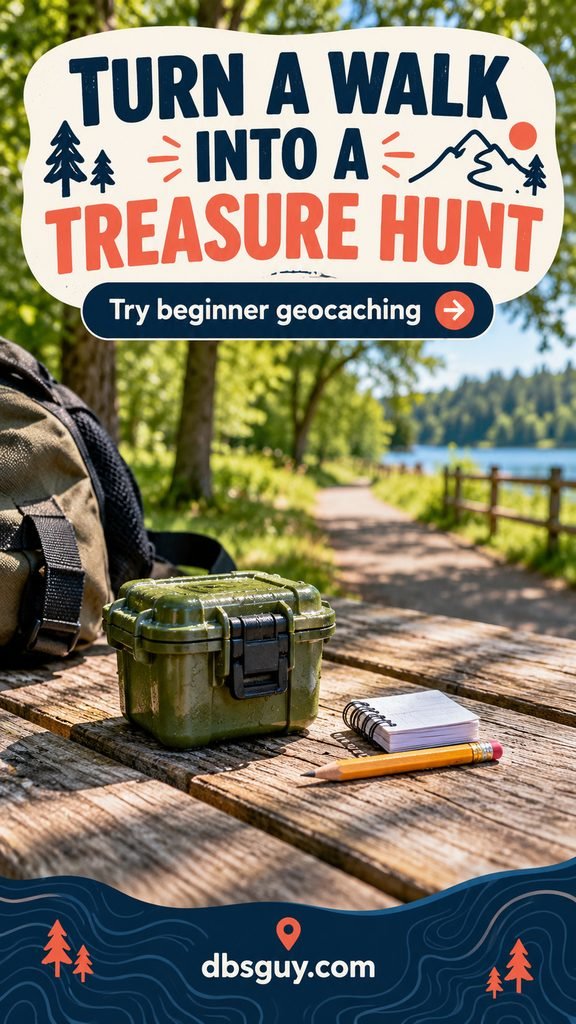
Geocaching adds a small treasure hunt to a walk. Choose a cache listed as easy, on permitted public land, and close to an established path. Read the description and recent activity notes before heading out; a missing container is a frustrating introduction.
Bring a pen for the logbook and return the container exactly where you found it. You can simply sign the log without taking anything. Skip any search that would involve trespassing, climbing, or disturbing plants. Check whether the listing requires a paid app feature before committing to the outing.
8. Spend a day at a designated lake swimming beach

A lake day works best when the swimming is planned as carefully as the snacks. Choose an open, designated swimming beach and check water-quality notices, access fees, and lifeguard hours. Pack a dry change of clothes along with towels, water, and shade.
Swim with a buddy and stay within the permitted area and your abilities. Children need close, active adult supervision even where lifeguards are present; flotation toys do not replace a life jacket. If conditions are unsuitable, keep the lakeside picnic and save the swimming for another day.
9. Book a beginner kayak outing

For a first paddle, choose a reputable outfitter offering instruction on sheltered water rather than an ambitious independent route. Ask what the session includes, whether the launch suits your mobility, and how wind or storms affect cancellations.
Wear the correctly fitted life jacket throughout the outing and follow the guide’s directions. Secure essentials in a dry bag and leave unnecessary valuables behind. The yellow kayak in the image is inspiration for a calm morning; your actual water, equipment, and route should be selected with local guidance.
10. Plan a simple stargazing night
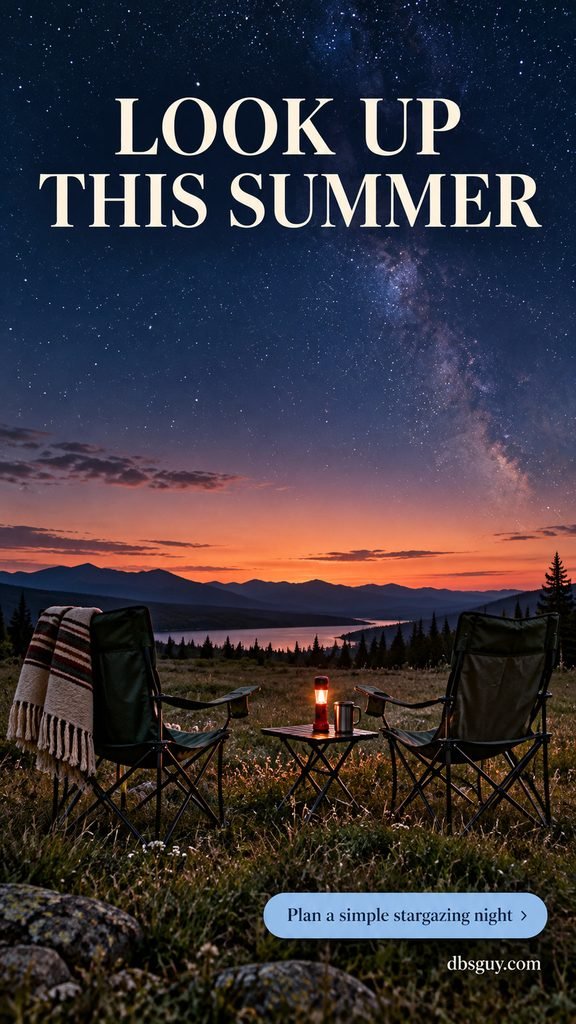
Choose a legal viewing area away from bright lights, check cloud cover and closing times, and bring a blanket or chair. A darker sky can make the outing more rewarding, but you do not need to drive to a remote location to enjoy looking up.
Start by finding one constellation or simply watching the sky for a while. Keep a flashlight for the walk back; a dim red setting is useful once you are settled. Dress for the nighttime temperature, which may feel different from the afternoon. Make a return plan before cell service gets patchy.
Taste the season: easy food-centered plans
11. Build dinner around a farmers market find

Instead of buying ingredients for an elaborate menu, choose one seasonal item at the market and let it decide dinner. Tomatoes might become sandwiches, corn could anchor a meal with beans, and peaches can finish it with almost no preparation.
Set a spending limit before browsing, bring a reusable bag, and ask the grower what is ready now. Regional harvests differ, so the prettiest social-media produce may not be in season near you. Take purchases home promptly, then use what you bought rather than saving it for an imaginary special occasion.
12. Go berry picking while the crop is ready

U-pick berries are an outing with something tangible to bring home. Contact the farm before setting off to confirm what is available, whether reservations are needed, how pricing works, and which containers are permitted. Picking conditions can change quickly.
Closed-toe shoes, water, and a cooler for the journey home make the day easier. Pick an amount you have a plan to use, wash berries before eating, and follow the farm’s handling advice. Strawberry season and blueberry season are not interchangeable everywhere; let the local crop set the date.
13. Make a tray of fruit ice pops

Turn a favorite smoothie or a reliable fruit-and-yogurt recipe into ice pops. Fill reusable molds according to their instructions, leaving the recommended space for expansion, then freeze until fully firm. The strawberry-and-yogurt pops pictured are a visual idea, not a tested recipe.
Make them the evening before you want to eat them; this is a small preparation project with a next-day reward. Keep a note of the ingredients if you are sharing with anyone who has allergies. No molds? Choose a recipe designed for food-safe cups rather than improvising fragile containers.
14. Mix a three-flavor lemonade flight

Start with one pitcher of lemonade you already like and divide it into three small servings. Leave one classic, add crushed strawberries to another, and gently muddle fresh mint into the third. Taste and adjust rather than adding lots of syrup at once.
The fun is choosing a favorite, not making three full pitchers. Use washed fruit and herbs, keep the drinks chilled, and offer water too. Set the glasses on a tray with small labels if you are sharing. This makes an easy afternoon date or a little treat after a long workday.
15. Make grilled corn the center of dinner

Build a simple meal around corn, then add sides that do not demand much cooking: beans, sliced tomatoes, bread, or a salad. Put toppings such as lime, herbs, and butter on the table so everyone can finish their own plate.
Follow your grill’s instructions and use it only in a suitable outdoor location. Keep raw ingredients and ready-to-eat food separate. If you do not have a grill, cook the corn with a familiar stovetop method and eat outside anyway. For a welcoming setup, explore these outdoor dining ideas.
16. Hold a tiny ice cream taste test

Pick three flavors, order small portions, and rank them for flavor, texture, and which one you would buy again. You can visit a local scoop shop or taste supermarket pints at home. Keeping the portions small leaves room to compare rather than rushing through melting scoops.
Choose flavors that work for everyone’s dietary needs and ask about ingredients when necessary. Agree on a budget before turning one scoop stop into an expensive crawl. A shared tasting also works with sorbet or dairy-free options; the point is discovering your group’s unexpected favorite.
17. Give ripe peaches a baking afternoon

Choose a trusted peach crisp, crumble, or cobbler recipe before you shop, then make the smallest batch that suits your household. The pictured dessert is a peach crumble concept; use an actual recipe for quantities, oven temperature, and doneness.
Check the recipe’s guidance for peeling, fresh versus frozen fruit, and sweetness adjustments. Baking in the cooler part of the day can make a warm kitchen more comfortable. Invite someone over for dessert, or portion leftovers according to the recipe’s storage advice. Buying peaches becomes more satisfying when you have a plan for them.
18. Host a bring-one-dish backyard potluck
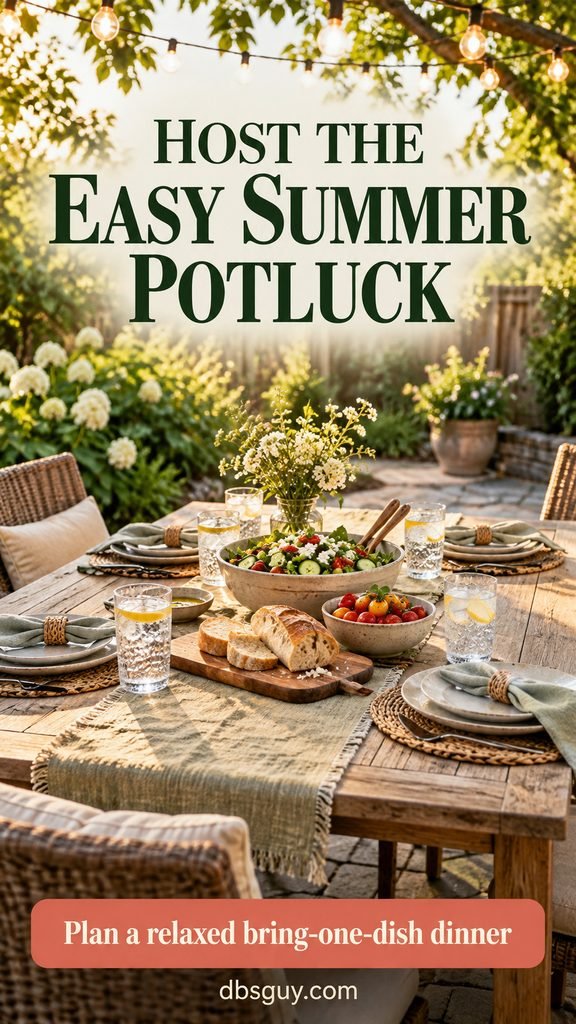
Keep the guest list small and assign broad categories: a main, a salad, bread, and dessert. That avoids four bowls of chips and no dinner. The host can handle seating, water, and one simple dish rather than cooking everything.
Ask about dietary needs before choosing the menu, and serve perishable food in small batches while keeping the rest chilled. Have an indoor backup for weather. A porch, shared community space where gatherings are allowed, or a modest table for four can deliver the same relaxed evening as a large backyard.
Make plans with people: summer evenings and local fun
19. Set up a backyard movie night

Test the projector, sound, power supply, and viewing surface before guests arrive. A blank wall may be enough; you do not have to buy a screen. Start after dusk, bring comfortable seating, and pick a movie everyone can settle into.
Keep cables out of walking routes and equipment protected from moisture according to its instructions. Check how late outdoor sound is appropriate in your neighborhood. If the setup feels like too much work, attend a public outdoor screening instead. The image’s screen shows an abstract scene rather than a real film.
20. Turn the lawn into a game afternoon

Choose one game—cornhole, bocce, or a simple ring toss—and keep the rules easy enough for newcomers. Use a level area, leave space between players, and arrange shade and water nearby. Short rounds let people join without committing the entire afternoon.
Borrow equipment before buying a set you may use only once. Adjust throwing distances for different ages and abilities, and prioritize a friendly game over regulation measurements. A public park can work if its rules allow the equipment; check first rather than assuming every lawn is available for play.
21. Catch an outdoor concert

Look at your town’s parks, arts, and community calendars for outdoor music. Choose a show for the atmosphere as well as the performer; a small bandstand concert can be easier to enjoy than a large festival with a long journey home.
Confirm the start time, rain policy, seating arrangements, and food rules. Bring a chair only if permitted, and choose hearing protection appropriate to the event. Free admission can still involve parking or concessions, so budget for the whole outing. Going solo is perfectly workable when you have a clear arrival and return plan.
22. Spend an evening at a local ballpark

A minor-league, college, or community baseball game can make a summer evening feel like an event without requiring a major trip. Check the team’s own schedule and compare the full cost of tickets, fees, parking, and food before booking.
Pick seats with your comfort in mind, including shade and stair access. Review the bag policy and weather procedures. If you are new to baseball, learn just enough to follow the innings and enjoy the surroundings. You do not need to memorize the statistics to appreciate a close play or a sunset over the field.
23. Choose one county-fair evening

Give the fair a short wish list: one exhibit, one food you want to try, and perhaps one ride. That keeps the outing from becoming an exhausting attempt to see everything. County-fair dates vary, and some fall outside summer, so check the actual calendar.
Compare admission and ride-ticket costs, confirm height or access requirements where relevant, and set a spending cap. Plan a meeting point if your group separates. Arriving before dark lets you explore in daylight and stay for the lights, without relying on a late-night visit to make the evening memorable.
24. Build a three-stop neighborhood food crawl

Choose three walkable stops with different purposes: a savory bite, a cold drink, and dessert. Keep the route compact enough to enjoy on foot, with a seated break if needed. Share small portions where the venues allow it.
Check opening hours on the day you go; one closed stop can change the whole route. Set a total budget and leave room for tax and tips. This is especially good for exploring a neighborhood you usually drive through. Take notes on what you would return for, rather than treating every stop as a competition.
Go somewhere: day trips and manageable escapes
25. Take a hometown history walk

Visit the streets you normally pass without noticing. Use a local historical society’s walking route, a public visitor-center map, or a guided tour to give the buildings and landmarks context. Pick a compact area rather than crisscrossing the entire city.
Choose a morning with comfortable weather and finish with a café stop. Check tour reservations and building access if you hope to go inside. Keep to public areas and respect private homes. Learning the story behind one familiar corner can make your everyday route feel new long after summer ends.
26. Wander through a botanical garden

Choose a garden for what is currently blooming and the paths you can comfortably use. Look for a bloom update, shade, benches, and an access map. A sprawling property is not automatically a better outing than a smaller garden with a beautiful seasonal section.
Give yourself time to pause rather than photographing every border. Bring water where permitted, and check whether food is allowed before packing a picnic. For a lower-cost version, look for a public demonstration garden or arboretum. Avoid picking flowers, entering planted beds, or assuming every garden has the same admission policy.
27. Save a rainy afternoon for an art museum

Choose one exhibition or a handful of galleries instead of trying to absorb the whole collection. Check timed-entry requirements, current displays, accessibility, and any eligible free-admission opportunities before you go.
Spend a few minutes with a work that catches your attention, even if you cannot explain why you like it. Note one color combination or detail you want to remember. A museum visit is a useful backup when heat or rain cancels an outdoor plan, but book special exhibitions early if they are the main reason for your visit.
28. Plan a small-town day trip with two anchors

Choose a town within a travel distance you would happily repeat in one day. Give the trip two anchors, such as a walkable main street and a waterfront park, then leave time for a bookstore, bakery, or unexpected shop.
Confirm that your main stops are open, especially on weekdays, and decide where you will park. Save a return route and avoid adding so many stops that the day becomes mostly driving. These 15 small towns in the United States worth visiting can help you choose a starting point.
29. Book a slow cabin weekend

Choose a cabin for how you want to spend your time: a deck for reading, a nearby trail, or a comfortable table for meals. Review the total booking cost, cancellation policy, sleeping arrangements, access road, and whether linens and kitchen essentials are included.
Bring one easy dinner and keep the itinerary light. Photos can make a remote rental look effortless, so confirm grocery access, cooling, and cell service rather than guessing. The cabin pictured is a concept, not a bookable property. A nearby stay can provide more actual downtime than a long travel day.
30. Try one night at an established campground

For a first camping trip, choose a campground with facilities that match your comfort level: restrooms, drinking water, a level tent site, and a clear check-in process. Reserve through the operator and confirm current site rules and conditions.
Practice pitching the tent before leaving, borrow equipment where possible, and pack for the overnight temperature. Follow local food-storage and wildlife guidance. You can enjoy camping without building a fire; fire restrictions and equipment rules must be checked separately. Arrive with daylight left so setting up does not become the evening’s main challenge.
31. Take a short scenic drive with one worthwhile stop

Build a loop around a single overlook, lakeside park, or scenic roadside stop. Choose a route short enough that you have time to get out of the car and enjoy the destination. A memorable two-hour outing does not require a multi-state itinerary.
Check road closures and use designated pullouts; stop fully off the roadway before taking photographs. Let a passenger handle navigation or set it before driving. If you need destination ideas, browse these underrated places in the USA, then choose somewhere realistic for your starting point.
Slow down, make something, and give a little back
32. Eat breakfast on your balcony or porch

Carry out a breakfast you already make—toast, fruit, coffee—and give yourself a few minutes to eat it without opening your inbox. A stable table and comfortable chair do more for the experience than an elaborate decorating project.
Keep walkways and exits clear, and follow your building’s rules for outdoor furniture. No private outdoor space? Choose a nearby bench where eating is allowed. If your balcony needs a usable corner, these boho balcony decor ideas for small outdoor spaces offer inspiration you can adapt to your layout.
33. Borrow a library book and protect a reading morning

Browse the library for something you are curious about rather than a book you feel obliged to finish. Take it to a shaded bench, a comfortable chair, or a quiet café, and give yourself a defined stretch of reading time.
An audiobook can make this just as enjoyable if print is not your preference. Check borrowing requirements and return dates, and protect library materials from sand, water, and sticky drinks. Unlike the beach outing, this one can happen close to home with almost no planning—useful when you want a calm summer morning between bigger plans.
34. Grow one herb in a pot

Start with a single herb you will use, such as basil for sandwiches and pasta. Choose a pot with drainage and a location that meets the plant’s light needs. Read the nursery label and make a simple care plan instead of guessing from a styled photo.
The basil pictured is a starting point, not a promise that every windowsill has enough light. Check the potting mix before watering and keep the saucer from holding excess water. For ideas that suit limited space, read these kitchen window herb garden ideas.
35. Paint a tiny summer watercolor

Choose one simple subject, such as a peach, a leaf, or a cup on your table. Use a small piece of watercolor paper, a basic palette, one brush, and a water cup. A small surface makes the project feel approachable.
Try a quick pencil outline, then add a few light washes and let them dry before adding details. Set aside 20–30 minutes and stop when you have enjoyed the process, rather than chasing a perfect result. The peach still life pictured gives you a clear first subject without requiring a landscape or complicated perspective.
36. Make a one-page summer photo journal

Choose four photographs that tell different parts of your summer: a place, a person or shared moment, something you ate, and a small detail. Print them or arrange them digitally, then add a date and a one-sentence memory to each.
A single page is easier to finish than a full scrapbook. The point is to preserve why the moment mattered, including the ordinary ones that would otherwise disappear into your camera roll. Keep other people’s privacy in mind before sharing the page publicly; a personal album can stay personal.
37. Thrift a reusable picnic kit
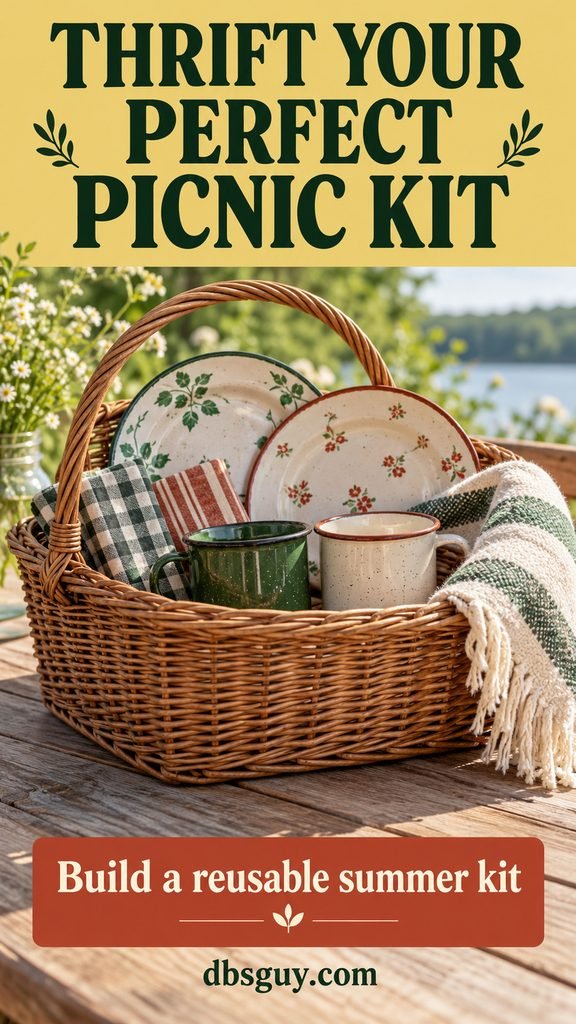
Look for a small basket or tote, two sturdy plates, washable napkins, and cups you can actually transport. Choose pieces that fit inside the bag instead of buying a matching set that is too bulky to carry.
Inspect items for cracks and damage, choose food-safe pieces, and clean everything thoroughly before use. Use containers you already own for packing food. This is a short shopping project with a purpose: having a ready kit can make the next park lunch easier. The mismatched plates in the image show how coordinated can still feel casual.
38. Join an organized park cleanup

Look for a cleanup run by a parks department, conservation group, or community organization. Register if required and ask what equipment is supplied, what the work involves, and whether the location suits your abilities.
Follow the organizer’s instructions, wear appropriate gloves and closed-toe shoes, and bring water. Leave sharp, suspicious, or hazardous items for trained personnel instead of handling them yourself. A short supervised session gives this summer plan a different purpose: you leave a place better for the next person who comes to enjoy it.
39. Take a beginner pottery class

Try a hand-building or pinch-pot class if you want a first project without learning a pottery wheel. Check the complete price, materials, class length, firing charges, and when you can collect the finished piece.
Wear clothes you can get clay on and follow the studio’s cleanup and safety instructions. If you want a bowl for food, ask the instructor which clay and glaze choices are suitable and how the piece must be finished. An unfinished clay bowl like the one pictured is a project in progress, not ready-to-use dinnerware.
40. Learn a beginner dance at home

Choose a short beginner line dance or an easy routine set to a song you enjoy. Clear a level floor, wear suitable footwear, and learn the steps slowly before trying them at full speed. A few repeated sections are more useful than racing through several tutorials.
Give yourself 15–20 minutes, take breaks, and adapt or skip movements that do not feel comfortable. You can invite a friend or keep it as a solo rainy-day plan. The finished routine does not need to be filmed; enjoying a little music and movement is enough.
41. Write and mail a real summer letter

Tell someone about one small thing you noticed, one place you went, and one moment you would have liked to share with them. A sheet of paper and a simple envelope are enough. You do not need a beautifully designed postcard to make the message feel personal.
Check the mailing address and current postage for the destination before sending. If you would rather keep the letter, write it to your future self and put a date on the envelope to open it. This gives the season a record in your own words, beyond the photographs.
Turn the list into plans before Labor Day
Choose six priorities: two small weekday activities, two local outings, one creative project, and one bigger day or weekend. Add dates for the outings that require tickets or reservations, then leave the smaller ideas available for a free evening. Six is an editorial starting point, not a target you have to meet.
In the United States, Labor Day falls on the first Monday in September. Use it as a planning marker rather than assuming every summer venue stays open until then. Harvest windows, school calendars, pool schedules, and regional weather can all change which idea makes sense when.
- Early in the season: check event calendars, crop availability, rental dates, and campground reservations.
- During busy weeks: keep one nearby, low-preparation option ready, such as reading or breakfast outside.
- In the final few weeks: book your favorite remaining outing and give yourself a backup day for weather.
Before an outdoor plan, check local heat, air-quality, and storm advisories, bring water, and choose shade or a cooler time when appropriate. The National Weather Service’s lightning guidance says to move to safe shelter when you hear thunder and remain there for at least 30 minutes after the last thunder. A tent, picnic shelter, or tree is not a substitute for a substantial building or enclosed hard-topped vehicle.
Summer bucket list FAQs
What are good free summer bucket list ideas?
A sunrise coffee at home, a neighborhood photo walk, reading a borrowed book, or writing a letter can cost little or nothing if you already have the supplies. Factor in transportation, parking, postage, and any admission before calling an outing free.
What can I do if I only have one weekend left?
Choose one outing and one small at-home activity: a botanical garden visit plus lemonade, for example. Check availability first, then leave breathing room between plans. You can enjoy a short version of the season without squeezing all 41 ideas into two days.
Which summer activities work well on your own?
Reading, photography, museum visits, herb growing, painting, and letter writing are easy solo choices. You can also attend a concert or ballgame alone. For swimming, use a buddy; for an unfamiliar water activity, choose a guided session rather than going out independently.
How do I adapt these ideas for kids or mixed ages?
Shorten the outing, choose nearby restrooms and shade, and pick activities with flexible stopping points. Ice pops, lawn games, a simple watercolor, and a picnic are easy to adjust. Confirm age rules for classes and rentals, and keep active supervision around water.
What if it is too hot or rainy to go outside?
Swap to a museum, a photo journal, pottery, painting, a library visit, or a home tasting. Save the outdoor outing for suitable conditions. The list includes indoor options so one canceled plan does not have to become an empty day.
Do I have to finish all 41 things before Labor Day?
No. This is a menu of possibilities. Choose what fits your budget, access needs, company, and available time. The useful next step is to give one favorite a date—not to turn every summer day into a checklist.
Also Read
- 15 Small Towns in the United States Worth Visiting
- 28 Best Outdoor Dining Ideas for the Perfect Al Fresco Experience
- 27 Boho Balcony Decor Ideas to Transform Your Small Outdoor Space (2026)
- Kitchen Window Herb Garden Ideas for Small Spaces at Home
- The October Bucket List: 31 Things to Do Before Halloween