If you have ever dealt with acne, you know first-hand how frustrating it can be. Whether it showed up briefly in high school or you have been battling it for decades, breakouts have a way of getting in the way of everyday life. There are the standard options — exfoliating cleansers and tretinoin — but more intense breakouts sometimes call for something stronger, like Accutane or even spironolactone.
That last one is the subject of this guide. Spironolactone is primarily known as an oral blood pressure medication, but dermatologists also use it to treat hormonal acne — and the numbers behind it are striking. In one study, 86% of patients saw their acne improve on spironolactone, most of them within three to six months, and physicians say it works by regulating oil production, blocking acne-causing androgen receptors, and reducing the intensity and lifespan of hormonal breakouts. Below, the dermatologists and cosmetic chemist Byrdie spoke to — Justine Kluk, MD; Susan Raffy; and David Colbert, MD — share everything you need to know before considering it.
Key Takeaways
- Spironolactone is an oral medication primarily used off-label to treat stubborn hormonal acne in women.
- It works by reducing oil production and blocking the hormones that can cause acne breakouts.
- Some side effects include frequent urination, menstrual cramps, and potential fatigue.
Meet the Experts
Justine Kluk, MD, is a board-certified dermatologist based in London. Susan Raffy is a California-based cosmetic chemist and the president of Susan Raffy Consulting. David Colbert, MD, is a dermatologist and the founder of the New York Dermatology Group.
What Is Spironolactone?
Spironolactone is an oral medication that was first developed to treat mild blood pressure irregularities and water retention. But women with combination skin who were taking the drug for those reasons soon noticed a welcome side effect: their skin improved, with fewer spots and breakouts. After that discovery — and plenty of clinical studies — dermatologists began prescribing spironolactone off-label to treat difficult hormonal acne cases in women.
Board-certified dermatologist Justine Kluk explains what “off-label” means here: the drug is not actually specifically licensed for treating acne on its own, but dermatologists can prescribe it off-label for women whose breakouts follow a hormonal pattern and whose acne has not responded to first-line therapies such as prescription creams, antibiotics, and even Accutane.
Fast Facts: Spironolactone
- Type of ingredient: Oral medication
- Main benefits: Regulates oil production, blocks androgen receptors, and reduces the length of hormonal breakouts.
- Who should use it: In general, women with hormonal acne, or women who have been resistant to other acne treatments in the past. It is not recommended for men, or for women who are looking to become pregnant, and you must have a prescription to use it.
- How often should you use it? Consult a dermatologist.
- Works well with: Generally, it works well with all topical treatments.
- Don’t use with: Check with your physician for interactions with other medications.
How Does Spironolactone Work?
Spironolactone’s effect on hormones is what gives it its acne-clearing power. It works by blocking the actions of androgen hormones, such as testosterone, and by reducing the amount of sebum produced by the skin’s oil glands. That matters because increased androgens can increase sebum production, which leads to clogged pores and acne flare-ups. In other words, spironolactone gets to the root of the problem by blocking the hormones at the core of it, so the acne glands and hair follicles do not get overloaded — and pimples are less likely to develop.
Like most skincare treatments, topical or oral, it needs time to work. Kluk says it takes around three months to see results, so patience is part of the treatment.
What Do Studies Say About Spironolactone?
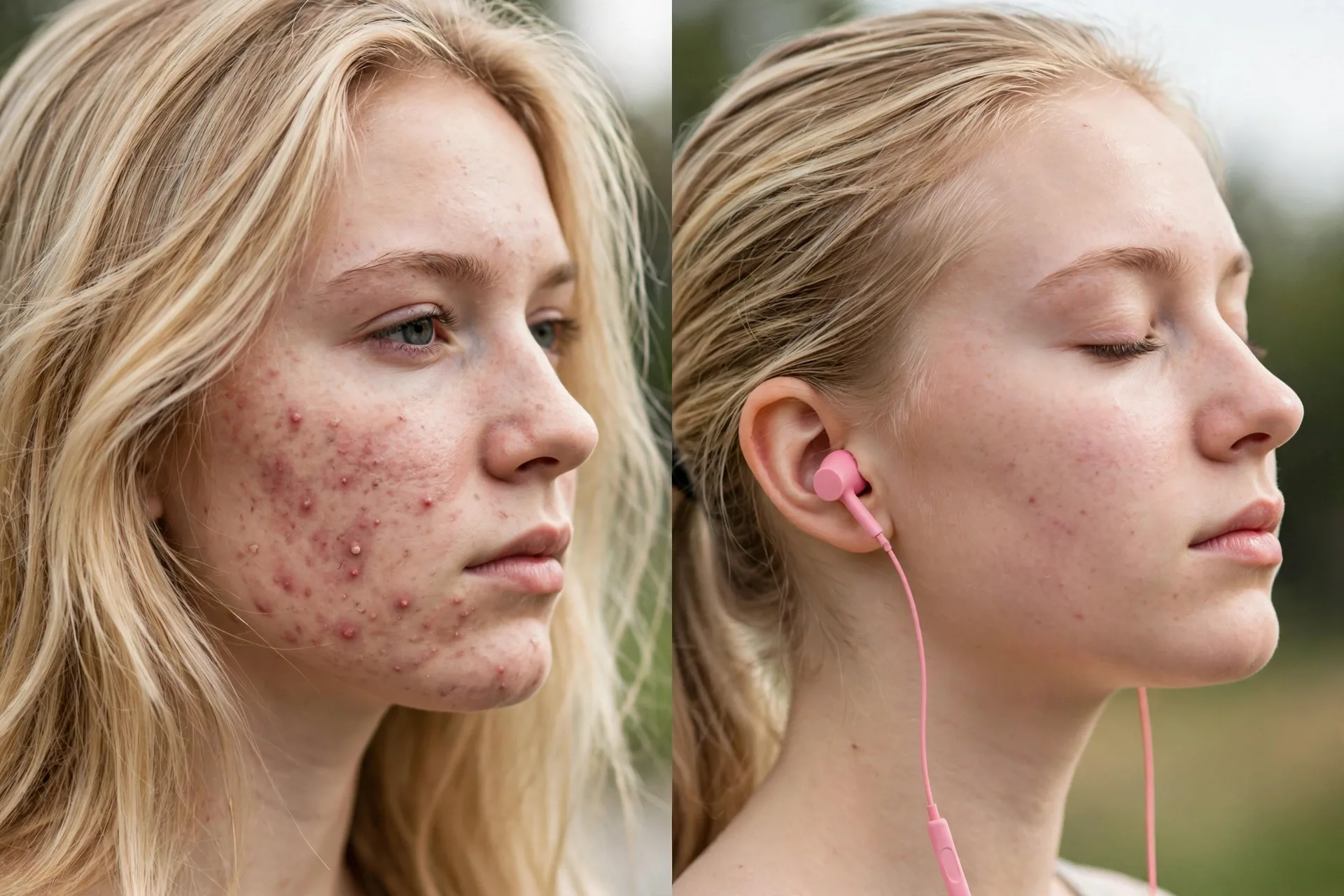
The research looks promising. In one study, 85% of patients saw an improvement in their acne, and 55% were completely clear of acne after taking spironolactone. Another study offered similar results, showing that acne of all severity responded to the drug.
There is also no time limit on how long you can take spironolactone, unlike the antibiotics that are often prescribed for acne. Kluk says many patients see improvement after just two “rounds” of treatment and find they do not have to continue taking the medication.
Benefits of Spironolactone
- Effective at clearing stubborn hormonal acne: While topical ingredients can certainly be effective for many people dealing with hormonal acne, spironolactone can prevent blemishes from developing in the first place by blocking the androgens that stimulate sebum production. Many women dealing with stubborn hormonal acne that is resistant to topical treatments find success in using it.
- Can treat hair loss in women: Due to its impact on hormone regulation, the drug has recently been prescribed for women experiencing hair loss. It has not been found to have the same impact on men, however.
- All-in-one treatment: Because of its efficacy, you may no longer need to use drying topicals to treat acne.
Who Can Take Spironolactone Safely?
Spironolactone is a prescription medication that should only be used under the direct supervision of a physician. Because the drug tampers with hormone levels and testosterone, it is recommended for use by women only. It also cannot be prescribed for those who are trying to get pregnant, so bear this in mind if you are planning to conceive any time soon.
Dr. Colbert also notes that in some cases, spironolactone “may alter blood potassium levels, therefore, people with kidney disease should not take it.” If you fit into any of these categories, it is worth discussing your options with a dermatologist first.
Spironolactone Side Effects and Safety Considerations
The negative side effects associated with taking oral doses of spironolactone include “electrolyte imbalance, breast tenderness, irregular periods, and increased urination,” says Raffy. Here is what each of the main ones looks like in practice:
- Frequent urination: Spironolactone is a diuretic, so it removes excess fluid from the body through urination. Colbert recommends that patients stay well-hydrated and carry a water bottle while taking spironolactone to minimize dehydration from the diuretic effect.
- Increased menstruation cramps: Spironolactone can alter the body’s electrolyte balance — think potassium, magnesium, and calcium — thereby leading to low sodium. An imbalance of electrolytes can lead to muscle cramps, which can be particularly problematic during menstruation, when cramps are already an issue. If you are experiencing any form of cramps or dizziness, speak to a doctor.
- Hormonal acne: While the medication helps with breakouts, it also alters the hormonal balance. As many know from experiencing hormonal breakouts, acne can result.
- Fatigue: Spironolactone blocks certain hormones and lowers blood pressure — both of which can cause fatigue. If you feel suddenly tired and that is unusual for you, it is best to seek the advice of an expert before continuing the medication.
Frequently Asked Questions
Who can and can’t use spironolactone?
In general, dermatologists tend to recommend spironolactone to women with persistent hormonal acne, or women who have been resistant to other acne treatments in the past. It is not recommended for men, or for women who are looking to become pregnant.
Can spironolactone cause weight gain?
While some individuals have reported experiencing weight gain while taking spironolactone, there is little evidence to support this. Weight gain is not considered a formal side effect of spironolactone, and it is not listed as a side effect on the packaging of the medication.
Are there alternatives to spironolactone?
If you are dealing with hormonal acne, talk to your dermatologist. They may recommend a specific birth control or prescription topical before resorting to spironolactone.
How quickly does spironolactone work for acne?
The American Academy of Dermatology notes that, on average, women notice improvement in their acne after taking spironolactone for two to three months.
Why is my face getting worse on spironolactone?
Since spironolactone blocks certain hormones, the medication can cause acne to get worse at times. If it does not improve with time, it is best to seek expert input.
Spironolactone is not a casual over-the-counter fix — it is a prescription drug that changes how your hormones behave, so it belongs in a conversation with your doctor, not in a shopping cart. But for women whose hormonal acne has resisted creams, antibiotics, and even Accutane, the evidence the dermatologists point to is genuinely encouraging: most people who respond see real change within three to six months, and many do not need to stay on it forever. If that sounds like your skin, the next step is a dermatologist’s appointment — not a prescription you write for yourself.