
Doing the laundry for our clothes feels pretty intuitive. We know when a shirt has been worn enough, when jeans need a wash, when socks have had their day. But towels, bedsheets, and pillows live in a grey area. They look clean, they smell fine, and they only ever touch clean bodies and fresh skin — so how often do they really need washing?
More often than most of us think, according to the experts. A laundry specialist, a dermatologist, a Cleveland Clinic doctor, and a professional house cleaner all weighed in on the question, and their answers line up into a simple routine: towels and sheets about once a week, pillowcases weekly, and the pillows themselves every few months. Here is the full breakdown, and the washing method the experts recommend for keeping everything fresh.
Towels: Once a Week
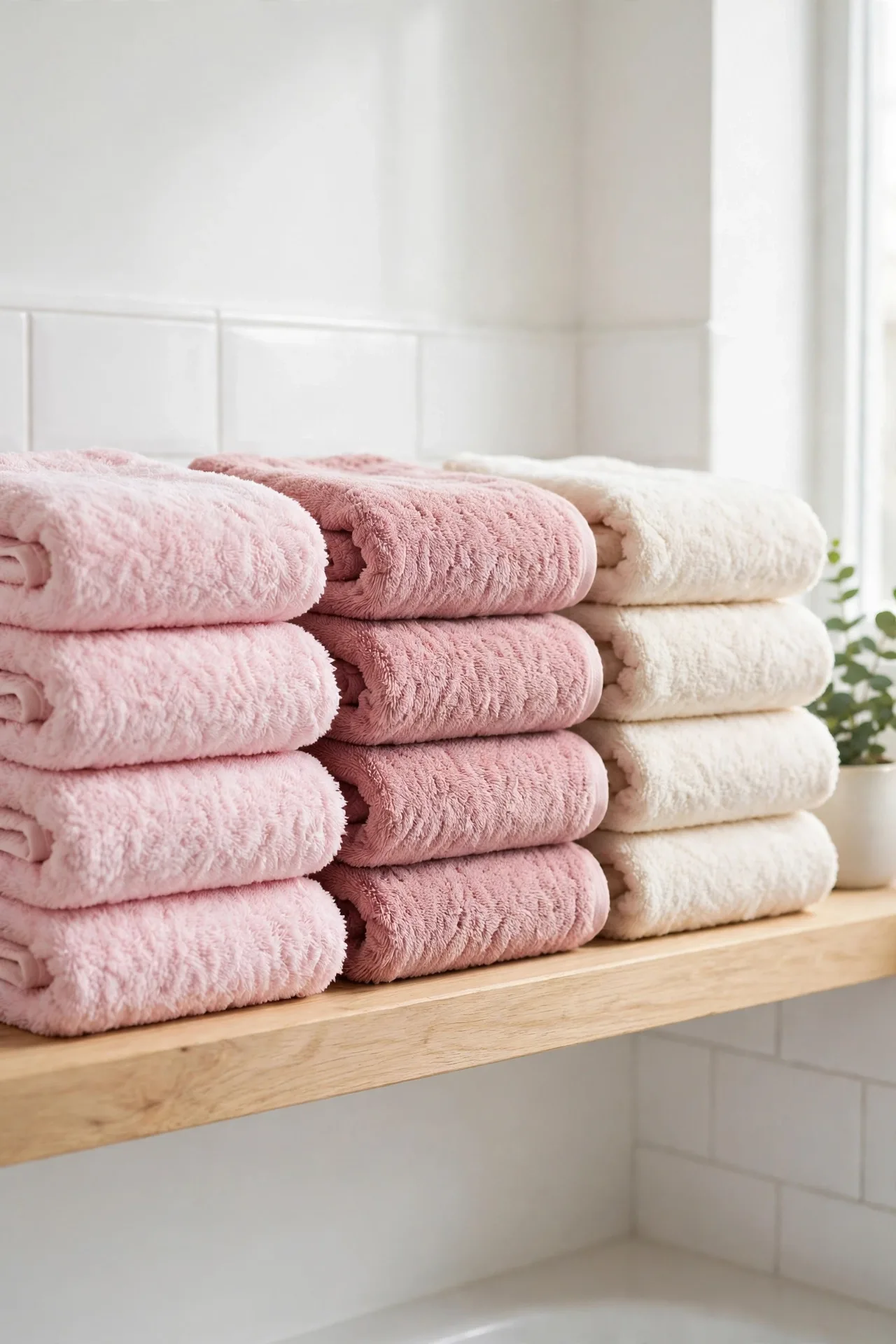
A towel only ever touches a clean body, so it is tempting to think of it as clean by definition. The problem is dampness. Every time a towel is used and then left hanging, it stays damp for a while — and a damp towel is a comfortable home for microbes, including the harmful kind. That means each time we dry off, we can pick up some of what has been growing there since the last wash.
Dr. Alok Vij of the Cleveland Clinic explains that damp, dirty towels can trigger outbreaks of fungal and viral infections, as well as flare-ups of eczema and atopic dermatitis. They can also collect allergens, and the problem gets worse when windows are left open and pollen and dust drift in. In other words, the towel that feels fine may be quietly working against your skin.
So how often is enough? Laundry expert Zach Pozniak of Jeeves NY, a fourth-generation dry cleaner, says washing a towel after every single use would keep it at its cleanest — but it would also wear the towel out far faster. His advice is to aim for the middle ground: wash towels after every few uses, which works out to about once a week for most households.
Bedsheets: Once a Week
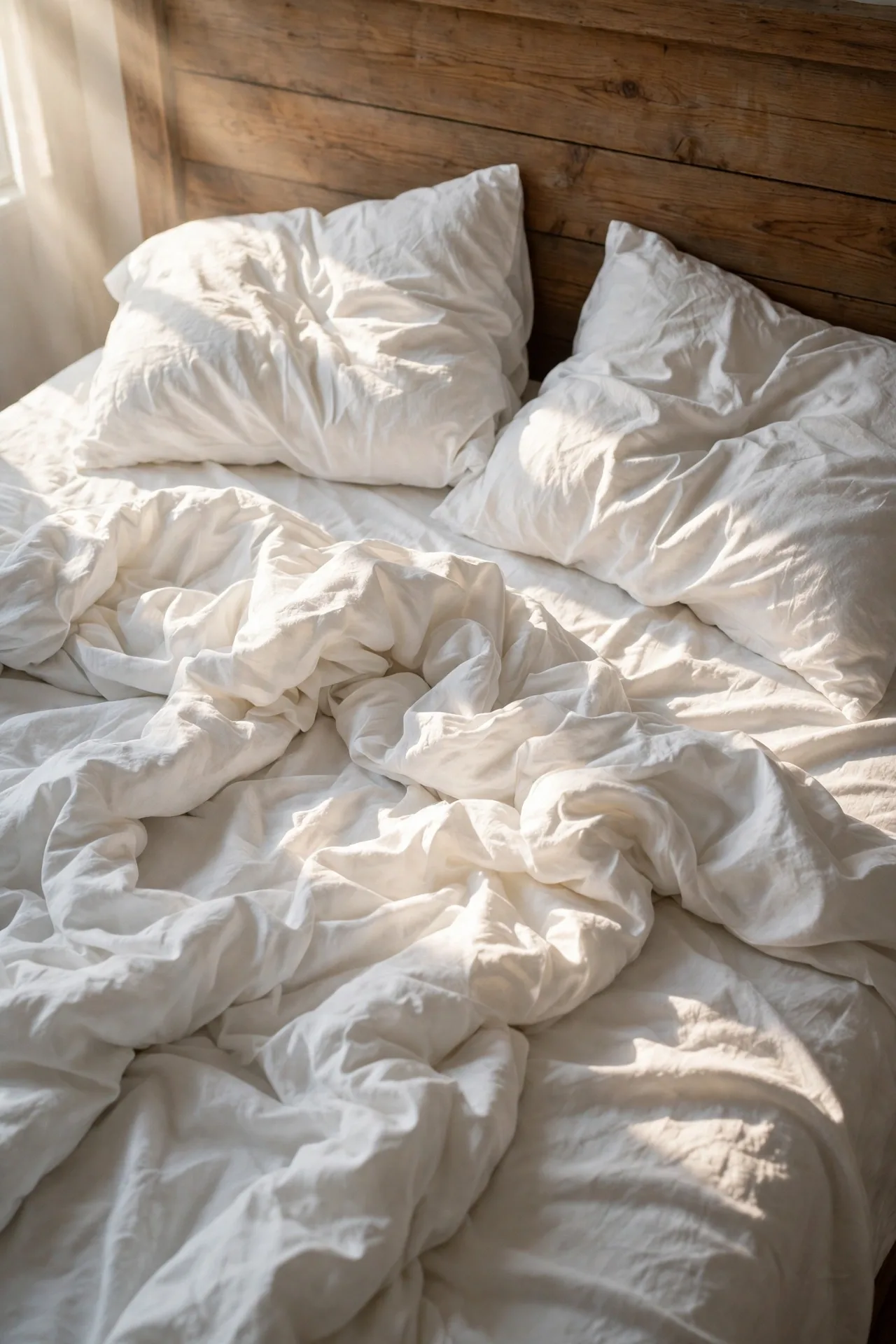
We spend roughly seven to eight hours a night in bed, which means about a third of every day is spent between the sheets. Over that time, sweat, dead skin cells, dirt, and everyday grime all build up in the fabric — even when the sheets still look perfectly white.
That buildup matters for skin. Dermatologist Dr. Hannah Kopelman, based in New York, notes that contaminants collecting in sheets can lead to skin irritation and acne breakouts, and can aggravate allergies, asthma, and eczema. Washing sheets often helps keep those risks down, and she suggests once a week as a good starting point.
There is a second reason to keep to a weekly rhythm, and it is about how sheets look. Pozniak points out that body oil — sebum — oxidises in fabric over time, and that is what causes white sheets to turn yellow. A weekly wash gives the oil far less time to set in, so the sooner sheets go in the machine, the better they keep their fresh, bright look.
Pillows: Every Three to Six Months

Pillows get more leeway than sheets, but they still need regular washing. The pillowcase is the part that touches your face every night, so it should be washed once a week, ideally along with the bedding. The pillow inside can wait longer — but not forever.
Angela Brown, host of the Ask a House Cleaner show and podcast, explains that regular washing clears out the sweat, body oils, dust mites, and allergens that collect inside a pillow over time. Left unwashed, a pillow can even develop mould, fed by drool, sweat, and humidity. For the average household, she says every three to six months is the standard cycle.
If that sounds like a lot of laundry, pillow protectors can stretch the gap between washes. The catch is that the protectors themselves need washing every one to two weeks, so the work does not disappear — it just moves to a smaller, easier item.
How to Wash Them the Right Way

Knowing how often to wash is only half the routine. Pozniak also shared the washing method he recommends, and it comes in two versions: a gentler frequent wash for regular use, and a stronger deep clean every so often.
For the frequent wash, start by pre-treating any stains, then run a normal cycle in cool or warm water with your favourite detergent and a rinse product. Skip the fabric softener — it coats fibres and reduces absorbency over time. Then dry everything on low heat, slowly and gently, rather than blasting it on high.
For the deep clean, soak towels and bedding overnight in hot water with powdered oxygen bleach, then wash them on a sheets, bedding, or towels cycle. These cycles are usually long and run at a high temperature, which is exactly what a deep clean needs. Use detergent and a rinse product again, and a sanitiser can be added here too. Finish with the same low, slow dry.
One optional extra works for either version: a scoop of powdered laundry booster or powdered oxygen bleach added straight into the drum. It gives the detergent extra cleaning and whitening power, which is especially useful for whites that have started to look tired.
The Key Takeaway
The experts agree on the principle: a regular washing schedule stops bacteria and allergens from building up in towels, bedsheets, and pillows, and that protects both your skin and the items themselves. A routine also helps bedding last longer, since dirt and oil left in fabric wear it down faster.
One last thing to keep in mind is your environment. In summer, or in a more humid climate, everything needs washing more often — heat and humidity speed up the growth of mould, mildew, and bacteria. Pozniak notes that people in humid climates should wash their towels more frequently for exactly that reason. So take the weekly rhythm as a starting point, and tighten it up when the weather turns warm and damp.
You May Also Like
If You Don’t Have These 34 Cleaning Products For Your Home, You’ll Want Them, Stat
35 Products If You Dream Of A Clean, Organized Home
15 Budget-Friendly IKEA Bedroom Hacks That Transform A Basic Room Into A Stylish Retreat