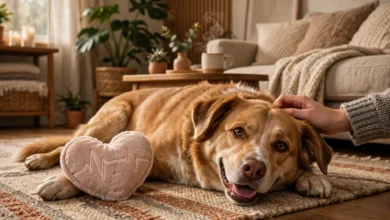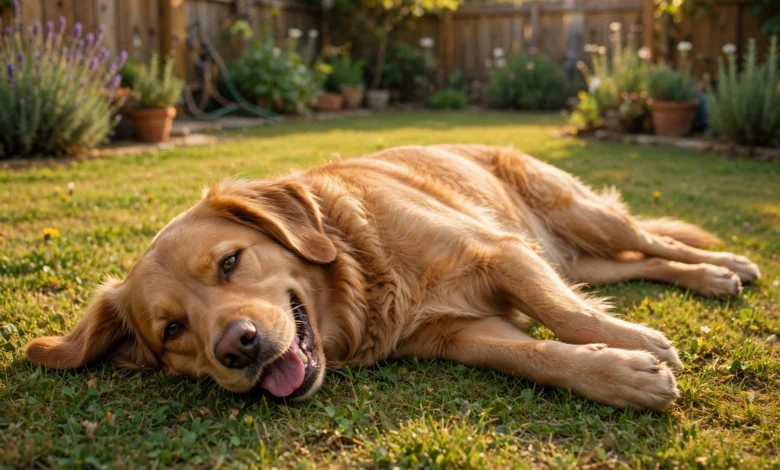
Every dog owner wants to believe their dog is happy. The trouble is that dogs cannot tell us in words, and the one signal most of us rely on — a wagging tail — does not actually mean what we think it means. A wagging tail shows strong feeling, but that feeling can be excitement, frustration, curiosity, or tension just as easily as joy.
Veterinarians look past the obvious moments and read the whole dog instead. When veterinary behaviorists and primary care vets were asked what a truly happy dog looks like, their answers had very little to do with big, dramatic displays. Happiness, they said, shows up in quiet, everyday things: a body with no tension in it, a face that looks at ease, a day that follows a familiar shape, and an owner who notices when something feels wrong. Here are the six signs they point to, and what each one really tells you about your dog.
1. Their Basic Needs Are Met Every Day
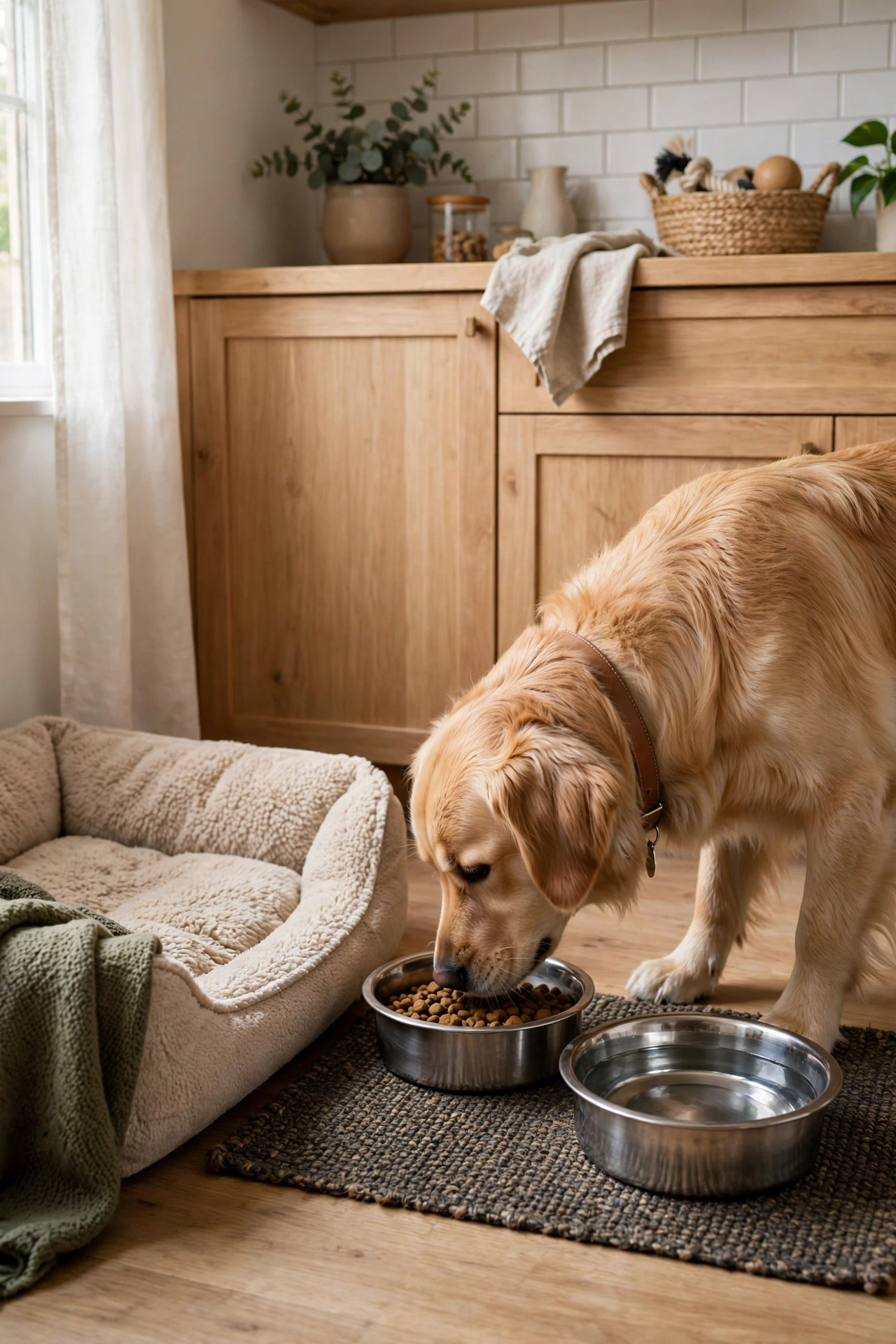
Before any of the more charming signs can mean anything, the basics have to be covered. Veterinary behaviorist Dr. Kate Anderson of Cornell University frames happiness as welfare first: a dog whose needs are met has a real chance at contentment, while a dog who is hungry, uncomfortable, in pain, or frightened cannot simply be cheered up by a treat or a toy.
That idea goes back to the five freedoms of animal welfare: freedom from hunger and thirst, freedom from discomfort, freedom from pain, injury, and disease, freedom to behave normally, and freedom from fear and distress. In a home, those freedoms look gloriously ordinary. Fresh water that is always available. Meals at regular times. A comfortable place to sleep that nobody disturbs. Veterinary care when something seems off, not months later. A dog who has all of that is not just surviving — they have the foundation happiness is built on.
If your dog seems restless, withdrawn, or suddenly different, this is the first place to look. A change in appetite, thirst, sleep, or movement is worth a vet visit before you assume it is a mood. Good welfare is not the boring part of dog ownership; it is the whole base everything else rests on.
2. Their Body Is Loose, Not Tense
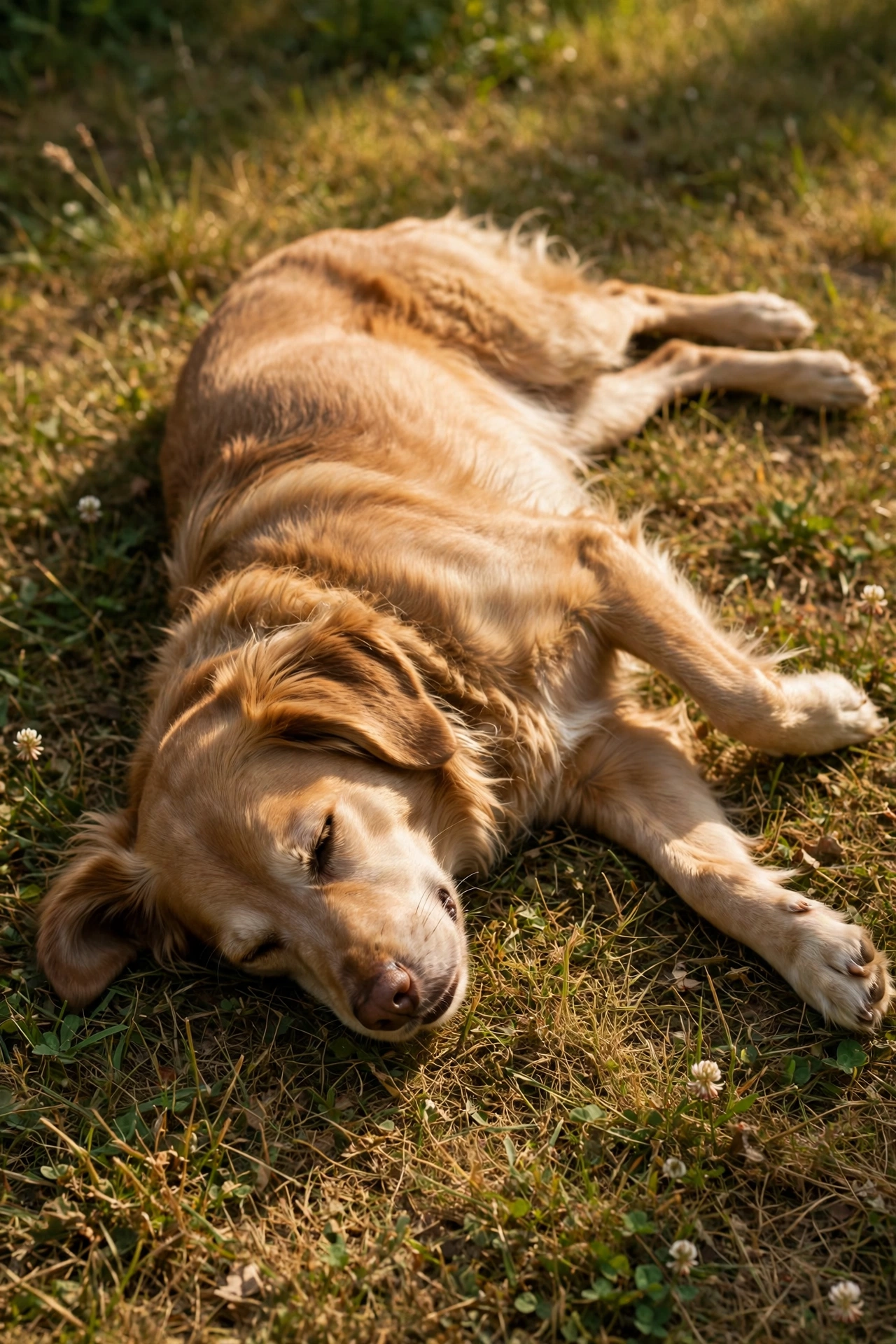
The single clearest picture of a content dog is a loose one. Anderson describes happy dogs as moving like noodles: no stiffness, no held tension, nothing braced for trouble. Their ears sit in a natural position for their breed rather than pinned back, and you should not see the whites of their eyes. Their tail rests at a normal, relaxed angle instead of being tucked or held high and stiff.
Primary care veterinarian Dr. Kristi Flynn of the University of Minnesota adds a detail that is easy to check at home: a relaxed dog carries its weight evenly on all four legs. A dog who is leaning away, shifting its weight backward, or standing with a paw raised is telling you something feels uncertain. The classic image Flynn reaches for is a dog stretched out on its side in a sunny patch of yard, limbs flopped wherever they land, completely unbothered. That is not laziness. That is a dog who feels safe enough to let its guard down.
This is also where the tail-wagging myth falls apart. A loose, wide, sweeping wag on a wiggly body usually does mean a happy dog. But a stiff, fast, high wag on a tense body is a warning, not a welcome. Read the whole body, not just the tail, and you will rarely misread your dog.
3. Their Face Looks Soft And Relaxed
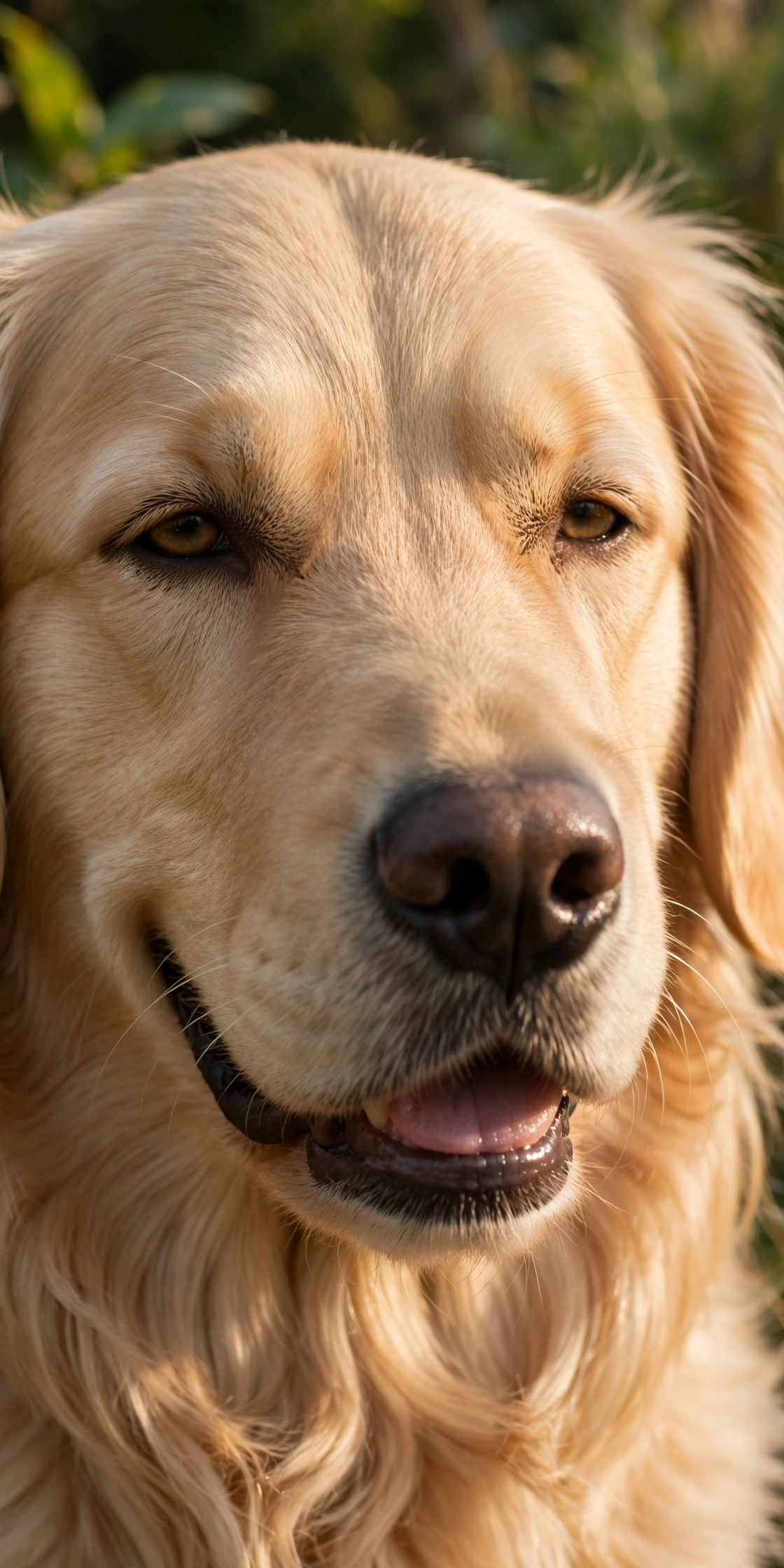
Dogs and people share surprisingly similar facial muscles, which means a dog’s face can be read much like a person’s. A content dog has a smooth brow with no furrowing, eyes that look soft and easy rather than wide, staring, or squinting, and a mouth that hangs relaxed instead of clamped shut or pulled back.
Think about your own face when you are stressed: your jaw tightens, your mouth turns down, your eyes narrow. Dogs do a version of the same thing. A calm, open look across the whole face — relaxed eyes, relaxed mouth, no tension anywhere — is one of the most reliable signs that a dog is in a good mood. It is also a sign that is easy to miss, because it is defined by what is absent: no strain, no worry, no bracing.
Learning your own dog’s normal face matters more than any checklist. Breeds differ, and so do individuals. Once you know what your dog’s relaxed face looks like, you will notice the days when it is missing — and those are the days worth paying attention to.
4. They Thrive On A Predictable Routine
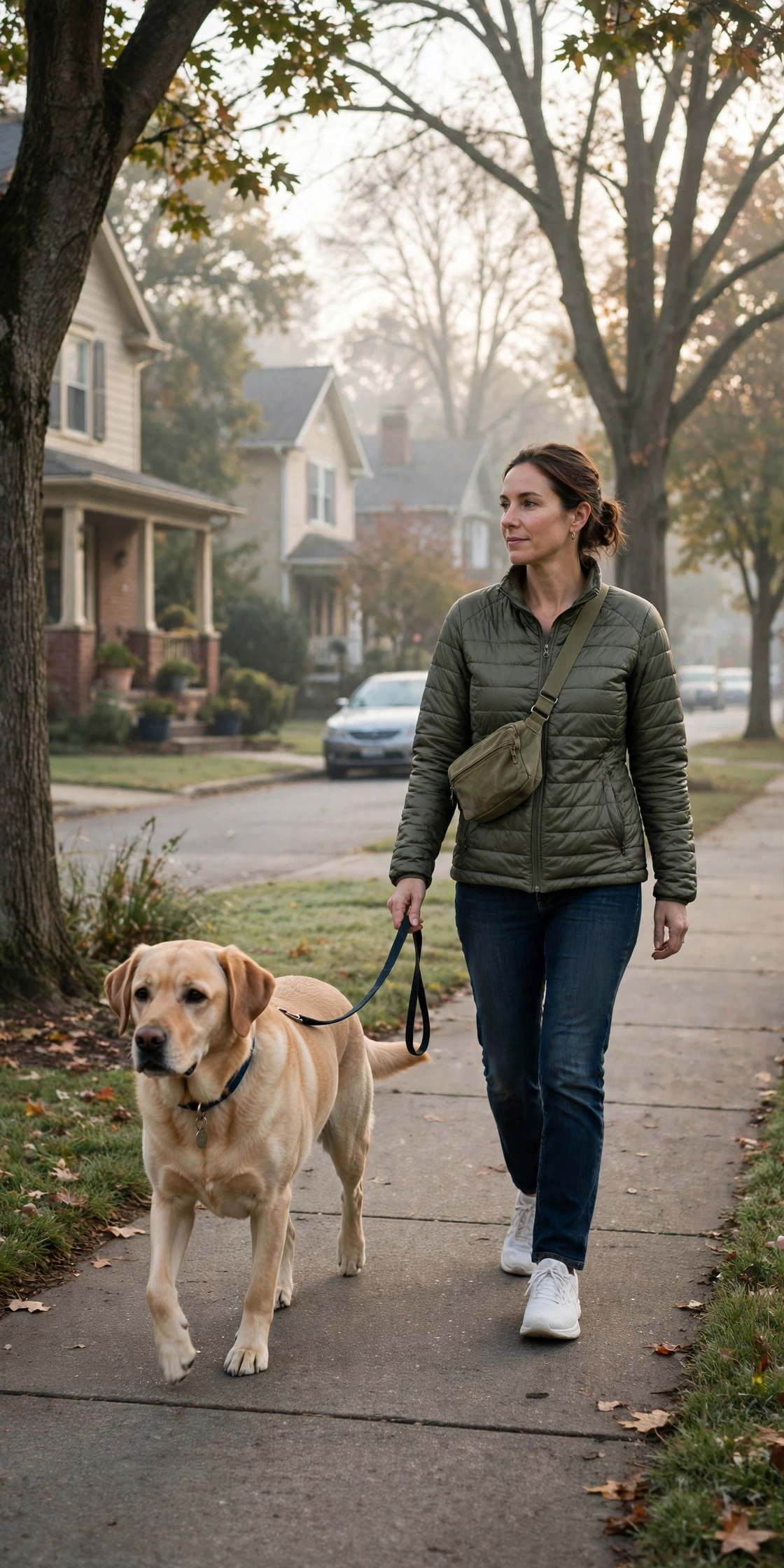
Dogs love novelty far less than we assume. Like toddlers, they like their world to be mostly predictable: meals at the usual time, walks on the usual route, sleep in the usual spot. Anderson notes that the hardest times of year for dogs are often the ones when human schedules change — holidays, big trips, or a return to the office after a long stretch at home.
That does not mean your dog’s life must be rigid, or that you can never travel. It means change should come with a bridge. If your schedule has to shift, build the new routine quickly and keep it steady: same feeding times, same walk, same wind-down in the evening. A dog who knows what comes next does not have to spend the day wondering, and that quiet certainty is a real form of happiness.
Watch how your dog behaves around the anchors of their day. A dog who settles easily after the morning walk, eats with a normal appetite, and sleeps soundly at night is usually a dog whose world feels secure. A dog who paces, skips meals, or cannot settle after a schedule change is not being difficult — they are asking, in the only way they can, for their routine back.
5. They Get Enrichment, Not Just Exercise
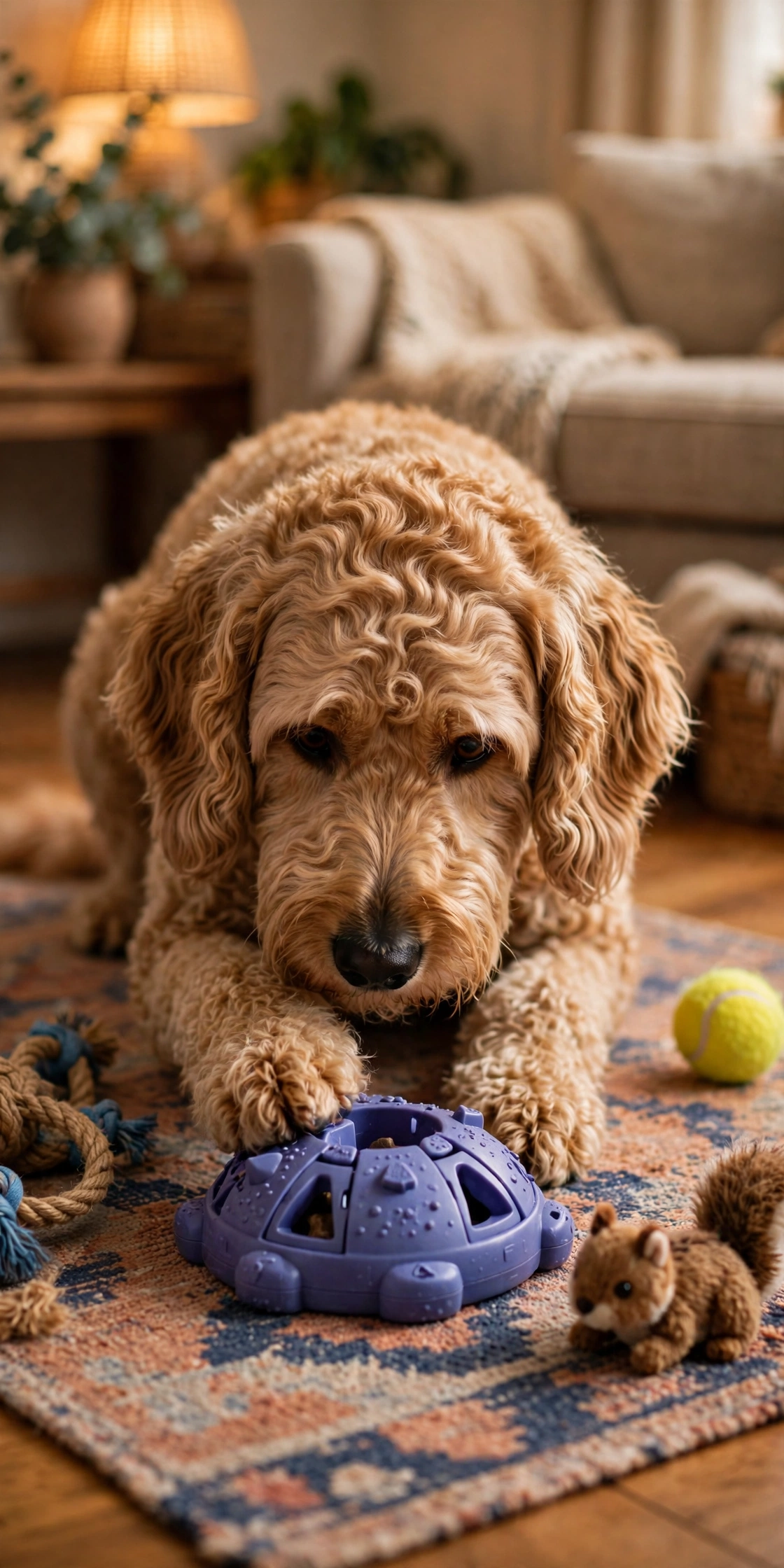
A tired dog is not automatically a happy dog, and a walked dog is not automatically a fulfilled one. Anderson counts exercise as one kind of enrichment, but she puts it in a much bigger category: the things in a dog’s life that work like self-care. For dogs, that means mental stimulation as well as physical movement — puzzle toys, scent games, training sessions, and new things to sniff and figure out.
Training deserves special mention here. Flynn points out that humane, evidence-based training reduces stress and conflict, keeps a dog’s mind sharp at any age, and strengthens the bond between dog and owner. A dog who learned their basic commands years ago still benefits from learning new ones. The point is not obedience for its own sake; it is the joy of solving a problem with their favorite person and getting it right.
Enrichment does not need to be elaborate. A puzzle feeder instead of a plain bowl, a different walking route with new smells, ten minutes of training games in the garden — small doses, offered often, add up to a dog who is engaged with life rather than just passing time in it.
6. You Speak Up For Them
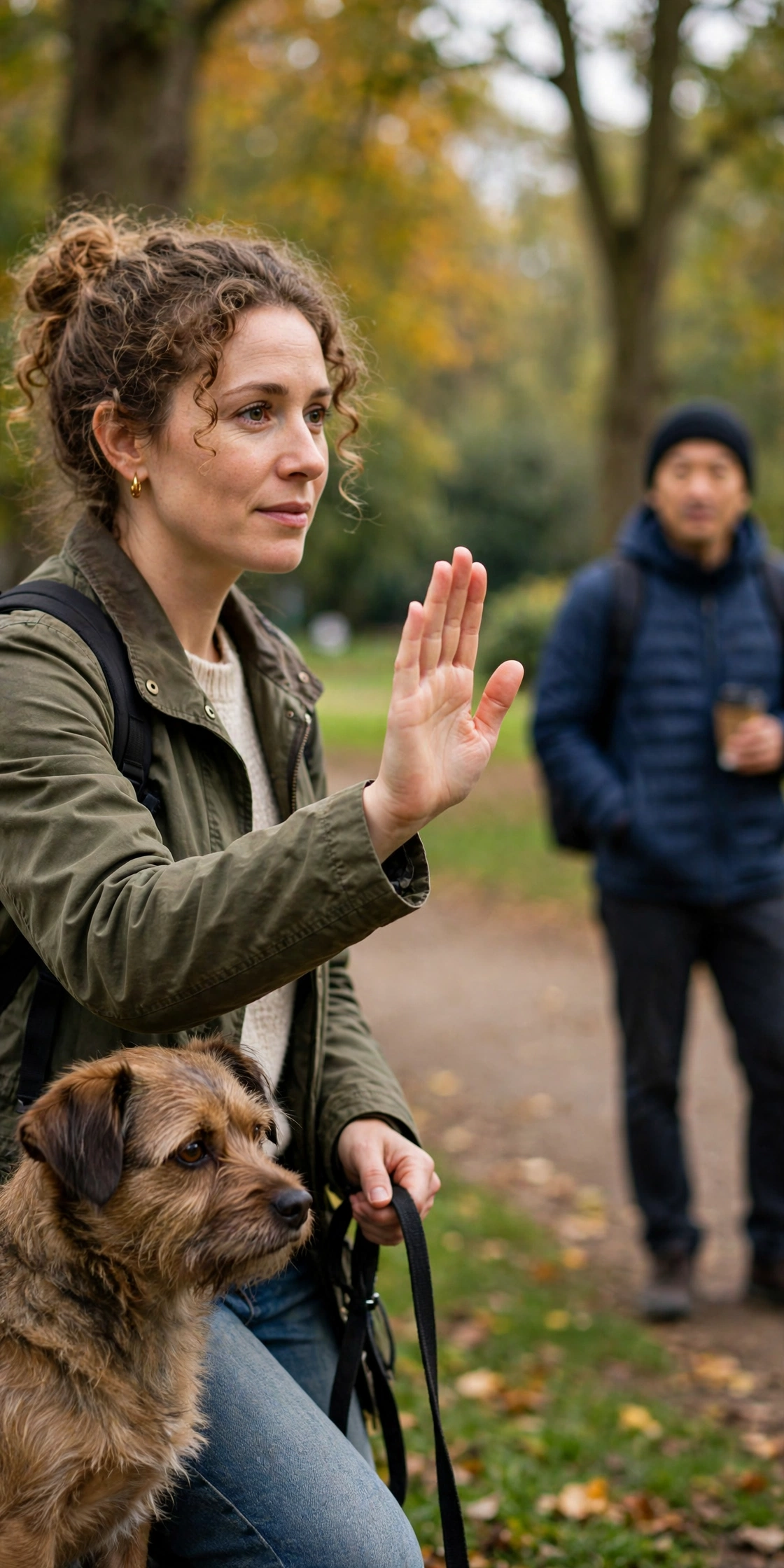
The last sign is not about your dog at all. It is about you. Dogs cannot tell a stranger to back off, or explain to a guest that they do not like being hugged, or ask a rowdy dog at the park for some room. You have to do that for them, and Flynn says that willingness is itself a marker of a happy dog’s life.
Every dog has a personality. Some are social butterflies who want to meet everyone. Others are shy, introverted, or simply particular about who touches them and when. A happy dog is one whose owner respects that personality instead of overriding it — asking strangers not to pet a nervous dog, telling friends to let a sleeping dog rest, stepping between their dog and an overwhelming situation without embarrassment.
It can feel awkward to manage the social pressure, especially when people mean well. But dogs notice who protects them. A dog who learns that their person will keep them safe becomes more confident and more relaxed over time, not less. Trust is built in exactly these small, unglamorous moments: you saw that they were uncomfortable, and you did something about it.
The Bottom Line
No single sign proves a dog is happy, and no single off day proves otherwise. What matters is the pattern: a dog whose needs are met, whose body and face are relaxed, whose days have a rhythm, whose mind gets work to do, and whose person stands up for them is a dog with every reason to be content. If several of these signs go missing at once — especially alongside changes in appetite, thirst, movement, or sleep — that is worth a conversation with your veterinarian, not a wait-and-see.
The good news is that most of this happiness is wonderfully ordinary. It is not bought or performed. It is a full water bowl, a sunny patch of grass, a familiar walk, a puzzle toy, and someone who notices. Your dog has been telling you all along. Now you know what to look for.
You May Also Like
15 Random Pet Behaviors, Finally Explained
Here’s Why You Should Never Wake A Sleeping Dog
9 Dog Treats That Seem Safe — But Vets Want You To Avoid Them