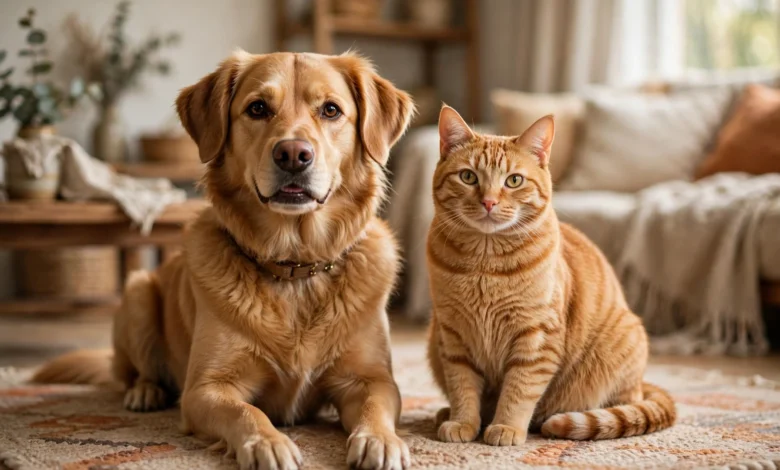
Pets do some truly strange things, and most of the time we just laugh, shrug, and move on. But almost every odd habit your dog, cat, rabbit, or ferret has is actually a form of communication — a leftover instinct, a social signal, or a clever way of dealing with the world around them. Once you know what those behaviors really mean, your pet suddenly makes a lot more sense.
Here are 15 random pet behaviors, finally explained — so the next time your dog stops mid-game to sniff the grass, or your cat gives you that slow, sleepy blink, you will know exactly what they are trying to say.
1. Your Dog Suddenly Stops Playing to Scratch or Sniff the Ground
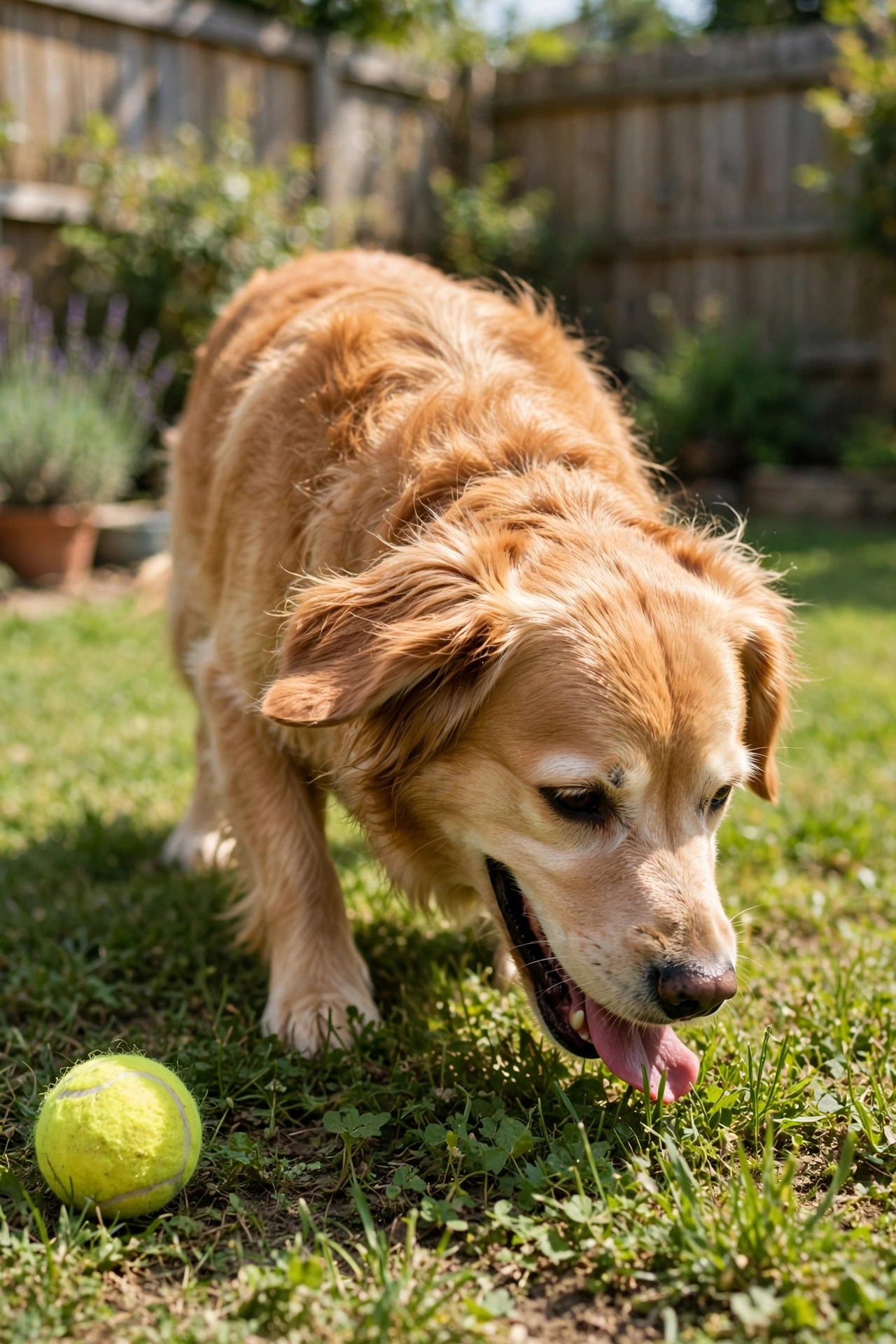
You are in the middle of a great game of fetch or tug, and out of nowhere your dog freezes, turns away, and starts scratching at nothing or sniffing a random patch of grass. It looks like they have lost interest, but they probably have not. Animal behaviorists call this a displacement behavior — something a dog does to release a little built-up excitement or mild stress when they are feeling overstimulated.
Think of it like a person laughing nervously during an awkward moment. The play got intense, the energy spiked, and your dog needed a quick reset before carrying on. In most cases they will shake it off and come right back to the game, perfectly happy.
Practical tip: If this happens once in a while during exciting play, it is normal. But if your dog does it constantly, seems anxious, or starts scratching the same spot until the skin looks sore, mention it to your vet — frequent scratching can also point to an itch or skin irritation that needs a look.
2. Your Cat’s Tail Base Quivers When They See You
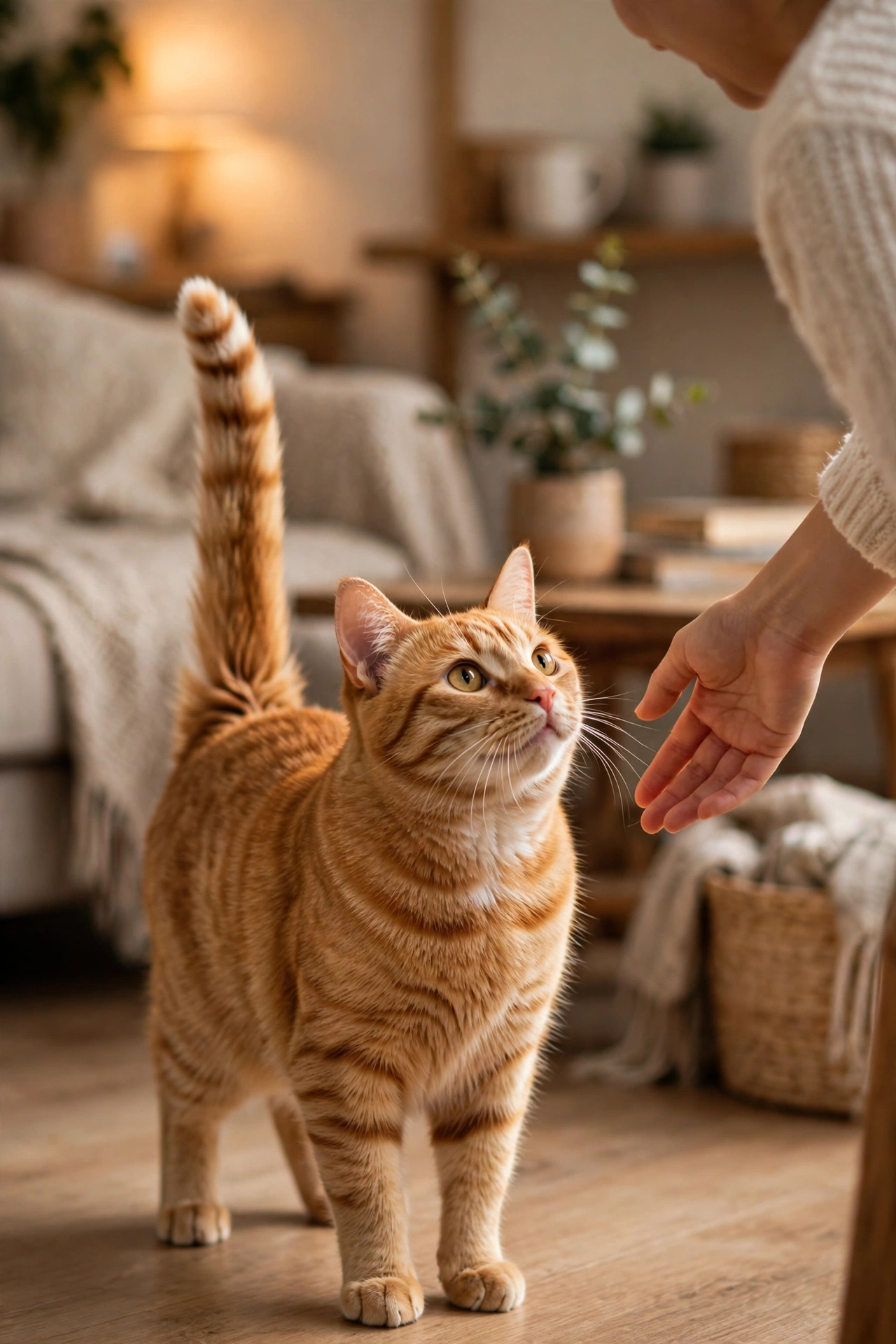
Has your cat ever trotted up to you with their tail held high, only for the very base of the tail to start trembling or quivering? It can look a little odd, but it is actually one of the nicest compliments a cat can give you. That quiver is a sign of happy excitement — your cat is genuinely pleased to see you.
Cats raise their tails upright as a friendly greeting, and the quiver at the base adds an extra layer of enthusiasm. It is the feline version of a happy wiggle. You will often see it when you come home, at meal times, or when your cat is winding around your legs asking for attention.
Practical tip: This is a greeting worth returning. A calm hello, a gentle scratch behind the ears, or a few minutes of play will make your cat’s day. If the quivering ever comes with straining or frequent trips to the litter box, though, that is a different matter — get your vet involved.
3. Your Dog Stares at You While Doing Their Business
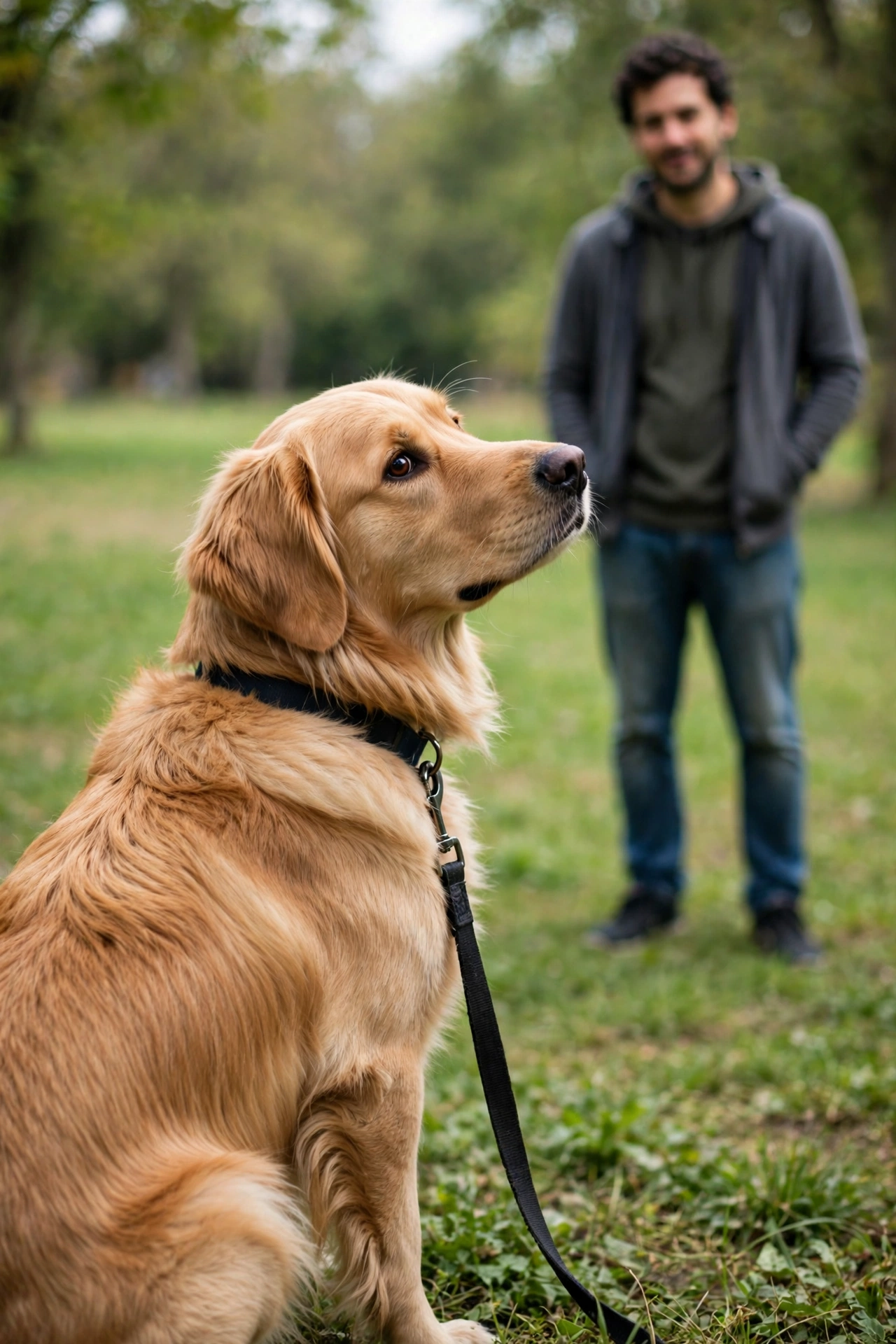
It is one of the most awkward moments in dog ownership: your dog squats down and locks eyes with you, unblinking, until they are done. It feels weird, but for your dog it is actually a moment of trust. In the wild, toileting leaves an animal exposed and vulnerable, so dogs instinctively look to a trusted member of their group to keep watch.
In other words, your dog is not being rude — they are asking you to have their back while they are in their most defenseless position. That steady eye contact is their way of saying they feel safe with you standing guard.
Practical tip: Just let them do their thing and stay relaxed nearby. Avoid scolding or staring them down, which could make an already vulnerable moment stressful. A calm, boring presence is exactly what your dog wants from you here.
4. Tail Wagging Does Not Always Mean a Happy Dog
We all grew up believing a wagging tail means a happy dog, but the truth is more complicated. A wagging tail really signals arousal — strong emotion of some kind — and that emotion can be excitement, curiosity, frustration, or even tension. The speed, height, and stiffness of the wag tell you far more than the wag itself.
A loose, wide, sweeping wag with a relaxed, wiggly body usually does mean a happy dog. But a stiff, high, fast wag with a tense body, raised hackles, or a fixed stare is a warning sign that the dog is on high alert and not necessarily friendly.
Practical tip: Always read the whole dog, not just the tail. If you meet an unfamiliar dog and the wag looks stiff and the body looks tense, give them space and do not reach for their head. Context matters just as much as the wag.
5. Your Cat Licks or Chews on Plastic Bags
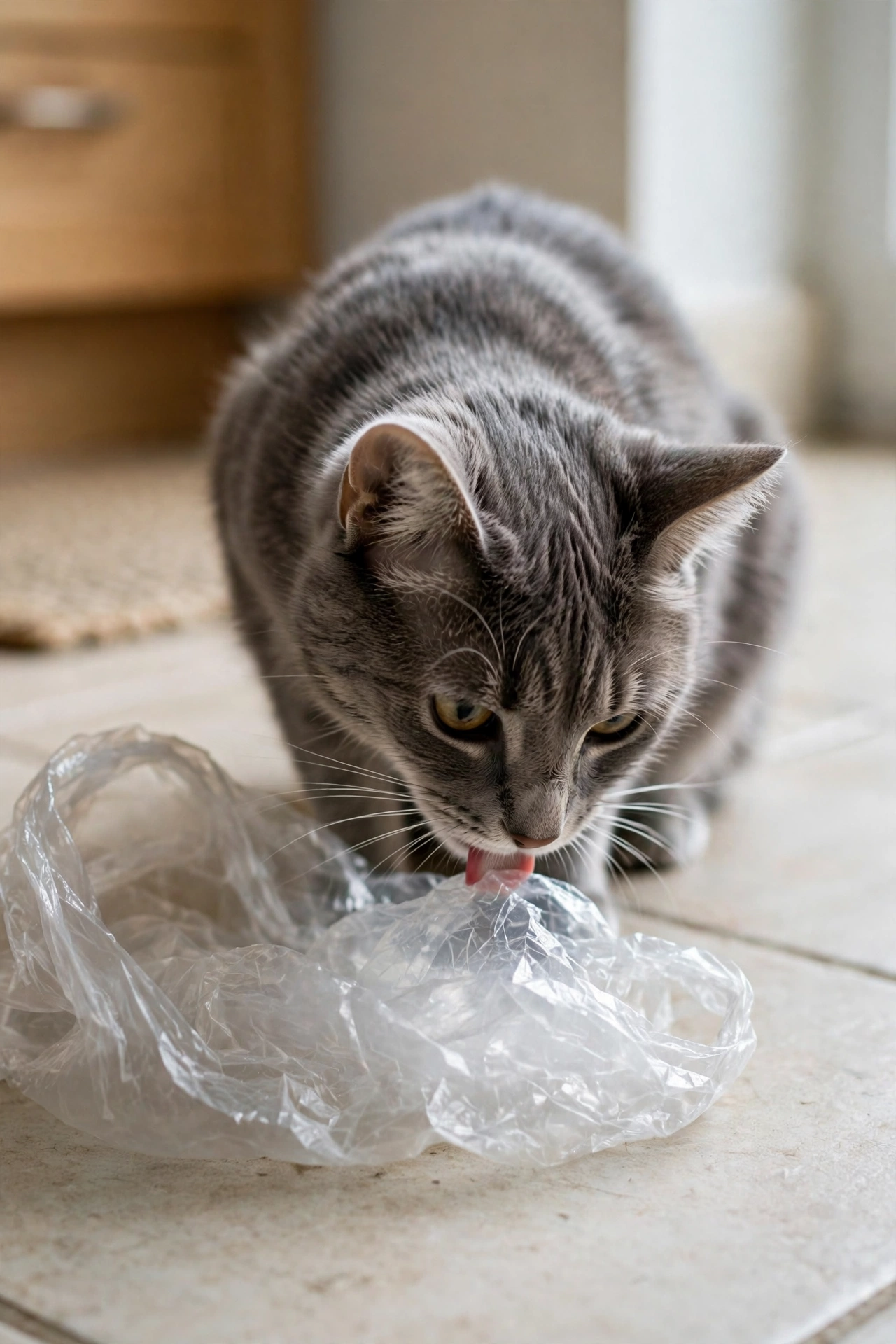
Many cats are strangely obsessed with plastic bags — licking them, chewing them, rubbing their faces all over them. It looks bizarre, but there is a sensory reason behind it. Plastic bags carry faint scents and tastes from manufacturing, including chemical compounds that some cats find oddly appealing, and the crinkly texture adds to the attraction.
For some cats it is also about the feel of the material or simply curiosity. Cats explore the world with their mouths and noses, and a bag that smells faintly interesting is worth investigating. Some cats may even be drawn to the faint taste of food that was once carried in the bag.
Practical tip: This is one habit worth discouraging, because chewing and swallowing plastic can be dangerous. Keep bags out of reach, offer a safe crinkly toy instead, and if your cat is obsessively eating non-food items, talk to your vet — that behavior, called pica, can sometimes point to a dietary or health issue.
6. Your Dog Gently Nibbles You With Their Front Teeth While You Scratch Them
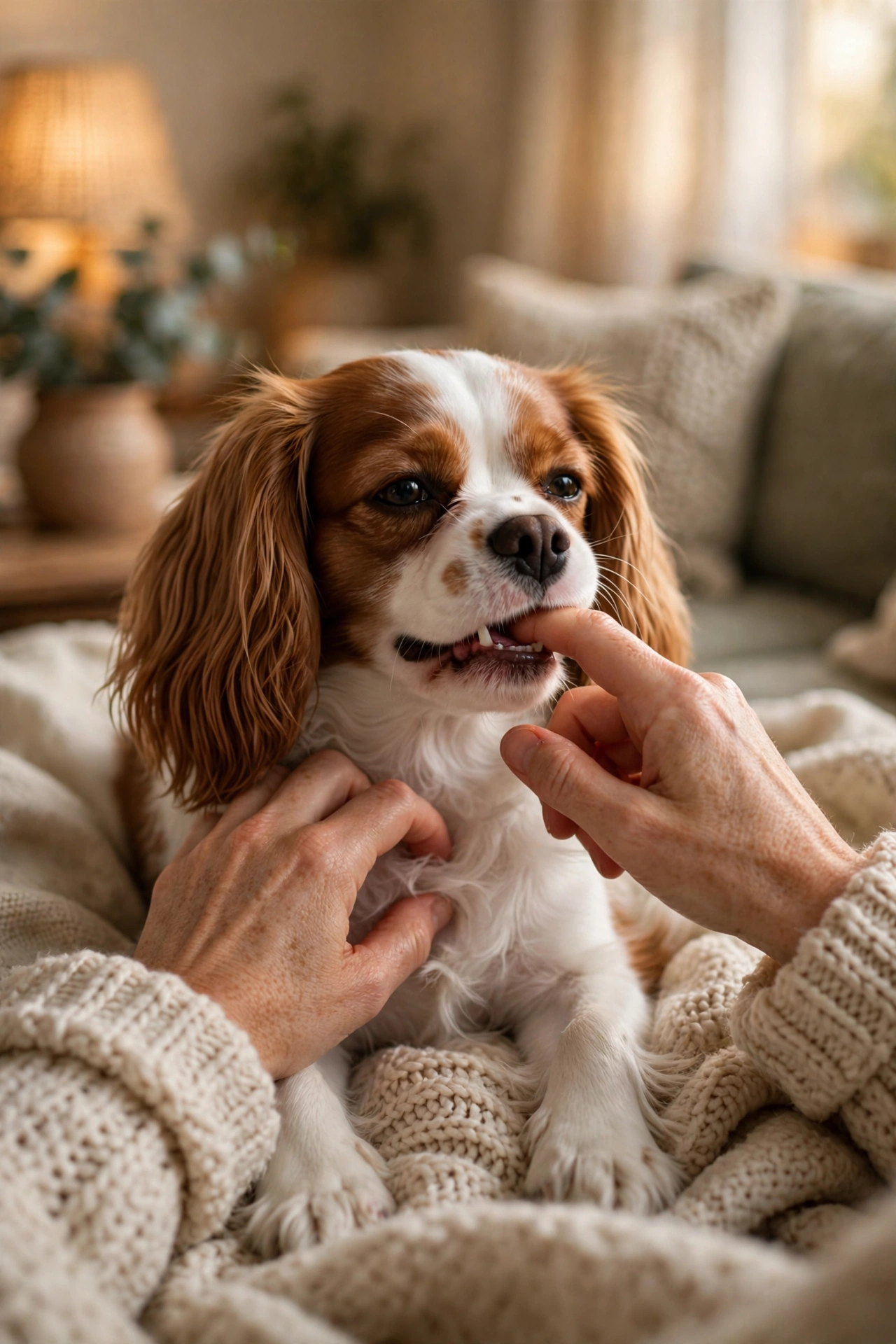
You are scratching your dog’s favorite spot and they respond by turning their head and gently nibbling your hand or arm with their tiny front teeth. This is called cobbing, and it is a surprisingly sweet behavior. Dogs groom each other with these same gentle nibbles, so when your dog does it to you, they are essentially grooming you back.
Cobbing is usually a sign of contentment and affection. Your dog is enjoying the scratch so much that they want to return the favor, the same way they would nibble a fellow dog during a relaxed grooming session. The nibbles are deliberately soft — very different from a real bite.
Practical tip: Enjoy it, but keep it gentle. If the nibbling ever gets harder or your dog gets overexcited, calmly pause the scratching for a moment until they settle. Teaching a dog that calm behavior keeps the good scratches coming works wonders.
7. Your Dog Sneezes in the Middle of Play
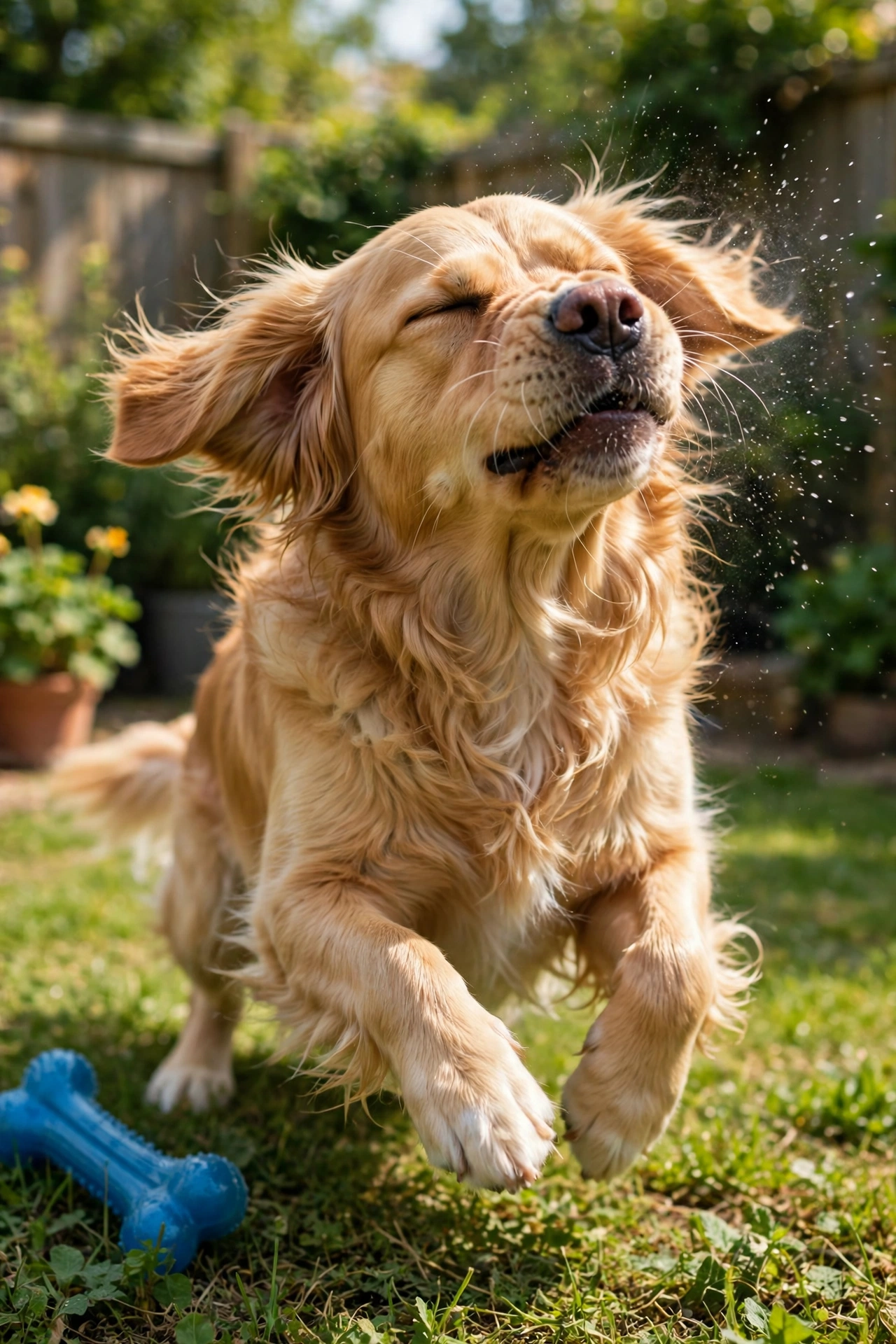
Right in the middle of a wild play session, your dog lets out a sudden little sneeze — and then keeps playing like nothing happened. This is known as a play sneeze, and it is a social signal. Dogs use it to say, “I am having fun, this is all just play, no hard feelings.”
Play sneezes help keep rough-and-tumble games friendly. When play gets intense, a quick sneeze acts like a little reset button, signaling to the other dog that everything is still good-natured. It is one of the ways dogs communicate fair play to each other.
Practical tip: A sneeze during play is normal and nothing to worry about. Only take note if sneezing becomes constant outside of play, or comes with nasal discharge, pawing at the nose, or breathing trouble — then a vet visit is a good idea.
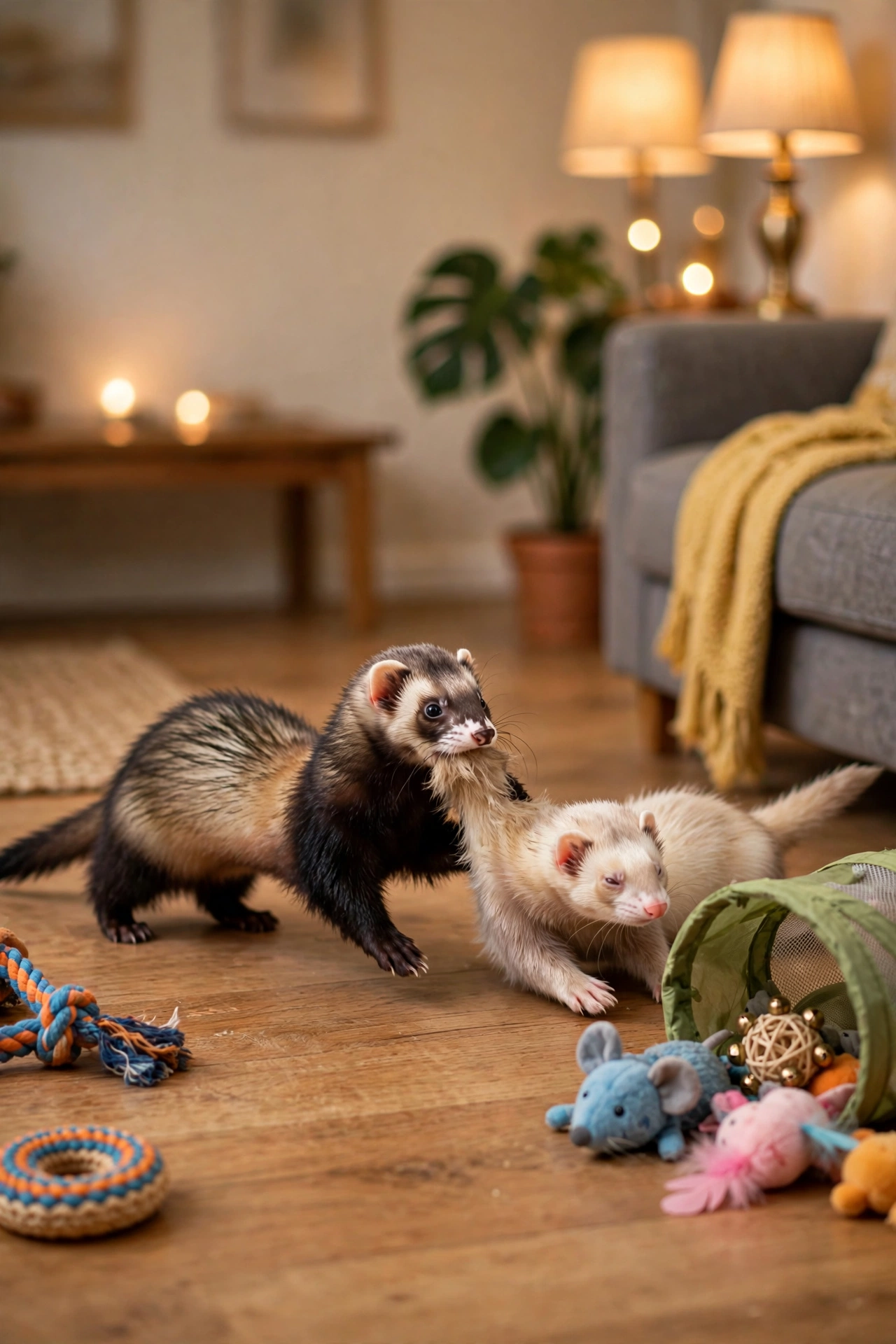
8. Your Ferret Drags Other Ferrets Around
Ferret owners are often baffled the first time they see one ferret grab another by the scruff and drag them across the room. It looks alarming, but it is usually a normal part of ferret life. Ferrets are natural stashers — they love to collect, hide, and move things, and sometimes their housemates become part of the game.
Dragging is related to how ferrets move objects and each other around their territory, especially during play or when they are rearranging their favorite sleeping spots. Mother ferrets also carry their kits this way, so the behavior is deeply wired into them.
Practical tip: As long as the ferret being dragged is not squealing in distress or getting hurt, it is generally harmless play. If one ferret is constantly being bullied, losing weight, or seems stressed, separate them during playtime and check with a vet experienced with ferrets.
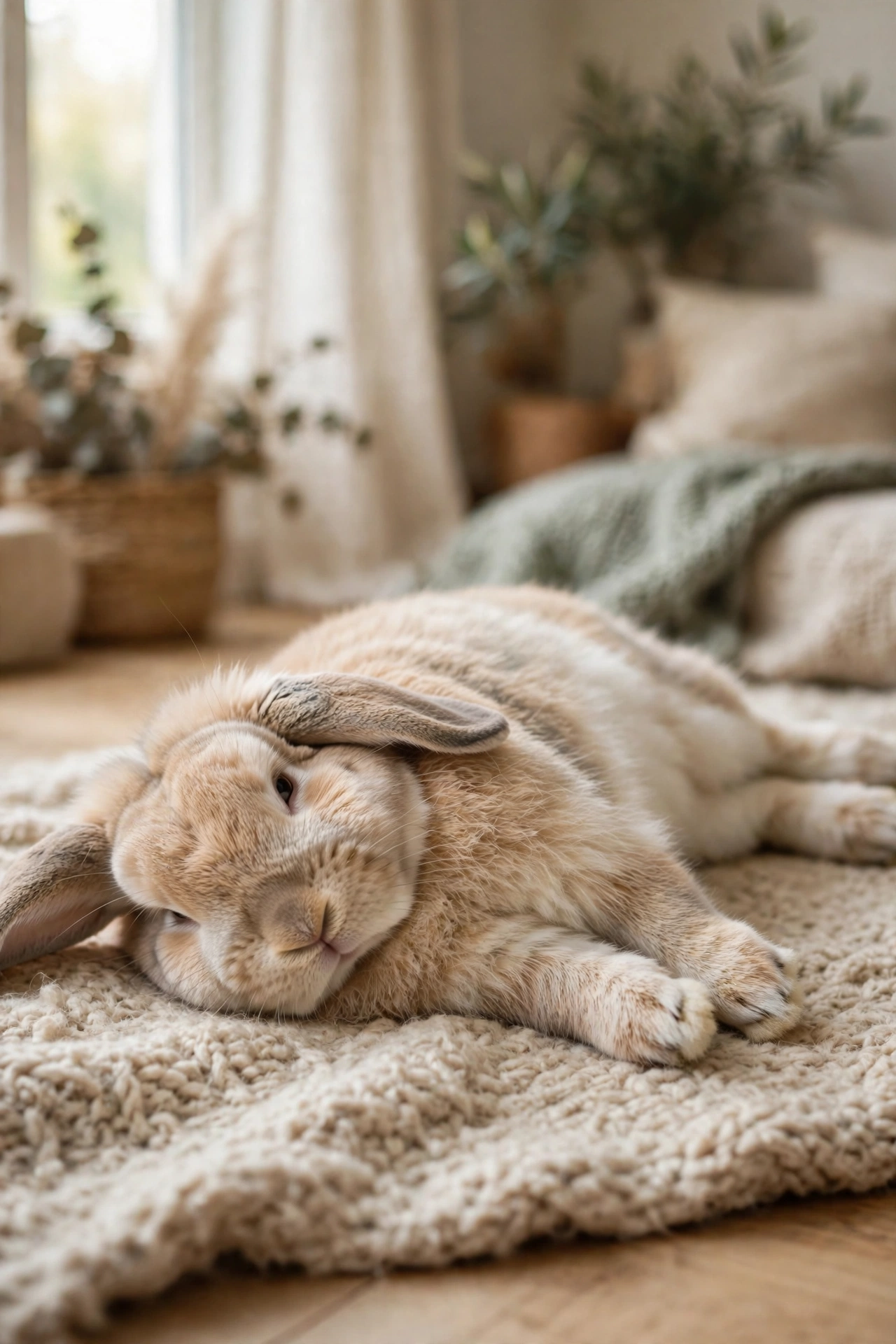
9. Your Rabbit Flops Onto Their Side Out of Nowhere
One moment your rabbit is hopping around, and the next they dramatically throw themselves onto their side, legs stretched out, completely still. First-time rabbit owners often panic, but this is actually called a flop — and it is one of the best signs in rabbit behavior. A rabbit only flops when they feel completely safe and relaxed.
Rabbits are prey animals, so lying on their side leaves them exposed. Choosing to flop means your rabbit trusts their environment and feels no need to stay ready to bolt. It is the rabbit equivalent of sinking into a sofa after a long day.
Practical tip: Let a flopping rabbit be — they are enjoying themselves. Only worry if your rabbit is lying on their side and also refusing food, grinding their teeth loudly, or showing a swollen belly, which can be signs of illness that need a vet quickly.
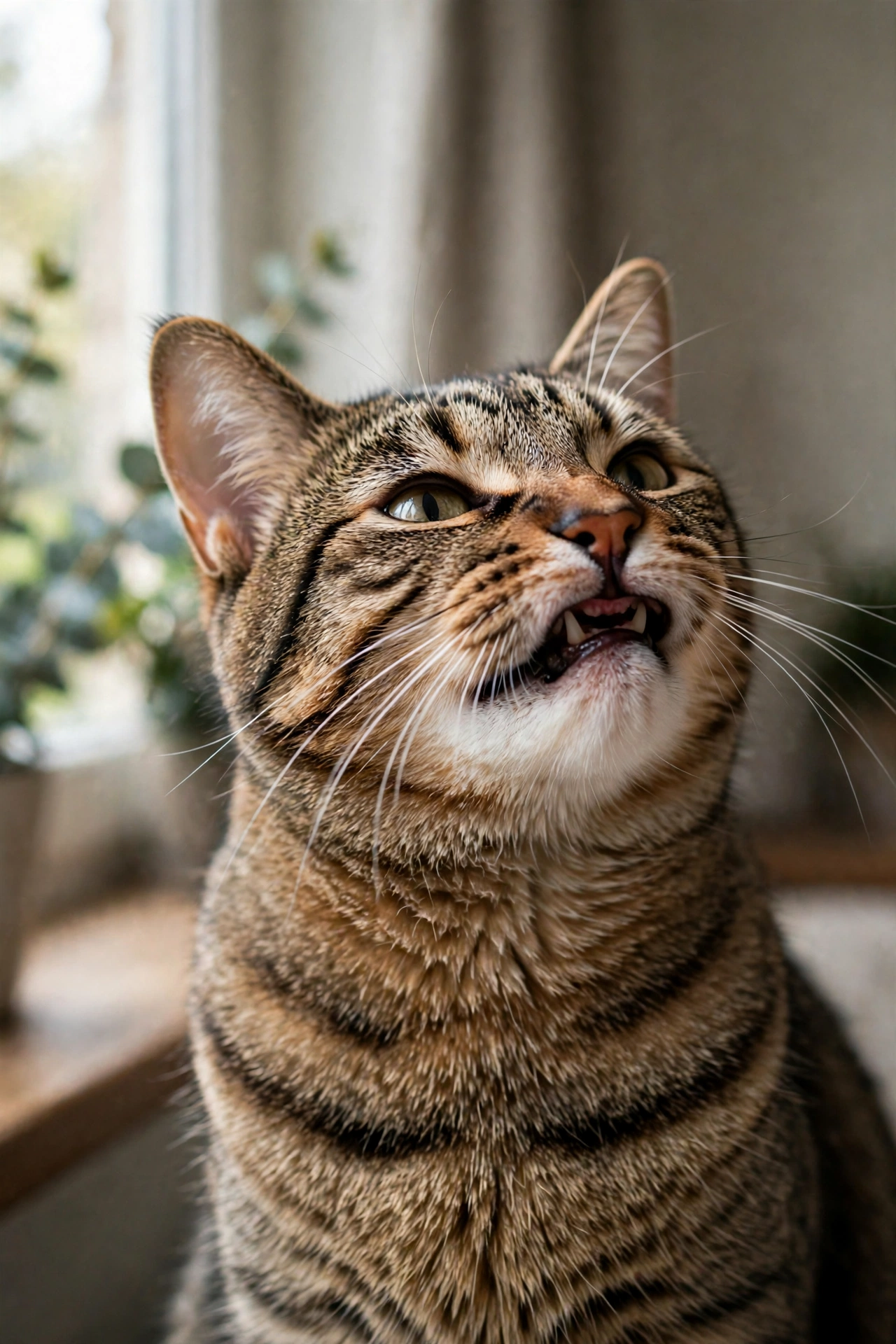
10. Your Cat Pulls a Funny “Stanky Face” After Sniffing Something
Your cat sniffs something interesting, then freezes with their mouth half open, lips curled back, looking like they just smelled something awful. This is the Flehmen response, and it is not disgust at all — it is your cat analyzing a scent in high definition. Cats have a special scent organ called the vomeronasal organ, located in the roof of the mouth, that detects pheromones and other chemical signals ordinary sniffing cannot pick up.
By curling their lip and drawing air in through the mouth, your cat is sending scent molecules straight to that organ. It is how they read the chemical messages left by other animals — things like territory markings or information about another cat. The goofy face is just the delivery mechanism.
Practical tip: This is completely normal and even a sign of a curious, engaged cat. There is nothing to fix — just enjoy the face. If you see it paired with sneezing fits, discharge, or breathing difficulty, that is when a vet check makes sense.
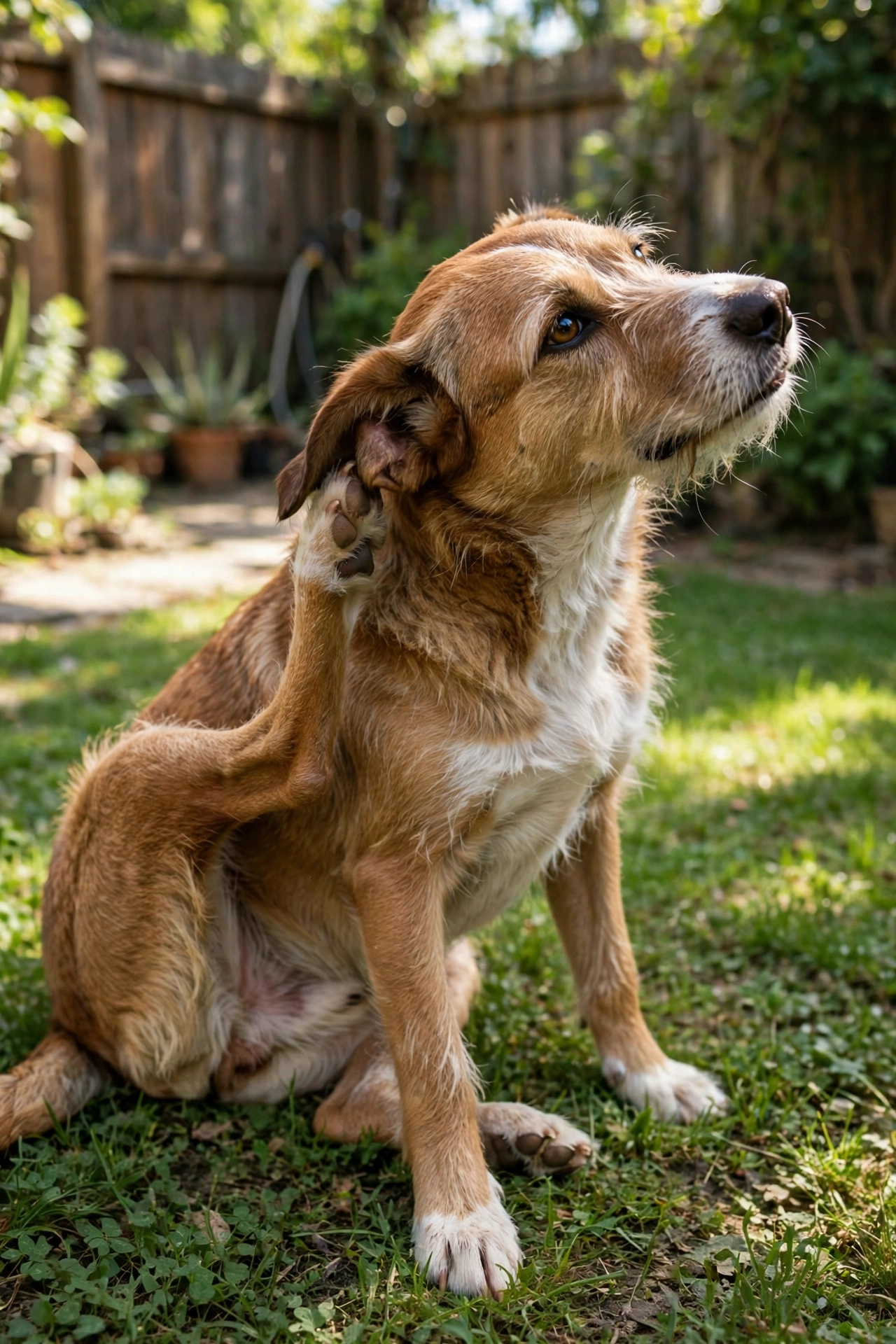
11. Your Dog Scratches Their Ear With a Hind Leg
Every dog owner has seen it: the frantic hind-leg scratch at an ear, sometimes so vigorous that the whole leg thumps against the floor. Most of the time it is just an itch — a bit of dirt, a stray hair, or a minor irritation inside the ear. Dogs cannot reach their ears with their paws, so the hind leg is the best tool they have.
Occasional ear scratching is normal, but ears are also a common trouble spot for dogs. Their ear canals are long and L-shaped, which makes them prone to wax buildup, moisture, and infections, especially in floppy-eared breeds or dogs that love to swim.
Practical tip: A quick scratch now and then is nothing to worry about. But if the scratching is frequent, your dog is shaking their head a lot, or you notice redness, a smell, or dark discharge, book a vet visit — ear infections are common, treatable, and much easier to deal with early.
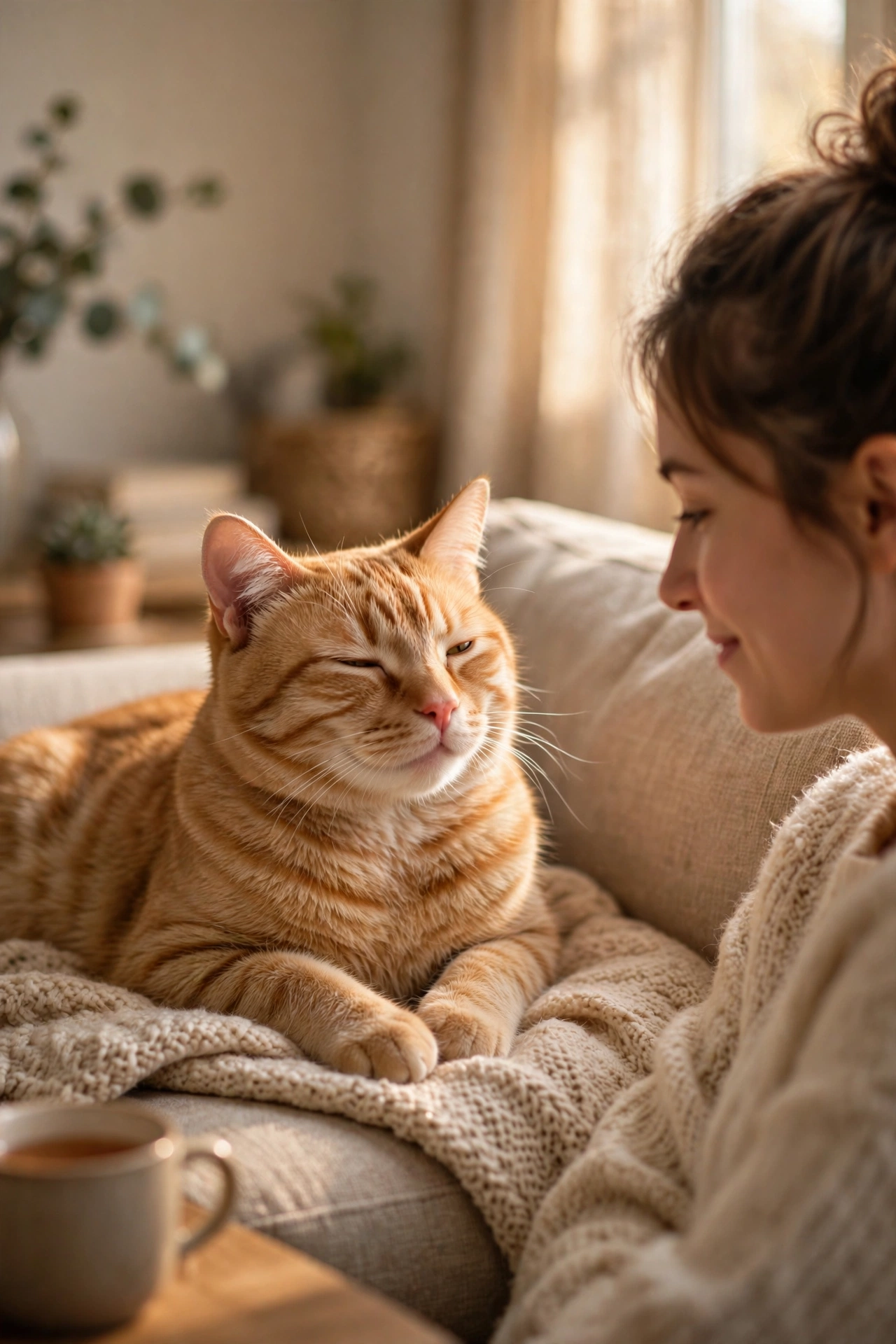
12. Your Cat Gives You a Slow Blink
Your cat looks at you, and instead of staring, they slowly close their eyes and open them again — a long, deliberate, sleepy blink. Cat lovers call this a “cat kiss,” and it is one of the clearest trust signals a cat can offer. In cat language, a direct unblinking stare can be a challenge, so deliberately closing their eyes around you means they feel safe enough to let their guard down.
Cats use slow blinks with other cats they trust, and they quickly learn that their humans understand the gesture too. Many cats will return a slow blink if you offer one first, turning it into a quiet little conversation between the two of you.
Practical tip: Try it yourself: look at your cat softly, slowly close your eyes for a second, then open them. If your cat slow-blinks back, you have just had a proper feline exchange. It is a lovely, low-effort way to build trust with a shy cat.
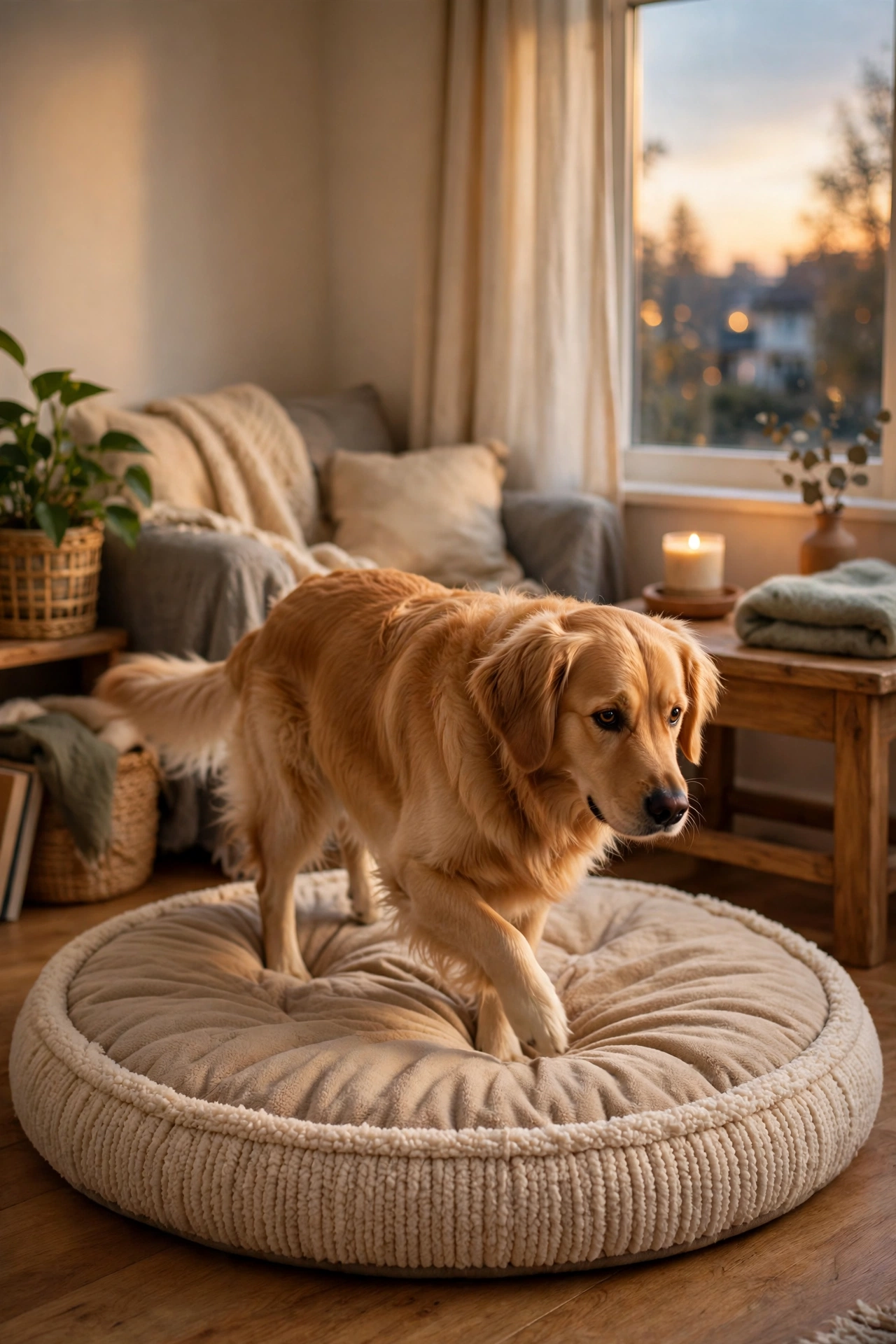
13. Your Dog Circles Around Before Lying Down
Before settling on their bed, your dog walks in a few tight circles, maybe paws at the blanket, and only then lies down. This is a nesting instinct inherited from their wild ancestors, who would circle to flatten grass, clear away debris, and check for anything lurking before sleeping out in the open.
Even though your dog now sleeps on a plush bed in a safe home, the old ritual remains. Circling also helps them find the most comfortable position and settle their body temperature before rest. It is a bedtime routine written into their DNA.
Practical tip: Totally normal — let them circle away. If circling suddenly becomes excessive, your dog seems unable to settle at all, or the behavior comes with restlessness or confusion, mention it to your vet, as sudden changes in sleep behavior are worth checking.
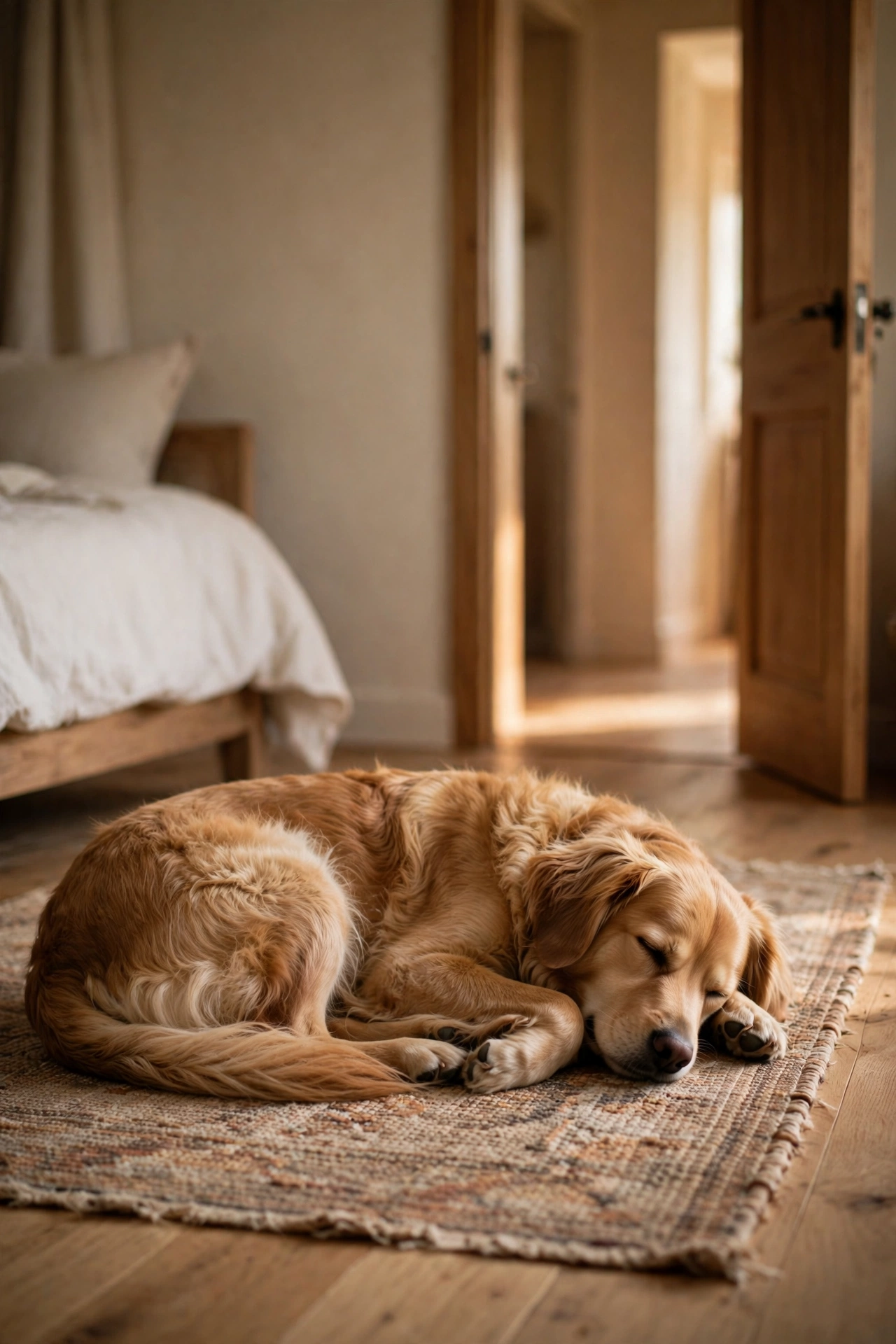
14. Your Dog Sleeps Facing the Door
Many dogs choose to sleep in a spot where they can see the door — facing the entrance to the room rather than curling up in the farthest corner. This is not random. Dogs are naturally alert to who comes and goes, and sleeping where they can monitor the exit lets them rest while still keeping an eye on their territory.
It is a balancing act: the dog wants to relax, but also wants to know if anyone enters. Facing the door gives them the earliest warning and the quickest route to greet (or investigate) whoever arrives. Dogs that are especially protective of their people tend to do this more often.
Practical tip: This is normal and actually a compliment — your dog is watching over the household even while asleep. If your dog suddenly starts sleeping in odd places, hiding, or seems restless at night, that change in routine is worth noting for your vet.
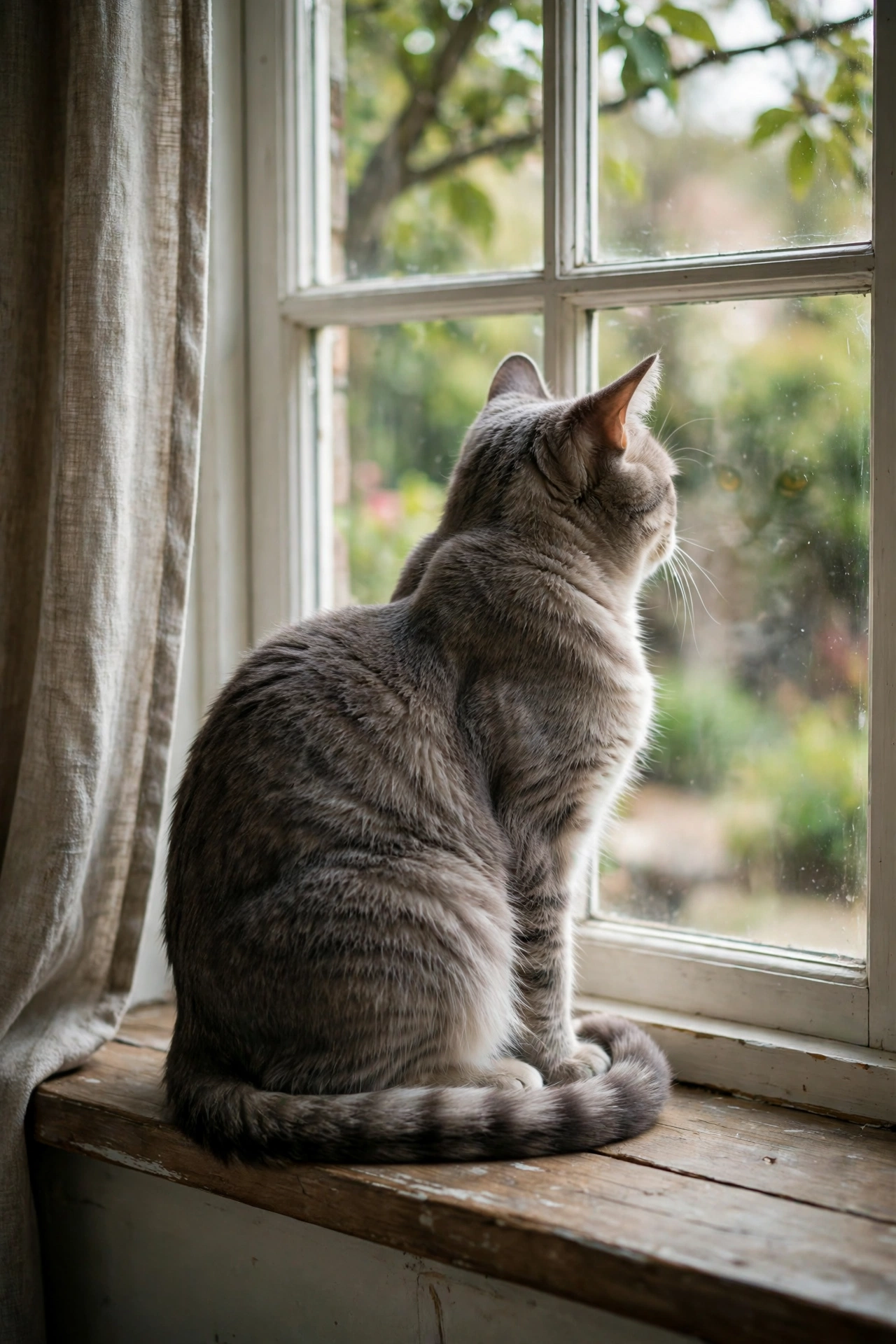
15. Your Cat Sits With Their Back to You
Your cat walks into the room, turns around, and deliberately sits with their back facing you. It is easy to take this personally, but in cat language it is actually a sign of trust. Cats only turn their backs on things they do not consider a threat, so sitting with their back to you means they feel completely comfortable in your presence.
It can also be practical: cats like to face whatever they find interesting — a window, a doorway, another pet — while keeping a trusted person safely behind them. You are their safe base, not someone they need to watch.
Practical tip: Take it as a compliment, not a snub. A gentle word or a slow blink is a nice acknowledgment, but there is no need to lure them around — a cat that sits with its back to you is a cat that trusts you.
You May Also Like
If you enjoyed learning what your pet’s quirks really mean, you will love these too: