9 Major Ways Netflix’s East Of Eden Differs From The Original Book And Other Adaptations


Some novels are so large that every new adaptation becomes a fresh argument about what the story really is. John Steinbeck’s East of Eden, published in 1952, is one of those books: a sprawling family saga set in California’s Salinas Valley, following two generations of the Trask family as they wrestle with inheritance, guilt and the question of whether anyone can escape the sins of their parents. The 1955 film version told only part of that story, and readers have debated its choices ever since. Now a new seven-episode series has reopened the whole conversation, retelling the novel with a different centre of gravity and a much wider canvas. The nine differences below explain what has changed, why it matters, and how the new version relates to both the book and the film that came before it. None of them spoil the story’s ending, but they do reveal how the same material can feel strikingly different in new hands.
1. Cathy Ames Moves Centre Stage
In the novel and in earlier screen versions, the emotional weight of the story rests mainly on the Trask brothers, Adam and Charles, and later on Adam’s twin sons, Cal and Aron. Cathy Ames, the woman who marries Adam and then leaves him, is a powerful presence in the book, but she operates largely at the edges of the men’s story, appearing and vanishing as their lives unfold. The new series reverses that balance entirely, placing Cathy at the centre of the narrative and following her journey as the thread that holds everything together. Scenes that the book passes over quickly are given room to breathe, and events are shown from her side of the story rather than only through the eyes of the men around her. The result is a version of East of Eden in which the character who once haunted the margins becomes its driving force.
2. Less Time With Charles and Adam Before Cathy Arrives
Steinbeck takes his time at the start of the novel, lingering over the childhood and youth of Adam and Charles Trask and over the long years the brothers spend apart from each other. Their rivalry, their very different relationships with their father, and the thirteen years of separation that shape them are given generous space, so that by the time Cathy enters their lives the reader understands exactly what she is walking into. The series moves through this stretch of the story much faster, condensing the brothers’ early years so that the narrative reaches Cathy sooner. The trade-off is deliberate: less time establishing the brothers’ past means more time spent on the woman whose arrival changes both of their lives, and the story gains momentum at the cost of some of the book’s slow, patient build-up.
3. The Series Covers Far More Of The Novel Than The 1955 Film

Elia Kazan’s 1955 film is a celebrated piece of cinema, but it tells only a fraction of Steinbeck’s novel, roughly its final third. The film concentrates on Adam’s sons, Cal and Aron, as young adults, and on Cal’s painful discovery of the truth about his mother, leaving the earlier generations and much of the book’s history behind. A seven-episode series has no such constraint, and the new version uses its longer running time to cover far more of the book’s span. The wider story includes the parallels between the two generations, with Cal and Aron echoing the rivalry and choices of Adam and Charles before them. For readers who felt the film was only a glimpse of the novel, the series offers a much fuller picture of the world Steinbeck built.
4. The Opening Is Completely Different

One of the most immediate differences is visible within the first minutes. The novel opens with a long, loving description of the Salinas Valley itself, its geography and seasons, and it does not introduce Cathy until the eighth chapter, where she arrives with a striking and unsettling description of her nature. The series throws that structure out and begins with Cathy herself, bloody and beaten, as the first face and voice the audience meets. It is a statement of intent as much as an opening scene: this version announces from its first moments that Cathy’s experience, rather than the landscape or the brothers, is where the story begins. The valley is still there, but it is no longer the doorway into the tale.
5. Cathy’s Sexuality And Trauma Are Reframed
In the novel, Cathy’s sexuality is presented largely as something voluntary and manipulative, a weapon she chooses to use against the men around her. The series reframes her character by presenting her behaviour as shaped by the violence and abuse she suffered when she was young, making explicit a childhood assault that the book only alludes to. This single change alters how almost every later scene reads: actions that once looked like cold calculation now carry the weight of damage and survival. It is a sensitive and contested reinterpretation, and it has divided readers, some of whom feel it explains Cathy while others feel it softens a character Steinbeck meant to be genuinely frightening. Either way, it is the change that most transforms the moral centre of the story.
6. The Hamilton Family Is Cut Right Back
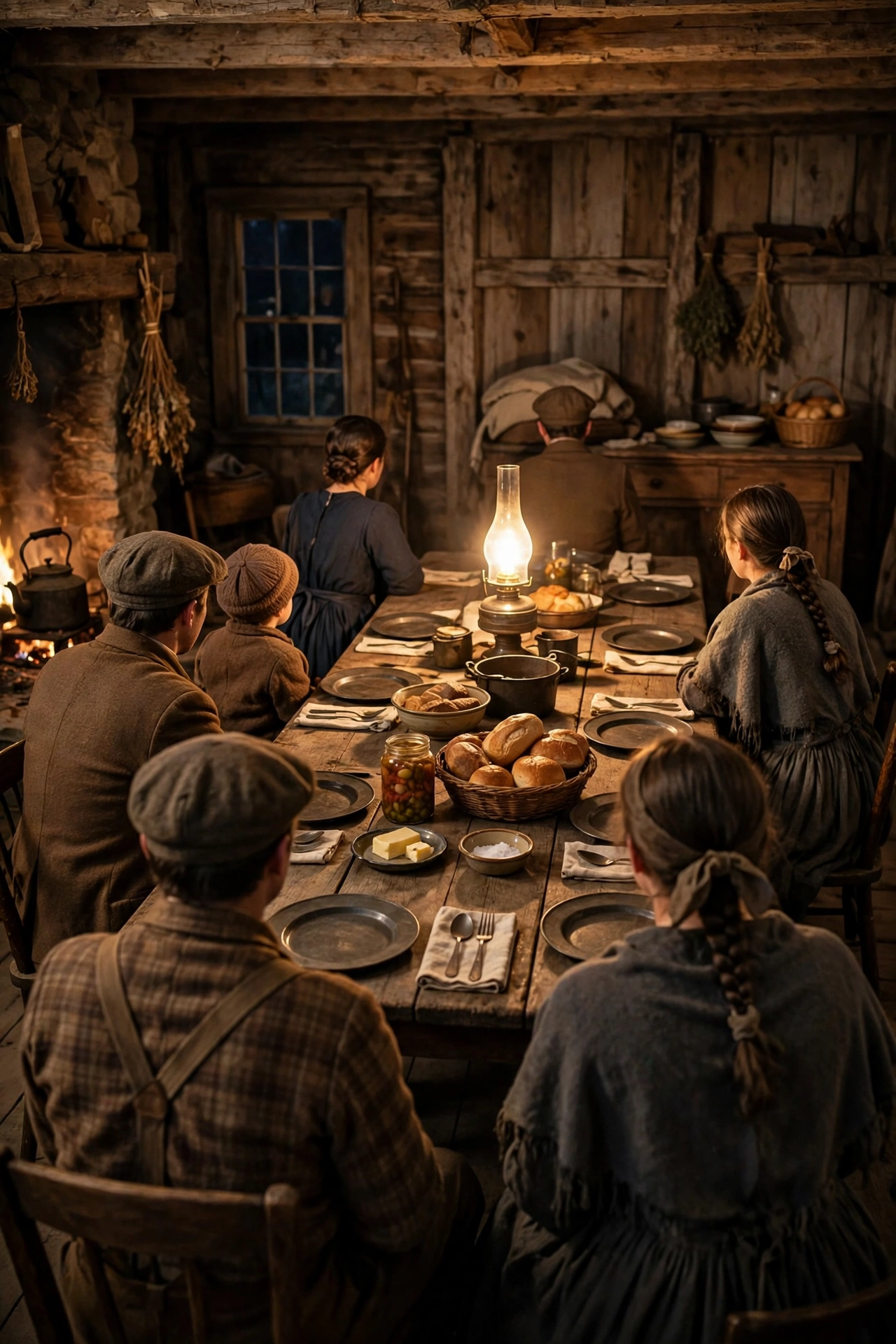
Readers of the novel know the Hamiltons as its moral centre. They are a large, warm family making a living on infertile land, and Samuel Hamilton, their patriarch, acts almost as a narrator figure, the wise neighbour who at one point lifts Adam out of despair with a famous conversation about choice and forgiveness. The series reduces the family sharply: Samuel appears only in a supporting role, and Will is the only other Hamilton the audience meets. Much of the novel’s texture, the crowded farmhouse, the children’s stories, the sense of a community holding the Trasks to account, is therefore absent. The loss is keenly felt by book lovers, even though it gives the series room to concentrate on its central triangle of characters.
7. Lee Is Restored
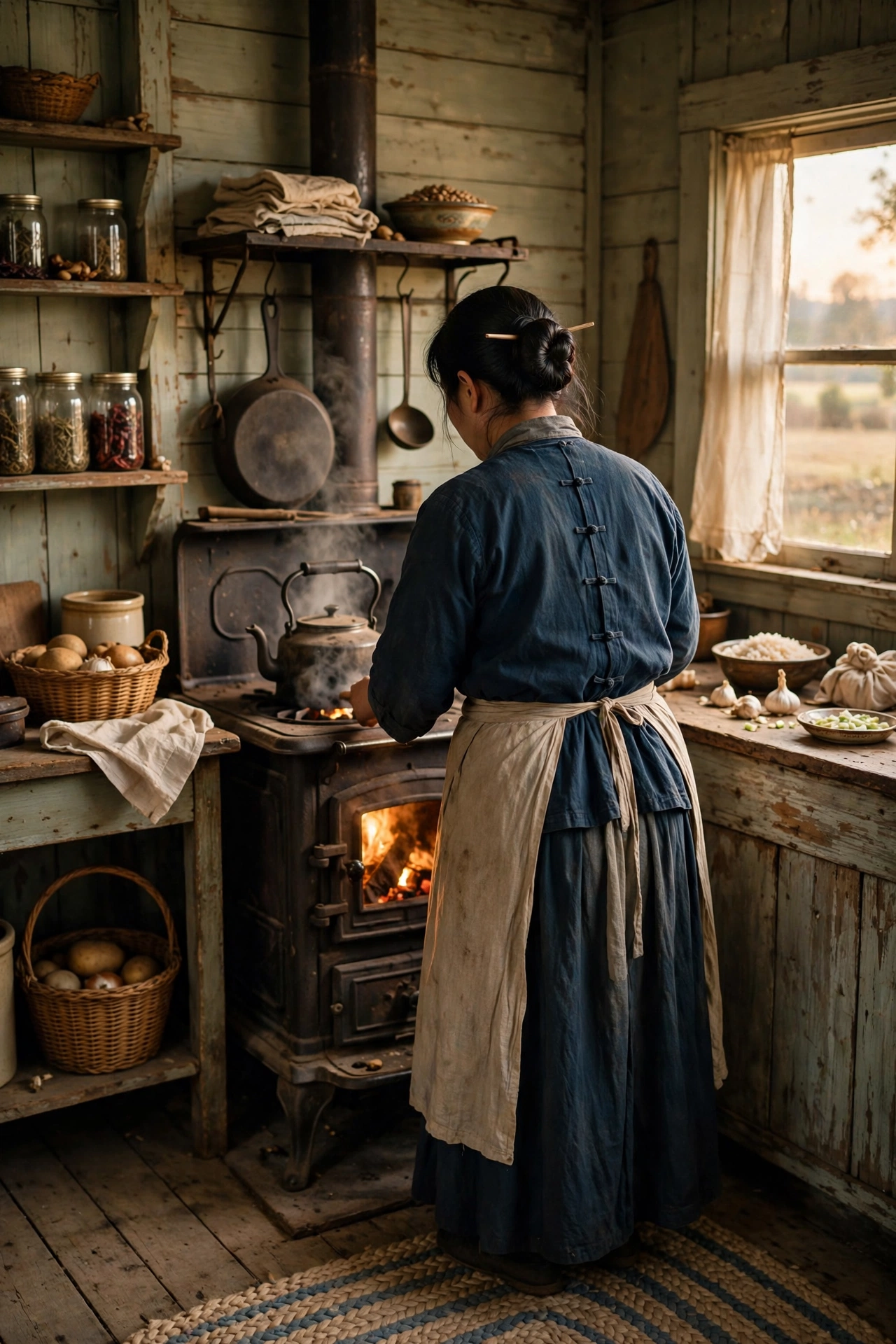
The 1955 film left out one of the novel’s most beloved figures entirely, and the new series corrects that omission. Lee, Adam’s loyal housekeeper, is back in the Trask home, where he helps raise Cal and Aron and becomes one of the few steady, grounding presences in their lives. In the book, Lee is far more than a servant: he is a philosopher, a father figure and a moral compass, and his conversations with the other characters carry some of the novel’s deepest ideas. Restoring him gives the series back a warmth and wisdom the film lacked, and it allows the story’s questions about goodness, inheritance and free will to be spoken aloud rather than left unspoken. For many viewers, his return alone justifies a new adaptation.
8. Lee’s Reason For Leaving Changes
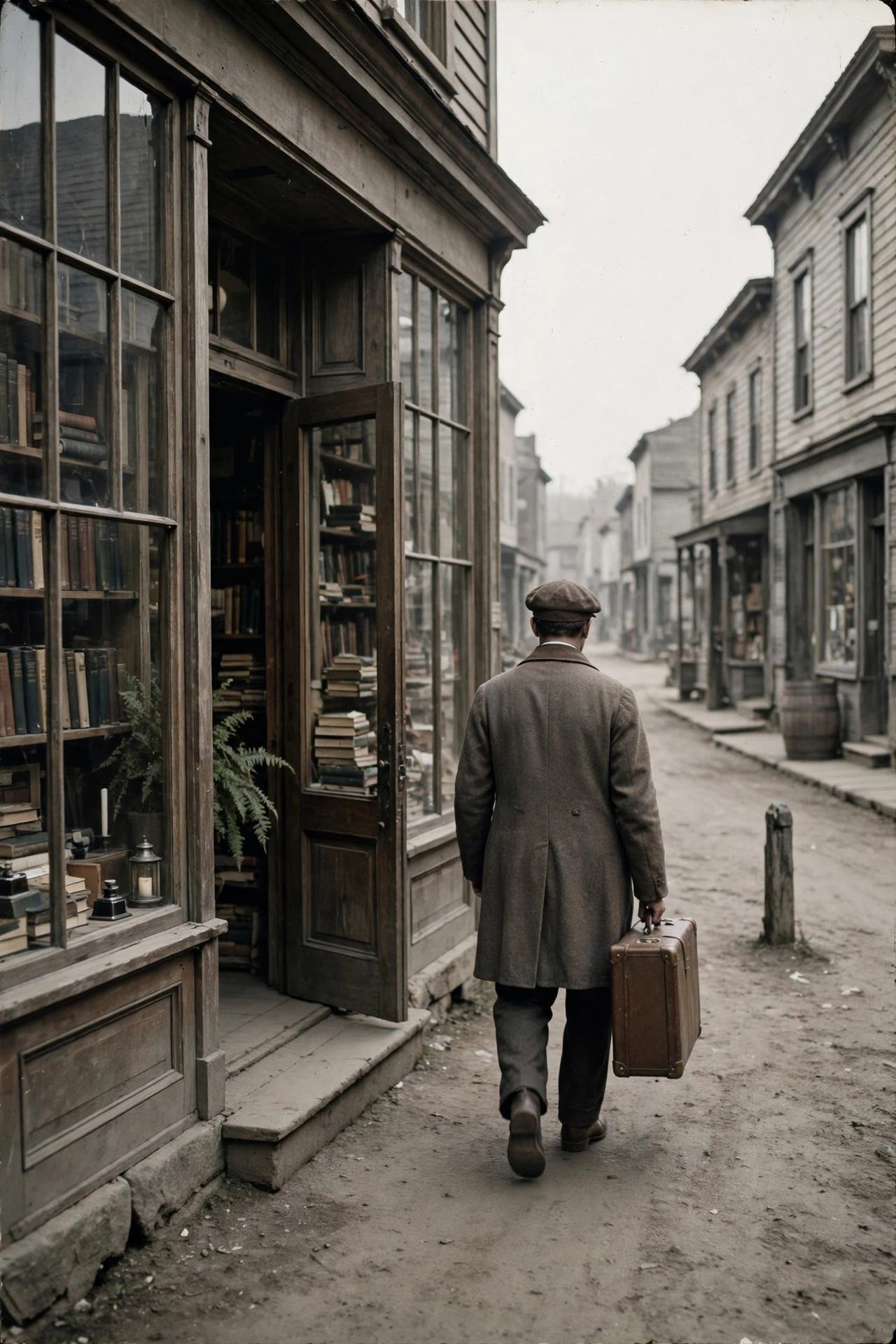
In the novel, Lee nurses a quiet dream of leaving the Trask household and opening a bookshop in San Francisco, a dream he eventually gives up out of loneliness, because he cannot bear to be separated from the family he has come to love. The series keeps the bookshop dream but changes the reason it dies: here Lee gives it up because of racist exclusion, shut out of the opportunity by the prejudice of the world around him. The change shifts the scene from a personal tragedy of attachment into a sharper comment on the barriers faced by Chinese immigrants in early twentieth-century California. It also connects Lee’s story to the novel’s wider themes, showing how the freedom to choose one’s own life, the book’s great subject, was not equally available to everyone in its world.
9. Lee’s Code-Switching Looks Modern But Comes Straight From The Book

One scene in the new series has surprised viewers who assumed it was a modern invention: Lee is shown switching, mid-conversation, between a thick Chinese accent and flawless American English, dropping the accent he uses for strangers and speaking plainly to those he trusts. It feels like a contemporary touch, a knowing comment on performance and identity, but it is in fact taken directly from Steinbeck’s novel, where Lee explains that he adopted the exaggerated accent deliberately, because it was what people expected to hear. The series simply stages what the book describes, and in doing so it recovers one of Steinbeck’s subtlest points: that Lee has always been the most self-aware person in the story, choosing how the world sees him while keeping his true voice for those who deserve it. It is a reminder that not every change in an adaptation is a change at all.
Taken together, these nine differences show a series that is both faithful and bold: faithful in restoring figures and scenes the film lost, bold in moving Cathy to the centre and rethinking what shaped her. Readers who know the novel by heart will recognise its bones throughout, while viewers meeting the story for the first time will find a version built around questions that still feel urgent, about family, forgiveness and whether anyone can choose a different life from the one they were handed. The book, the film and the series now stand as three distinct tellings of the same great story, and comparing them is half the pleasure. If the new version sends you back to Steinbeck’s pages, that may be its finest achievement of all.