25 Things That Used To Be A Minor Inconvenience That Kids Gen Z Or Younger Just Won’t Understand

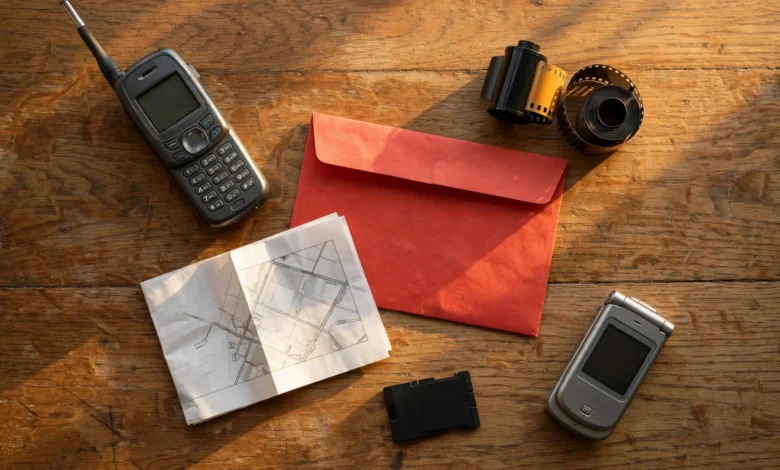
Nothing on this list ever ruined anybody’s day. That is precisely the point. These were the small, daily frictions of the 2000s — the waiting, the walking, the rewinding — so constant that nobody thought of them as hardships. They were just how things worked.
Then, one by one, technology quietly deleted them, and an entire generation grew up never knowing they existed. If you lived through them, prepare to feel every single one in your knees. (For the things from the same era that vanished entirely, see my piece on things from the 2000s that quietly disappeared.)
1. Meeting a Friend Meant Agreeing a Place and Praying
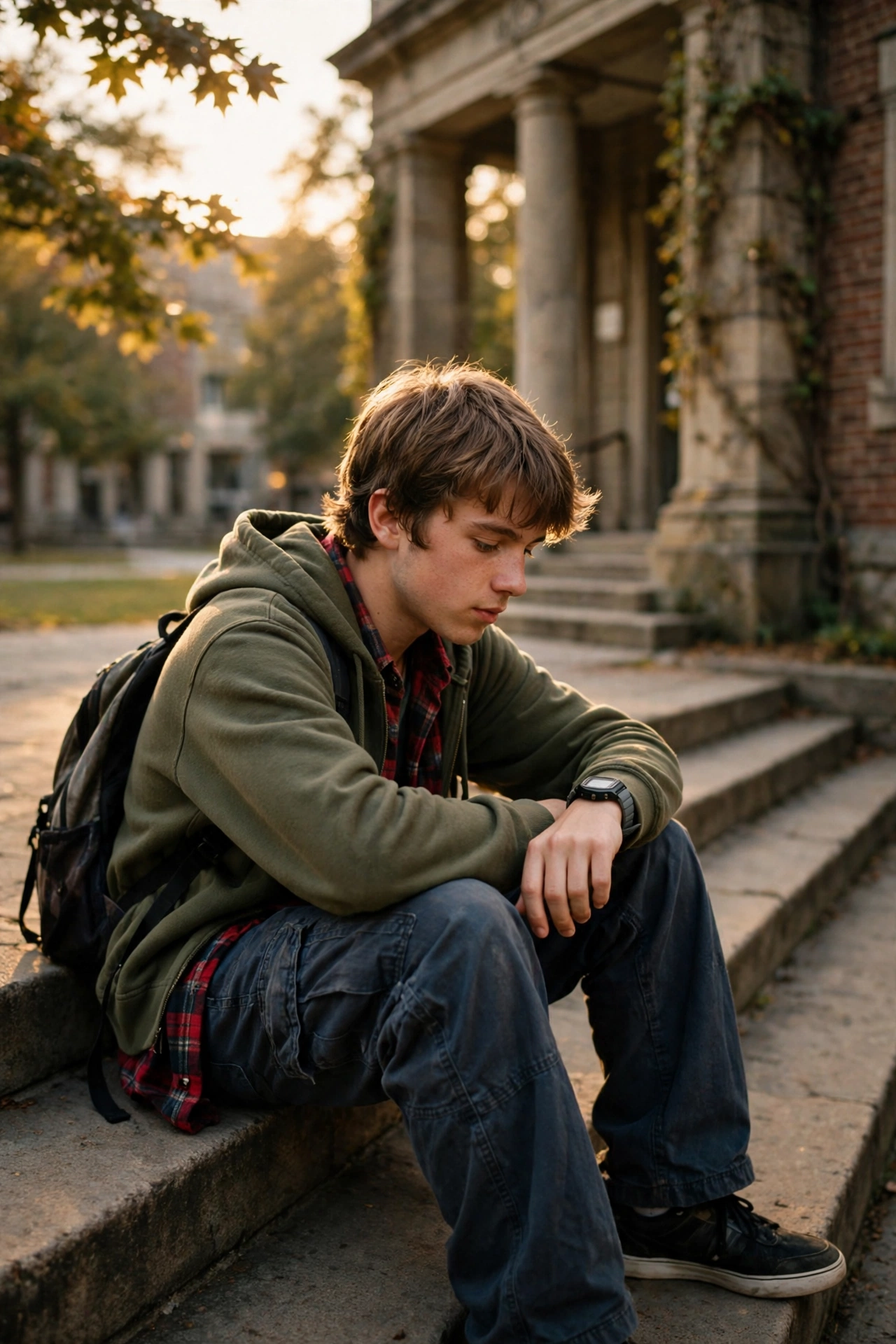
Before everyone carried a phone, meeting up was an act of faith. You agreed a spot — the student union steps, the fountain, the corner by the cinema — and a time, and then both parties simply travelled toward the arrangement with no way to check on each other.
If your friend was twenty minutes late, you had no data. Late, lost, stood up, bus broken down: all identical from where you stood. You waited, because leaving meant the meeting had never existed, and arriving to an empty spot you’d already left was the era’s defining social tragedy.
2. Your Holiday Photos Took a Week to Exist

You shot a roll of film, dropped it at a store, and waited — typically a week — to find out what your own camera had seen. One-hour developing existed, but it cost close to triple, and it was reserved for occasions too important for suspense.
The results arrived as a sealed envelope of surprises: the thumb over the lens, the blink, the photograph of the inside of a bag. You had already paid for all of them. There was no delete, no filter, and no way of knowing a moment had failed until long after it had passed.
3. The Living Room Kept You on a Short Leash

Home technology had a physical radius. The telephone cord decided how far a conversation could wander — a few coiled feet from the wall. Changing the TV channel or volume meant standing up and walking to the set. A fuzzy picture meant adjusting the antenna, by hand, while someone else judged the results from the sofa.
And every rented videotape came with a duty: rewind it before returning it, or watch the first minutes while the machine did it for you, whirring. The living room was comfortable. It was just not finished until you had done some of the work yourself.
4. Commercial Breaks Were a Competitive Sport
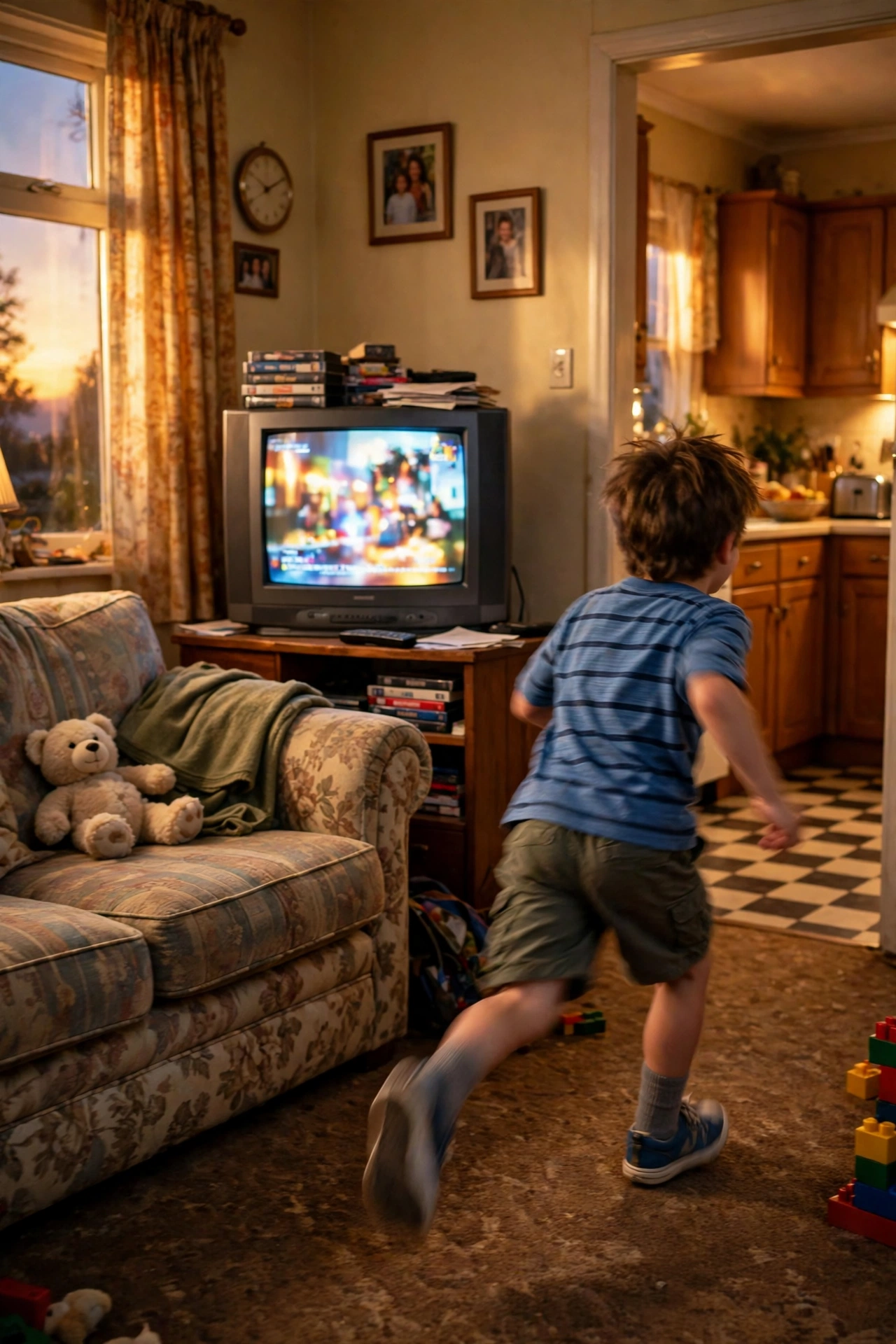
An ad break in a favourite show created a three-minute window with a mission in it: bathroom, drink, snack, back on the sofa — in that order, at speed, without missing the return. Everybody in the house ran the same race simultaneously, which is why the kitchen at 8:47 p.m. looked like a pit stop.
Miss your window and the show resumed without you, forever. There was no pause button coming to save anyone. The break was not a break; it was the most athletic part of the evening.
5. Television Used to Go to Sleep
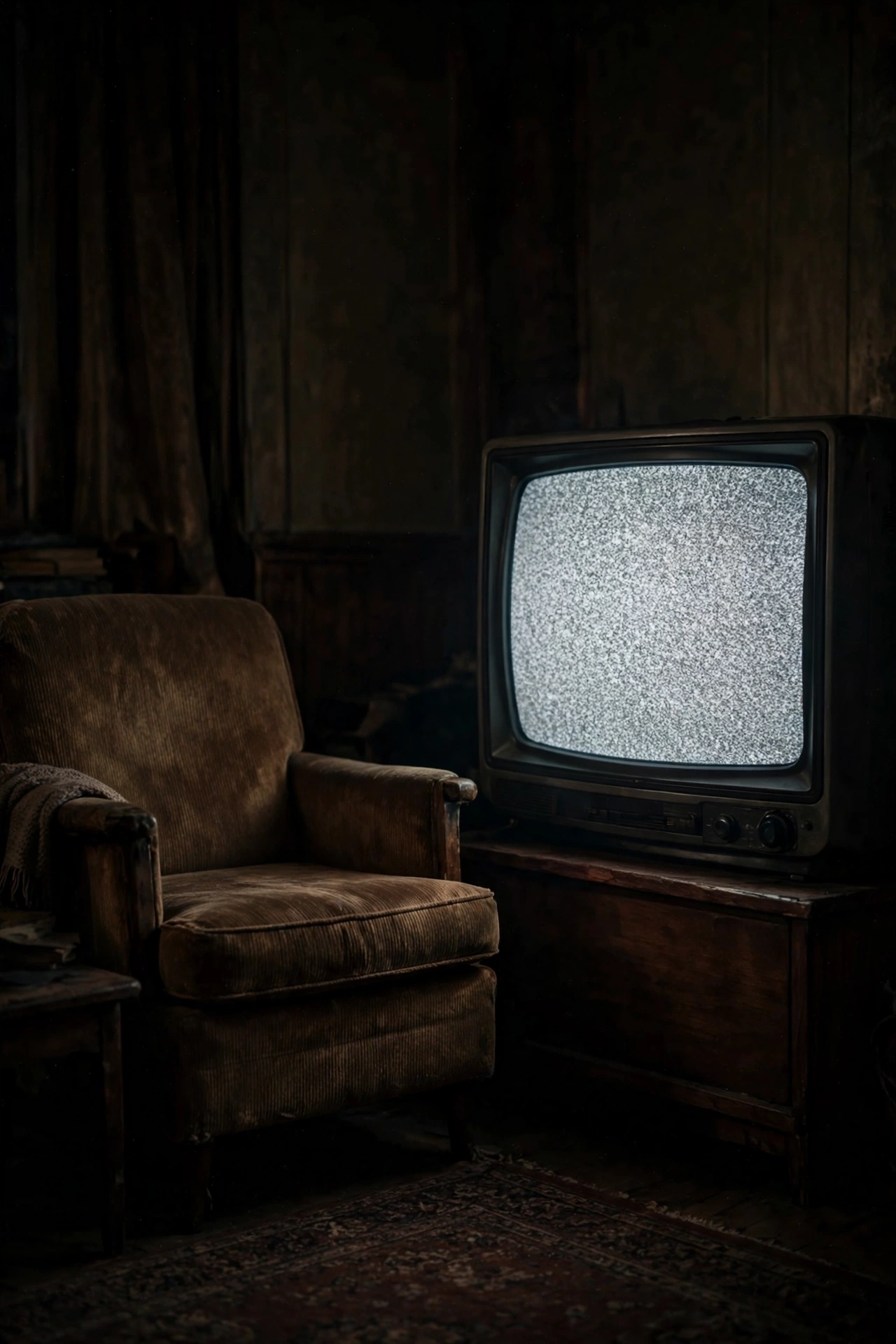
Late at night, many TV stations simply stopped. Programming ended — often with a sign-off and the national anthem — and the channel dissolved into static for the rest of the night, until broadcasting resumed in the morning.
Fall asleep in front of the TV and you would wake to white noise and a screen of snow. Television had office hours, and the idea of something always being on — an infinite catalogue at 3 a.m. — belonged to a future nobody in the room could have described.
6. If You Wanted Something, You Went to a Shop
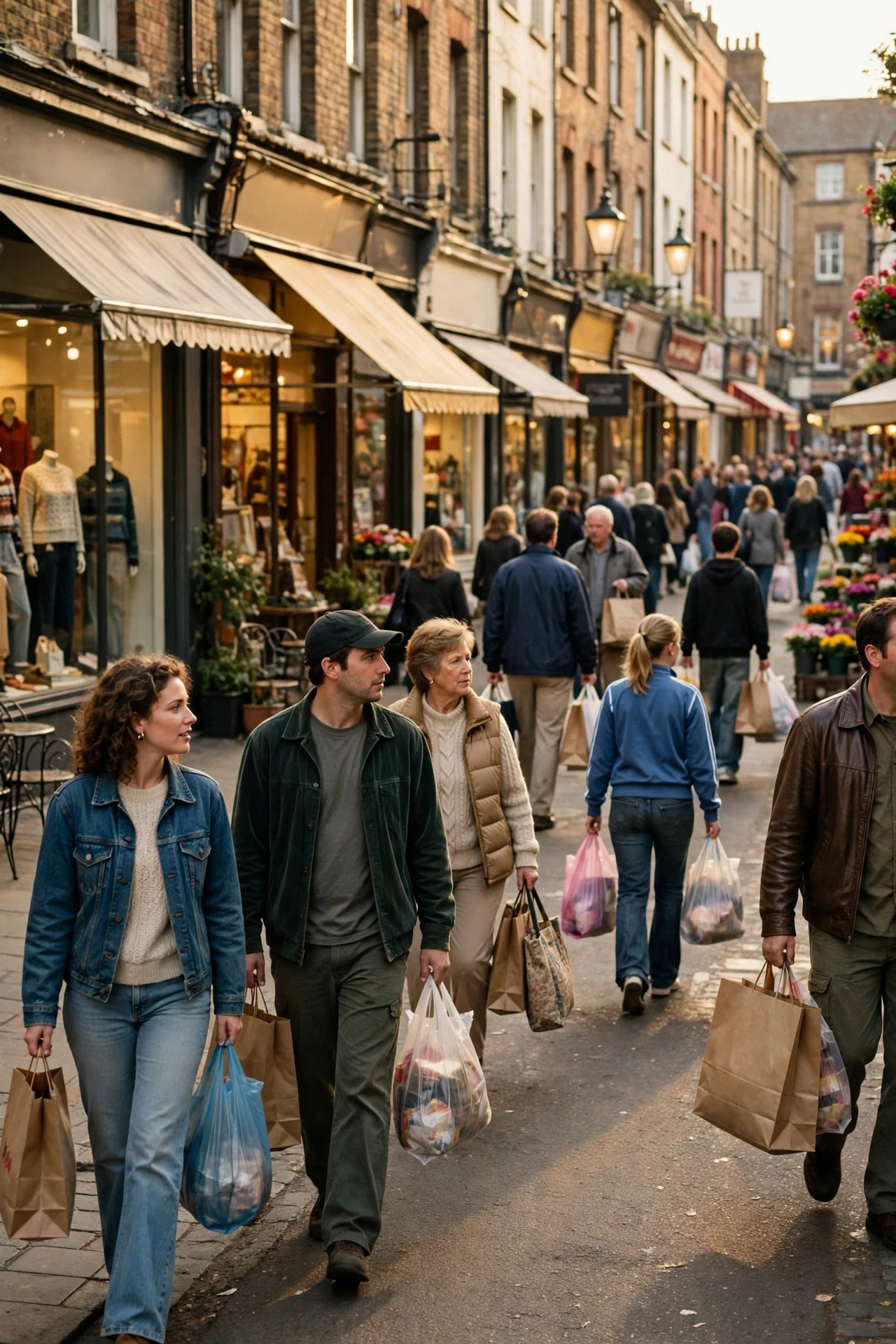
There was no ordering from the sofa. Clothes, music, gifts, train tickets, a camera, a pizza with specific toppings — every acquisition began with travelling to the place that sold it, during the hours it was open, and carrying the result home.
Shopping was logistics: lists, bus routes, closing times. The modern experience of deciding you need something at midnight and having it arrive tomorrow would have read, in 2003, as a concierge service for royalty.
7. Netflix Arrived in the Post
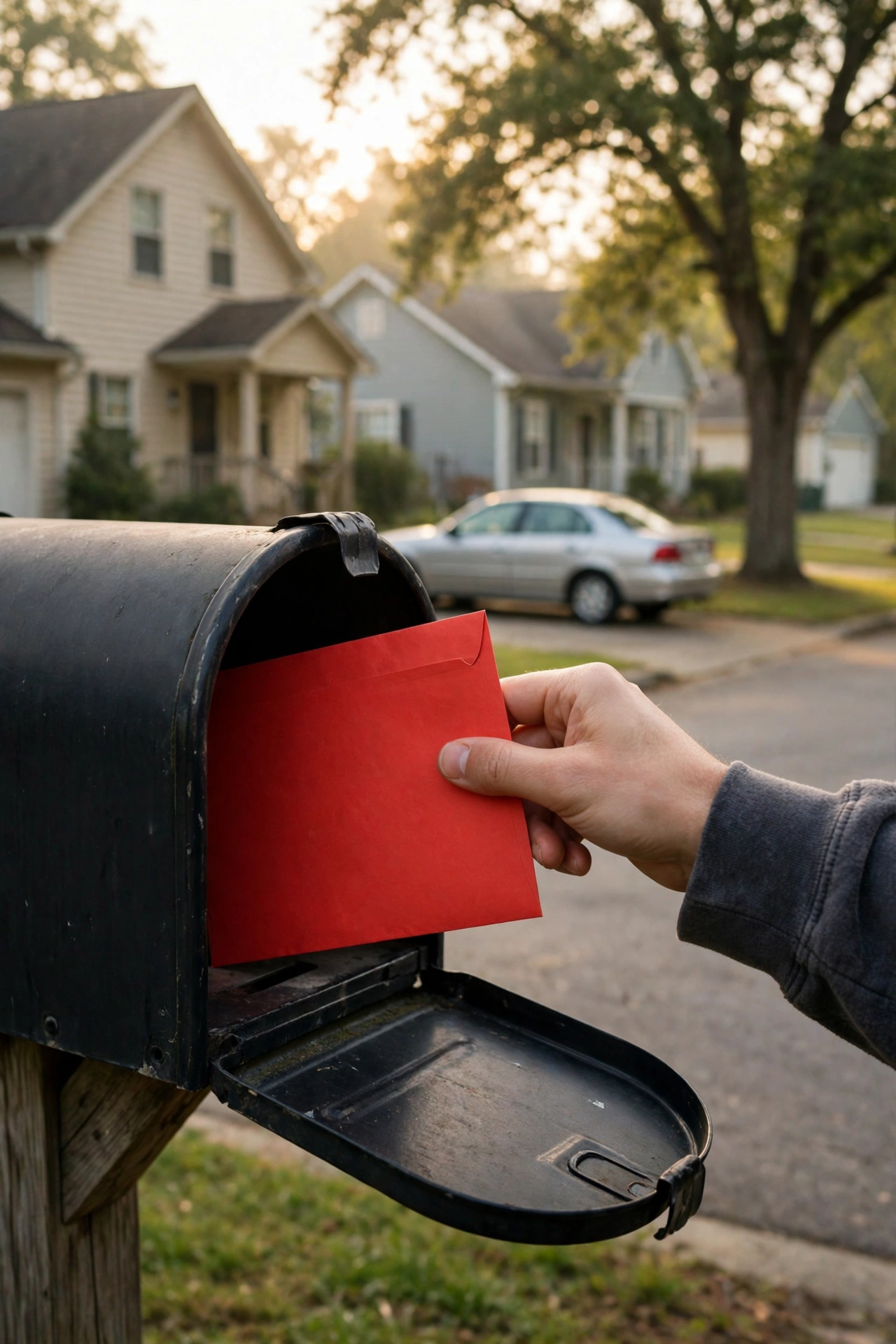
In its original form, Netflix was a postal service. You queued films on a website, and DVDs arrived by mail, one or a few at a time. Finishing a film meant posting it back and waiting days for the next disc to complete the round trip.
The wait shaped taste: you planned weekends around discs, watched things because they were physically in the house, and treated a scratched DVD as a scheduling emergency. Streaming did not just make films faster — it abolished an entire postal rhythm of anticipation.
8. A Song Could Stay a Mystery Forever
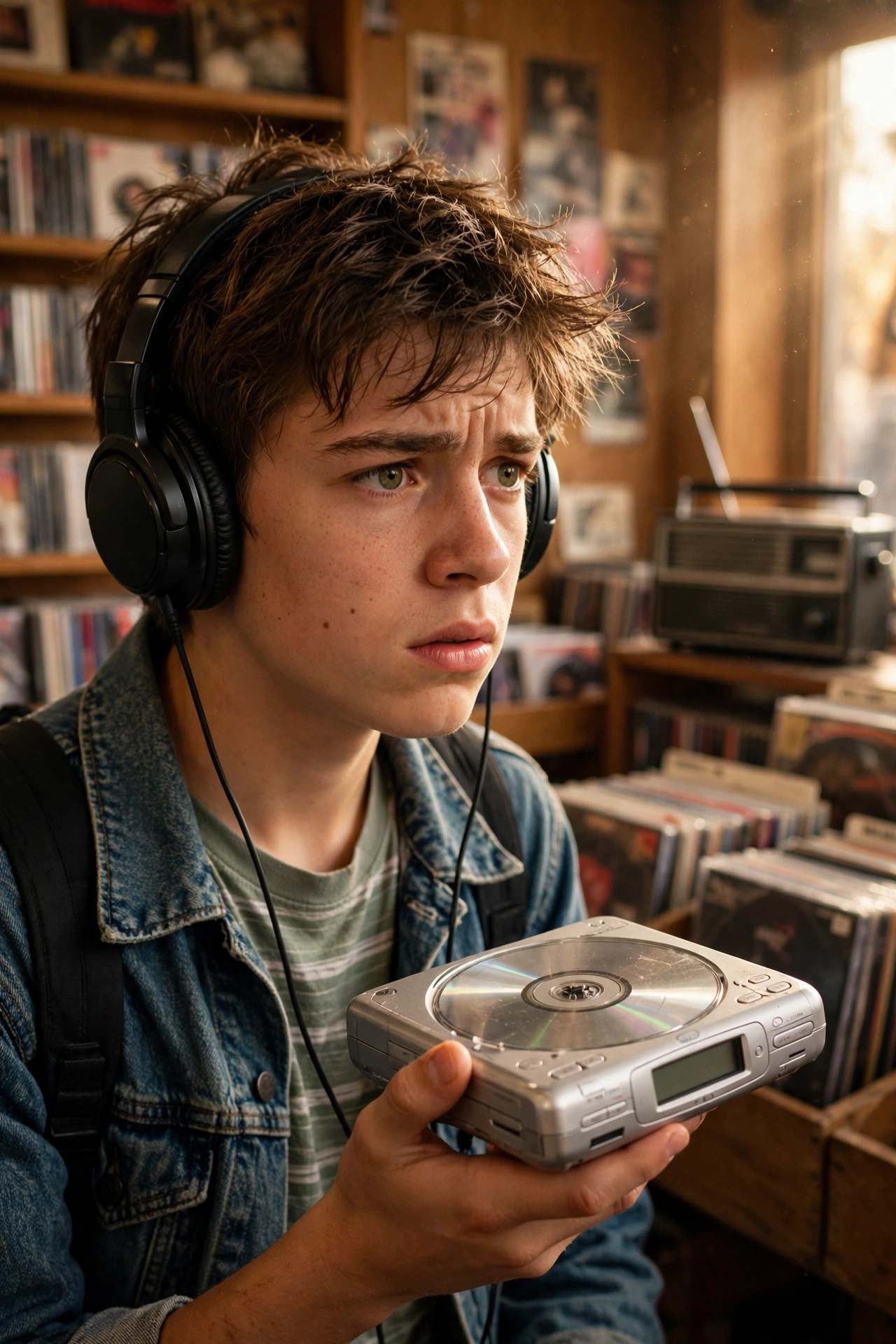
Hear a brilliant song in a shop, a car, or under a film scene, and if nobody announced it, that could simply be the end of the story. No app could listen for you. You hummed it to friends, described it to record-shop staff, and scanned radio schedules hoping to catch it again.
Plenty of people carried mystery songs for years — a chorus with no title, no artist, no way home. The idea that a phone can now name a song in three seconds, from a hummed fragment, in a noisy bar, would have felt like actual magic.
9. Music Moved Between Phones by Hand
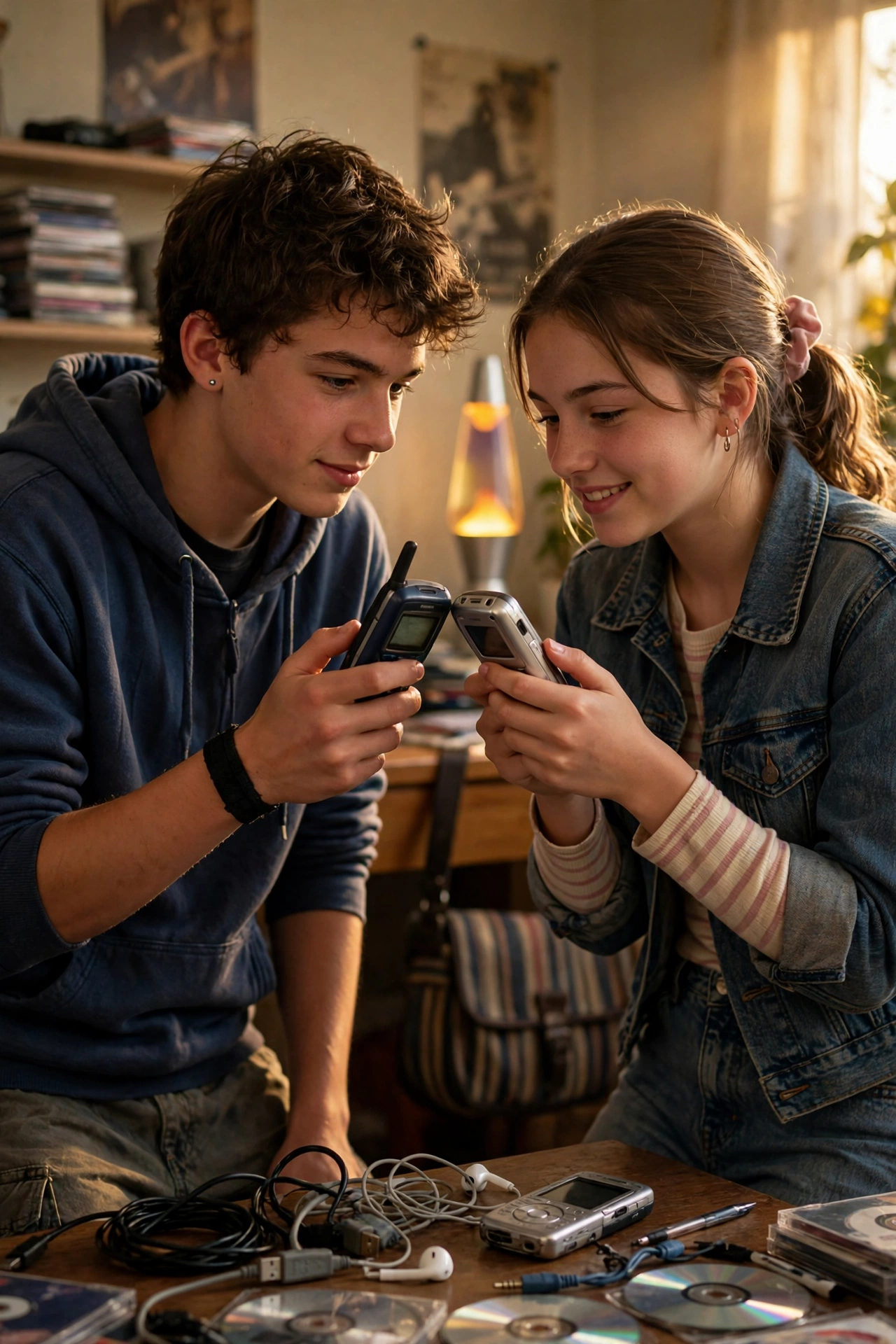
Building a phone’s music library was manual labour: songs were downloaded on a computer, transferred by cable, and shared between friends by Bluetooth, standing close, waiting for a progress bar. A friend’s new album could cost you twenty minutes of your afternoon.
Libraries were small, curated by effort, and regularly wiped by lost phones and full memory. The labour was the point nobody noticed: when music costs work to move, you know exactly what you have and why you have it.
10. Every Minute and Every Text Had a Price
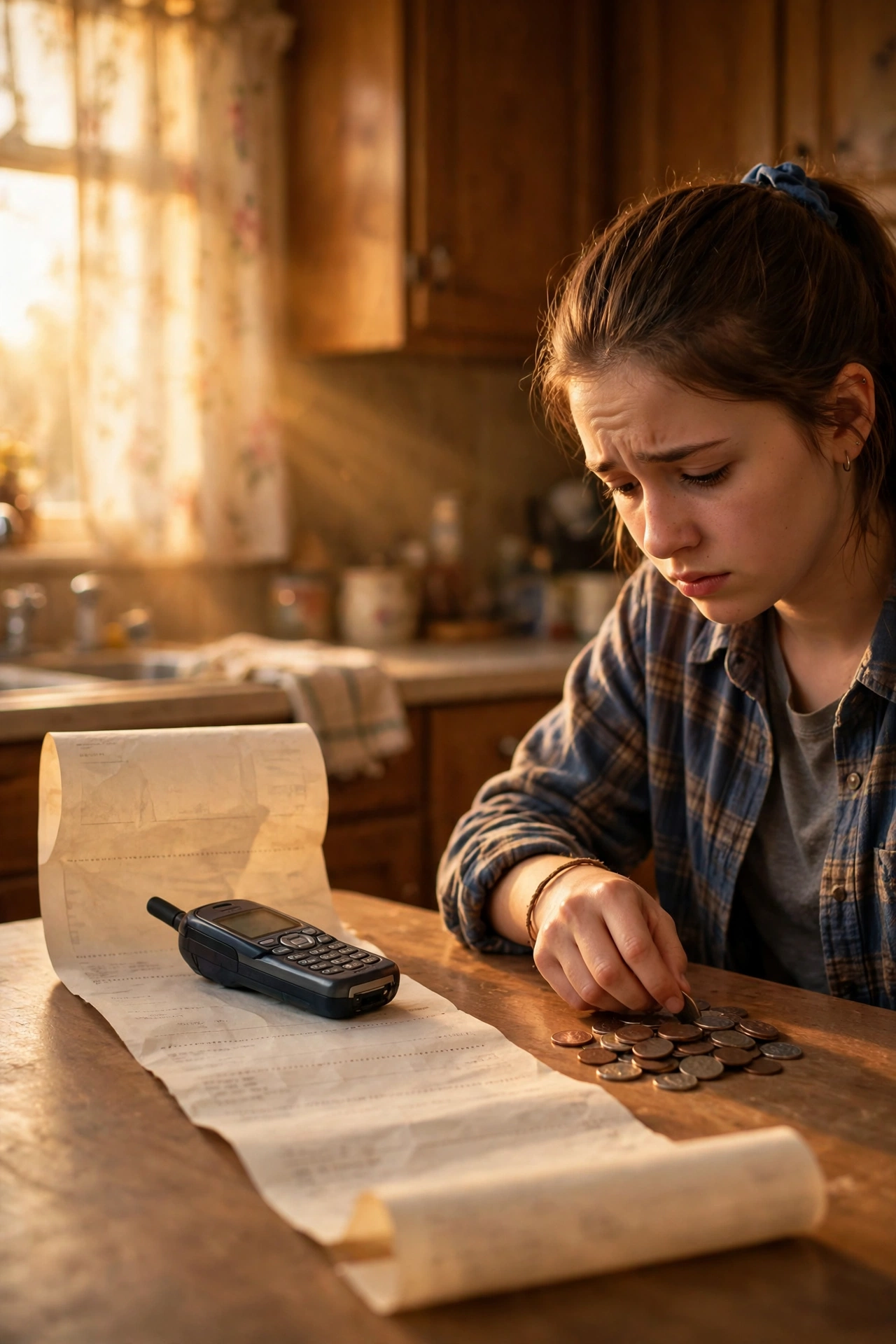
Mobile plans were rationed like wartime goods: a monthly allowance of minutes, premium rates for the wrong network, and a per-text charge — twenty-five cents, later ten — for every single message sent. ‘Free nights and weekends’ was a genuine feature people planned calls around.
Teenagers developed an entire economy of restraint: the one-ring signal, the text kept to one segment, the call that waited until after nine. Unlimited everything ended an era in which communication was quite literally metered.
11. Texts Were So Short They Invented a Language
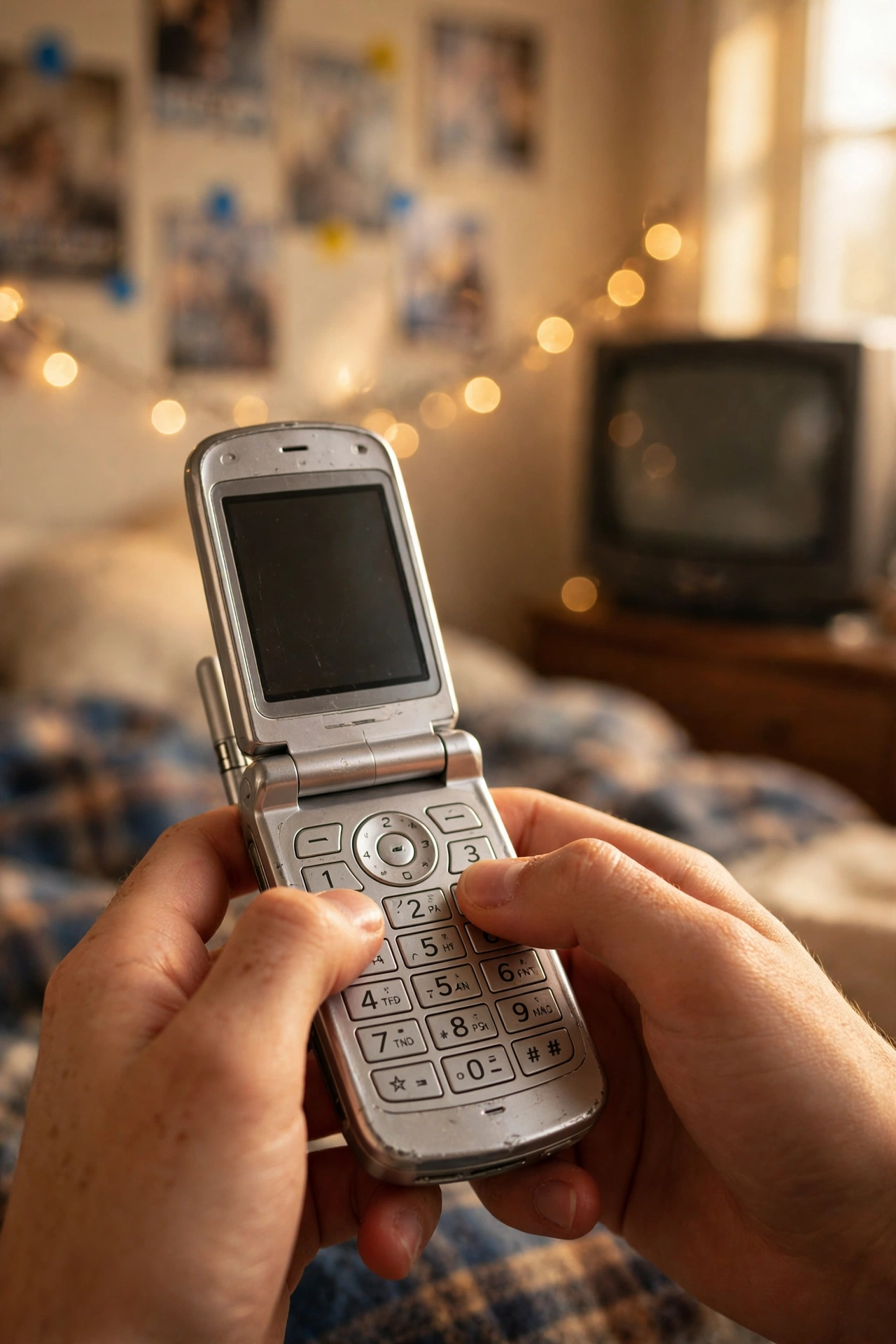
A text message had a strict character limit — 160 characters — and going over meant paying for a second message. So an entire written dialect evolved to compress meaning: abbreviations, dropped vowels, numbers standing in for syllables.
Textspeak looks like laziness now, but it was engineering. Every saved character was saved money. The generation that wrote ‘cu l8r’ was not failing at English; it was optimising under a pricing constraint that no longer exists.
12. Even Filenames Had a Size Limit
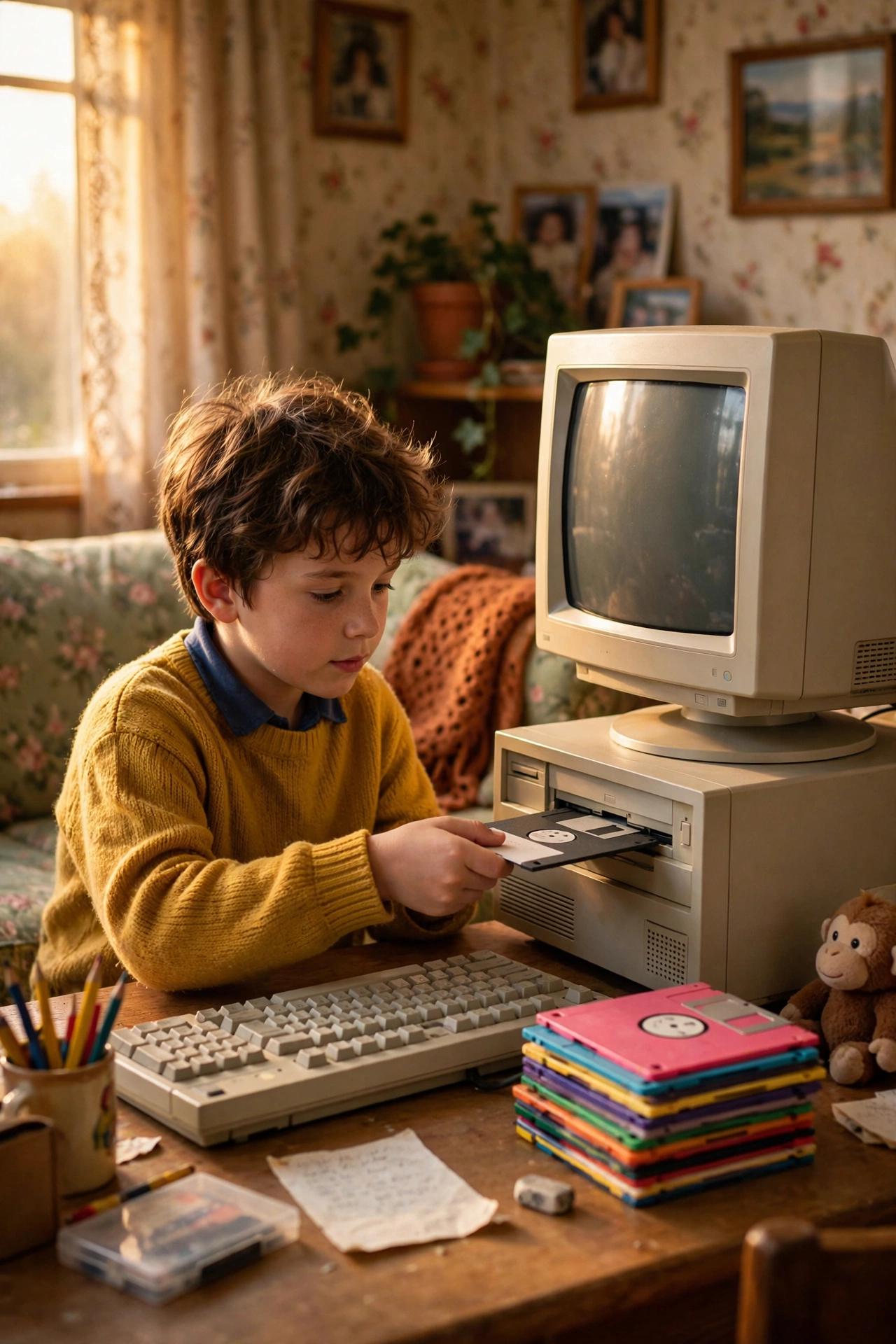
Early computers rationed everything, including names. Files on older systems could carry only a handful of characters, so folders filled with cryptic abbreviations — REPORT1, REPORT2, FINALNW — and finding anything meant remembering your own private code.
Long, descriptive filenames are such a background assumption now that the constraint is hard to picture. But for years, the first act of saving any work was a small puzzle: what can I call this, in almost no letters, that I will still understand in a month?
13. Cinema Times Came by Phone or Newsprint
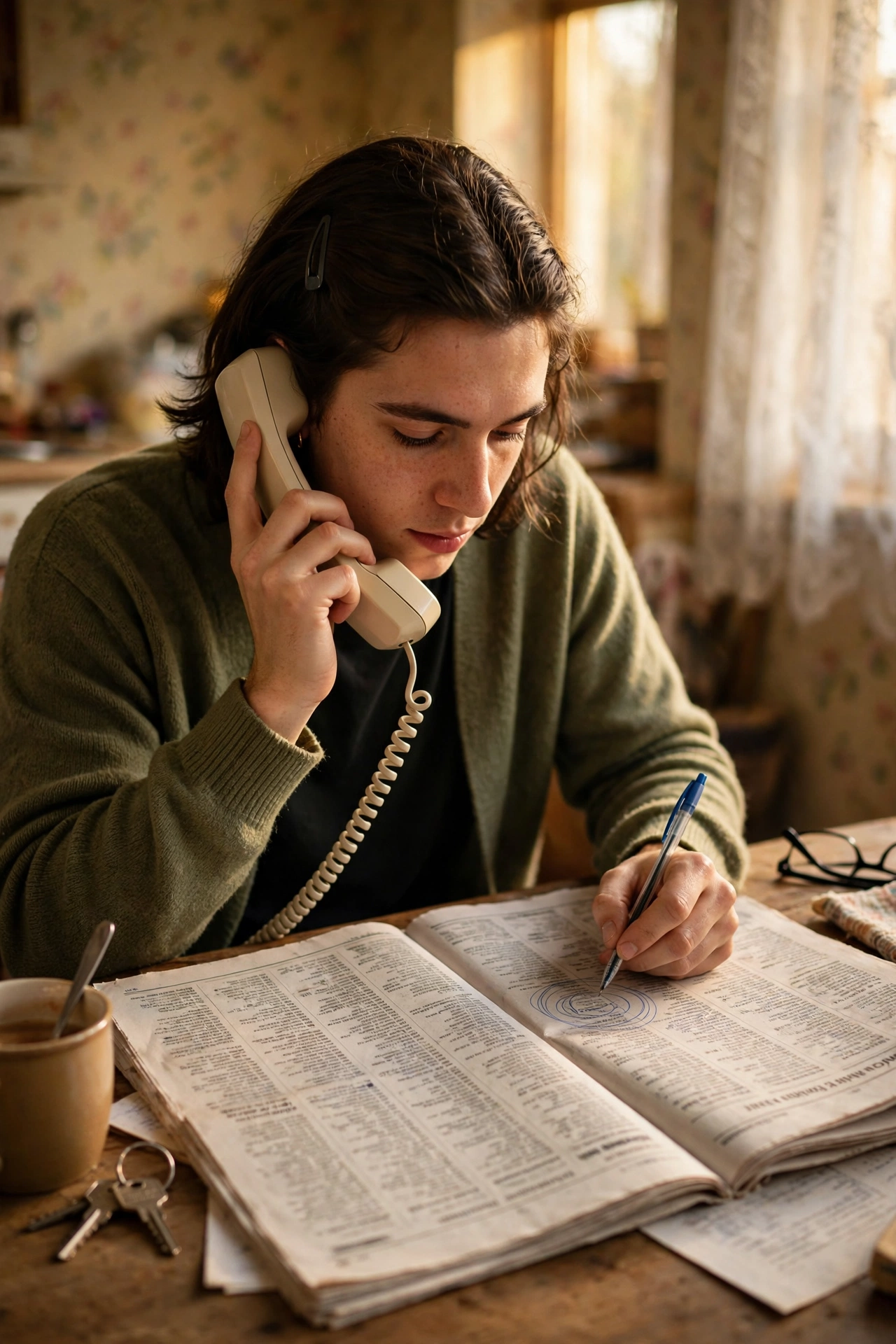
To see a film, you first had to learn when it was showing — by calling the cinema and listening to a recorded message recite the day’s listings, or by finding them printed in the newspaper. Miss the moment in the recording and you waited for it to loop back around.
Plans formed around those listings like weather. The spontaneous cinema trip existed, but it was a gamble on whatever started next, not a decision you made from a screen in your pocket an hour in advance.
14. Free Wi-Fi Was Something You Hunted

Before generous data plans, being online away from home meant finding it: coffee shops and fast-food chains with free Wi-Fi became landmarks, and people genuinely chose where to eat based on where a laptop could connect.
Homework, job applications, and long journeys were routed through these outposts. The sight of a teenager camped for hours over one coffee, guarding a power socket, was not a lifestyle aesthetic yet — it was infrastructure, improvised.
15. Concert Tickets Meant a 3 A.M. Queue
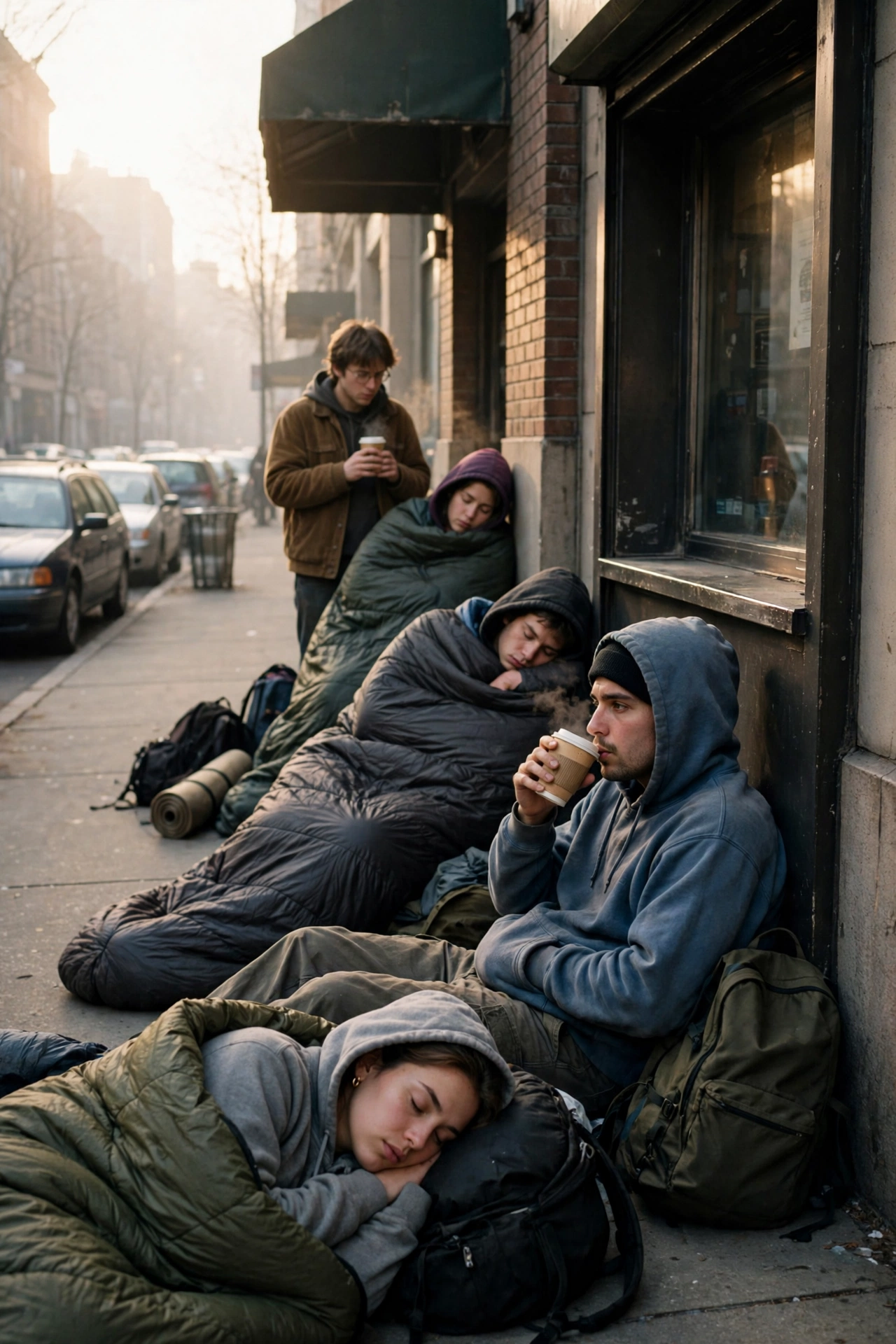
For a major show, tickets went on sale at a box office, at a set hour, to whoever was physically there — so fans queued from the middle of the night, in sleeping bags, doing arithmetic about how many people ahead of them the venue’s capacity could survive.
The queue was miserable and weirdly festive, and it was also fair in a way online sales never managed: your place in line was your place in line. Bots cannot be outwaited, but a pavement, at dawn, belonged to whoever showed up.
16. Finding a Phone Number Meant Phoning for It
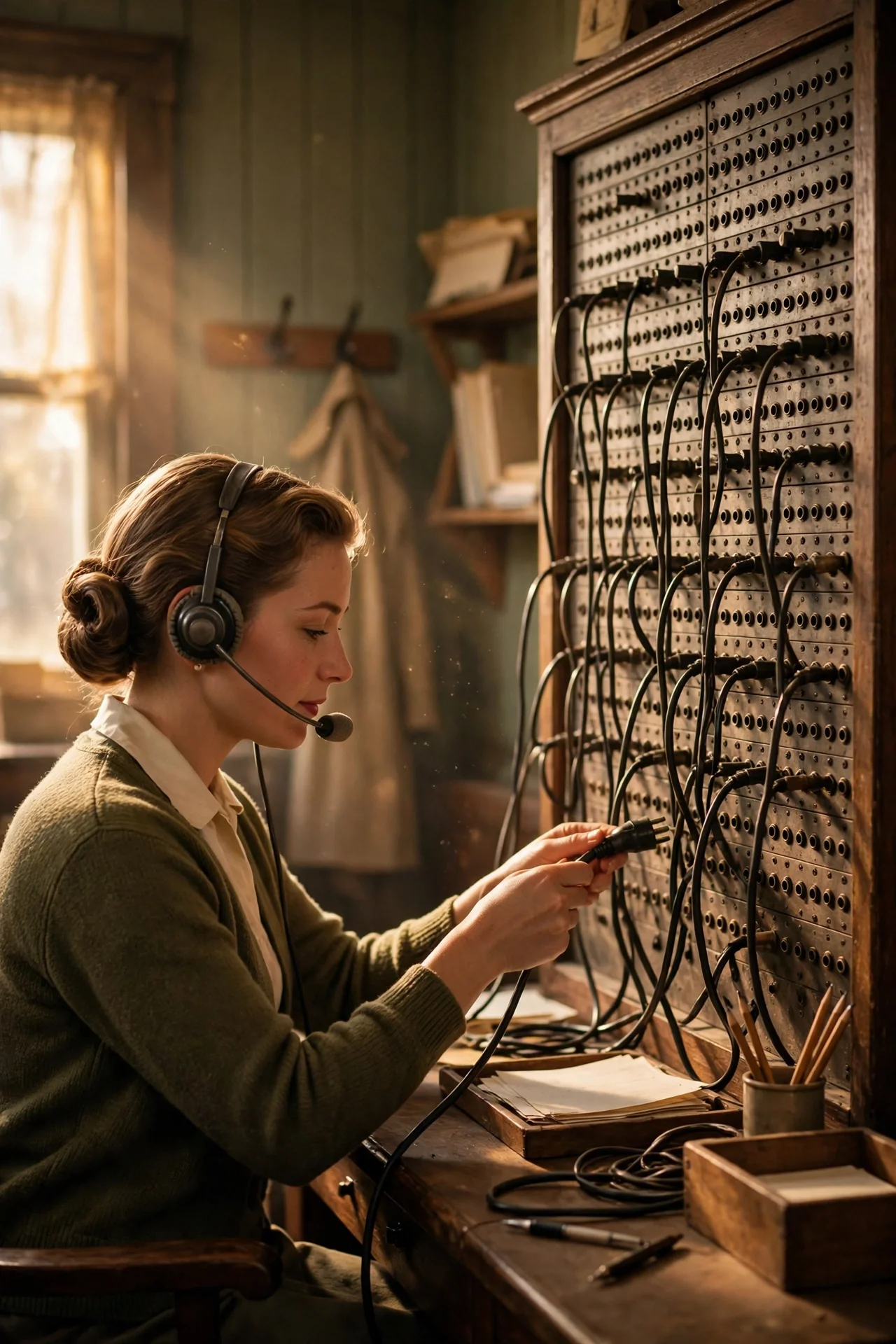
Not knowing a number was solved by a service: directory assistance. You dialled a dedicated line, gave an operator — later a voice system — a name and a town, and were read the number, which you then wrote down, by hand, quickly, before it evaporated.
Businesses paid to be listed correctly; households treasured the phone book like a utility. The whole apparatus existed because numbers were not findable — they were issued, printed once a year in a heavy book, and asked for, politely, by phone.
17. Long-Distance Calls Were Itemised Like Evidence
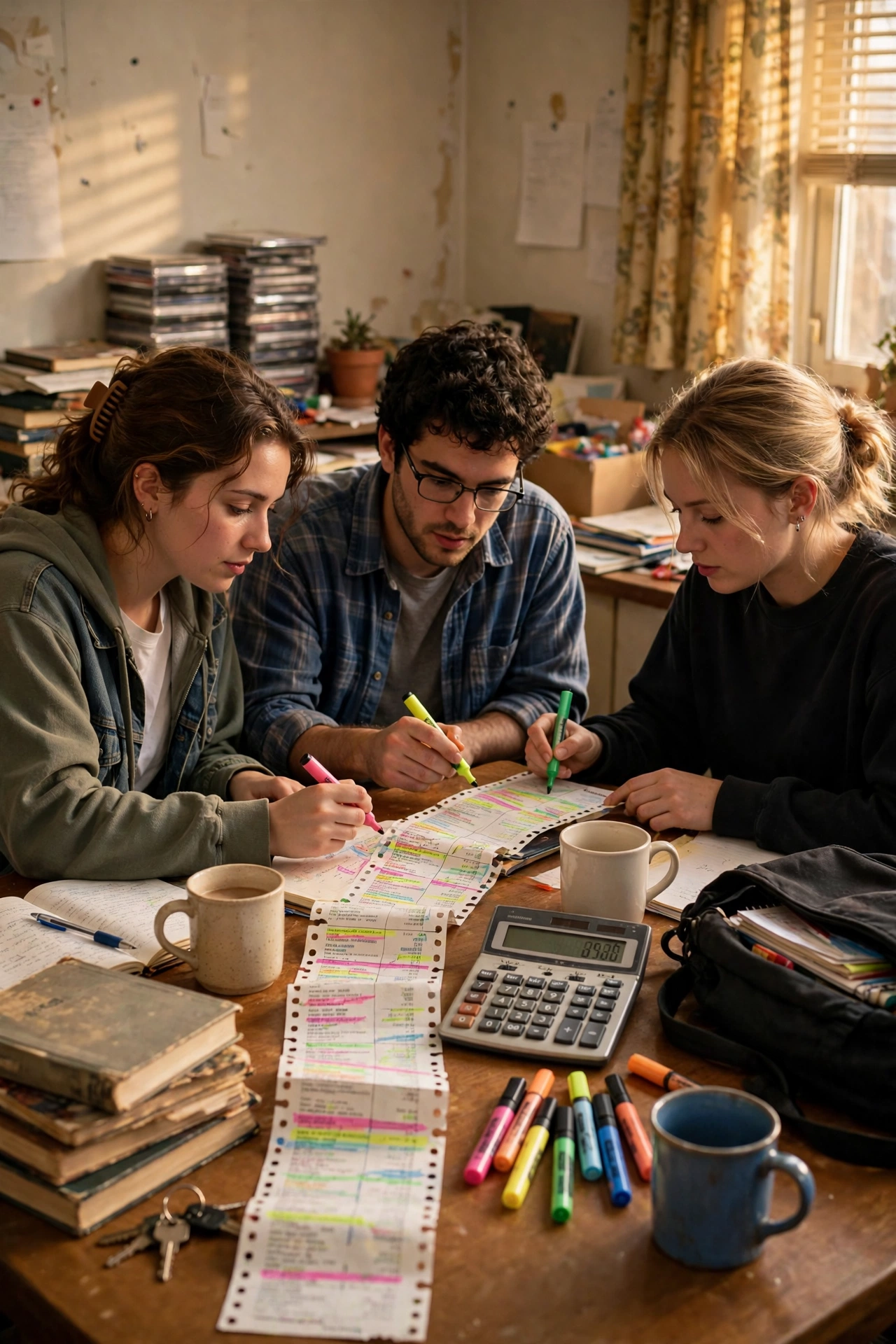
Calling another city or country was billed by the minute, at rates that could reach serious money, so households watched the clock and shared houses itemised the bill. In student homes, the monthly statement was annotated line by line until every call had an owner.
A long call to a faraway girlfriend or a parent abroad was a budgeted pleasure, and everybody knew its price per minute. Distance, in the most literal sense, used to cost — and its disappearance is arguably the single biggest change on this list.
18. Leaving University Meant Actually Losing People
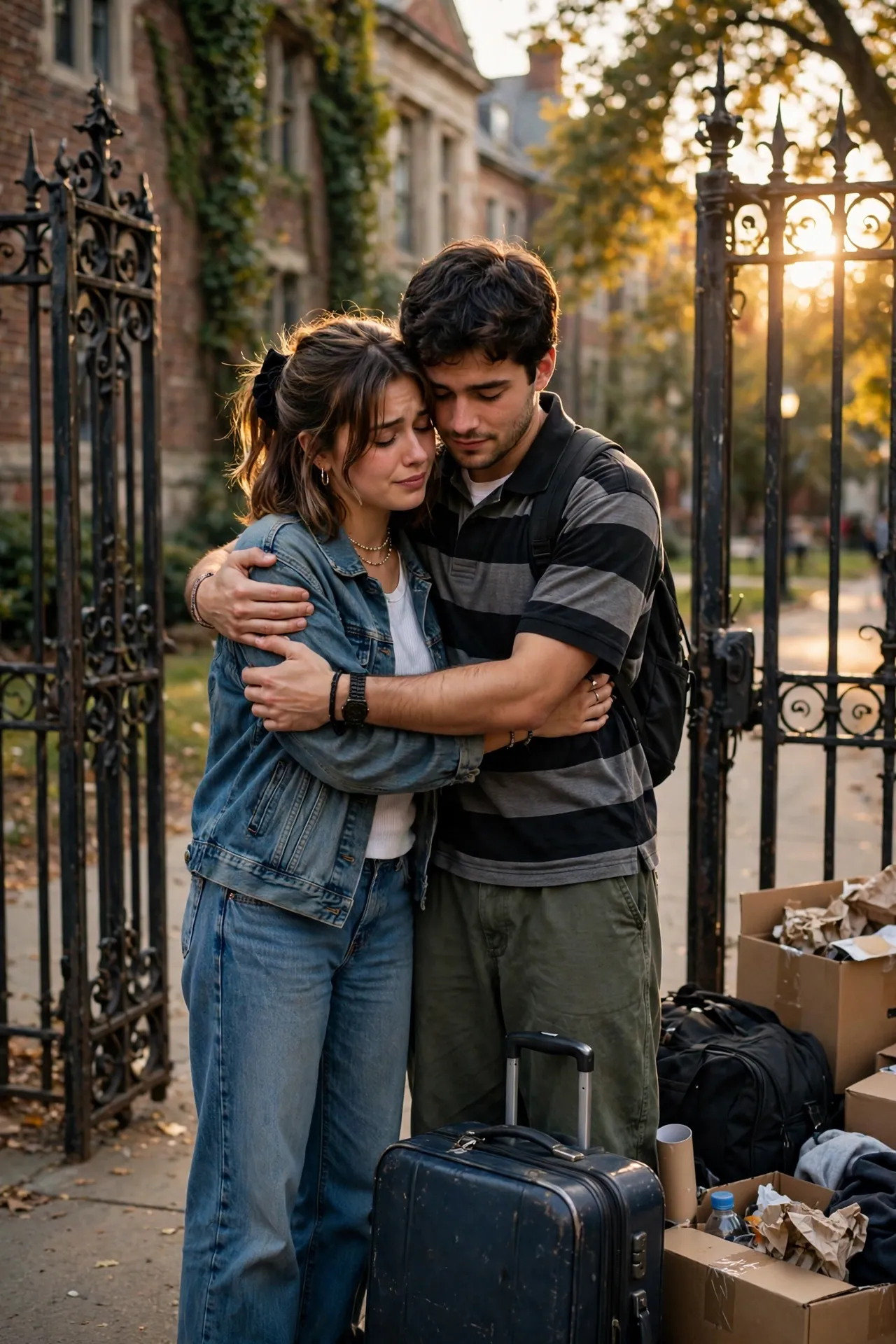
College friendships ran on fragile infrastructure: a number written in a book, an address that changed, parents’ landlines. When numbers changed and people moved — as everyone did at twenty-two — the thread often simply snapped, with no malice and no way back.
Reunions depended on chance encounters and mutual friends for decades. Social media did not just make keeping in touch easier; it made losing touch a choice, which it had never quite been before.
19. Reversing a Car Meant Turning Around
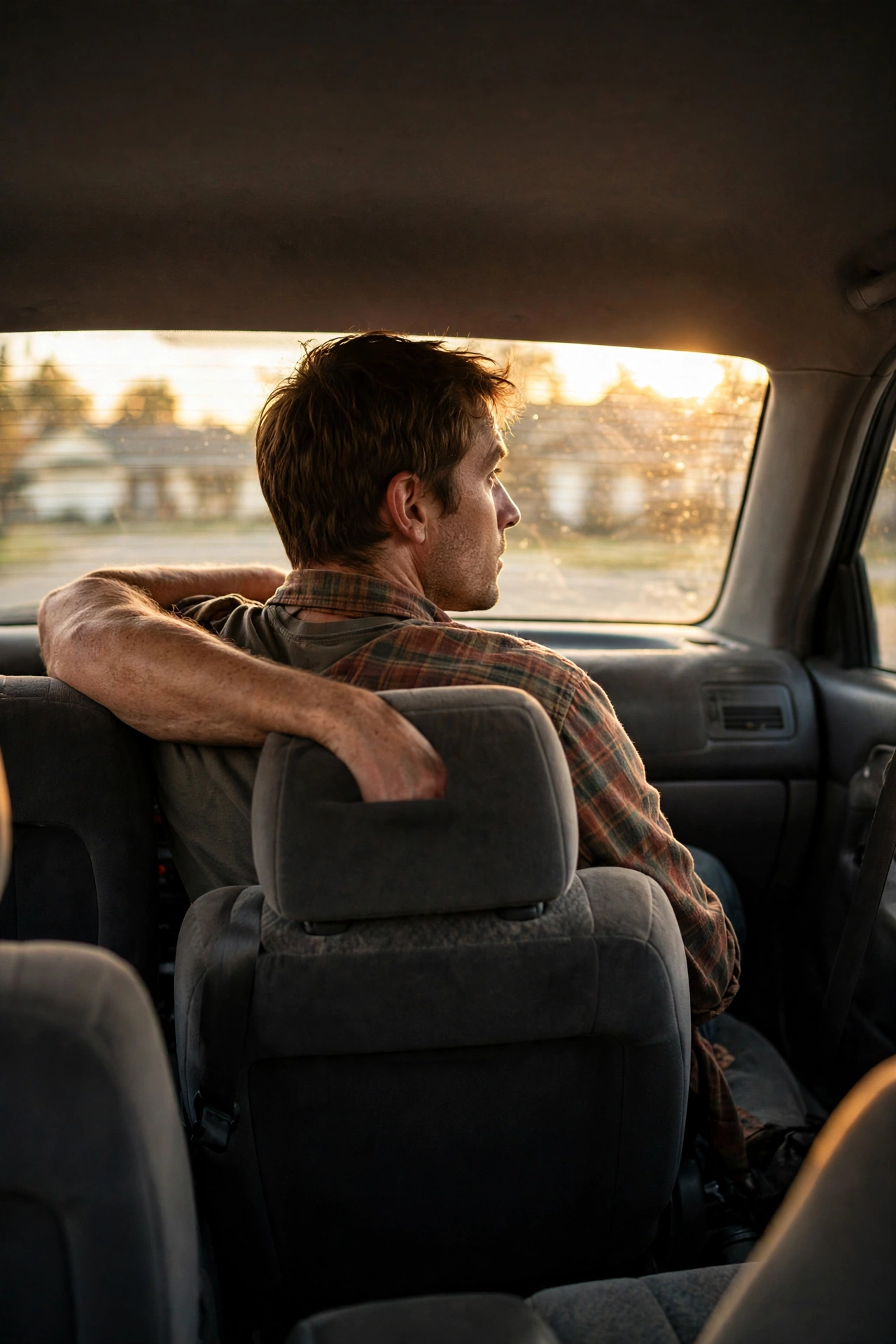
Parking and reversing ran on three mirrors and a turned neck. There were no cameras, no sensors, no beeping — judging the gap behind you meant physically looking at it, while passengers offered guidance of extremely variable quality.
A generation of drivers developed a shoulder-checking habit so ingrained that many still do it with a reversing camera running. The skill has not died, but the necessity has, and new drivers now meet the rear window mostly as decoration.
20. Homework Lived in the Library
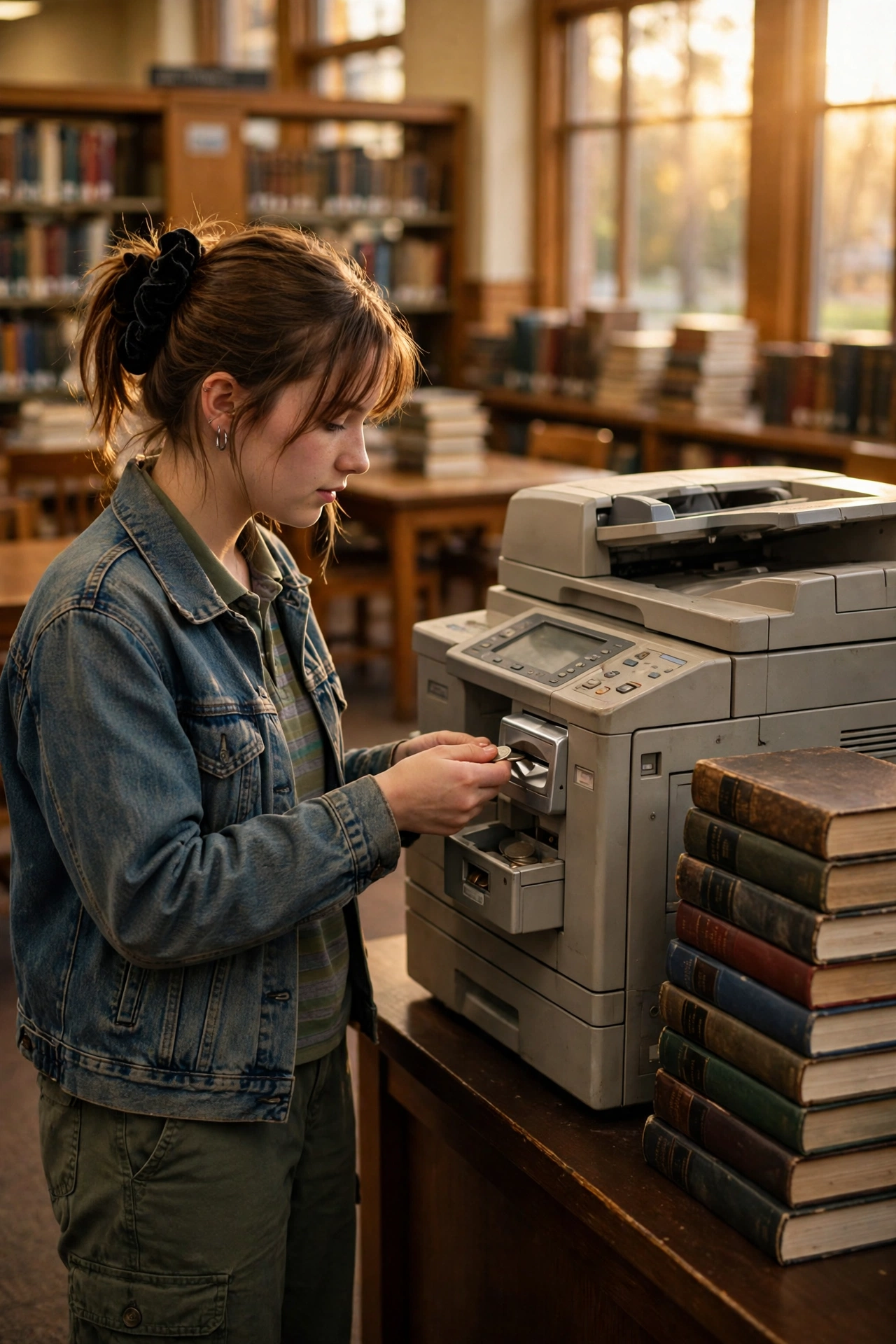
Research meant going to the library, working through its catalogue, and photocopying the pages your essay needed — coins in the machine, one chapter at a time. The library’s copy of the right book was a rivalrous good: if another student had it, your project waited.
Knowledge had opening hours, a location, and a queue. That an entire library now answers from a pocket in seconds is the one change on this list nobody, at any age, describes with nostalgia for the old way.
21. Your Project Topic Depended on Your Bookshelf
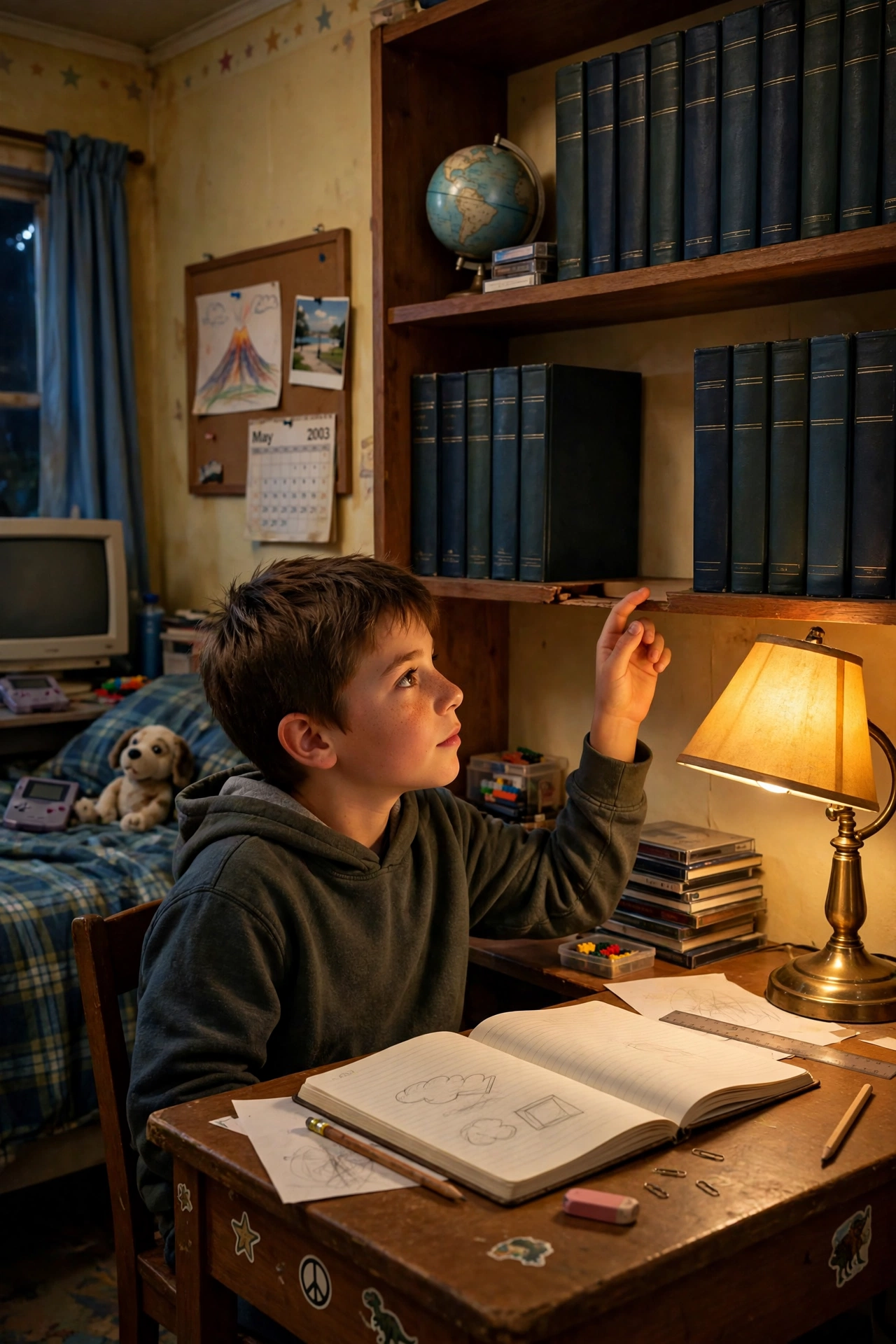
Many families owned an encyclopedia set — bought in volumes, sometimes one a month — and it silently decided the menu of a child’s education. School projects gravitated to topics the family’s volumes actually covered, in the depth the set happened to allow.
A household with the full set had different homework from a household with five volumes and a gap where M-to-P should be. Research began not with a question, but with an inventory of what the house already knew.
22. Scratched Discs Were Repaired with a Gadget
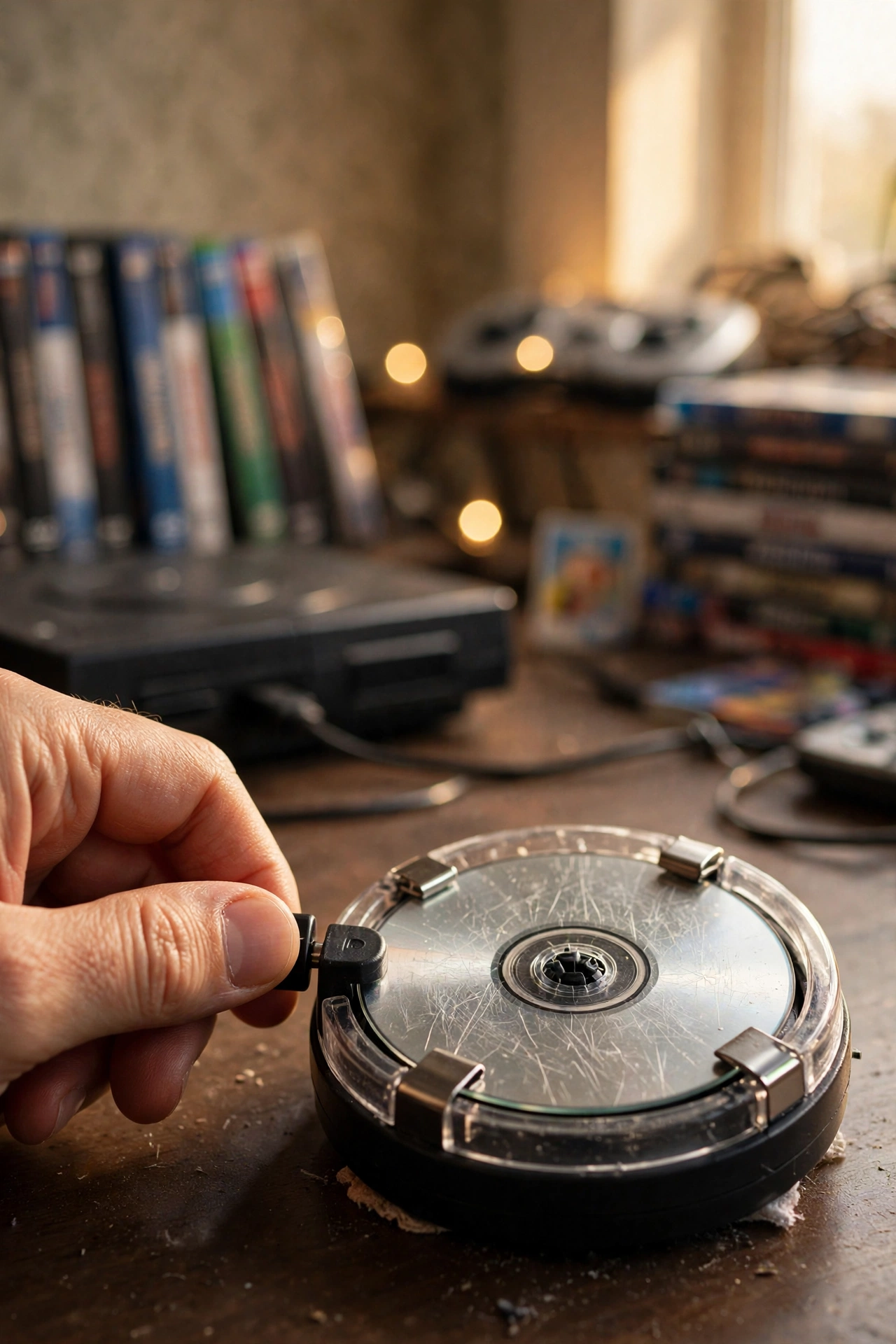
A scratched CD or game disc was not dead — it was a patient. Dedicated repair spinners existed for exactly this: clamp the disc in, turn the handle, and a mild abrasive polished the surface until, with luck, the laser forgave it.
Every games room had rituals beyond the machine — blowing on cartridges belongs to an earlier ward — but the disc-repair spinner is peak 2000s: a whole product category that existed because physical media failed in a physical way, and then vanished when the media did.
23. Saving a Game Was a Skill of Its Own
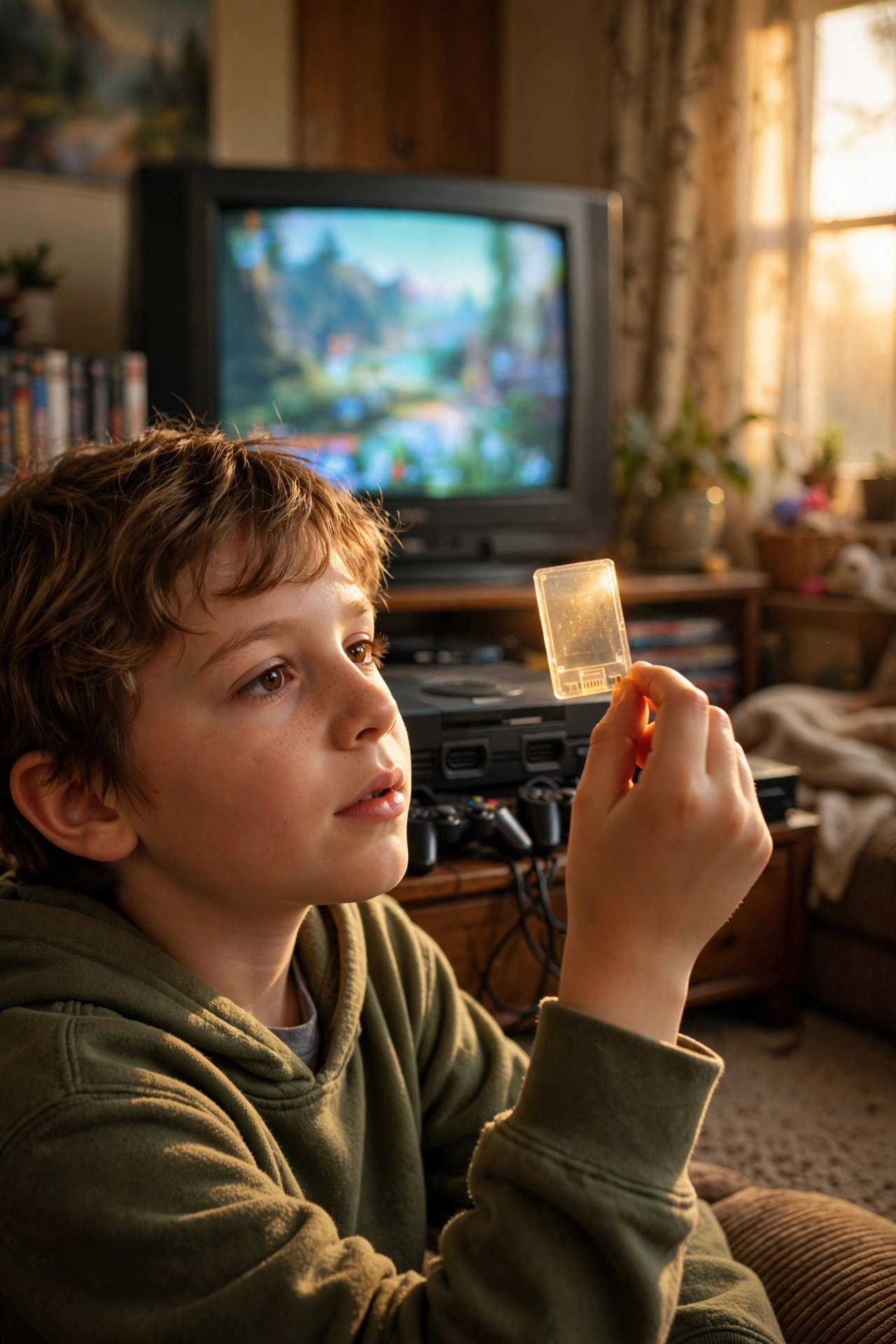
Progress in a game existed only where you saved it — manually, at save points, onto a memory card with a finite number of blocks. Forget to save, run out of space, or lose the card, and hours of play simply un-happened.
Whole strategies grew around the constraint: the save before the boss, the second card, the sibling negotiation over whose file could be deleted. Autosave has quietly removed a specific flavour of heartbreak that an entire generation can still summon on demand.
24. Waiting Rooms Offered Old Magazines
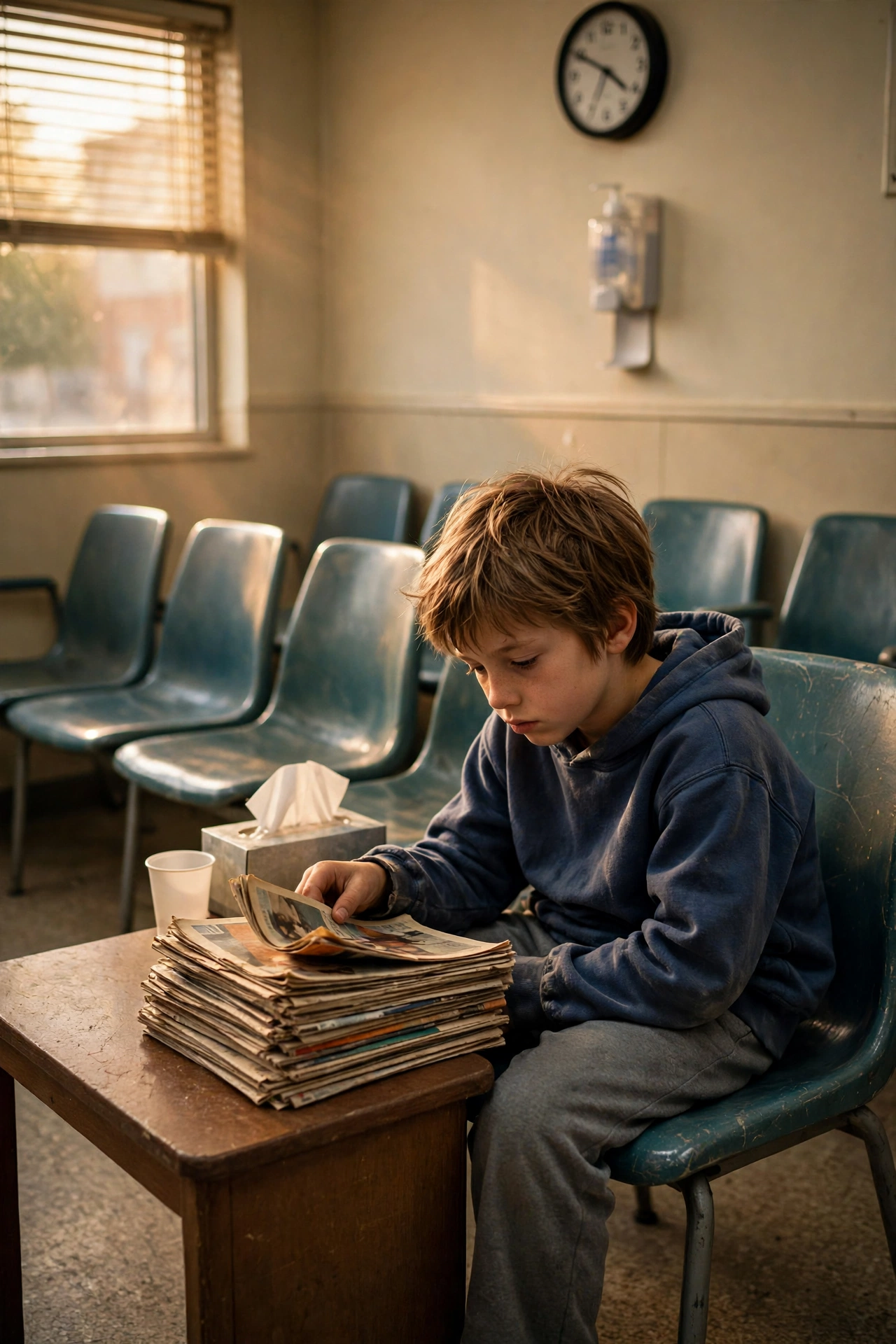
A doctor’s waiting room contained chairs, a clock, and a pile of magazines months out of date. That was the entertainment system. You read about celebrities’ weddings from two springs ago and learned, slowly, to build in waiting as a normal part of any appointment.
The smartphone colonised dead time so completely that unstructured waiting now feels like a system failure. The out-of-date magazine stack was not good, exactly — but it was a shared, low-level boredom that has been almost entirely privatised away.
25. Directions Were Printed Before Departure
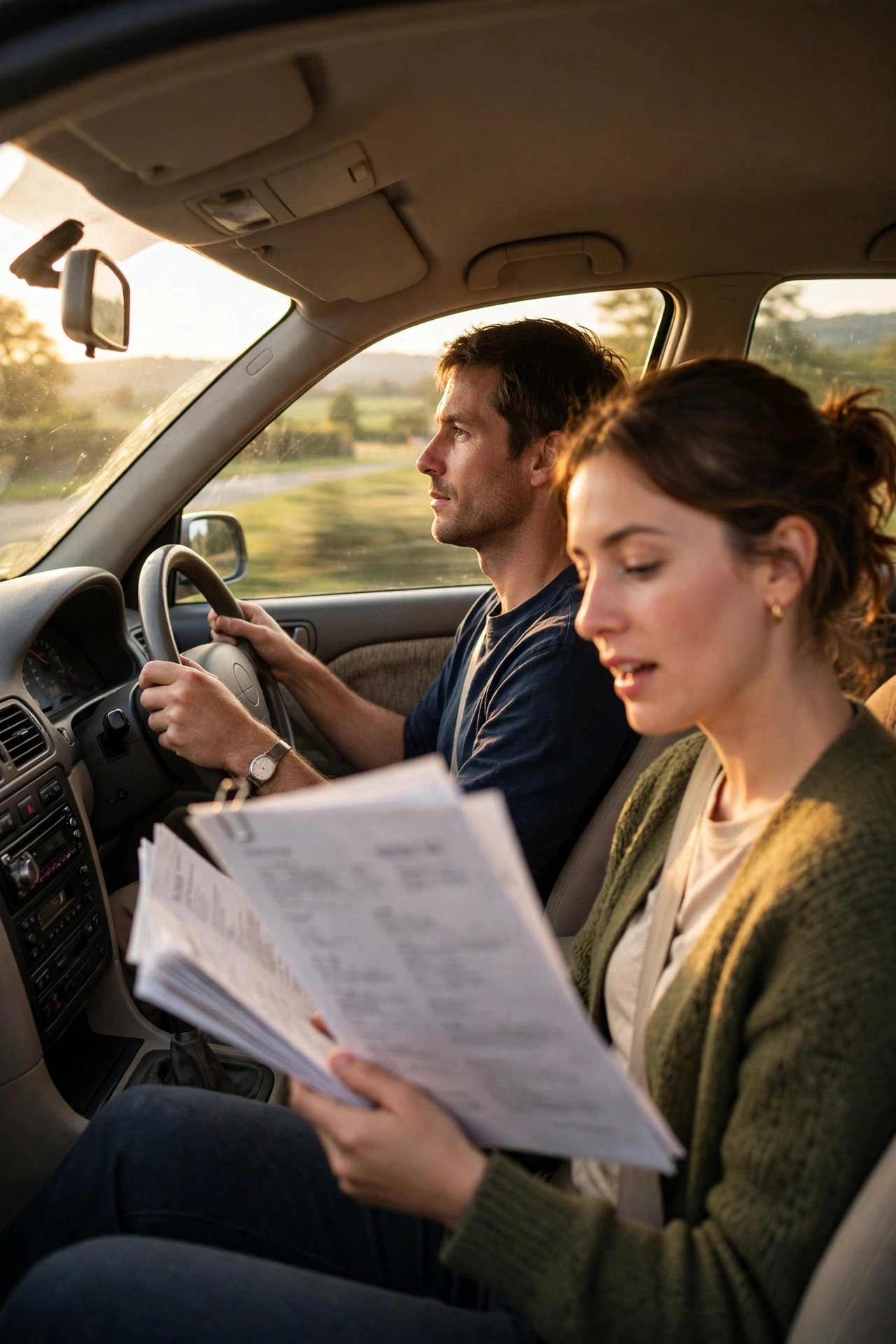
A journey to anywhere new began at a printer: route directions from a service like MapQuest, printed page by page — turn lists, distances, a small map — and navigated by a passenger reading aloud, one instruction at a time.
Miss a turn and the document became fiction; there was no recalculating voice, only reversing, re-reading, and judgement. The printed route is extinct so thoroughly that explaining it — paper, prepared the night before, for a drive — now sounds like describing a ship’s log.
What unites all twenty-five is that none of them felt like the past at the time. They felt like Tuesday. Every era’s normal is built from a hundred small inconveniences its children will one day refuse to believe — which raises the only sensible question: which of today’s ordinary frictions is tomorrow’s list?