Male Politicians Have A Few Makeup Secrets. Their Artists Are Finally Sharing Them.

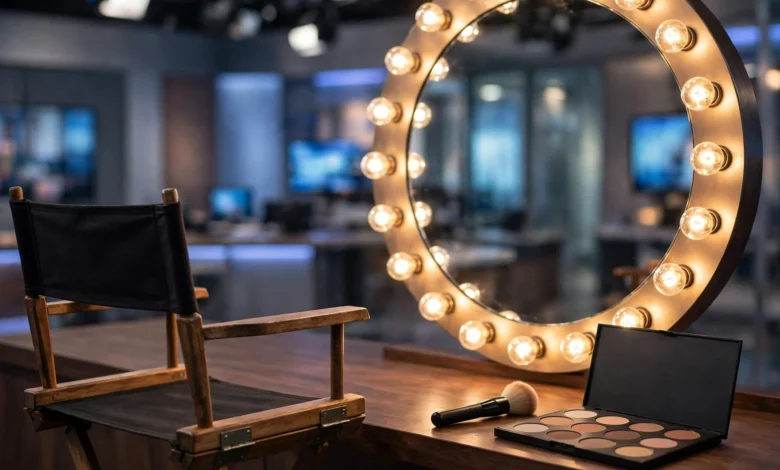
Here is a secret hiding in plain sight at every debate, rally and Sunday interview show: almost every man on that stage is wearing makeup — and the entire craft of the people who apply it is making sure you never notice. The makeup artists who prepare America’s politicians have started talking about what actually happens in the chair, and it turns out to be less about glamour than about television physics, campaign history and one very famous sweaty evening in 1960.
The Debate That Taught Every Politician A Lesson
Modern campaign makeup begins with one evening in 1960: the first televised presidential debate between John F. Kennedy and Richard Nixon. Kennedy accepted touch-ups before the cameras rolled and looked rested and strong; Nixon declined, and under the studio lights he appeared pale and sweaty, wiping his forehead as the night wore on. Radio listeners famously judged the debate differently from television viewers, and ever since, the story has been required learning in campaign land: on camera, your face is part of the message. Artists who prepare today’s politicians say the men themselves retell the Nixon story — and joke about not wanting to look morgue-pale — before they sit down in the chair.
HD Cameras Ended The Bare-Face Era
What changed the calculation permanently was high definition. Older television forgave almost everything; an HD close-up forgives nothing — pores, redness, broken capillaries, a shiny forehead all arrive in the viewer’s living room in fine detail. Add a 24-hour news cycle, phone cameras at every rope line and debate clips replayed frame by frame online, and the bare face stopped being an option at the national level. Artists who work campaigns estimate that around nine in ten male politicians now wear some makeup before appearing on camera — not as vanity, but as standard preparation, like a pressed suit.
The First Rule: Nobody Must Ever Know
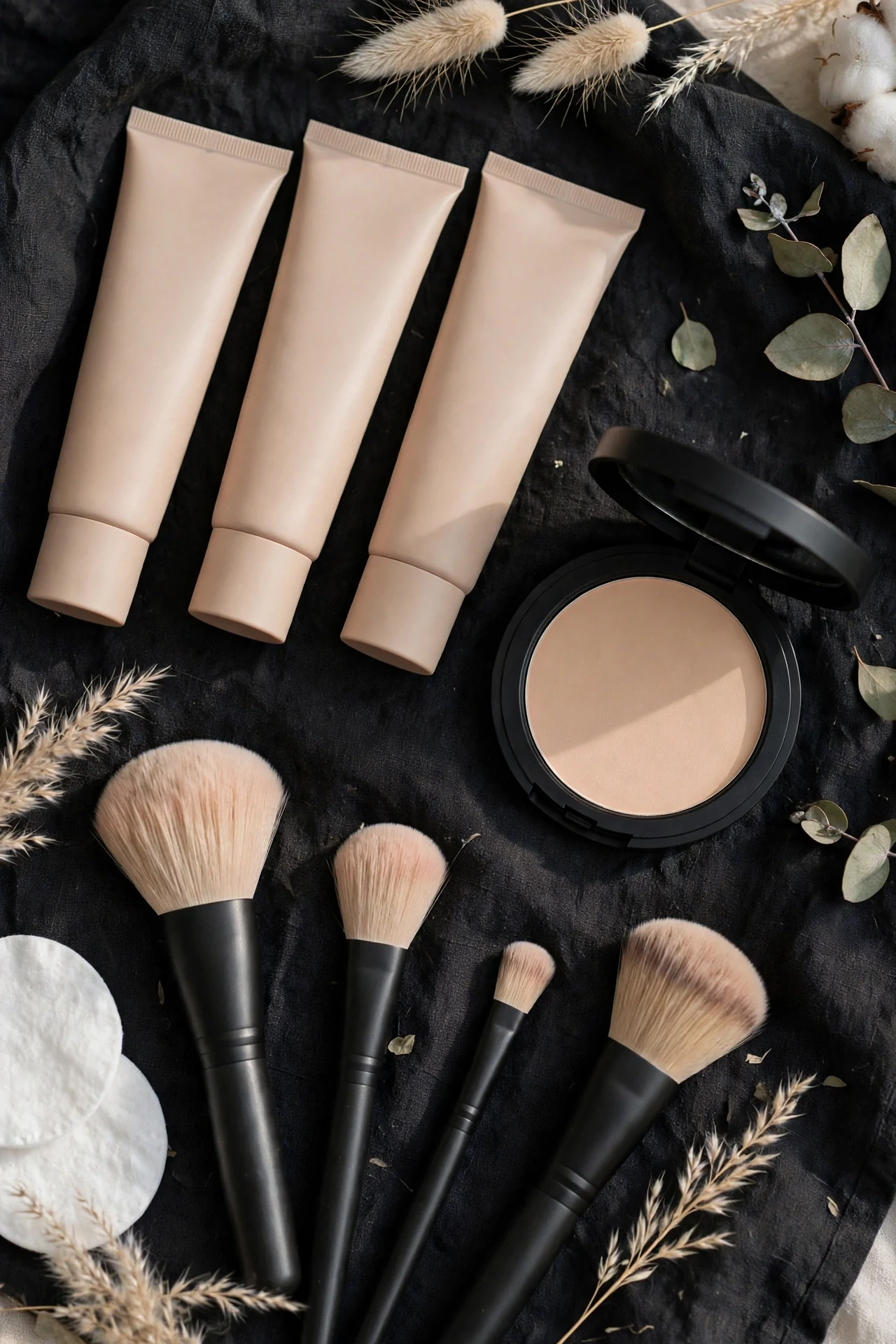
Men’s political makeup operates under one commandment that women’s glam never has to obey: it must be completely invisible. The goal is never a ‘look’ — it is the absence of distraction, a face that reads as healthy, rested and exactly like the candidate on his best day. Artists say many men are still privately insecure about the process, which is why the work is quick, quiet and deliberately undetectable. Each face is also treated as its own case rather than a routine: skin tone, lighting, the candidate’s age and even his public persona all shape what gets done.
What Is Actually In The Kit
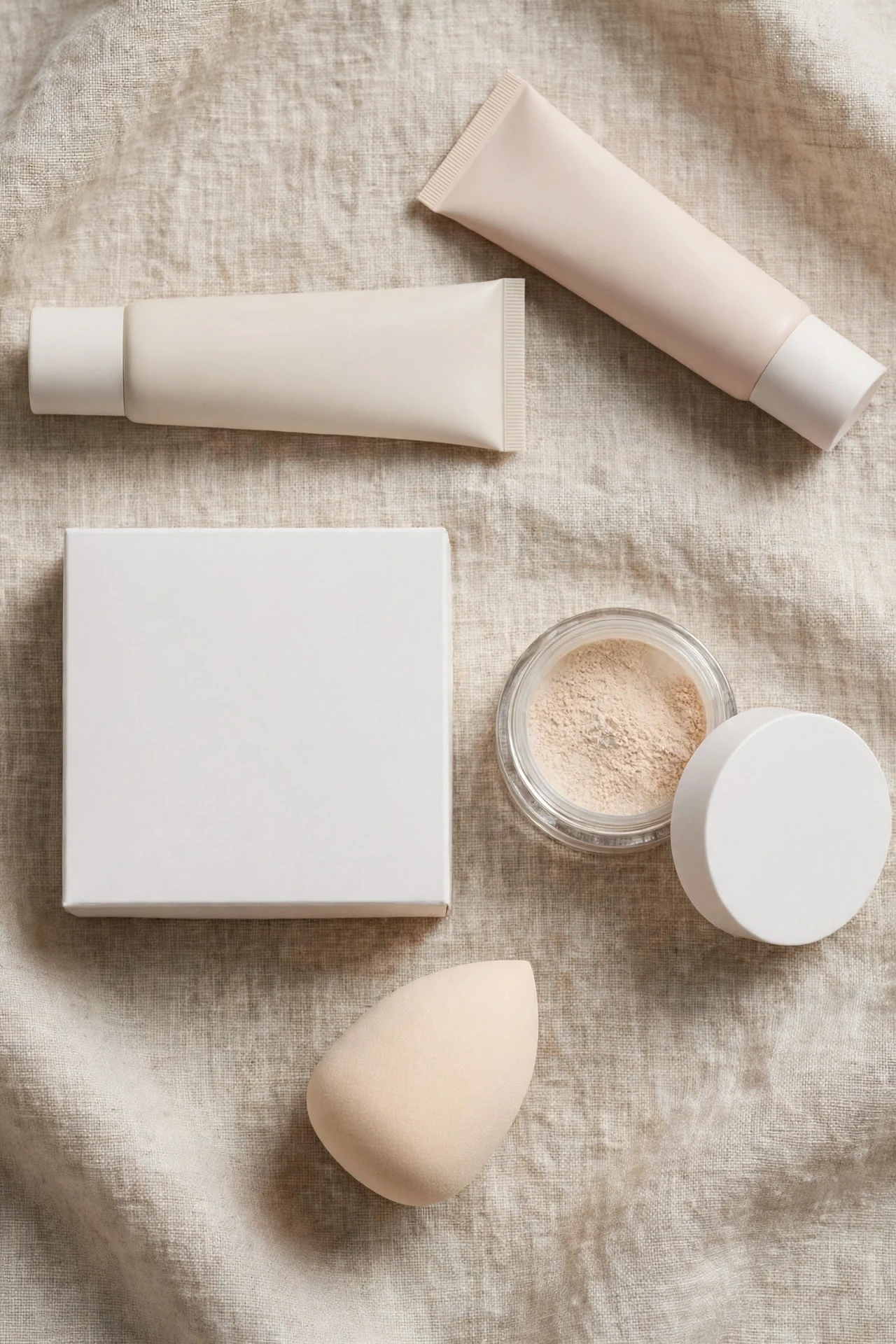
The modern kit is lighter than most voters imagine. Heavy cream foundations are largely history; artists now favour mattifying BB creams that behave like moisturiser, even out skin tone and cancel redness without a visible layer. Shine is the main enemy — bald heads under studio lights are especially prone to it — and the countermeasure is an invisible mattifying primer plus a dusting of powder. Under the eyes, artists often reach for brightener rather than concealer, which can look thick on camera; the aim is simply to stop a sleep-deprived candidate from looking exhausted or old. A plain lip balm finishes most faces. The whole effect is meant to be mistaken for good lighting and a full night’s sleep.
The Grooming Is Half The Job
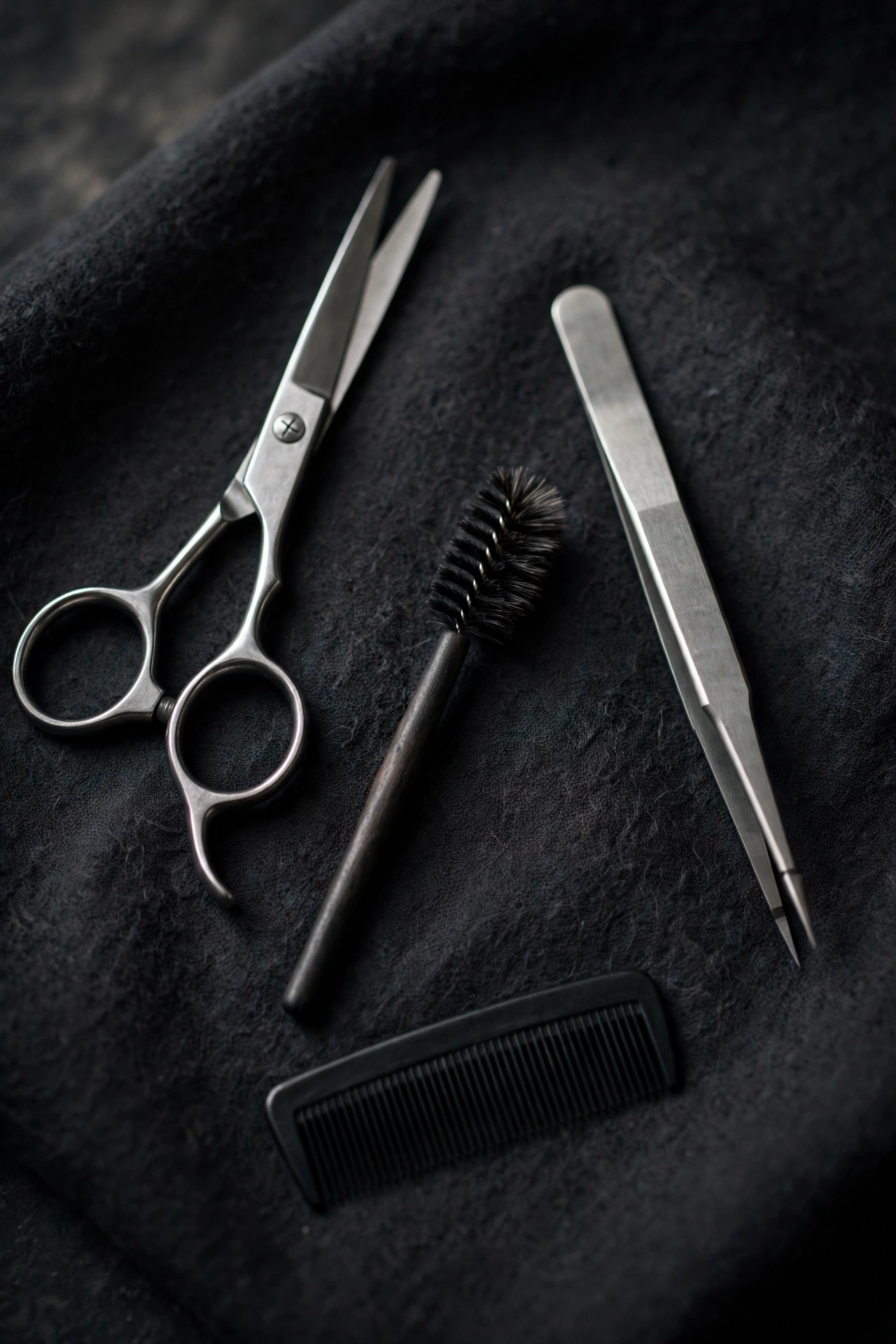
Ask the artists and they will tell you the scissors matter as much as the sponge. Before any product goes on, there is a patrol for the details HD cameras love to find: stray eyebrow hairs, nose hairs, ear hairs. Brows may be tidied or very lightly filled to make the eyes read brighter on screen — but eyeliner and mascara stay off the menu for men. It is unglamorous, meticulous work, closer to a barber’s final inspection than to a red-carpet transformation, and it is a large part of why the result looks like nothing at all.
Two Minutes In The Chair
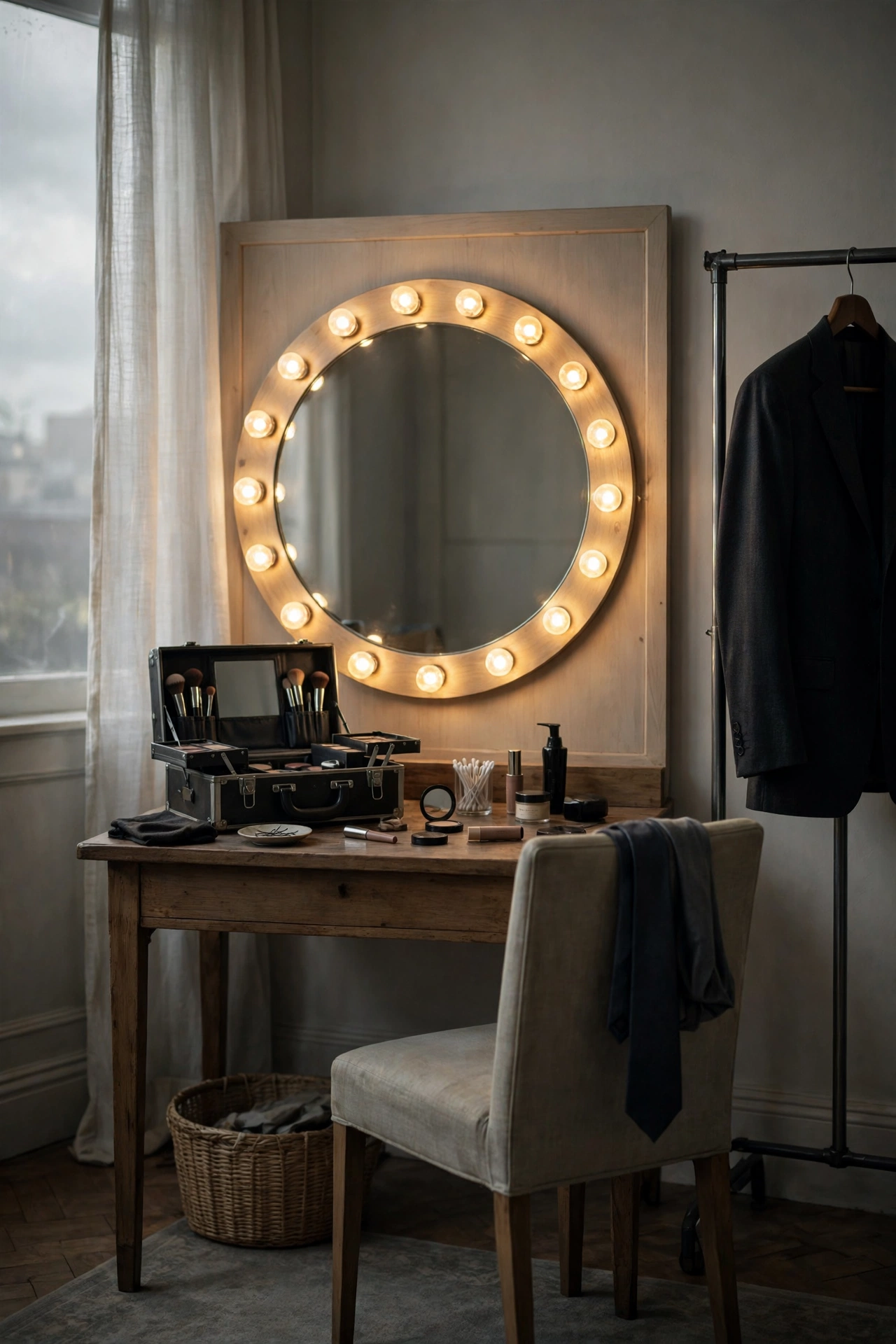
Nobody on a campaign gets a leisurely session. Artists describe typical sittings measured in minutes — an emergency routine of BB cream and powder is a recognised drill — because the candidate’s schedule owns the day. What they are really maintaining is consistency: a repeatable face that matches the posters, the last debate and the next interview, because a candidate’s look functions as part of his brand. The craft has its famous exception: Bernie Sanders, artists note, dislikes fuss, and polishing him into perfection would erase the very thing voters recognise as Bernie. Sometimes the most professional decision is to fix the shine and leave the character alone.
When The Makeup Becomes The Story
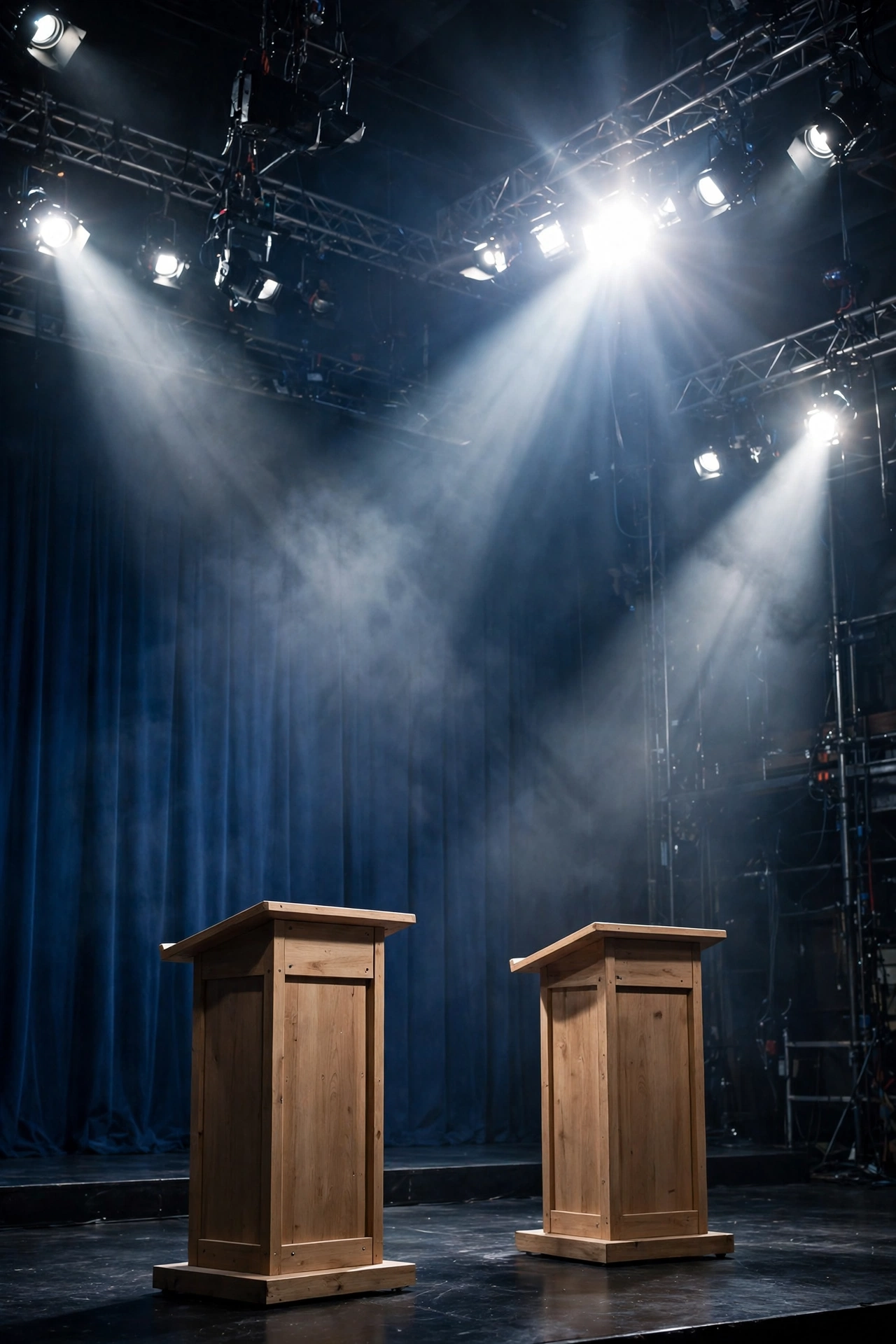
The cautionary tale artists still cite is Al Gore in the first 2000 debate against George W. Bush: made up noticeably darker than usual, he spent the night being mocked for the shade rather than heard for the argument — his own team conceded he needed less for the next debate. It is the standing proof of the profession’s core warning: the moment viewers can see the makeup, they stop hearing the message. A tan tells the same story from the other side — a bronzed look reads as natural for a Southern candidate who campaigns outdoors, while a certain famous self-tanner gets quietly colour-corrected by the artist whose job is to make it read evenly. Done right, you will never think about any of it. That is rather the point.
So the next time a candidate looks implausibly fresh at the end of a brutal campaign week, you will know there was probably a powder brush involved — wielded by someone the politicians have learned to treat as essential. Politics has a way of rewarding the candidates nobody can quite read, which is also the charm of the Canadian candidate who won a council election by simply being honest — no polish required, apparently.