19 Horror Movies From Around The World: Latine Horror Films That Will Genuinely Terrify You

Some of the scariest films of the last three decades were not made in Hollywood. Spanish-language and Latine filmmakers have built a horror tradition of their own — rooted in folklore, Catholic imagery, political wounds and family dread — and it produces a different kind of fear: slower, sadder and harder to shake off. With spooky season in full swing, these nineteen films are the essential tour, from Guillermo del Toro’s ghost stories to an Argentine suburbia possession film that made hardened horror fans sleep with the lights on. If our October cinema picks are the new releases, this is the deep back-catalogue they stand on.
1. Terrified (Aterrados, 2017) — Argentina
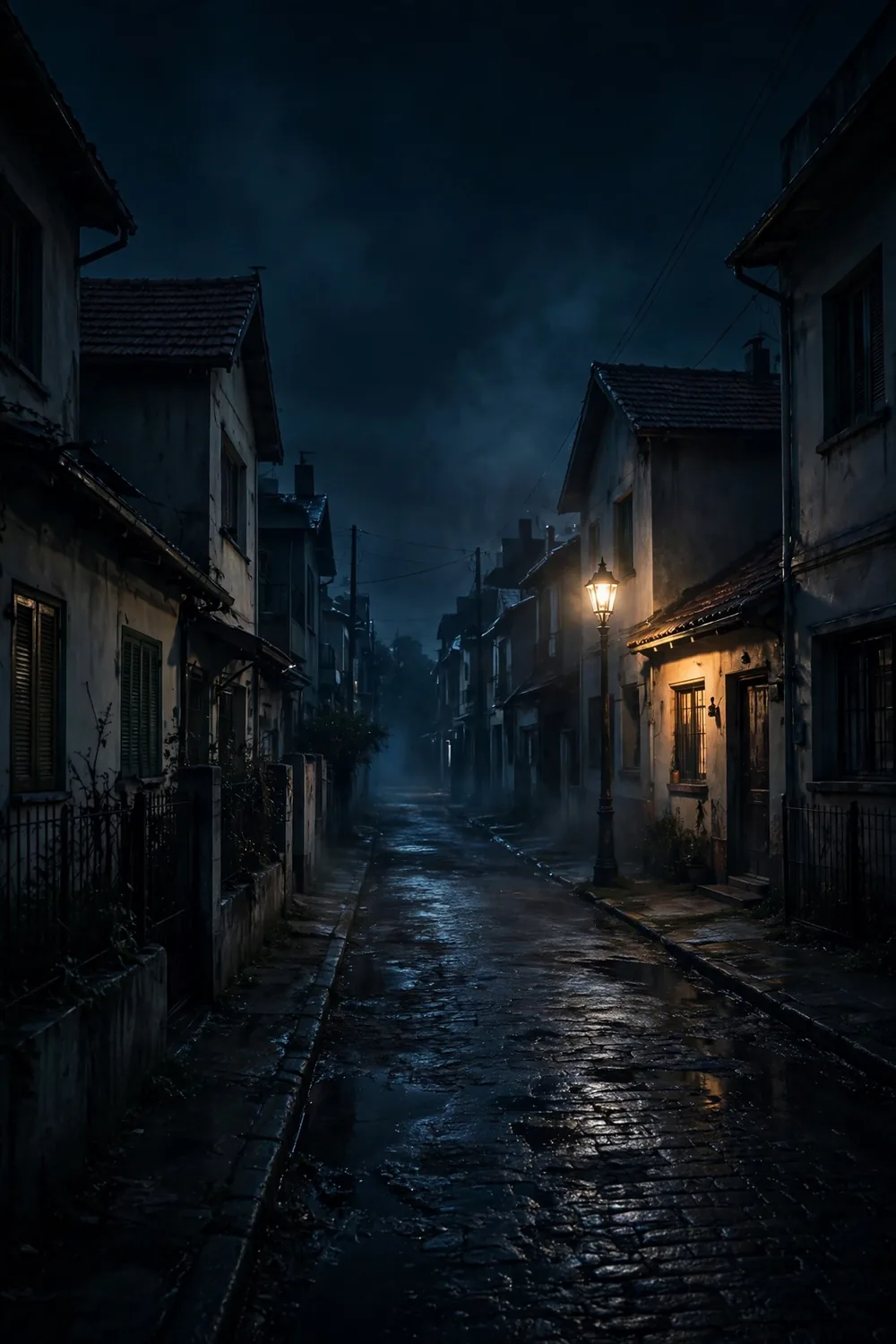
Demián Rugna’s suburban nightmare strings together a haunted Buenos Aires street where the dead do not stay politely dead. No slow-burn apology here: the scares arrive early, escalate constantly, and include one bedroom scene that has become legend among horror fans. Frequently called one of the scariest films of the 2010s — it earns it.
2. When Evil Lurks (2023) — Argentina
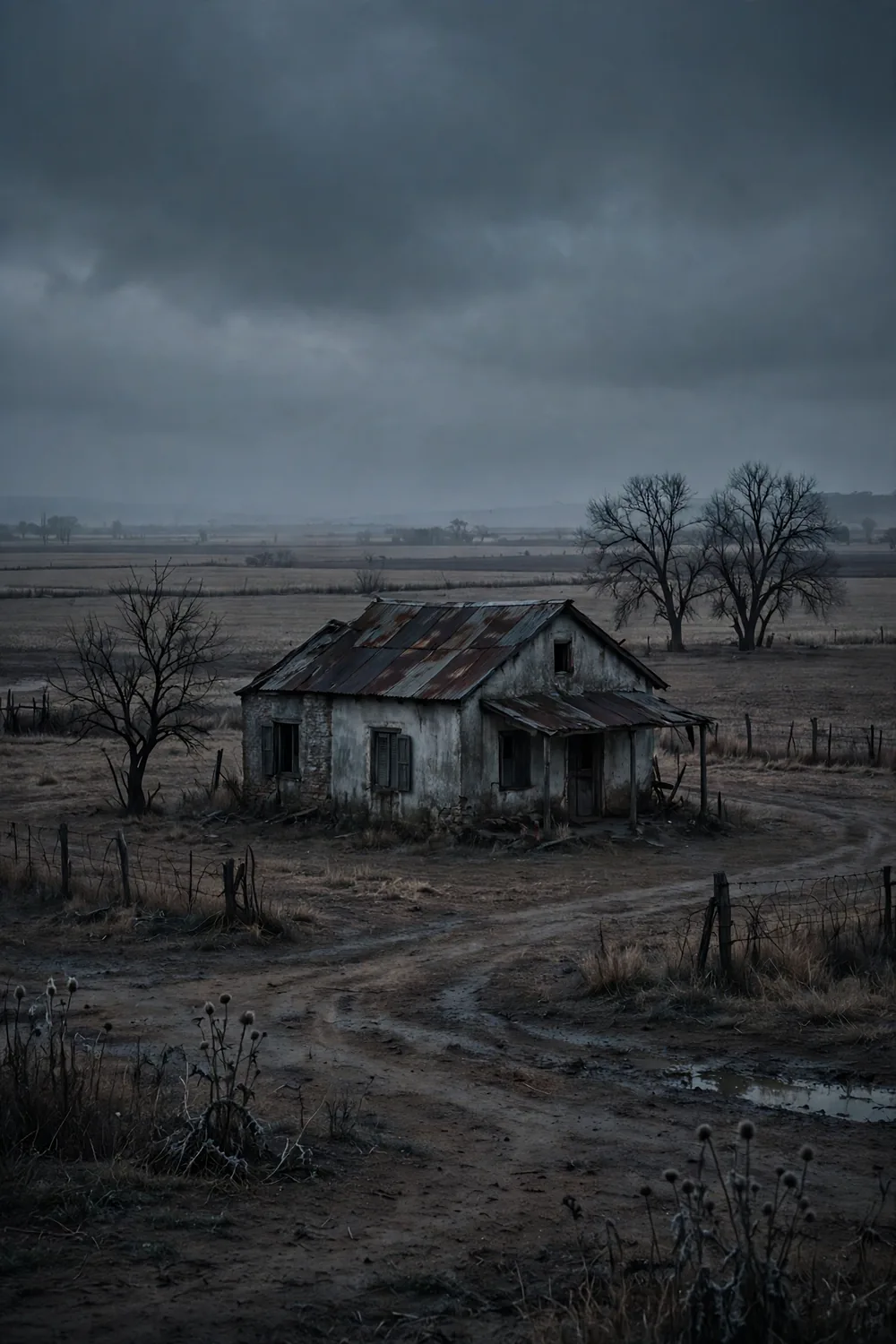
Rugna again, and somehow meaner: a rural town, a possessed man, and a contamination of evil that spreads through bad decisions. It is folk horror without folklore’s comfort — no ritual saves anyone — and its refusal to spare anyone, at any age, made it a word-of-mouth phenomenon. Watch it once; think about it for weeks.
3. The Devil’s Backbone (2001) — Spain/Mexico
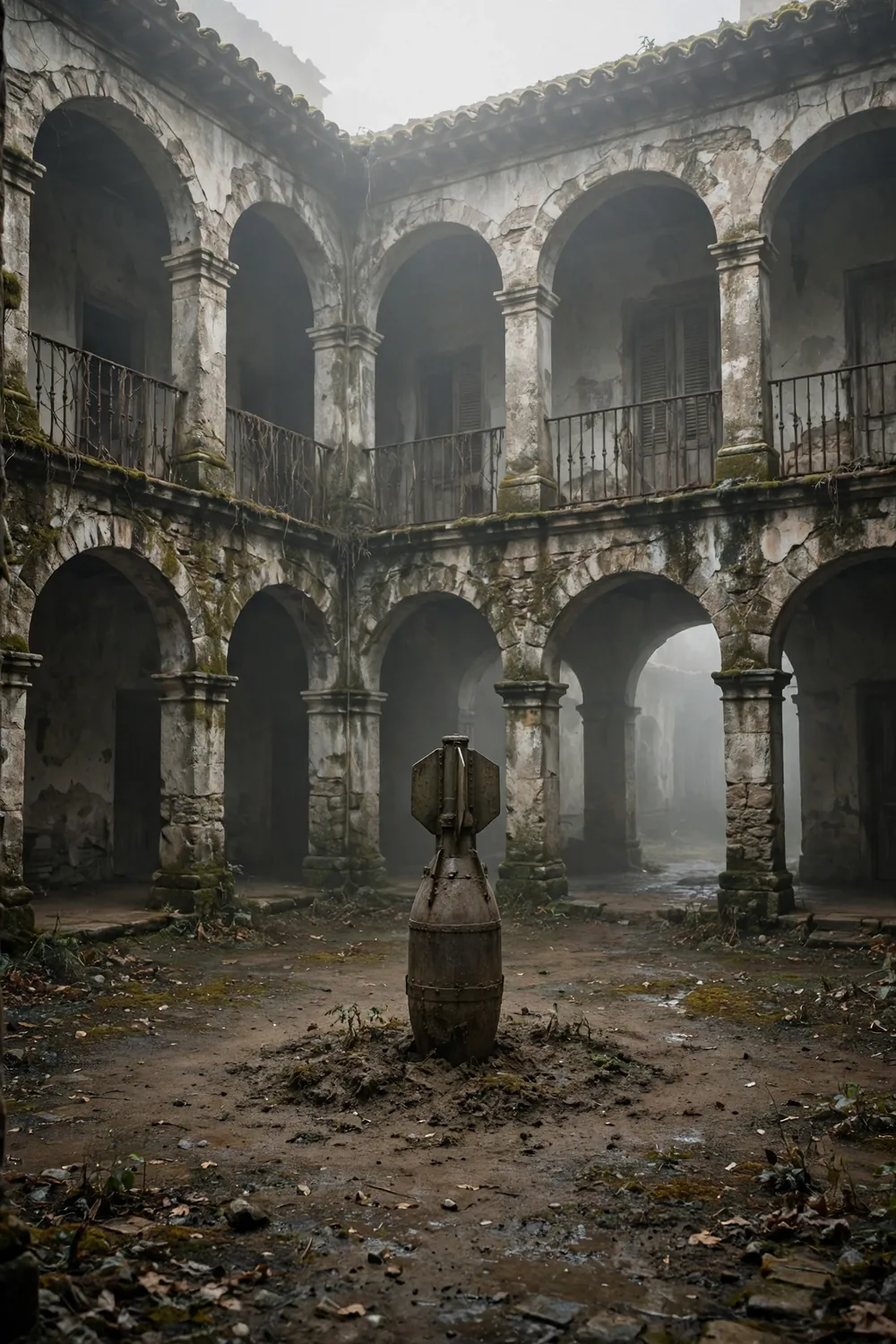
Guillermo del Toro sets a ghost story inside a boys’ orphanage during the Spanish Civil War, where an unexploded bomb stands in the courtyard like a held breath. The ghost of a murdered child is somehow not the saddest thing in it. A gothic masterpiece about how the living haunt each other.
4. Mimic (1997) — USA (del Toro)
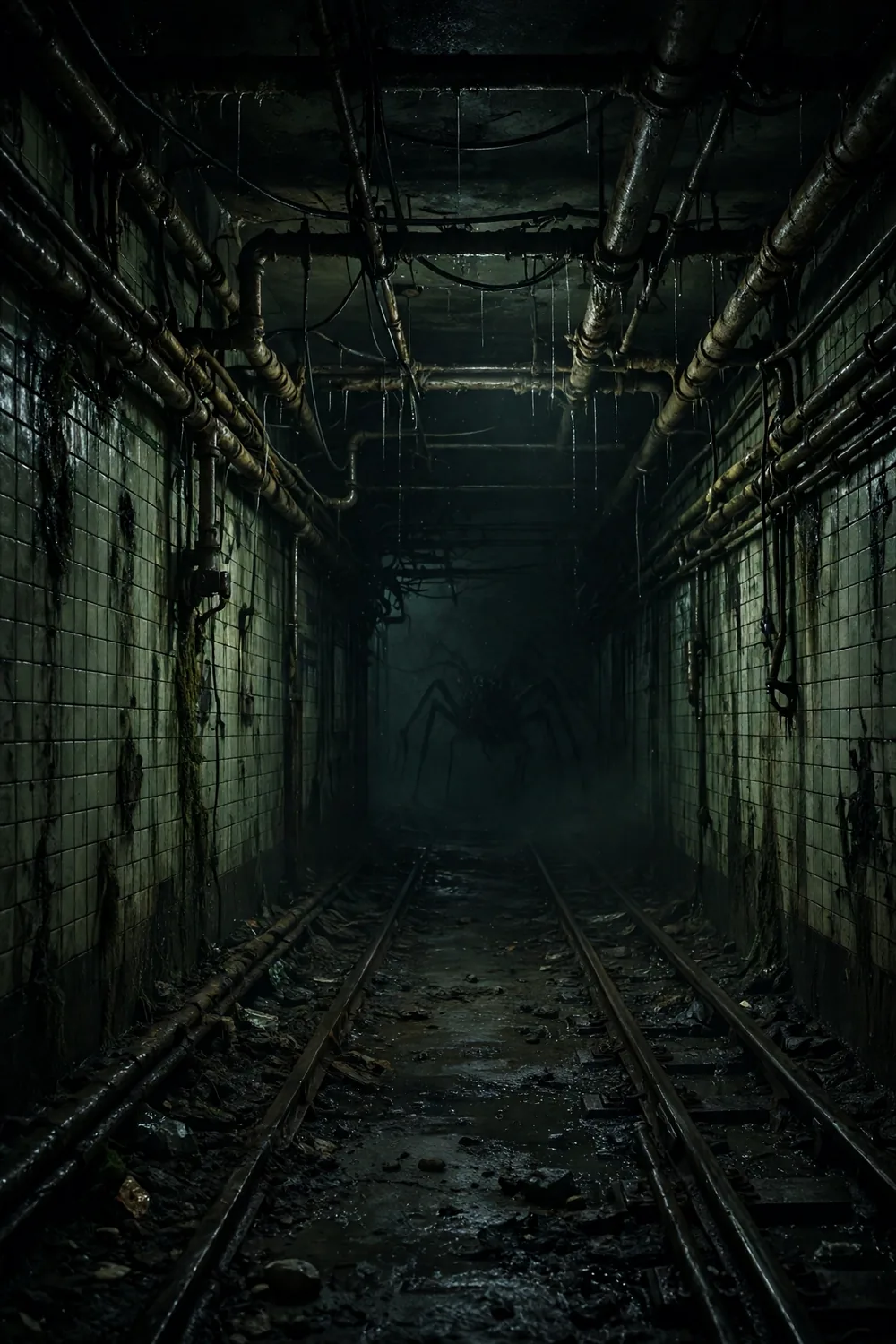
Del Toro’s first Hollywood film: genetically engineered insects, built to stop a plague, evolve in New York’s tunnels into something that imitates its predator — us. Studio interference famously softened it, yet the atmosphere, creature design and sewer dread remain pure del Toro. A fascinating bridge between his Spanish work and his American career.
5. Cronos (1993) — Mexico

Del Toro’s debut feature is a vampire story with the gore replaced by melancholy: an antique dealer, a golden scarab device that grants eternal life at a price, and a dying industrialist who wants it. Elegant, sad and already unmistakably his — the film that announced one of horror’s great careers.
6. We Are What We Are (Somos Lo Que Hay, 2010) — Mexico
A family in Mexico City loses its father — and with him, the man who hunted for the family’s ritual meals. Jorge Michel Grau’s cannibal drama is really about poverty, obedience and a mother holding a monstrous household together. Grim, quiet, and far more upsetting than its premise suggests.
7. Pan’s Labyrinth (2006) — Spain/Mexico
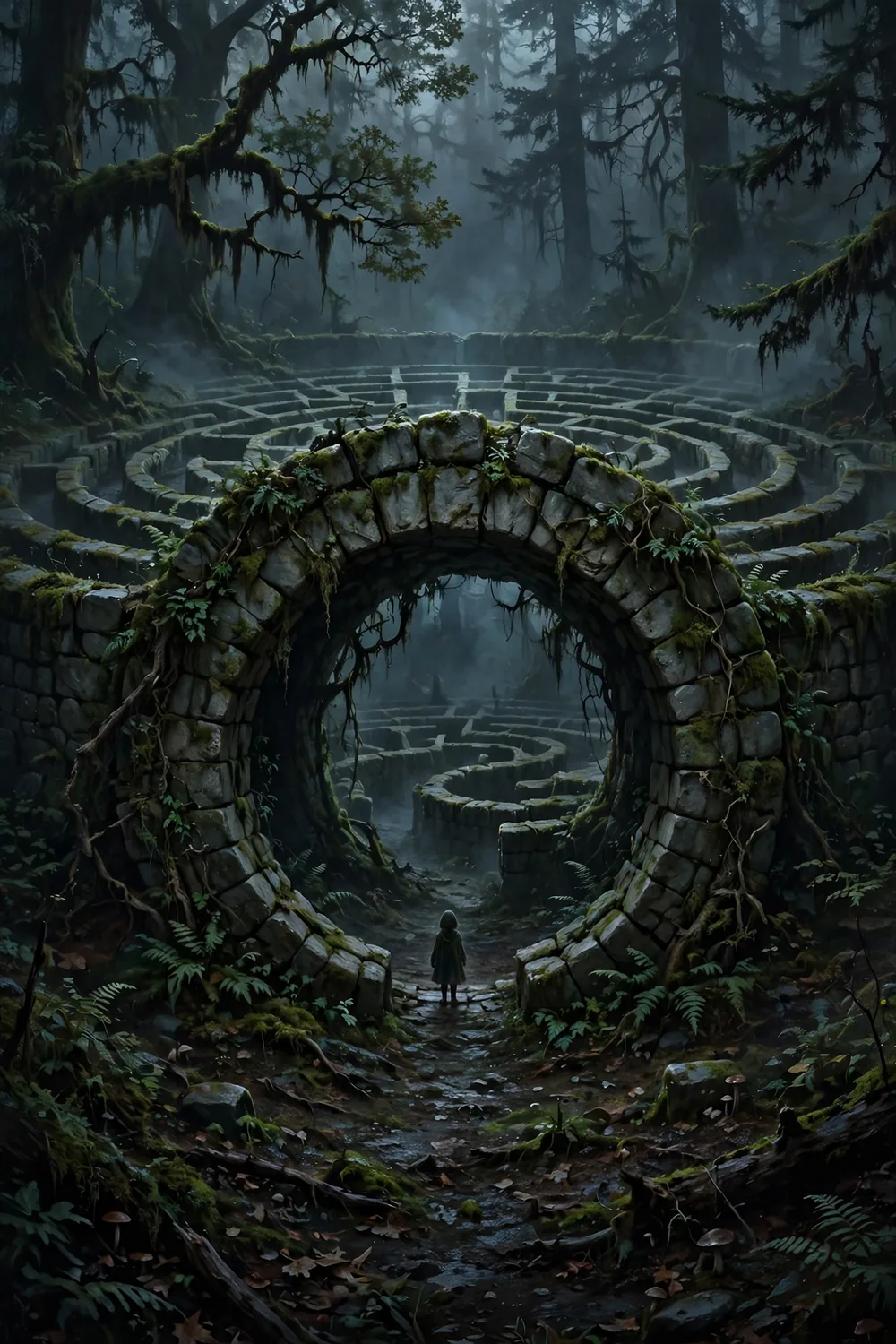
The crown jewel: a girl in Franco’s Spain retreats into a labyrinth of fauns and monsters that may be real, may be refuge, and is certainly no safer than the war outside. Del Toro’s masterpiece moves between fantasy and fascism until they mirror each other completely. The rare horror film that is also, simply, one of the great films.
8. REC (2007) — Spain
Found-footage horror perfected: a TV reporter rides along with firefighters into a quarantined Barcelona apartment block, and Jaume Balagueró and Paco Plaza never let the camera — or you — leave. Fifteen years of imitators have not dulled it; the final night-vision minutes remain a masterclass in terror on a tiny budget.
9. The Orphanage (El Orfanato, 2007) — Spain
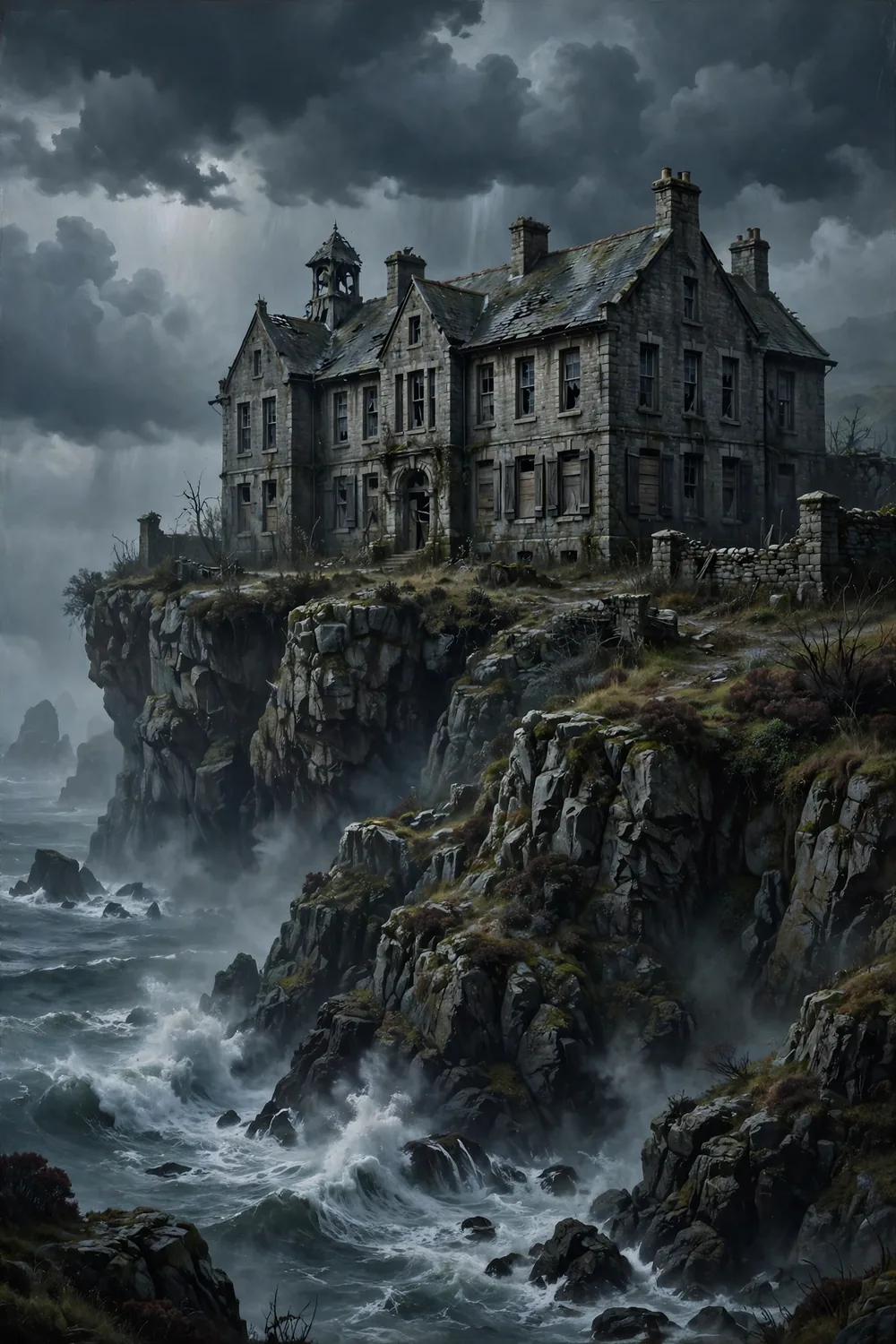
J.A. Bayona’s debut (produced by del Toro) is a haunted-house film played as a grief drama: a mother reopens her childhood orphanage, her son makes invisible friends, and a game of clues leads somewhere unbearable. The séance scene is famous; the ending will quietly destroy you.
10. Verónica (2017) — Spain
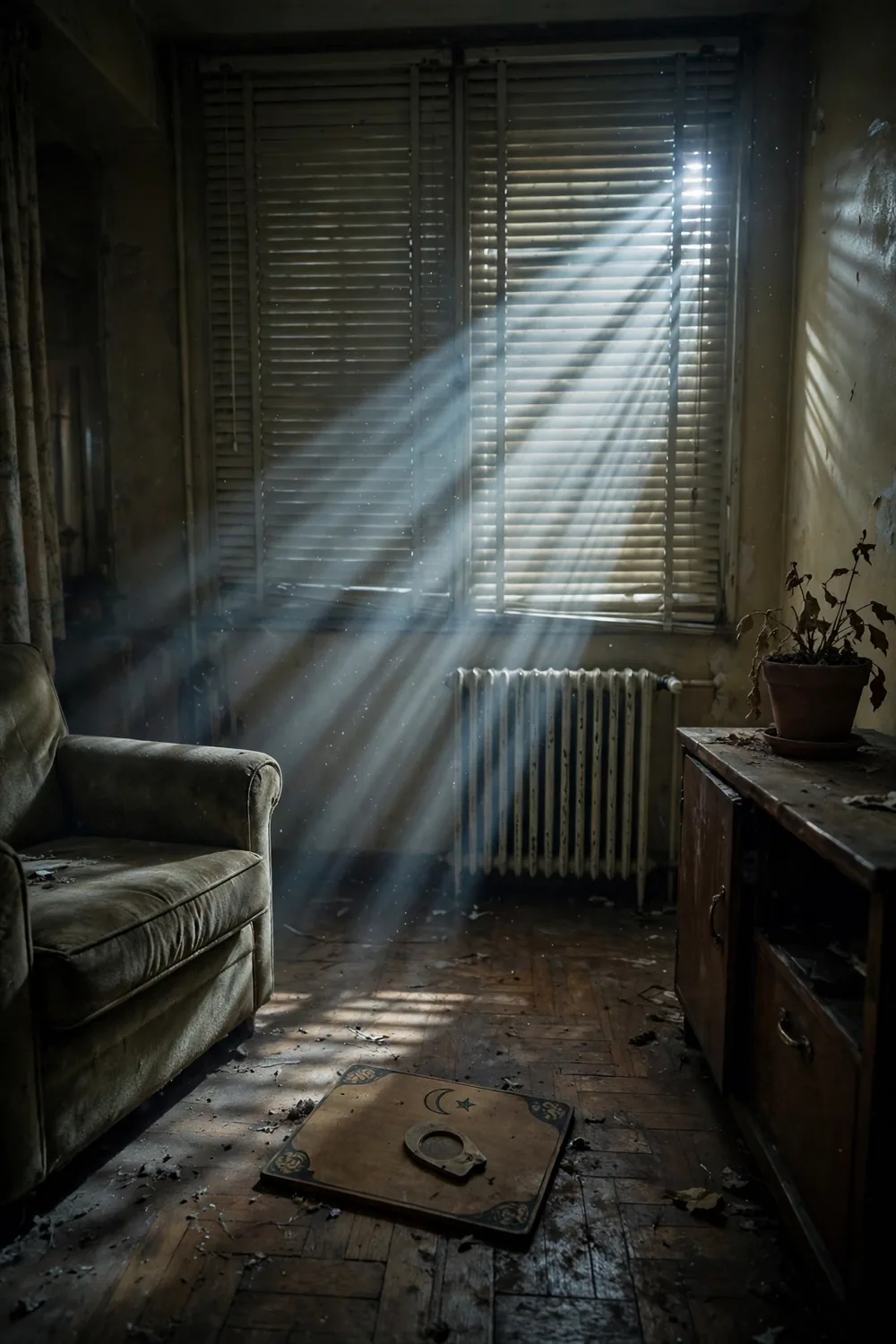
Paco Plaza again: a Madrid teenager uses a Ouija board during a solar eclipse and brings something home to the little siblings she parents alone. Based loosely on a real 1991 police case — the only one in Spain officially documented as paranormal — it is possession horror grounded in babysitting, bills and loneliness.
11. Don’t Listen (Voces, 2020) — Spain
A family renovating a house keeps hearing voices — including their young son, who draws them. Ángel Gómez Hernández builds a witch-haunted slow burn that pays off with genuine menace, and it became a quiet Netflix word-of-mouth hit for a reason: it respects the oldest rule in horror, that sound is scarier than sight.
12. Tigers Are Not Afraid (Vultures, 2017) — Mexico
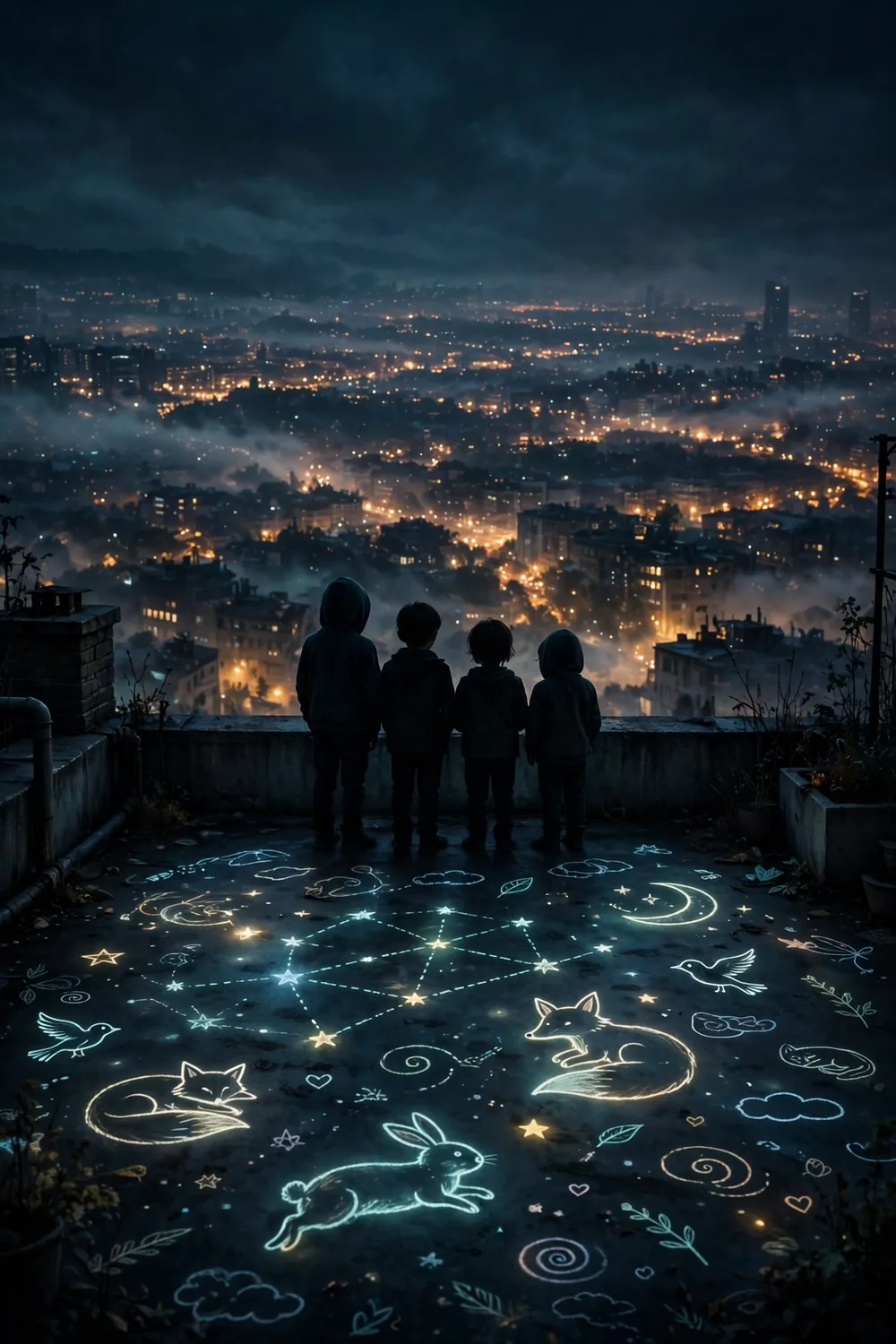
Issa López’s devastating fairy tale follows orphaned children surviving a cartel-ruined city, helped — and haunted — by wishes that come true wrongly. Part ghost story, part social realism, it draws its monsters from both Mexican folklore and the evening news. Del Toro himself championed it; you will understand why within ten minutes.
13. La Llorona (2019) — Guatemala
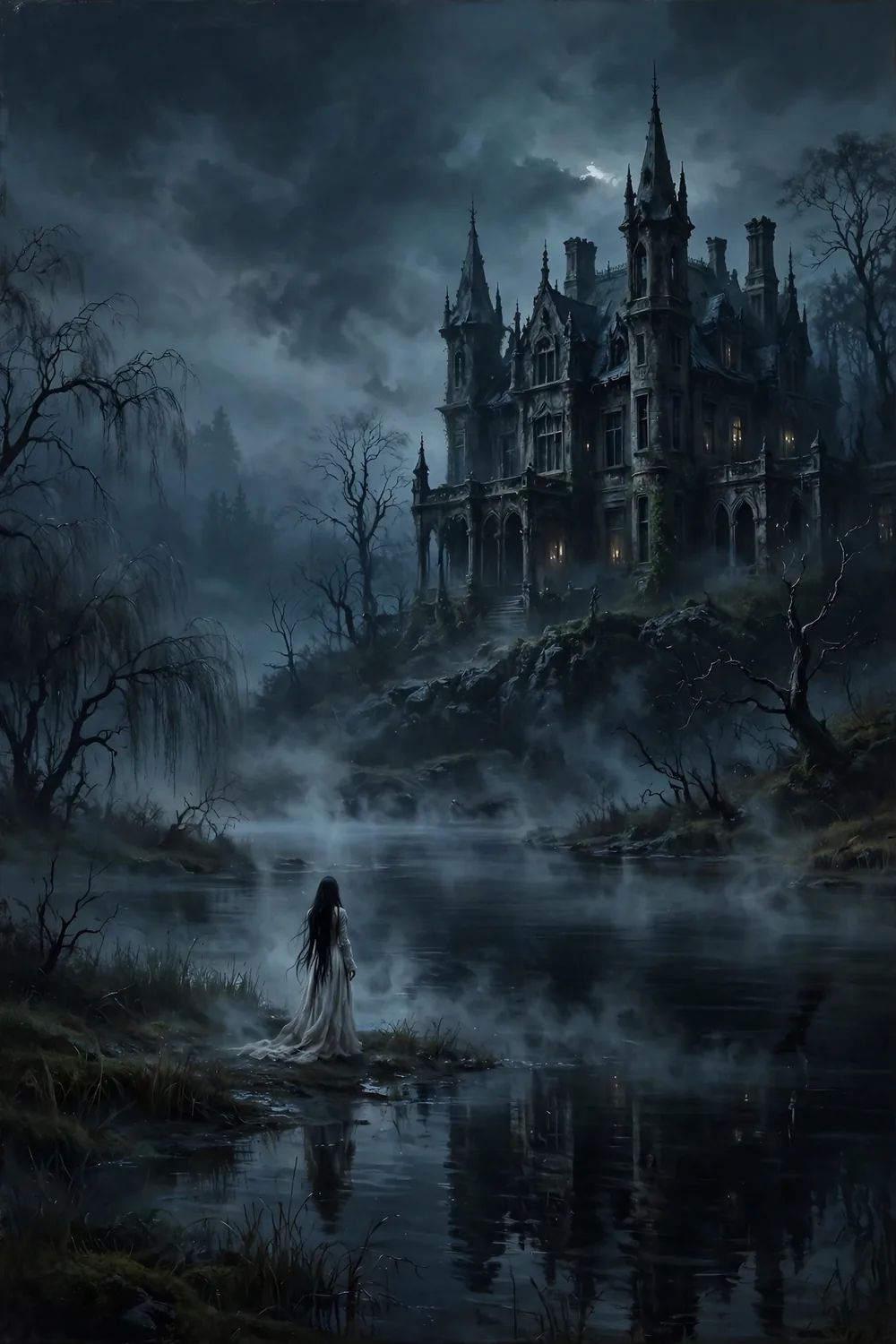
Jayro Bustamante takes the Weeping Woman legend and turns it on Guatemala’s history: a retired general, tried for genocide against Indigenous people, is haunted in his own mansion as protests mass outside. The ghost here is not the monster; she is the verdict. Political horror of the highest order — closer in spirit to our look at the entertainment industry’s open secrets in how it insists the real story is the one nobody wanted told.
14. The Wolf House (La Casa Lobo, 2018) — Chile
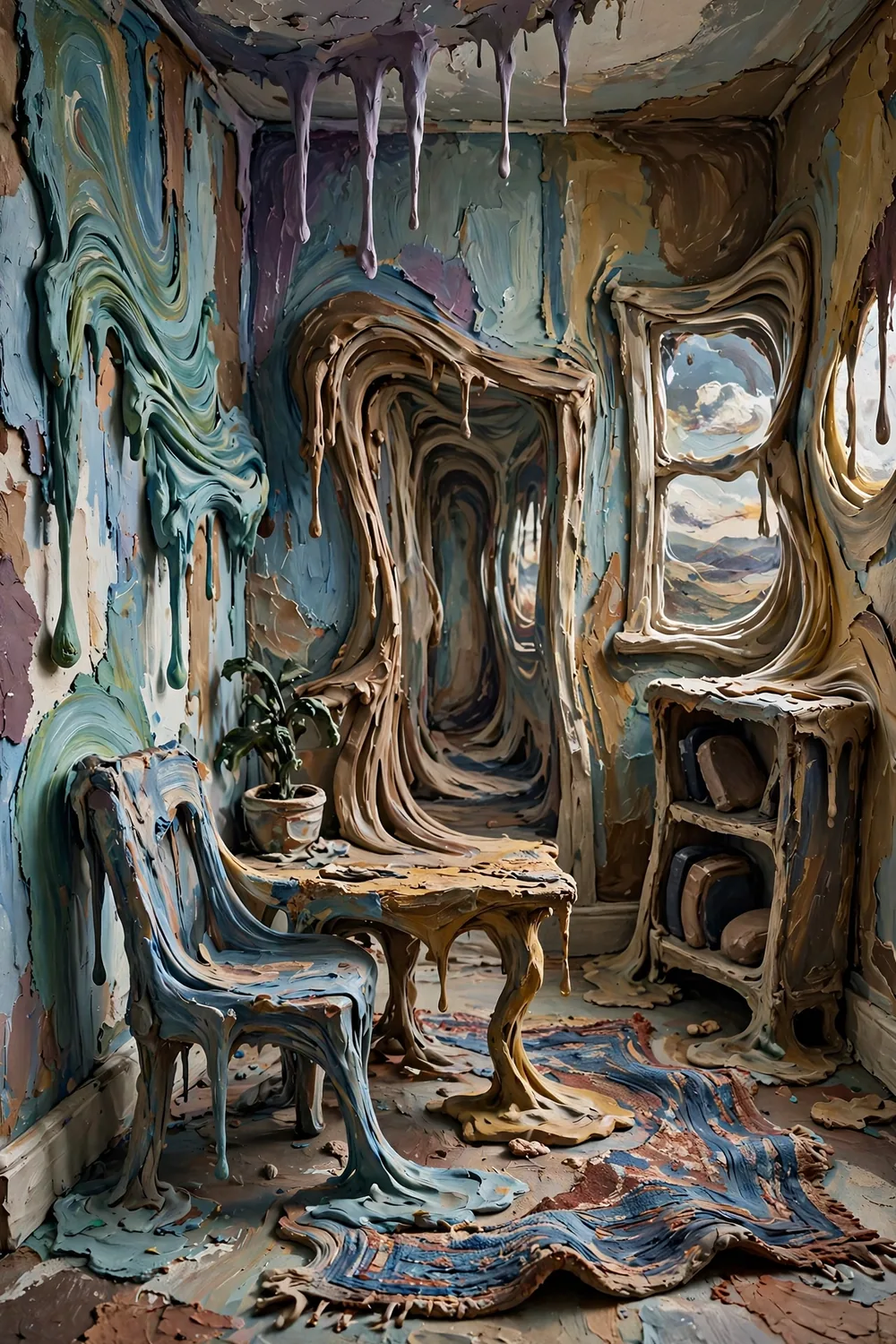
A stop-motion fever dream painted and rebuilt frame by frame at full scale: a girl escapes a German religious colony in Chile and shelters in a house that will not stop changing. Cristóbal León and Joaquín Cociña’s film is formally like nothing else on this list, and its dread is the dread of a story being told by someone untrustworthy.
15. Timecrimes (Los Cronocrímenes, 2007) — Spain
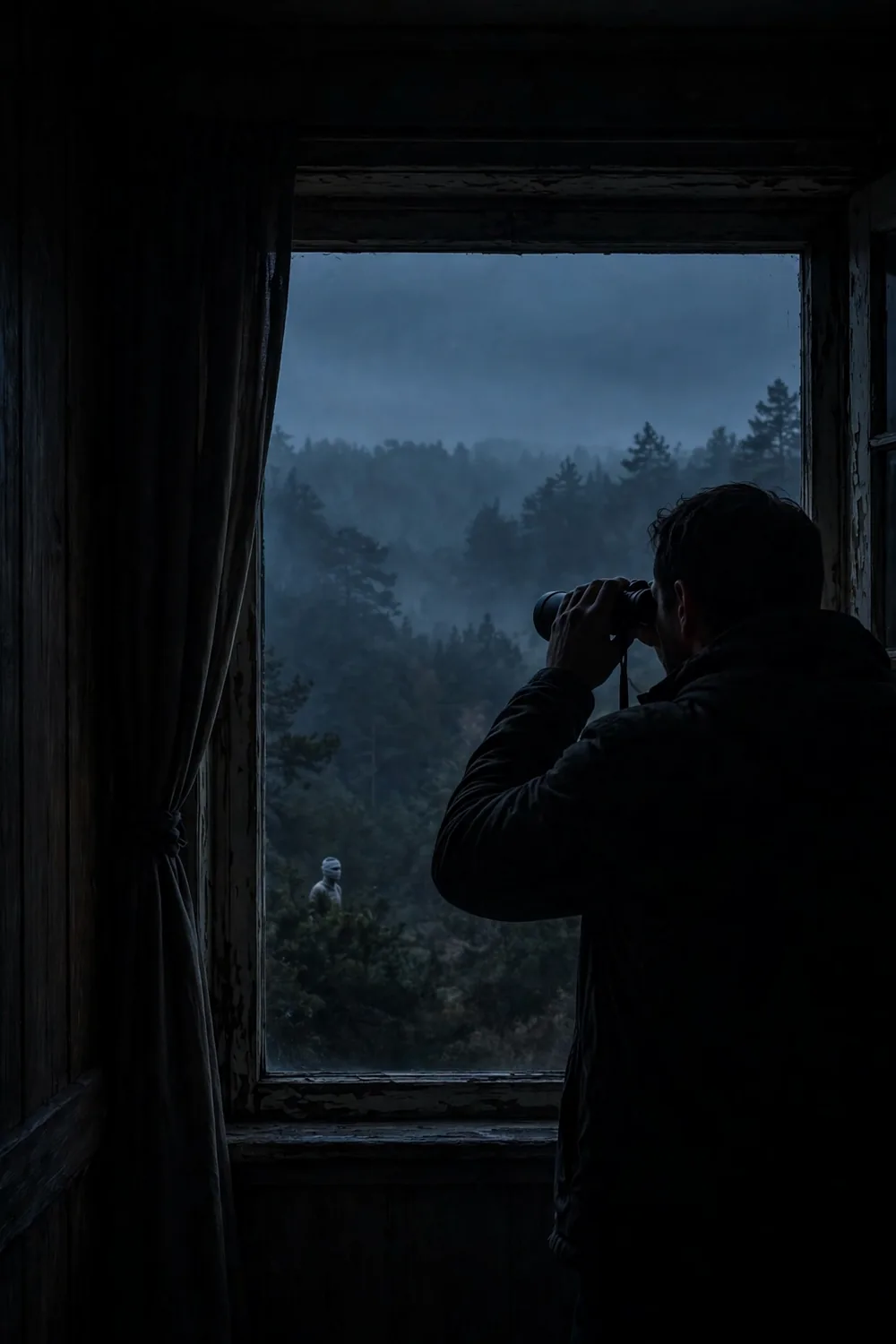
Nacho Vigalondo’s micro-budget time-loop thriller: a man, a telescope, a strange figure with a bandaged face, and a machine that sends him back one hour — again, and worse. One location, four characters, and a plot that locks together like a trap. Proof that ingenuity beats budget every single time.
16. Satanic Hispanics (2022) — Anthology
Five Latine directors, one wraparound story about a police raid and a mysterious prisoner called The Traveler. The segments range from vampire comedy to genuinely nasty folk horror, and the anthology format shows off just how wide the Latine horror tent is. A perfect sampler if you are new to this list.
17. The House At The End Of Time (2013) — Venezuela
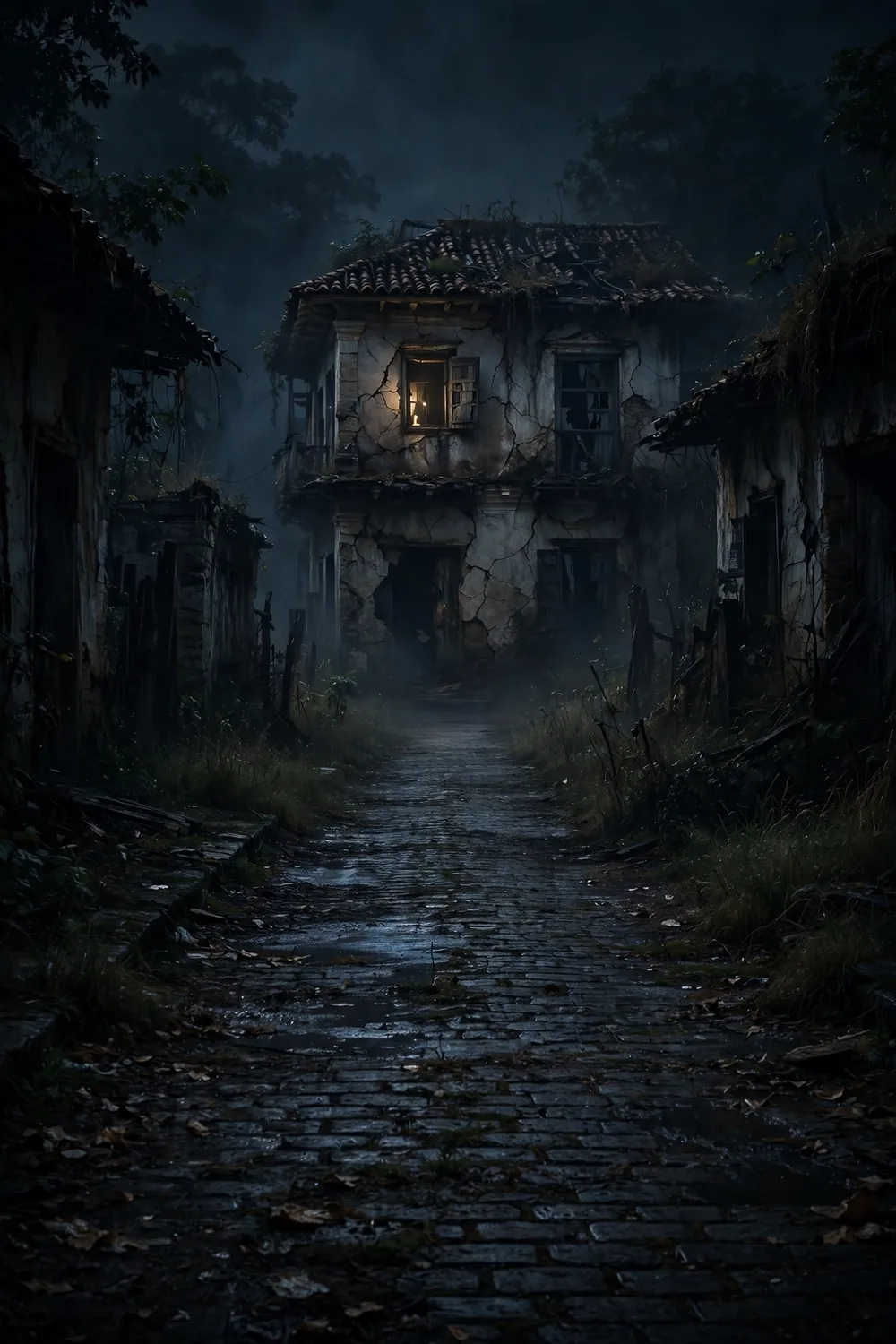
Venezuela’s first horror film is a haunted-house story with a science-fiction heart: a mother imprisoned for a murder she cannot explain returns thirty years later to the house where it happened. Alejandro Hidalgo plays fair with a twist that recontextualises every scare before it. Seek it out — it rewards the search.
18. Santa Sangre (1989) — Mexico
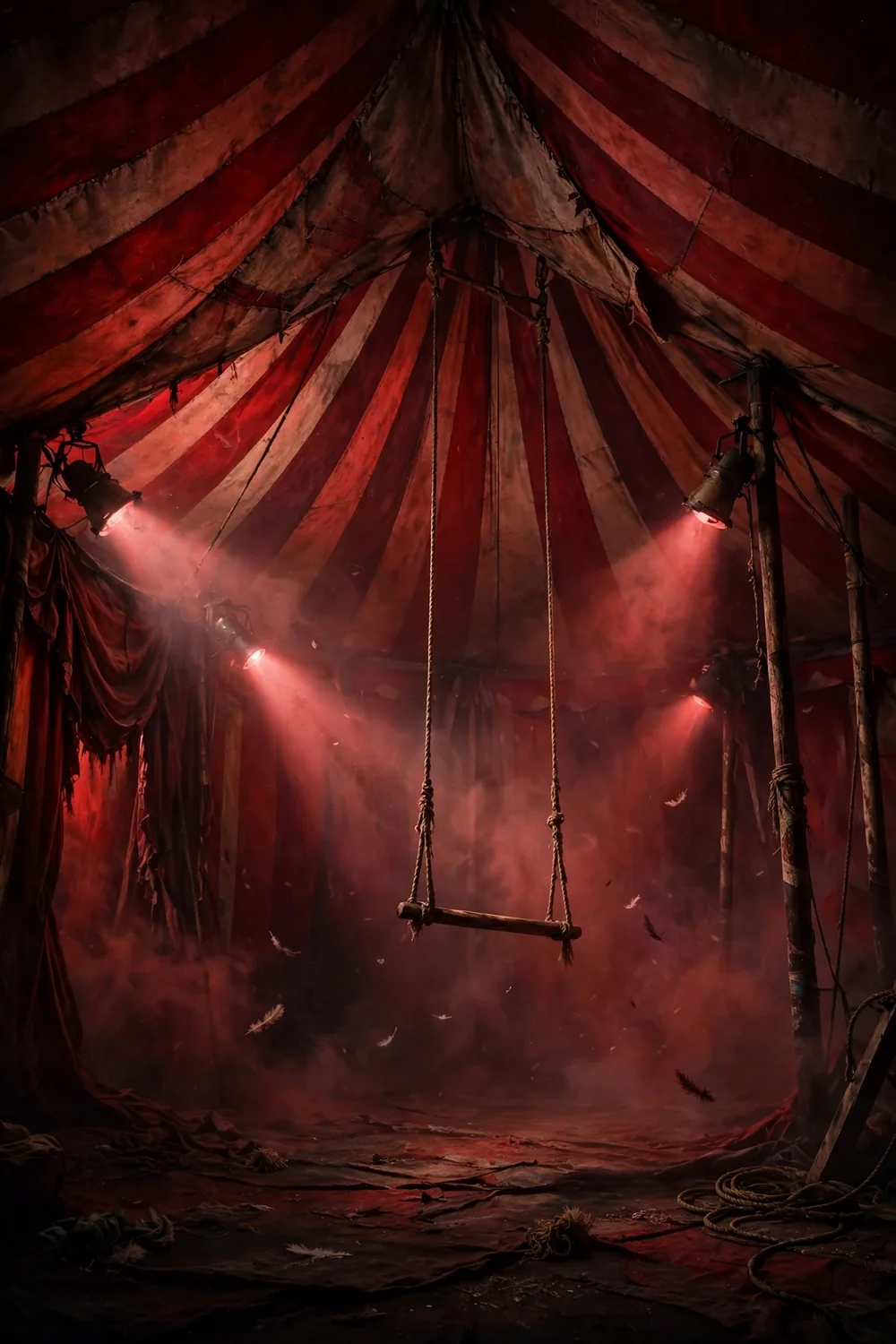
Alejandro Jodorowsky’s surrealist fever dream: a circus family, a fanatical cult, a tragedy involving a knife-thrower, and a son who becomes his armless mother’s hands. Part horror, part Fellini, part nightmare in saturated colour — the oldest film on this list and still the strangest. Not for the faint-hearted; essential for the curious.
19. Huesera: The Bone Woman (2022) — Mexico
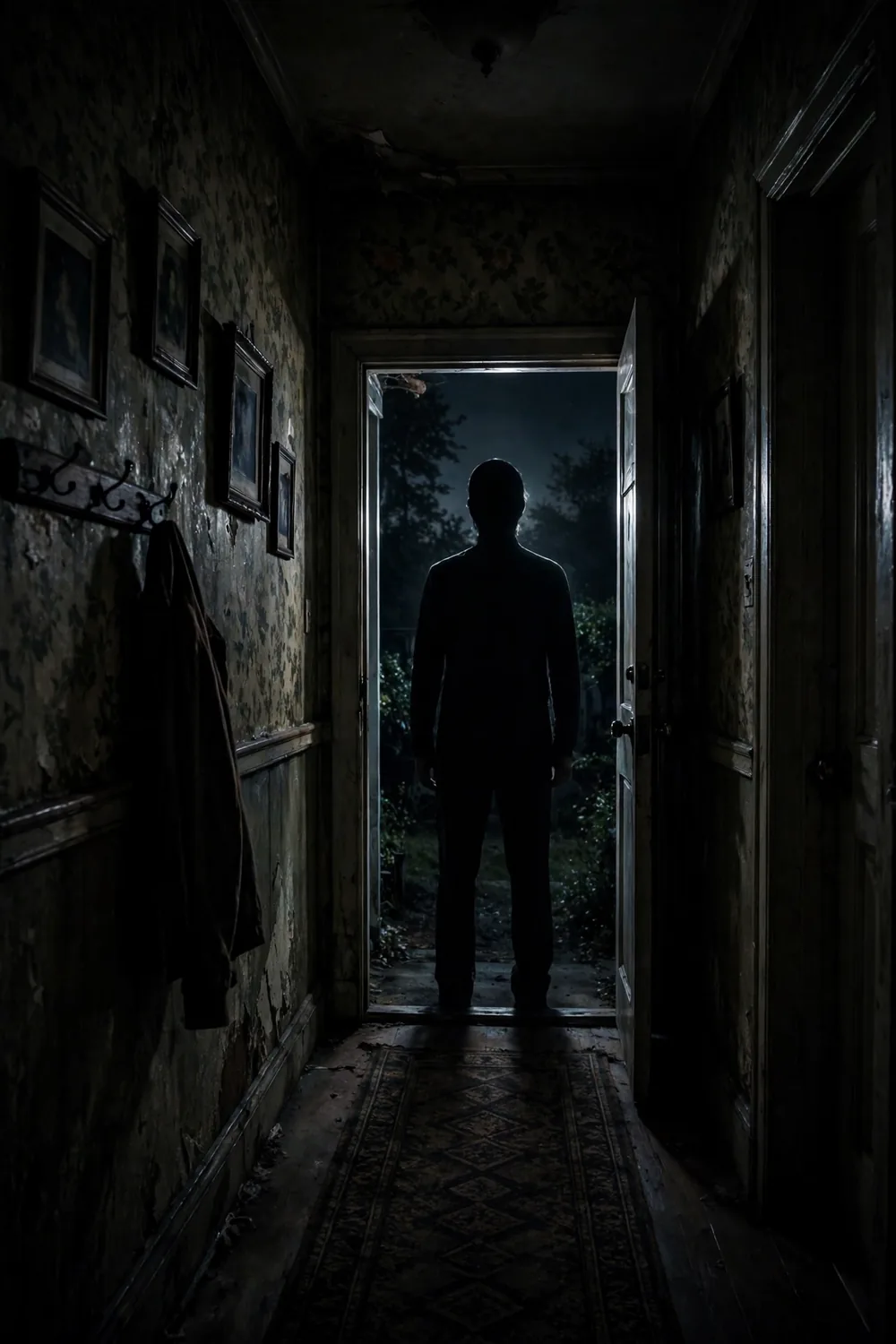
Michelle Garza Cervera’s debut turns pregnancy horror inward: a woman finally expecting the baby she wanted is visited by a faceless figure who cracks bones — hers. A blistering film about the terror of wanting the “right” life, anchored in Mexican folklore’s La Huesera. The newest essential on this list, and a sign of where Latine horror goes next.
Press Play, Then Sleep With The Light On
Start with del Toro if you want beauty with your fear, REC if you want it fast, When Evil Lurks if you think modern horror has gone soft, and Tigers Are Not Afraid if you want a film that will stay with you longest. Between the folklore, the history and the family dread on this list, Spanish-language horror is not a subcategory of the genre — it is one of its capitals. For more great shelves to work through, our PlayStation games worth replaying list makes the same argument for a different medium.