These 10 PlayStation Games Are So Good, I’d Sell A Kidney To Experience Them Again For The First Time

Every PlayStation owner has a list like this — the games that did not just entertain you, they re-wired you. The ones where the first playthrough felt like a genuine first: first time a console felt like an arcade, first time a game made you cry at a menu screen, first time you understood that this medium could do things films could not. These ten defined what PlayStation meant across four generations — and if we could wipe our memories and boot them up fresh, we would, kidney jokes aside. It is a different kind of nostalgia from our look at everyday things from the 2000s that vanished — these never went anywhere. They are still sitting on the shelf, daring us to start again.
1. Ridge Racer — The Arcade Came Home
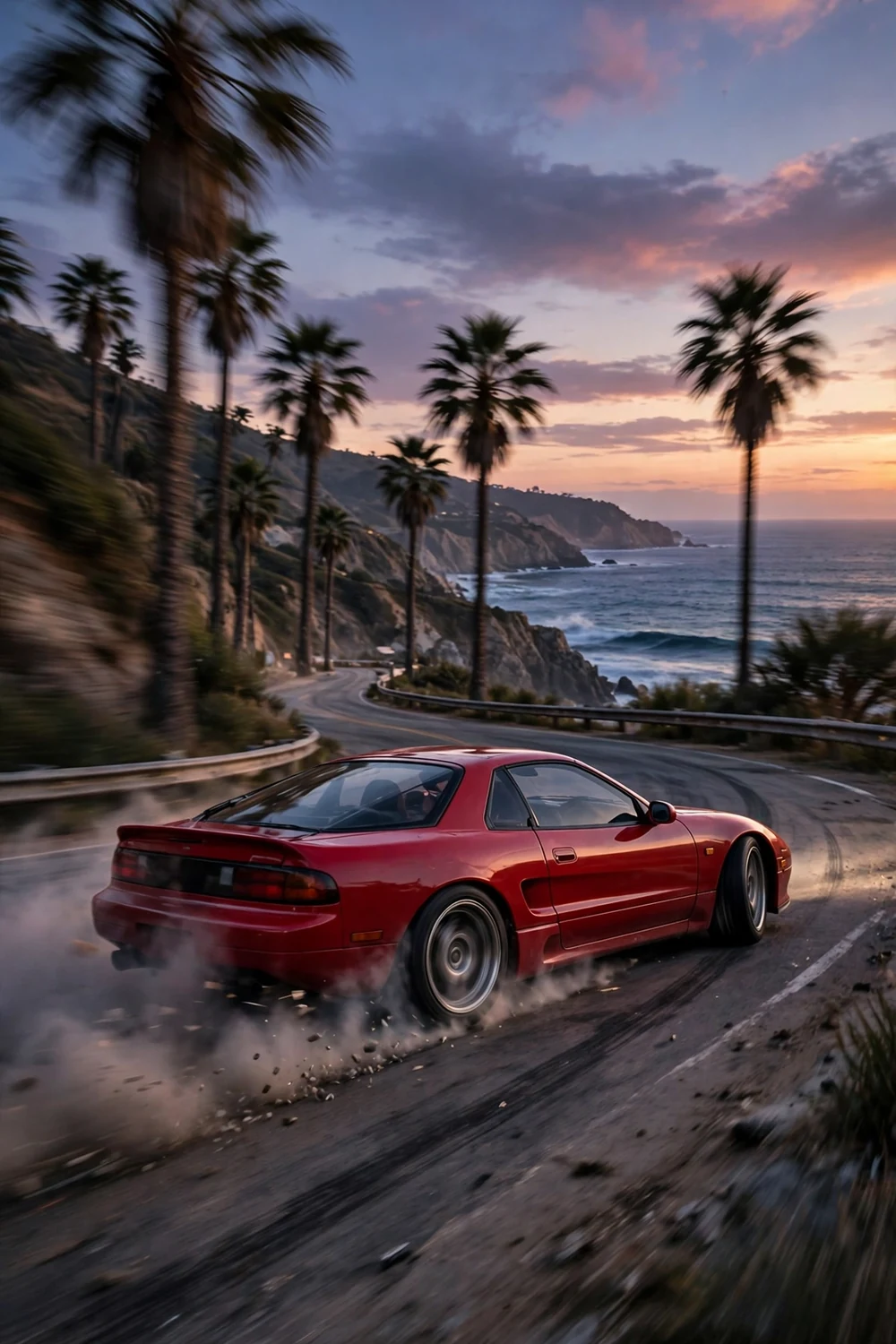
In 1994, racing games at home meant compromises. Ridge Racer meant none: Namco’s arcade cabinet, essentially intact, as a launch title for the original PlayStation. The powerslides were absurd, the techno soundtrack was relentless, and one track, endlessly replayed for better times, taught a generation that mastery — not content volume — was the addiction. It was the proof of concept for the entire console.
2. Kingdom Hearts — The Mashup That Should Not Have Worked
A Square Enix RPG where a spiky-haired kid teams up with Donald Duck and Goofy to fight darkness across Disney worlds: on paper, a licensing meeting gone wrong. In practice, one of the most beloved action-RPGs ever made — real-time combat with genuine depth, Disney worlds recreated with obvious love, and an original story so earnestly convoluted that fans have spent two decades happily untangling it. The main theme still empties wallets on streaming services.
3. Gran Turismo 3: A-Spec — The Driving Simulator As A Way Of Life
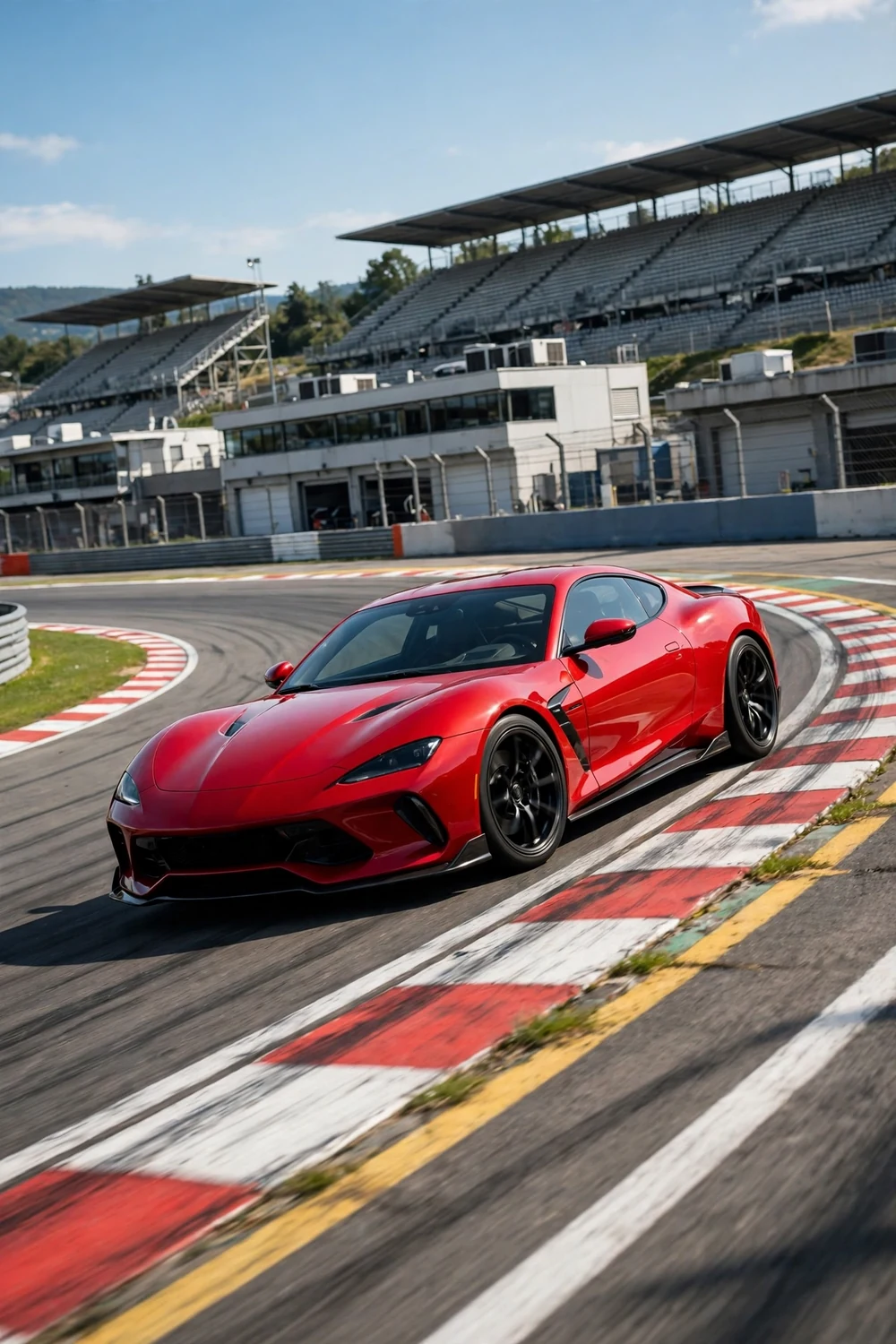
Gran Turismo 3 did not want to be a game you finished; it wanted to be a garage you lived in. Hundreds of licensed cars, licenses to earn, endurance races that ate whole weekends, and graphics that made the young PlayStation 2 look like the future. For millions of players it was also a stealth education: braking points, racing lines and why tyres matter, absorbed entirely by osmosis.
4. Grand Theft Auto III — The Open World Opens
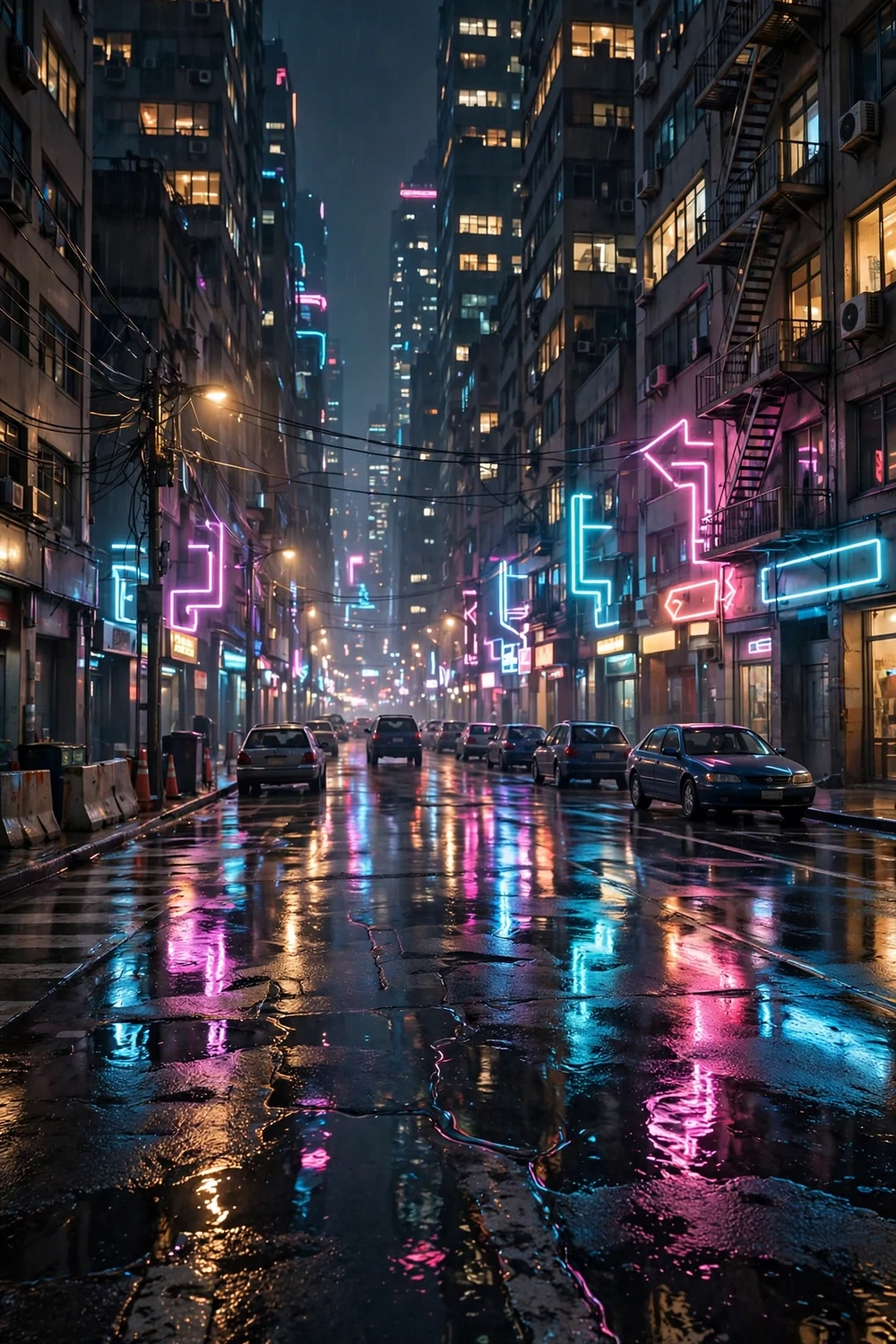
Before GTA III, “open world” was a promise. After it, it was the industry’s centre of gravity. Liberty City in full 3D — a place you could ignore the missions in for hours, where the radio stations, the physics and the sheer freedom to cause problems rewrote what a mainstream game could be. Nearly every open-world game since, including the ones on our cinema screens in spirit via our October movies to watch, is living in the city this game built.
5. Demon’s Souls — Beautiful, Brutal, Blueprint
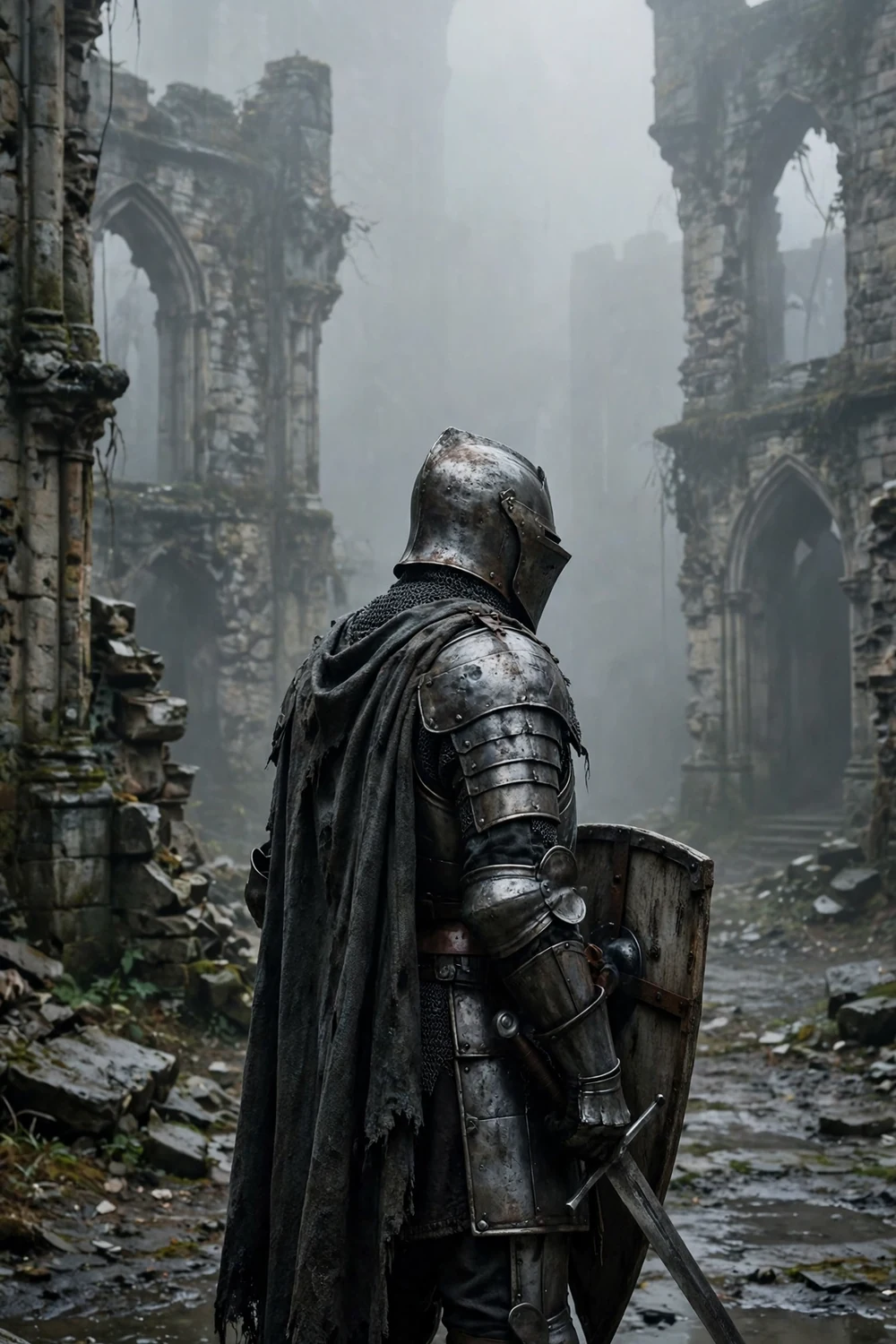
The remake gets the shine, but the 2009 original is where the Souls formula was forged: punishing combat that was always fair, a world told through ruins and item descriptions instead of cutscenes, and online ghosts and messages that made loneliness feel communal. It was nearly not released in the West at all. Instead it quietly became the most influential action-RPG design of its generation.
6. God Of War (2018) — The Reinvention
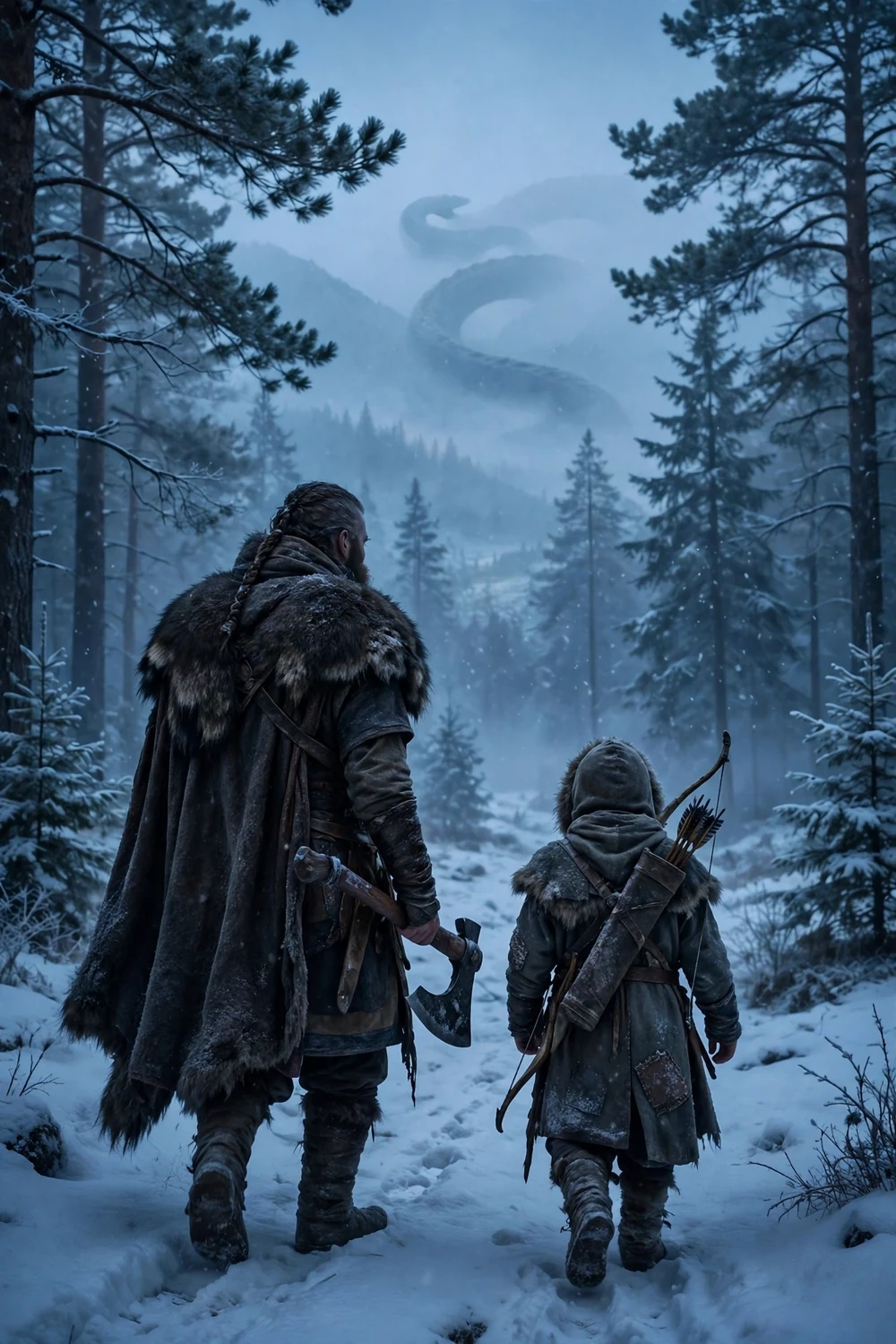
Taking gaming’s angriest protagonist, giving him a son, a beard and feelings, and shooting the whole game in one unbroken camera take should have been a disaster. Instead it became the PlayStation 4’s defining exclusive: Norse mythology, a Leviathan Axe that feels wonderful to throw and recall, and a father-son story with actual restraint. The fight on the lake is still a benchmark for set-piece design.
7. Shadow Of The Colossus — Sixteen Bosses And Nothing Else
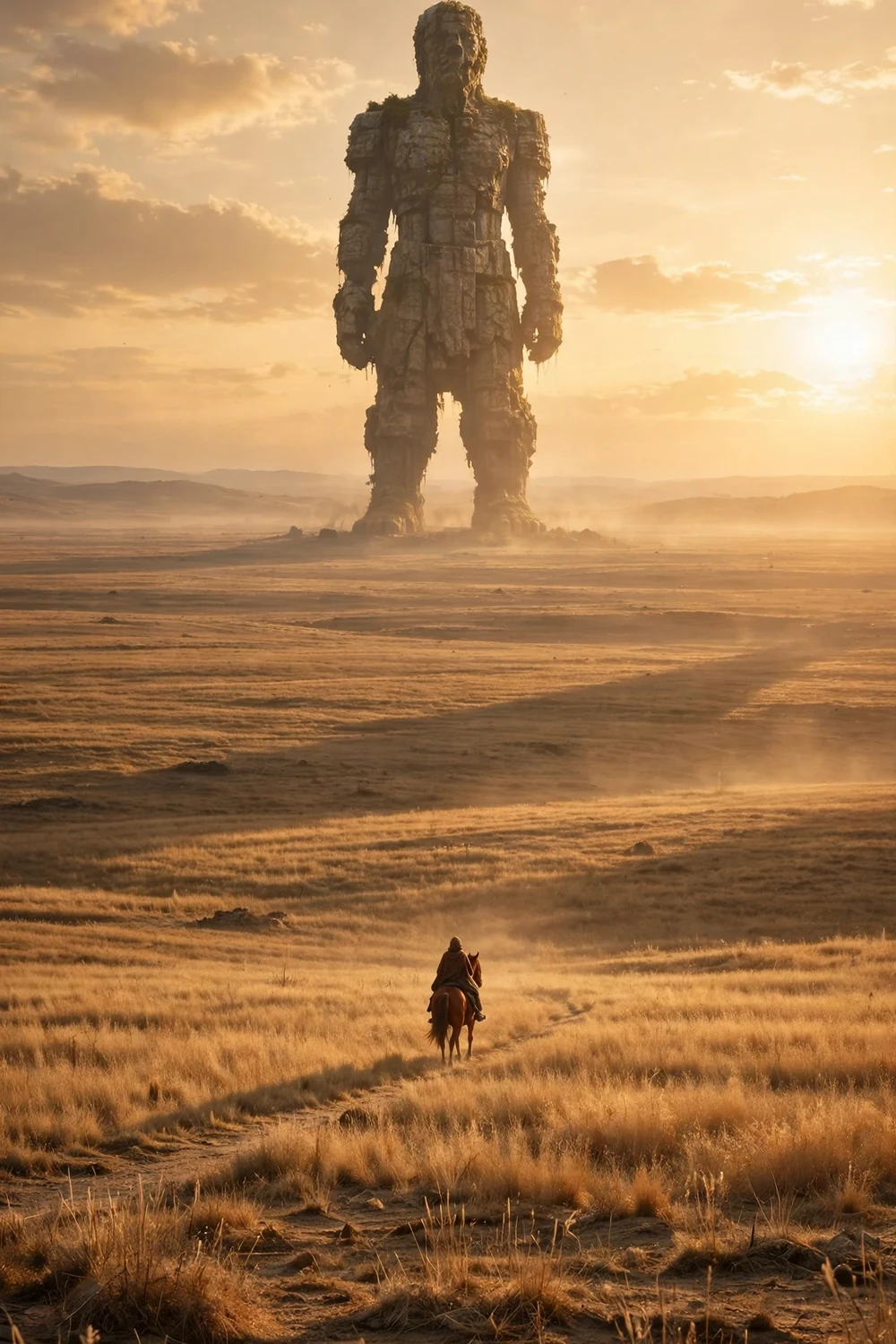
No towns, no side quests, no filler: a boy, a horse, a sword, and sixteen giants scattered across one of the emptiest, saddest landscapes in games. Each colossus is a puzzle, a platform level and a small tragedy at once — and the ending recontextualises every victory. It was the game people cited for a decade in the “are games art?” argument, and it usually ended the argument.
8. Final Fantasy VII — The RPG Goes Mainstream
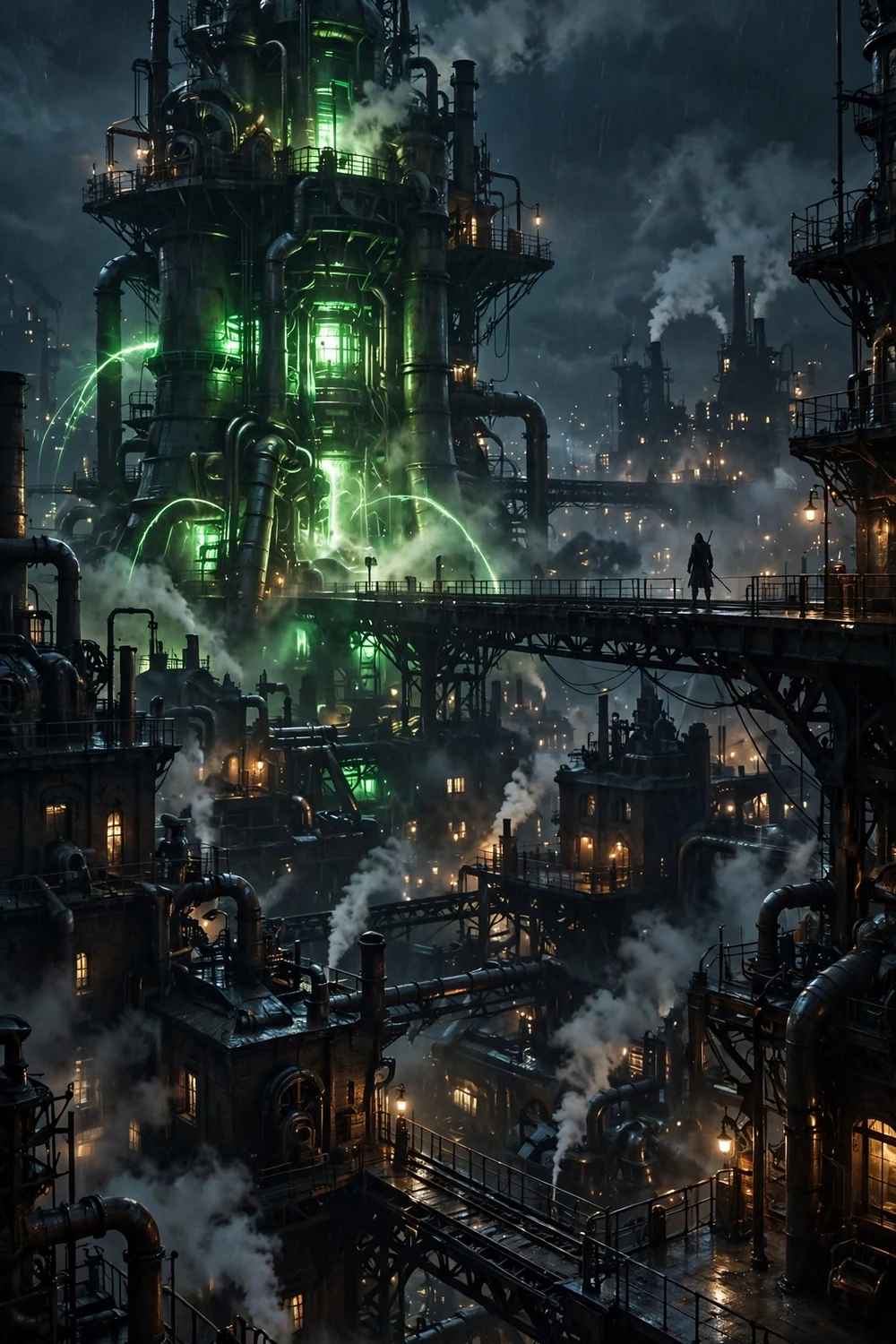
For many players in 1997, this was their first JRPG, first 60-hour game and first genuine plot twist heartbreak. Cloud, Midgar, the materia system and those FMV cutscenes that felt impossibly cinematic on three discs — Final Fantasy VII did not just sell PlayStations, it sold the idea that games could carry a story this size. The Remake trilogy exists because the original never left the culture.
9. The Last Of Us — The Story Benchmark
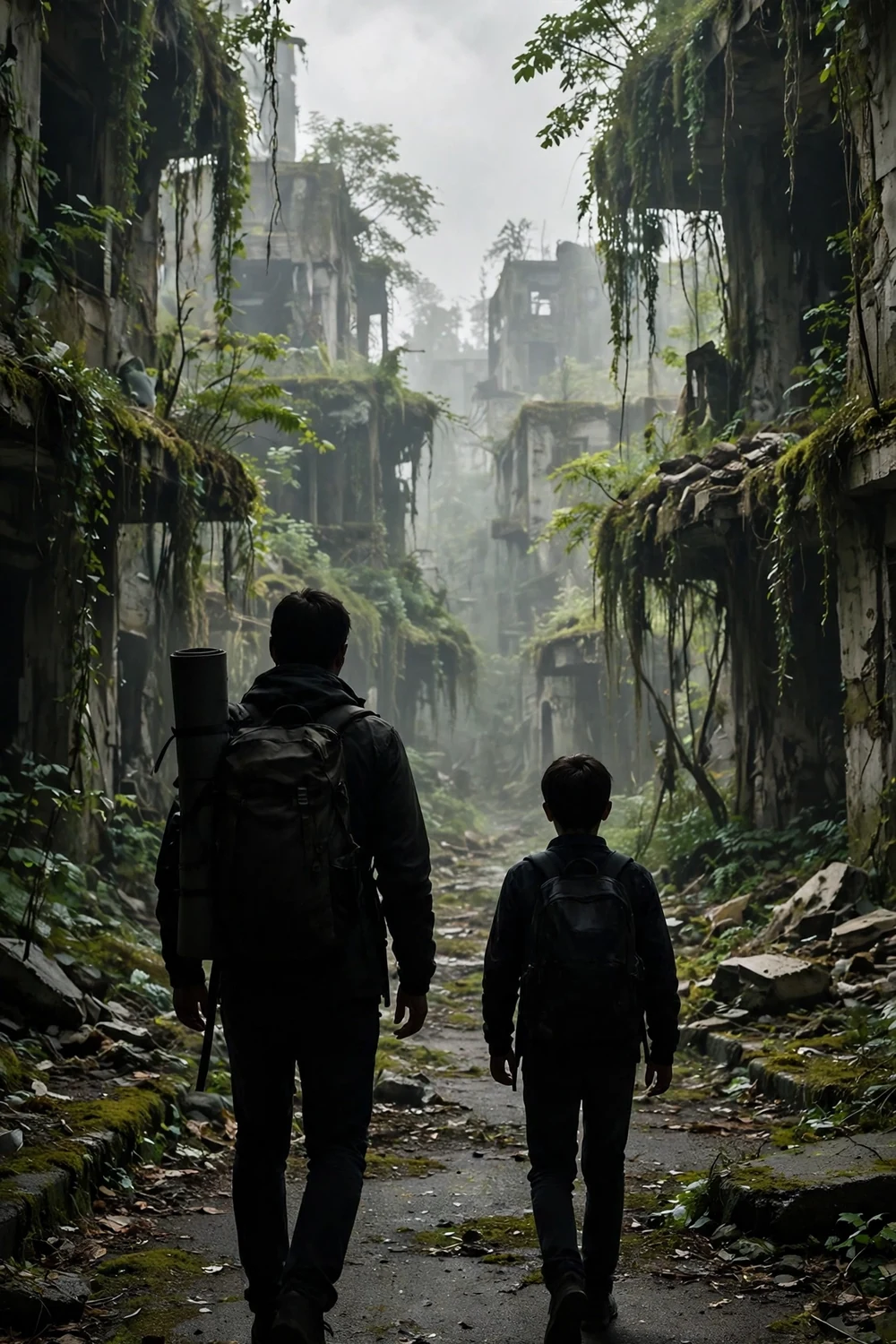
Naughty Dog took the most overused setting imaginable — a fungal apocalypse — and made the defining narrative game of the PlayStation 3 era out of two performances and a guitar. Joel and Ellie’s journey is brutal, tender and morally unresolved in ways games rarely dared, and its ending is still argued about like literature. The HBO adaptation’s success surprised nobody who had played it; as our reading lists show, great source material travels well.
10. Metal Gear Solid — The Stealth Game That Played You
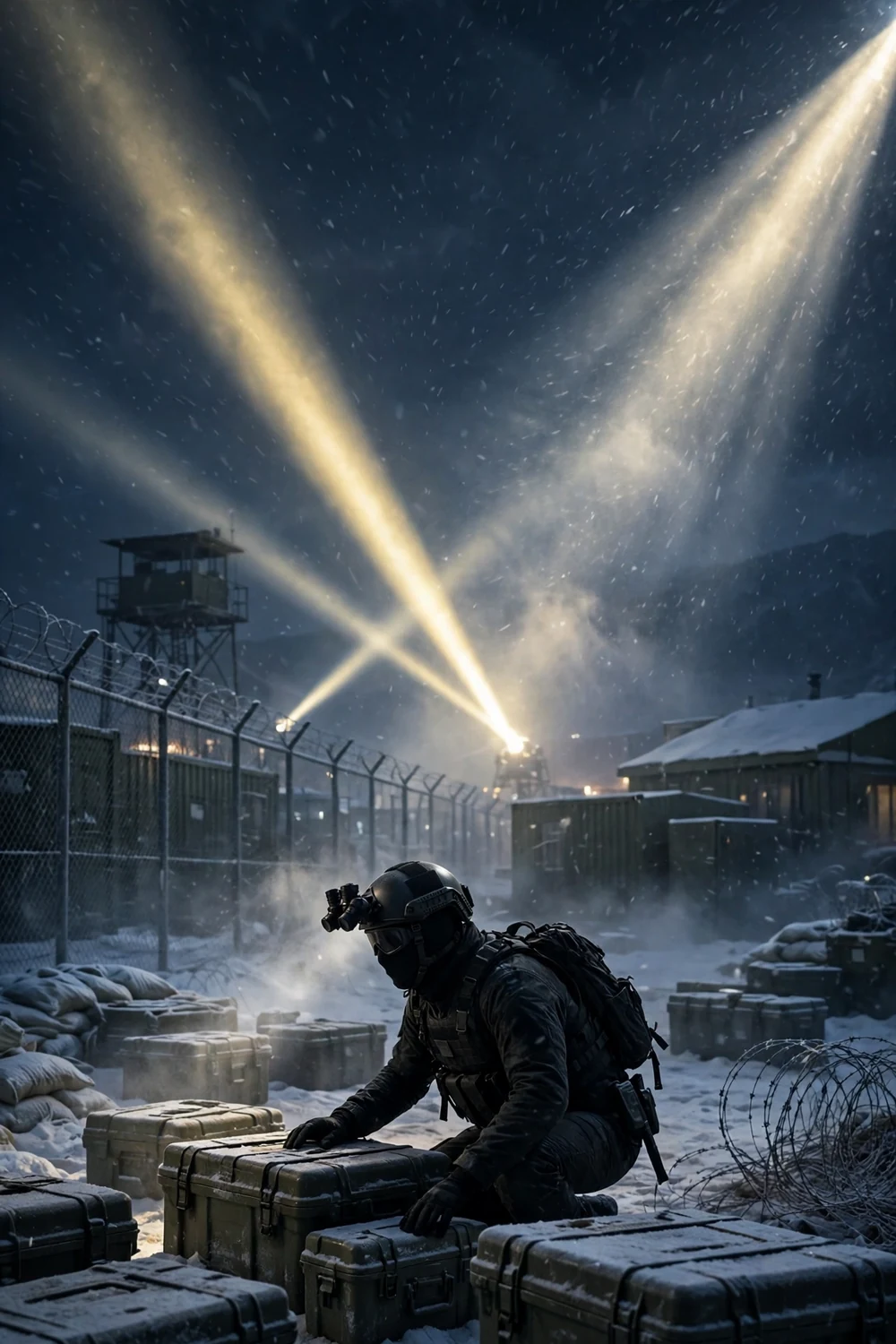
Hideo Kojima’s 1998 masterpiece did not just popularise stealth; it treated the player as part of the fiction — a boss who reads your memory card, a codec frequency hidden on the physical game case, a controller-port trick that broke the fourth wall completely. Add film-grade voice acting and a nuclear-conspiracy plot, and the original PlayStation suddenly felt like it was running games from five years in the future.
The Shelf That Built PlayStation
Arcade racers, simulators, open worlds, soulslikes, stealth, JRPGs, prestige story games — this list is not really ten games, it is ten genres being born or crowned on one family’s consoles. Every generation of PlayStation has been defined less by its hardware than by a shelf of games exactly like these. If your own top ten swaps a few of these out, good: that argument is the entire point, and it has been running happily since 1994.