What to Wear to a Medical Appointment — It Matters More Than You Think


This post contains affiliate links. If you buy through them, I may earn a small commission at no extra cost to you.
Most people dress for a medical appointment without thinking about it, and then spend the appointment undressing awkwardly in a cold room.
What you wear affects how quickly the appointment goes, how comfortable you are, and in a few specific cases whether the results are accurate at all. There’s one thing you can put on in the morning that can produce a false finding on a mammogram — and a lot of people don’t know it.
None of this is medical advice. It’s logistics — and getting the logistics right makes the medical part easier for everyone.
The General Principles
Four rules that cover almost every appointment.
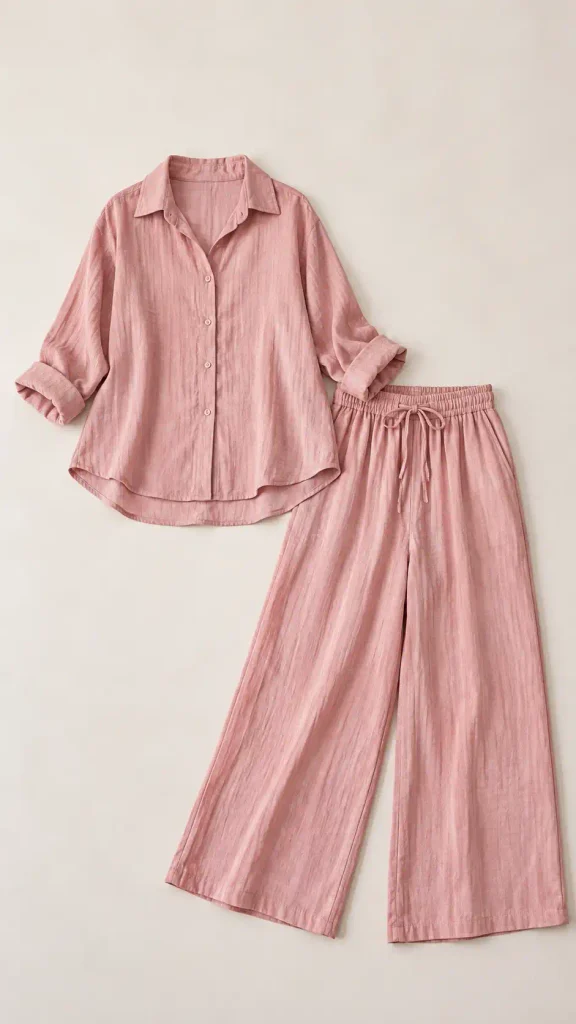
Two pieces, not one.
A dress means undressing entirely for anything from the waist up. A top and separate bottoms means removing only the half that’s being examined — which is faster, warmer and considerably less exposing.
This single choice improves most appointments.
Easy access to the relevant part.
Loose or short sleeves for anything involving blood pressure, blood tests or vaccinations.
Which means a sleeve that rolls up above the elbow easily — not one that has to be forced or removed.
Layers.
Clinics and hospitals are cold, and you’ll frequently be partly undressed in them.
And shoes that come on and off easily.
Because weight, height and some examinations involve removing them.
And a fifth that’s about your time rather than comfort:
Nothing complicated.
Complex fastenings, boots with long laces and multiple tight layers all take time — and in a short appointment that time comes out of the part you’re actually there for.
The Mammogram Rule Most People Don’t Know
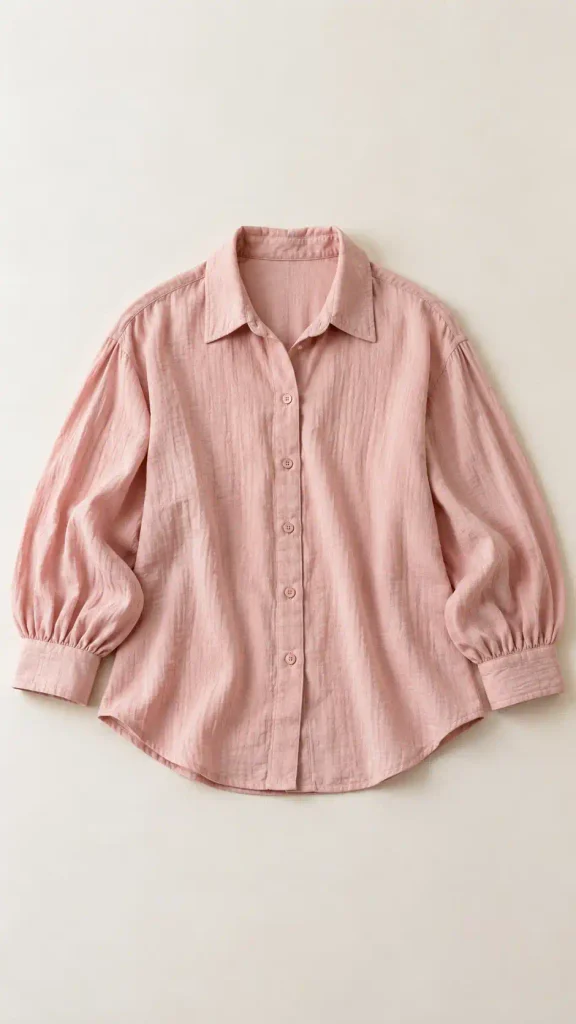
Genuinely important, and widely under-known.
Don’t apply deodorant, antiperspirant, powder, cream or lotion to your underarms or chest on the day of a mammogram. Many of these contain metallic particles — aluminum in antiperspirants in particular — which can show up on the image as small white spots.
Those spots can be mistaken for calcifications, which means an unclear result and potentially a repeat scan or further investigation.
Which is a genuinely consequential thing to know, and it’s easy to miss.
And the practical version:
Skip it in the morning, and take it with you to put on afterward.
Most clinics have wipes if you forget — but arriving having already applied it costs time and sometimes a rescan.
The rest of the mammogram advice:
A two-piece outfit. You undress from the waist up, so a dress means undressing completely.
A top that’s easy to remove — a button-front with plastic buttons is ideal.
No metal near the chest. Zippers, embellishments and hardware can create shadows on the image.
Remove necklaces beforehand.
And bring a cardigan.
Screening rooms are cold and you’ll be partly undressed for several minutes.
And the reassurance:
Nobody minds if you get this wrong.
The technologist will hand you a wipe and carry on — the reason to know it is that it saves you time, not that anyone will be annoyed.
MRI: Metal Is the Whole Issue
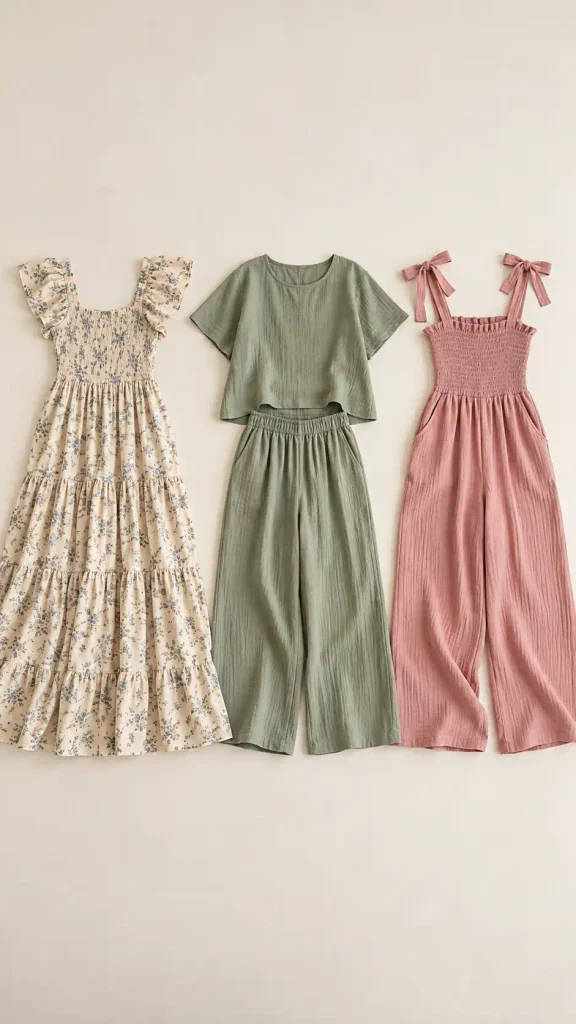
A safety requirement, not a comfort preference.
An MRI uses a powerful magnetic field. Metal on your clothing can interfere with the scan, degrade the image, and in rare cases pose a genuine risk. Which makes “metal-free” a requirement rather than a suggestion.
What to wear:
Cotton t-shirt or similar, with no metal.
Elastic-waist trousers, sweatpants or shorts — no zippers, no metal buttons, no rivets.
A bra without underwire, or a sports bra without metal fastenings.
And metal-free underwear.
What has metal you might not think about:
Underwires. Zippers. Rivets on jeans. Hook-and-eye fastenings. Metallic thread and embellishments. Some sports fabrics with silver-based antimicrobial treatments.
What to leave at home or remove:
Jewelry, watches, hair clips and pins.
Glasses and hearing aids.
Removable dental appliances.
And credit cards and phones — the magnetic field can damage cards.
And the essential step:
Tell the technologist about any implants, pacemakers, surgical clips or metal fragments.
This matters far more than clothing and it’s a safety question — and it’s why they’ll ask you a long list of questions before you go in.
And a practical note:
Arrive early. If your clothing isn’t suitable you’ll be asked to change into a gown, and that takes time.
And ask when you book. The department will tell you exactly what’s needed for your specific scan.
By Appointment Type
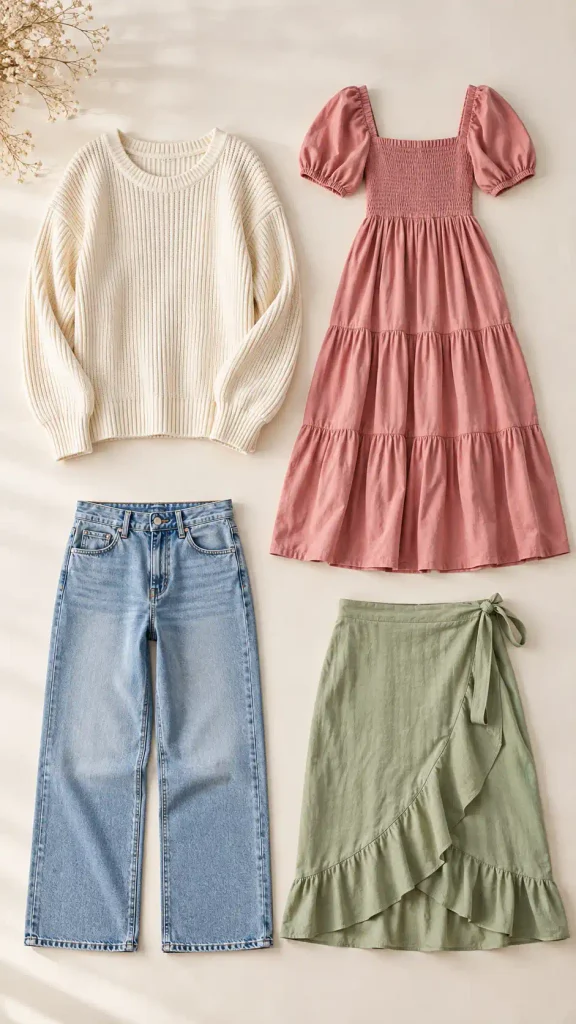
Practical specifics.
| Appointment | What helps |
|---|---|
| Blood test or vaccination | Short or loose sleeves that push above the elbow |
| Blood pressure check | Same — a tight sleeve gives a poor reading |
| General physical | Two pieces, easy layers, slip-on shoes |
| Mammogram | Two pieces, no deodorant or lotion, no metal at the chest |
| MRI | Completely metal-free, loose cotton |
| X-ray | No metal in the area being imaged |
| Physiotherapy | Something you can move in; shorts if it’s legs or knees |
| Dermatology | Easy to undress; no makeup on areas being examined |
| Eye appointment | Sunglasses for afterward if pupils are dilated |
| Dental | Nothing tight at the neck |
And two that people don’t anticipate:
Eye appointments with dilating drops.
Your pupils stay dilated for hours afterward and bright light becomes genuinely uncomfortable. Bringing sunglasses is the single most useful thing you can do — and you may not be able to drive home, which is worth planning for.
Why Your Sunglasses Might Be Making Things Worse
And anything involving your feet.
Socks you don’t mind removing, and shoes that come off easily — and it’s worth knowing you may be walking on a clinic floor.
And the rule that overrides everything here:
Follow the instructions you were given.
The department’s own guidance is specific to your appointment and supersedes any general advice — including all of this.
Comfort and Dignity
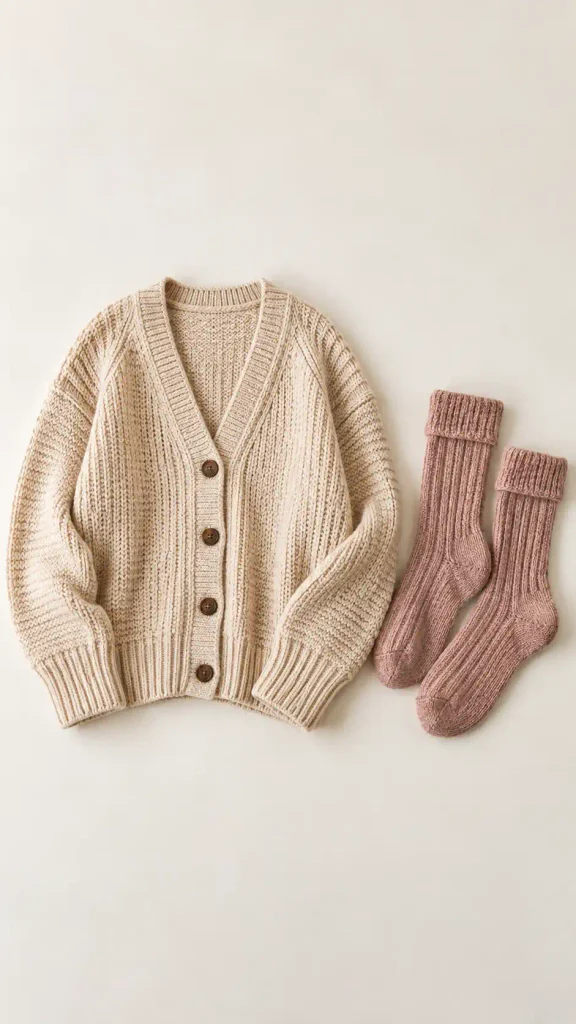
The part that affects how the appointment feels.
Take a cardigan.
Clinical rooms are kept cool, and you’ll frequently be partly undressed — being cold makes an already uncomfortable situation worse.
Wear socks you’re happy to be seen in.
Which sounds trivial and isn’t — shoes come off more often than people expect.
And choose underwear you feel comfortable in.
Not for anyone else’s benefit — for yours. Medical appointments involve a degree of exposure, and feeling reasonably put together underneath makes a genuine difference to how self-conscious the appointment feels.
Underwear: The Fabric Choice That Matters More Than the Style
And a two-piece outfit again, because it means less undressing.
And for longer appointments and procedures:
Comfortable, loose, and easy to get on and off afterward.
Which matters particularly if you’ll be sore, bandaged, or moving differently on the way out.
And bring a bag you can carry things in.
Clothes, shoes, paperwork, and whatever you’re given — and hospital changing areas rarely have anywhere useful to put things.
And the honest note about anxiety:
Wearing something you feel comfortable and unremarkable in genuinely helps.
Appointments can be stressful, and removing one small source of self-consciousness is worth doing — which is a legitimate reason to think about this at all.
For Someone Else’s Appointment
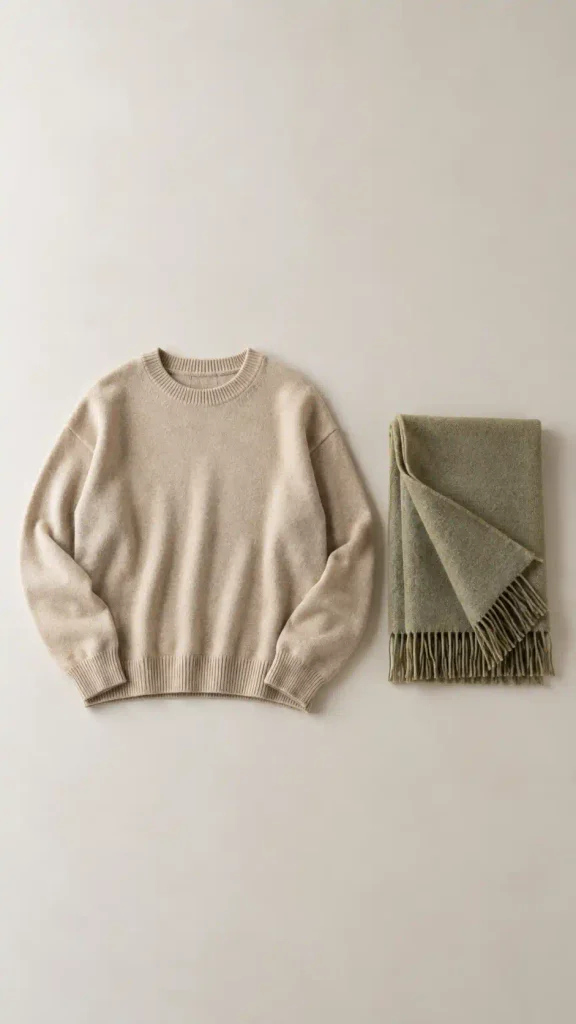
If you’re accompanying someone.
Dress for a long wait.
Hospital appointments overrun routinely — and waiting rooms are either too hot or too cold, sometimes both in one visit.
Layers, comfortable shoes, and something you can sit in for hours.
And practical, because you may be helping.
Carrying, fetching, helping someone dress or undress — which argues against anything you’d be managing.
And for helping someone else get dressed:
Front-fastening, loose, stretchy and simple.
Anything that goes over the head is considerably harder to manage when someone is sore, has limited mobility, or has a line or dressing in place. Front-opening garments are the single most useful thing in this situation.
And adaptive clothing is a real category, with magnetic and velcro closures — worth knowing exists if this is a recurring situation.
And for children’s appointments:
Something familiar and comfortable.
Easy to remove, nothing itchy, and a spare set in the bag.
And a favorite item to hold, which isn’t clothing advice and is the most useful thing you can bring. How to Buy Clothes for Children
👉 Shop Now — Lightweight Cardigan
The Preparation Checklist

Five minutes the night before.
Read the instructions you were sent.
They override everything else — and they frequently contain the specific thing that matters for your appointment.
Lay out a two-piece outfit with easy sleeves.
Check for metal, if it’s any kind of imaging.
Skip the deodorant and lotion if it’s a mammogram.
Pack a layer, a bag, and sunglasses if your eyes are being dilated.
And leave jewelry at home for anything involving imaging.
And the general principle:
Almost everything here reduces to two things: wear two pieces, and remove the friction between arriving and being examined. Which sounds trivial and genuinely changes how the appointment goes — for you and for the person running it.
And the boundary worth restating:
This is about clothing and logistics, not medicine.
Anything about the procedure itself, whether you should have it, what to expect or how to prepare medically comes from your clinical team — and their instructions always take precedence over a general guide.
And if you’re unsure about what to wear:
Phone and ask.
Reception and imaging departments answer this question constantly, and they’d far rather tell you in advance than have you arrive in the wrong thing.
The Short Version
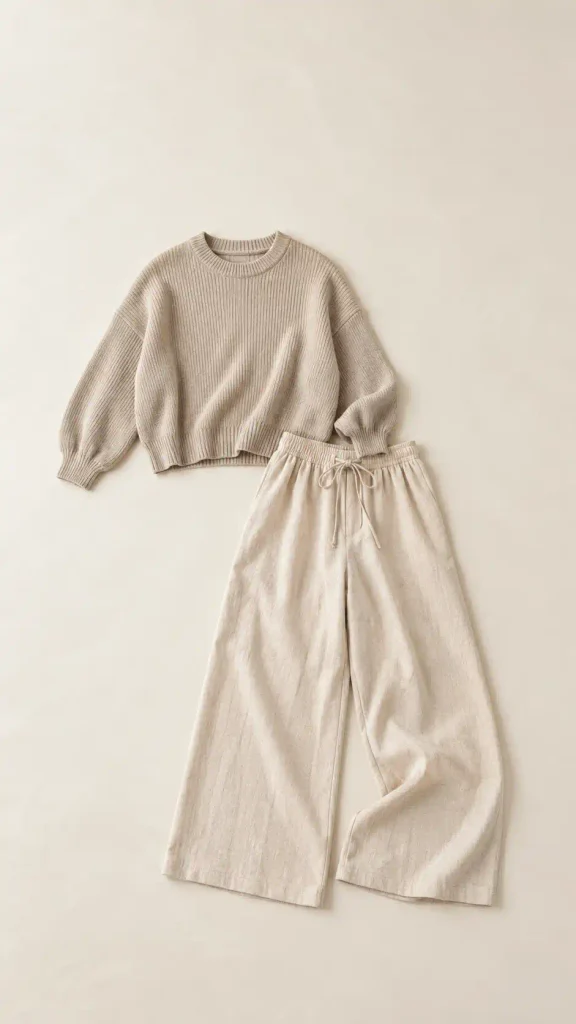
Two pieces, never a dress. You undress only the half being examined — faster, warmer and less exposing.
No deodorant, antiperspirant, powder or lotion on the day of a mammogram. Metallic particles can appear as spots on the image — which can mean an unclear result and a repeat scan.
For an MRI, metal-free is a safety requirement. No underwires, zippers, rivets or hair clips — and leave credit cards at home, because the field can damage them.
Loose or short sleeves for anything involving your arm. Blood tests, vaccinations and blood pressure — a tight sleeve also gives a poor reading.
And take a cardigan and sunglasses. Clinics are cold, and dilating drops make bright light genuinely uncomfortable for hours.