Adults Are Buying Toys For Themselves Again—25 Things That Explain Why “Kidulting” Is Everywhere


The toy aisle has a new customer: someone with bills, a work calendar, lower-back opinions, and absolutely no intention of pretending they do not want the tiny collectible frog.
For a long time, adulthood came with an unofficial visual cleanup.
The toys disappeared. The posters came down. The action figures went into boxes. Stuffed animals became “childish.” Play was supposed to survive only in socially approved disguises: sports, expensive hobbies, or occasionally yelling at a television during a game.
Then adults started quietly putting the toys back.
Building sets appeared on coffee tables. Plush toys moved onto office chairs. Trading cards returned in protective sleeves that cost more than the childhood decks ever did. Dolls became display pieces. Miniature rooms became weekend projects. Blind boxes became desk décor. Retro handhelds, model kits and die-cast cars stopped apologizing for being fun.
The toy industry noticed.
In one U.S. market snapshot from Circana, households without children accounted for 55% of toy sales, while toy sales to adults 18 and older grew 25% and made adults the largest contributor to industry growth. The same tracking showed strong demand for trading cards, collectibles, building sets, arts and crafts, action figures and fandom-driven products. Circana.
That does not mean every adult suddenly owns a shelf of tiny plastic creatures.
It does mean the old idea that toys have a hard expiration date is becoming much harder to defend.
Even toy companies are speaking directly to grown-ups. LEGO maintains a large 18+ product range built around complex projects, fandoms and display pieces. Hasbro introduced the first Play-Doh line designed specifically for adults, turning the familiar modeling compound into a floral craft-and-display product. LEGO 18+ range; Hasbro.
Psychology offers part of the explanation, but it is worth being careful here. Research on adult playfulness consistently finds positive associations with things such as positive emotion, engagement, relationships and wellbeing. A qualitative study of playful memories from adults across many national backgrounds identified positive emotion, stress reduction, social bonding and learning as recurring meanings people attached to play. Those findings do not mean buying a toy is treatment for stress or loneliness. They do suggest that adulthood does not cancel the human capacity to benefit from play. PubMed; PubMed.
Then there is nostalgia.
Research has linked nostalgic reflection with self-continuity—the feeling that your past and present selves still belong to the same story—as well as social connectedness and meaning. That makes the appeal of rebuying a childhood object a little more interesting than “grown adult likes old toy.” Sometimes the object is also a shortcut back to a person, place, era or version of yourself. PubMed.
One important distinction: play and collecting can be enjoyable without every purchase being wise. Blind boxes, artificial scarcity and “complete the set” mechanics can increase impulse buying pressure. Recent consumer-behavior research has found that scarcity can increase blind-box impulse-purchase intentions, while studies of blind-box communities highlight novelty, emotional value, group belonging and the thrill of uncertain reveals. So this article is not “buy more stuff and feel better.” It is about why adults are letting play back into their lives—and where the fun can turn into expensive compulsion. Journal of Retailing and Consumer Services; Scientific Reports.
With that established, here are 25 things making “kidulting” look less like a weird exception and more like a full-blown cultural shift.
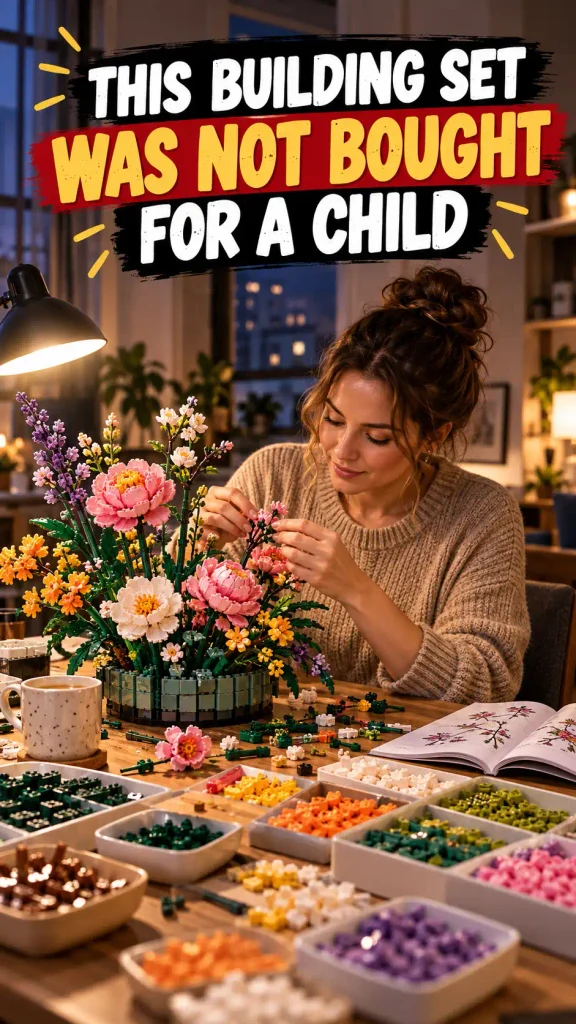
1. Building Sets Grew Up With Their Builders
The easiest way to understand kidulting is to look at modern building sets.
They are no longer all designed to be finished before dinner and scattered across a bedroom floor.
Adult-targeted sets can take hours or days. They recreate architecture, plants, vehicles, artwork and pop-culture objects. Some are explicitly sold as home décor after the building part is over.
That changes the social meaning of the toy.
A complicated building set sits somewhere between puzzle, craft project, collectible and decoration. The pleasure is not only “I own this.” It is “I spent three evenings making this exist.”
Circana’s market tracking has shown strong growth in building sets, while LEGO’s own adult shop describes its 18+ products as complex building challenges, collectibles and display pieces.
The toy did not become less playful.
It simply acquired better lighting and a shelf.
What changed: building toys became long-form projects and décor, not just children’s playsets.
Why adults like them: clear progress, tactile focus and a finished object worth displaying.
Reality check: premium sets can become an expensive habit very quickly.
2. Plush Toys Became Desk Companions, Couch Décor And Emotional Support Objects
There was a time when keeping a stuffed animal on your bed after a certain age felt like information you were supposed to conceal.
That rule appears to have collapsed.
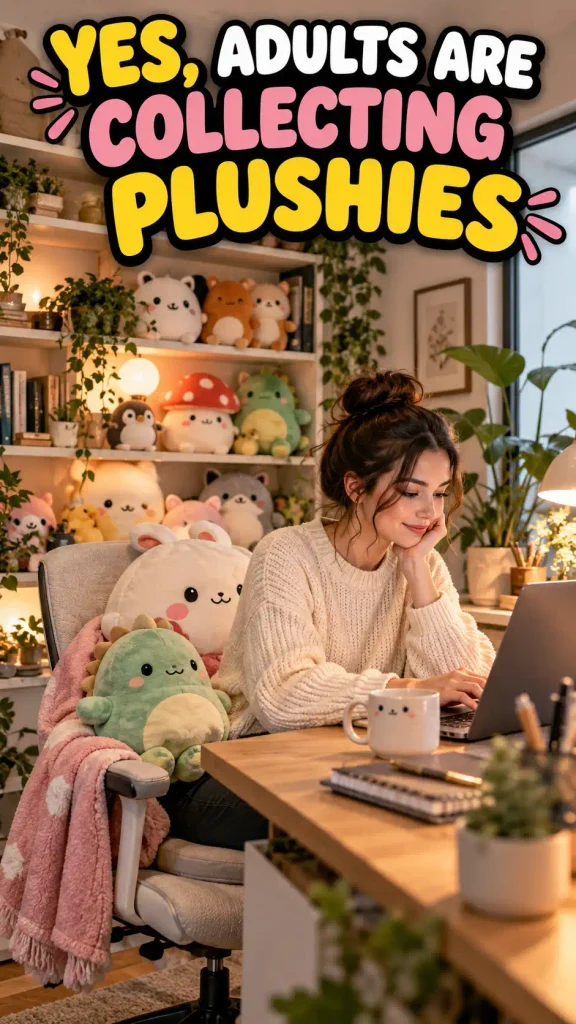
Adults now collect plush characters for display, carry miniature plush charms on bags, decorate couches with them and keep small soft toys on desks.
Part of the appeal is obvious: they are cute.
Part of it is sensory. Softness is pleasant. Holding something plush while reading, gaming or sitting through a stressful workday requires no elaborate theory.
And part of it is permission.
Adults spent years being told a home should look sophisticated by removing evidence of childish joy. Now some people are deciding that a serious living room can survive the presence of one ridiculous smiling dumpling.
What changed: plush moved from “nursery object” to collectible, décor and comfort object.
Why adults like it: softness, humor, character design and low-stakes comfort.
Useful rule: collect what you actually like, not what social media has declared “rare.”
3. Blind Boxes Turn Buying Into A Tiny Event
With a normal collectible, you buy the object you want.
With a blind box, you buy uncertainty.
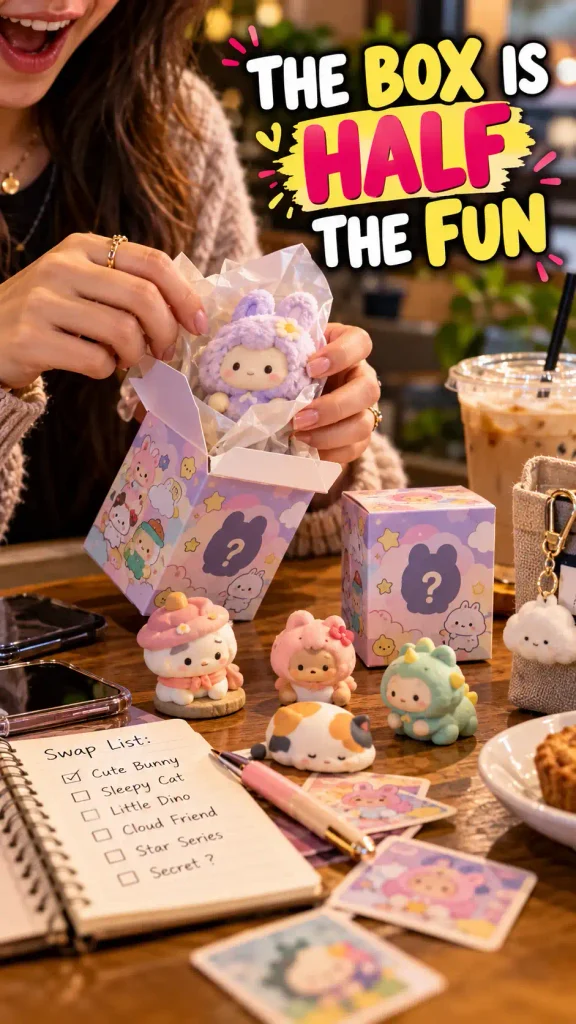
You know the possible designs but not which one is inside. The product reveal becomes part of the entertainment.
Research on blind-box purchasing repeatedly points to that combination of novelty, surprise, aesthetics, emotional value and community. The unboxing moment is short, but anticipation gives the purchase a little narrative arc:
Which one did I get?
Is it the one I wanted?
Is it rare?
Do I now need another?
That last question is where the cute part becomes complicated. Studies of scarcity in blind-box markets have found that limited availability can increase impulse-purchase intentions, and qualitative work with U.S. consumers has described an impulsive repurchase loop around uncertain collectibles.
The surprise is fun.
The surprise is also a sales mechanism.
What changed: the package reveal became part of the toy itself.
Why adults like it: anticipation, design, swapping and community conversation.
Reality check: set a spending limit before chasing a “secret” figure.
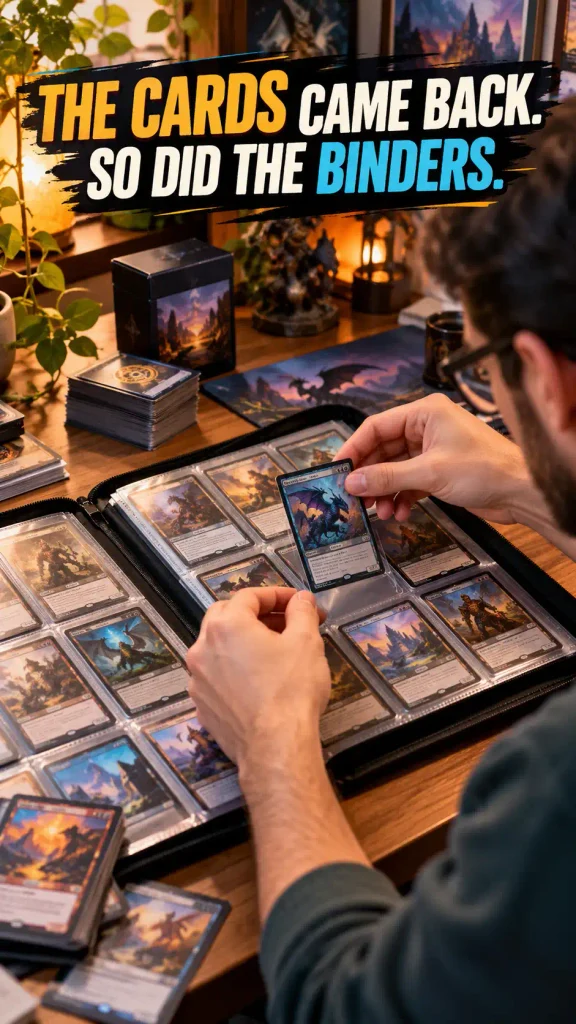
4. Trading Cards Never Really Left—Their Owners Just Got Salaries
Childhood trading-card collections were usually constrained by an economic problem known as “being eleven.”
Adult collectors have different limits.
Cards now sit at the intersection of game, fandom, artwork, social hobby and collectible market. Circana’s toy tracking has repeatedly identified trading cards as a major driver of toy-industry growth.
Some adults actually play the games.
Some collect particular characters or artists.
Some enjoy sorting and cataloging.
Some care about rarity and resale.
And some are simply rebuilding the binder they wish they had never sold at a garage sale.
The useful distinction is between collecting because the cards mean something to you and buying because you believe every sealed pack is a tiny retirement account.
Collectibles can rise in value. They can also become expensive cardboard.
What changed: childhood card hobbies became multigenerational fandom and collector ecosystems.
Why adults like them: art, nostalgia, games, trading and completion goals.
Healthy boundary: treat speculative value as uncertain, not guaranteed.
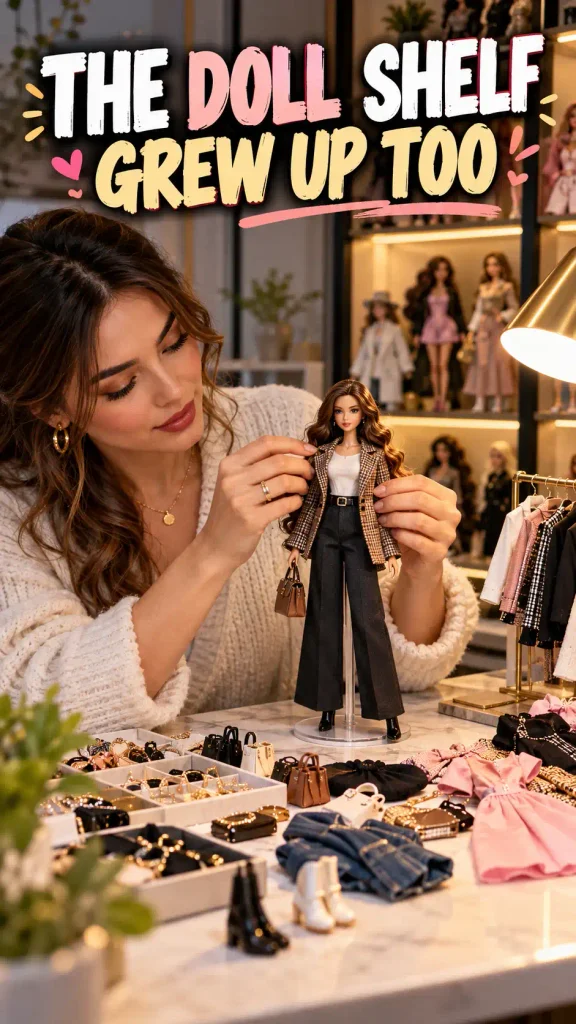
5. Dolls Are Being Bought To Display, Restyle And Photograph
Dolls were once expected to leave your life around the same time as multiplication tables.
Collectors did not get the memo.
Adults buy fashion dolls, nostalgic reissues, art dolls and character dolls for reasons that have little to do with traditional pretend play.
Some restyle outfits.
Some reroot hair.
Some build miniature scenes.
Some photograph them.
Some keep them pristine in boxes because apparently adulthood contains infinite varieties of stress.
The appeal combines design, fashion, nostalgia and collecting. A doll can be a toy and a miniature styling object at the same time.
There is also something quietly subversive about reclaiming a category many people were once told they were “too old” to enjoy.
What changed: dolls became fashion objects, photography subjects and adult collectibles.
Why adults like them: styling, character design, nostalgia and customization.
Reminder: display value is personal; a collectible does not need resale value to justify existing.
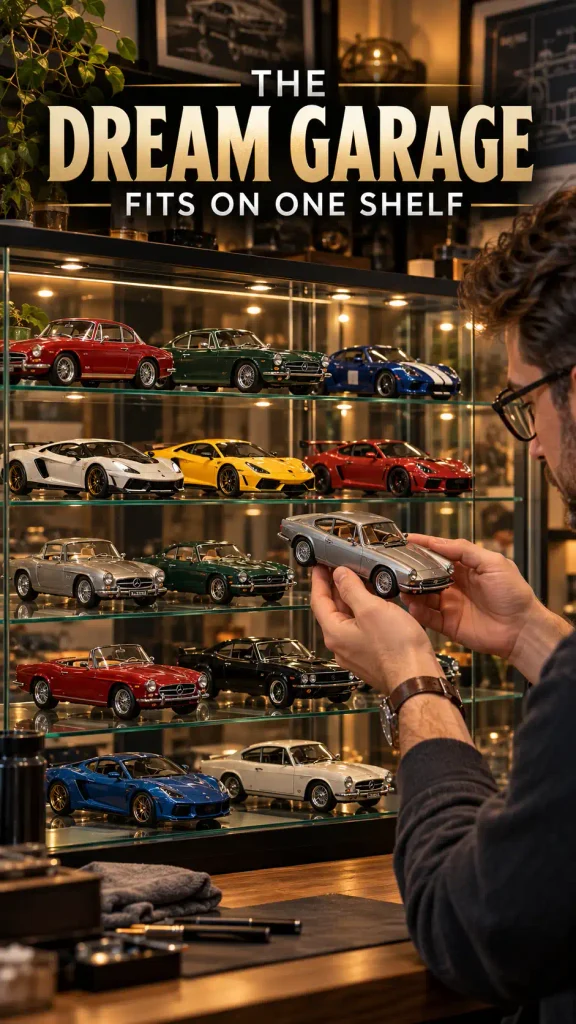
6. Die-Cast Cars Let People Own A Garage That Fits On A Shelf
Real dream cars have an unfortunate tendency to cost real dream-car money.
Miniature versions are more cooperative.
Die-cast cars and detailed vehicle models appeal to adults who love automotive design, motorsport, nostalgia or simply tiny things with opening doors.
A collector can recreate the car their father drove, the race car they watched as a child, the impossible supercar from a bedroom poster or an entire imaginary garage that requires twelve inches of shelf instead of twelve parking spaces.
The scale is part of the joke and part of the pleasure.
You can obsess over paint color and wheel design without needing insurance.
What changed: toy cars became miniature design and motorsport collectibles.
Why adults like them: attainable versions of otherwise inaccessible vehicles and memories.
Collector trap: “small” does not mean “takes up no space” once there are 300 of them.
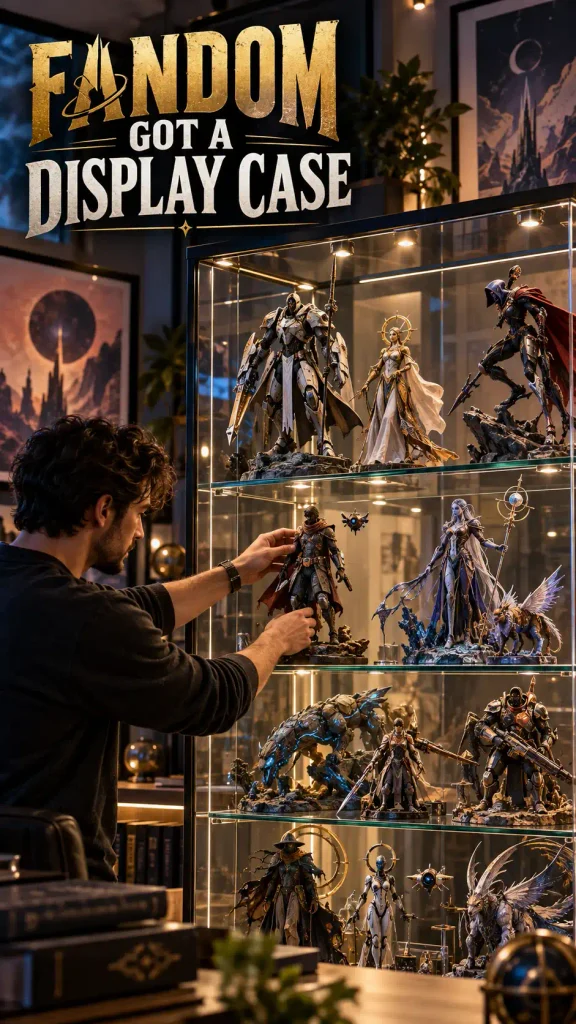
7. Action Figures Became Tiny Pieces Of Fandom
An action figure is basically three things at once:
A toy.
A small sculpture.
And proof that somebody became emotionally attached to a fictional person.
Adult collectors often care about articulation, sculpt quality, costume accuracy, packaging, accessories and the ability to recreate a scene that lasted approximately nine seconds in a movie they have watched twenty times.
Circana’s tracking shows licensed toys continuing to occupy a large share of toy sales, which helps explain why figures tied to films, games, anime, comics and sports remain powerful.
Fandom gives toys an adult social language.
You are not merely buying a figure.
You are displaying which fictional universe has been occupying rent-free space in your brain since adolescence.
What changed: figures became high-detail fandom collectibles rather than disposable playthings.
Why adults like them: character attachment, design accuracy and display culture.
Value test: would you still like it if nobody online knew it was rare?
8. Model Kits Turn Patience Into A Physical Object
Model kits appeal to a different part of the adult brain than instant collectibles.
You do not open the box and receive the finished thing.
You receive homework—but enjoyable homework.
Parts have to be clipped, fitted, sanded, painted or decaled depending on the kit. The result reflects how much patience you brought to it.
That makes model building closer to craft than shopping.
Cars, aircraft, robots, ships and fantasy models all offer the same basic satisfaction: a pile of confusing pieces becomes something recognizable because you stayed with it.
Adult hobbies often become attractive precisely because progress is visible.
Your email inbox may refill overnight.
The wing you finished on the model plane stays finished.
What changed: model kits remain toys, but the adult appeal is process-heavy and craft-like.
Why adults like them: concentration, visible progress and customization.
Best start: choose a beginner kit before buying professional-grade tools.
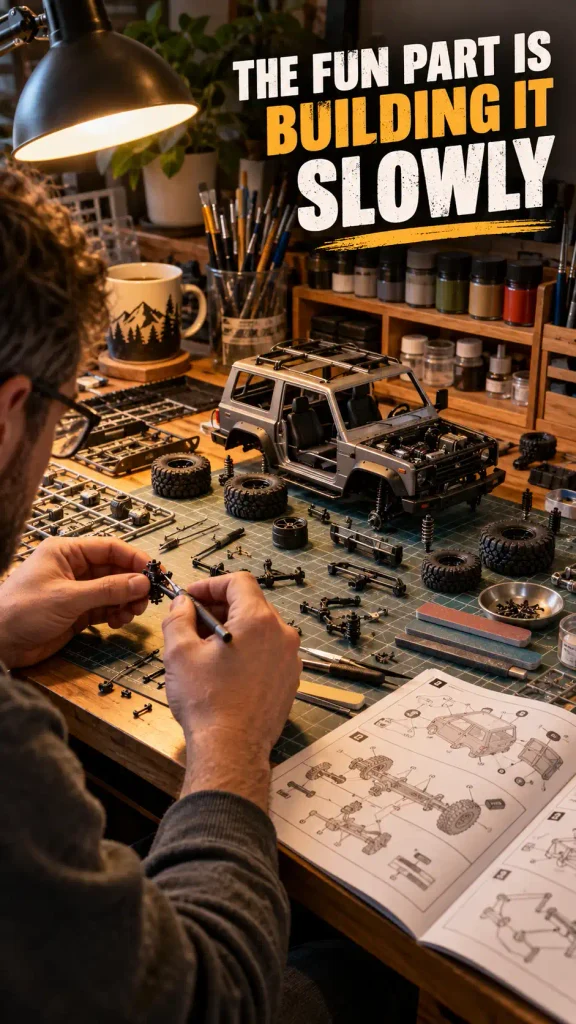
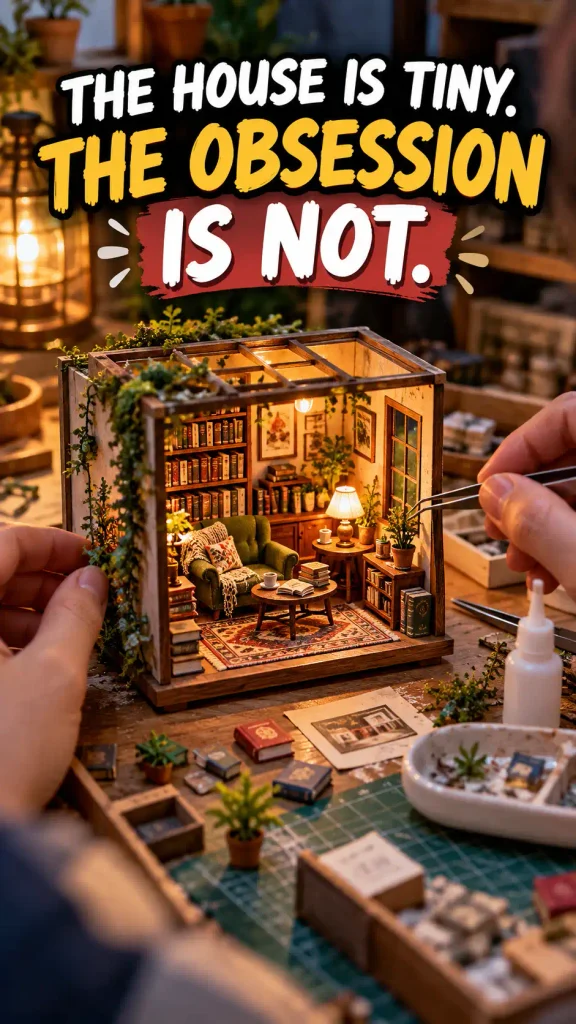
9. Miniature Rooms Let Adults Decorate A House With Zero Mortgage
Miniature building is perhaps the purest form of adult financial fantasy.
You can install a walnut kitchen, a velvet reading chair and an absurdly charming lamp for the price of one normal chair cushion.
Adults build miniature cafés, libraries, houses, greenhouses and fantasy rooms from kits or scratch. The hobby combines architecture, interior design, crafting and the deeply satisfying ability to control an entire world with tweezers.
The scale also changes what counts as material.
A bottle cap becomes a table.
A scrap of fabric becomes a rug.
A broken earring becomes a chandelier.
Suddenly the recycling bin is an architectural supply store.
What changed: dollhouses became detailed adult design and maker projects.
Why adults like them: world-building, décor and intense tiny-scale problem solving.
Danger: you may begin evaluating trash by whether it could become a 1:12-scale lamp.
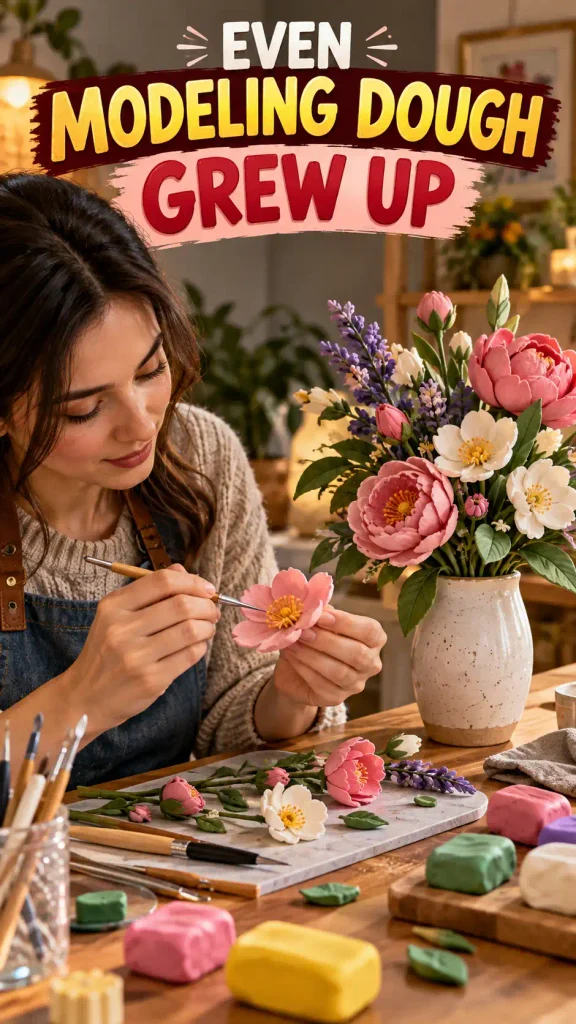
10. Even Play-Doh Is Being Redesigned For Grown-Ups
This may be the clearest possible sign that the adult-toy market is not imaginary.
Hasbro created a Play-Doh line specifically for adults, built around sculpting realistic floral arrangements intended to be displayed.
Think about how strange that would have sounded under the old rules of adulthood.
The exact same basic material associated with childhood tables and mysterious carpet stains is being reframed as slow, tactile, decorative crafting.
The product did not need to stop being playful to become adult.
The context changed.
That is kidulting in miniature: familiar play material, grown-up aesthetic, no apology.
What changed: companies are designing familiar child-associated materials directly for adults.
Why adults like it: tactile creativity with an easy entry point and displayable result.
Bigger lesson: “adult” often describes presentation more than the underlying act of play.
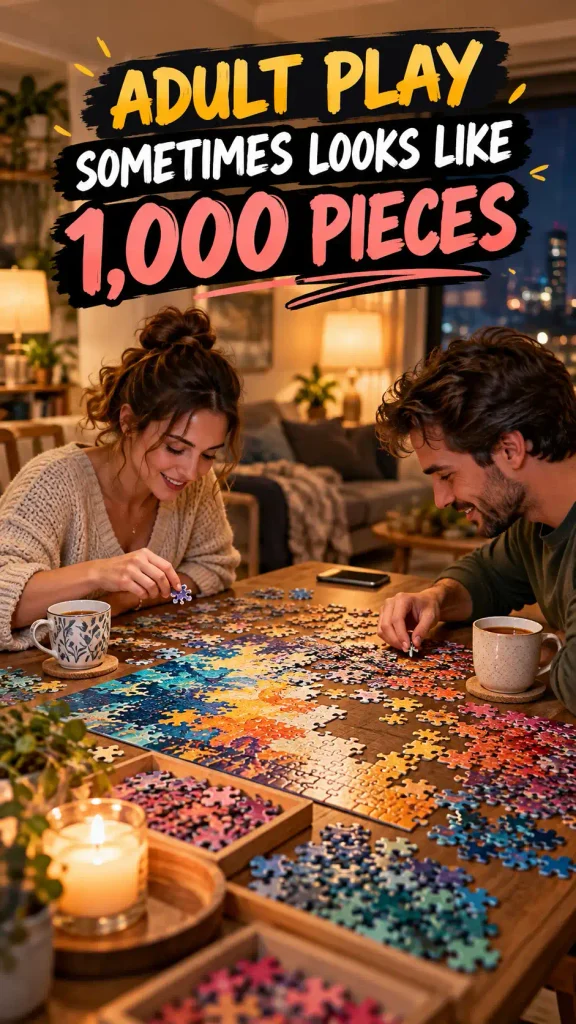
11. Puzzles Became The Acceptable Gateway Drug To Play
People who insist they “are not toy people” will sometimes spend six hours trying to locate one piece of blue cardboard that belongs to the sky.
Puzzles have always enjoyed a strange exemption from the toy stigma.
They are sold as relaxing, cerebral and respectable—which is useful, but they are still play.
Circana groups games and puzzles among the strongest-performing toy categories in its recent U.S. tracking.
The appeal is particularly adult-friendly because a puzzle gives you a finite problem.
The world is full of tasks that regenerate forever.
A 1,000-piece puzzle eventually ends.
That is almost luxurious.
What changed: puzzles became lifestyle leisure products as much as family toys.
Why adults like them: clear goals, tactile focus and a visible ending.
Social bonus: two people can work on one without needing constant conversation.
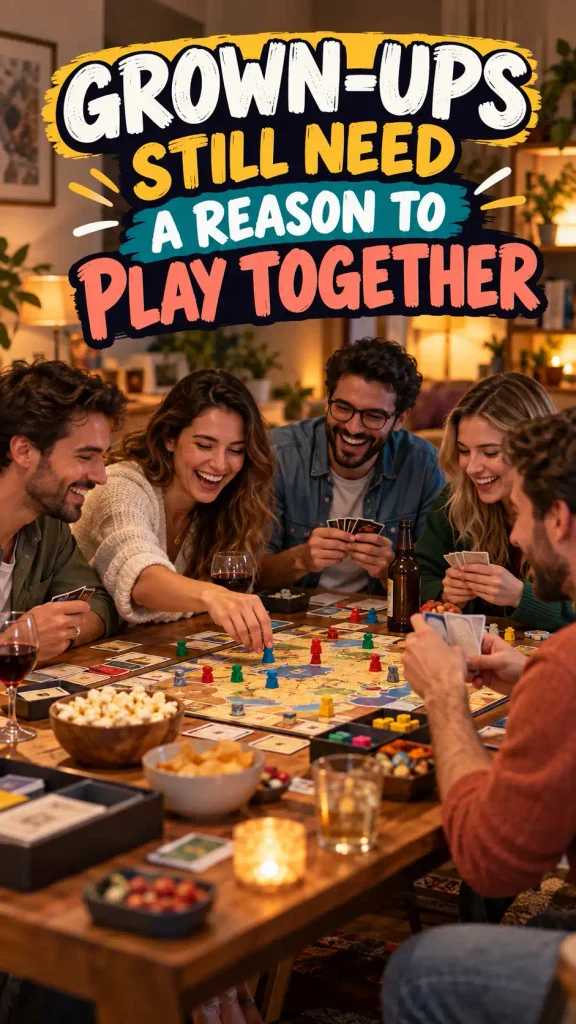
12. Board Games Got More Complicated Because Adults Asked Them To
Adult board gaming is what happens when somebody looks at a childhood board game and says, “What if this had a 40-page rulebook and a trade economy?”
Modern games range from five-minute party games to sprawling cooperative campaigns that occupy a table for an entire evening.
They are toys with social infrastructure built in.
That matters because adult friendship often needs an excuse to happen. A game night gives people a reason to gather that is more specific than “we should hang out sometime.”
The game creates a shared problem, conflict, joke or betrayal before anybody has to produce an interesting life update.
Play becomes social glue.
What changed: board games expanded into deep adult hobby ecosystems.
Why adults like them: structured social time, strategy and shared stories.
Good entry point: choose games that match the group’s patience, not the host’s personal obsession with rulebooks.
13. Retro Games Let People Revisit A Childhood Skill They Never Forgot
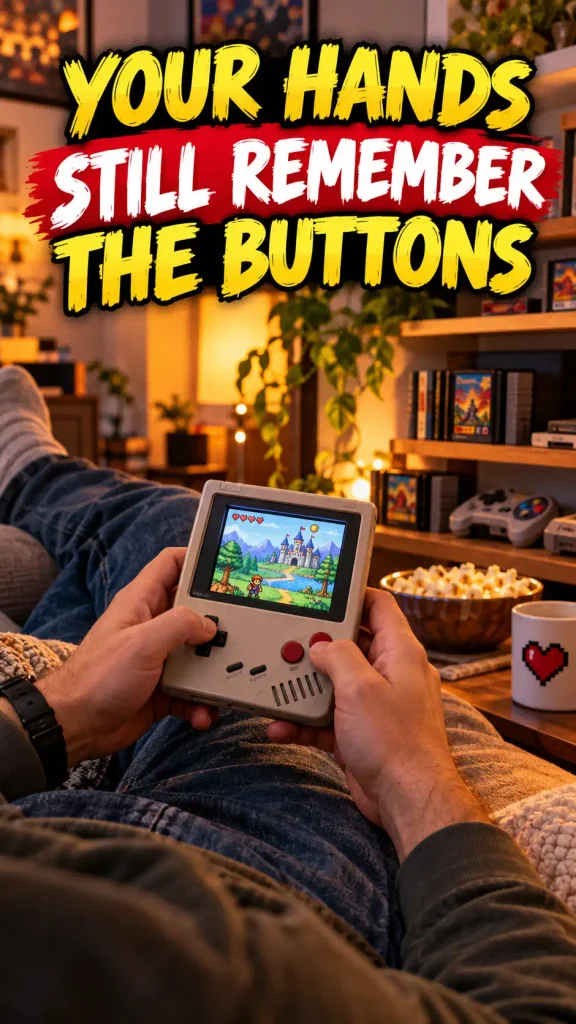
Old games have one enormous advantage: your hands may remember them before your brain does.
Retro consoles, handheld emulators, mini arcade machines and rereleased classics let adults revisit familiar game loops with much better purchasing power and, theoretically, better bedtime judgment.
The experience is not identical to childhood.
You are different.
The screen is probably better.
You may now understand that the boss battle was not unfair; you were just nine.
That contrast can be part of the pleasure.
Nostalgia research suggests that revisiting meaningful past experiences can support feelings of self-continuity—the sense that earlier and present versions of yourself are connected.
Sometimes that connection has a start button.
What changed: childhood games became preserved media, collectibles and adult leisure.
Why adults like them: memory, competence and familiar comfort.
Healthy test: are you enjoying the game now, or only chasing the feeling you remember?
14. Digital Pets Came Back Because Apparently We Missed Being Needed By Pixels
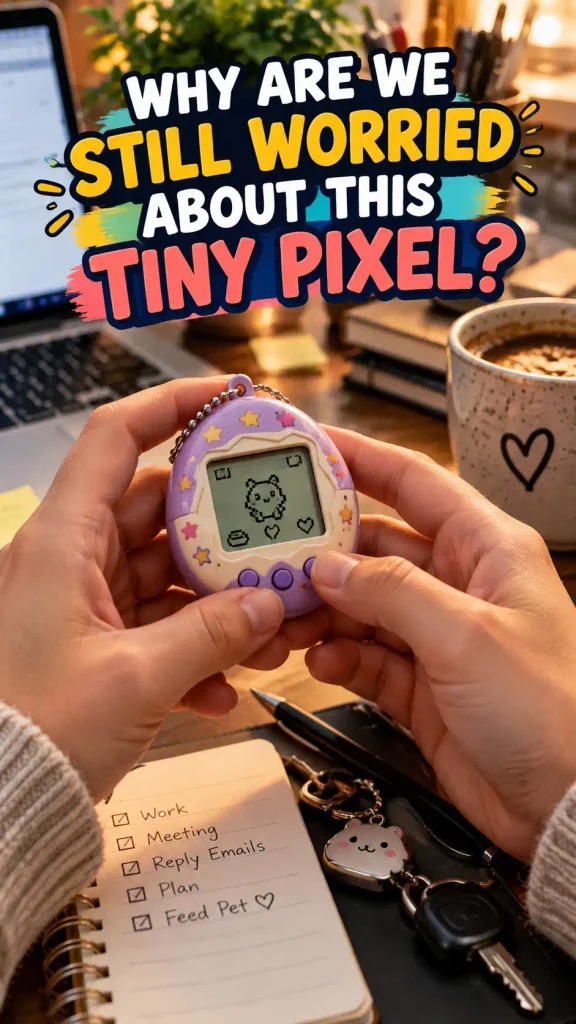
There is something beautifully irrational about worrying that a tiny digital creature has not been fed.
Virtual pets work because they create a miniature routine. Feed. clean. check. train. keep alive.
Modern versions and retro reissues tap into both nostalgia and the appeal of tiny ongoing systems.
The responsibility is fake.
The attachment can be surprisingly real.
That distinction explains a lot about toys generally. Humans are capable of assigning meaning to objects, characters and rituals while fully understanding that they are invented.
Knowing the creature is pixels does not stop you from checking whether it looks sad.
What changed: digital pets became retro-tech collectibles as well as simple games.
Why adults like them: nostalgia, routine and low-stakes caretaking.
Useful perspective: tiny digital responsibility is entertainment, not a substitute for actual relationships.
15. Sensory Toys Found Their Way Onto Adult Desks
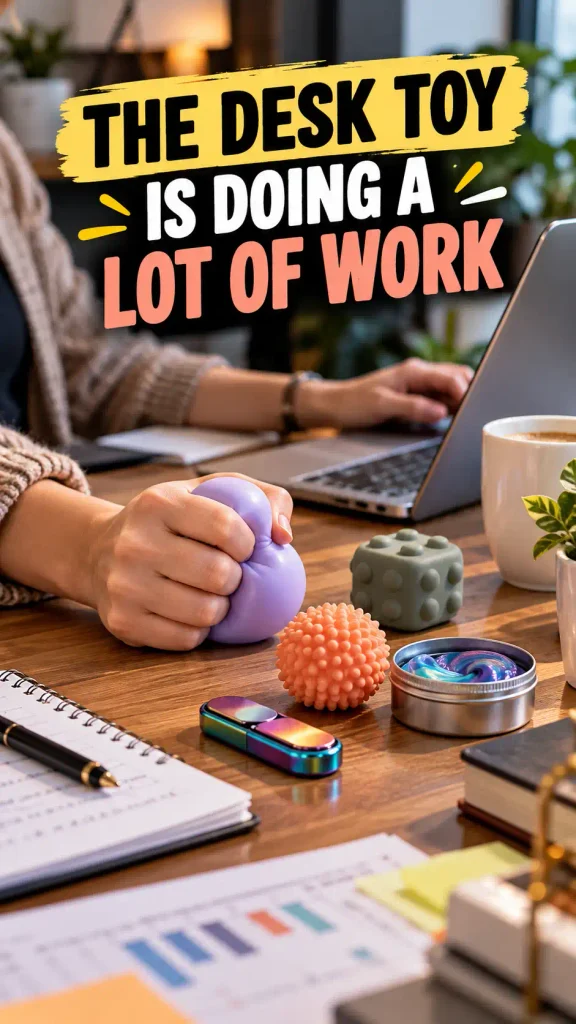
Squeezable toys, putty, textured objects, sliders and fidgets are increasingly sold far beyond children’s aisles.
Circana has identified sensory and squishy toys as fast-moving parts of the toy market.
The adult use case is straightforward: hands like having something to do.
Some people use a small tactile object while thinking, sitting in meetings or trying not to click another browser tab.
That does not make every fidget a clinical tool, and products should not be marketed as treating attention or anxiety without evidence.
Sometimes a squishy object is just satisfying to squish.
That is allowed to be enough.
What changed: sensory toys moved into adult workspaces and lifestyle retail.
Why adults like them: texture, repetitive motion and something for restless hands.
Avoid overclaiming: pleasant sensory play is not automatically medical treatment.
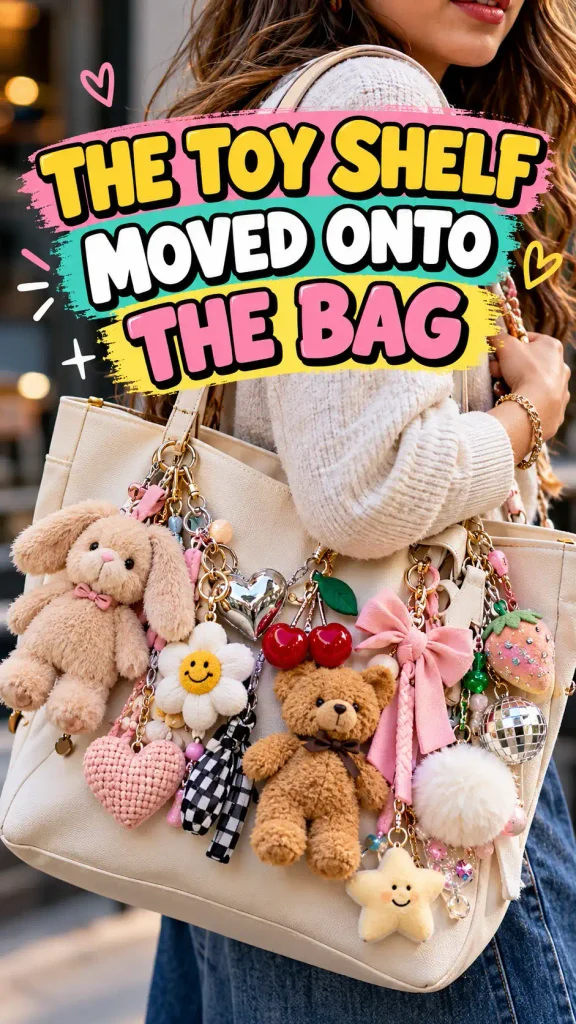
16. Bag Charms Turn Collectibles Into Something You Actually Carry
A collectible used to live on a shelf.
Now some of them travel.
Tiny figures, plush charms, miniature food, nostalgic trinkets and toy-like keychains have migrated onto bags, phone straps and backpacks.
The bag becomes a small personality board.
One charm says nothing.
Seven charms say, “I have decided subtlety is not my current project.”
This overlap between toy culture and fashion matters because it removes the old boundary between “collection” and “outfit.” A miniature object can be both toy-like and stylistic.
What changed: collectibles moved from storage/display into personal styling.
Why adults like them: portable identity, customization and low-commitment whimsy.
Practical note: expensive rare charms on public bags have a remarkable ability to become lost rare charms.
17. Nostalgic Reissues Let Adults Buy The Toy They Remember—Without Hunting An Auction Site
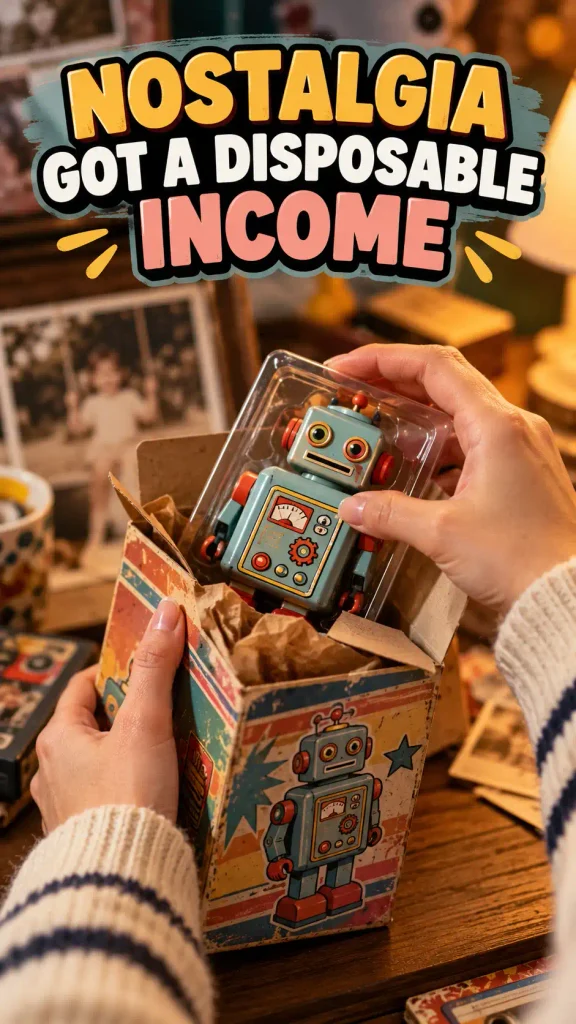
Nostalgia has become product strategy.
Toy companies regularly revive old packaging, characters, shapes and product lines because the child who loved them may now be the adult with money.
That does not make the nostalgia fake.
It does make it commercially useful.
Psychology research has shown nostalgia can strengthen feelings of connectedness, self-continuity and meaning. A recreated childhood toy can act like a physical memory cue.
You see the box and remember the carpet it sat on.
The friend you traded with.
The relative who gave it to you.
The bedroom you have not thought about in fifteen years.
A toy can be cheap plastic and still carry expensive memories.
What changed: retro toy design is now deliberately marketed to original generations of fans.
Why adults like it: the object reconnects them with personal memory, not just a franchise.
Marketing reality: nostalgia can be emotionally genuine and commercially engineered at the same time.
18. Adults Can Finally Buy The Thing Childhood Budgets Said No To
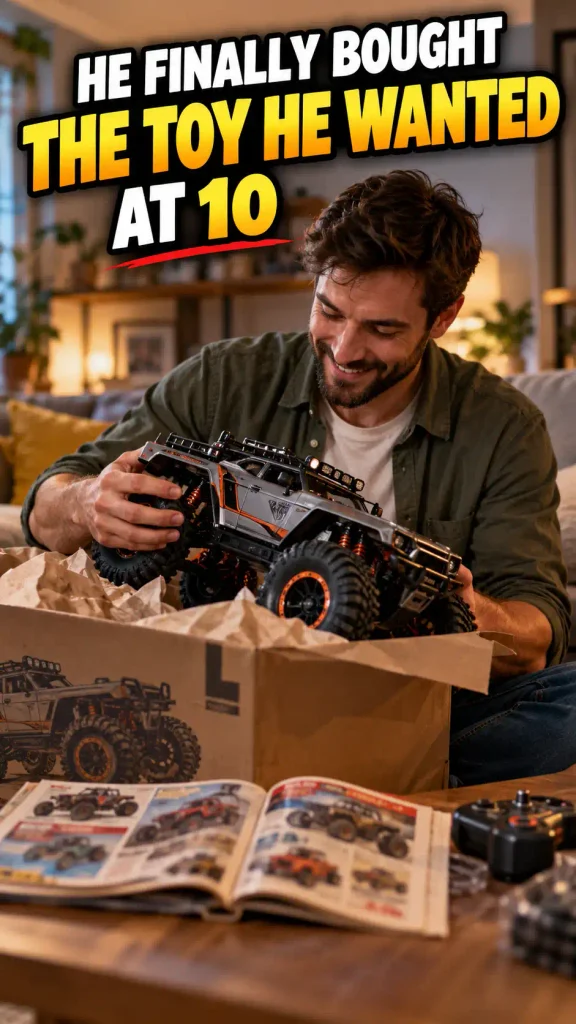
There is nostalgia, and then there is unfinished business.
Maybe there was a giant building set behind glass at the store.
A remote-control car somebody else had.
A doll your parents considered too expensive.
A collectible you saw in a catalog until the page became soft.
Adulthood sometimes offers a tiny revision to the story:
You can buy it now.
This does not require believing that consumption “heals your inner child,” a phrase often stretched far beyond what psychology can support.
The simpler explanation is enough. Something once inaccessible becomes accessible, and buying it feels satisfying because the object carries a history.
The price is not only paying for plastic.
It is paying for closure on a very old wishlist.
What changed: childhood desire met adult purchasing power.
Why it feels different: the object already has years of emotional context attached to it.
Good question before buying: do I still want this, or do I only remember wanting it?
19. Fandom Turned Toys Into Souvenirs From Stories
Licensed toys make sense once you stop viewing them only as objects.
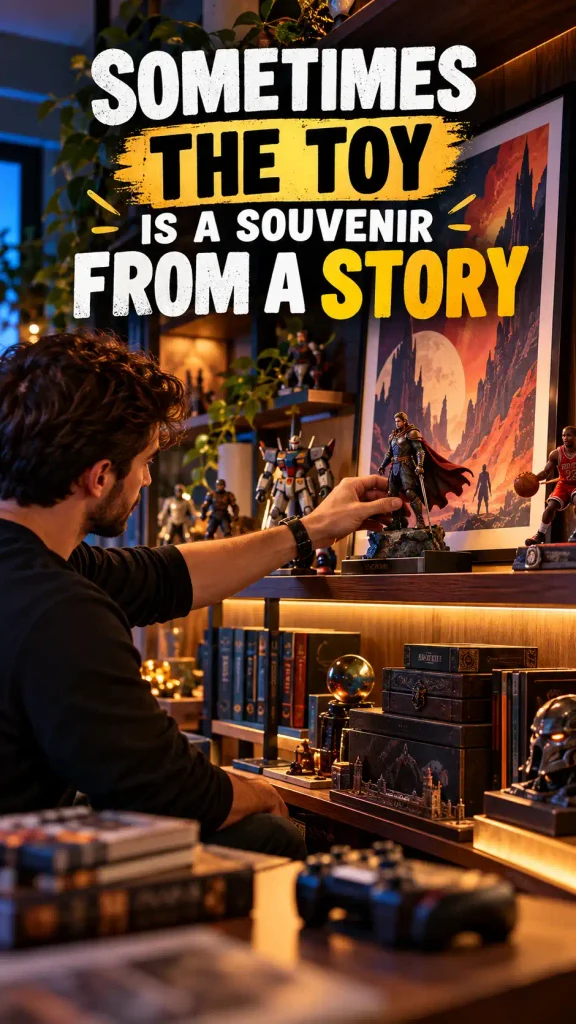
They are souvenirs from fictional places.
A figure from a favorite game, miniature vehicle from a film, creature from an anime series or model from a sports franchise is a physical reminder of an experience that happened on a screen, page or stadium broadcast.
Circana’s market data shows licensed products occupying a major share of toy spending, with entertainment and sports fandom helping drive demand.
Adults do not have to “play” with the object in the childhood sense for it to function emotionally.
A movie poster is also not watched.
It still means something on the wall.
What changed: toy collecting merged with broader fandom culture.
Why adults like it: physical reminders of stories, characters and communities they care about.
Good boundary: fandom does not require owning every licensed object it produces.
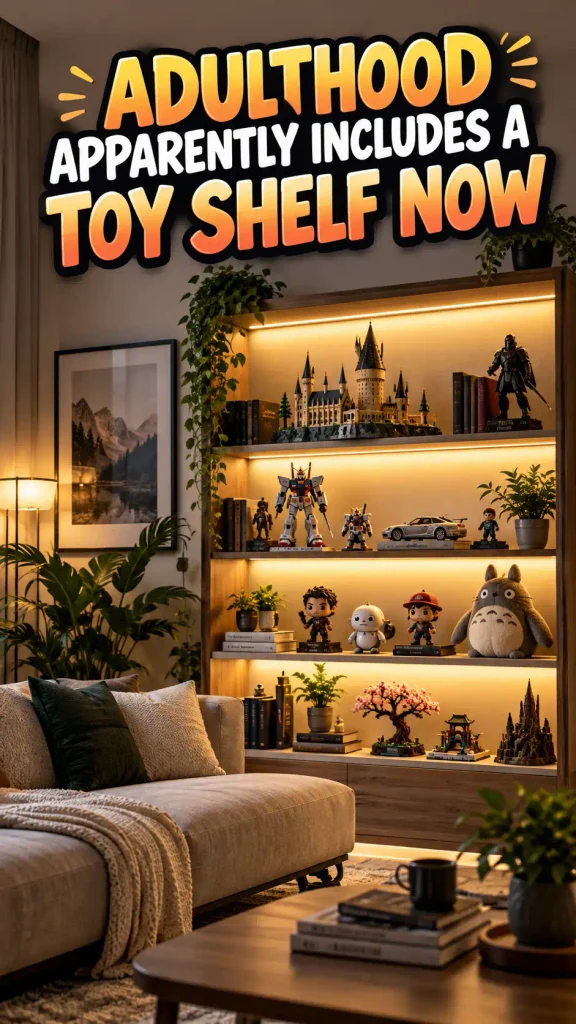
20. Toy Displays Became Interior Design
The old adult response to a collection was often: hide it.
The newer response is: light it properly.
Display cabinets, floating shelves, acrylic risers and dedicated “collector rooms” have turned toys into visible parts of home design.
This changes the relationship with the object.
A pile feels like clutter.
A curated display feels like a collection.
That distinction may be unfairly dependent on shelving, but shelving has won more cultural arguments than we admit.
Some adults rotate displays seasonally or by theme rather than putting everything out at once. That approach can make a collection feel intentional and prevent the house from slowly becoming a warehouse with a sofa.
What changed: toys moved from hidden storage to designed display.
Why adults like it: collections become visible autobiography and décor.
Useful rule: empty space can make the objects you love easier to notice.
21. Toy Photography Gave Collectors A Reason To Play Again
There is a difference between owning an action figure and spending forty minutes lying on the floor trying to photograph it as if it is escaping an explosion.
Toy photography turns collecting back into active play.
Adults build tiny sets, pose figures, add practical lighting and use forced perspective to create scenes. The camera gives the object a second job.
This is where the “I only display them” distinction becomes funny.
Many adult collectors are absolutely playing.
They have simply added lenses, editing software and extremely serious conversations about miniature lighting.
Play does not become less playful because the production quality improved.
What changed: photography transformed static collectibles into creative subjects.
Why adults like it: storytelling, technical challenge and an excuse to use the collection.
Best part: the creative output can matter more than the market value of the toy.

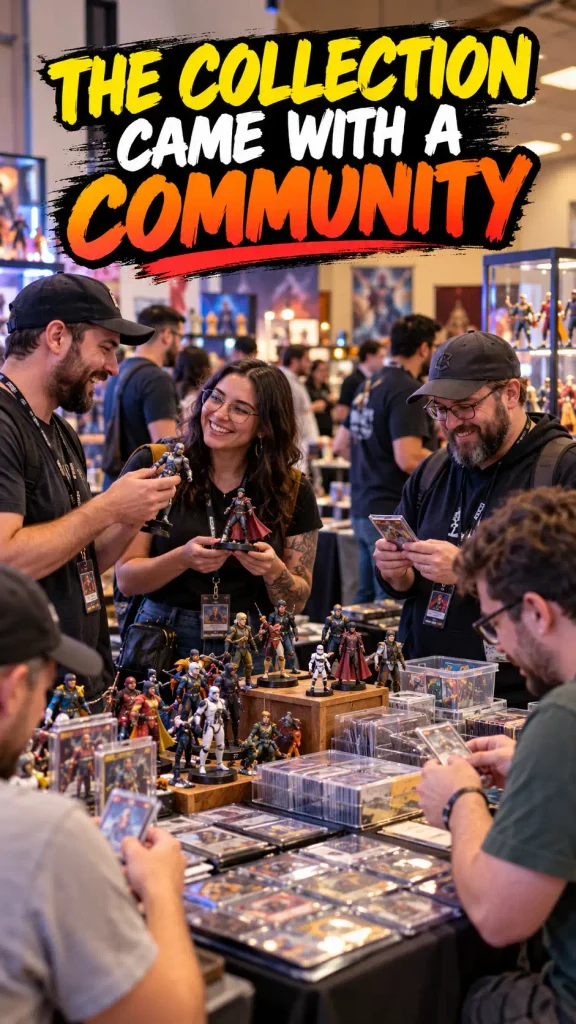
22. Conventions And Trading Groups Turn Collections Into Communities
A private collection can be deeply personal.
A shared collection becomes a language.
Toy fairs, card nights, model clubs, building communities, collector forums and conventions give adults a place to meet people who understand why a slightly different paint variation is apparently worth discussing for twenty minutes.
Blind-box research also points to community belonging as part of the purchase environment. Trading, sharing pulls and discussing rare designs turns an individual purchase into a social system.
That can be genuinely fun.
It can also amplify pressure.
If everybody in a community is chasing the newest release, “participation” can quietly start to feel like “keep buying.”
The healthiest communities have something to talk about besides acquisition.
What changed: collecting became networked through events and online/offline communities.
Why adults like it: shared expertise, trading and belonging.
Watch for: communities where status depends mainly on spending more.
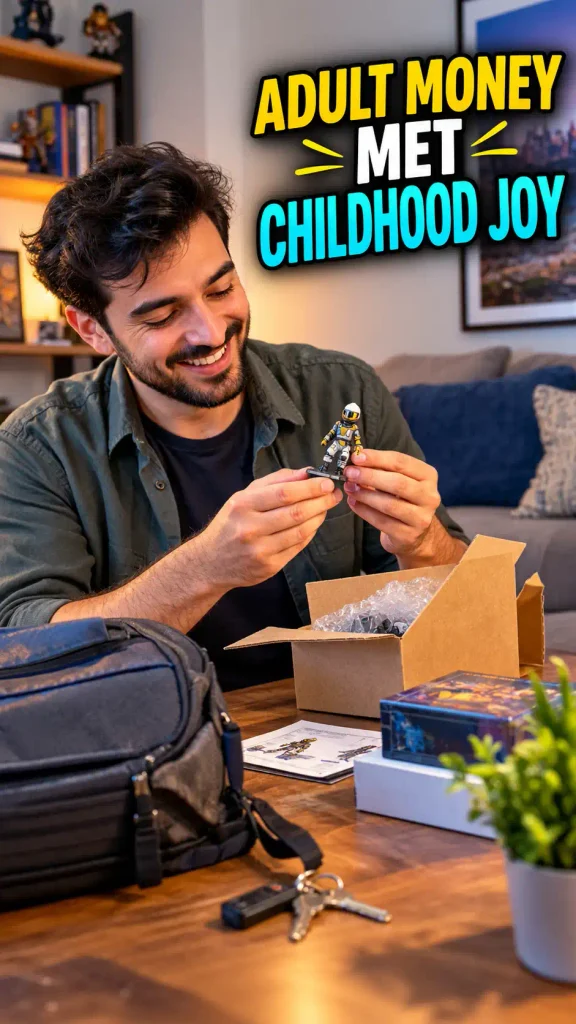
23. Self-Gifting Made Toys Easier To Justify
Children wait for birthdays.
Adults discover a dangerous new holiday called “I had a rough week.”
Toys fit neatly into self-reward culture because they are often emotionally expressive, nonessential and immediately enjoyable.
A small collectible can feel more personal than another practical household purchase.
And unlike buying a replacement charging cable, nobody has ever opened a tiny surprise figure and thought, “Finally, infrastructure.”
There is nothing inherently wrong with self-gifting.
The useful question is whether the purchase is occasional enjoyment or becoming the default response to every unpleasant feeling.
Retail therapy is still retail.
What changed: adults increasingly treat toys as legitimate gifts to themselves.
Why adults like it: immediate delight, personality and a sense of reward.
Healthy boundary: enjoyment is easier to sustain when it fits inside a real budget.
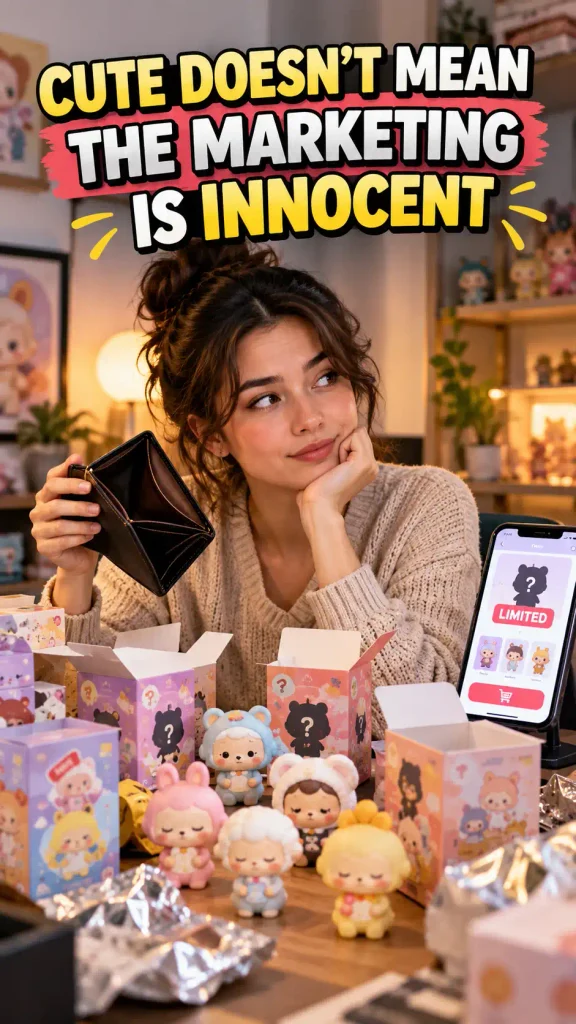
24. Scarcity Makes Cute Things Feel Urgent—And That Is Where The Fun Can Get Expensive
“Limited edition” is a surprisingly effective phrase for an object that nobody needed five seconds earlier.
Collectible markets routinely use limited runs, rare variants, secret figures, timed releases and short restocks.
Research on blind-box shopping has found that scarcity can increase impulse-purchase intentions, while other work describes uncertainty, novelty and social influence as part of the consumption loop.
This is worth knowing because insight changes the conversation.
You can still enjoy a blind box while recognizing what the design is trying to make you feel.
You can collect without chasing every rare item.
You can let something sell out.
The internet will survive.
Possibly even you will survive.
What is happening: scarcity turns “I like it” into “I need to decide now.”
Why it is powerful: uncertainty and rarity make the purchase feel more emotionally charged.
Useful rule: decide the maximum number of boxes or maximum budget before the chase starts.
25. The Biggest Shift Might Be That Adults No Longer Feel Obliged To Outgrow Play
Kidulting sounds funny because it assumes adulthood and play are naturally in conflict.
Psychology does not really support that simple division.
Adult playfulness has been studied across age groups and linked with positive emotion, engagement, relationships and different aspects of wellbeing. One large survey found playfulness present across the lifespan rather than disappearing after youth. Experimental work has even shown that people can deliberately increase playful behavior through simple interventions.
None of that requires buying anything.
This is important.
You can build with old pieces.
Replay a game you own.
Make a miniature from scraps.
Trade cards instead of buying more.
Draw.
Invent something stupid.
Playfulness is bigger than the toy market.
The commercial boom matters because it reveals something cultural: adults are less willing to treat visible joy as evidence that they failed to mature correctly.
A person can pay taxes and own a plush frog.
They can manage a team and build miniature spaceships.
They can raise children and still want the trading card.
Being responsible and being playful were never true opposites.
We just decorated adulthood as if they were.
The real shift: adulthood is making more room for visible play.
Important distinction: playfulness does not require constant consumption.
Best question: does this hobby add enjoyment to your life, or mostly pressure to keep acquiring?
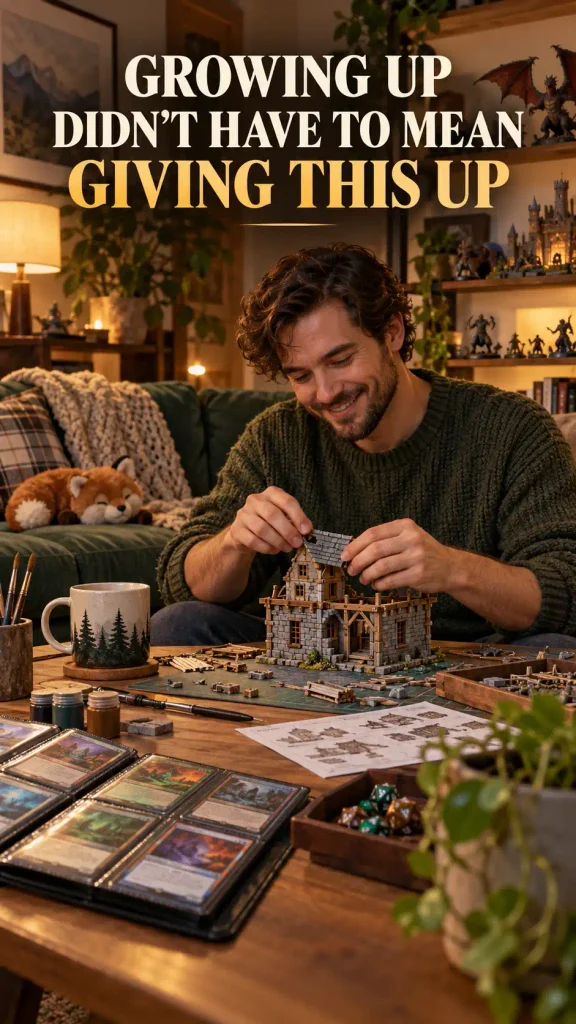
Maybe the strangest thing about kidulting is how quickly it stops looking strange once you remove the age label.
An adult spends three hours assembling a model.
Another arranges miniature cars by decade.
Someone keeps a plush toy on their desk because it makes them smile during meetings.
Someone else opens a pack of cards and gets, for about six seconds, the same little jolt of possibility they remember from being twelve.
None of these things automatically make a life happier, healthier or more meaningful.
They also do not automatically make a person immature.
Sometimes a toy is nostalgia.
Sometimes it is craft.
Sometimes it is social.
Sometimes it is a collection.
Sometimes it is simply a brightly colored object that interrupts an extremely adult day.
And maybe the real cultural change is not that adults suddenly started playing.
It is that more of them stopped hiding it.
What toy, game or collectible would you happily buy for yourself with zero embarrassment?
Sources & Further Reading
- Circana — U.S. Toy Industry and Adult Consumer Data
- Circana — Collectibles, Building Sets, Sensory Toys and Adult Growth
- Circana — Global Toy Demand, Collectibles and Kidult Consumers
- LEGO — Official 18+ Adult Building and Collectibles Range
- Hasbro — First Play-Doh Line Designed Specifically for Adults
- Playfulness and Meaningful Wellbeing Across Global Playful Memories
- Adult Playfulness and Wellbeing
- Playfulness Across the Lifespan and Its Relation to Happiness
- Randomized Playfulness Intervention Study
- Nostalgia, Self-Continuity, Social Connectedness and Wellbeing
- Nostalgia Compared With Reflection and Brooding
- Nostalgia as a Social Emotion
- Scientific Reports — Emotional and Community Mechanisms in Blind-Box Consumption
- Scientific Reports — Blind-Box Purchase Experience, Social Value and Uncertainty
- Journal of Retailing and Consumer Services — Scarcity and Blind-Box Impulse Purchase Intention
- Journal of Retailing and Consumer Services — Uncertainty Marketing and Blind-Box Collectibles