22 Vintage Childhood Toys That Were Actually Safety Hazards

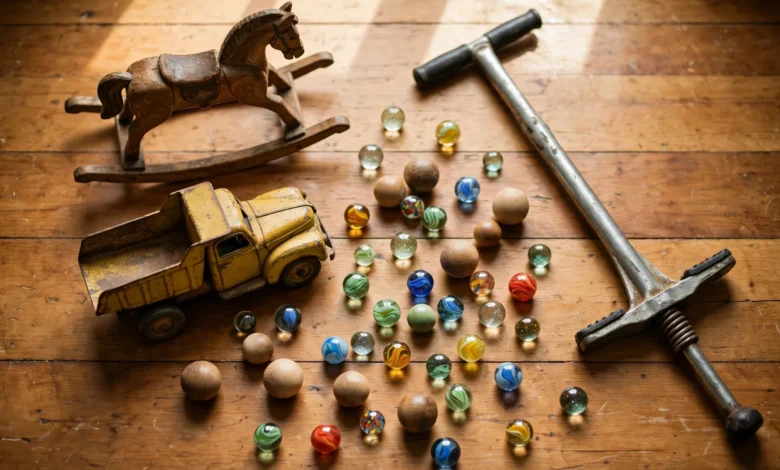
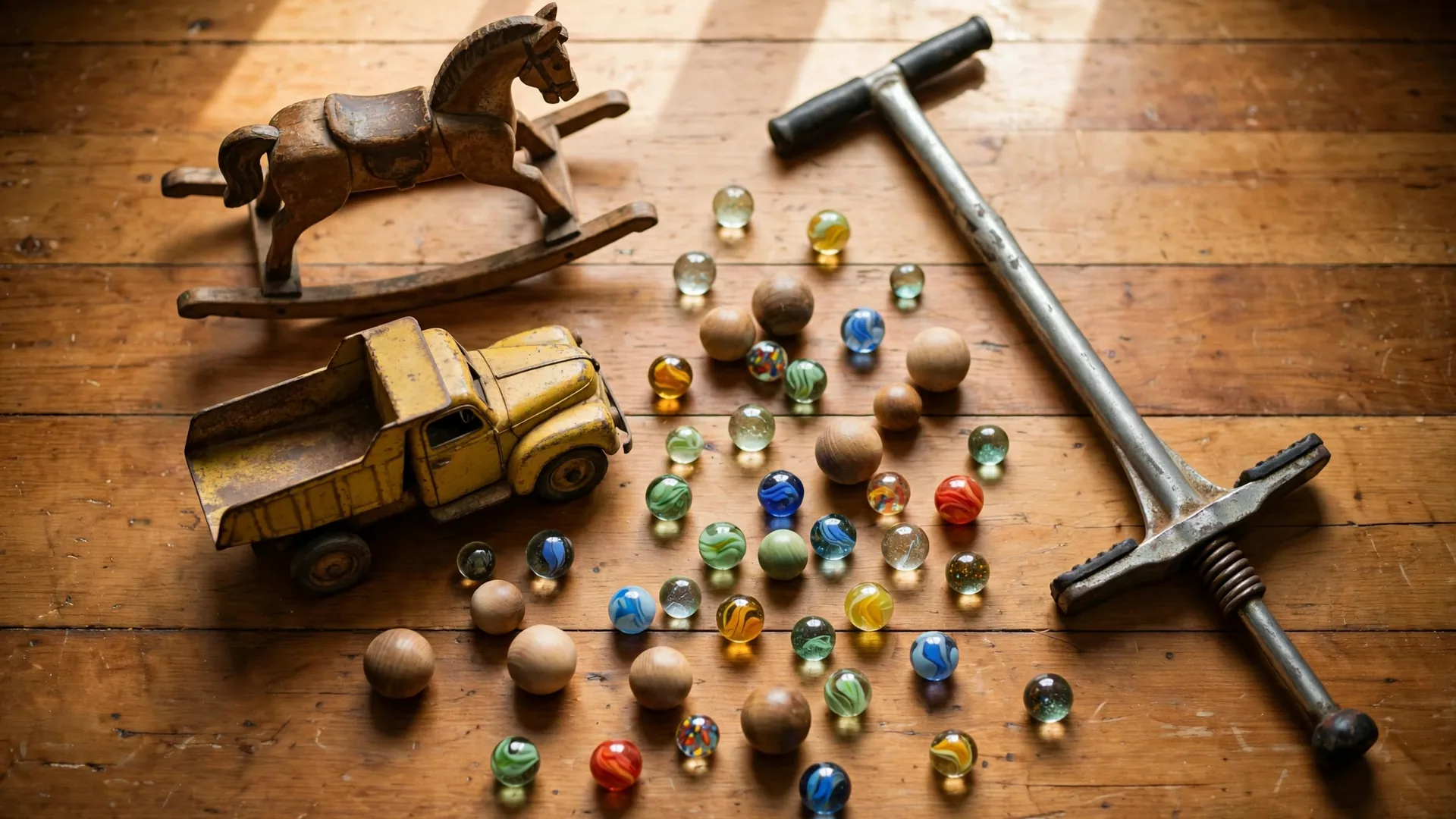
Pick up a toy in a shop today and you are holding something that has survived an obstacle course of drop tests, pull tests, bite tests and strict limits on paint, plastic and small parts. Before it ever reached the shelf, it was squeezed, twisted, soaked and inspected against long checklists written precisely because of toys like the ones on this list. A generation or two ago, the toy box looked very different: heavier, hotter, sharper, and built with a cheerful confidence that children would simply be careful.
Looking back, adults often say the surprise is not that some of these toys were eventually banned, recalled or redesigned — it is that they were sold for years, often becoming the most loved Christmas presents of their era. The nostalgia is real, and it helps explain why so many adults are buying toys for themselves again. But affection aside, here are 22 childhood favourites that would make a modern safety inspector sit down quietly for a moment.
1. Lawn Darts
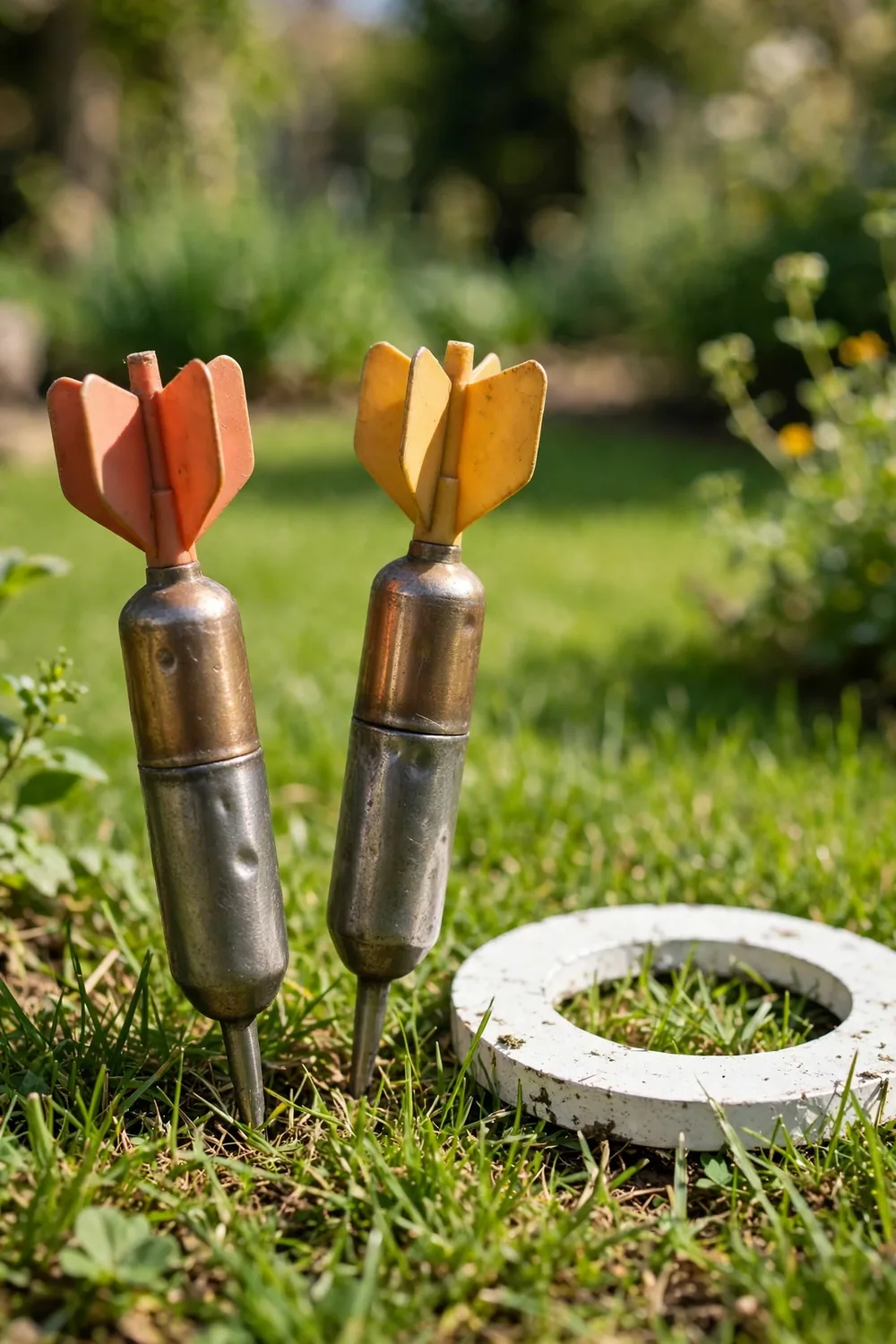
Lawn darts were the grown-up garden game that children inevitably adopted as their own. Each dart was satisfyingly heavy, with a weighted body, plastic fins and a solid metal tip, and the aim was to toss it underarm in a high arc so it landed inside a plastic ring on the grass. A good throw ended with a deep, pleasing thunk.
The problem is built into that sentence: a heavy metal spike, thrown high into the air, coming down point-first. Stray throws, bouncing darts and games played a little too close together made serious injuries a recurring problem, and after years of warnings the original metal-tipped version was eventually banned in several countries. Today’s lawn darts are blunt, soft or filled with sand — fun, but missing that dangerous heft everyone remembers.
2. Skip-It
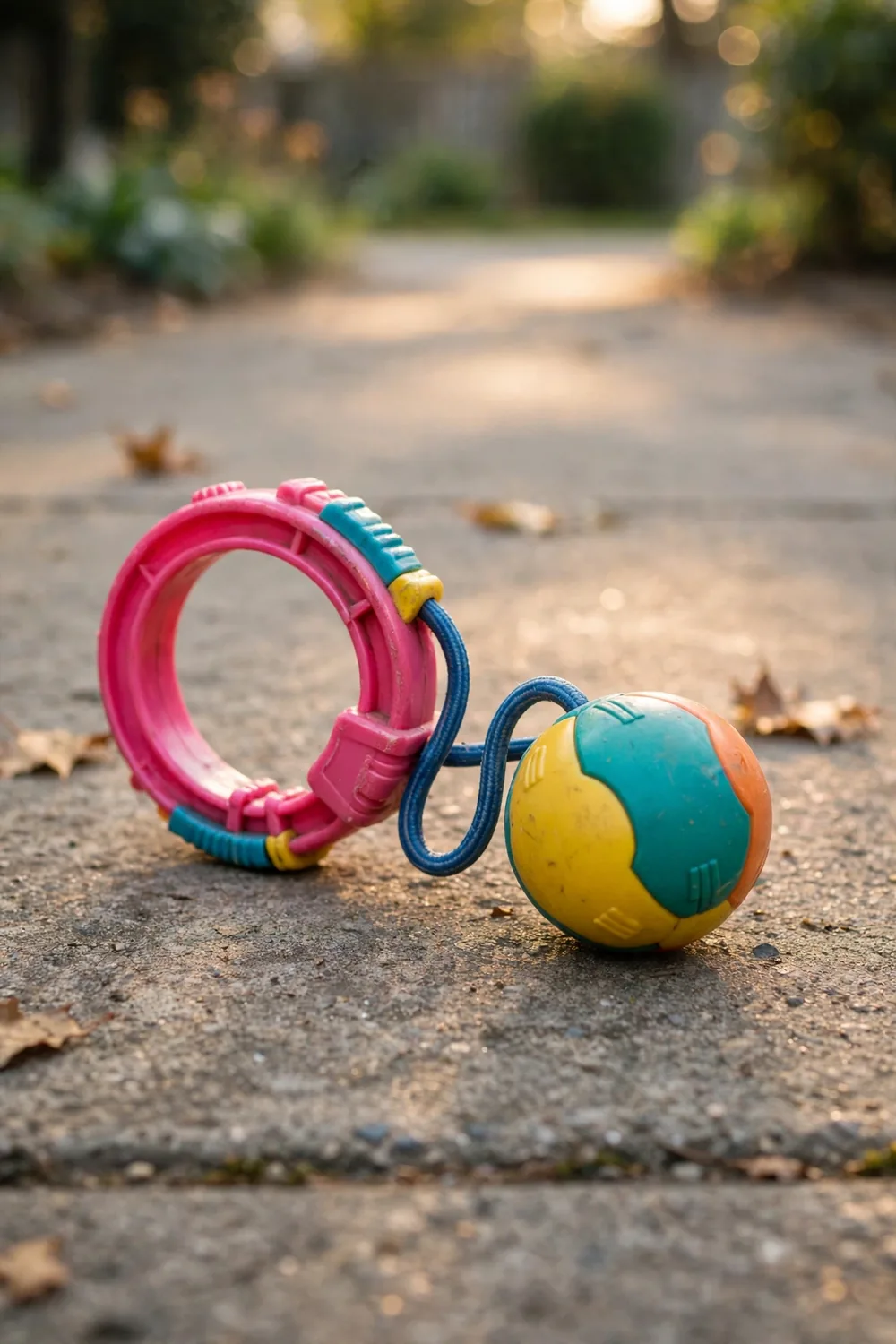
The Skip-It was brilliantly simple: a plastic loop around one ankle, a length of cord, and a chunky counter ball on the end. Swing your leg, hop over the ball with the other foot, and an inbuilt counter clicked up your score. It turned any pavement into a competition and kept children spinning until dinner.
The hazard was the counter itself. Miss your timing and that hard ball swung straight into your ankle bone or shin, which it did several times a minute when you were learning. Add the trips, tangles and collisions when three children skipped in the same small space, and most former owners remember the bruises as clearly as the high scores.
3. Moon Shoes
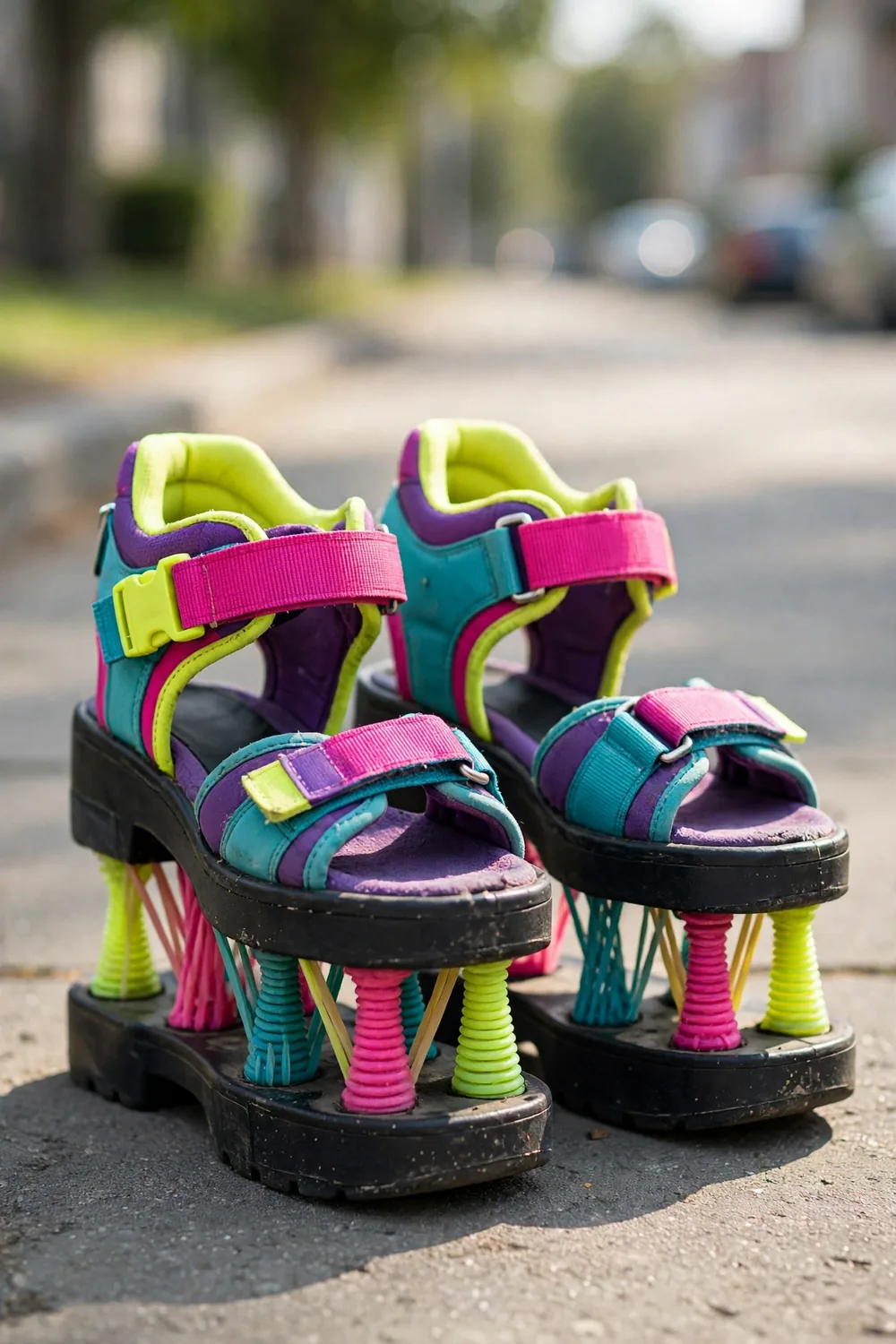
Moon Shoes promised the dream: strap the little trampolines to your feet and bounce down the street like an astronaut. The platforms sat on strong rubber bands or springs, and once you found the rhythm you really could get an impressive bounce going for something worn over your ordinary shoes.
Bouncing, however, is only half the skill — landing is the other half. The platforms were high, the straps were not always secure, and pavements are not trampolines. Twisted ankles, wobbles into walls and full-speed tumbles were part of the learning curve. They are still sold today in sturdier form, but the originals trusted a child’s coordination rather a lot.
4. Click-Clacks
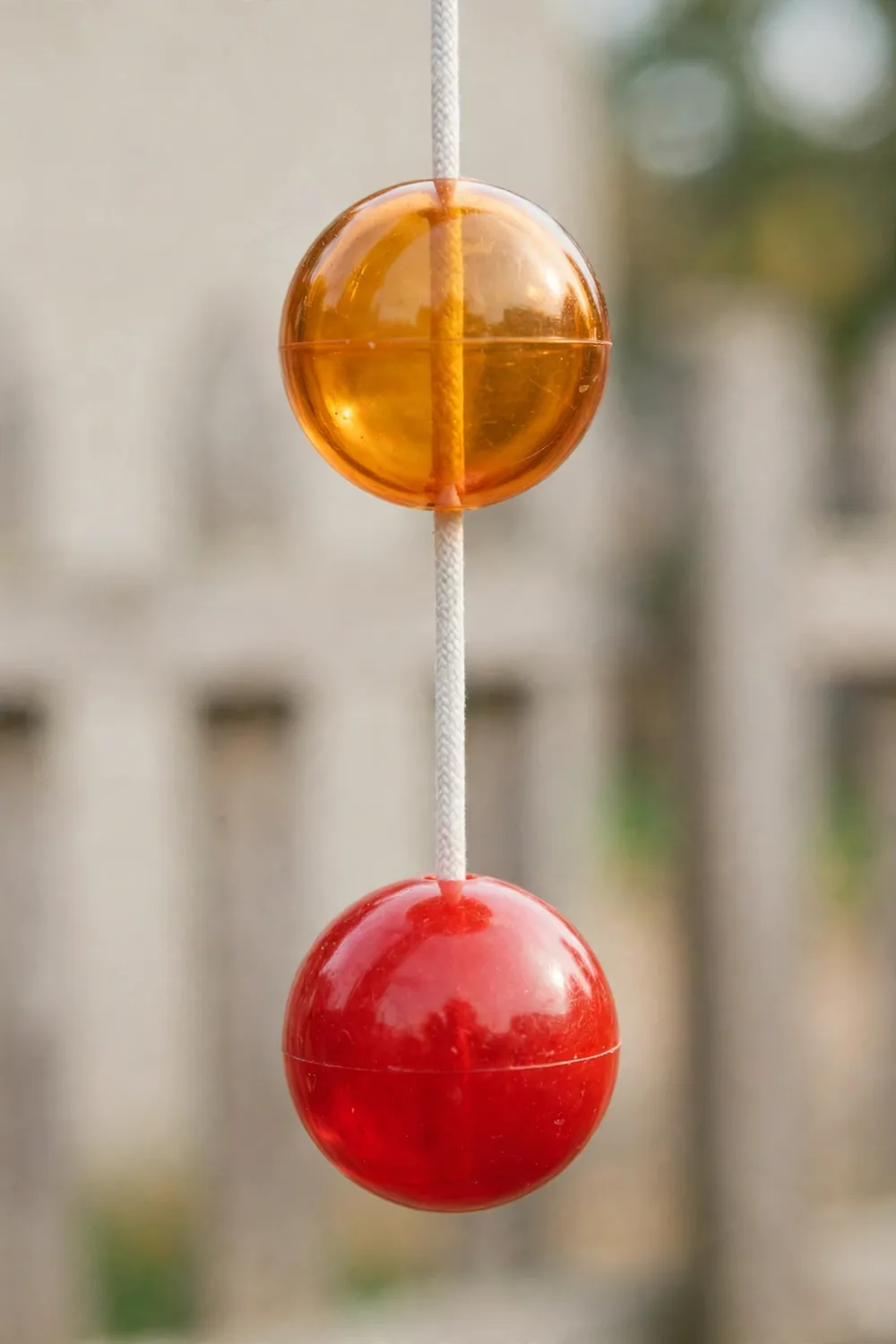
Click-clacks — two hard balls joined by a cord — made one of the most satisfying sounds of the seventies playground. Hold the middle of the string, bounce the balls so they clacked together above and below your hand, and build up speed until the rhythm sounded like a tiny machine gun.
The trouble was what the balls were made of. Early versions used a hard, brittle plastic that could chip or shatter at full speed, sending sharp fragments flying near hands and faces. Knuckles and wrists took plenty of hits even when the balls stayed in one piece. The toy was pulled from sale in its original form and later reappeared in softer, safer plastics.
5. Spring-Frame Rocking Horses
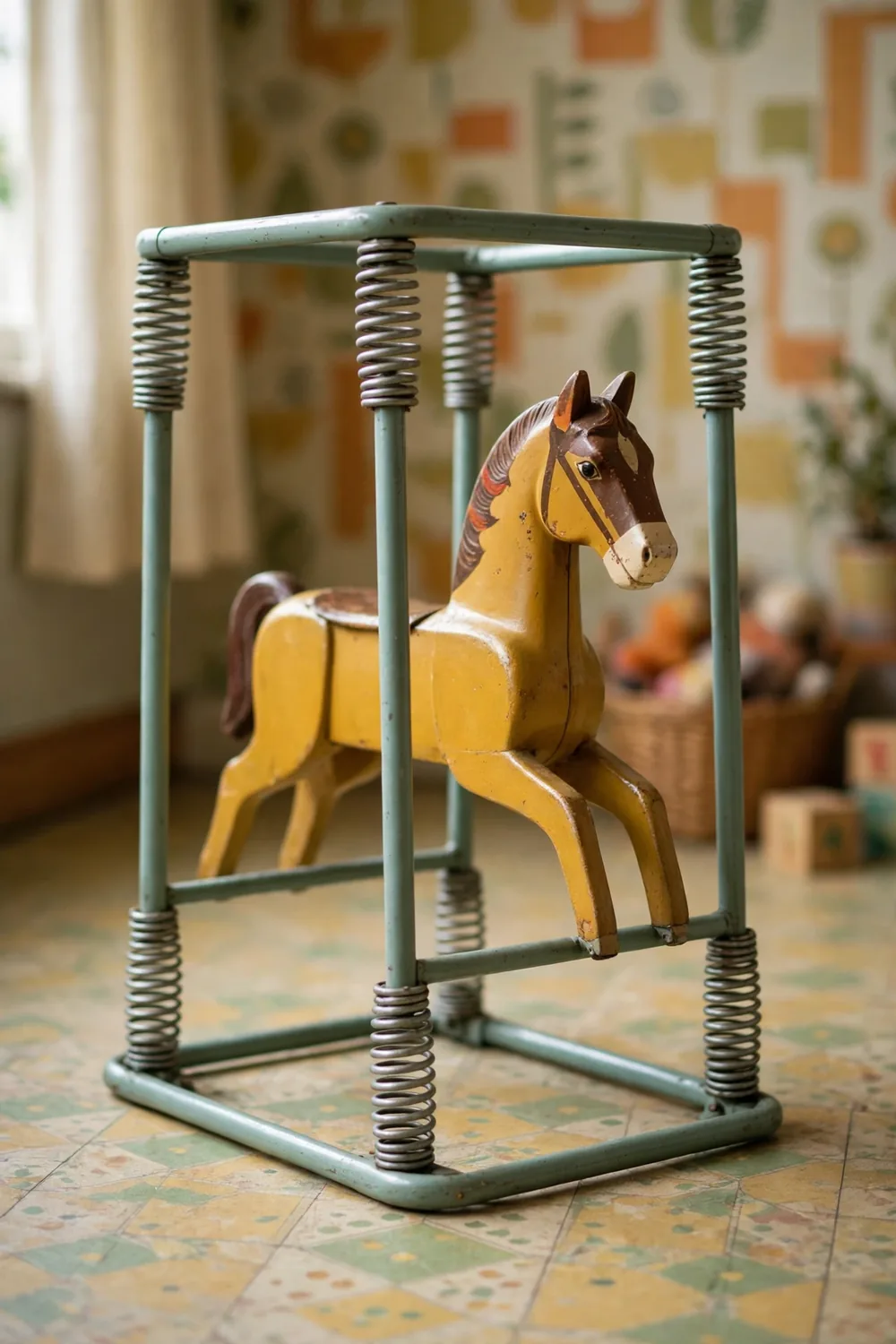
Before the simple curved rocker came back into fashion, many nurseries had a rocking horse suspended inside a sturdy metal frame, bouncing and gliding on four exposed coil springs. It moved beautifully — more like a real ride than a rock — and children adored the speed they could build up.
Those open springs were the weak point. Small fingers exploring the frame could get pinched or trapped as the springs stretched and snapped back, and clothing and hair could catch too. Later designs quietly solved it by covering the springs with plastic sleeves and guards, which tells you everything about how common the pinching problem had become.
6. Creepy Crawlers Thingmaker
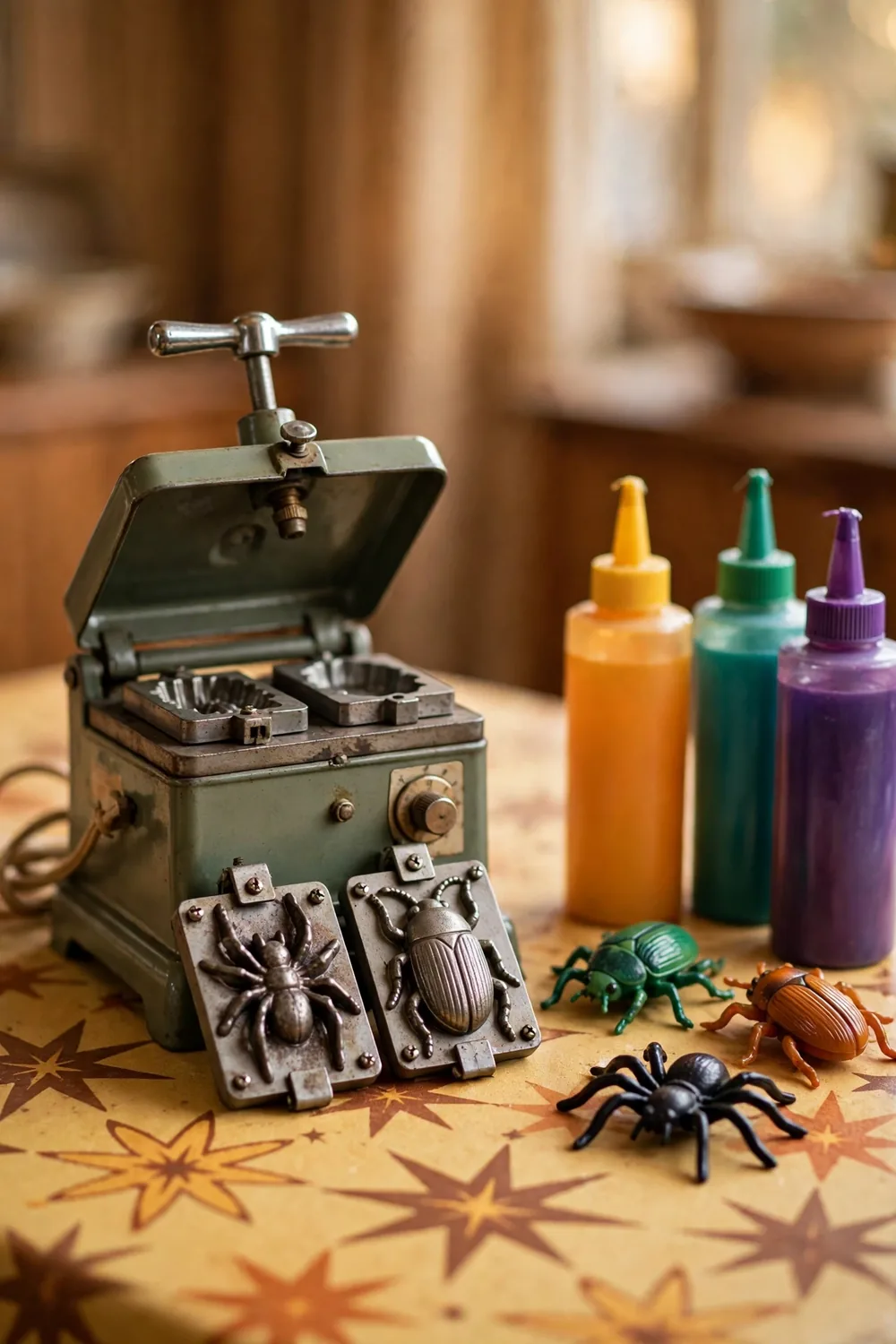
The Thingmaker was a small heated press with metal moulds shaped like spiders, beetles and other gloriously creepy creatures. You squeezed in coloured liquid plastic, closed the mould, and let the hot plate cook it into a rubbery bug. For children who liked making things, it felt like owning a tiny factory.
It also involved giving children a genuinely hot appliance. The plates and moulds reached temperatures that could burn fingers quickly, and the moulds stayed hot long after the bug was done. Adult supervision was printed on the box, but the whole point of the toy was making bugs whenever you liked — and plenty of children did exactly that, alone, in their bedrooms.
7. Rollerblade Barbie
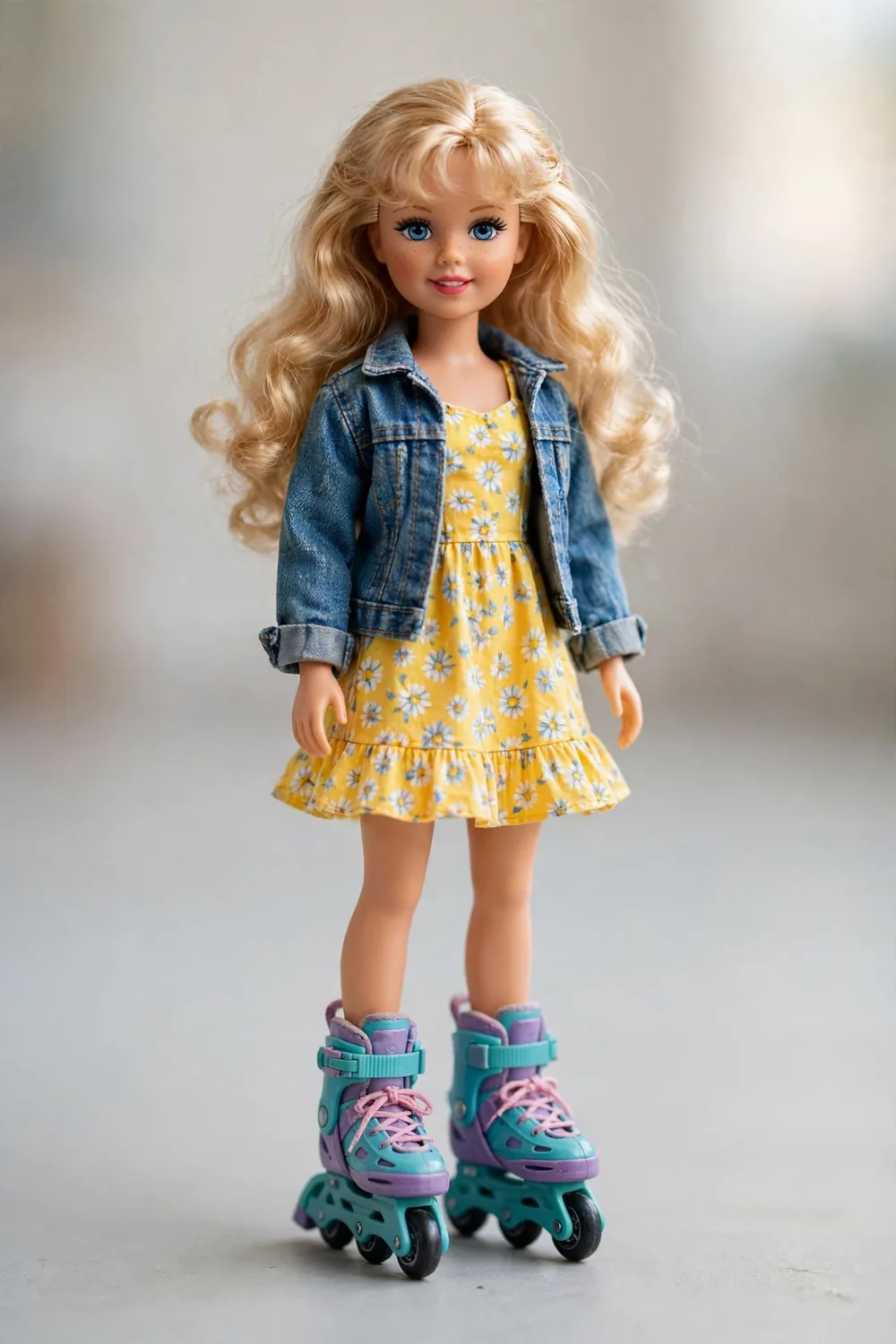
This doll arrived at the height of the rollerblading craze, dressed for the rink with one very memorable party trick: roll her along a hard surface and her skate struck real sparks, like a lighter. It looked magical in the adverts and even better in a dim hallway.
Think about that mechanism for a second, though. A spark is a tiny fleck of burning material, and this was a toy designed to produce them repeatedly, indoors, near carpets, curtains, bedding and long doll hair. Nothing about it troubles a sparkler-sized imagination, but by modern standards a doll fitted with a friction lighter is a remarkable thing to have been sold as an everyday toy.
8. Vintage Chemistry Sets

The great chemistry sets of the fifties and sixties were not toys in the modern sense at all — they were junior laboratories. Wooden cases opened to reveal glass bottles of real chemicals, test tubes, a spirit burner and instructions for experiments that produced real reactions, real smells and occasionally real smoke.
Some sets of the era included substances that would be unthinkable in a children’s product today, from strong acids and reactive metals to, in one famous case, actual samples of uranium ore. Burns, fumes and enthusiastic improvisation were all part of the territory. Modern chemistry sets still exist, but the ingredients are heavily restricted, and the wildest experiments have been replaced by colour changes and safe crystals.
9. Dolly Maker
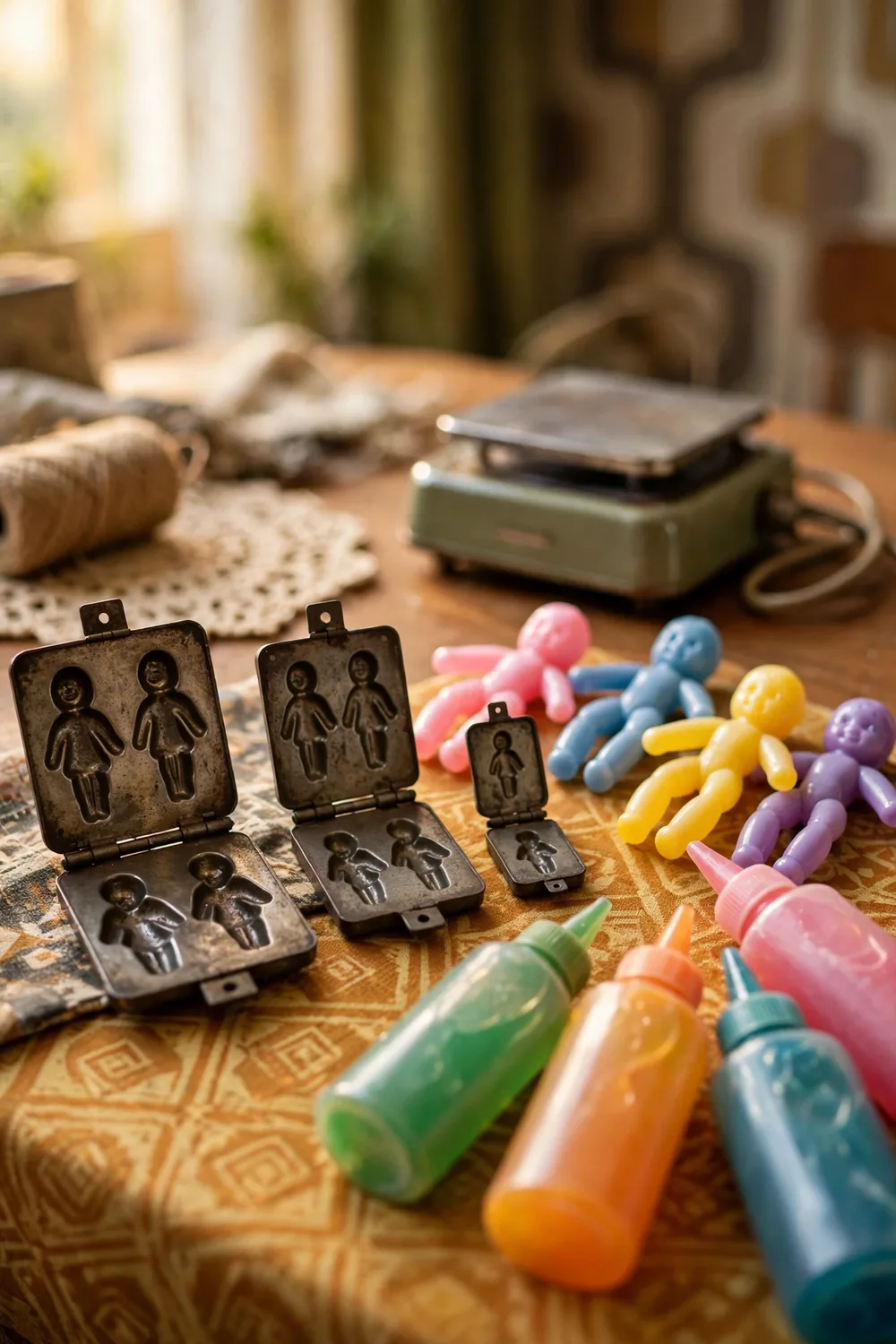
The Dolly Maker belonged to the same make-it-yourself family as the bug machines: pour coloured gel into metal moulds of little figures, warm them until they set, then peel out a soft, bendy doll of your own making. Children loved the alchemy of it — liquid in, toy out.
The process, once again, ran on heat. The moulds and plates got hot enough to burn, the finished dolls came out hot too, and impatient makers regularly tested both with bare fingers. It is a sweet idea that modern versions handle with cool-setting compounds and no heating at all, which rather proves the point about the original design.
10. BB Guns
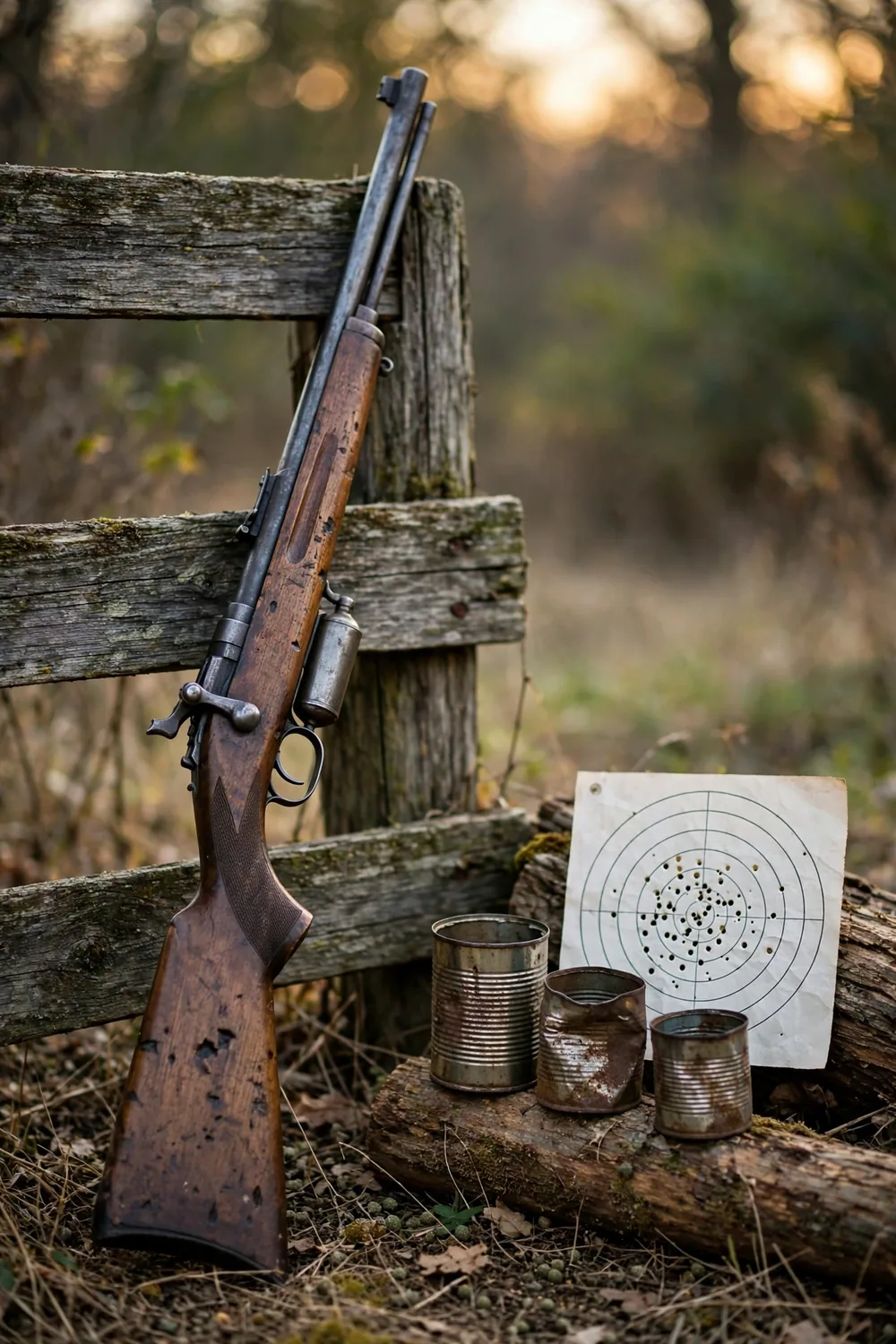
For decades, a BB gun was a rite of passage: a spring or air-powered rifle that fired small metal pellets, given to children who were considered old enough to be trusted with it. Target practice on cans and paper targets taught aim, patience and, in theory, responsibility.
The pellets, though, are real projectiles. A BB can break skin at close range and is a well-known cause of serious eye injuries, which is why safety organisations insist these are not really toys at all and should be handled with the same rules as any firearm. Many adults remember the lectures about never pointing one at anybody — and remember exactly why the lectures were needed.
11. Metal Slap Bracelets
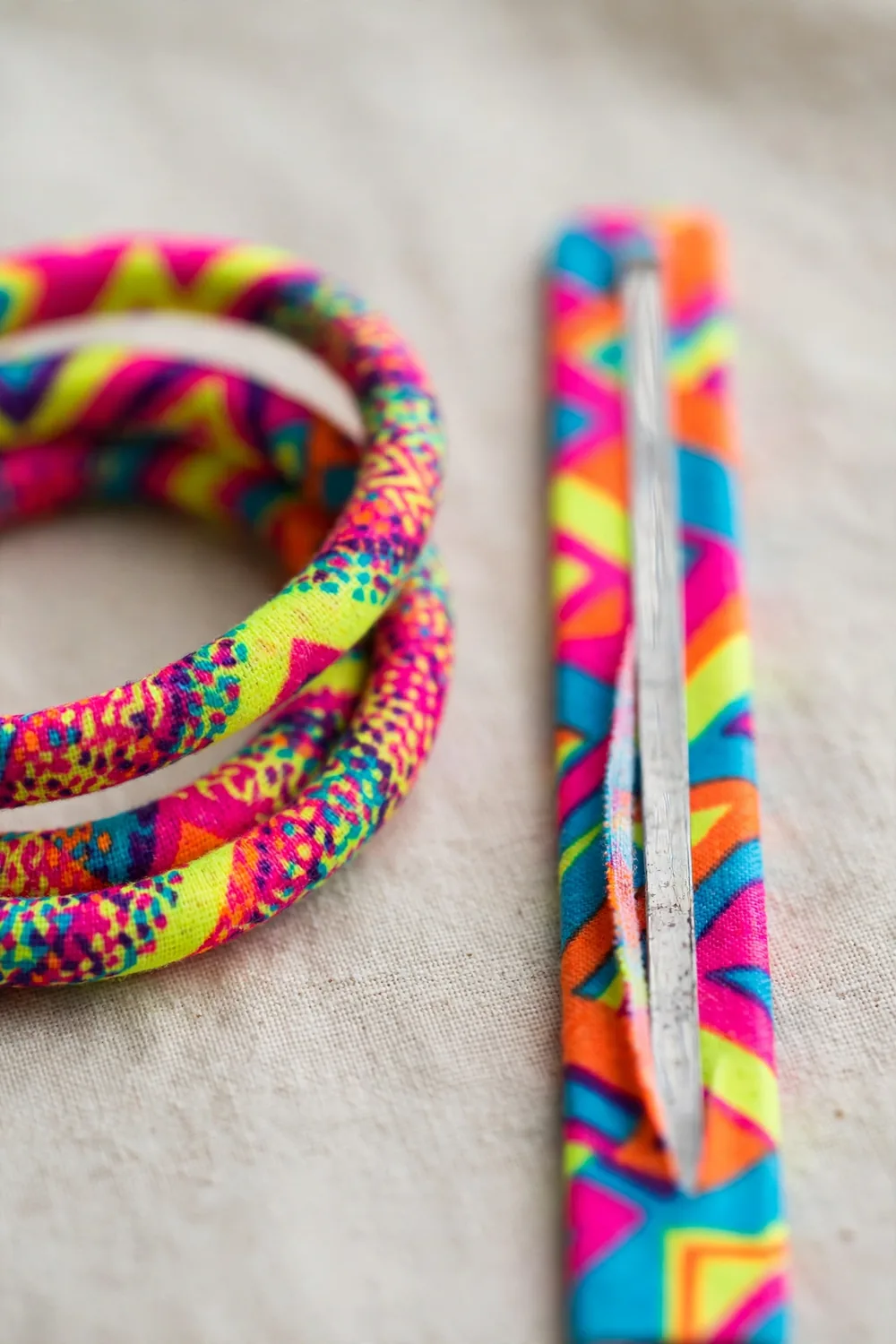
Slap bracelets arrived at the end of the eighties and were instantly everywhere: a straight band you slapped against your wrist, where it magically curled into a bracelet. Inside the fabric sleeve sat a thin, flexible metal strip — the same principle as a tape measure — and children collected them by the dozen.
In the cheapest originals, that metal could work its way through worn fabric or poke out at the ends, and a sharp metal edge against a wrist is nobody’s idea of jewellery. Schools banned them and some versions were recalled before manufacturers sealed the metal safely inside plastic. The satisfying slap survived; the exposed blade did not.
12. TMNT Pizza Shooter
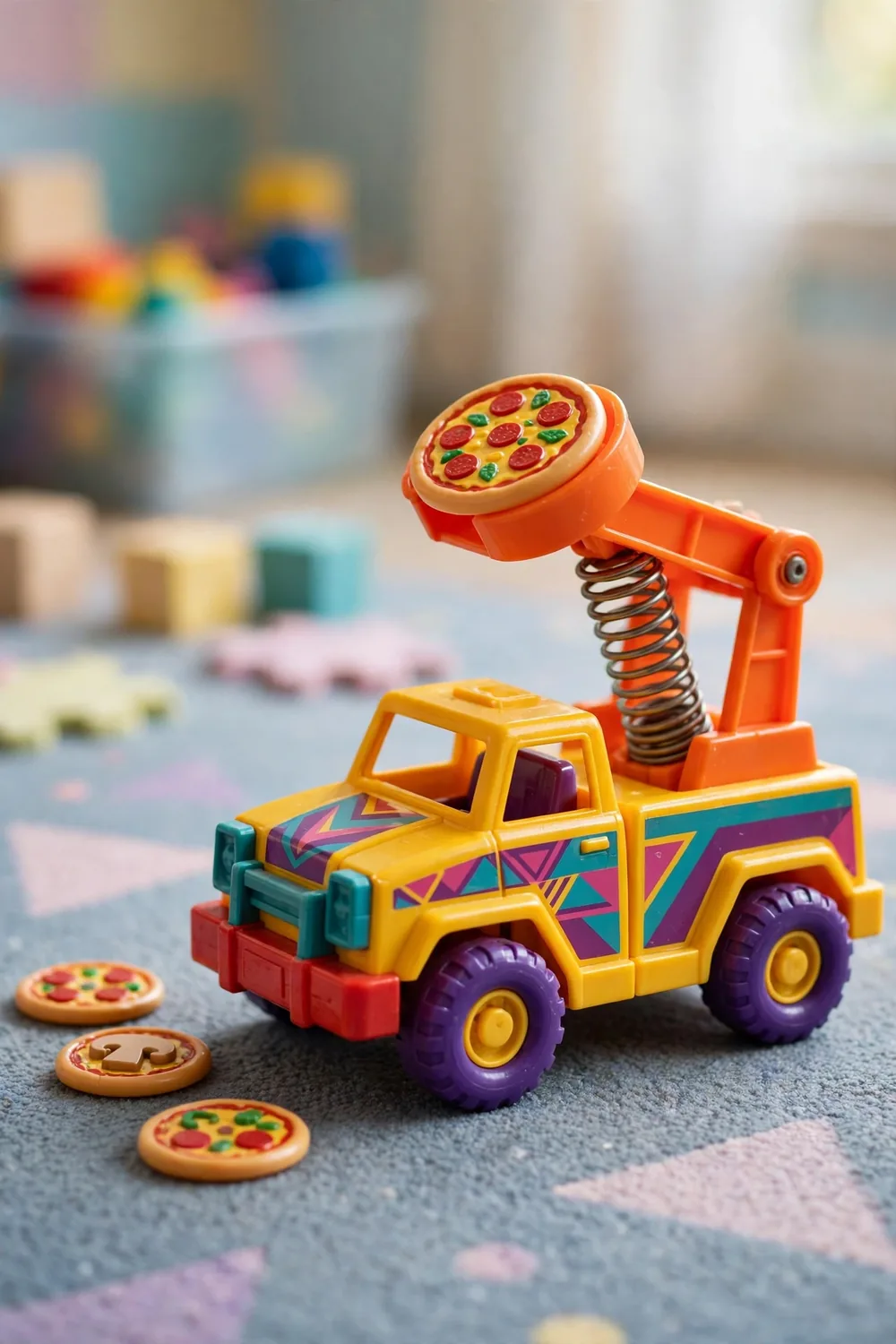
Every cartoon empire needs vehicles, and this one came with a working weapon: a spring-loaded launcher that fired hard plastic discs shaped like pizzas. As a toy it was superb fun — accurate, fast and loud enough to feel powerful across a living room.
That power was the issue. The discs were rigid plastic, they left the launcher at real speed, and their natural target height in most games was roughly face level. Modern projectile toys have largely moved to soft foam for exactly this reason. The pizza discs remain fondly remembered, mostly by people who were doing the shooting.
13. Sky Dancers
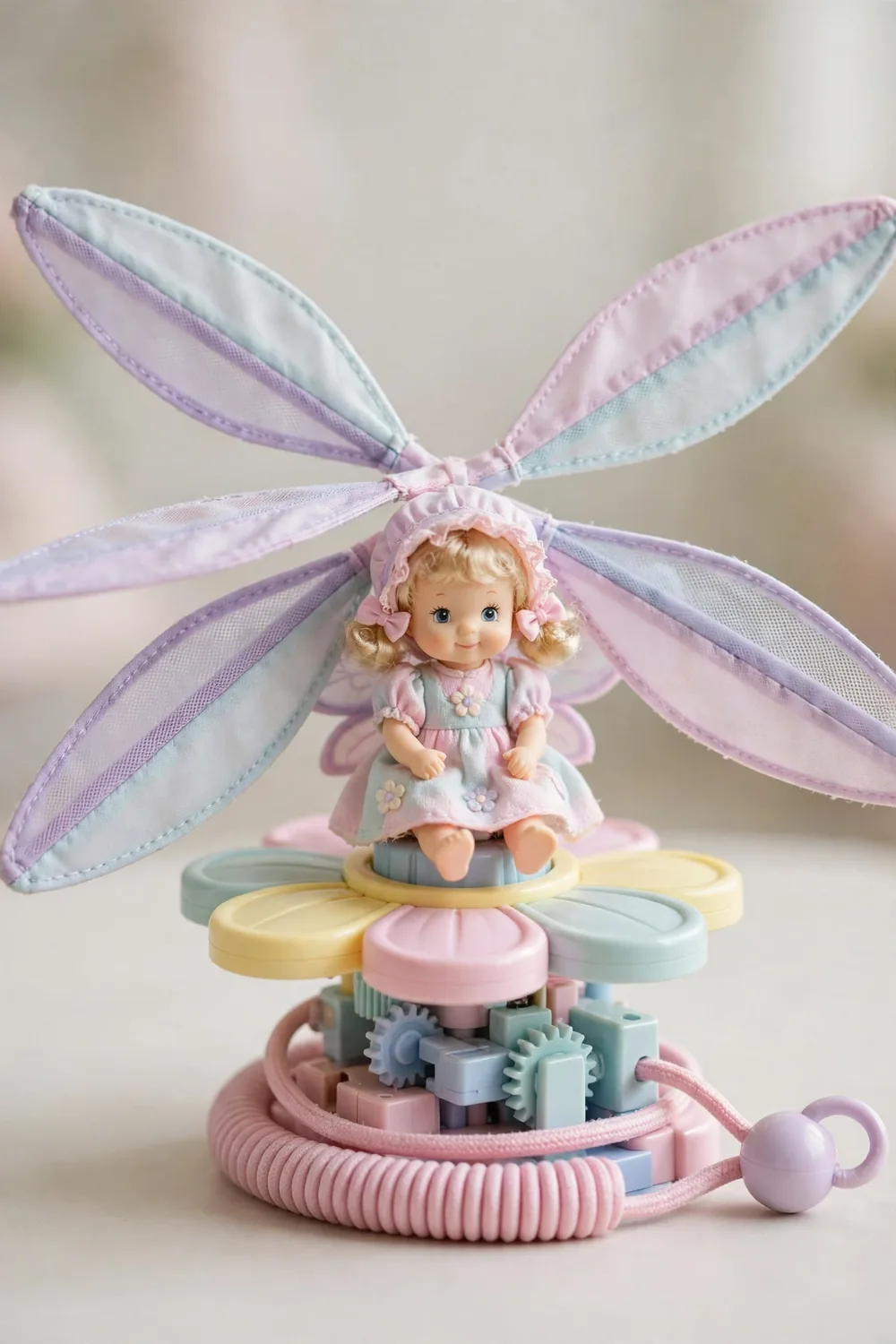
Sky Dancers were beautiful: a doll perched on a flower-shaped base, and when you pulled the cord she spun up into the air, twirling down slowly on wide fabric wings like a little helicopter ballerina. On television she floated gracefully over a garden. In a real bedroom, she had other ideas.
Once airborne, nobody — including, apparently, the doll — knew where she was going. Spinning dolls ricocheted off walls, ceilings and, too often, faces and eyes, and after a series of injury reports the toy was recalled at the turn of the century. She remains the classic example of a toy that was enchanting in slow motion and chaotic at full speed.
14. Mercury Tilt Maze Puzzles
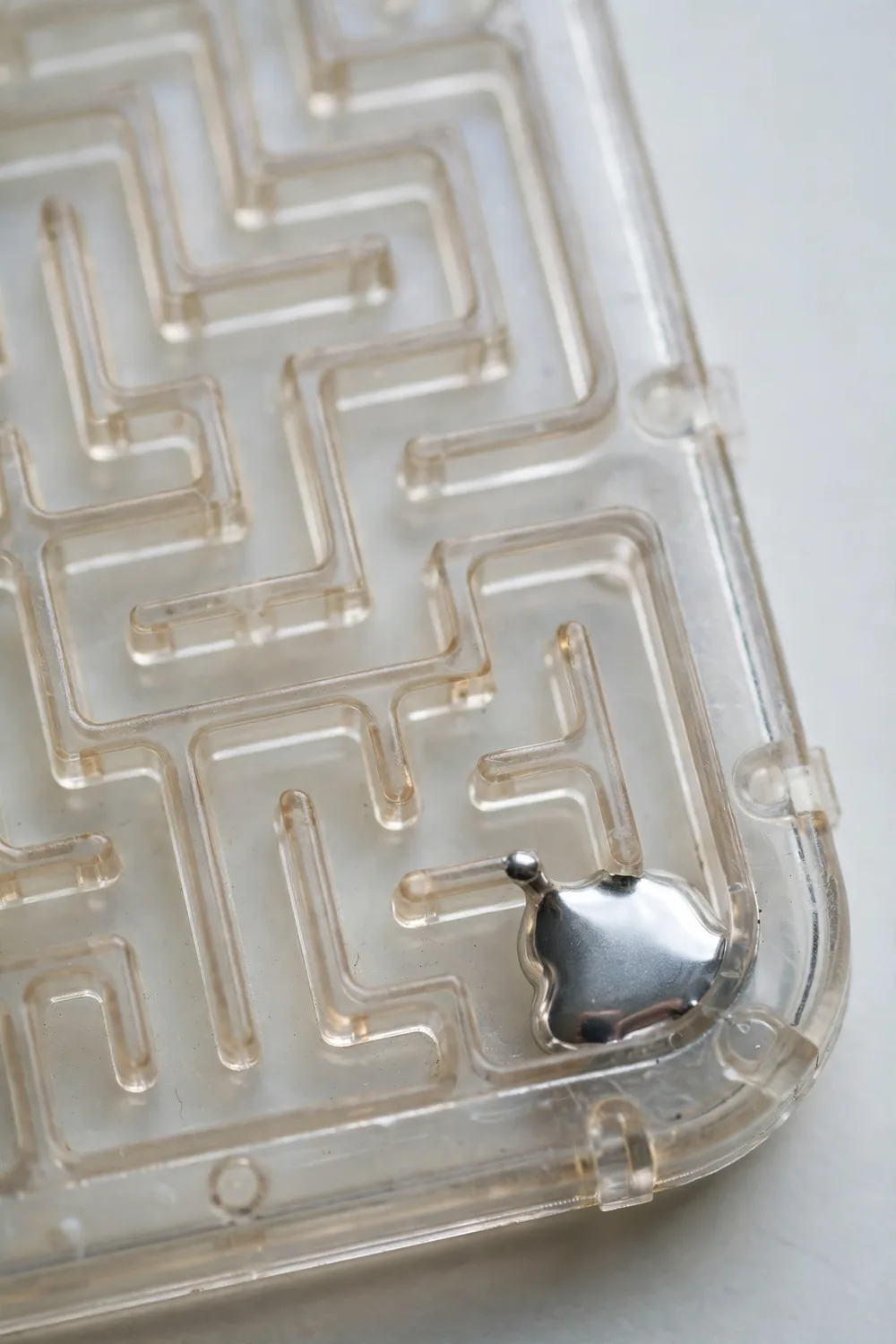
Handheld tilt mazes are still with us: tip the little plastic labyrinth and guide the ball through the course. In some older versions, though, the “ball” was not a ball at all — it was a shining blob of liquid mercury, chosen because it moved so smoothly and looked like magic under the plastic.
Mercury, of course, is toxic, and it is at its most hazardous when it escapes and breaks into tiny beads that roll into cracks and slowly give off vapour. A cracked maze turned a pocket toy into a small chemical incident. Modern versions use an ordinary steel ball, which rolls perfectly well and has never once required a hazardous-materials clean-up.
15. Easy-Bake Oven (The Recalled Redesign)
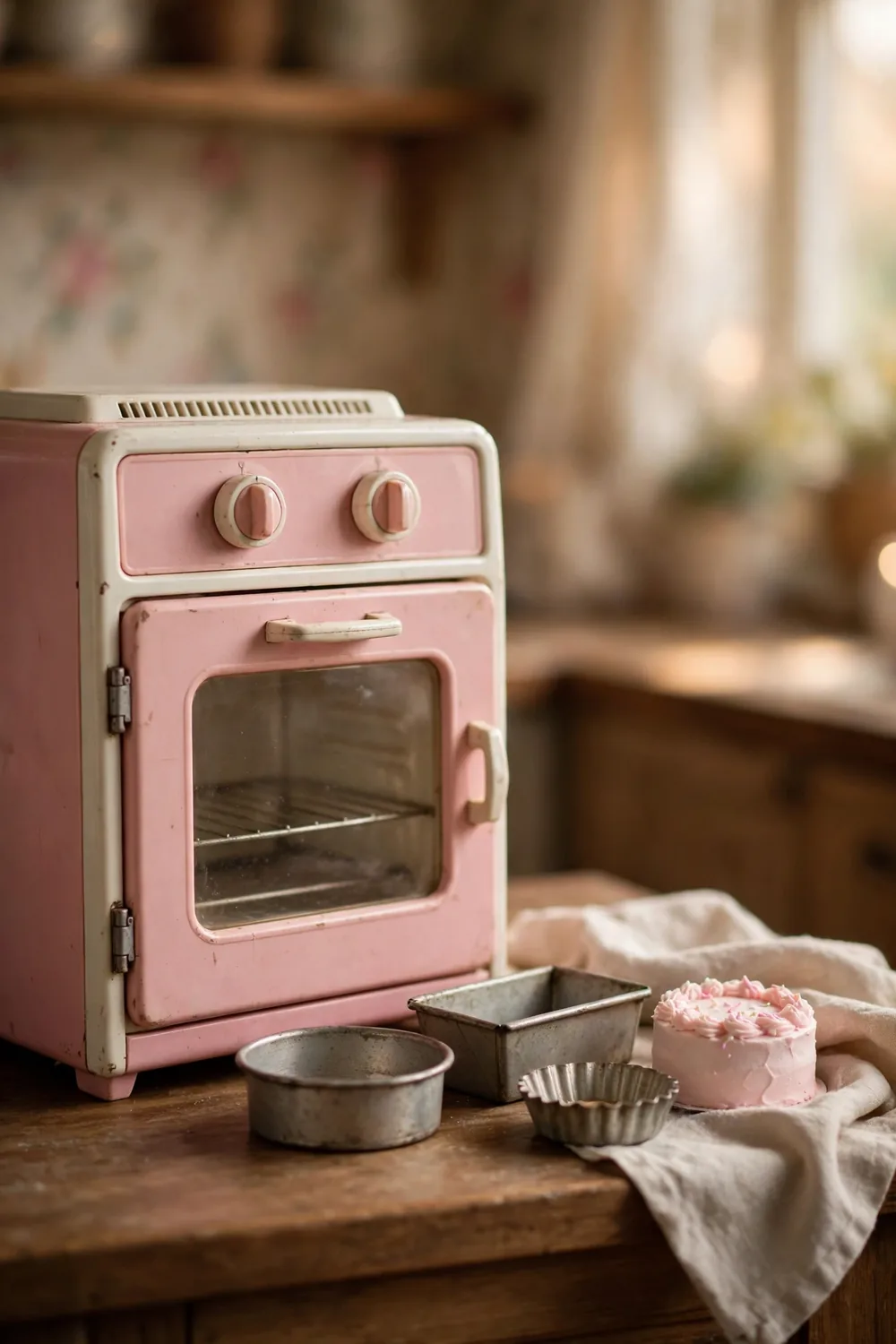
The Easy-Bake Oven is a genuine icon: generations of children have baked tiny cakes with its help, first using an ordinary light bulb as the heat source. The concept sounds harmless, and mostly it was — until a redesign in the 2000s changed the shape of the oven and created an opening little fingers could reach into and get trapped against the hot interior.
That version was recalled in large numbers after reports of burns and caught fingers, and later designs went back to keeping small hands well away from the heat. The little oven survives today, still baking thumbnail-sized cakes — with considerably more plastic between the baker and the bulb.
16. Metal Tonka Trucks
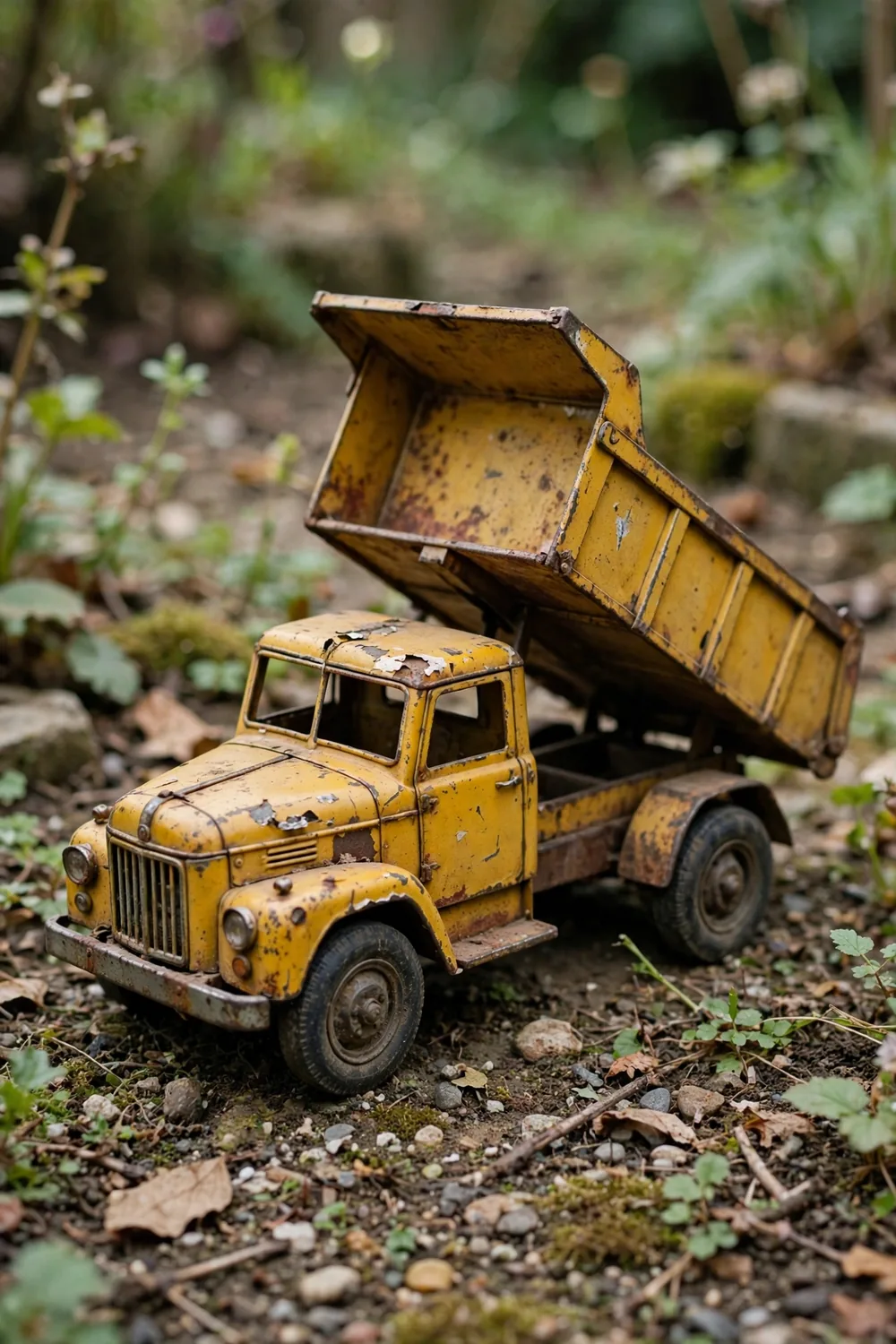
Old Tonka trucks were less toys than small civil-engineering projects: pressed steel bodies, real weight, and a reputation for surviving decades of gardens, sandpits and younger siblings. A truck from the seventies can still be found working today, which is more than most modern toys will manage.
The steel came with edges. Stamped metal panels and corners could be surprisingly sharp, paint chipped to reveal more edges, and a truck that heavy does not forgive the foot it lands on. Modern versions keep the toughness but are largely plastic, and the nostalgic clank of the originals is now just a memory — along with a few remembered cuts.
17. Stretch Armstrong
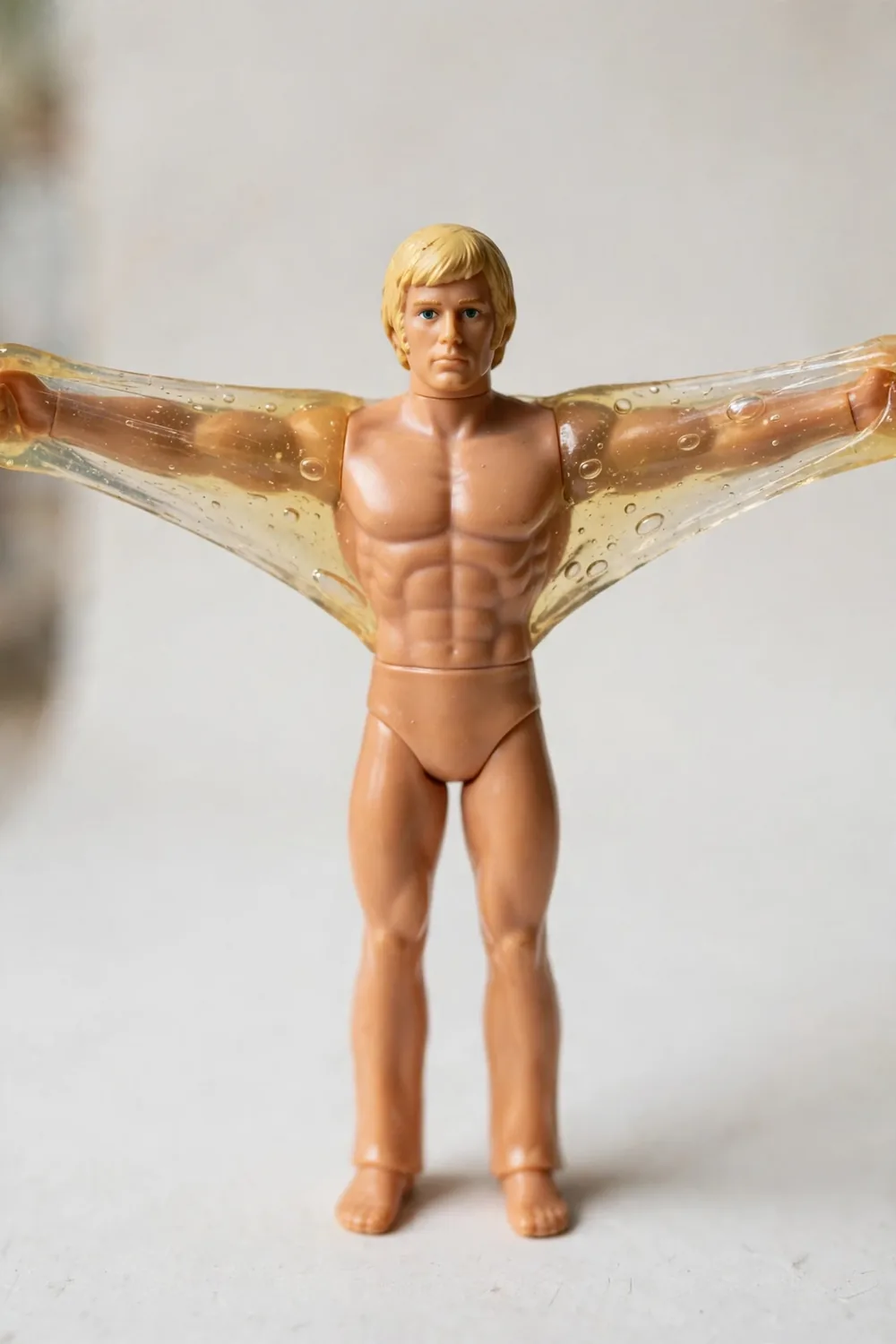
Stretch Armstrong was a marvel of seventies toy chemistry: a muscle-bound figure filled with a thick gel that could be pulled to several times his normal size and would slowly ooze back into shape. Every child who owned one treated the stretching limit as a personal challenge.
The limit existed for a reason. Pulled too far or punctured in a tug of war, the skin split and the sticky gel escaped over carpets, sofas and the stretchers. He was also a heavy object to swing around mid-argument. Modern stretch figures use tougher skins and better fillings, having learned from a great many ruined living rooms.
18. Wood-Burning Kits
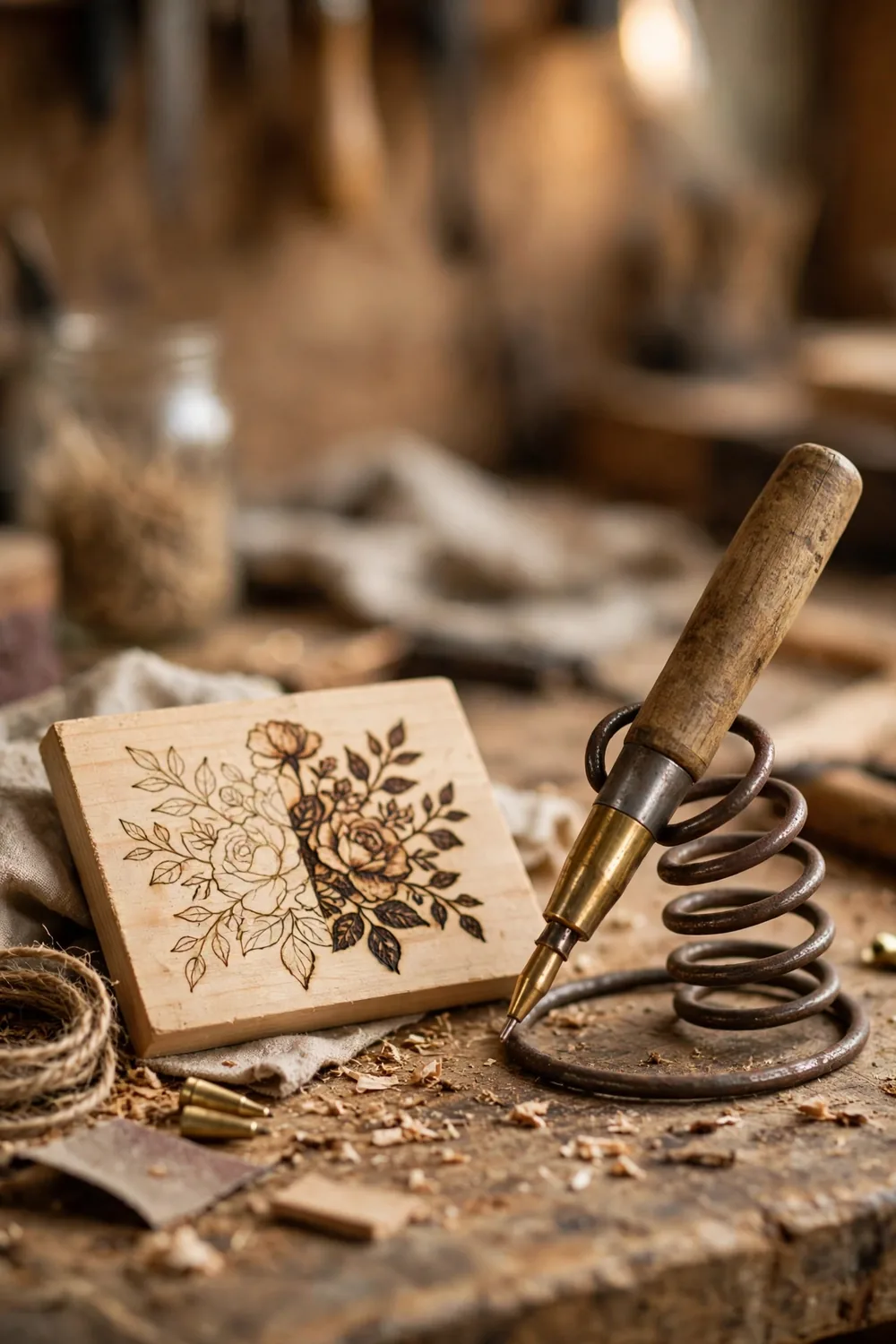
Pyrography kits were the craft toy for serious older children: a pen-shaped tool with a metal tip, a few pieces of soft wood, and patterns to trace by literally burning the design into the surface. The results could be genuinely beautiful, and the scorched-wood smell was unforgettable.
So was the tool. The tip reached temperatures comparable to a soldering iron, because essentially that is what it was, and early kits offered little in the way of stands, guards or heat protection. Desks were scarred, fingers were singed, and the tool stayed dangerously hot long after it was switched off. It is still sold — but firmly in the supervised, older-hobbyist category.
19. Pogo Sticks
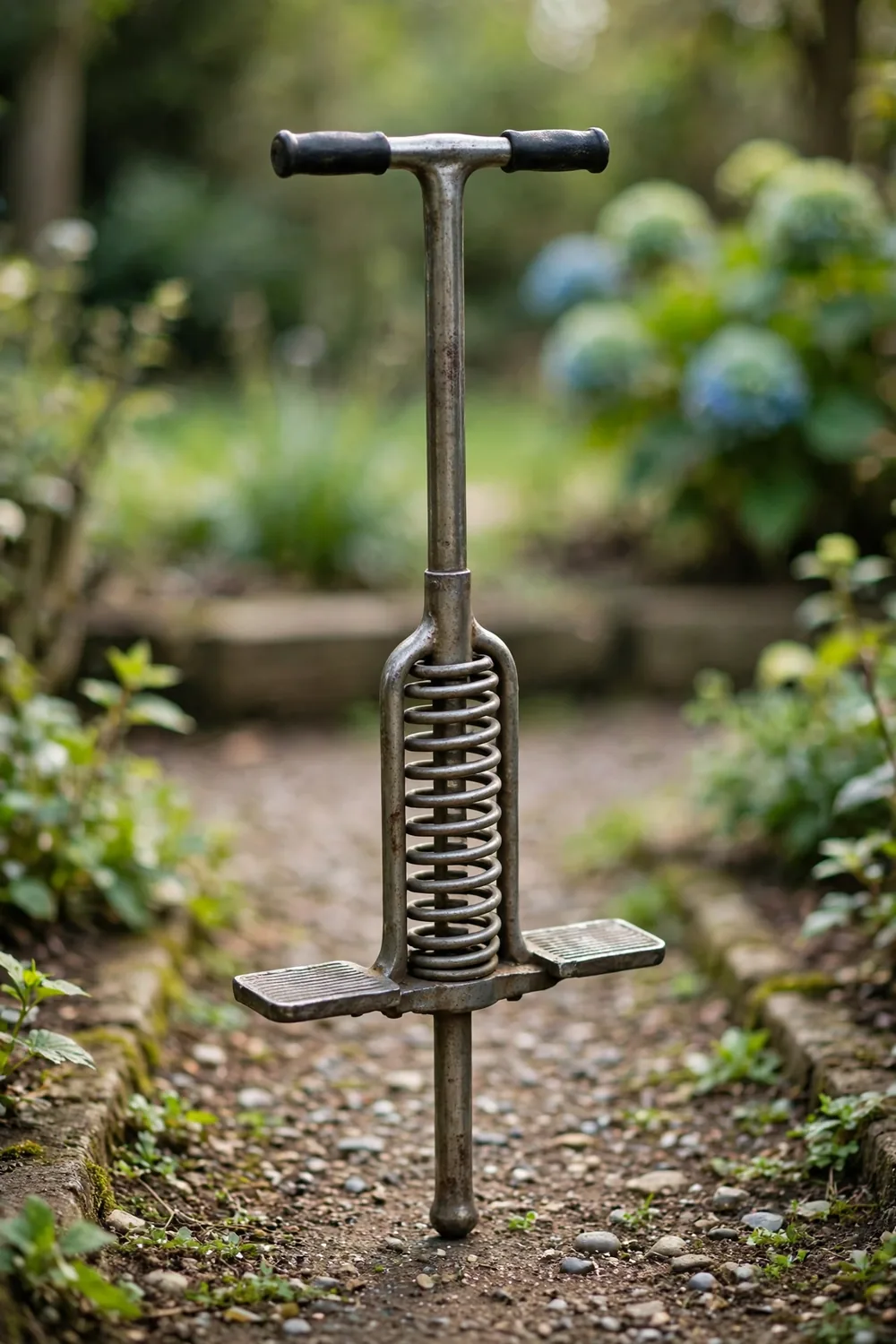
The pogo stick needs no explanation and never did: two footrests, a spring, handles, and the pure ambition to bounce higher than yesterday. Children bounced down drives, up kerbs and, in the boldest cases, down steps.
Falling off was not a risk so much as a schedule. The classic design put your chin at a thoughtful distance from a metal handlebar, the spring could slip sideways on wet or gravelly ground, and every bounce was a small negotiation with gravity. Modern sticks enclose the spring and add grippy, wider footrests — improvements written, one suspects, by adults who once owned the originals.
20. Romper Stompers
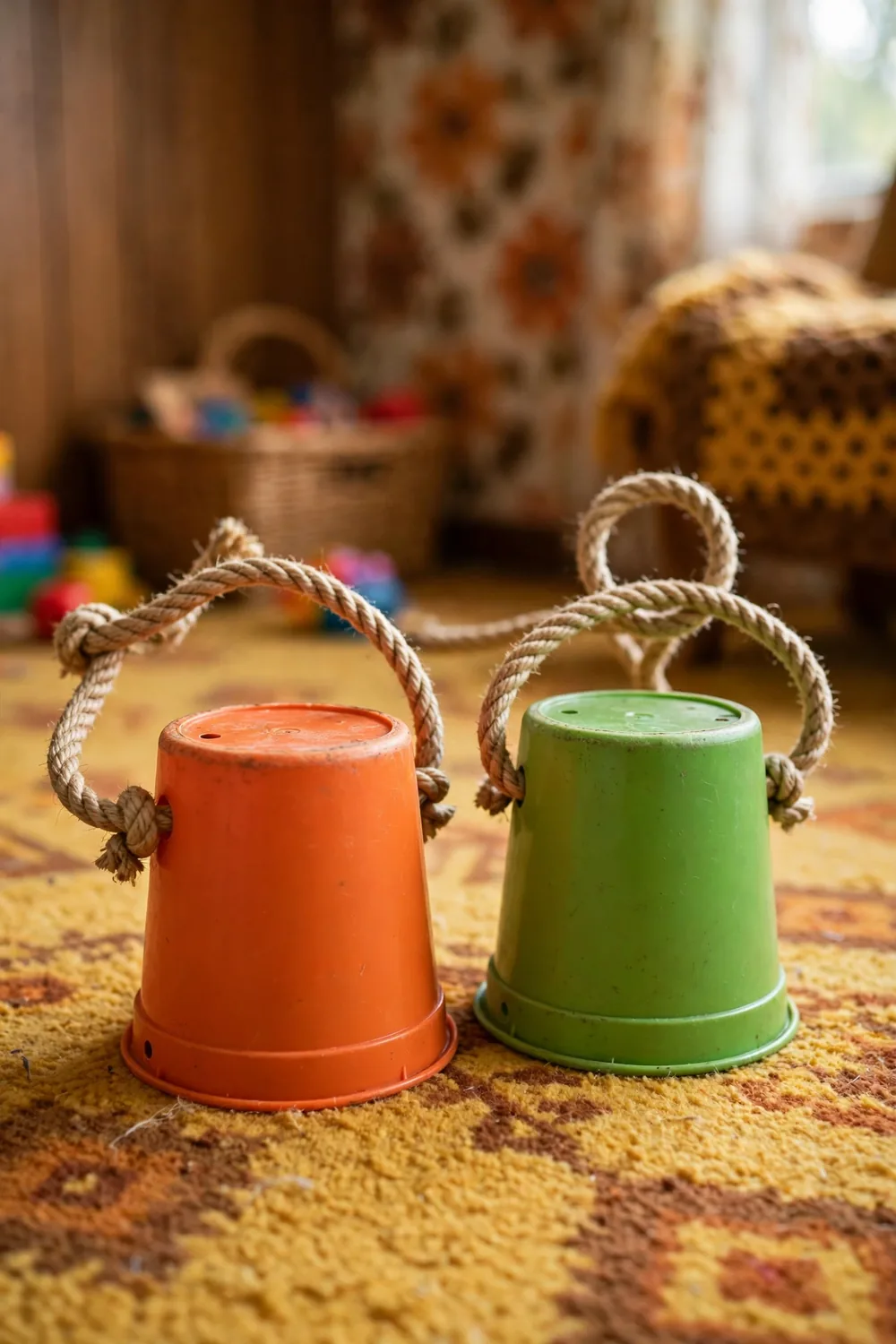
Romper Stompers were mini stilts for the very young: two sturdy plastic cups turned upside down, each with ropes to hold, so a toddler could stomp around a satisfying few inches taller, clomping like a giant. They were cheerful, noisy and completely irresistible to small children.
They were also, by design, a wobbling platform on a smooth floor. The cups could skate out sideways on polished surfaces, the ropes tangled around ankles, and the extra height turned ordinary trips into slightly longer falls. Nobody was ever badly hurt by the concept, but as a first lesson in stilts, it began at an age when walking itself was still fairly recent.
21. Bloonies
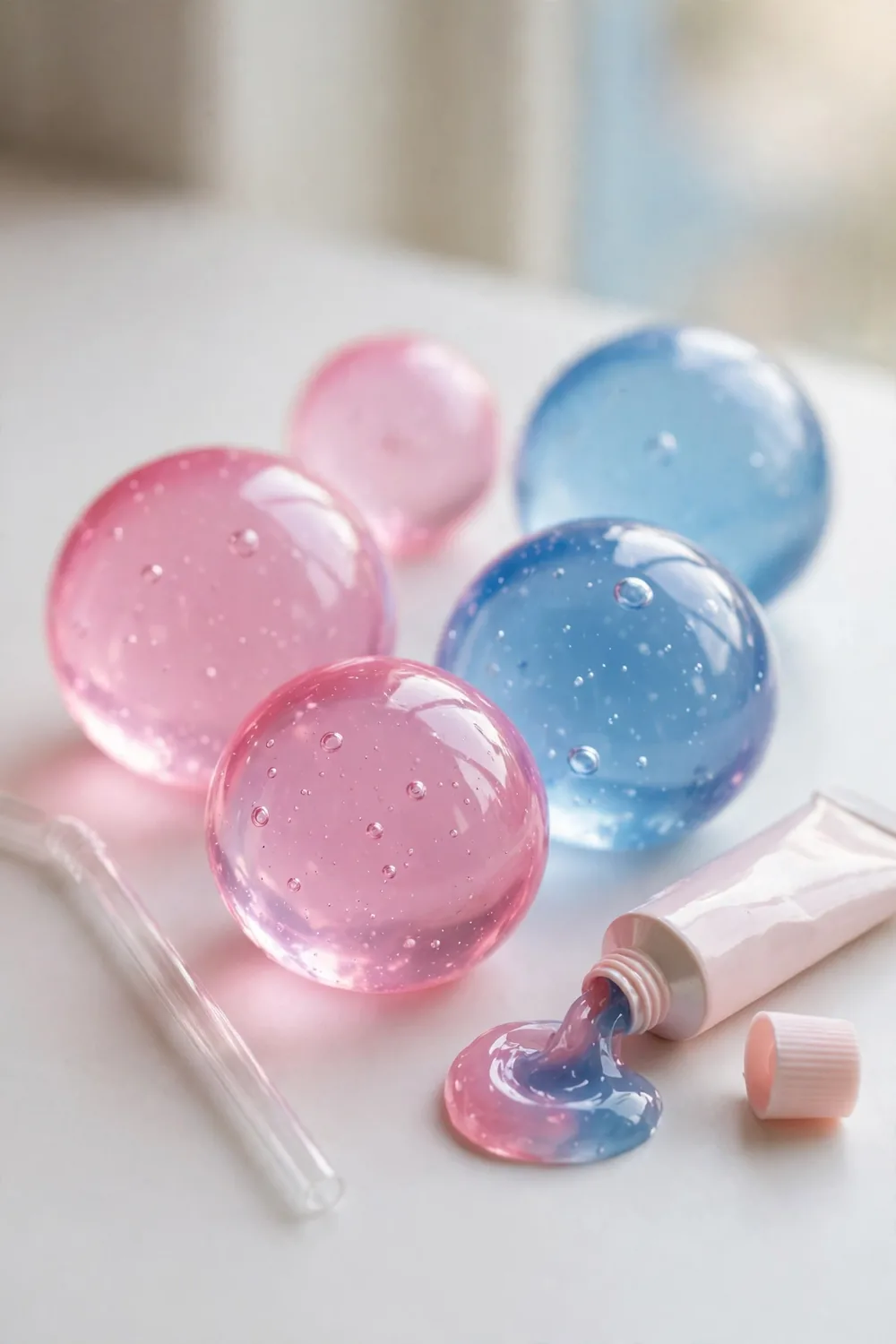
Bloonies came as a small tube of brightly coloured gel and a thin straw. Squeeze a blob onto the straw’s tip, blow gently, and a glossy bubble ballooned out — shiny, wobbly and, if you pinched the end in time, briefly permanent. It was part toy, part chemistry trick, and the bubbles looked like blown glass.
The gel, however, was a solvent-based plastic solution with a strong chemical smell, and the intended technique was to blow through a straw held in the mouth, repeatedly, at close range. Dizziness and headaches were not unknown, and chewing the straw was a temptation best avoided. Today’s versions use gentler formulas, and the original smell alone explains why.
22. Pogo Bal
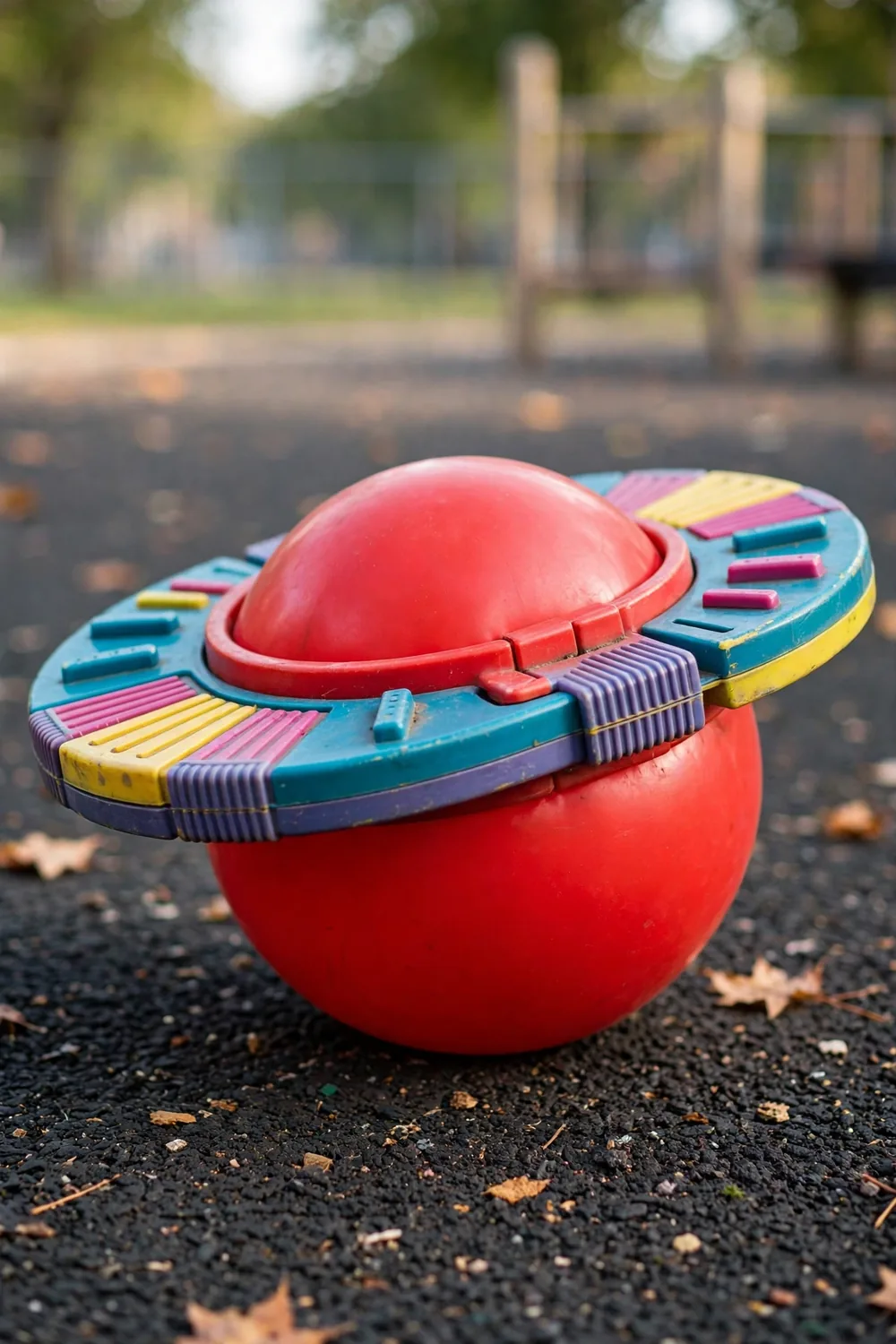
The Pogo Bal finished the era in style: a flat plastic disc gripped around a big inflatable ball. Stand on the disc, squeeze the ball between your feet, and bounce — in theory, in a straight line, under complete control. In practice, it was a trampoline crossed with a bucking bronco.
The ball was the unpredictable part. Under-inflated, it squashed sideways; over-inflated, it was lively beyond reason; and a worn disc offered your shoes very little grip at the top of a bounce. Twisted ankles and undignified landings were standard. It has been reissued since with better materials, but owners of the original mostly remember the sound of it escaping across the playground without them.
It would be easy to end with a lecture, but the honest truth is double-sided. Safety standards changed for very good reasons — nobody sensible wants metal spikes, loose mercury or a lighter disguised as a doll back on the shelves. Yet these toys were also durable, physical and trusted children to learn judgement by using them, which is exactly why they are remembered with such warmth. The modern toy box is safer. Whether it is more fun is a debate every generation gets to have for itself.
More Family Reads You’ll Love
If this trip down memory lane has you rethinking the playroom, these IKEA nursery hacks show how to make a small child’s room work hard without a single hazardous heirloom. And for nostalgia of the cosiest kind, browse these vintage Christmas decor ideas — all of the childhood magic, none of the safety recalls.
