Pelvic Floor Therapists Are Practically Begging People To Stop This Common Habit To Prevent Bladder Issues

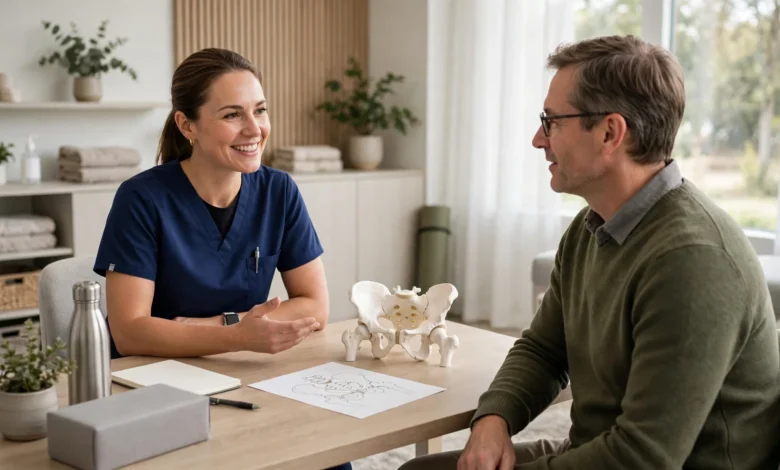
Painful sex. Leaking a little when you cough or laugh. A lower back ache that never quite goes away, no matter what you try. On the surface, these sound like three completely separate problems. But according to pelvic floor therapists, they can all trace back to the same place: a group of muscles most of us rarely think about until something goes wrong.
Pelvic floor therapy, often shortened to PFT, has become far more talked about over the past decade, and for good reason. The pelvic floor is a bowl-shaped group of muscles and connective tissue that supports the bladder, the bowel, and the reproductive organs. When those muscles are working well, everything runs smoothly in the background. When they are too weak, too tense, or simply out of sync, the symptoms can show up in surprising places.
Opening up to a stranger about the most intimate parts of your body can feel awkward, even intimidating. That is exactly why so many people put off getting help. To cut through the embarrassment, pelvic floor occupational therapist Jamie Lief, OTD, OTR/L, PCES, a Level 1 Functional Pelvic Health Practitioner based in New York City, answered real questions from readers about how the pelvic floor works, what can go wrong, and which everyday habits might quietly be making things worse. Here are her answers, in her spirit, explained in plain language.
1. The Everyday Habit Causing The Most Pelvic Floor Problems: Hovering Over The Toilet
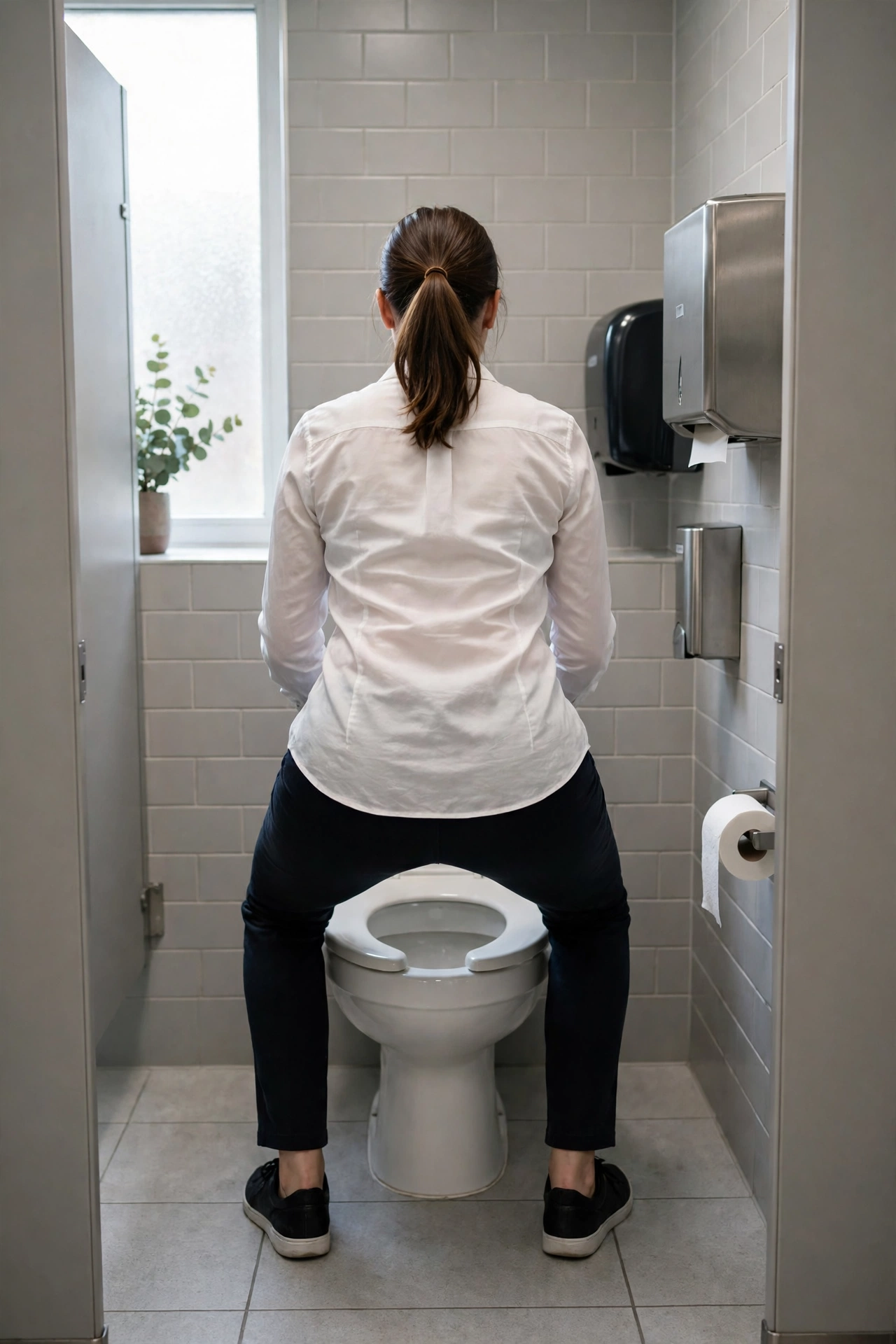
If you ask a pelvic floor therapist which everyday habit causes the most trouble without people realising it, the answer comes fast: squatting, or hovering, over public toilets. It feels like the hygienic choice, but your body disagrees. Hovering keeps the muscles in your legs, core, and pelvic floor switched on, which works against your body’s natural instinct to relax the pelvic muscles and let the urethra open fully.
When you hover, you often end up pushing your urine out instead of letting it flow, and you may not empty your bladder completely. Doing it once in a while, say in a truly grim portable toilet situation, is no big deal. But making it a daily habit can train your bladder badly over time, and therapists link it to worse symptoms down the line, including urinary leakage and needing to pee far more often than you should.
The other habit in the same family is “just-in-case” peeing: forcing yourself to go before a long car ride, a meeting, or a movie, even when you do not really need to. Emptying your bladder before it is full interrupts the natural urge signals your bladder sends to your brain. Over time, your body gets used to the pattern, and you can end up peeing all the time, disrupting your day and teaching your bladder to work in unhealthy ways. The fix is simple, if not always convenient: sit down properly when you can, and try to go only when you genuinely feel the urge.
2. Straining To Poop Isn’t Just Uncomfortable — It Can Be A Warning Sign

Most people assume that struggling to have a bowel movement is just a normal part of life, or a sign they need more fibre. But difficulty pooping can also be a sign that the pelvic floor is not working properly. The pelvic floor muscles support the very end of the colon, and if they are overly tense, uncoordinated, or not strong enough, they cannot help move things along the way they should.
When that happens, people instinctively push hard to finish the job. That forceful straining can weaken the muscles further, which only adds to the problem, and over time it can raise the risk of painful conditions such as haemorrhoids and rectal fissures. In other words, the pushing that feels like the solution can quietly become part of the problem.
If you regularly find yourself straining, it is worth paying attention rather than powering through. Staying hydrated, eating enough fibre, and giving yourself unhurried time in the bathroom all help, but if the difficulty keeps coming back, it is a good reason to talk to a doctor or a pelvic floor therapist instead of assuming it is just how your body works.
3. The Embarrassing Question You Should Never Be Afraid To Ask: Orgasms And Your Pelvic Floor

Ask a pelvic floor therapist what patients are most embarrassed to bring up, and the answer is often the same: orgasms. Even people who are already in treatment for sexual health concerns can feel anxious raising the topic. But as Lief points out, there is no reason for the awkwardness. Orgasms are a normal, healthy part of sexual wellbeing, and they are closely connected to how the pelvic floor functions.
Reaching orgasm depends on more than arousal and comfort. It also requires the pelvic floor to be strong and to have its full range of motion, meaning it can contract fully and relax fully. When the pelvic muscles are not working as they should, orgasms can become weaker or harder to reach at all. That is a functional issue, not a personal failing, and it is exactly the kind of thing pelvic floor therapy is designed to address.
The takeaway is straightforward: never be shy about bringing this up with a clinician. It is a legitimate health topic, and everyone deserves to have a sex life that feels good, not frustrating or confusing.
4. The One Exercise To Protect Your Pelvic Floor As You Age: Diaphragmatic Breathing

If there is one exercise Lief wishes everyone knew about for pelvic health as they age, it is diaphragmatic breathing, and her recommendation is emphatic. This is the slow, deep belly breathing that engages the diaphragm, and it does far more than fill your lungs. It helps the pelvic floor relax, encourages healthy movement of the pelvic muscles, and calms the nervous system, which in turn eases the muscle tension that builds up from stress and clenching.
That relaxation matters in practical moments too. Diaphragmatic breathing can help the muscles release when you use the bathroom, and it can physically prepare the body for intimacy. As a bonus, the same technique has been linked to less lower back pain, less abdominal tension, and even lower anxiety. In Lief’s view, it is the single best thing you can do for your pelvic floor, whoever you are and whatever your age.
Getting older well is rarely about one dramatic change. It is about small, steady habits, and breathing is one of the easiest to start. If you are building a routine of healthy ageing habits, our guide to 8 habits to help older people stay healthy is a good companion read. And because the brain and body age together, it is also worth paying attention to early warning signs in general, as neurologists reveal the overlooked signs of Alzheimer’s they wish everyone knew.
5. Is It Normal For Sex To Hurt A Little? The Short Answer Is No

This is one of the most common questions pelvic floor therapists hear, and the answer is a firm no. If everything is working as it should, penetrative sex should not be painful. Pain with insertion, or deeper pain during penetration, can be a sign that the pelvic muscles are not functioning at their best, whether they are too tense, too weak, or not coordinating properly.
It is worth remembering that sex is about far more than penetration, and pleasure can be found in many other ways. But whichever way you enjoy intimacy, it still should not hurt. If penetration is painful, and you also notice discomfort with Pap smears, tampons, or finger insertion, that combination is a strong signal that pelvic floor therapy could genuinely help.
Too many people are told, directly or indirectly, that a little pain is just part of the deal. It is not. Pain is information, and it is worth listening to.
6. Should You Do Kegels If Your Pelvic Floor Is Healthy? Not So Fast

Kegels have a reputation as the one-size-fits-all fix for pelvic health, but that reputation is misleading. Kegels are simply repeated contractions and relaxations of the pelvic floor muscles, and while they can support a healthy pelvic floor, they are not a cure-all. In fact, if your muscles are already overly tense, squeezing them more can do more harm than good.
That is the key point Lief stresses: never assume your pelvic floor just needs strengthening. If the muscles are already constricted, adding Kegels can increase the tension further and make symptoms worse. Strength is only half the story. A healthy pelvic floor also needs to be able to let go, and that ability to fully relax is just as important as the ability to contract.
So before starting a Kegel routine, it is worth finding out what your pelvic floor actually needs. For some people, Kegels are exactly right. For others, the first step is learning to release tension, not adding more of it. A pelvic floor therapist can tell the difference in a single assessment.
7. How To Stop Those Split-Second Leaks Before They Happen
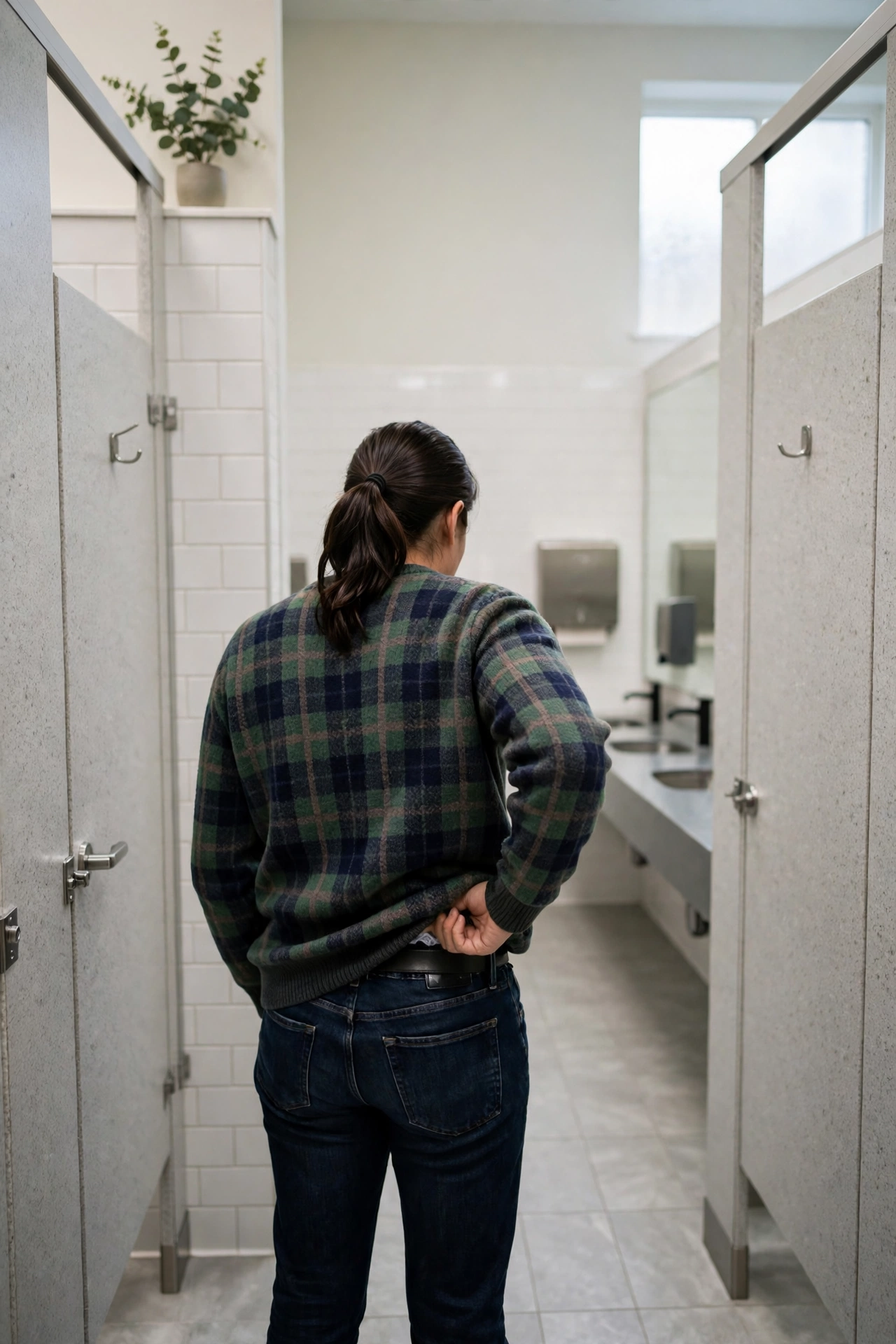
That sudden, urgent need to pee, followed by a leak before you can even reach the bathroom, is one of the most frustrating pelvic floor symptoms. Many people’s first instinct is to squeeze a Kegel as fast as possible, but as we have just seen, Kegels are not the answer for every pelvic floor. So what works no matter what kind of pelvic floor you have?
Lief’s answer is diaphragmatic breathing, the same technique from section four. When the urge hits, breathe slowly and intentionally, right down into the pelvic floor muscles. That deep breath can calm the urge itself, support the urethra, and settle the nervous system, and all three of those effects help prevent leakage. It sounds almost too simple, but it works because the pelvic floor and the diaphragm move together, like two ends of the same system.
The trick is practice. Try the breathing when you are calm and at home first, so that it becomes automatic when the urge strikes in real life. Over time, many people find they can ride out the urgency instead of being ambushed by it.
8. What Young Men Should Watch For When It Comes To Pelvic Floor Health

Pelvic floor problems are often talked about as if they only affect women, but that is a myth. People with penises have pelvic floors too, and every pelvic floor can develop tension, weakness, or poor coordination. The difference is that men are far less likely to bring these issues up, largely because talking about intimate health can feel awkward or embarrassing.
That silence means a lot of cases go unreported and untreated. Lief says young men should watch for pelvic pain, including painful ejaculation, ongoing constipation, and erectile dysfunction, all of which can be connected to pelvic floor dysfunction and can be addressed through pelvic floor therapy. None of these are things to just live with, and none of them are a reflection of masculinity or worth.
Pelvic therapy can be just as beneficial for people with penises as it is for people with vaginas. If any of these symptoms sound familiar, a pelvic floor evaluation is a practical, stigma-free next step.
9. Can Your Pelvic Floor Really Cause Lower Back Pain?

Yes, and this is one of the most surprising connections in pelvic health. The pelvis is supported by a whole team of muscles: the core, the back, the glutes, the hips, and the pelvic floor. Lief describes them as wrapping around the pelvis like plastic wrap. When they are strong, that wrap is strong and stabilising. When the pelvic floor is weak or working with unhelpful habits, the other muscles have to pick up the slack.
If your back muscles are working overtime to support the pelvis, that extra load can increase your back pain. The good news is that the same logic works in reverse. By strengthening the entire support system, including the pelvic floor, you spread the workload more evenly and give your back a break. That is why people who feel they have tried everything for their back pain, with little to show for it, can be good candidates for a pelvic evaluation, to check whether the pelvic floor is a contributing factor.
Back pain rarely has a single cause, so a pelvic check will not be the answer for everyone. But when it is part of the picture, treating it can make a real difference to pain that has resisted every other approach.
10. Is Peeing 7 Or More Times A Day Normal?
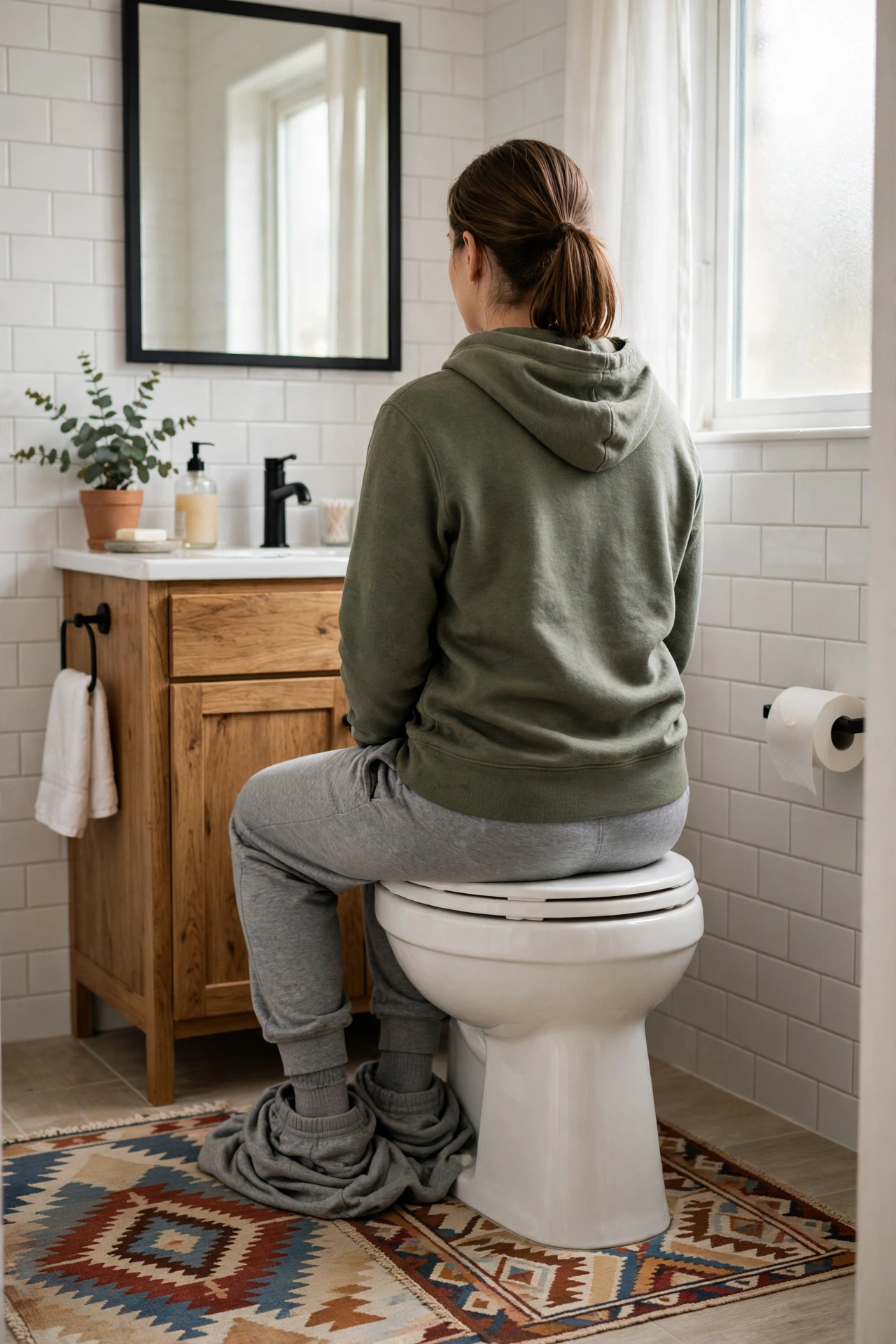
Before answering, Lief is clear that every body is different, and there is no magic number of bathroom trips that everyone should aim for. As a general guide, though, peeing every two to four hours is considered healthy, depending on how much you drink. Going more often than every two hours, or less often than every four, can both be worth a closer look.
If you are the friend who always says “I just have a tiny bladder” before a movie or a long car ride, it may be worth asking whether you have gradually trained yourself into frequent urination, often through the just-in-case peeing habit we covered earlier. If it does not really bother you, there is no reason to stress about it, and the bladder can be retrained to change how often you go.
The picture changes if frequent urination is really about avoiding leaks, or if it grew out of anxiety about needing a bathroom. In that case, it is something to discuss with a pelvic floor therapist, who can help untangle whether the habit, the anxiety, or the muscles themselves are driving the pattern.
11. Can Constantly Sucking In Your Stomach Hurt Your Pelvic Floor?

Yes, and this is another reason to stop holding your stomach in all day. When you suck in, you are engaging your abdominal muscles constantly, and the abdominal and pelvic muscles work together, remember that plastic-wrap system from section nine. If your abs are switched on all day, your pelvic muscles are also active and contracted all day, which increases tension and can worsen pelvic symptoms.
Lief’s advice is to let your stomach relax for a few days and get to know how that feels. Once your body relearns that it is okay for the abdominal muscles to rest, your pelvic floor gets the chance to rest too. That does not mean giving up exercise. Planks and Pilates are fine. The issue is the all-day, every-day activation, as Lief puts it: you would not do bicep curls all day long, so why ask your core to do the equivalent?
Many people suck in without even noticing, often out of habit or self-consciousness. Simply catching yourself and letting go, a few times a day, can be a surprisingly powerful first step.
12. Endometriosis And Your Pelvic Floor: Breaking The Pain-Tension Cycle

Finally, is there a link between endometriosis and pelvic floor health? Yes, Lief confirms, and it works as a cycle. Endometriosis is a complex condition, but in general, pelvic floor tension often develops as a protective response to pain and anxiety. Because pain and anxiety go hand in hand with endometriosis, the pattern can feed on itself: endometriosis pain causes muscle tension, the tension causes pelvic pain, which causes more tension, which causes more pain, and on it goes. Urinary and bowel symptoms can worsen along the way too.
Pelvic floor therapy cannot cure endometriosis, and no honest clinician would claim otherwise. But it can help in real, practical ways: keeping the pelvic muscles as healthy as possible, breaking the pain cycle, and teaching nervous system strategies to manage pain and tension. For many people living with endometriosis, that support makes daily life noticeably easier, even while the underlying condition is managed separately.
If you live with endometriosis and recognise that cycle in your own body, a pelvic floor evaluation is worth discussing with your doctor. Relief does not have to mean a cure. Sometimes it means finally interrupting a loop that has been running for years.
Twelve questions, one clear message: the pelvic floor affects far more of daily life than most of us realise, from how we use the bathroom to how we move, breathe, and feel pain. The hopeful part is that many of these issues are treatable, and some of the most useful habits, like sitting down properly, going only when you need to, letting your stomach relax, and breathing deeply, cost nothing at all. Small daily habits shape long-term health in quiet ways. That is true for the pelvic floor, and it is true more broadly too: even a single mindset shift can protect your brain over time, as 1 mindset shift to help protect brain health explains, and learning to spot the body’s early signals is a skill worth building, whether those signals show up in your handwriting or in how often you need the bathroom.
If something in this article sounds familiar, consider it a nudge, not a diagnosis. Book an appointment with a pelvic floor therapist or your doctor, describe what you are noticing honestly, and let a professional work out what your body actually needs. Your pelvic floor has been quietly supporting you all along. It is worth returning the favour.
Medical disclaimer: This article is for general information only and is not medical advice. It is not a substitute for professional medical advice, diagnosis, or treatment. Always seek the advice of your doctor or another qualified health professional with any questions you may have about a medical condition, and never delay seeking care because of something you have read here. If you have persistent pain, bleeding, or other worrying symptoms, please seek medical attention promptly.