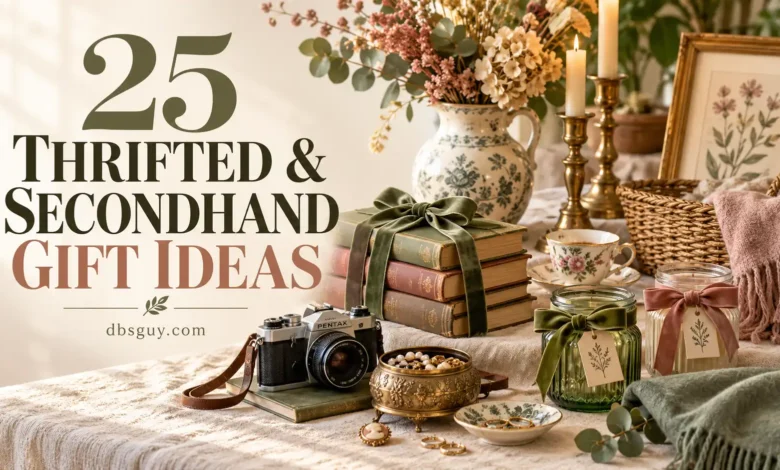
A secondhand gift works when the recipient can see why you chose it: a book about their favorite place, a scarf in the colors they wear, or a frame already filled with a shared memory. These 25 thrifted and secondhand gift ideas include what to look for, what to check, and a simple way to make each find feel finished.
Need a quick starting point? Try a book for a reader, a framed photo for a sentimental relative, a complete game for a host, or a small basket with fresh favorites for someone whose size you do not know.
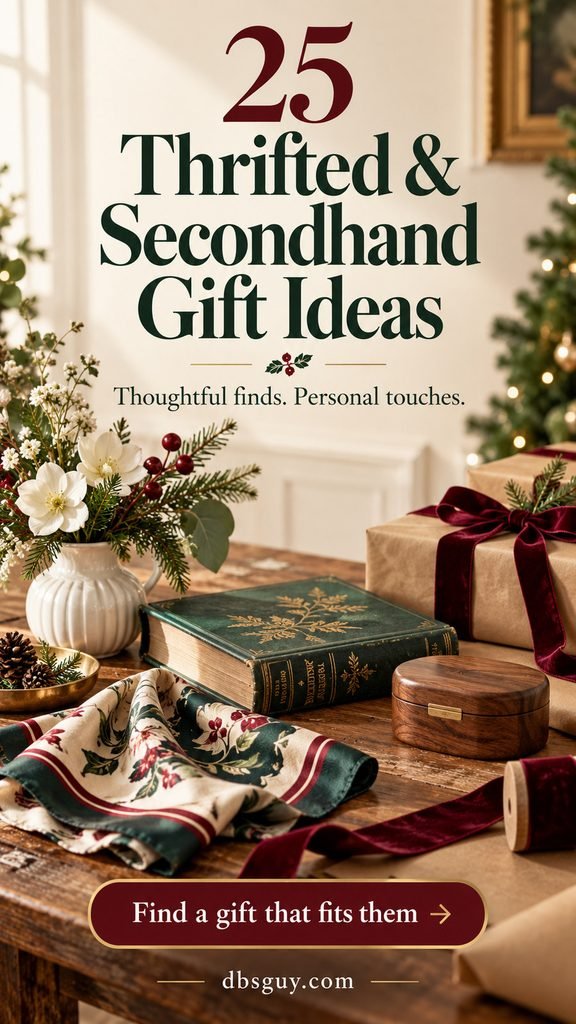
The images are AI-generated styling concepts, not photographs of tested purchases or items currently for sale. Actual secondhand stock and condition will vary.
Choose the person before you choose the bargain
Write down one interest, two colors they like, and any practical limit, such as shelf space or clothing size. Set a total budget that includes cleaning, replacement parts, wrapping, and delivery. For example, a $20 plan might allow $12 for the find, $5 for a useful new addition, and $3 for presentation. That is a budgeting example, not an expected thrift-store price.
Before buying an identifiable consumer product, check its brand and model against recalls. The CPSC’s secondhand-shopping safety guidance is a useful place to start. A visual inspection cannot establish that a product meets current safety requirements. This list focuses on gifts for adults and older teens; skip used protective gear and infant sleep equipment when their safety or history cannot be established.
1. A favorite book in a beautiful used edition
For a reader, start with a title they already love or a subject they keep mentioning. A clothbound novel, illustrated nature book, or photography collection feels personal when the subject is right. Choose a readable copy rather than paying extra for an edition you cannot authenticate.

Open it at the front, middle, and back. Look for loose pages, water damage, strong odors, and inscriptions that might feel awkward to pass along. Tuck in a new bookmark and a note explaining your choice. If the book might be collectible, keep your message on a separate card instead of writing inside.
2. A cookbook with a family recipe tucked inside
A secondhand cookbook works especially well for someone with a specific cooking interest: bread, regional American food, weeknight dinners, or holiday baking. Match their actual kitchen habits. A beautiful barbecue book is wasted on someone who has no interest in grilling.

Check the index, binding, and frequently used pages for missing sheets or sticky spills. Add a clearly written family recipe on a removable card, including quantities and instructions. For practical everyday cooking, favor a reasonably current book; treat older preservation or canning instructions as historical material, not automatically current safety advice.
3. A record they would actually play
Choose a favorite album, a meaningful soundtrack, or an artist connected to a shared memory. First make sure the recipient has a working turntable and does not already own that pressing. A familiar album in good playable condition is usually a better gift than an unfamiliar record bought only for its sleeve.

Confirm that the record inside matches the jacket. Inspect both sides under good light for deep scratches and obvious warping; ask for a play test or a useful condition description when buying online. Package it in a rigid record mailer if shipping. The artwork here is a concept, not a particular album listing.
4. A complete board game for their next game night
Think about their usual group before choosing a game. Two people in a small apartment need a different option from a family that hosts six adults. Look for a game with a playing time, player count, and complexity they would enjoy.
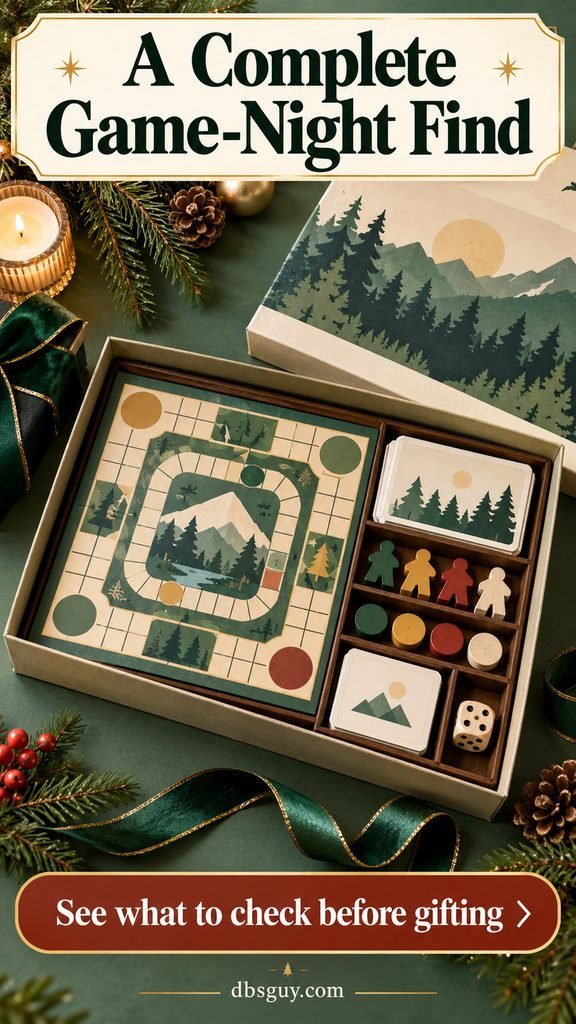
Use the component list in the rules to count cards, tokens, dice, and any special pieces. Confirm the rules are included or available from the publisher, and check whether the game needs an app or access code. A tidy box is not proof of completeness. Bag the pieces neatly and add an invitation to play together.
5. A complete jigsaw puzzle with a subject they love
A cottage scene, national park landscape, or botanical illustration can make a lovely quiet-evening gift. Choose a piece count and finished size that fit their patience and available table space. This is a different experience from a group board game, so let the recipient’s habits guide the choice.
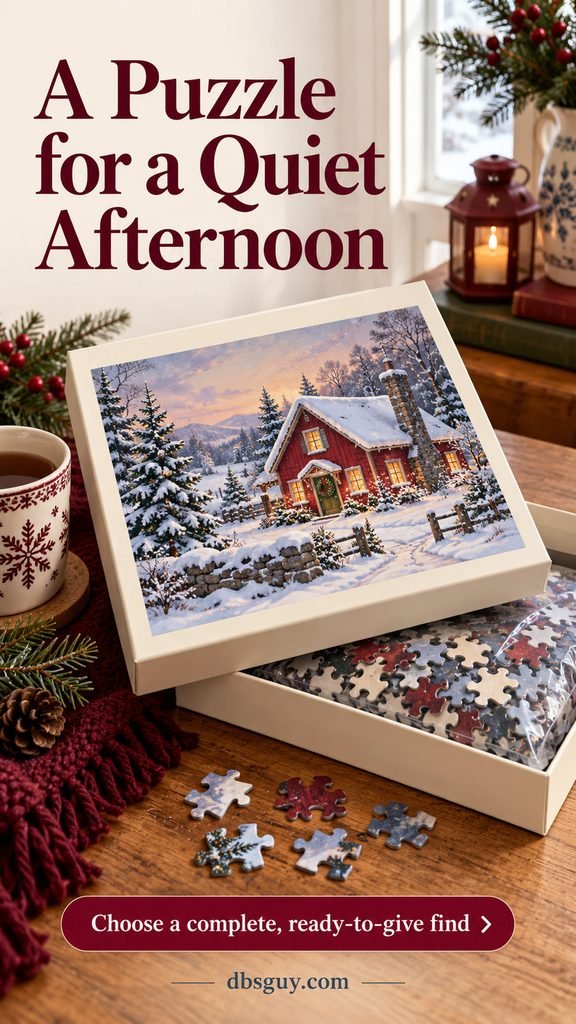
For an opened puzzle, a piece count alone cannot prove that the picture is complete. The strongest check is assembling it yourself; otherwise, favor a factory-sealed secondhand copy. Avoid promising that an unchecked puzzle has every piece. Put a verified puzzle into a closed bag inside its box so pieces cannot escape during wrapping.
6. Small art connected to a place they love
A small landscape can recall a hometown, favorite lake, or memorable trip. Choose the subject and colors for the recipient’s home, not your own. A modest framed print that fits their space can be easier to live with than a large painting they feel obliged to hang.

Look for staining, ripples, loose frame joints, or damaged hanging hardware. Note the framed dimensions before buying. Describe the piece honestly as a print or artwork unless you can verify the medium, artist, and provenance. A short card saying why the scene reminded you of them adds meaning without inventing a history.
7. A secondhand frame with a photo already inside
For grandparents, a close friend, or a sibling, finish the gift before wrapping it. Put a favorite family picture, shared vacation photo, or meaningful scenic shot into a frame that suits their home. Leaving the frame empty gives them another task.

Measure the visible opening, especially with an oval frame, and print a copy rather than trimming an irreplaceable original. Check the stand, backing clips, glass edges, and orientation. Clean the glazing separately from the photo, then assemble everything once dry. An easel-back frame is useful when you do not know whether they can put holes in their walls.
8. A vase with a small fresh arrangement
An ivory ribbed vase like this one suits someone who enjoys simple flowers. A few stems can make the gift feel finished without turning it into a costly florist order. Choose the vase’s size around where they might use it: a desk, nightstand, or small dining table.
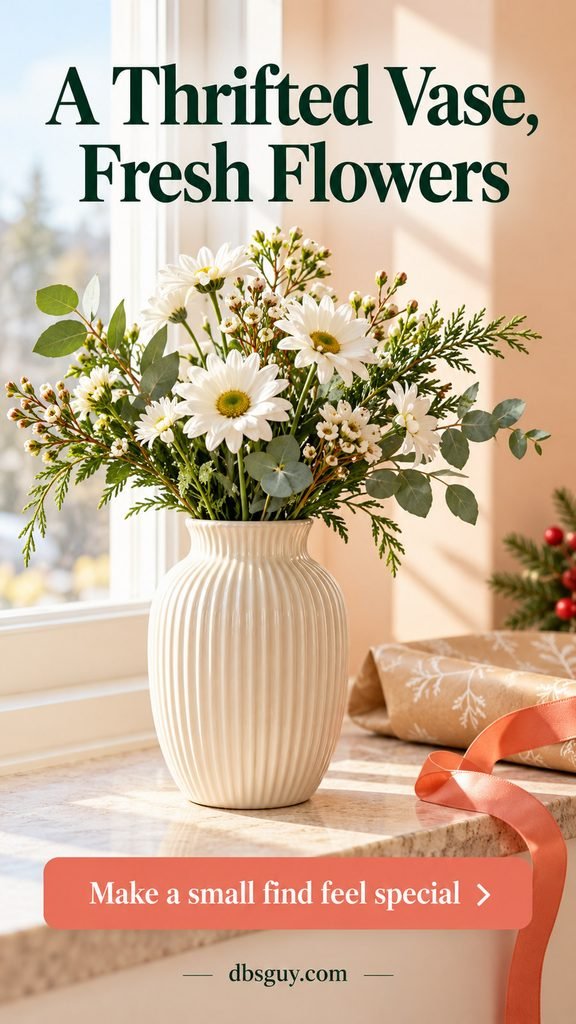
Inspect the rim and base for chips, wash it using a method appropriate to the material, and test for leaks over a sink before adding flowers. Deliver it upright and skip filling it until arrival if you are traveling far. Consider allergies and household pets when choosing stems; an empty vase is still a complete gift.
9. A decorative catchall for rings or keys
A small dish can earn its place beside the bed or near the front door. Choose a shallow shape with enough space for the objects the recipient actually sets down. The blue-and-white example feels at home with both pale wood and traditional interiors.

Look closely for sharp chips and rough spots on the underside. Add removable felt pads if needed to protect a surface. Present it as a decorative catchall, especially when its age or glaze composition is unknown. There is no need to turn an unidentified vintage dish into a serving piece. The rings in the concept image simply show its intended use.
10. Brass candlesticks with new flameless tapers
A pair of brass candlesticks makes sense for a friend who enjoys setting a table or arranging a mantel. Different heights can look intentional when the finish and shape relate. New flameless tapers complete the gift without requiring the recipient to find a compatible pair.
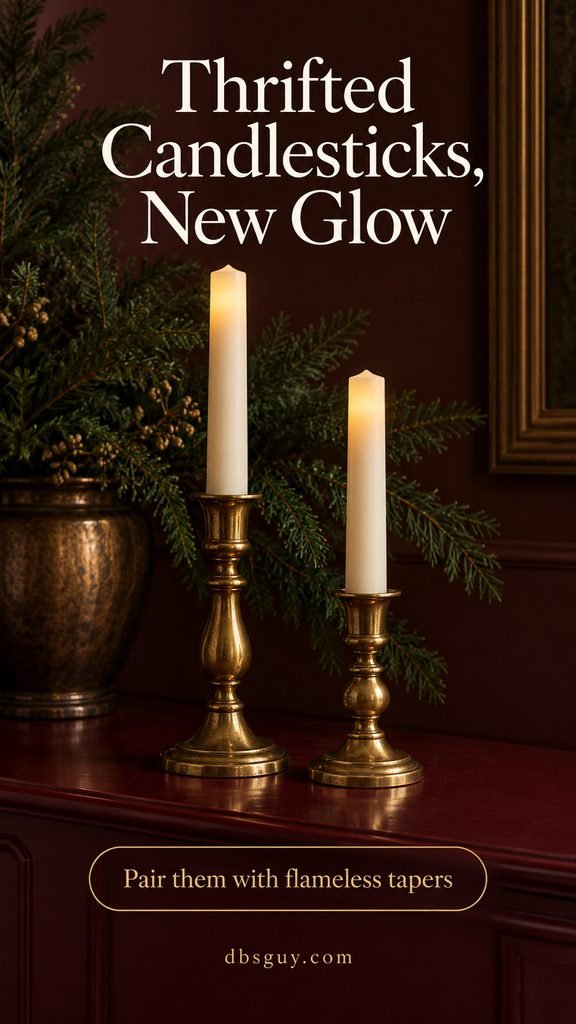
Set each holder on a flat surface and check for wobbling, cracks, and loose joints. Measure the sockets before buying the tapers and make sure they sit securely. Preserve a finish you cannot identify rather than aggressively polishing it. If the candlesticks will be used at dinner, share a simple styling idea instead of adding more decorative objects.
11. A wooden keepsake box with a letter inside
A small lidded box suits someone who saves concert tickets, cards, or meaningful little objects. Choose a size that works on a shelf or dresser; a large empty chest can feel like more storage to manage. A handwritten letter gives the gift a purpose from the start.
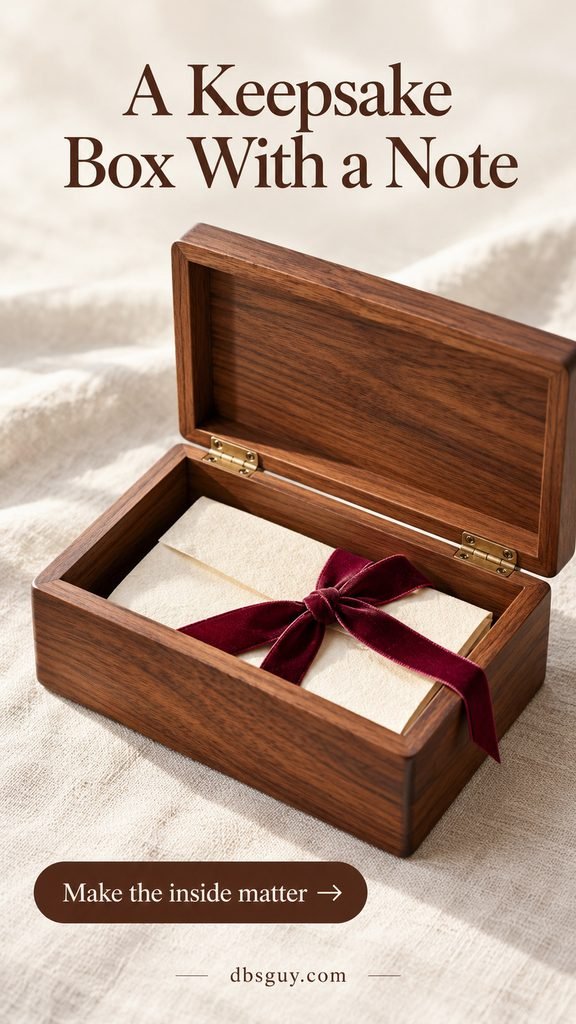
Open and close the lid several times. Check the hinges, interior corners, lining, and any latch for damage or lingering odors. Avoid a box that locks unless the key is present and the mechanism works. Keep this as an adult keepsake gift. Place your letter inside loosely, without gluing in decorations or making permanent changes.
12. Bookends that fit their shelf
Bookends are a useful pick for someone with a desk, cookbook shelf, or growing book collection. Stone, metal, or solid wood can all work. Check the shelf depth first, and choose a style that will support their books without taking over the whole surface.
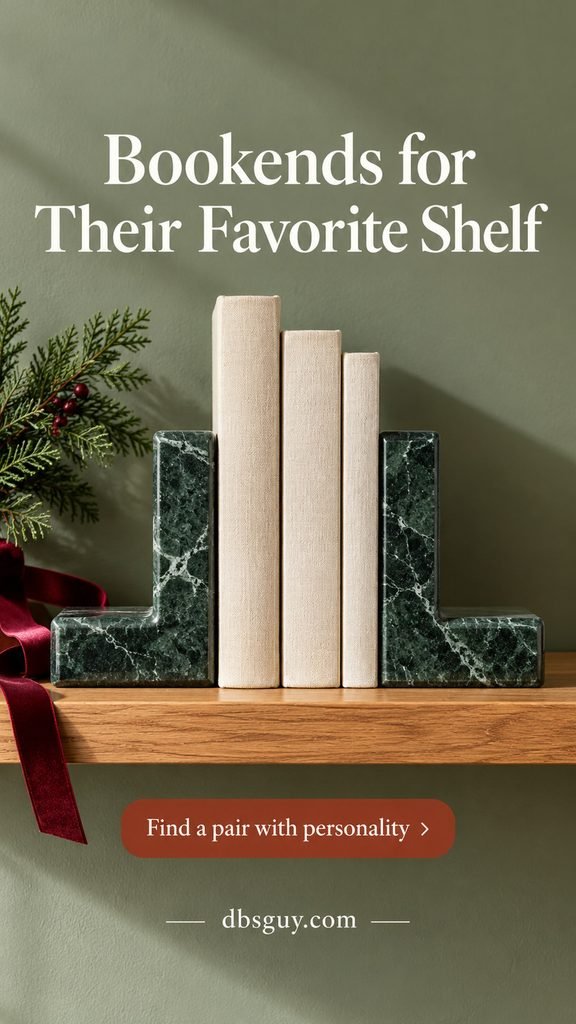
Test the pair with several books at the store if possible. Inspect for cracks, sharp edges, and rough bases; add suitable protective pads when needed. Heavy stone pieces may be better for a local gift than a mailed one. If shipping, cushion and separate the two bookends so they cannot knock against each other.
13. A woven basket filled with new favorites
Use a secondhand basket as both the gift container and something the recipient can keep. For a coffee lover, add one fresh sealed bag of coffee and a new filter pack that fits their setup. A small, coherent selection feels more useful than a basket filled just to make it look full.
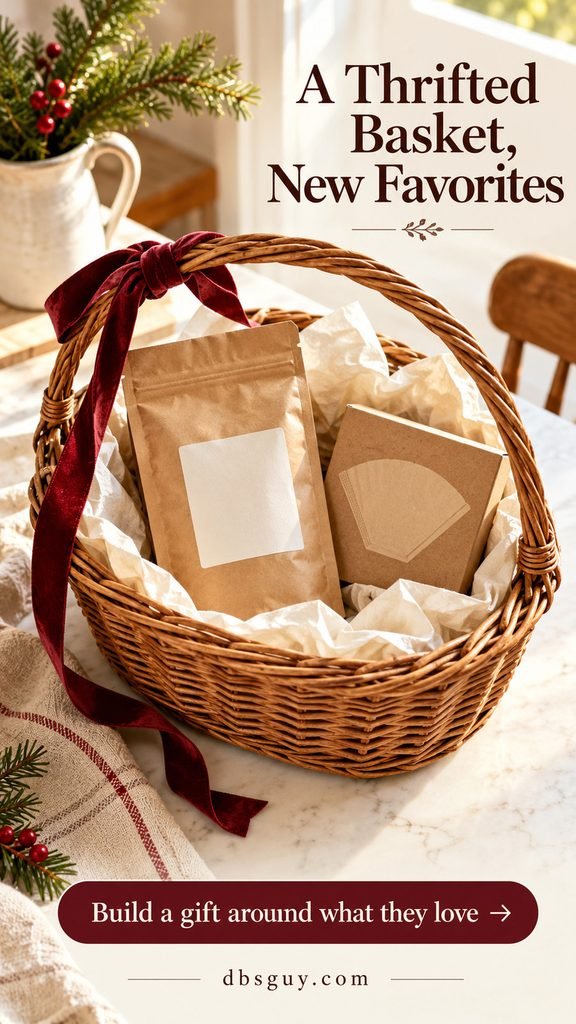
Inspect handles, the bottom, and the inside weave for breaks, dampness, or sharp ends. Choose a clean basket without a persistent odor, and line it with fresh tissue. Keep consumables in their original sealed packaging. For more ways to assemble a focused bundle, browse our DIY Christmas gift basket ideas.
14. A printed scarf in their favorite colors
A scarf is a good option when you know someone’s palette but not their clothing size. Look for colors they already wear and a shape they would use: a small square for a bag or neck, or a longer scarf for layering. Read the fiber label rather than assuming a shiny fabric is silk.
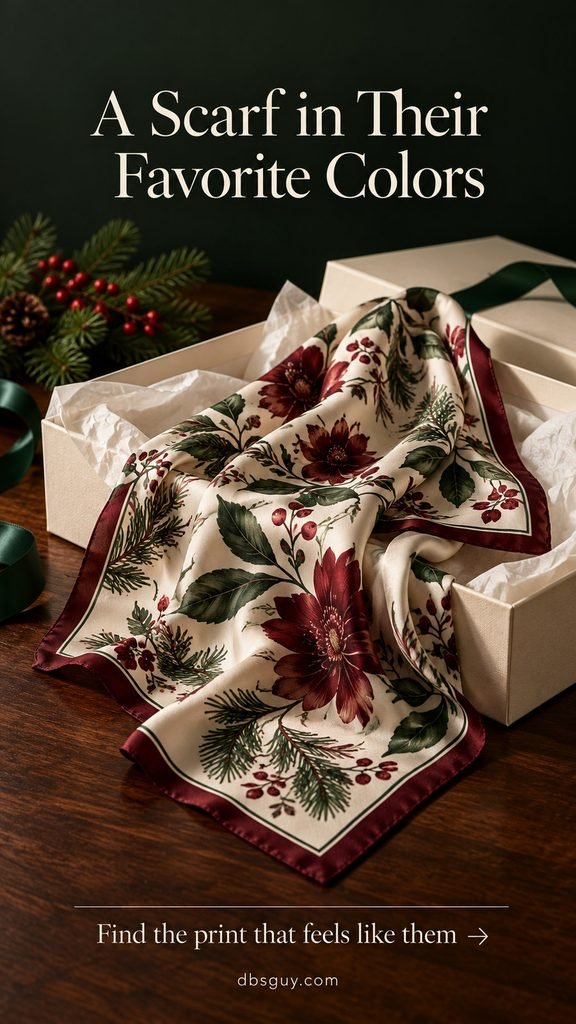
Unfold the whole scarf under good light. Check the center, rolled edges, and corners for holes, stains, pulls, and fragrance. Follow the care label or obtain suitable professional cleaning before wrapping. A simple fold in tissue is enough; the print should be the main decoration.
15. A brooch that matches their style
A brooch can be a small, expressive gift for someone who already enjoys pins on jackets, bags, or scarves. Choose a motif with a connection: a leaf for a gardener, a geometric shape for a minimalist, or a festive design for someone who loves Christmas dressing.

Check that the pin closes securely and that stones or decorative pieces are not loose. Do not describe an unverified piece as gold, sterling silver, or a particular designer. For someone with metal sensitivities, choose a different gift unless the material is known to suit them. Present the brooch in a padded box with its point covered.
16. A well-kept everyday bag
Choose a secondhand crossbody or shoulder bag around the recipient’s daily routine. Look for enough room for their phone, a strap length they would find comfortable, and a closure they like using. Neutral brown can be versatile, but their usual wardrobe is a better guide than any general rule.
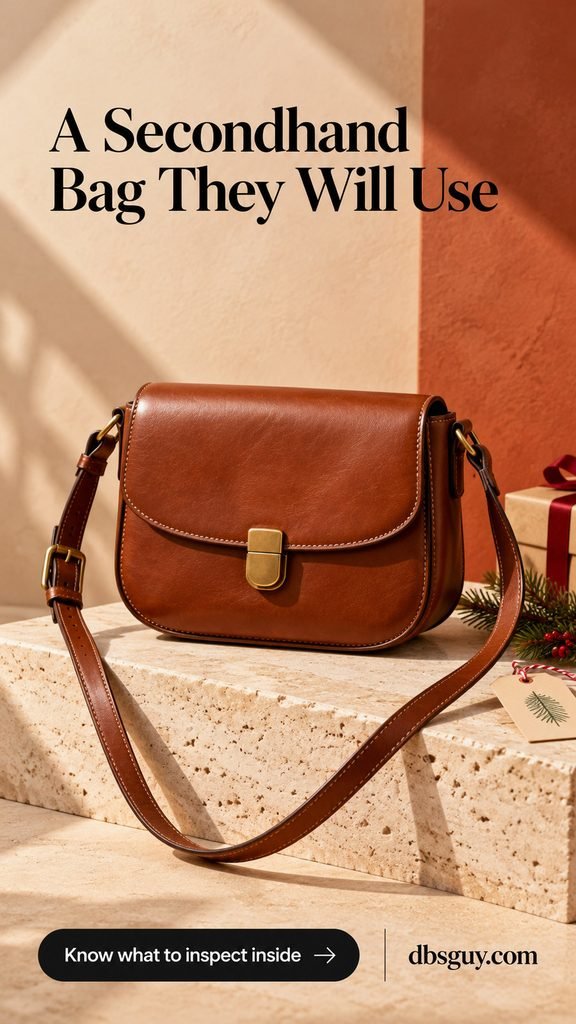
Empty and inspect every compartment. Test zippers, clasps, stitching, strap attachments, and the lining. Check leather or coated surfaces for cracking, flaking, tackiness, or persistent odors. Use care suitable to the actual material, and avoid promising designer authenticity without evidence. A bag that needs substantial repair is usually a project, not a finished gift.
17. A sweater in a fit you can confirm
A soft sweater can be lovely for a close friend or relative whose preferences you know. Compare its measurements with a sweater they already wear, with their help if needed. The size tag alone may be misleading after years of washing or changes in sizing.
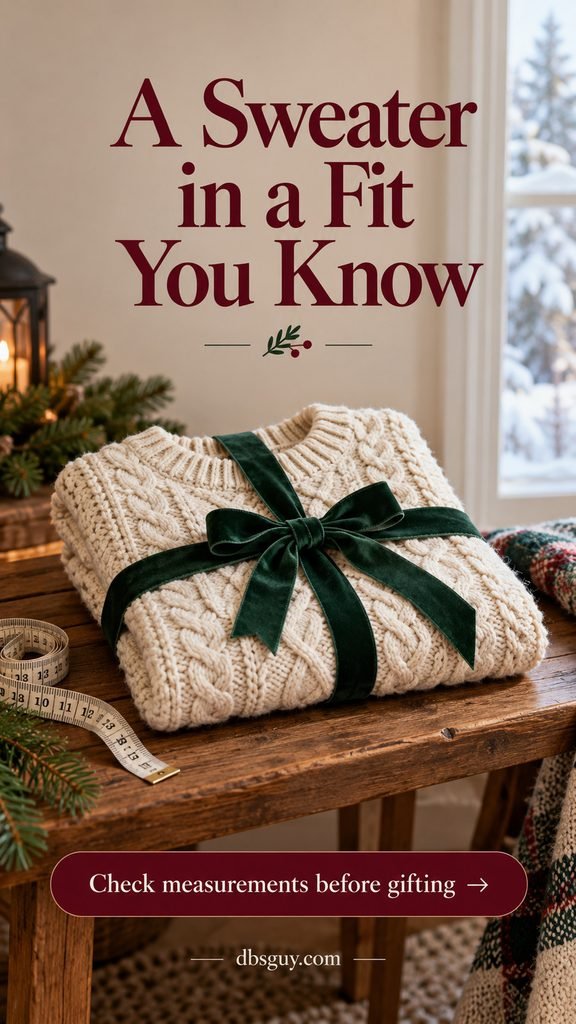
Check the underarms, neckline, cuffs, and elbows for holes, thinning, stains, and odors. Read both the fiber and care labels, and look for signs of shrinkage. Clean it as directed; do not assume a hot wash will improve the fabric. If fit or texture is uncertain, choose one of the size-free gifts instead.
18. A denim jacket for someone who knows their fit
A denim jacket suits a recipient who wears the style already and welcomes secondhand clothing. Look for their preferred wash and shape, whether that means dark indigo, a cropped cut, or a relaxed fit. A surprise garment works best when you have reliable measurements.
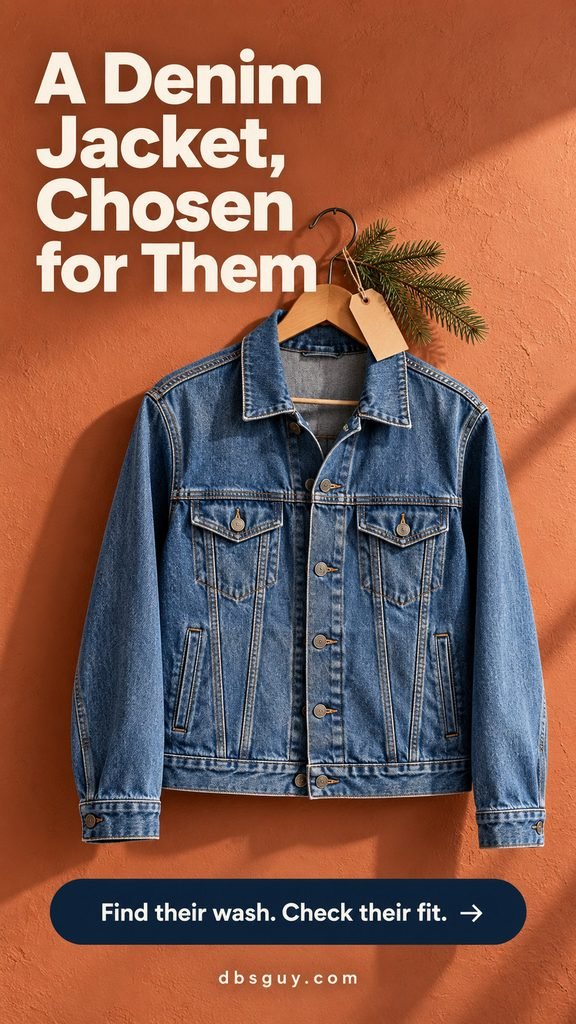
Measure the chest laid flat, shoulders, sleeves, and back length. Compare with a jacket they like rather than guessing from a shirt size. Test buttons and inspect pocket corners, the collar, and underarms. Skip permanent patches or embroidery unless requested; leaving it unaltered gives the recipient more ways to wear it.
19. A washable throw for their favorite chair
For a homebody, choose a lap-size throw in colors already found in their living room. A washable cotton or easy-care blend may be more useful than a delicate blanket that needs special treatment. Read the label and consider how the recipient actually does laundry.
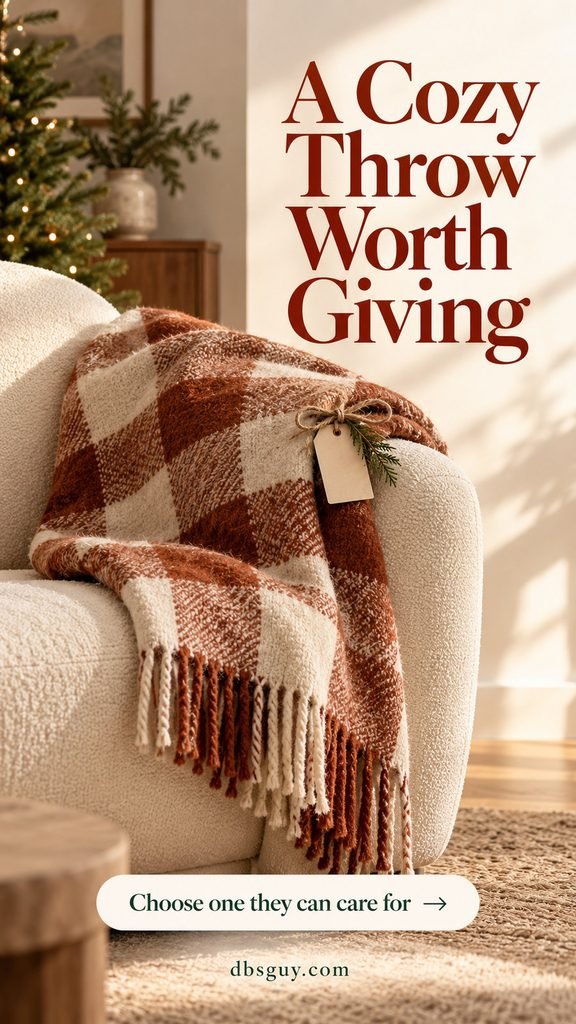
Unfold it completely and inspect both sides, fringe, and edges. Pass on persistent odors, suspicious marks, holes, or heavy shedding. Clean according to the label and let it dry fully before wrapping. Fold it with the care information visible, or include that information on a card if the original label is difficult to read.
20. A set of cloth napkins for a frequent host
Choose a usable set rather than a collection of unrelated singles. Four, six, or eight napkins can work, depending on how the recipient entertains. Check that the dimensions and fabric weight are similar, and choose colors that go with dishes they already own.
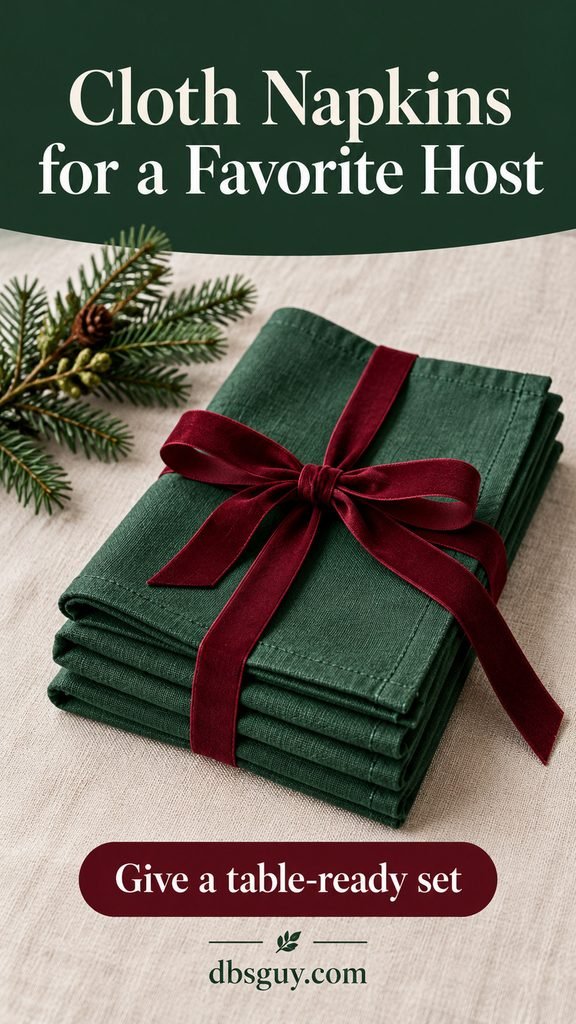
Inspect every napkin for marks and worn hems. Wash according to the care instructions, check the results, and press if appropriate. Do not wrap a stained set and leave treatment to the recipient. Add a card with an easy fold; our Christmas napkin folding ideas offer several ways to present them at dinner.
21. An embroidery hoop with fresh supplies
A gently used embroidery hoop can anchor a small craft gift without pretending to be a complete advanced kit. Pair it with fresh fabric, new floss in a few coordinated colors, and a new needle in its protective packet. Choose a simple project direction that suits their experience.
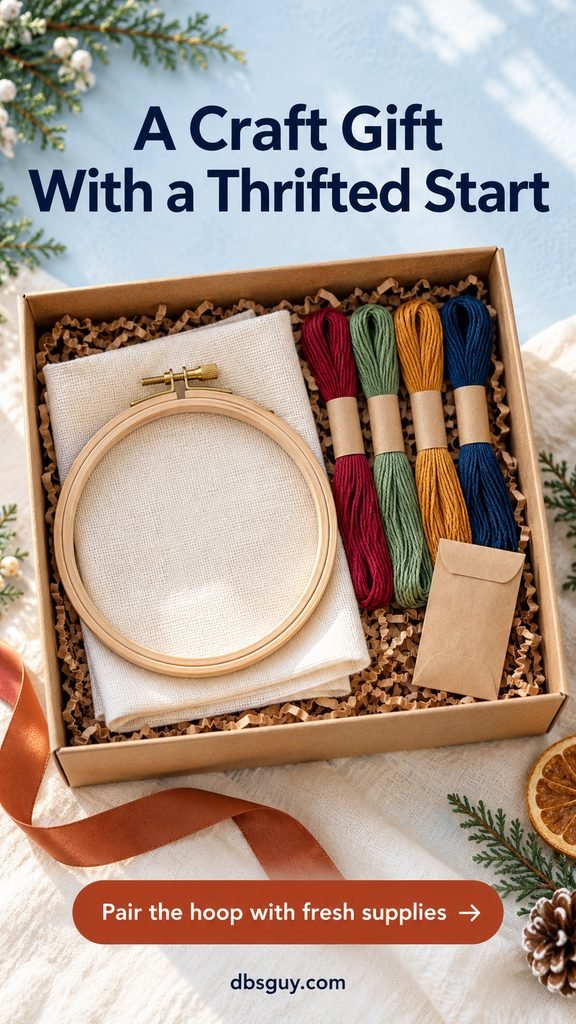
Check the hoop for splinters, cracks, rust, and a screw that no longer tightens. Make sure the inner and outer rings fit securely together. Use a small envelope or box to keep supplies organized, and include a pattern only if you have permission to share it. This gift is aimed at an adult crafter.
22. A pair of useful garden hand tools
A sturdy trowel and hand fork make sense for someone who grows plants and has said they need tools. Choose practical pieces that feel comfortable to hold. A potter of balcony herbs may prefer compact tools to oversized equipment meant for deep garden beds.
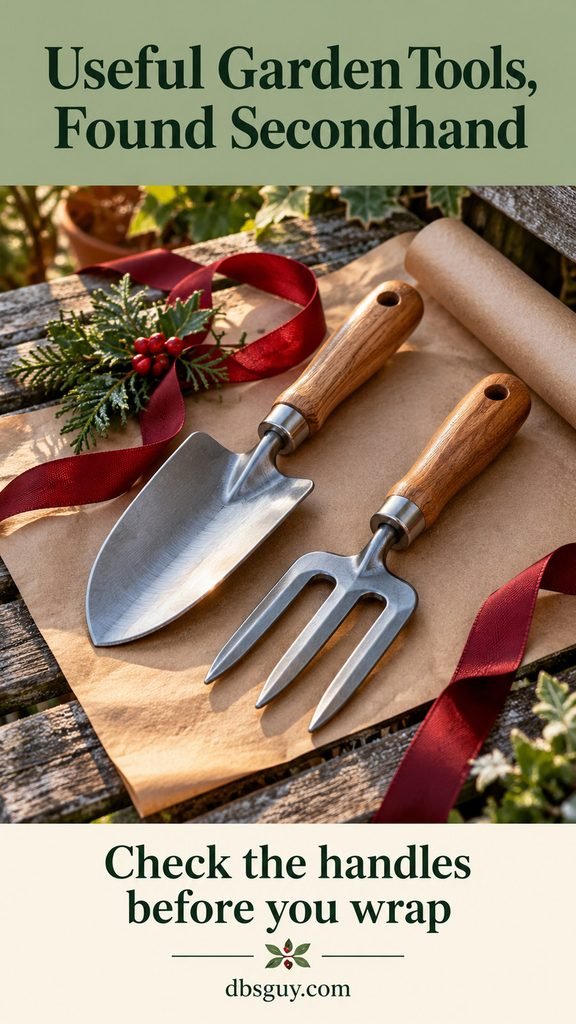
Check for loose heads, split handles, bending, sharp burrs, and serious corrosion. Remove soil and clean appropriately before gifting; do not pass along a tool as ready to use when it still needs repair. Wrap the working ends securely in cardboard for transport. New gardening gloves can be an optional extra if you know their size.
23. Binoculars for a budding birdwatcher
Used binoculars are worth considering when you can try them in person or have a meaningful return option. Ask what the recipient wants to watch and whether weight matters to them. A lightweight pair they will carry can be more useful than a bulky pair left in a cupboard.
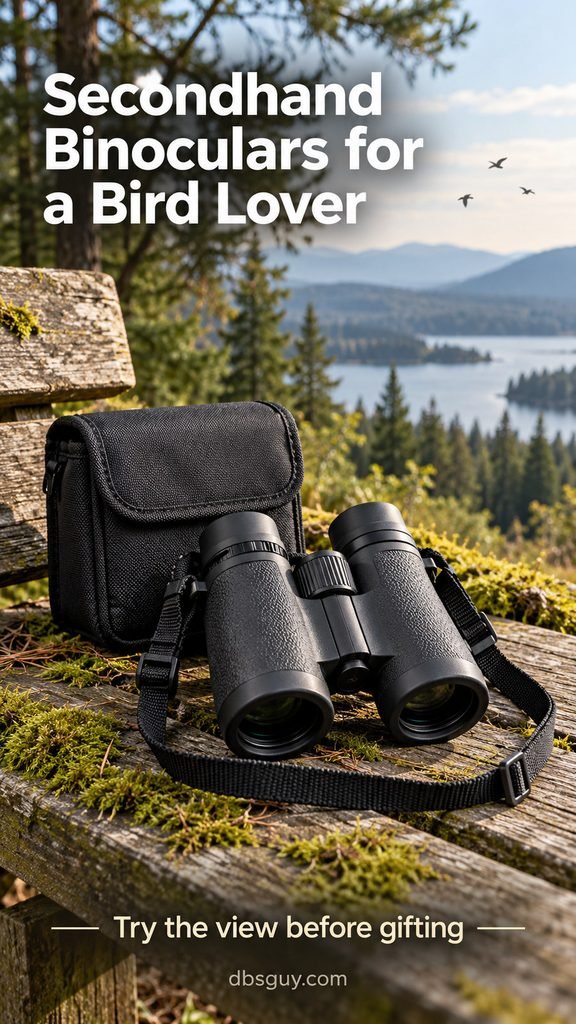
Check the lenses for haze, chips, and obvious scratches. Focus on a distant object and make sure the view is clear, comfortable, and single rather than doubled. Test the hinge, focus wheel, eyecups, strap attachments, and any case closure. If you cannot judge the optics, avoid buying an expensive pair on appearance alone.
24. A playable ukulele for an interested beginner
An instrument can be a generous secondhand gift when the recipient has expressed interest in learning. Choose a ukulele you can have checked by a knowledgeable player or music shop. A very cheap instrument that cannot hold a usable tuning can make learning frustrating.
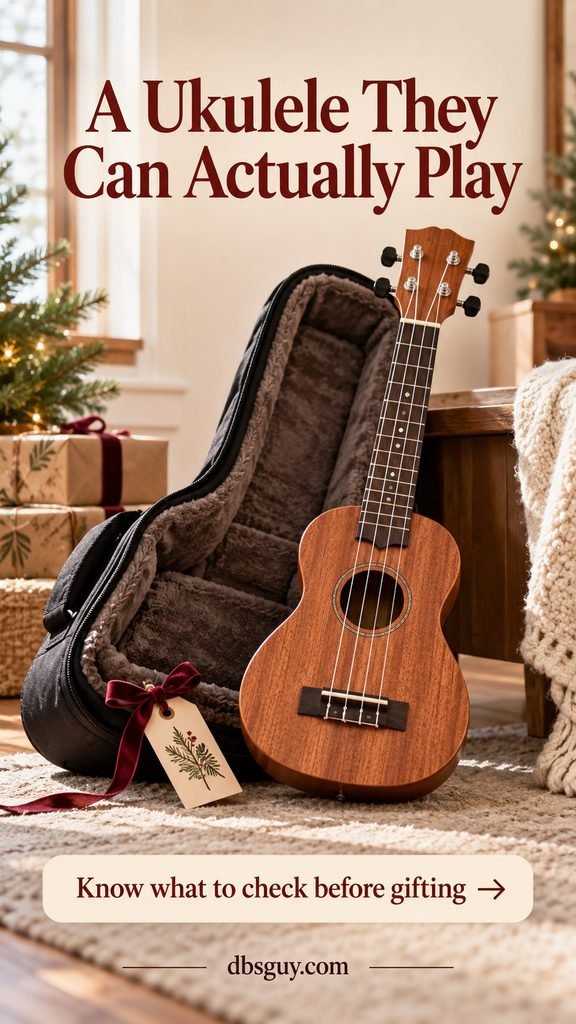
Inspect the body, neck joint, bridge, and tuning machines for cracks, separation, or missing parts. Have its playability assessed before budgeting for strings, adjustments, or a case; those extras can change the total significantly. Wrap it in a fitted case when possible. Do not give an unassessed repair project as a ready-to-play instrument.
25. A small set of Christmas ornaments
For someone who loves decorating, choose ornaments that fit their tree rather than a random large assortment. A small coordinated set in red, gold, wood, or felt can be easier to use. Check whether they prefer shatter-resistant decorations or have limited storage.
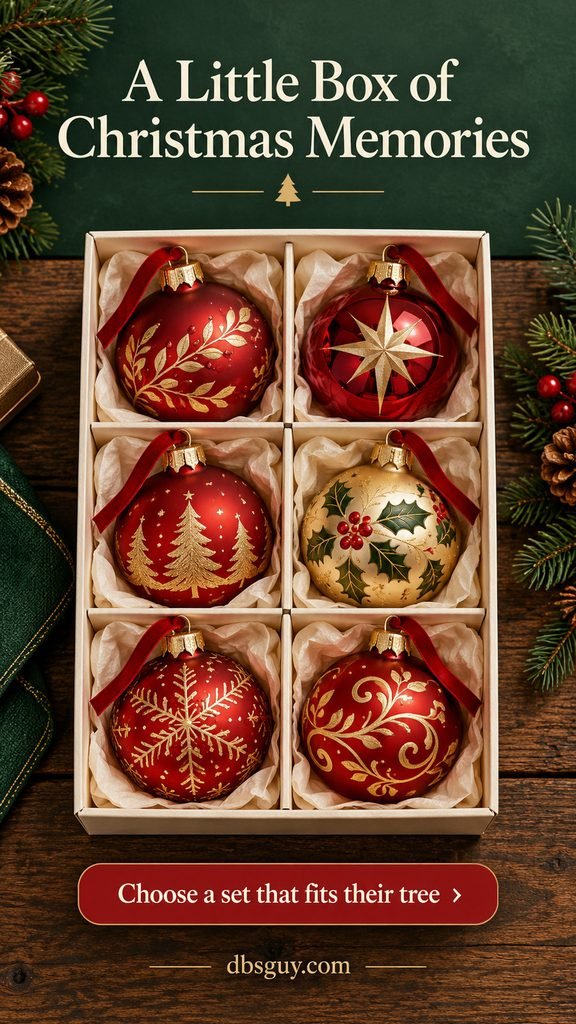
Inspect caps, loops, seams, and surfaces for damage. Avoid sharp broken edges, loose decorations, or flaking finishes, and keep fragile vintage pieces away from homes where they are a poor fit. Add new hanging ribbon where suitable and pack each ornament separately. Give them early enough to enjoy that season, with a box they can reuse for storage.
Where to look and what to ask
Local thrift shops are useful for inspecting textiles, frames, and baskets yourself. Used bookstores, record shops, consignment stores, estate sales, and specialist resale shops can help when condition or a specific item matters more. Availability changes, so search by the object and the recipient’s interest rather than expecting an exact match to a picture.
For an online purchase, request photos of the actual item, measurements, close-ups of wear, and a clear description of missing parts or odors. Read the return terms before paying. Allow time for shipping and any cleaning; for a nearby handoff, follow the marketplace’s current payment and pickup guidance.
Make the gift feel finished
Clean and dry the item using care appropriate to its material. Remove price stickers gently without damaging the finish, gather any instructions, and replace only the small parts you have confirmed will fit. Use tissue, a reused sturdy box, or clean cloth, with enough cushioning for breakable pieces.
Add one specific sentence: “I found this because it reminded me of our lake trip,” or “I thought these colors would go with your winter coat.” You can say it is secondhand naturally. There is no need to apologize for a thoughtful find or invent a story about its past.
Questions about giving secondhand gifts
Is it okay to give a thrifted Christmas gift?
Yes, when the recipient welcomes secondhand items and the gift suits them. If you are unsure, ask casually about their preferences first. For a workplace exchange or organized gift swap, follow the group’s rules about new or used gifts.
Should I tell someone their gift is secondhand?
Be honest if asked, and share the find’s story when it adds meaning. Do not present it as new or claim a designer, age, or collectible value you have not verified. You can keep the purchase receipt privately in case a return becomes necessary.
What should I avoid buying secondhand as a gift?
Pass on recalled goods, missing essential parts, strong persistent odors, and items you cannot clean appropriately. Used cosmetics, opened personal-care products, unverified food-contact antiques, and equipment with an unknown safety history are poor choices for this kind of gift. Give a finished item rather than an unexpected repair job.
What if I cannot find the exact item?
Keep the recipient’s interest and change the format. If you cannot find a suitable record, look for a book about an artist they love. If a sweater’s fit is uncertain, choose a scarf. Decide on a shopping cutoff so you have time to inspect, clean, and wrap what you find.