Imagine stepping outside your back door to harvest fresh basil, crisp lettuce, and sun-ripened tomatoes for your evening meal. Creating a functional food-growing area at home is more than just a hobby; it is a rewarding lifestyle shift that brings nature directly to your table. Whether you live in a sprawling suburban house or a cozy city apartment, you can cultivate a beautiful and productive patch of earth.
This guide explores creative kitchen gardens design strategies tailored to fit any layout or budget across the United States. We will walk you through essential planning steps, from choosing the right containers to building efficient raised beds. You will find plenty of kitchen garden design inspiration to help you maximize your available space while keeping your plants healthy and vibrant.

Our journey covers everything from vertical growing techniques to organic soil care and seasonal maintenance. Get ready to turn your outdoor area into a thriving sanctuary that provides delicious ingredients all year long.
Key Takeaways
- Growing your own food saves money and ensures the freshest ingredients for your meals.
- Effective planning allows you to succeed regardless of your available square footage.
- Vertical structures help you utilize small spaces efficiently for maximum yield.
- Organic methods keep your soil healthy and your produce safe for your family.
- Seasonal care ensures your patch remains productive throughout the entire year.
Kitchen Gardens Design: Start With a Plan That Fits Your Home
Designing a kitchen garden requires a thoughtful plan that matches your home’s layout. Understanding how to plan a kitchen garden ensures a fruitful harvest, not a burden. Evaluating your property sets the stage for long-term success.

Assess sunlight, soil, water access, and available space
Vegetables need at least six to eight hours of direct sunlight daily to grow well. Observe your yard to find the sunniest spots. Good soil health is also key, so test your ground for organic amendments like compost.
Water access is critical in your garden’s layout. Place it near an outdoor faucet for easy watering. For tips on designing a kitchen garden, remember that being close to your back door encourages more frequent harvesting.
Match the garden’s scale to your cooking habits
It’s tempting to plant everything, but a smaller, well-managed garden is more productive. Focus on vegetables and herbs you actually use. If you rarely eat kale, don’t waste space on it.
Grow high-yield crops you enjoy daily. This keeps maintenance simple and ensures your harvest is used. A garden that fits your lifestyle is sustainable over time.
Choose crops that suit your USDA growing zone
The United States is divided into USDA hardiness zones based on winter temperatures. Knowing your zone helps choose plants adapted to your climate. This step prevents planting crops that can’t survive your region’s weather.
| Planning Factor | Primary Goal | Action Item |
|---|---|---|
| Sunlight | Maximize growth | Track 6-8 hours of sun |
| Watering | Reduce labor | Install near a hose bib |
| Scale | Avoid burnout | Start with 4×4 beds |
| Climate | Ensure survival | Check USDA zone map |
Best Kitchen Garden Layouts for Easy Care and Harvesting
Smart planning is the secret to success, and it begins with exploring the best kitchen garden layouts for your home. A well-organized space saves you time and ensures that your plants receive the care they need to thrive throughout the season.
Arrange beds near the kitchen for frequent harvesting
Placing your garden beds as close to your back door as possible is a game-changer. When fresh herbs and greens are just a few steps away, you are much more likely to incorporate them into your daily cooking.
This proximity encourages consistent harvesting, which actually stimulates plants to produce more. Keeping your most-used crops within arm’s reach turns a chore into a delightful part of your culinary routine.

Use grid, row, and block planting efficiently
Choosing the right planting method helps you maximize every square inch of your soil. Row planting works well for large-scale crops like corn or potatoes, while grid planting allows you to pack smaller vegetables into a neat, organized square.
Block planting is another excellent strategy for high-density yields. By grouping plants together in solid blocks, you create a living mulch that shades the soil and suppresses weeds naturally.
“The glory of gardening: hands in the dirt, head in the sun, heart with nature. To nurture a garden is to feed not just the body, but the soul.”Alfred Austin
Keep paths wide enough for watering and maintenance
Even the most beautiful garden can become a burden if you cannot move through it comfortably. You should design your paths to be at least three feet wide to accommodate your body and your gear.
Wide paths prevent you from accidentally stepping on your soil, which keeps the earth loose and healthy for root growth. Proper spacing also ensures that you can reach every corner of your beds without straining your back.
Design access points for wheelbarrows and garden tools
Think about how you will transport heavy bags of compost or harvest baskets. Creating clear, wide access points at the corners of your garden allows you to maneuver a wheelbarrow with ease.
By integrating these functional pathways, you ensure that your best kitchen garden layouts remain practical for years to come. A little extra planning now makes the daily maintenance of your garden much more enjoyable.
Raised-Bed Kitchen Gardens With Clean Lines and Rich Soil
A well-constructed raised bed is the cornerstone of a productive and visually appealing growing space. Elevating your planting area offers superior control over drainage and soil quality, key for a successful organic kitchen garden design. These structures bring clean lines to your yard, preventing soil compaction.

Select durable materials for garden bed frames
Choosing the right material for your frames is critical for a long-lasting garden. Cedar and redwood are favored for their natural resistance to rot and insects, eliminating the need for chemical treatments. For a more permanent look, stone or concrete blocks provide incredible longevity and a modern aesthetic.
| Material | Durability | Cost | Maintenance |
|---|---|---|---|
| Cedar | High | Moderate | Low |
| Concrete | Very High | High | Very Low |
| Composite | High | High | None |
Set practical bed dimensions for comfortable reach
For ease in gardening, consider the bed width. A width of four feet is optimal, allowing you to reach the center from either side without stepping into the bed. This approach keeps the soil loose and perfectly aerated for your plants.
Layer compost, topsoil, and organic amendments
The secret to a thriving organic kitchen garden design lies in the quality of your soil. Begin by filling your beds with a mix of high-quality topsoil and nutrient-rich compost. This provides a strong base for your vegetables. Adding organic amendments like worm castings or kelp meal ensures your plants receive the essential nutrients they need to thrive throughout the growing season.
Small Space Kitchen Garden Ideas for Patios, Balconies, and Yards
Even with limited square footage, you can create a vibrant kitchen garden. Many homeowners find that small space kitchen garden ideas transform modest balconies or patios into productive sanctuaries. By using vertical space and choosing the right containers, you can enjoy fresh harvests all season long.

Turn narrow side yards into productive growing areas
The narrow strip of land along a house’s side often goes unused. You can transform these forgotten zones with slim, raised beds or wall-mounted planters. This keeps your main yard open while providing a dedicated spot for your favorite greens.
Use compact crops in containers and slim planters
Choosing the right vessel is key when space is limited. Slim planters fit perfectly against walls or railings, maximizing every inch of space. Container gardening allows you to move plants to follow the sun, ensuring they thrive.
Combine edible plants with existing landscaping
You don’t have to sacrifice your home’s aesthetic to grow your own food. Integrate herbs like parsley or chives into your flower beds for a beautiful, multi-functional landscape. This approach blends utility with beauty, making your garden feel like a natural extension of your home.
Choose dwarf vegetables and herbs for limited root space
When space is tight, look for varieties bred for small containers. Dwarf vegetables and compact herbs need less soil depth, making them perfect for pots and window boxes. These varieties often produce as much flavor as their larger counterparts, proving small space kitchen garden ideas are highly effective.
| Plant Type | Best Variety | Container Size | Sunlight Needs |
|---|---|---|---|
| Cherry Tomato | Tiny Tim | 1-2 Gallons | Full Sun |
| Basil | Spicy Globe | 6-8 Inches | Partial to Full |
| Lettuce | Tom Thumb | 4-6 Inches | Partial Shade |
| Pepper | Pot-a-peño | 1-2 Gallons | Full Sun |
Vertical Kitchen Garden Designs That Grow More in Less Room
When space is scarce, looking up is the best strategy to increase your harvest. Vertical kitchen garden designs allow you to double or triple your yield without expanding your yard. This method transforms unused surfaces into lush, productive areas that beautify your home’s exterior.

Install trellises for cucumbers, beans, peas, and squash
Climbing plants are ideal for vertical growth. Sturdy trellises enable vines to reach the sun, improving air circulation and preventing soil-borne diseases. This simple step often results in healthier plants and easier harvesting.
- Cucumbers: Use netting or wire mesh to encourage straight growth.
- Pole Beans and Peas: These thrive on lightweight bamboo or twine structures.
- Squash: Ensure your trellis is heavy-duty to support the weight of ripening gourds.
Use wall planters and hanging baskets for herbs
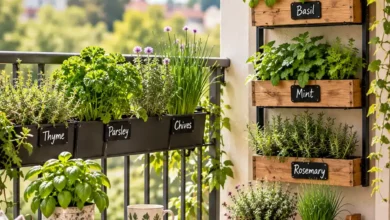
Herbs are perfect for wall-mounted systems due to their shallow roots. Mount pockets or small containers directly onto sunny walls to keep your favorite flavors within arm’s reach. Hanging baskets offer a beautiful, space-saving way to grow trailing varieties like oregano or thyme.
“The secret to a successful small garden is to think in three dimensions, not just two.”
Support vertical structures without damaging fences or walls
Protecting your home’s exterior is key when building your garden. Instead of drilling into siding or masonry, use freestanding frames that lean against walls or attach to existing fence posts with soft ties. This approach ensures your vertical garden remains stable in high winds while preserving your home’s surfaces.
Always ensure your supports are securely anchored to the ground. Opt for durable, weather-resistant materials like cedar or powder-coated steel to make your vertical setup last for many seasons.
Classic Potager Gardens for Beauty, Structure, and Abundant Harvests
Transforming your outdoor space into a productive masterpiece starts with the elegant principles of the traditional potager. This style serves as the ultimate kitchen garden design inspiration for those who want to marry high-end aesthetics with daily food production. By focusing on structure, you can turn a simple patch of dirt into a stunning focal point for your home.

Create symmetrical beds with decorative borders
The hallmark of a classic potager is its rigid, geometric layout. You should aim to create symmetrical beds that provide a sense of order and calm to the landscape. Using decorative borders, such as low-growing boxwood hedges or fragrant lavender, helps define these spaces while keeping the soil contained.
These borders do more than just look good; they act as a frame for your crops. Well-defined edges prevent soil erosion and keep your pathways clean, ensuring that your garden remains accessible even after a heavy rain. This structural approach ensures that your garden looks intentional throughout every season.
Blend vegetables, herbs, flowers, and fruit in one design
A true potager rejects the idea that vegetables must be hidden away in a back corner. Instead, you should mix edible crops with ornamental flowers and herbs to create a lush, tapestry-like effect. Planting bright marigolds alongside kale or tucking strawberries into the corners of a bed adds vibrant texture to the space.
“The garden is a love song, a duet between a person and nature.” — Jeff Cox
By integrating fruit trees or berry bushes into the perimeter, you add vertical interest that draws the eye upward. This method of interplanting is essential for creating beautiful kitchen garden designs that feel like a private sanctuary.
Use color and plant height to build visual rhythm
To achieve a professional look, you must consider the height and color of your plants. Place taller crops like pole beans or sunflowers in the center of your beds to create a sense of depth and drama. Surround these with lower-growing herbs and leafy greens to build a tiered effect that is pleasing to the eye.
Repeating specific colors or plant varieties throughout the garden creates a sense of visual rhythm. This consistency makes the entire space feel cohesive and polished. When you balance these elements correctly, you gain a garden that is as productive as it is breathtaking.
Modern Kitchen Garden Design With Minimalist Materials
If sleek aesthetics appeal to you, a modern kitchen garden design could be ideal. This style focuses on clean lines and structured layouts, transforming your backyard into a sophisticated home extension. It’s about simplicity, blending beauty with functionality.

Combine geometric beds with gravel, concrete, or steel
To achieve this look, start with durable, industrial materials. Corten steel or smooth concrete raised beds contrast beautifully with lush greenery. Surround these beds with crushed gravel or stone pavers to keep the area clean and weed-free.
“Simplicity is the ultimate sophistication.”Leonardo da Vinci
Limit the plant palette for a polished appearance
A modern kitchen garden design thrives on simplicity. Instead of a chaotic mix, choose a few plants for their structural beauty. Pairing dark kale with silver-leafed herbs creates a refined color scheme.
Even in minimalist designs, plants need space to grow. Proper spacing ensures healthy growth and prevents disease. Rich, organic soil remains key, regardless of the design’s sleekness.
Add contemporary lighting and efficient irrigation
Functional technology is essential in modern spaces. Install low-voltage LED path lights to highlight your garden’s shapes at night. A drip irrigation system hidden beneath mulch or gravel ensures plants get water without mess.
These features simplify daily care, keeping your modern kitchen garden design pristine. By integrating these elements, your garden remains a high-performing asset all season.
Organic Kitchen Garden Design for Healthy Soil and Natural Growth
An organic kitchen garden design works in harmony with nature, not against it. It creates a balanced ecosystem where plants grow naturally, without harsh chemicals. This way, your home-grown food is not only healthy but also full of flavor.

Build soil fertility with compost and organic matter
The quality of your garden’s soil is key to its success. To build soil fertility, add compost and organic matter regularly. This enhances soil structure, supports beneficial microbes, and provides vital nutrients to your vegetables.
Manage pests with crop rotation and beneficial insects
Chemical sprays are not the only solution for pests. Smart crop rotation and planting beneficial flowers like marigolds can manage pests effectively. These methods prevent diseases and attract beneficial insects that control harmful bugs.
Select organic seeds and avoid unnecessary chemicals
Choosing organic seeds is essential for a clean garden. These seeds grow well in natural conditions and produce strong plants. By avoiding unnecessary chemicals, you protect the environment and create a safe space for wildlife.
Use mulch to conserve moisture and suppress weeds
Organic mulch is a simple yet highly effective technique for gardeners. It keeps the soil moist and suppresses weeds. This saves time and enriches the soil as it breaks down.
Herb Garden Designs for Fresh Flavor Outside the Kitchen Door
Creative herb garden designs add beauty and utility right outside your kitchen. Having your favorite seasonings within reach makes every meal a gourmet experience. A well-planned layout ensures your plants thrive and are easy to access during cooking.

Group culinary herbs by sunlight and watering needs
Successful gardening begins with understanding your plants’ needs. Grouping herbs by sunlight and moisture preferences simplifies care. For example, Mediterranean herbs like oregano and sage need full sun and well-draining soil.
Clustering these plants together helps optimize your watering schedule and ensures each herb gets the right light. This prevents overwatering drought-tolerant plants or starving moisture-loving ones. A well-organized space leads to healthier, more vibrant harvests throughout the growing season.
Design dedicated beds for basil, rosemary, thyme, and mint
Creating dedicated beds for specific herbs allows for tailored soil and environment. Basil loves warm, sunny spots with rich, moist soil. In contrast, rosemary and thyme prefer leaner soil and excellent drainage to prevent root rot.
Mint is a great addition to any kitchen garden but needs a unique approach due to its vigorous growth. Consider placing these herbs in distinct zones to keep your garden tidy and intentional. This ensures your most-used ingredients are always ready for your next recipe.
Prevent spreading herbs from taking over the garden
Some herbs, like mint, can quickly crowd out their neighbors if left unchecked. Mint spreads through underground runners that can dominate a bed in one season. To keep your herb garden designs balanced, plant these vigorous growers in containers or sunken pots.
Using physical barriers or dedicated pots allows you to enjoy mint’s fresh flavor without it taking over. Regularly trimming your herbs encourages bushier growth and prevents them from becoming leggy or overgrown. With these simple management techniques, your garden will remain productive and beautiful.
Vegetable Garden Combinations That Make Harvesting More Productive
Transform your garden’s output with clever vegetable garden combinations. Group plants by growth habits and needs to maximize soil use. This creates a balanced ecosystem, providing a steady supply of fresh ingredients.

Pair quick-growing greens with longer-season crops
Maximize space by planting fast-maturing crops like lettuce or radishes around slow-growing tomatoes. While tomatoes grow, greens offer a quick harvest. This efficient use of space keeps your garden lush and productive.
Use companion planting to support pollination and pest control
Companion planting keeps your garden healthy without chemicals. Place flowers near vegetables to attract beneficial insects. Some pairings also enhance flavor and growth.
| Crop | Best Companion | Benefit |
|---|---|---|
| Tomatoes | Basil | Improves flavor and repels flies |
| Carrots | Onions | Masks scent to deter carrot flies |
| Cucumbers | Nasturtiums | Deters beetles and aphids |
| Peppers | Marigolds | Repels nematodes and attracts pollinators |
“A garden is a living, breathing partnership where every plant plays a vital role in the success of the whole.”
Plan succession planting for continuous harvests
Embrace succession planting to avoid feast or famine. Sow seeds in small batches every two weeks. Clear and replant after each harvest for continuous growth.
Rotating crops ensures a constant flow of fresh produce. This keeps your kitchen stocked with seasonal favorites from spring to frost. Planning ahead leads to an abundant and stress-free harvest.
Container Kitchen Gardens for Flexible Seasonal Growing
Container kitchen gardens offer a flexible and mobile solution for adapting to seasonal changes. They are perfect for renters with small balconies or homeowners with limited ground space. By using pots, you can transform any sunny spot into a productive garden, implementing small space kitchen garden ideas effortlessly.

Choose containers with proper depth and drainage
Success in gardening begins with the right foundation. Every pot needs drainage holes to prevent water from causing root rot. Proper drainage keeps your plants healthy, even during heavy rain or frequent watering.
Depth is also critical for plant health. Shallow pots are ideal for leafy greens and herbs, while deeper ones are needed for root vegetables like carrots or potatoes. Always check the depth requirements for your plants before planting.
Match pot size to the mature root system of each crop
Plants need enough room for their roots to grow. A pot that’s too small can cause root-bound issues, limiting growth and harvest. Matching the pot size to the mature root system is essential for a thriving garden.
Larger crops like tomatoes or peppers need significant soil volume for fruit production. Smaller herbs and lettuces can thrive in more compact spaces. The right space ensures plants absorb nutrients efficiently throughout the season.
Move containers to protect plants from heat and frost
Container kitchen gardens offer the advantage of mobility. You can move pots to follow the sun or provide shade during heat waves. This flexibility protects delicate plants from harsh weather.
When frost is near, move containers to a porch, garage, or indoor area. This simple action extends your growing season. By staying proactive, you keep your plants safe from temperature swings.
Create a coordinated look with matching pots and plant stands
Functionality and style can coexist. Using matching pots and decorative stands creates a clean, professional look on your patio or balcony. Coordinated containers transform a collection of plants into a cohesive design feature, beautifying your home’s exterior.
| Crop Type | Container Depth | Best Location |
|---|---|---|
| Leafy Greens | 6-8 inches | Partial Shade |
| Culinary Herbs | 8-10 inches | Sunny Windowsill |
| Root Vegetables | 12+ inches | Full Sun |
| Tomatoes | 18+ inches | Full Sun |
Pathways, Edging, and Garden Zones That Improve Function
Strategic layout choices are key to a productive and beautiful kitchen garden all year. By organizing your space into distinct areas, your best kitchen garden layouts stay efficient and visually appealing. A thoughtful design keeps your harvest accessible and protects plants from high-traffic zones.
Separate growing beds from entertaining and play areas
Creating clear boundaries between vegetable patches and relaxation spots is essential. A modern kitchen garden design allows you to place growing beds away from active play zones. This prevents accidental damage and keeps soil loose for healthy root development.

Physical barriers like low hedges or decorative fencing define these zones clearly. This keeps your garden tidy and prevents children or pets from entering delicate herb or vegetable beds. Clear zoning simplifies your daily chores.
Choose gravel, brick, mulch, or pavers for garden paths
The right material for your pathways significantly impacts your garden’s functionality. You need a surface that provides stable footing and allows for proper drainage during heavy rain. The following table compares common options to help you decide which fits your needs best.
| Material | Drainage | Maintenance | Appearance |
|---|---|---|---|
| Gravel | Excellent | Low | Rustic |
| Brick | Moderate | Medium | Classic |
| Mulch | Good | High | Natural |
| Pavers | Low | Low | Polished |
Define borders with edging that prevents soil erosion
Installing sturdy edging keeps your garden beds neat and contained. Edging acts as a protective barrier against soil erosion during storms and grass encroachment. Whether metal, stone, or wood, consistent borders give your modern kitchen garden design a professional finish.
By containing your soil, you reduce weeding and maintenance time. This lets you focus on the joy of harvesting fresh produce. Investing in quality edging is a smart move to ensure your best kitchen garden layouts last.
Water, Compost, and Wildlife Features for a Self-Sufficient Garden
Creating a self-sufficient kitchen garden goes beyond planting seeds and soil. It involves designing a smart infrastructure that mimics nature’s cycles. This approach not only saves time and money but also enhances the health of your vegetables.

Place rain barrels and irrigation lines for efficient watering
Water is essential for a thriving garden. By installing rain barrels at your home’s downspouts, you can collect free, clean water for your plants. Consistency is key, so consider using drip irrigation lines to deliver moisture directly to your plants’ roots.
Add a composting area that stays convenient but tidy
Turning kitchen scraps into nutrient-rich soil is vital for sustainable gardening. Place your compost bin near the garden beds for easy access. To keep it odor-free and efficient, alternate “browns” like dried leaves with “greens” like vegetable peels.
Attract pollinators with native flowers and shelter
Bees and butterflies are critical for a bountiful harvest. Incorporating pollinator garden ideas like native wildflowers into your garden layout is essential. Also, provide shelter for beneficial insects with small piles of logs or hollow stems during winter.
Protect crops with fencing, netting, and humane deterrents
While welcoming beneficial wildlife, it’s important to protect your garden from pests. Sturdy fencing is the best defense against deer and rabbits. For smaller pests, use lightweight netting or motion-activated sprinklers as humane deterrents to safeguard your produce.
The glory of gardening: hands in the dirt, head in the sun, heart with nature. To nurture a garden is to feed not just the body, but the soul.Alfred Austin
| Feature | Primary Benefit | Maintenance Level |
|---|---|---|
| Rain Barrels | Water Conservation | Low |
| Compost Bin | Soil Fertility | Medium |
| Native Flowers | Pollination Support | Low |
| Fencing/Netting | Crop Protection | Medium |
Seasonal Kitchen Garden Planning From Spring Through Winter
Mastering the rhythm of the seasons is key to a thriving kitchen garden. When you learn how to plan a kitchen garden, you move from seeing gardening as a single event to a continuous cycle of growth.

Prepare beds and start cool-season crops in spring
Spring is the time to wake up your soil. Start by clearing away winter debris and adding organic compost to replenish lost nutrients. Early preparation ensures your soil is ready for vigorous root development.
Once the ground is workable, plant cool-season favorites. Peas, spinach, kale, and radishes thrive in early spring’s crisp air. These plants prefer mild temperatures and will establish themselves before summer’s heat.
Schedule summer crops around heat and water demands
As temperatures rise, your garden needs a new strategy. Summer crops like tomatoes, peppers, and cucumbers are heavy feeders that need consistent moisture. Efficient water management is critical to prevent heat stress.
Use drip irrigation or deep watering to ensure moisture reaches roots directly. Mulching retains soil moisture and keeps roots cool. By planting at the right time, you protect your harvest from wilting.
Extend the harvest with fall plantings and frost protection
Effective seasonal kitchen garden planning lets you enjoy fresh produce into autumn. Late summer is ideal for sowing carrots, beets, and lettuce. These crops often taste sweeter after the first frost.
When temperatures drop, extend your growing season with simple protective measures. Row covers, cold frames, or cloches provide a barrier against frost. These tools keep plants warm and productive as days shorten.
| Season | Primary Focus | Key Crops |
|---|---|---|
| Spring | Soil Prep & Sowing | Peas, Spinach, Kale |
| Summer | Watering & Maintenance | Tomatoes, Peppers, Squash |
| Fall | Harvest & Protection | Carrots, Beets, Lettuce |
| Winter | Planning & Dormancy | Cover Crops, Garlic |
Practical Tips for Designing a Kitchen Garden on Any Budget
Creating a productive kitchen garden doesn’t have to drain your wallet. Focus on the essentials to avoid unnecessary expenses. Many overlook the importance of quality over fancy decorations. By following tips for designing a kitchen garden, you ensure your investment in productivity, not fleeting aesthetics.
Prioritize soil, sunlight, and irrigation before decorations
The success of your garden hinges on its environment. Before splurging on ornaments, allocate funds for quality compost, organic soil, and a reliable water source. Healthy soil is the cornerstone of a fruitful harvest.
Choose a spot that gets at least six to eight hours of direct sunlight. If water access is limited, consider a drip irrigation system or rain barrels. These practical investments yield more benefits than decorative items or expensive fencing.

Reuse safe materials for beds, trellises, and containers
There’s no need for new materials to create a stunning garden. Many budget kitchen garden ideas involve repurposing items. Old pallets, untreated cedar, or sturdy plastic buckets can make excellent containers or raised beds.
Ensure any reused materials are free from harmful chemicals or lead-based paints. Use bamboo poles, discarded wire, or sturdy branches for vertical trellises. Creativity often results in a more unique and charming garden than store-bought kits.
Avoid overcrowding, poor drainage, and inaccessible layouts
Common mistakes can lead to wasted money and failed crops. Overcrowding hinders airflow, inviting pests and diseases. Always check spacing requirements for each plant to ensure they thrive.
Poor drainage is another major issue. Soggy soil can rot roots, forcing premature plant and soil replacement. Wide paths are essential for easy access to all areas of your garden. Neglecting the center of beds due to inaccessible paths can harm plant growth.
| Feature | Budget-Friendly Approach | Expensive Alternative |
|---|---|---|
| Garden Beds | Untreated wood or repurposed pallets | Pre-fabricated metal or stone kits |
| Irrigation | Rain barrels and manual watering | Automated smart sprinkler systems |
| Trellising | Bamboo, twine, or salvaged wire | Decorative wrought iron structures |
| Soil | Homemade compost and local bulk soil | Premium bagged organic potting mix |
Conclusion
Embarking on the journey to create a productive outdoor space is both rewarding and fulfilling. It merges the joy of growing fresh food with your personal lifestyle. By designing your kitchen garden thoughtfully, you can seamlessly incorporate the fruits of your labor into your daily meals. This not only boosts your culinary experience but also elevates your home’s aesthetic.
Building a strong foundation for your garden starts with soil health and understanding your local growing conditions. Once these basics are in place, you can add decorative touches that mirror your personal taste. Whether you lean towards sleek steel beds or traditional wooden planters, the right choice can transform any yard into a serene retreat.
Adapting these kitchen garden designs to suit your budget and space is entirely within your control. Begin with a few hardy crops that flourish in your climate, and gradually expand your garden as your skills and confidence grow. Your journey towards a self-sufficient and delicious lifestyle starts with planting a single seed in the perfect location.
We encourage you to share your garden’s progress and photos with us. Connecting with other gardeners can be incredibly enriching, as it allows everyone to exchange tips for managing seasonal changes and boosting yields. So, grab your gardening tools and embark on creating the garden of your dreams today.
FAQ
How to plan a kitchen garden that actually fits my lifestyle?
Planning a kitchen garden begins with assessing your environment and habits. Observe your yard to find a spot with at least 6 to 8 hours of sunlight. The United States has various climates, so check your USDA Plant Hardiness Zone for suitable crops. Match your garden’s size to your cooking needs; a few containers near the kitchen door might be better than a large plot.
What are the best kitchen garden layouts for maximum efficiency?
Efficient kitchen garden layouts focus on accessibility and harvest frequency. U-shaped or 4-square grid designs are popular because they allow easy access to the center. Place high-traffic plants like salad greens and herbs near the house. Ensure pathways are at least 3 feet wide for easy maintenance.
Do you have any small space kitchen garden ideas for urban dwellers?
Yes! Effective small space ideas include using vertical space and “dead” areas. Side yards can be transformed with slim planters, while balconies are ideal for vertical systems. Choose dwarf varieties like Burpee’s ‘Patio Choice’ tomatoes for high yields in limited space.
How can I achieve a successful organic kitchen garden design?
A successful organic garden starts with quality soil. Use high-quality organic matter like Coast of Maine compost. Avoid synthetic fertilizers and use mulch to retain moisture and suppress weeds. Manage pests naturally by planting flowers that attract beneficial insects.
Where can I find kitchen garden design inspiration for a more aesthetic look?
For timeless inspiration, explore the French Potager tradition. These gardens blend vegetables with the landscape using symmetrical beds and colorful flowers. Mixing textures, like carrots with ‘Redbor’ kale, creates a visually stunning garden.
What characterizes a modern kitchen garden design?
A modern garden features minimalist materials and clean lines. Consider Corten steel beds, gravel pathways, and sleek hardware. Use a limited color palette and a discreet irrigation system to maintain a polished look.
What are your top tips for designing a kitchen garden on a budget?
Designing a garden on a budget means prioritizing infrastructure. Invest in quality soil and seeds before decorative items. Repurpose untreated wood for beds and use upcycled containers for herbs. Starting with seeds can save hundreds of dollars.
How do I maintain beautiful kitchen garden designs throughout the year?
To maintain your garden, plan for seasonal succession. Replace spring crops with summer ones and fall greens with frost blankets. This ensures your garden remains vibrant from spring to the first hard freeze.