Starting your own food-producing space at home is a rewarding journey that brings nature right to your doorstep. Whether you have a sprawling backyard or a sunny balcony, cultivating homegrown vegetables offers unmatched flavor and peace of mind. You do not need a green thumb to see success; you simply need a plan that works with your unique environment.

Successful growth relies on matching your plant choices with available sunlight, local climate, and soil quality. By focusing on manageable improvements and seasonal planning, you can turn any small area into a productive oasis. These kitchen gardens provide fresh herbs and produce while helping you save money on groceries. Let’s explore how you can build a sustainable patch that fits your busy lifestyle perfectly.
Key Takeaways
- Assess your sunlight exposure before selecting which crops to plant.
- Start small to ensure you have enough time for consistent maintenance.
- Choose seasonal varieties that thrive in your specific local climate.
- Improve your soil health naturally to boost overall plant vitality.
- Enjoy the convenience of harvesting fresh ingredients just steps from your door.
Plan Kitchen Gardens Around Your Space, Climate, and Goals
Your garden plan should mirror your lifestyle, whether you have a large backyard or a small windowsill. Successful kitchen gardens require a thoughtful approach. This balances your available space with your personal needs. Assessing your environment early sets the stage for a productive and enjoyable growing season.

Choose Between Backyard Beds, Containers, Raised Beds, and Indoor Gardening
Your choice of planting method depends on your mobility, budget, and available space. In-ground beds are ideal for large areas with good soil. Raised beds offer better drainage and are easier on your back. Containers provide a flexible solution for limited spaces or renters.
For those in apartments or colder climates, indoor gardening allows growing fresh herbs and microgreens year-round. Mixing methods can maximize your harvest. Consider the following comparison to decide which setup fits your home best:
| Garden Type | Best For | Key Advantage | Effort Level |
|---|---|---|---|
| In-Ground | Large backyards | Cost-effective | High |
| Raised Beds | Poor soil areas | Better drainage | Medium |
| Containers | Patios/Balconies | Portability | Low |
| Indoor | Small spaces | Year-round access | Low |
Match Your Garden Plan to USDA Hardiness Zones and Local Seasons
Understanding your local climate is key for a thriving vegetable garden. The USDA Hardiness Zones help identify perennial plants that survive your winter. For annual crops, focus on local frost dates.
These dates tell you when to plant in spring and when to harvest before autumn freeze. Your local extension office website provides accurate data for your region. Aligning your planting schedule with these natural cycles ensures your plants mature well.
Set Practical Goals for Fresh Herbs, Homegrown Vegetables, and Family Meals
It’s easy to get excited and want to plant everything at once. But starting with realistic goals is the secret to success. Begin with a few crops your family enjoys. Growing a small patch of salad greens or herbs is a rewarding start.
Once you’re comfortable with the basics, expand your vegetable garden to include more complex crops. Focus on quality over quantity to keep maintenance manageable. Setting small, achievable milestones builds confidence for maintaining beautiful kitchen gardens for years.
Choose a Productive Location With Enough Sunlight
Starting a garden requires selecting a spot that fulfills your plants’ needs. Before digging, observe how light, water, and wind move across your land. This careful planning is key to a successful backyard farming experience, avoiding the pitfalls of frustration.

Identify Six to Eight Hours of Daily Sun for Fruiting Crops
Vegetables that produce fruit need a lot of energy to grow and ripen. Tomatoes, peppers, and cucumbers need at least six to eight hours of direct sunlight daily. Positioning your garden in an open area, away from structures or dense trees, is critical for these heavy feeders.
Use Partial Shade for Leafy Greens and Cool-Season Vegetables
Not all plants need intense sun to thrive. Leafy greens like spinach, kale, and lettuce prefer cooler temperatures and partial shade in the afternoon. Placing them in spots with morning sun but afternoon shade prevents them from bolting or becoming bitter.
Protect Plants From Strong Wind, Flooding, and Competing Tree Roots
Ignoring environmental factors can quickly derail your gardening efforts. Steer clear of low-lying areas where water collects after rain, as this can cause root rot. Also, keep your garden beds away from large trees, as their roots will aggressively compete with your vegetables for water and nutrients.
Improve Light in Small Urban Farming Spaces
In tight urban spaces, limited light can be a challenge. Use reflective surfaces or paint nearby walls light colors to bounce rays into your garden. Also, consider using movable containers on casters to follow the sun throughout the day.
| Crop Category | Sunlight Need | Best Placement |
|---|---|---|
| Fruiting Crops | 6-8+ Hours | Open, South-facing |
| Leafy Greens | 4-6 Hours | Partial Shade |
| Root Vegetables | 5-6 Hours | Morning Sun |
| Herbs | 6+ Hours | Sunny Windowsill |
Build Healthy Soil Before Planting
The foundation of a successful garden lies deep in the soil. Healthy soil supports stronger roots, maintains moisture, and ensures nutrient availability. By adopting organic gardening, you foster a living ecosystem that naturally feeds your plants.

Test Soil pH, Drainage, and Nutrient Levels
Understanding your soil’s needs is essential before planting. Most vegetables prefer slightly acidic to neutral soil, with a pH between 6.0 and 7.0. A home testing kit can help you determine these levels.
- pH Levels: Determine nutrient absorption by plants.
- Drainage: Prevents root rot by ensuring water movement.
- Nutrients: Indicates if additional nitrogen, phosphorus, or potassium are needed.
Add Compost and Organic Matter Without Overfertilizing
Organic matter is key to improving soil structure. Compost serves as a slow-release nutrient source for vegetables. Avoid overfertilizing, as excessive synthetic inputs can harm soil microbes.
Strive for a balanced environment where plants can grow naturally. This is fundamental to sustainable agriculture, ensuring your garden’s long-term productivity.
Improve Heavy Clay or Sandy Soil With Sustainable Amendments
Specific amendments can address soil issues. Clay soil benefits from organic matter to loosen tight particles. Sandy soil, needing compost, retains water and nutrients better.
Use Cover Crops and Mulch to Protect Soil Between Seasons
Soil protection during off-seasons is vital. Cover crops like clover or winter rye prevent erosion and replenish nitrogen. Organic mulch keeps soil temperature stable and controls weeds.
Select Easy Crops That Fit Your Growing Conditions
Your journey toward a bountiful harvest begins with selecting the right crops for your specific environment. Choosing plants that thrive in your local climate sets you up for consistent success throughout the season.
Start With Reliable Vegetables for Beginner Gardeners
If you’re new to growing food, focus on varieties known for their resilience and speed. Radishes, lettuce, bush beans, and Swiss chard are excellent choices. They grow quickly and require minimal intervention.
These dependable plants provide a rewarding experience for those just starting their own kitchen gardens. By picking these hardy options, you build confidence while learning the basics of plant care.

Combine Quick Crops With Long-Season Producers
Strategic planning involves mixing fast-growing vegetables with those that take longer to mature. While waiting for long-season producers like tomatoes or peppers to ripen, you can harvest multiple rounds of quick crops.
This method ensures your garden remains productive and provides fresh food on a regular basis. It keeps your soil working hard and maximizes the utility of your available space.
Choose Compact Varieties for Containers and Small Backyards
Limited space should never stop you from growing your own food. Many vegetable breeders now offer dwarf or patio varieties designed for containers, hanging baskets, and small raised beds.
These compact plants offer the same flavor and nutrition as their larger counterparts. They are perfect for balconies or small patios where every square inch counts.
Grow Herbs and Edible Flowers as Space-Saving Edible Landscaping
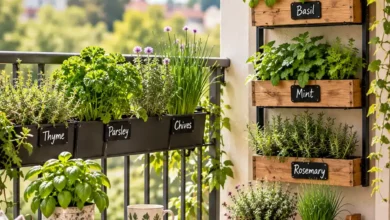
You can integrate beauty and utility by using edible landscaping techniques in your garden design. Herbs like basil, parsley, and chives serve as attractive borders while providing fresh ingredients for your kitchen.
Adding edible flowers such as nasturtiums or pansies creates a vibrant look while filling gaps between vegetables. This approach turns your outdoor area into a functional, stunning display of edible landscaping that serves both your eyes and your dinner plate.
Create a Planting Calendar for Continuous Harvests
Creating a planting calendar turns your backyard into a year-round food source. It prevents the frustration of too much produce followed by empty beds. This approach keeps your vegetable garden productive and rewarding from spring to autumn.

Schedule Cool-Season, Warm-Season, and Fall Crops
Success starts with grouping plants by temperature preference. Cool-season crops like kale and spinach do well in early spring and late autumn. Warm-season favorites, such as tomatoes, need summer’s heat to flourish.
Don’t overlook planning for a fall harvest. Sowing seeds in late summer allows for a second crop of greens and root vegetables. This keeps your kitchen full of fresh, homegrown vegetables into the cooler months.
Use Succession Planting for Lettuce, Radishes, Beans, and Greens
Succession planting prevents harvest gluts. Instead of planting all lettuce at once, sow small batches every two weeks. This method ensures a steady supply of leaves, avoiding overwhelming harvests.
Radishes and bush beans are ideal for succession planting. After harvesting, replant the space with new seeds. This cycle keeps your soil active and your table diverse.
Calculate Planting Dates From Local Frost Dates
Every region has unique climate patterns. Look up your local frost dates to plan accurately. These dates are key to your growing schedule, guiding when to move plants outdoors.
Extend the Season With Row Covers, Cold Frames, and Indoor Starts
Weather shouldn’t limit your gardening. Start seeds indoors for an early start. Row covers and cold frames protect against cold snaps.
These tools extend your growing season for homegrown vegetables. They trap heat and block winds, allowing for earlier harvests in spring and later in autumn. These additions significantly boost your yield.
| Crop Category | Best Planting Time | Key Examples |
|---|---|---|
| Cool-Season | Early Spring / Late Summer | Lettuce, Spinach, Peas |
| Warm-Season | Late Spring / Early Summer | Tomatoes, Peppers, Beans |
| Fall Harvest | Late Summer | Kale, Carrots, Radishes |
Start Seeds and Transplant Young Plants Successfully
Starting your garden journey with seed sowing and young transplant care is essential. It ensures a steady flow of homegrown vegetables throughout the season. Understanding your plants’ specific needs is key to a thriving kitchen garden.

Decide When to Direct-Sow or Start Seeds Indoors
Deciding between direct sowing and indoor gardening hinges on your climate and the crop type. Carrots and radishes prefer direct sowing to avoid root disturbance. Tomatoes and peppers, on the other hand, benefit from an indoor start to extend their growing season.
For indoor starts, prepare a warm, bright spot. This method gives you a head start, vital in short summers. Always check local frost dates for the best timing.
Provide Seedlings With Proper Light, Moisture, and Air Circulation
Young seedlings need specific conditions to thrive. They require consistent moisture but avoid overwatering to prevent root rot. Adequate light is also critical to prevent stretching.
“The secret to a successful garden is not just in the soil, but in the care you provide during the very first weeks of a plant’s life.”
Good air circulation is vital to prevent fungal issues. A low-speed fan can mimic a breeze, strengthening your seedlings’ stems.
Harden Off Transplants Before Moving Them Outdoors
Transitioning plants from indoors to outdoors requires hardening off. This gradual process helps them adapt to sunlight, wind, and temperature changes. Over seven to ten days, increase outdoor time gradually.
Begin with a shady spot for an hour or two. Gradually increase sun and wind exposure until they’re ready for permanent outdoor planting. This step reduces transplant shock and ensures your homegrown vegetables thrive.
Prevent Common Seed-Starting Problems Such as Leggy Growth and Damping-Off
Leggy growth is a common issue, where seedlings stretch for more light. Move your light source closer or increase intensity. Damping-off, a fungal disease, is caused by poor airflow and excess moisture. It manifests as seedlings collapsing at the soil line.
- Keep your light source only inches above the seedlings.
- Use a sterile seed-starting mix to avoid soil-borne pathogens.
- Maintain good airflow to keep the soil surface dry.
- Avoid overcrowding to promote healthy development.
Arrange Plants for Better Growth and Easier Maintenance
A well-organized garden bed transforms your backyard farming space into a productive oasis. By planning where each plant goes, you save time on daily chores and help your vegetables thrive. Thoughtful design is the key to a stress-free growing season.
Use Appropriate Spacing Instead of Crowding Plants
Giving your plants enough room to breathe is essential for their health. When you follow spacing guidelines, you ensure better airflow, which significantly lowers the risk of fungal diseases. Proper spacing also reduces competition for water and nutrients, allowing each plant to reach its full growth.
In small spaces, it is tempting to pack plants tightly together. Yet, this often makes it harder to reach in for harvesting or to spot early signs of pests. Giving your plants space makes your routine maintenance tasks much faster and more enjoyable.

Apply Companion Planting With Practical Expectations
Companion planting is a popular strategy in urban farming to maximize limited space. By grouping certain plants together, you can create a more diverse ecosystem that may attract beneficial insects. It is a helpful way to organize your beds, but remember that it is not a magic solution for pest control.
Think of companion planting as a way to optimize your garden layout instead of a guaranteed defense system. For example, planting tall flowers near your vegetables can provide shade or attract pollinators. Focus on combinations that make sense for your specific climate and goals.
Support Tomatoes, Cucumbers, Peas, and Other Climbing Crops
Vertical gardening is a game-changer for anyone practicing backyard farming. Using trellises, cages, and stakes keeps climbing crops off the ground, which prevents rot and keeps fruit clean. These supports also make your garden easier to navigate by keeping vines contained.
Sturdy supports allow you to grow more food in a smaller footprint. When your plants grow upward, you gain more room for other crops at the base. Vertical growth also makes harvesting much easier on your back and knees.
Organize Beds for Crop Rotation and Convenient Access
Planning your beds with urban farming in mind means prioritizing easy access. Always leave enough room for a path so you can reach the center of your beds without stepping on the soil. This prevents compaction and keeps your growing area healthy.
Keep a simple map of where you plant your crops each year. Rotating your vegetables helps prevent soil-borne diseases and keeps your garden productive for many seasons. Staying organized is the simplest way to ensure long-term success.
Water Kitchen Gardens Efficiently and Consistently
Mastering your garden’s needs is easier than you think. Instead of following a strict schedule, observing your plants is key. A steady moisture level is essential for a thriving kitchen garden, avoiding extreme highs and lows.

Check Soil Moisture Before Reaching for the Hose
Before watering, check if the soil is dry. Stick your finger two inches into the soil near your plants. If it’s damp, they’re good for the day.
For a precise reading, use a moisture meter. These tools eliminate guesswork, perfect for beginners. They help avoid overwatering, which can harm your plants.
Water Slowly at the Root Zone to Encourage Deep Roots
Plants grow best with deep, strong roots. Water slowly at the soil level, not the leaves. This ensures moisture reaches the roots effectively.
Shallow watering leaves lower soil layers dry. Deep, less frequent watering trains plants to seek moisture deeper. This makes them more resilient in dry spells.
Choose Drip Irrigation, Soaker Hoses, or Hand Watering for Your Setup
The right watering system depends on your garden’s size and layout. Drip irrigation is efficient, delivering water precisely. Soaker hoses slowly release water along the bed.
Hand watering lets you inspect plants for pests or disease. Aim the nozzle at the base to keep leaves dry. This is a vital step in preventing fungal infections.
Conserve Water With Mulch, Rain Barrels, and Morning Irrigation
Water conservation is essential for gardeners. Mulch retains moisture by reducing evaporation. Rain barrels provide a sustainable water source.
Watering in the early morning is effective. The air is cooler, and wind is calm, reducing water loss. This allows the soil to absorb moisture before the heat of the day.
| Method | Best For | Efficiency | Cost |
|---|---|---|---|
| Drip Irrigation | Large Beds | High | Moderate |
| Soaker Hoses | Rows | High | Low |
| Hand Watering | Small Pots | Medium | Very Low |
Feed Plants Naturally Throughout the Growing Season
Transforming a struggling garden into a lush oasis requires the right nutrients at the right time. By focusing on natural feeding methods, you ensure your vegetables have the energy needed for a high-quality harvest. This approach is essential for sustainable agriculture, keeping your soil healthy for years.

Recognize When Vegetables Need Compost or Supplemental Fertilizer
Your plants often communicate their needs through their appearance. Keep a close eye on leaf color, overall growth rate, and general plant vigor. If leaves turn yellow or growth stalls, your soil may require a boost of organic matter or a gentle fertilizer application.
Regular soil testing provides the most accurate picture of what your garden lacks. Testing your soil before the season begins helps you avoid guessing games. It allows you to add exactly what is needed to support strong, healthy development.
Use Organic Fertilizers Safely and According to Label Directions
When you choose to supplement, always prioritize organic options that feed the soil ecosystem. These products break down slowly, providing a steady supply of nutrients. Always read the label directions carefully to ensure you are applying the correct amount for your specific crop.
“The soil is the great connector of lives, the source and destination of all.”— Wendell Berry
Adjust Feeding for Leafy Greens, Root Crops, and Fruiting Plants
Different vegetables have unique appetites that change as they mature. Leafy greens, such as spinach and kale, often thrive with a balanced, nitrogen-rich compost. Be careful not to overdo it, as too much nitrogen can lead to weak, spindly growth.
Fruiting plants like tomatoes and peppers require more phosphorus and potassium once they begin to flower. Root crops, such as carrots and radishes, generally prefer soil that is not overly rich in nitrogen. This helps them focus energy on developing healthy roots.
Avoid Nutrient Runoff and Excess Nitrogen in Sustainable Agriculture
Excessive fertilizer use can lead to nutrient runoff, harming local water sources and wasting resources. By practicing measured application, you protect the environment while maintaining a productive garden. Embracing these habits is the true essence of sustainable agriculture, ensuring your backyard remains a thriving, eco-friendly space.
Manage Pests and Diseases With Low-Toxicity Methods
Keeping your garden thriving involves catching pests and diseases early. A proactive stance in organic gardening ensures your plants stay healthy without harsh chemicals. Regular observation ensures your harvest remains safe and plentiful all season.
Inspect Leaves, Stems, and Soil Before Problems Spread
Regularly walking through your garden is essential. Examine the undersides of leaves for pests like aphids and spider mites. Also, check stems for signs of disease or root issues.
Inspect the soil for tunneling or debris. Early detection of these issues prevents widespread damage. Consistency is your best tool for a vibrant garden.

Use Crop Covers, Hand Removal, and Beneficial Insects First
Try simple barriers like floating row covers before using sprays. For a few beetles or caterpillars, hand removal is often the most effective solution.
Encourage beneficial insects like ladybugs and lacewings by planting diverse flowers. These natural predators help control pest populations. This balanced approach is key to successful organic gardening.
Prevent Disease With Crop Rotation, Clean Tools, and Good Airflow
Preventing disease starts with smart planning and hygiene. Rotate crops to avoid soil-borne pathogens. This simple step prevents soil-borne pathogens from building up over time.
Keep pruning shears and trowels clean to avoid spreading bacteria. Ensure your garden layout allows for plenty of airflow. Stagnant, humid air fosters fungal issues like powdery mildew.
Know When an Organic Treatment Is Appropriate
At times, pests may grow beyond hand removal. Choose an organic gardening product that targets the pest without harming the environment. Always read the label to ensure safety for your vegetables and pollinators.
| Common Pest | Identification Sign | Natural Solution |
|---|---|---|
| Aphids | Curled leaves, sticky residue | Strong water spray or ladybugs |
| Cabbage Worms | Holes in leaves | Hand picking or row covers |
| Slugs | Slimy trails, chewed edges | Copper tape or beer traps |
| Spider Mites | Fine webbing on foliage | Increased humidity and neem oil |
Maintain an Organized Garden With Simple Weekly Tasks
A thriving kitchen garden thrives on consistent, small actions, not occasional marathon sessions. By dedicating just a few minutes each week to your plants, you ensure your edible landscaping remains both beautiful and highly productive throughout the season.
Weed, Mulch, Tie, and Prune at the Right Times
Regular maintenance prevents small issues from becoming overwhelming chores. Spend time each week pulling young weeds before they set seed, which saves hours of labor later on.
Apply a fresh layer of organic mulch to retain soil moisture and suppress new weed growth. Also, gently tie climbing plants to their supports and prune away damaged foliage. This encourages healthy airflow and fruit production.

Keep Tools, Paths, Containers, and Irrigation Systems Ready to Use
An organized garden starts with accessible tools and clear pathways. Keep your trowels, pruners, and gloves in a dedicated spot for quick access.
- Clear debris from garden paths to ensure safe and easy access.
- Check your irrigation lines or soaker hoses for leaks or clogs.
- Ensure containers have proper drainage to prevent root rot.
Record Planting Dates, Harvest Results, and Recurring Problems
Keeping a simple garden journal is one of the best ways to improve your success over time. Note down when you planted specific seeds, how much you harvested, and any pests or diseases you encountered.
This data helps you make better decisions for the next growing season. You will quickly learn which varieties thrive in your specific climate and which ones might need more attention.
Make Kitchen Gardening Manageable During Travel or Busy Weeks
You do not need to be home every day to enjoy a successful harvest. Incorporating edible landscaping elements like self-watering containers and automatic drip irrigation systems provides a safety net during busy periods.
Use thick mulch to keep the soil cool and moist while you are away. If you plan to travel, ask a neighbor to harvest ripe vegetables. This keeps the plants productive and prevents waste. With these simple strategies, your garden will continue to flourish even when your schedule is packed.
Harvest, Store, and Replant for More Homegrown Food
Transforming your homegrown vegetables into a sustainable cycle begins with smart harvesting habits. The effort you put into your kitchen gardens pays off most when you pick crops at the perfect moment of maturity.
Pick Vegetables at Their Best Flavor and Texture
Timing is everything when it comes to flavor. Most vegetables reach their peak taste and crisp texture just before they become over-mature or woody.
For example, snap beans should be harvested while the pods are tender and the seeds inside are small. Regularly picking your produce signals the plant to keep producing more fruit throughout the season.

Handle Fresh Produce to Preserve Quality and Reduce Waste
Once you harvest your homegrown vegetables, treat them with care to prevent bruising. Gentle handling ensures that your produce stays fresh for as long as possible after leaving the vine.
Promptly cool crops that thrive in the refrigerator, such as leafy greens or broccoli. Other items, like tomatoes or onions, prefer cool, dry storage areas away from direct sunlight to maintain their quality.
| Crop Type | Storage Method | Ideal Temperature |
|---|---|---|
| Leafy Greens | Sealed Bag/Container | 32-40°F |
| Root Vegetables | Cool, Dark Place | 40-50°F |
| Tomatoes | Countertop | Room Temp |
Save Seeds and Replant Crops for the Next Growing Cycle
You can extend the life of your kitchen gardens by saving seeds from your healthiest plants. Allow the best-performing fruits to fully ripen on the vine before collecting and drying the seeds for future use.
Replanting schedules are essential for maintaining a continuous supply of food. Use your records to plan succession planting, ensuring you always have new seedlings ready to replace finished crops.
Share Surplus Produce Through Neighbors, Food Pantries, or Community Programs
Sometimes, your garden will produce more than your family can eat. Sharing your extra homegrown vegetables is a wonderful way to build community connections.
Consider donating your surplus to local food pantries or community programs that support those in need. Sharing the harvest is a rewarding way to ensure that no food goes to waste.
Conclusion
Creating productive kitchen gardens changes how you view the food you eat. It gives you control over the quality and the joy of picking ingredients right outside your door.
Start with a few dependable plants that fit your environment. Expand your garden as you learn how your local climate and schedule affect your growth.
Success comes from careful planning, healthy soil, and smart watering. Regular checks help you spot issues early, preventing them from affecting your harvest. These steps turn simple gardens into rich sources of nutrition.
Regular care keeps your plants thriving all season. Harvesting at the right time ensures every meal is bursting with flavor. Adapt your techniques as you discover what works best for your space.
Your dedication to these daily tasks makes gardening a fulfilling and lasting choice. Pick up your tools and start planting your first seeds today.
FAQ
How do I choose the best location for a new vegetable garden if I have limited space?
When starting urban farming, focus on sun exposure and accessibility. Most vegetables, like tomatoes and peppers, need at least six to eight hours of direct sunlight. For small spaces, consider indoor gardening with an AeroGarden or vertical GreenStalk planters. Ensure your kitchen garden is near a reliable water source for easy maintenance.
What is the difference between USDA Hardiness Zones and local frost dates?
USDA Hardiness Zones help determine which perennial plants can survive winter in your area. Yet, for a successful vegetable garden, local frost dates are more critical. These dates indicate when it’s safe to move tender seedlings outdoors without risk of freezing. The Old Farmer’s Almanac can help find these dates for your zip code.
How can I improve heavy clay soil for organic gardening?
To improve heavy clay soil, focus on building a healthy structure. Avoid over-tilling, which can harm soil life. Instead, add organic matter like Miracle-Gro Performance Organics compost or Kellogg Garden Products soil amendments. This improves drainage and aeration, allowing roots to breathe and expand.
Which crops are best for someone just starting with edible landscaping?
Begin with hardy, high-yield plants that are both resilient and visually appealing. Swiss chard, kale, and herbs like rosemary and thyme are excellent choices. For quick results, try radishes or loose-leaf lettuce, which can be harvested in as little as 30 days.
What is succession planting and how does it help my kitchen gardens?
Succession planting involves sowing seeds at intervals, typically every two weeks. This technique ensures a steady supply of vegetables throughout the season. It prevents overwhelming harvests that might go to waste.
Why do my indoor seedlings look tall, thin, and “leggy”?
Leggy growth indicates insufficient light. In indoor gardening, seedlings stretch towards the nearest light source if it’s dim or far away. Use a dedicated LED grow light, like those from Mars Hydro, and keep it close to the plants. Good air circulation with a small fan also helps in developing strong stems.
Does companion planting really prevent pests in a vegetable garden?
Companion planting isn’t a “magic shield,” but it’s a smart strategy. Marigolds can deter certain nematodes, while herbs like dill and parsley attract beneficial insects. This approach supports sustainable agriculture by creating a balanced ecosystem in your garden.
How do I know when it is time to water my plants?
Instead of watering on a timer, use the “finger test.” Stick your finger about an inch into the soil; if it’s dry, it’s time to water. For a high-tech approach, use a Sonkir Soil Moisture Meter. Water at the base of the plant to prevent fungal diseases. Rain Bird drip irrigation systems can also help conserve water.
What are the best low-toxicity ways to manage garden pests?
Start with physical barriers like floating row covers to keep insects off your crops. For active infestations, hand-picking or using a sharp stream of water to knock off aphids is effective. For organic sprays, Bonide Ready-to-Use Neem Oil or insecticidal soaps are good choices, as they are low in toxicity for humans and pets.
How can I keep my vegetable garden productive if I’m away for a week?
Preparation is key for maintaining kitchen gardens during travel. Apply a thick layer of organic mulch to retain soil moisture. If you don’t have an automated irrigation system, ask a neighbor to check on your plants or use self-watering globes for smaller containers. Most vegetables will be fine for a few days if well-mulched and watered before you leave.
When is the right time to harvest my homegrown vegetables for the best flavor?
Most vegetables, like zucchini, cucumbers, and beans, are best when young and tender. Tomatoes should be harvested when fully colored but slightly firm. Harvesting frequently encourages the plant to produce more. If you have a surplus, consider sharing with local food pantries or neighbors to support your local food system and reduce waste.