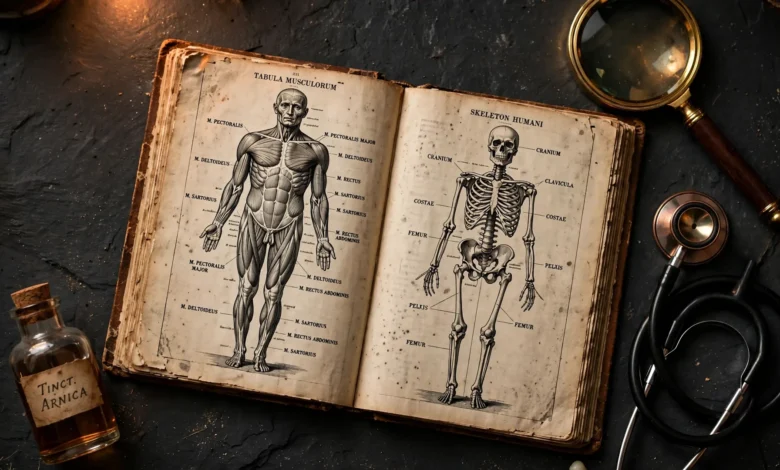
Your body is doing strange, fascinating, and sometimes downright unsettling things right now — most of them without you ever noticing. Medicine has a long history of odd discoveries, outdated treatments, and facts that sound made up but are completely real. From microscopic creatures living on your skin to treatments from centuries ago that doctors genuinely believed would help, the human body is far weirder than most of us realise. Here are 19 disturbing medical facts that will change the way you think about your own body — and about the history of medicine itself.
1. Thousands Of Tiny Mites Are Living On Your Face Right Now

Meet the Demodex mite — a microscopic, eight-legged creature that lives in the hair follicles and oil glands of your face. There may be thousands, or even millions, of them on your skin at this very moment. Before you panic, know that they are supposed to be there. These mites are a normal part of the human microbiome, quietly feeding on dead skin cells in a way that is harmless — and even helpful — for most people. Problems only tend to appear when their population grows too large, which can contribute to certain skin and eye conditions. Still, the idea that your face is a thriving habitat is enough to make anyone look in the mirror a little differently.
2. People Once Climbed Inside Whale Carcasses To Cure Rheumatism

In the Australian whaling town of Eden, an unusual folk remedy took hold: sitting inside a dead whale was believed to cure rheumatism. According to local lore, the tradition began when a drunk man wandered into a beached whale carcass and emerged claiming his rheumatism had been healed for months. The supposed treatment called for staying inside the carcass for 20 to 30 hours, after which the person could expect up to a year of pain relief. There is, of course, no medical evidence that rotting whale flesh cures joint pain — but for a while, people were willing to try almost anything, including climbing into a whale.
3. A Teratoma Is A Tumour That Can Grow Hair, Teeth And Bone
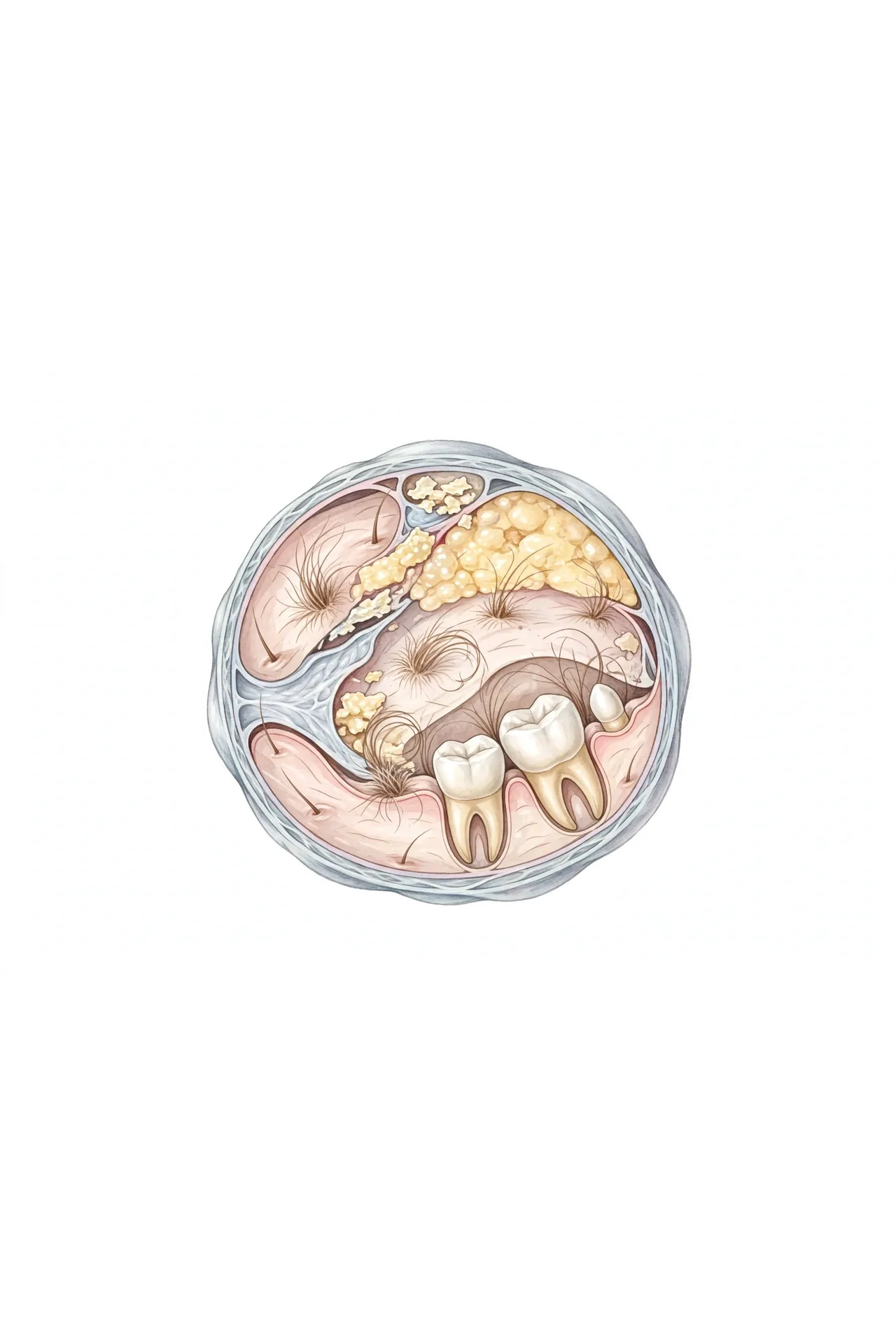
A teratoma is one of the strangest things the human body can produce: a rare type of tumour that can contain human hair, teeth, bone and even muscle tissue inside it. These tumours begin in the reproductive cells — the eggs or sperm — and because those cells have the ability to develop into any type of cell found in the human body, a teratoma can end up growing an unsettling mix of tissues in one place. Most teratomas are benign and can be removed surgically, but the simple fact that the body can grow a tooth inside a tumour is the kind of thing that stays with you once you know it.
4. Doctors Once Gave Patients Milk Transfusions Instead Of Blood

In the mid-19th century, before blood transfusion was properly understood, a few doctors in the United States and Canada tried something that sounds like a bad idea even by the standards of the time: giving patients transfusions of milk instead of blood. Milk from cows, goats and even humans was used, on the theory that it might nourish the patient from the inside. Many patients died before the practice was finally debunked and abandoned. It stands as a reminder of how recently medicine was still guessing — and how dangerous those guesses could be.
5. The “Father Of Gynaecology” Experimented On Enslaved Women Without Anaesthesia

Dr. J. Marion Sims is often called the father of gynaecology, and his surgical techniques genuinely advanced the field. But that legacy carries a dark and well-documented history: he developed his methods by operating on enslaved Black women, including a young mother named Anarcha, who was 17 years old when he first operated on her, and other women named in his records as Lucy and Betsy. These women were subjected to years of painful procedures and experimentation without anaesthesia, without compensation and without credit for their sacrifice. It is one of medicine’s most troubling chapters, and a reminder that medical progress has not always come at an acceptable human cost.
6. A Popular Baby Soothing Syrup Was Secretly Morphine And Alcohol
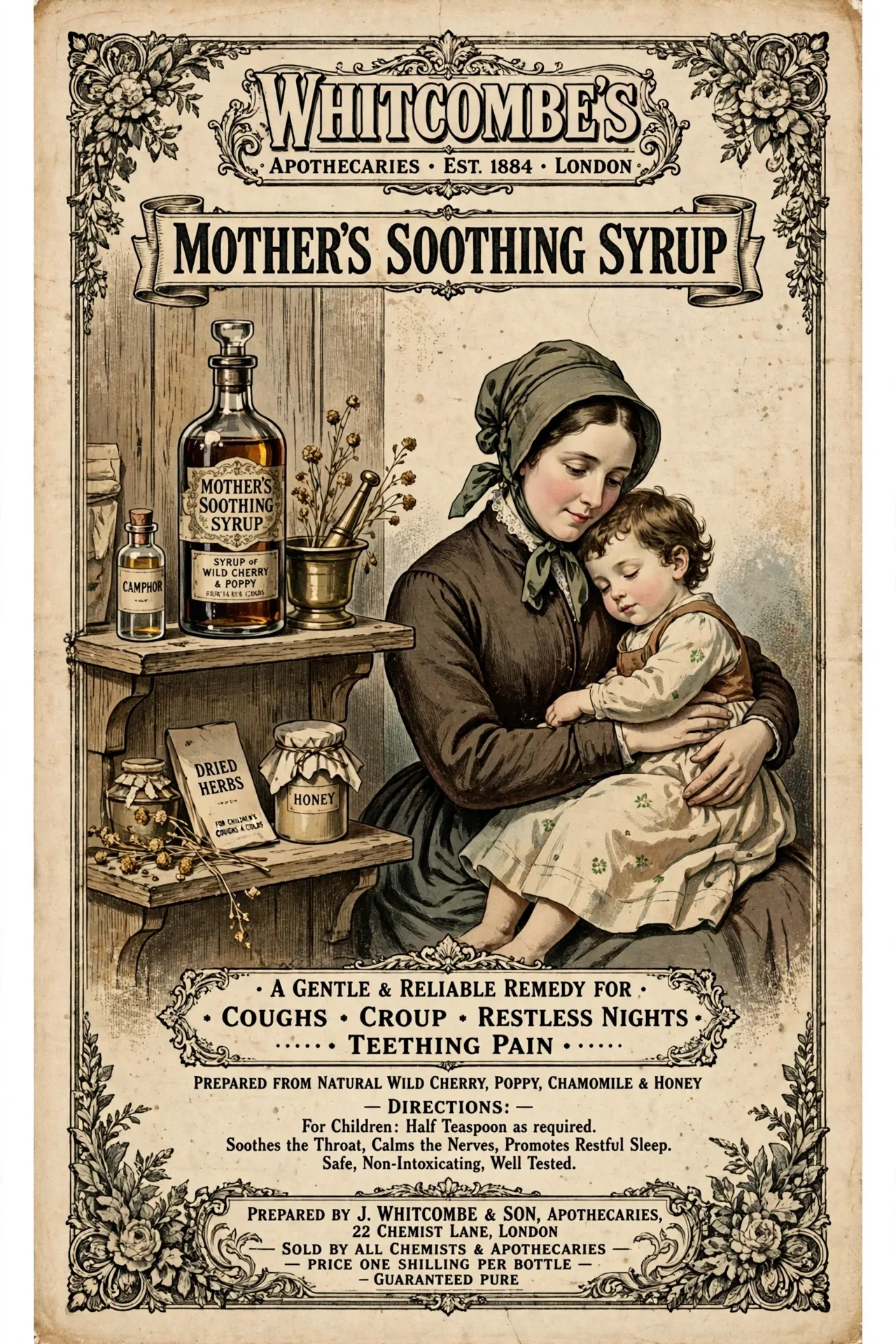
Invented in 1845, Mrs. Winslow’s Soothing Syrup was marketed to parents as a calming, pain-relieving remedy for fussy infants and children — and it sold more than 1.5 million bottles a year. What the cheerful label did not advertise was that the syrup was a potent mixture of morphine and alcohol. Babies who were given it slept soundly, for the worst possible reason, and the product stayed on shelves as late as 1930. It is a chilling example of how unregulated medicines once were, and how easily a dangerous drug could be sold as a harmless household remedy.
7. It Is Medically Possible To Vomit Stool

It sounds impossible, but under extreme circumstances the body can do exactly this. The medical term is feculent vomiting, and it typically happens when there is a severe blockage somewhere in the intestines. With no way for digested matter to move forward, it builds up until the pressure forces it back the way it came. It is a sign of a serious medical emergency that needs immediate treatment, not a party trick — but it is also a stark illustration of how the digestive system works as one long tube, and what happens when that tube is blocked.
8. Cotard’s Syndrome Can Make You Believe You Are Already Dead

Also known as Walking Corpse Syndrome, Cotard’s syndrome is a rare psychiatric disorder in which a person becomes convinced that they are dead, that they do not exist, or that they have lost all of their internal organs. People living with the condition may stop eating, stop speaking to loved ones, and insist that they are already a corpse. It is often linked to severe depression or neurological conditions, and it shows just how powerfully the brain constructs our sense of being alive — and how completely that sense can break down.
9. A Man Underwent Surgery While Fully Awake — And Was Never Told
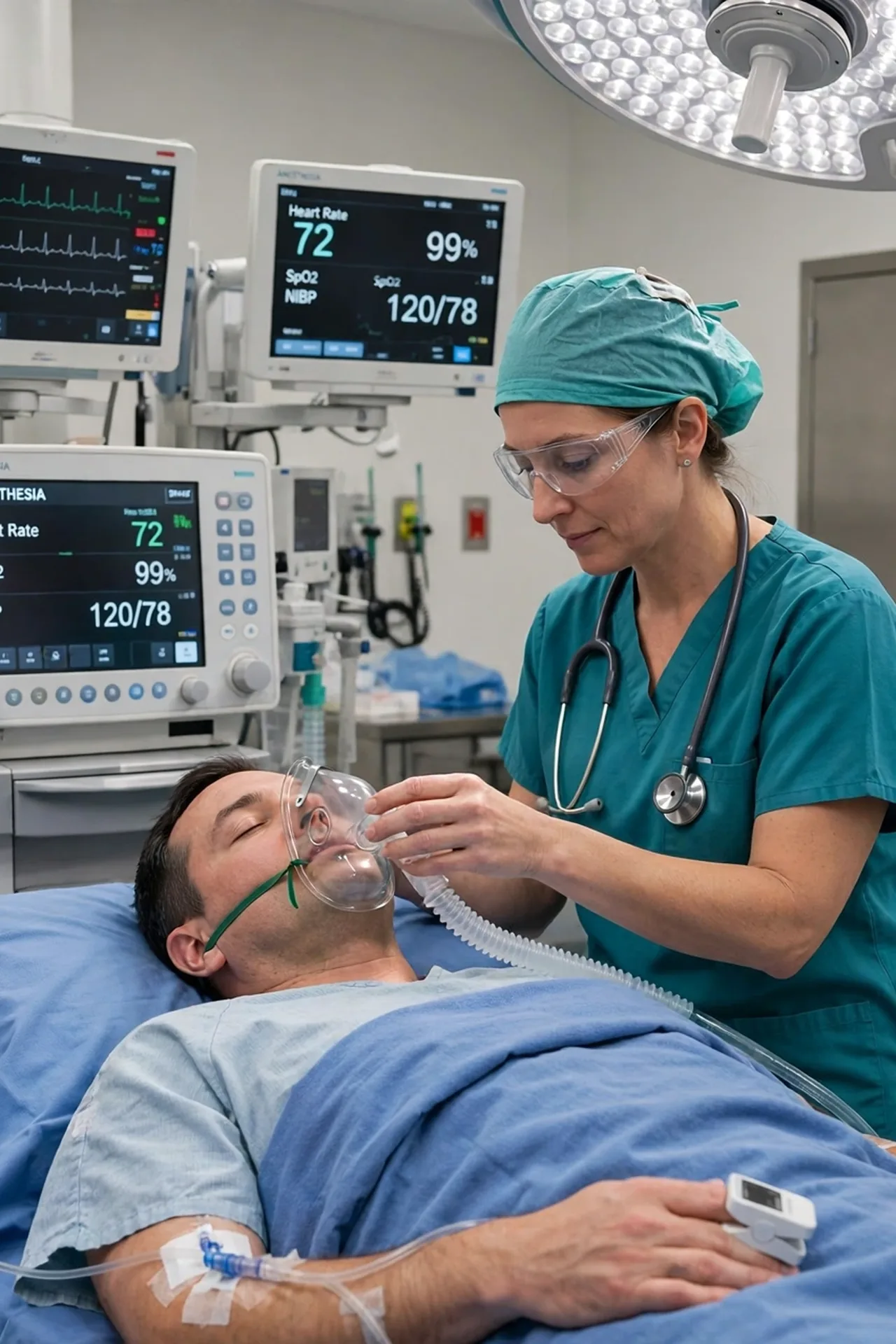
In February 2006, a man named Sherman Sizemore went in for exploratory abdominal surgery — and spent part of the operation completely awake. He had been given a muscle paralytic that stopped him from moving, but no anaesthesia, until 16 minutes after surgeons had cut into his abdomen. He could feel everything and could do nothing about it. He was never told about the anaesthesiologist’s mistake, and he developed severe post-traumatic stress symptoms afterwards, even telling his family he believed people were trying to bury him alive. He died by suicide two weeks later. His case is one of the most harrowing documented examples of anaesthesia awareness, and it changed how seriously the medical world takes the risk of waking up during surgery.
10. Fatal Familial Insomnia Slowly Takes Away Sleep — Forever

Fatal familial insomnia is an extremely rare genetic disorder, and its name describes it all too accurately. It causes worsening trouble sleeping, along with memory loss, hallucinations and uncontrollable muscle twitching — and there is no cure. Symptoms usually begin, on average, around the age of 40, and the condition is eventually fatal. It is caused by a misfolded protein that damages the part of the brain responsible for regulating sleep, which means the brain gradually loses the ability to do one of the most basic things a body needs to survive: rest.
11. Your Body Contains More Bacteria Than Human Cells

You are, strictly speaking, more microbe than human. Recent estimates suggest that the average person’s body is made up of around 30 trillion human cells — and about 38 trillion bacteria. Most of those bacteria live in your gut, where they help digest food, produce vitamins and train your immune system. Far from being invaders, they are essential partners in keeping you alive. So the next time someone says you are one of a kind, remember that you are actually a walking ecosystem, hosting trillions of tiny tenants.
12. Your Jaw Muscle Can Bite Down With Over 200 Pounds Of Force
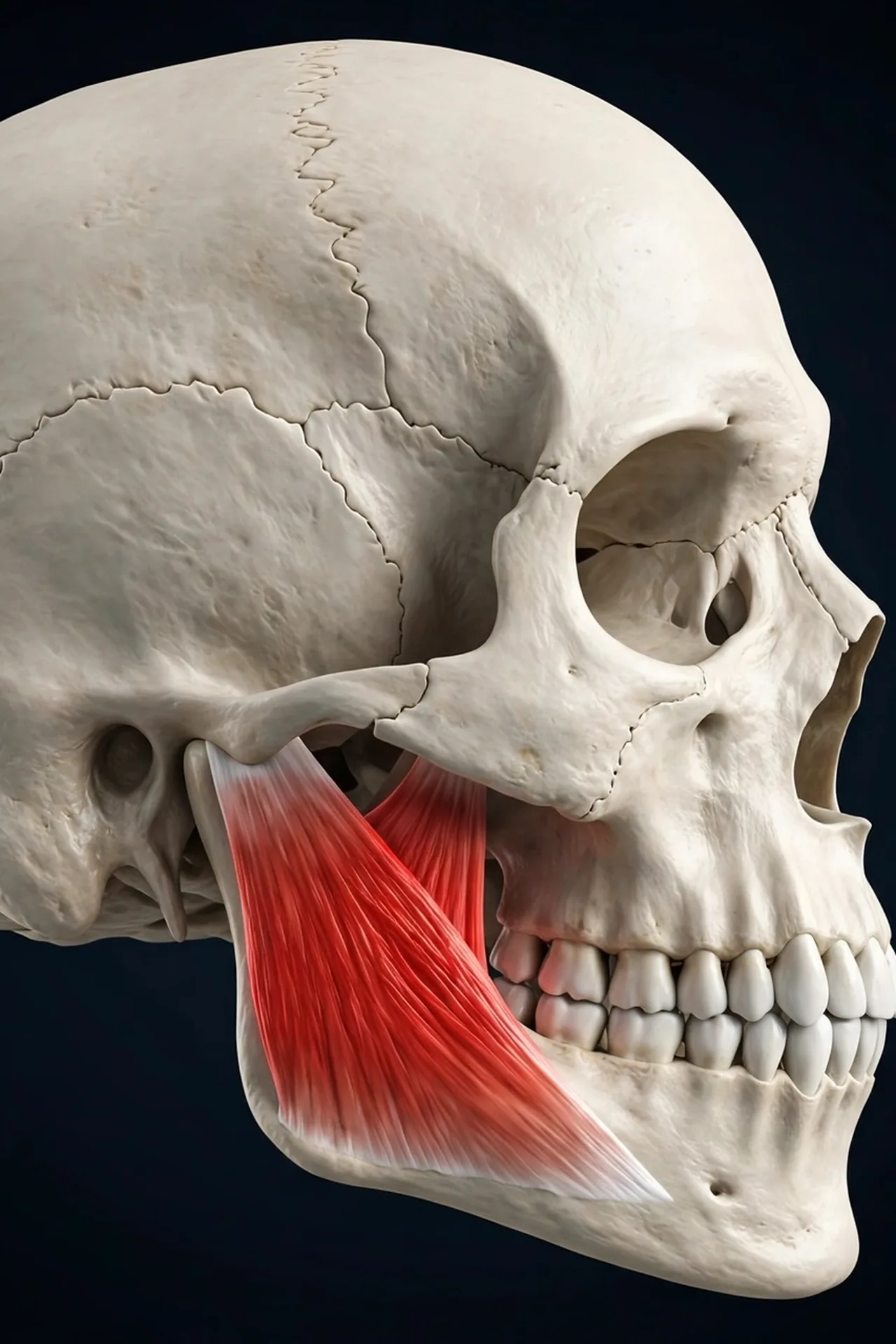
The masseter muscle — the thick muscle at the back of your jaw that you can feel clench when you grind your teeth — is the strongest muscle in the human body by force. It can exert more than 200 pounds of pressure on your molars, which is why your teeth can crush hard foods, crack nuts and, unfortunately, do real damage when you grind them at night. It is an impressive piece of engineering, and also a good reason to take jaw pain and teeth grinding seriously: that much force, applied night after night, wears teeth down fast.
13. Doctors Once Prescribed Drinking Human Blood As Medicine

Medical vampirism sounds like something from a horror story, but it was a real practice in multiple eras of history. Ancient Romans believed that drinking the blood of a fallen gladiator could increase a patient’s strength, and Renaissance-era practitioners believed that older people could regain their strength, energy and youth by drinking blood from the vein of a healthy teenager. There was no science behind any of it — blood does not transfer youth or vitality — but the belief persisted for centuries, a reminder that medicine once owed as much to superstition as to observation.
14. Black Patients Were Given Up To 60% More Radiation Per X-Ray
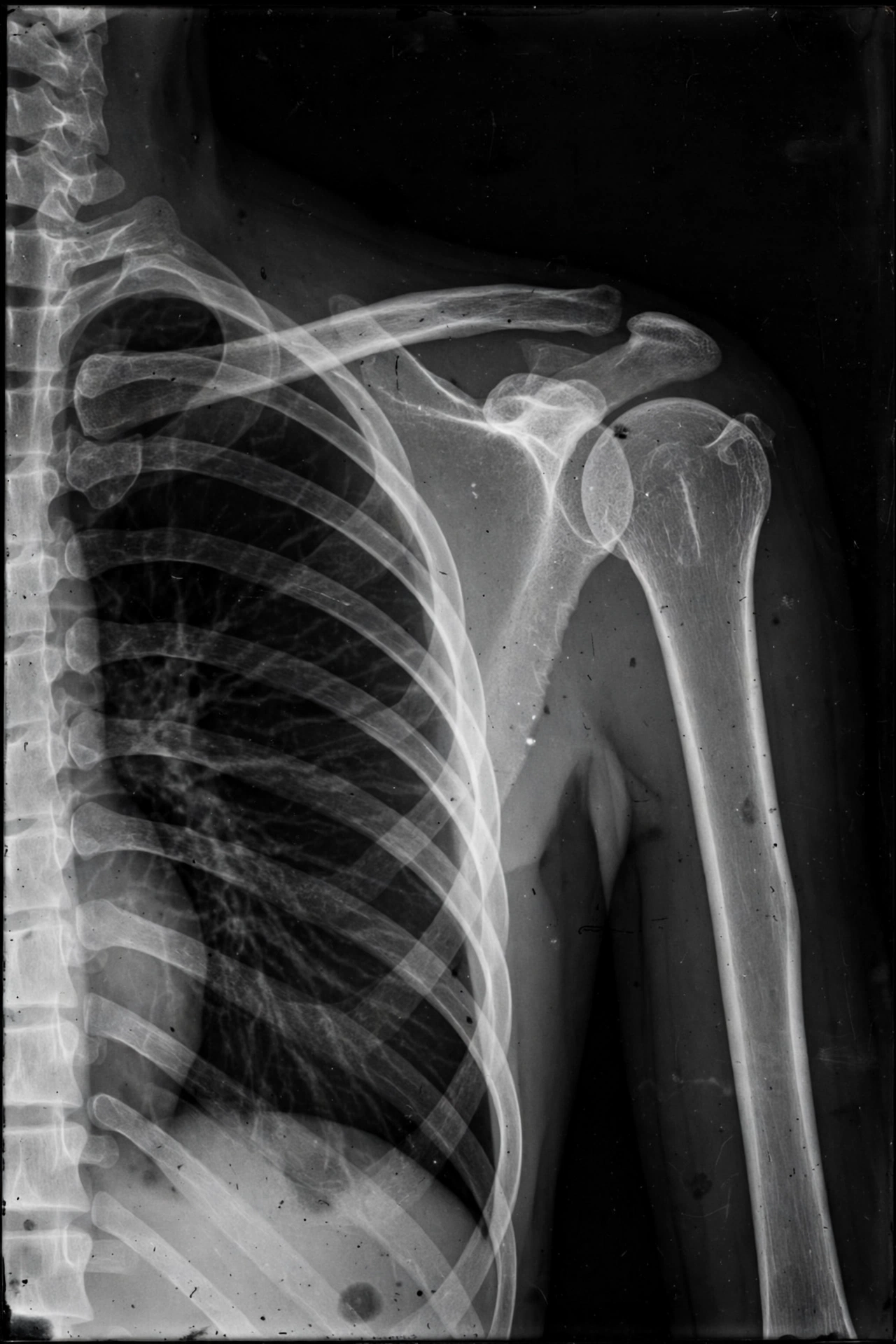
For decades, X-ray technicians were taught that Black people’s skin and bones were denser and more resistant to radiation than those of other patients. Acting on that false teaching, they routinely gave patients with darker skin up to 60 percent more radiation per X-ray than other patients received. The belief had no scientific basis, but it was passed down through training and practice for generations. It is a disturbing example of how false ideas about race became embedded in everyday medical care — and how long it can take for medicine to correct its own mistakes.
15. Surgeons Once Left A 13-Inch Retractor Inside A Patient
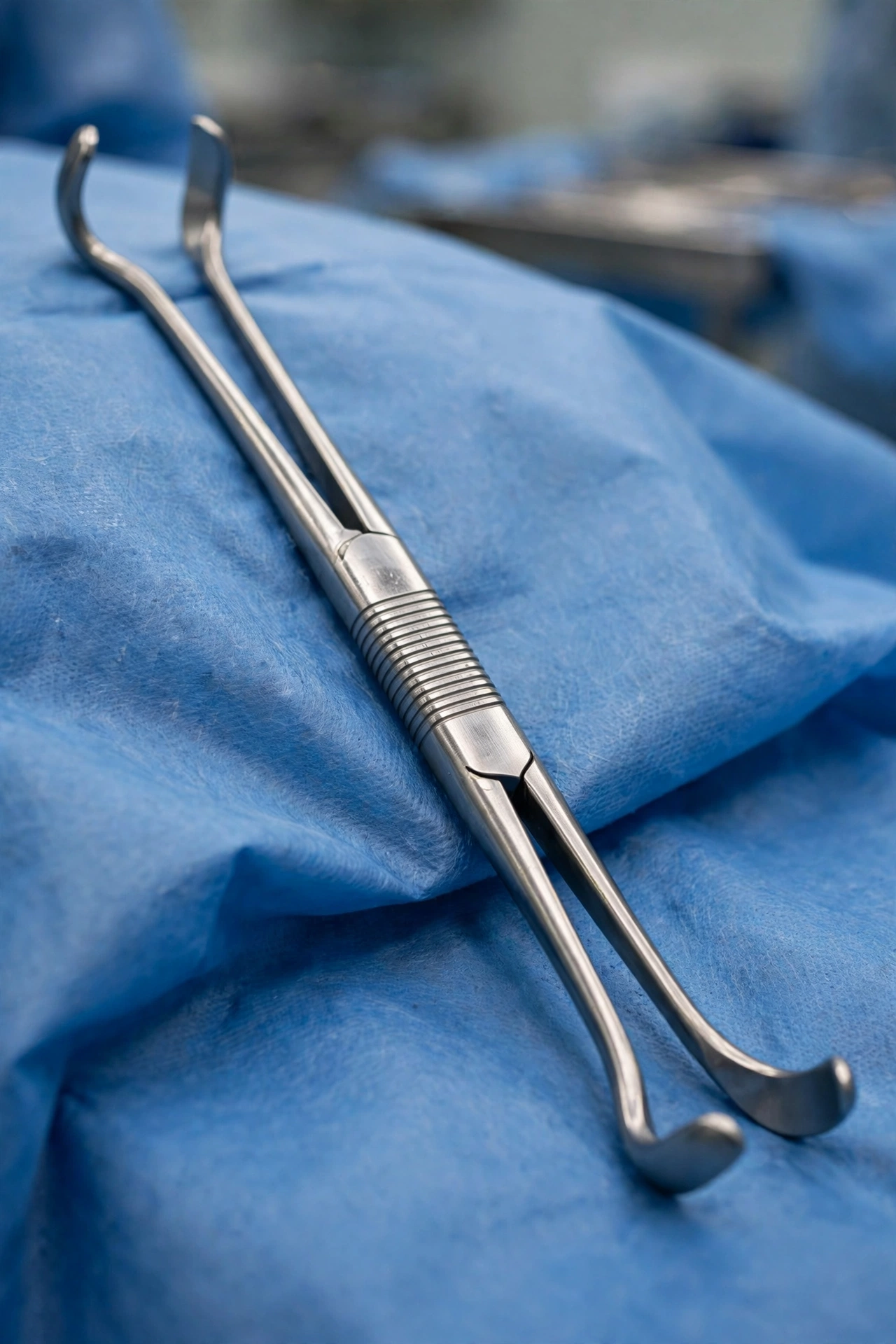
In June 2000, a medical team at the University of Washington Medical Center made a horrifying mistake during emergency abdominal surgery on a man named Donald Church: they left a 13-inch-long malleable surgical retractor inside him. The error was recognised quickly and the instrument was removed, and Church suffered no long-term complications — but the incident became one of the most widely cited cases of a retained surgical instrument. It is exactly why modern operating rooms now count every sponge, clamp and retractor before a patient is closed up, sometimes more than once.
16. Your Stomach Acid Is As Strong As Battery Acid
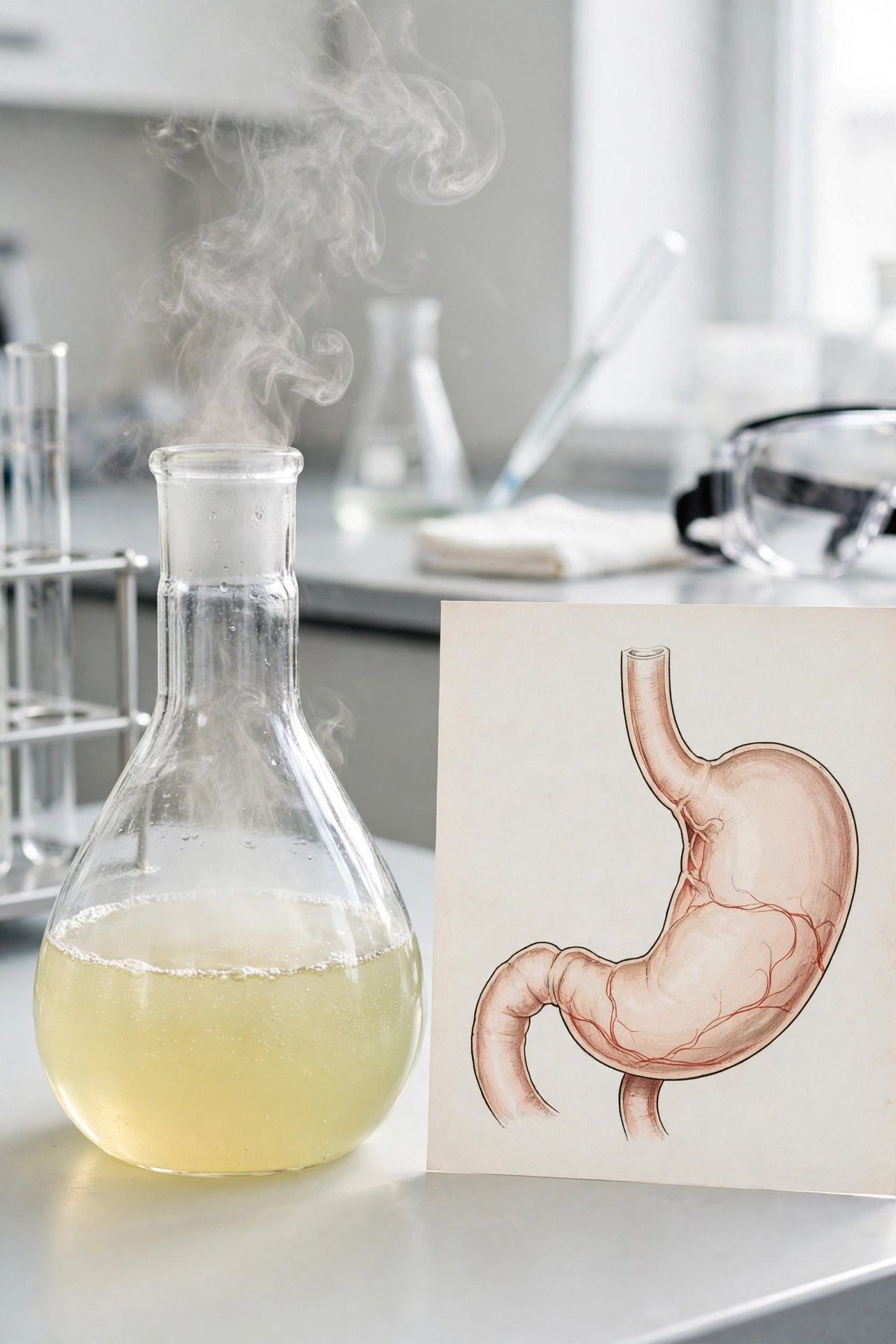
The main component of your stomach acid is hydrochloric acid, and it has a pH of around 1 — roughly as strong as battery acid. It has to be that powerful to break down the food you eat and kill many of the microbes that come along with it. The only reason it does not dissolve your stomach itself is the thick layer of mucus that lines the stomach wall, constantly renewing itself to keep the acid where it belongs. When that protective lining weakens, the result is ulcers and the burning pain of acid reflux — your stomach acid, briefly, doing exactly what it is designed to do.
17. Insulin Shock Therapy Involved No Shock At All
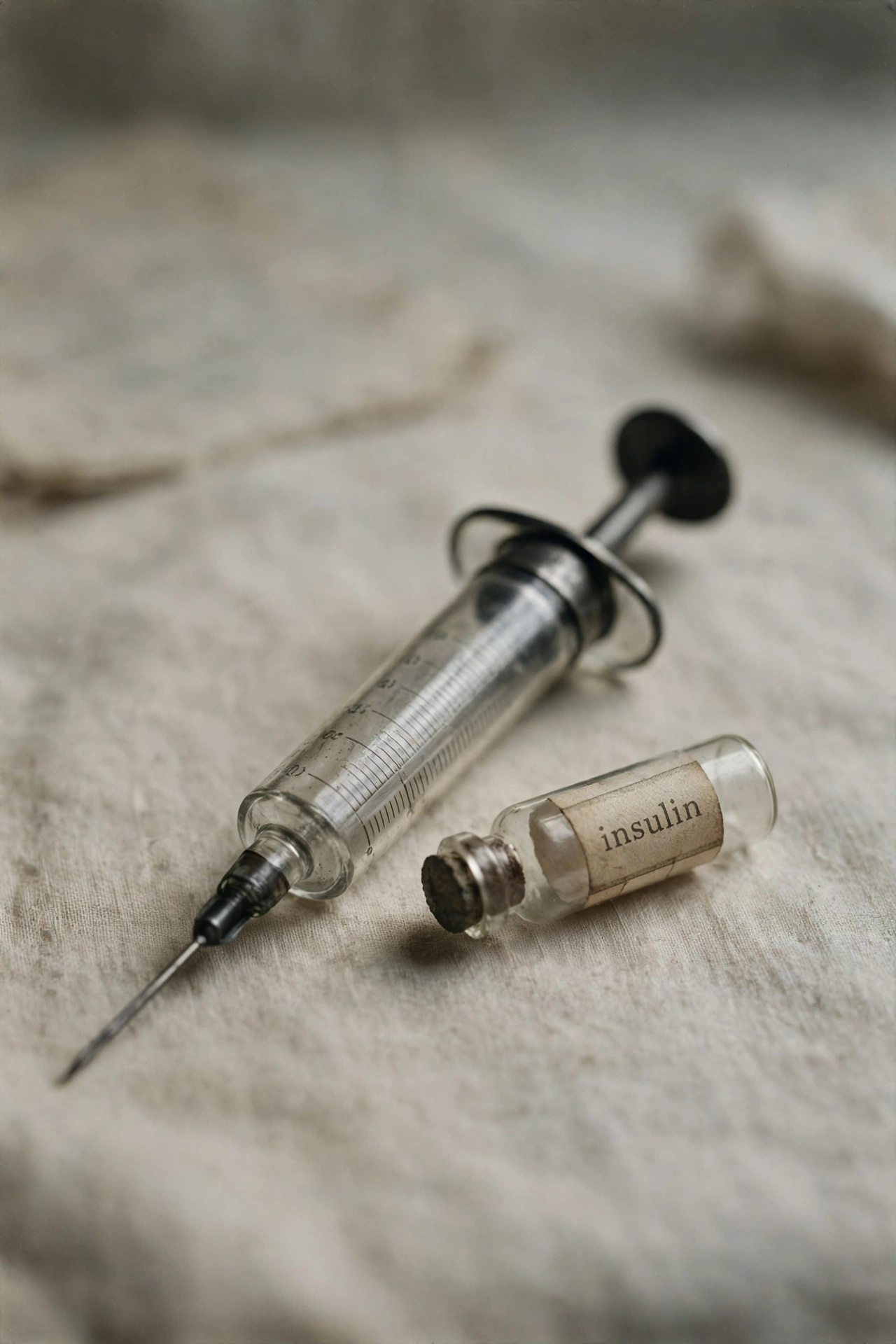
Many people have heard of the horrific mental health treatments of the past, like lobotomies, but fewer know about insulin shock therapy. Despite the name, no electric shock was involved at all. Instead, patients were given larger and larger doses of insulin to push them into a hypoglycaemic coma, and were then brought back out of the coma with a massive dose of glucose. The treatment was used for decades in psychiatric hospitals before safer, evidence-based treatments replaced it — another chapter in the long history of mental health care learning, painfully, what actually helps.
18. “Blowing Smoke Up Your Ass” Used To Be A Literal Medical Treatment
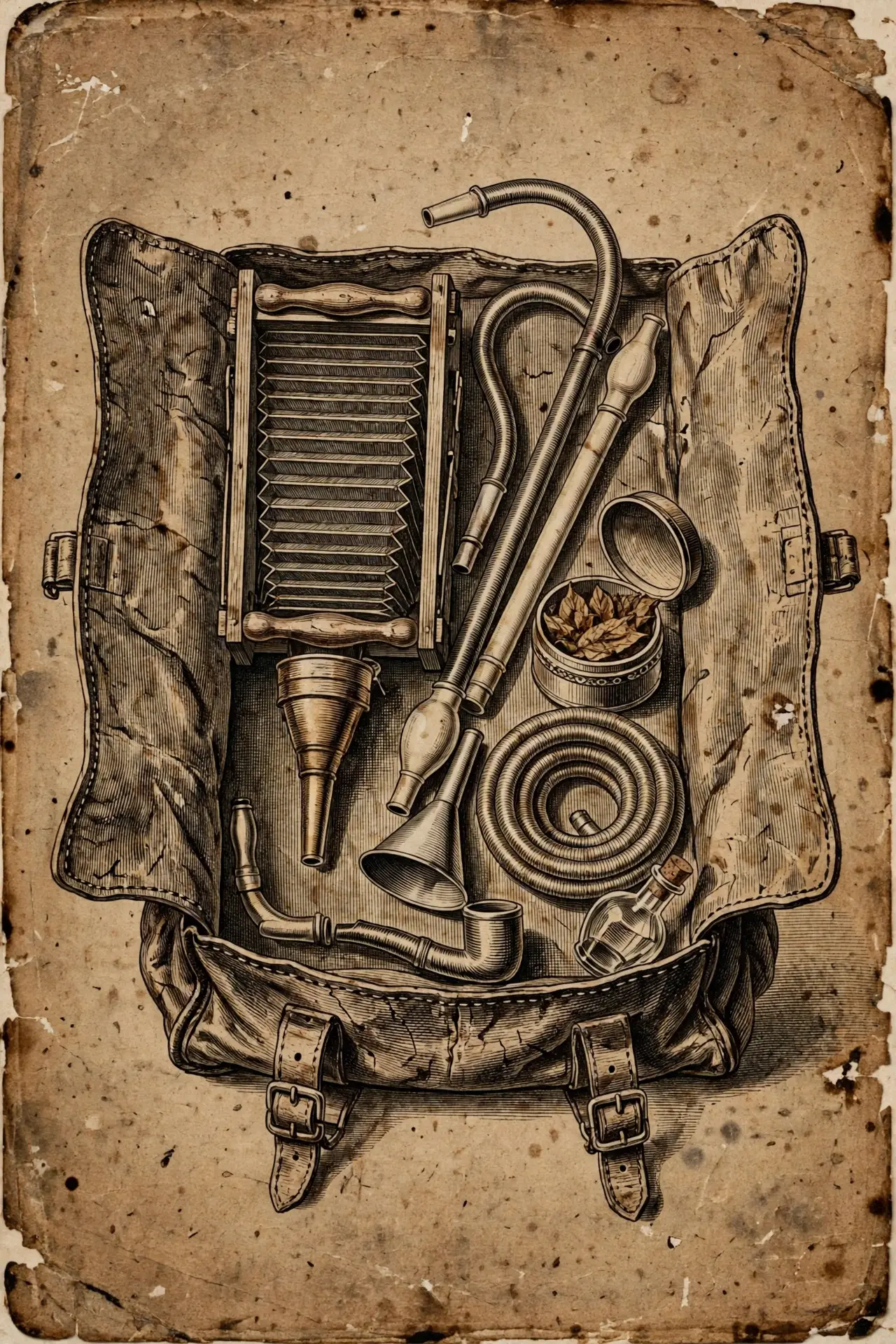
Today, saying someone is “blowing smoke up your ass” means they are flattering you with empty praise. But in the 18th century, the phrase was entirely literal. Doctors of the time believed that tobacco smoke enemas could resuscitate drowning victims and people who appeared dead, on the theory that the smoke would stimulate the body back to life. Special kits for the procedure were even kept along the River Thames for rescuing people pulled from the water. The treatment has, thankfully, been debunked and phased out — but the idiom survived long after the medicine did not.
19. The Egg Is Never Actually Released Into The Fallopian Tube
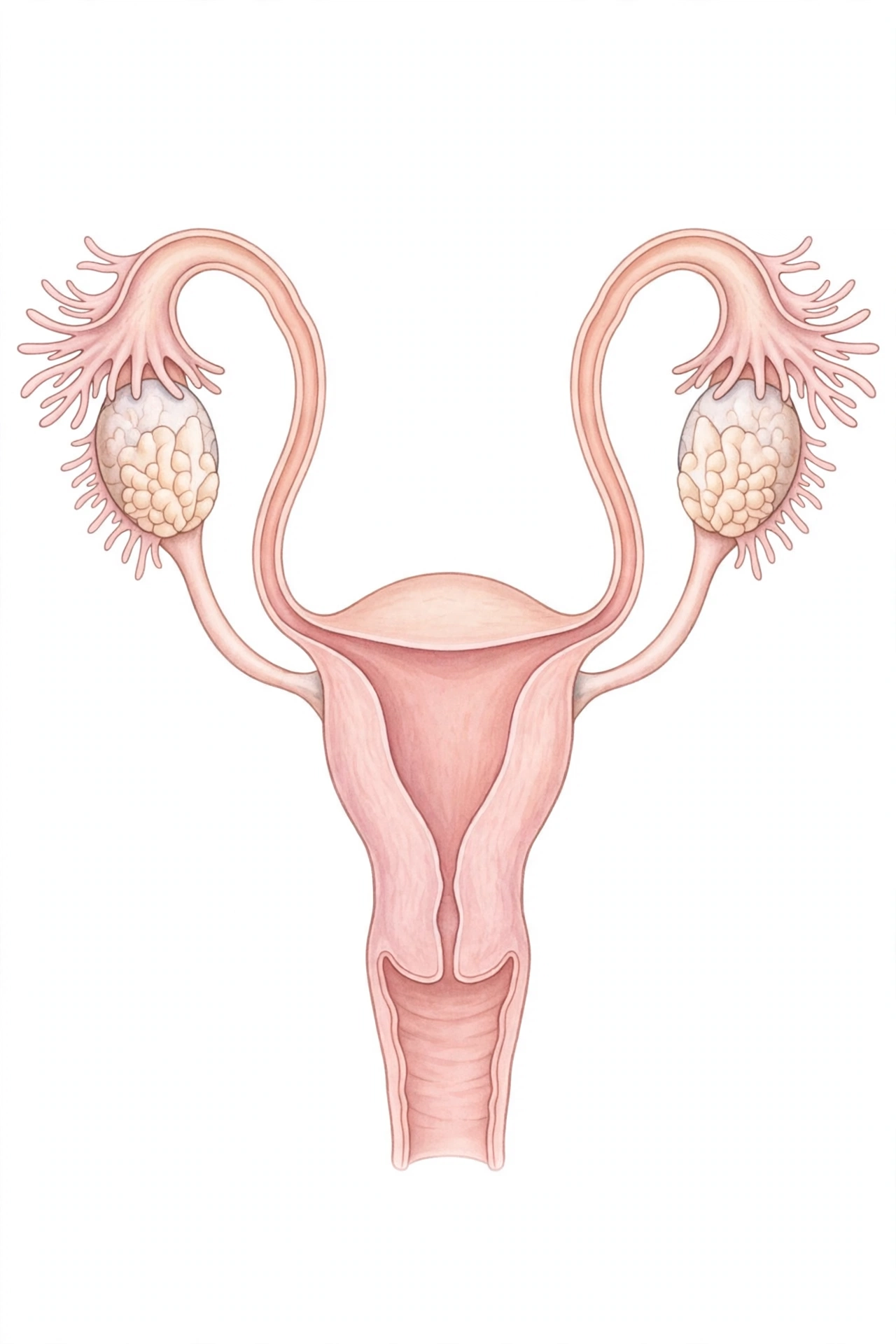
Here is a fact that surprises almost everyone: during ovulation, the egg is not released from the ovary into the fallopian tube — because the ovary and the fallopian tube are not connected at all. Each month, the egg exits the ovary into the open abdominal cavity, and the fimbriae — delicate, finger-like tendrils at the openings of the fallopian tubes — sweep around to catch the egg and draw it into the tube. It is a remarkably imprecise-looking system for something so important, and yet it works, month after month, for millions of people.
Medicine’s history is full of moments like these — strange, unsettling, and sometimes genuinely horrifying — and the human body itself turns out to be just as surprising as the treatments people once invented for it. Which of these facts shocked you the most? Let us know in the comments, and if you want more, you may also like Neurologists Reveal The Overlooked Signs Of Alzheimer’s They Wish Everyone Knew, What Gastroenterologists Wish Everyone Knew About Your Poop Schedule, 1 Mindset Shift To Help Protect Brain Health and If You Do This 1 Very Common Nighttime Habit, It Could Raise Your Risk Of Heart Failure, Stroke, And Diabetes.
Disclaimer: This article is for general information and entertainment only. It is not medical advice, and it is not a substitute for professional medical guidance. If you have concerns about your health, please speak to a qualified healthcare professional.