If You Do This 1 Very Common Nighttime Habit, It Could Raise Your Risk Of Heart Failure, Stroke, And Diabetes

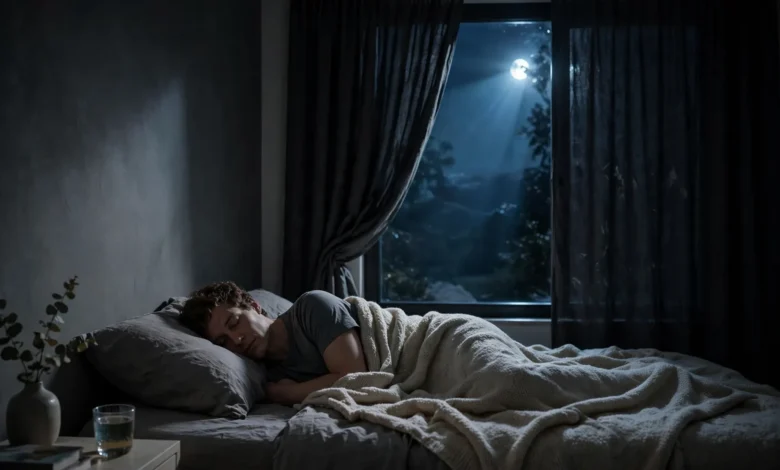
Most of us judge our sleep by the clock. Did we get seven hours? Eight? If the number looks fine, we assume the night did its job. But a large new study suggests the hours are only part of the story. What is happening around you while you sleep — specifically, how much light is reaching you in the middle of the night — may matter just as much for your heart.
Researchers tracked nighttime light exposure in nearly 89,000 adults and followed their heart health for almost a decade. The people who slept with the most light around them ended up with clearly higher rates of heart failure, heart attack, and stroke than the people who slept in the dark. The habit behind it is an ordinary one: a lamp left on, a glowing television, a phone screen lighting up the room, or streetlight spilling through thin curtains. Here is what the research found, why scientists think it happens, and the simple changes that can bring your bedroom back to darkness.
1. The Study Behind The Warning
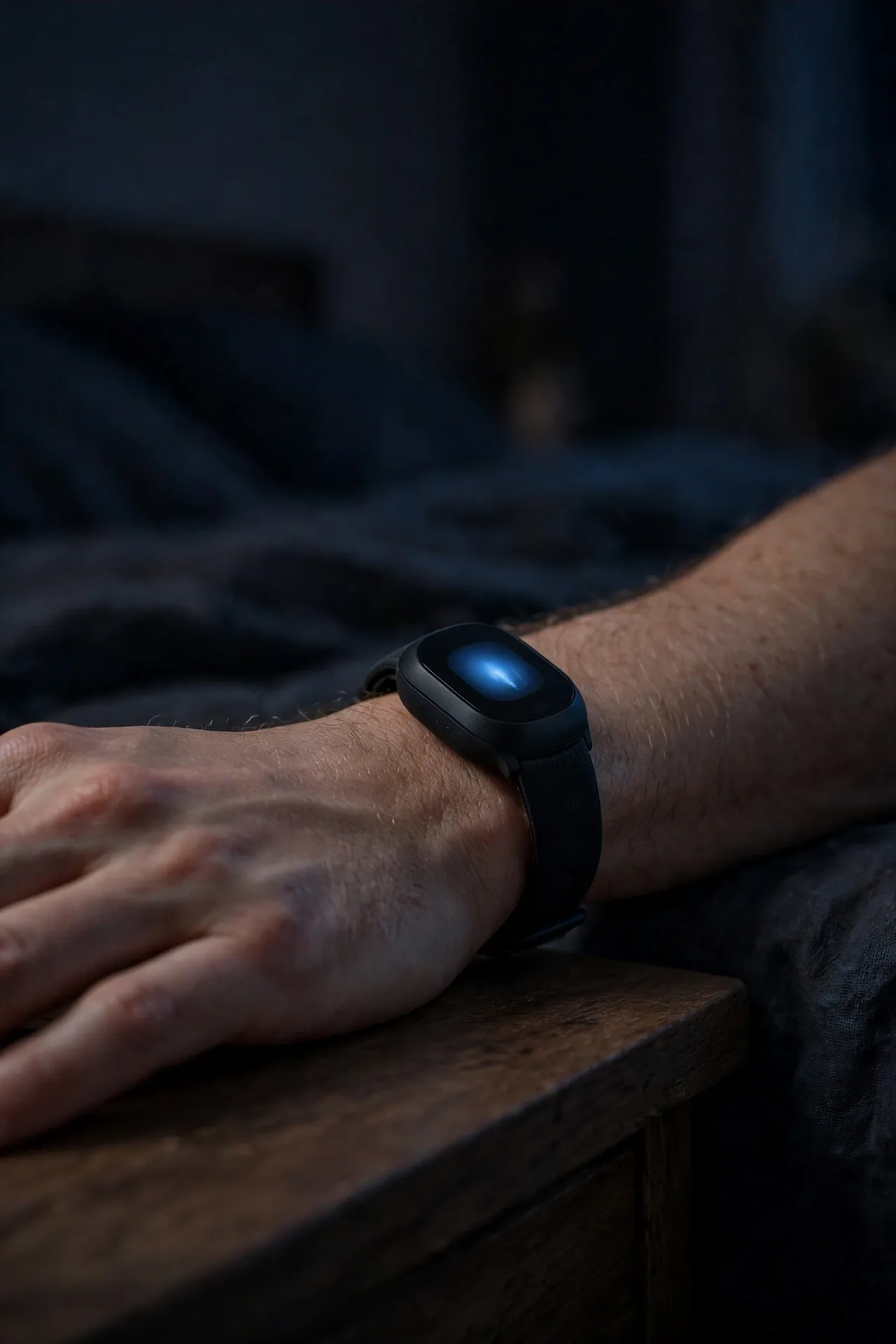
The research was published in JAMA Network Open, and it was built on a scale that is hard to argue with. The study followed 88,905 adults over the age of 40. Each person wore a wrist sensor for one week, and the sensor measured how much light they were exposed to between 12:30 a.m. and 6 a.m. — the deep middle of the night, when most people are asleep.
From there, the researchers sorted everyone into four groups, from the least nighttime light exposure to the most, and then watched what happened to their heart health over the next 9.5 years. They also adjusted the results for the usual suspects that could muddy the picture: smoking, physical activity, shift work, and socioeconomic status. In other words, the pattern they found was not simply a side effect of people who already smoked more or exercised less. Even after those factors were accounted for, the light made a difference.
2. The Numbers Are Hard To Ignore
Compared with the people who had the lowest nighttime light exposure, the people with the highest exposure faced a 56% higher chance of developing heart failure. Their risk of a heart attack was up to 56% greater, and their risk of a stroke was up to 30% greater. The study also tracked coronary artery disease, atrial fibrillation, and myocardial infarction — the medical term for a heart attack — and the same pattern showed up across these conditions.
Those are not small numbers, and they are the reason this study is getting attention. A 56% higher chance of heart failure is the kind of gap that makes doctors sit up. It is also worth keeping the numbers in perspective: they describe relative risk, comparing the most-exposed group with the least-exposed group. They do not mean that a single bright night will damage your heart. They mean that, over years, sleeping in light rather than darkness was consistently linked with worse heart outcomes.
3. Why Light At Night Confuses Your Body Clock
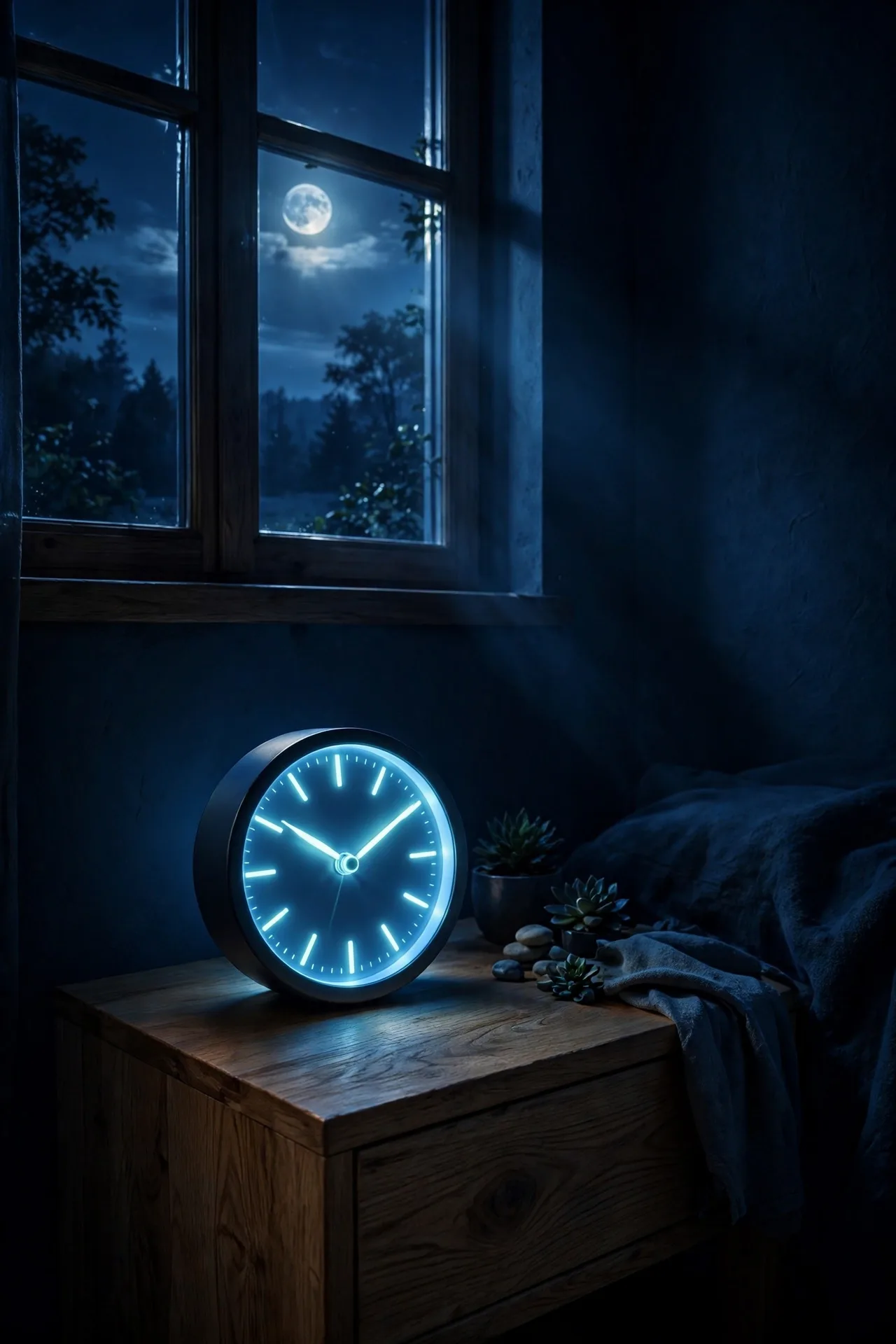
The explanation researchers point to is the circadian rhythm — the body’s built-in 24-hour sleep-wake cycle. This internal clock runs on light and darkness. Daylight tells the brain it is time to be alert; darkness tells it to wind down, release sleep hormones, and let the body rest and repair. When bright light shows up in the middle of the night, it sends the wrong signal at the wrong time.
Cardiologists who reviewed the study explained it simply: light at night can trick the brain into thinking it is daytime, which disrupts the normal rhythm of the sleep-wake cycle. That disruption has been associated with cardiovascular events. The effect is not only about how long you sleep, but how well you sleep — and light exposure can chip away at sleep quality even on nights when the total hours look fine. Sleep is how the body recharges itself, and when that recharge is interrupted night after night, the strain adds up.
4. Eight Hours Of Sleep Isn’t Enough If The Sleep Is Poor

One of the most useful points the experts made is that getting seven or eight hours of sleep does not automatically mean you are getting good sleep. If you regularly wake up tired, or you wake with headaches, that may be a sign of sleep trouble worth talking to your doctor about — even if your sleep tracker says the hours were fine.
Poor sleep is linked with a range of cardiovascular and cardiometabolic problems. Short sleep duration has been associated with a higher risk of heart attacks and strokes, and sleep disorders have been associated with heart disease and strokes as well. The mechanism is partly about stress: when sleep is cut short or broken up, stress and anxiety rise, and the body’s fight-or-flight response stays switched on longer than it should. Over months and years, that constant low-level strain can stress the heart and make cardiovascular problems more likely.
5. The Link Looked Stronger For Women
One finding stood out to the cardiologists who commented on the research: the association between nighttime light and heart problems appeared more prominent among women than among men. The study authors noted that this fits with earlier research, which has found that women tend to be more sensitive to light-based disruptions of the circadian rhythm. Other research has also found that women who work overnight shifts have higher rates of heart failure than men who do the same work.
Nobody is saying that women should worry more, or that men can ignore the finding. The pattern simply suggests that the same bright bedroom may carry a somewhat larger penalty for women — one more reason for everyone in the household to take the darkness of the bedroom seriously, and for women who sleep poorly to mention it at their next checkup rather than brushing it off.
6. What The Study Couldn’t Prove

Good research is honest about its limits, and this study has a few worth knowing. First, the researchers do not know exactly where the nighttime light came from. The wrist sensors measured how much light people were exposed to, but not whether it was a streetlight outside the window, a television left on, a tablet, a phone, or a bedside lamp. That means we cannot say which source is the worst offender — only that total exposure matters.
Second, the group of participants was not very diverse: 97% of them were white. That leaves open questions about how the pattern plays out across different populations. And third, like most large observational studies, this one shows an association, not a proven cause-and-effect chain. The researchers adjusted for the major risk factors, but they are clear that more studies are needed to confirm the finding and to pin down exactly how nighttime light leads to heart disease. The honest reading is that the link is strong and plausible, not that every detail is settled.
7. How To Make Your Bedroom Properly Dark
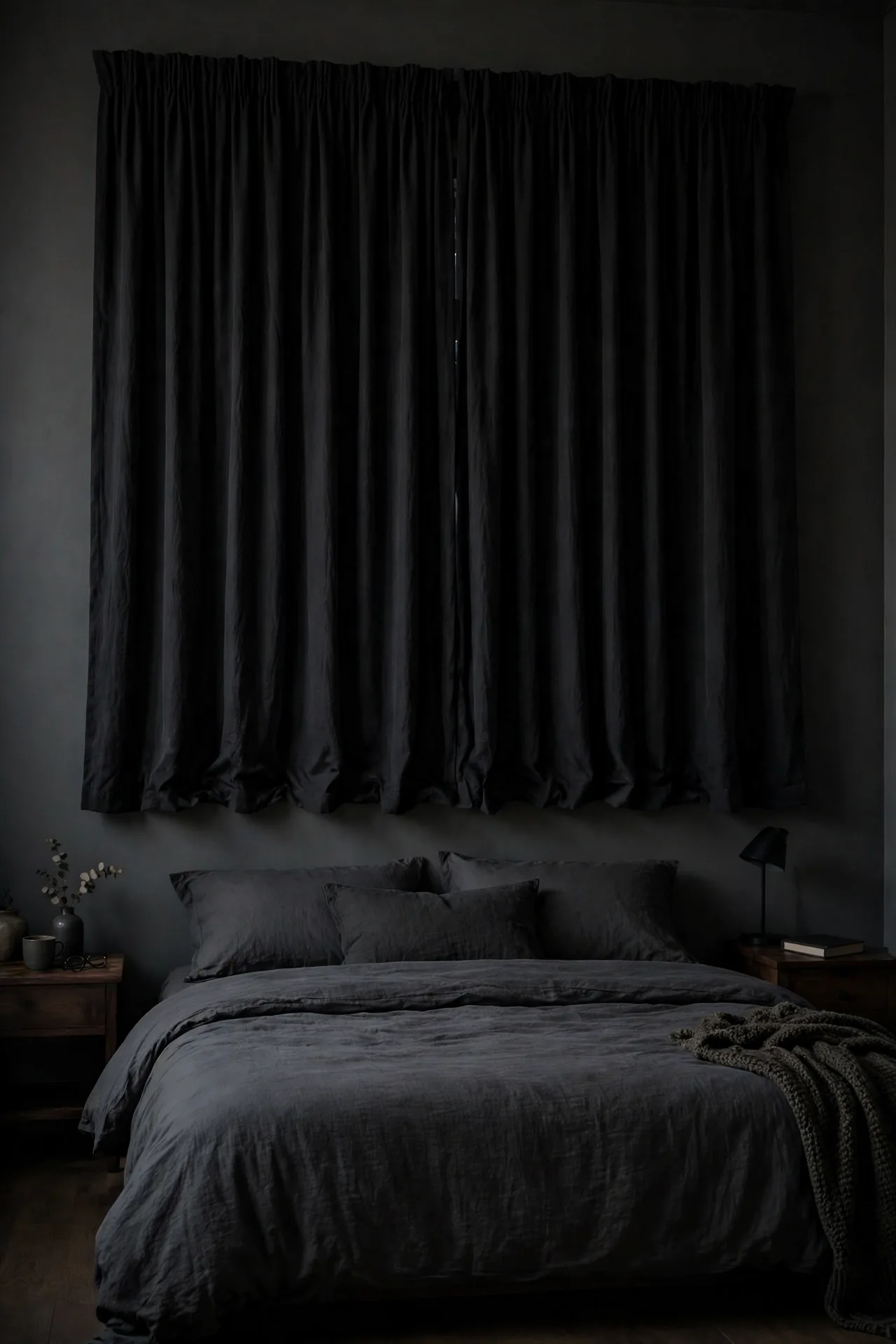
The encouraging side of this research is that the fix is simple, free, and entirely under your control. You do not need a new mattress or a supplement. You need darkness. Here are the changes that make the biggest difference:
Hang blackout curtains. If streetlights or a neighbour’s porch light spill into your room, proper blackout curtains are the single most effective fix. Even a sleep mask works if new curtains are not an option right now.
Turn the phone off — or at least face down and silent. A phone lighting up with notifications through the night is a small lamp going off beside your head. Charge it outside the bedroom if you can, or switch it to silent and turn the screen face down.
Dim the lights before bed. Bright overhead lights in the hour before sleep tell your brain the day is still going. Switch to low, warm lamps in the evening and keep the bedroom itself dim.
Keep screens out of the bedroom. Televisions, tablets, and laptops all throw light into a dark room. If the television is your way of falling asleep, try a sleep timer so it switches itself off, and keep the brightness as low as you can tolerate.
Cover the little lights. The standby dots on chargers, routers, and power strips add up in a dark room. A small piece of tape over the brightest ones, or a power strip you can switch off at night, takes care of them.
Use a low, warm night light only if you need one. If you get up in the night, a dim warm light near the floor is far better than switching on a bright overhead bulb. Keep it low, keep it brief, and keep it away from your face.
8. Eight Habits That Protect Your Heart

Darkening the bedroom is one piece of a bigger picture. The cardiologists behind this discussion often point patients to the American Heart Association’s Life’s Essential 8 — eight guidelines that together cover most of what keeps a heart healthy. They are worth knowing as a set, because sleep is only one of them:
Eat a nutritious diet that is high in vegetables, lean protein, fruit, nuts, and seeds. Get moving — at least 120 minutes a week of moderate-intensity exercise such as walking or gardening, or 75 minutes of vigorous exercise such as running or swimming. Quit smoking. Sleep seven to nine hours each night. Manage your weight, your cholesterol, your blood sugar, and your blood pressure.
None of these is a surprise, and that is the point. Heart health is not built on one dramatic change. It is the sum of ordinary habits, repeated daily. If you follow these eight, the experts say, you can control a major part of your risk of cardiovascular disease — and good, dark, restful sleep is one of the easiest of the eight to start tonight.
9. When To Talk To Your Doctor

Most sleep trouble improves with the basics: a dark room, a regular bedtime, and less screen time at night. But some signs are worth bringing up with a doctor rather than trying to fix alone. If you regularly wake up tired no matter how long you slept, if you wake with headaches, if you snore heavily or gasp during the night, or if daytime sleepiness is starting to affect your work or your driving, book an appointment and say so plainly.
Sleep problems are common, they are treatable, and doctors hear about them every day — there is nothing embarrassing about raising them. A doctor can check for sleep disorders, review medications that might be disturbing your sleep, and look at blood pressure, blood sugar, and cholesterol at the same visit. Think of it as a single appointment that covers several of the eight heart-health essentials at once.
10. The Bottom Line
The habit in question could hardly be more ordinary: sleeping with light in the room. Yet across nearly 89,000 people followed for almost a decade, the people who slept in the most light had a 56% higher chance of heart failure, up to 56% greater risk of heart attack, and up to 30% greater risk of stroke than the people who slept in the dark. The likely reason is the body clock: light at night confuses the circadian rhythm, and a confused body clock means poorer sleep and a harder-working heart.
The fix costs nothing and starts tonight. Pull the blackout curtains closed, turn the phone face down, dim the lamps, and let your bedroom be properly dark. As one of the cardiologists put it, the healthier your sleep is, the healthier you are — and when it comes to cardiovascular disease, the healthier your sleep, the lower your risk.
This article is for general information only and is not medical advice. If you have concerns about your sleep or your heart health, please speak with a qualified healthcare professional.
You May Also Like
If this made you think differently about your nights, these guides from our health section are a natural next read: 8 Habits To Help Older People Stay Healthy looks at the small daily routines that add up to a healthier later life; Drooling In Your Sleep Could Actually Be A Big Tell About Your Health explains what your body may be signalling while you sleep; and 1 Mindset Shift To Help Protect Brain Health covers the simple change in thinking that experts say protects your brain the way exercise protects your heart.