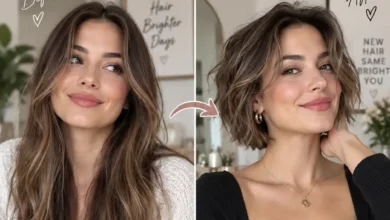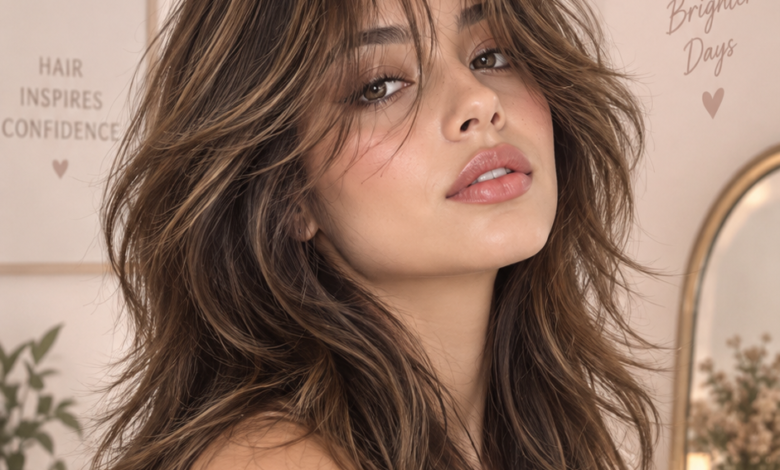
The wolf cut long hair trend has reshaped modern hairstyling, combining shaggy movement with striking crown volume. It creates an edgy silhouette while preserving the length you value.

Choosing a wolf cut for long hair gives you a dramatic, versatile shape. Its silhouette suits a messy, effortless aesthetic or a polished finish, adapting easily to your daily routine.
This guide explains how to choose layers and tailor your bangs to complement your face shape. It also offers expert guidance for managing varied textures and protecting healthy ends. Learn to refine your look through focused salon consultation tips and practical at-home styling methods.
Key Takeaways
- The style combines shaggy layers with significant volume at the crown.
- It offers a bold, modern aesthetic while maintaining your desired length.
- Customizing your bangs is essential for framing your unique face shape.
- Proper maintenance of your ends is vital for a healthy, vibrant appearance.
- Our guide covers both professional salon advice and simple home styling techniques.
What Makes Wolf Cut Long Hair So Appealing
A wolf cut transforms long hair into a composition of movement and shape. It blends shorter, choppy layers at the crown with longer, flowing lengths for a silhouette that feels both deliberate and untamed. This bold choice refreshes your look without sacrificing your overall length.

The signature mix of shaggy layers and soft volume
The style builds height where it matters most. Shorter layers around the top naturally lift the hair, while the wolf cut haircut creates airy volume that lasts throughout the day. This technique keeps hair from falling flat, giving it a lively, bouncy quality that a single-length cut rarely achieves.
How the cut balances edgy texture with wearable length
A well-executed wolf cut with layers balances a daring shag with a classic long style. Strategic layers add separation and texture, breaking up thick hair’s weight without making it seem thin or wispy. The result is a lighter, more manageable mane that retains the length you love for versatile styling.
- Enhanced Movement: Layers allow the hair to swing and flow naturally.
- Weight Management: Strategic thinning removes bulk from heavy hair types.
- Customizable Drama: You can choose how aggressive or subtle the layering feels.
Why the wolf cut works across casual and polished styles
A major strength of a wolf cut with layers is its adaptability. On relaxed days, air-dry your hair for a tousled, effortless look that pairs well with casual outfits. For a polished appearance, use a quick round-brush blowout or a few passes with a curling iron to smooth the texture.
Ultimately, your wolf cut haircut depends on your hair’s unique density and texture. Choose a dramatic, high-contrast look or a softer, blended transition. Either approach lets this style provide a foundation that works with your natural hair rather than against it.
Wolf Cut Long Hair Trends to Watch
A trendy wolf cut refreshes your look with modern edge and classic volume. Its versatile shape can look soft and romantic or bold and rock-inspired, depending on your styling technique.

Airy curtain layers with a softer face frame
Modern wolf cut trends create a lighter, more ethereal frame around the face. Airy curtain layers soften the silhouette while preserving the signature shaggy aesthetic. They frame your features gently without overwhelming them.
Bold crown volume and longer tapered ends
For added drama, build height at the crown. Keep the top voluminous and the ends tapered to create striking contrast. This structure defines the shape and emphasizes the dynamic movement of your hair.
Wispy bangs, bottleneck bangs, and side-swept fringe
The right fringe can transform your haircut. Consider these popular options when customizing your style:
- Wispy bangs: Ideal for a delicate, effortless vibe.
- Bottleneck bangs: These provide a flattering transition between short and long layers.
- Side-swept fringe: A classic choice that adds a touch of vintage charm.
Color ideas that emphasize movement and dimension
Color placement should support the haircut’s direction, not hide its shape. Strategic highlights make layers stand out and add depth to the overall look.
Warm balayage and copper tones
Honey balayage and deep copper highlight the texture of a trendy wolf cut. These shades catch light, making each layer look vibrant and intentional.
Face-framing highlights and peekaboo color
Consider these techniques for a distinctive touch:
| Technique | Best For | Effect |
|---|---|---|
| Face-framing | Brightening | Draws attention to eyes |
| Peekaboo | Subtle edge | Adds hidden dimension |
The right color and cut keep your style fresh and personal. Following current wolf cut trends helps your hair look its best.
Choosing a Wolf Cut for Your Hair Length and Density
Choosing a wolf cut long hair style begins with your hair’s length and density. Because every head differs, your stylist should place layers to flatter your features and protect your strands.

Adapting the shape for waist-length and mid-back hair
Very long hair can keep its length while taking on this modern shape. Preserve the longest perimeter, then add strategic layers near the crown and around the face. This keeps weight at the ends while building the signature shaggy silhouette above.
Creating fullness in fine or low-density hair
Fine hair can gain the appearance of volume through a wolf cut with layers. Shorter, concentrated layers at the crown create lift where it matters most. They keep the style from appearing flat or stringy, creating a fuller, more energetic finish.
Removing bulk from thick or heavy hair
Thick hair needs careful shaping to prevent a puffy, difficult-to-manage result. Your stylist can remove internal weight, reducing bulk without thinning the ends. This keeps your wolf cut for long hair bouncy and light, so the layers move naturally.
Keeping enough length for ponytails, braids, and updos
Before choosing the cut, consider your daily styling routine. If you often wear your hair up, tell your stylist to preserve length in the bottom sections. A well-executed wolf cut with layers should still allow for:
- Secure, high ponytails that show off face-framing pieces.
- Intricate braids that hold their shape despite the shorter layers.
- Effortless updos that look intentionally tousled rather than messy.
Sharing your routine helps ensure that the new style remains fashionable and practical. A great haircut should support your life, not work against it.
How a Wolf Cut Complements Different Face Shapes
A wolf cut for long hair adapts well to nearly every face shape. Adjusting layer placement and fringe density can highlight your best features and create a balanced, modern silhouette.

Softening angular features with cheekbone-grazing layers
For square or rectangular faces, a face-framing wolf cut can soften sharp angles. Ask your stylist to curve the layers around your cheekbones rather than ending them at the jaw. This approach draws the eye inward and creates a softer, more feminine transition that complements your bone structure.
Balancing round faces with height at the crown
Rounder faces often benefit from an illusion of greater length. Build height at the crown to create this effect. Shorter, fuller top layers add vertical balance and make the face appear longer.
Adding width and movement around longer face shapes
Longer faces benefit from added width, which keeps hair from pulling features downward. Add wispy, side-swept layers through the mid-lengths for movement and volume. This horizontal emphasis breaks up vertical facial lines and creates a more proportional look.
Customizing bangs and framing pieces for heart-shaped faces
Heart-shaped faces often suit fringe that directs attention toward the eyes. Try bottleneck bangs or soft, curtain-style pieces that graze the jawline. These details fill in the space around the chin and create a harmonious, balanced appearance.
| Face Shape | Key Adjustment | Desired Effect |
|---|---|---|
| Angular | Cheekbone layers | Softens sharp lines |
| Round | Crown volume | Adds vertical length |
| Long | Side movement | Creates horizontal width |
| Heart | Jaw-length fringe | Balances the chin |
Ultimately, the most flattering wolf cut should suit your specific needs. Work with your stylist to adjust these key areas, so your style enhances your natural beauty every day.
Wolf Cut With Layers for Straight, Wavy, and Curly Hair
From stick-straight to tightly coiled, hair can gain shape and movement from layered cutting. The beauty of a wolf cut with layers is its ability to suit your natural hair pattern. When the cut follows your movement, the result feels effortless and distinctly personal.

Building visible texture into straight hair
Straight hair may need extra support to reveal the shaggy volume of a wolf cut for long hair. Stylists often use graduated layers to suggest movement that straight strands do not naturally provide. Lightweight texturizing sprays or sea salt mists can preserve its lived-in finish throughout the day.
Enhancing natural waves without creating excess frizz
On wavy hair, this cut can sharpen your natural pattern without making it look forced. Gentle shaping removes weight while limiting unwanted puffiness. Internal layers help waves group together, creating a soft, beachy finish.
Shaping curls while preserving bounce and definition
For curly hair, a textured wolf cut needs careful planning because curls shrink. Many professionals prefer dry-cutting techniques, which reveal how each curl springs back after weight is removed. This method keeps the layers balanced and protects your natural bounce.
Adjusting the cut for mixed textures and heat-styled hair
If your hair has mixed textures or you often use heat tools, speak openly with your stylist during the consultation. A custom approach keeps the cut wearable when you choose to air-dry. Prioritizing your hair health keeps the layers intentional instead of damaged, so the style remains fresh and modern.
What to Ask for at Your Wolf Cut Haircut Appointment
A successful salon visit begins before you sit in the chair. Preparing for your wolf cut haircut requires some homework so you and your stylist share the same vision. Gathering the right information creates a smoother, more satisfying experience.

Photos and details to bring to the consultation
Visual aids communicate your vision most effectively. Bring several reference images showing the style from the front, sides, and back. These images help your stylist judge your preferred volume and layering for your wolf cut transformation.
Discussing face-framing layers, bangs, and overall length
During your consultation for wolf cut, explain your goals clearly. Discuss where you want your face-framing layers to sit and whether you prefer wispy or blunt bangs. Also clarify how much total length you want to keep; this choice determines the cut’s overall silhouette.
Explaining your natural texture and daily styling routine
Your stylist needs to understand how your hair behaves each day. Describe your natural texture as straight, wavy, or curly. Explain how much time you can spend styling each morning, because this will shape your final wolf cut haircut.
Questions about maintenance, grow-out, and salon styling
Ask questions about the long-term commitment of your new look. Ask your stylist how often you should return for trims to keep the layers fresh. Also ask which products can maintain a salon-quality finish at home.
| Topic | Key Consideration | Action Item |
|---|---|---|
| Visuals | Angles and layers | Bring 3+ photos |
| Maintenance | Trim frequency | Ask about grow-out |
| Styling | Daily effort | Discuss product needs |
| Texture | Natural movement | Explain hair type |
Ultimately, a great wolf cut transformation depends on collaboration. By asking the right questions during your consultation for wolf cut, you can ensure the result fits your lifestyle perfectly. Clear communication can help you enjoy your new wolf cut haircut for months.
How to Style Wolf Cut Long Hair After Washing
The effortless, shaggy look begins when you leave the shower. When you learn how to style wolf cut hair, begin while your strands remain damp. Early techniques give your layers the bounce and movement they need.
Preparing damp hair with lightweight volume and texture products
Apply lightweight volumizing mousse or root-lifting spray to damp hair. Place it near the roots to create the airy volume that defines this look. Avoid heavy creams and oils because they can flatten your layers and distort the shape.

Creating lift at the crown with a round brush or diffuser
For signature height, use a round brush while blow-drying the crown. Lift hair from the scalp to create maximum volume at the top. For natural waves, use a diffuser on low heat to encourage your hair’s texture.
Defining the ends with a curling iron or flat iron
After your hair dries, refine the shape with loose bends. Use a curling iron or flat iron to form soft, irregular waves through the mid-lengths and ends. Avoid uniform curls; the goal is a tousled, lived-in look that emphasizes your layers’ choppy shape.
Finishing with flexible hold instead of stiff, heavy product
When styling wolf cut hair, keep the final finish light and touchable. Replace heavy hairspray with flexible-hold texture spray or light pomade. This keeps your hair fresh and bouncy all day without sticky residue.
When to use mousse, sea salt spray, texture spray, or styling cream
- Mousse: Best for fine hair needing extra body and lift at the roots.
- Sea Salt Spray: Ideal for enhancing natural waves and adding a beachy, matte finish.
- Texture Spray: Perfect for adding grit and separation to layered ends.
- Styling Cream: Use sparingly on thick or coarse hair to tame flyaways and add definition.
How to protect long layers from heat damage
Because wolf cut long hair has many layers, its ends can become dry more easily. Always apply high-quality heat protectant spray before using hot tools. Keep iron temperatures moderate to prevent damage and maintain healthy, vibrant layers.
Easy Wolf Cut Tutorial for an Effortless, Tousled Finish
Achieving a lived-in finish takes a few deliberate steps and the right technique. This wolf cut tutorial helps you work with natural texture while preserving the cut’s signature shaggy character. With controlled volume and movement, you can master a tousled wolf cut at home.

Sectioning the hair to focus on the crown and face frame
Divide your hair into manageable sections for even styling. Isolate the crown to build height, then separate the face-framing layers around your features. Clip away the longer lengths so you can shape the shorter, choppier layers that define the cut.
Blow-drying the roots for airy lift
To learn how to style wolf cut hair effectively, prioritize volume at the roots. Use a round brush to lift the roots while directing the dryer upward. This method creates the airy, gravity-defying lift that gives the cut its modern energy.
Adding loose bends through the mid-lengths and ends
After drying the roots, use a curling iron or flat iron to create soft, loose bends. Avoid tight, uniform curls; the goal is an intentionally imperfect finish. Direct the mid-lengths and ends in alternating directions to strengthen the layers’ natural movement.
Breaking up the shape with fingers and a small amount of paste
After styling, rake through your hair gently with your fingers to separate the sections. Rub a tiny amount of texturizing paste between your palms, then work it through the ends. This adds definition without weighing down the hair or flattening the volume you created.
Refreshing the style on the second or third day
Use dry shampoo to lift the roots on the second or third day. If the layers lose their shape, fluff the hair with your fingers and add a light mist of texture spray. Avoid excessive heat styling to keep your hair healthy and bouncy.
| Tool Type | Best For | Result |
|---|---|---|
| Round Brush | Root Volume | Airy Lift |
| Curling Iron | Mid-length Bends | Textured Waves |
| Texturizing Paste | Layer Definition | Tousled Finish |
Low-Heat and No-Heat Ways to Style a Long Wolf Cut
You do not need hot tools to create a polished, shaggy look. Choosing a no-heat wolf cut routine helps protect long, layered ends while preserving bounce and movement. Working with your natural texture creates a style that feels deliberate yet effortless.

Air-drying with braids, twists, or foam rollers
To enhance natural waves, braid damp hair before you sleep. A loose French braid creates soft, beachy bends that complement a wolf cut’s choppy layers.
Alternatively, twist small hair sections and secure them with clips to define face-framing pieces. Foam rollers are another excellent option for structured, vintage-inspired curls without curling-iron damage.
Using overnight robe curls for soft movement
The robe curl method helps anyone learning how to style wolf cut hair without heat. Before bed, wrap slightly damp hair around a soft robe belt or silk rod.
This technique creates voluminous waves that last throughout the day. It gently keeps your layers polished and bouncy by morning.
“True style is about finding the balance between looking your best and keeping your hair healthy for the long run.”
Creating a relaxed half-up style that shows the layers
A half-up style highlights your haircut’s distinctive shape. Pull the top section into a loose bun or claw clip, keeping crown volume visible while longer, tapered ends flow freely.
Keep your face-framing pieces loose to soften your features. This quick, effortless style manages your hair during busy mornings.
Refreshing volume with dry shampoo and root clips
When you need a quick boost between washes, dry shampoo can refresh your hair. Apply it to your roots, then massage it in to absorb excess oil and lift the hair.
For added height, use small root clips while your hair remains slightly damp or after applying product. This simple wolf cut tutorial trick preserves airy volume without heavy styling creams or constant heat exposure.
Wearing a Wolf Cut Long Hair Style for Different Occasions
Mastering how to style wolf cut looks for different occasions helps keep your hair fresh and engaging. This versatile wolf cut moves with you, from running errands to attending a formal event. By changing your technique, you can transform the look within minutes.

Relaxed everyday texture for work, school, or errands
For daily wear, create an effortless, lived-in appearance. Apply lightweight texturizing spray to damp hair, encouraging natural movement. Use your fingers to lift the roots, then separate the ends so they look intentional rather than messy.
Polished waves for dinners, events, and date nights
For a refined appearance, polished waves create an elegant option. Use a medium-barrel curling iron to smooth the layers while preserving your wolf cut long hair‘s signature volume. This technique reveals the cut’s dimension while keeping its shape sophisticated.
Sleek styling for a sharper, more modern finish
For a contemporary appearance, try a sleek, straight finish. Use a flat iron to gently tuck the ends inward, emphasizing the style’s sharp, choppy layers. This method creates a clean, high-fashion look suited to professional settings.
Easy ponytails, claw-clip twists, and braided looks
Longer lengths support practical updos that still highlight your face-framing pieces. A loose claw-clip twist keeps hair off your neck while shorter layers fall naturally around your face. You can also add braids to a ponytail, creating texture and securing the style throughout the day.
| Occasion | Styling Focus | Recommended Tool |
|---|---|---|
| Work/School | Natural Texture | Sea Salt Spray |
| Date Night | Soft Waves | Curling Iron |
| Formal Event | Sleek Finish | Flat Iron |
| Gym/Errands | Updos | Claw Clip |
Maintaining Shape, Health, and Volume Between Appointments
Great style depends on care between salon visits. Proper wolf cut maintenance keeps its signature shape and airy movement as it grows. A steady routine helps the look feel fresh and intentional for weeks.
How often to trim long layers and face-framing pieces
The ideal appointment schedule depends on how quickly you want the style to change. For a sharp, intentional wolf cut haircut, schedule a trim every six to eight weeks. This timing preserves face-framing definition and keeps layers from becoming heavy or overgrown.
If you prefer a softer, lived-in aesthetic, extend appointments to ten or twelve weeks. Bangs and shorter crown layers may still need an earlier touch-up to preserve their bounce. Regular trims keep these sections from appearing limp or messy.

Preventing split ends and dryness in heavily layered hair
Because a wolf cut with layers uses significant texturizing, its ends are more vulnerable to dryness. Use a deep-conditioning treatment once a week to keep them soft and healthy. High-quality hair oil on the tips can seal the cuticle and help prevent breakage.
Be gentle when detangling, especially while your hair is wet. Use a wide-tooth comb, starting at the bottom and moving upward through knots. This careful handling protects your layers and keeps your hair looking smooth.
Choosing cleansing and conditioning products for your texture
Choosing suitable products is essential for a successful wolf cut with layers. If you have fine hair, choose lightweight, volumizing shampoos that will not weigh down your strands. For thicker or curly textures, a hydrating, sulfate-free cleanser maintains moisture without removing natural oils.
Apply conditioner mainly to your hair’s mid-lengths and ends. Avoid heavy creams or masks near the roots, which can make the hair fall flat. Balanced hydration keeps your hair bouncy and full of life.
Preserving volume without over-washing or overloading the hair
Over-washing can remove the natural oils that support your hair’s texture and volume. Extend time between washes with light dry shampoo at the roots, which absorbs excess oil. This simple step preserves coveted wolf cut haircut volume for an extra day or two.
When styling, avoid heavy gels or waxes that can collapse your layers. Choose texturizing sprays or light mousses instead, providing hold without added weight. The following table offers a quick guide to keeping your style in top condition.
| Maintenance Task | Frequency | Recommended Product Type |
|---|---|---|
| Full Shape Trim | Every 8 Weeks | Lightweight Texturizing Spray |
| Bang/Face-Frame Trim | Every 4 Weeks | Smoothing Hair Oil |
| Deep Conditioning | Weekly | Hydrating Mask |
| Root Refresh | As Needed | Volumizing Dry Shampoo |
Common Wolf Cut Styling Mistakes to Avoid
Learning how to style wolf cut layers takes care, because certain habits can undermine the shape. Even an expertly crafted wolf cut haircut may fall flat when daily styling lacks control. Recognizing these common wolf cut styling mistakes helps preserve its airy volume and edgy texture.

Using too much heavy product at the roots or ends
Heavy creams and thick oils can weigh down layers and strip away their bounce. This problem is worse for fine or low-density hair, which can look greasy and flat. Opt for lightweight mousses or texturizing sprays to preserve essential lift at the roots.
Over-curling every layer and losing the cut’s natural movement
The look depends on an effortless, tousled finish created by varied textures. Curling every layer identically removes the organic, shaggy character that defines the style. Instead, add loose bends to a few selected pieces, keeping the result modern and dynamic.
Ignoring the direction of bangs and face-framing pieces
Bangs and face-framing layers should complement your features, but their direction matters. Blow-drying them against your forehead removes the soft, sweeping effect around your face. Use a round brush to guide them away from your face for a more polished and intentional look.
Applying heat without adjusting the temperature to your hair type
High heat can quickly damage delicate ends, causing frizz and breakage. Choose a lower iron or dryer temperature for fine or color-treated hair. Protecting your hair health matters as much as achieving the ideal shape.
Trying to recreate major shape changes at home
Daily styling can be enjoyable, but cutting or reshaping layers at home risks serious mistakes. Structural changes require a professional eye, so the layers remain balanced and connected. Leave the major adjustments to your stylist to prevent an uneven or disconnected result that is difficult to fix.
Creating a Wolf Cut Transformation That Feels Personal
Transforming your hair into a modern style requires balancing current wolf cut trends with personal comfort. A successful wolf cut transformation is more than a viral look; it tailors the shape to your features and daily rhythm.

Combining the trendy wolf cut with your preferred level of boldness
You can adjust the style’s intensity to match your personality. For a high-fashion aesthetic, choose bold crown volume and sharp, choppy layers that command attention.
For a softer approach, choose longer, blended layers that add movement without extreme contrast. This trendy wolf cut keeps the silhouette wearable while preserving its signature airy feel.
Matching the layers to your lifestyle and styling time
Your haircut should support your routine, not complicate it. Consider how much time you realistically spend styling your hair before work or the gym.
- Low-maintenance: Choose longer layers that air-dry well with minimal product.
- High-style: Embrace shorter, face-framing pieces that require a quick round-brush session.
- Active lifestyle: Ensure the layers are long enough to pull back into a secure ponytail or braid.
Using color, bangs, and texture to make the look distinctive
Personalization often depends on the details. Adding dimensional color, such as face-framing highlights or a bold money piece, can make the style distinctly yours.
“The best haircuts are those that feel like an extension of the person wearing them, blending technical precision with individual flair.”
Experimenting with fringe styles, such as bottleneck or wispy bangs, can change the cut’s entire mood. These adjustments keep your look distinctive as wolf cut trends continue to evolve.
Knowing when a subtle shag-inspired version is the better choice
Sometimes, a full-blown trendy wolf cut may feel too dramatic for your current needs. A subtle, shag-inspired version offers similar movement and texture with an easier grow-out phase.
This version uses soft, internal layers instead of heavy, disconnected sections. It creates the ideal wolf cut transformation for anyone seeking a modern update without a high-maintenance shape.
Conclusion
The appeal of wolf cut long hair comes from its blend of movement and flexible volume. Its length supports creative updos while preserving the edgy, layered look that defines current wolf cut trends.
Your ideal look depends on balancing your natural texture with your daily routine. A successful wolf cut for long hair adapts its layers to your face shape and hair density. Your stylist can tailor the weight and fringe to match your lifestyle.
Consistent care keeps your shape fresh between salon visits. Lightweight products and controlled heat settings protect hair health while preserving its signature airy finish. Regular trims keep the layers defined instead of weighed down.
Treat these popular styles as starting points for your transformation. You can customize every part of the cut to express your personality. Try different styling techniques to find what makes you feel confident each day.
FAQ
What exactly is a wolf cut long hair style and why is it so popular?
A wolf cut long hair style blends a vintage shag with a classic mullet, using heavy layers, crown volume, and wispy ends. It remains popular because its trendy wolf cut aesthetic creates edgy movement while preserving your beloved length. Brands like Oribe popularized products that create this “effortless” grit, making the style high-fashion yet practical for everyday life.
How to style wolf cut hair at home to get that signature volume?
Learning how to style wolf cut hair means emphasizing its layers. Start with Kenra Professional Volume Mousse Extra on damp hair. Blow-dry the roots to lift the crown. Use a round brush or a Dyson Airwrap to flick layered ends outward or inward, then finish with texture spray for “wolfy” separation.
Can I achieve a wolf cut for long hair if I have very fine or thin hair?
Absolutely! A wolf cut for long hair can make fine hair look much fuller. Ask your stylist for “ghost layers” or shorter internal crown layers to create the illusion of density. Avoid thinning the ends excessively, and apply Living Proof Full Thickening Cream before styling for the extra “oomph” needed to hold the shape.
What are the current wolf cut trends for those who want to add color?
Current wolf cut trends emphasize dimension, helping each layer stand out. Warm balayage, copper tones, and “peekaboo” highlights are especially popular. Face-framing highlights, often called “money pieces,” draw attention to choppy, cheekbone-grazing layers, while Arctic Fox or Pulp Riot colors can transform a standard wolf cut haircut into a high-contrast masterpiece.
Is a wolf cut with layers suitable for naturally curly or wavy hair?
Yes, a wolf cut with layers suits curly and wavy textures beautifully. Removing weight from the mid-lengths helps natural curls bounce back and prevents the dreaded “triangle” shape. During your wolf cut transformation, ensure your stylist considers curl “shrinkage,” then use Moroccanoil Curl Defining Cream to separate layers and control frizz.
What should I bring to my wolf cut haircut appointment to ensure I get the look I want?
Preparation is essential for a successful wolf cut haircut. Bring at least three reference photos showing the front, including bangs or fringe, the sides, and the back length. Discuss your daily styling routine, available blow-dryer time, and whether you must tie your hair into a ponytail for work or the gym.
Is there an easy wolf cut tutorial for days when I don’t want to use heat?
For a heatless wolf cut tutorial, try the “overnight robe curl” method or simple braids. Apply Bumble and bumble Don’t Blow It air-dry cream to damp hair, then twist sections away from your face. Once dry, shake out the waves with your fingers to highlight textured layers without risking heat damage.
How do I maintain my wolf cut long hair so it doesn’t look like a standard shag as it grows?
To keep a trendy wolf cut intentional, schedule a trim every 6 to 8 weeks. Focus on face-framing pieces and the fringe, which usually lose their shape first. Between salon visits, use Olaxplex No. 7 Bonding Oil to keep ends healthy and prevent heavily layered tips from looking dry or frayed.
How does a wolf cut for long hair complement different face shapes?
A wolf cut for long hair suits many face shapes because its layers are highly adaptable. On square or angular faces, soft, cheekbone-grazing layers help soften the features. Round faces benefit from crown height and longer, wispy bangs, while heart-shaped faces suit chin-length layers that widen a narrow jawline. The result depends on where your stylist places the “shag” elements.
What are the most common styling mistakes to avoid with a wolf cut?
Avoid heavy products, such as thick waxes or oils, at the roots because they flatten essential crown volume. Do not curl every layer in one direction; a wolf cut with layers should look slightly chaotic and “undone.” Finally, style the bangs with a quick dryer blast, because the fringe is the focal point of the wolf cut haircut.