What to Wear to a Job Fair or Networking Event Where You’ll Stand All Day

This post contains affiliate links. If you buy through them, I may earn a small commission at no extra cost to you.
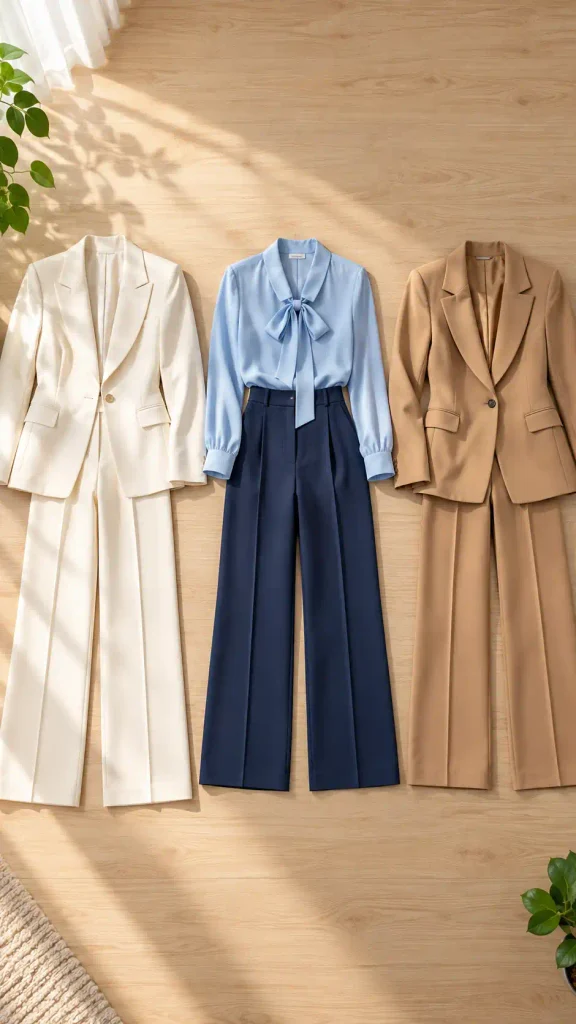
A job fair is an interview that lasts six hours, conducted standing up, in a hot exhibition hall, while carrying a bag full of paper.
Which makes it a different problem from an interview. The formality requirement is similar. The physical requirement is completely different — and dressing for the first while ignoring the second is why people are visibly wilting by lunchtime.
You’ll walk several miles inside a convention center. You’ll shake dozens of hands. And you’ll be assessed on first impressions, repeatedly, all day.
The Formality Level
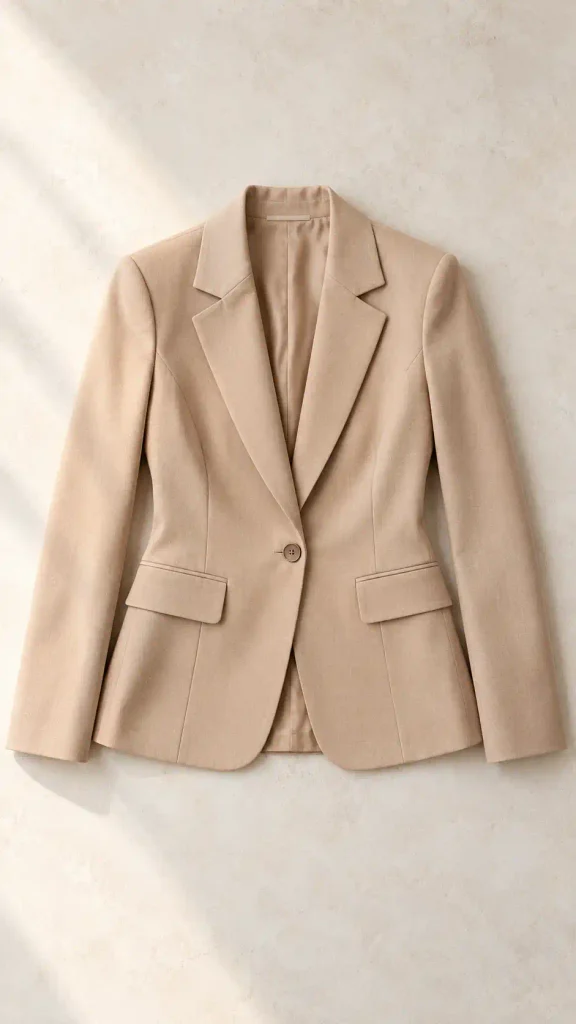
Business professional, or a step below depending on the field.
The safe default is what you’d wear to an interview in the industry you’re targeting. Which for most sectors means business professional — and for creative and tech fields means smart business casual, because a full suit can read as a misunderstanding of the culture.
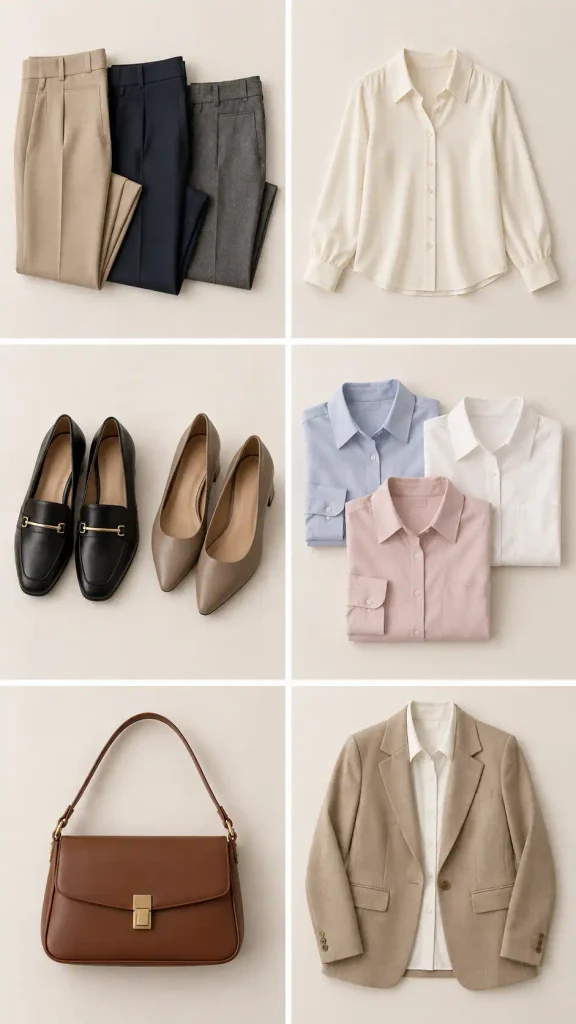
What clears it in most fields:
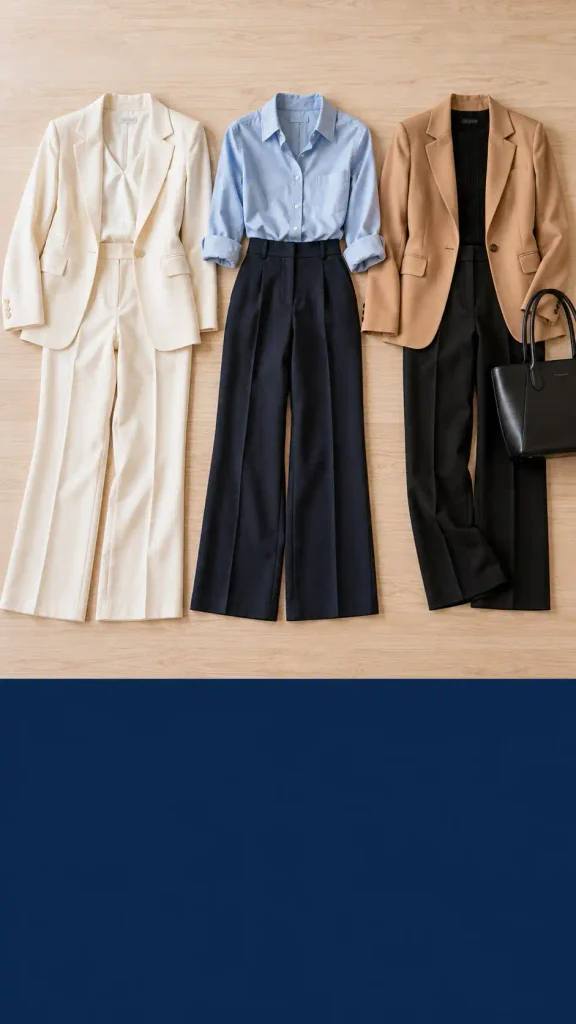
A suit, or a jacket with trousers or a skirt.
A collared shirt or a blouse.
Neutral, dark, plain.
And clean, polished shoes.
And where it shifts:
Finance, law, consulting, government: business professional. A suit.
Healthcare and education: business professional, slightly softer.
Tech, creative, startups: smart business casual. A jacket over a good knit, or a shirt without a tie.
And trades and technical roles: clean, neat and practical is frequently more appropriate than a suit.
And how to find out:
Look at the employers attending.
A fair full of banks and a fair full of design studios have different expectations — and the exhibitor list is usually published in advance.
And the asymmetry to remember:
Being slightly overdressed is a non-event.
Being underdressed is remembered — which makes the direction to err in obvious.
The Standing Problem
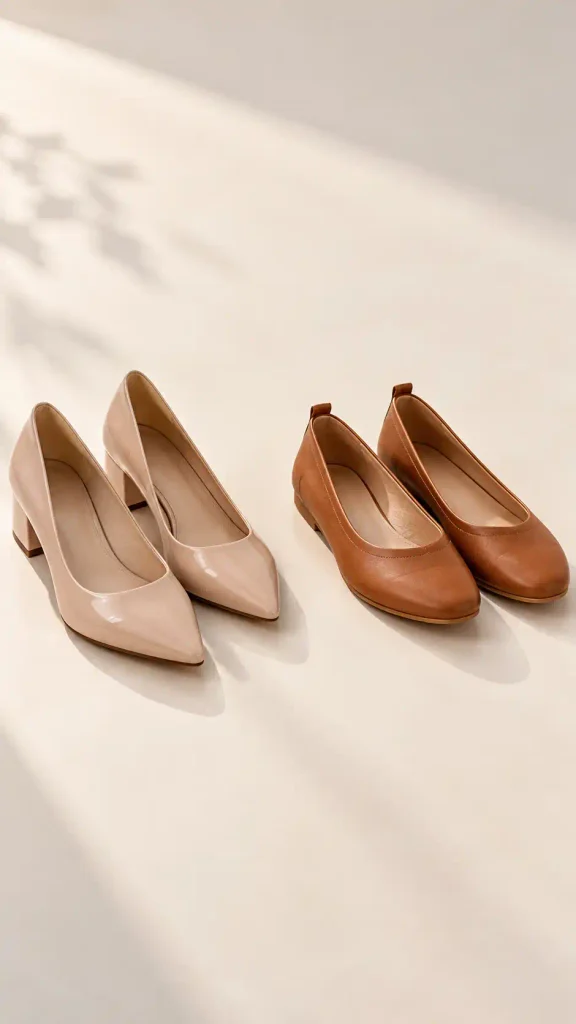
The part that decides how the last two hours go.
Exhibition halls are enormous, and you will walk considerably further than you expect — frequently several miles across a hard concrete floor. There is rarely anywhere to sit. And you’ll be doing it for five or six hours.
Which makes footwear the most consequential decision here.
What works:
Broken-in shoes. Never new ones. Break-In Is Real — But Only for Three Things
A low block heel or a flat.
Something with actual cushioning — or a cushioned insole added to a thin-soled smart shoe, which is a cheap and genuinely effective upgrade. What Insoles Actually Do
And leather or another breathable upper.
And the preparation that matters:
Tape any spot you know rubs, before you leave.
Thirty seconds, and it’s the difference between a productive afternoon and a limping one. Blisters Aren’t Caused by Rubbing
And wear merino or synthetic socks, not cotton.
Cotton holds moisture against the skin, which is what makes blistering more likely over a long day. Your Socks Are Doing More Damage Than Your Shoes
And the honest trade-off:
Choose the more comfortable of two acceptable shoes, every time.
Nobody at a job fair is examining your footwear. They are noticing whether you seem energetic and engaged at four in the afternoon — and that’s decided by your feet.
Heat and Sweat
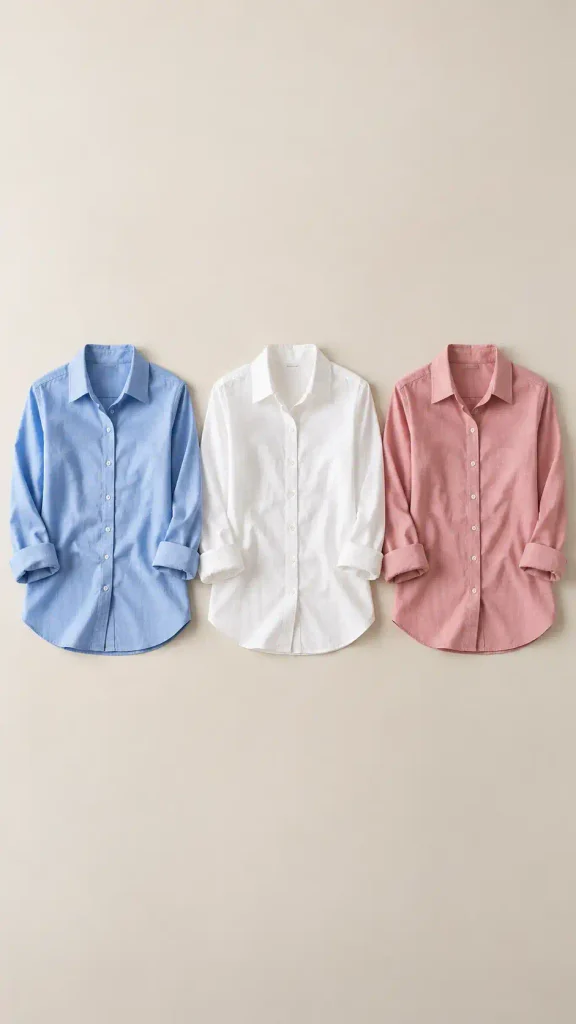
Exhibition halls are hot, and you’ll be moving constantly.
What that means for fabric:
Breathable, mid-weight, natural or a good blend.
Not heavy wool, and not cheap polyester — which traps heat and shows moisture badly. The Fabrics That Show Sweat
And what it means for color:
Mid-gray shows sweat marks worse than any other color, by a wide margin. Which is a genuinely useful thing to know at an event where you’ll be warm, moving, and meeting people all day — dark, white or a subtle pattern all show far less.
And the practical measures:
A thin base layer under the shirt.
Which absorbs moisture before it reaches the outer garment, and protects it from residue.
A jacket you can take off.
And carry rather than wear when you’re walking between stands.
Let antiperspirant dry fully before dressing.
Which prevents the yellow residue that builds up on shirts — and it’s the single most effective step.
And bring a spare shirt if the day is long.
A change at lunchtime resets everything — and it’s what people who do these events regularly actually do.
And go light on fragrance.
You’ll be standing close to people in a warm enclosed space, repeatedly.
What You’re Carrying
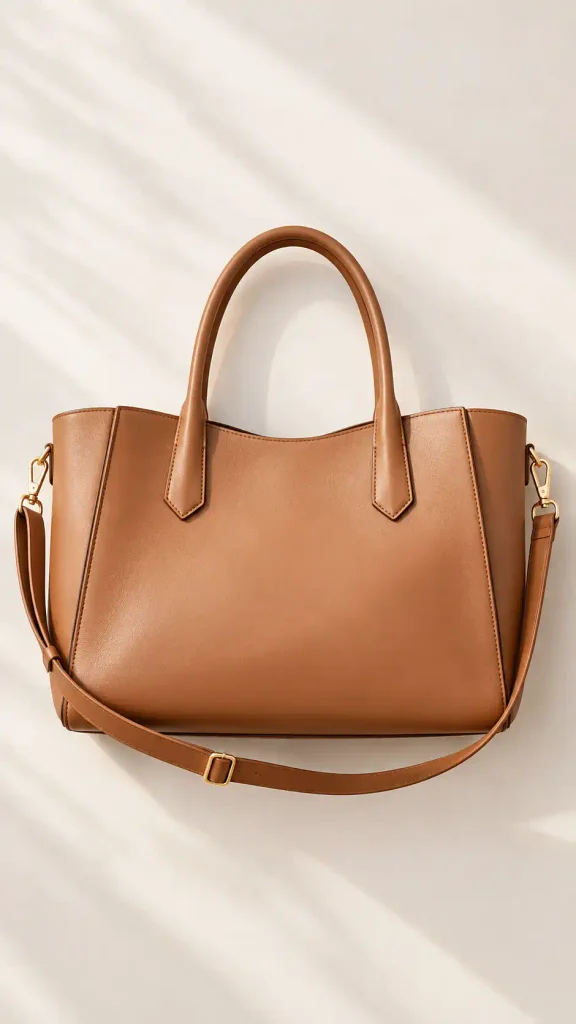
More than people plan for.
What you’ll accumulate:
Your own documents going in. And a substantial pile of brochures, forms and giveaways coming out.
Which means the bag you arrive with has to grow.
What works:
A professional-looking bag with a shoulder strap.
Not a briefcase you have to hold, because you need a free hand for handshakes, business cards and drinks. A shoulder or cross-body bag keeps one hand free permanently — and that’s a small thing that makes the whole day work better.
Why You Stop Carrying Bags You Loved in the Shop
With enough room to expand.
And a document folder inside, so your CVs come out flat rather than creased.
And what to have accessible:
Copies of your CV, somewhere they won’t crease.
A pen, and something to write on — because you’ll want to note names.
Business cards, if you have them.
Your phone, and a charger.
Water.
And a small blister kit, which is the item you’ll be glad of.
And what not to bring:
A rucksack, unless the field is casual. It reads as student rather than candidate at a business-professional event.
And anything you have to set down, because you’ll leave it somewhere.
Networking Events Specifically
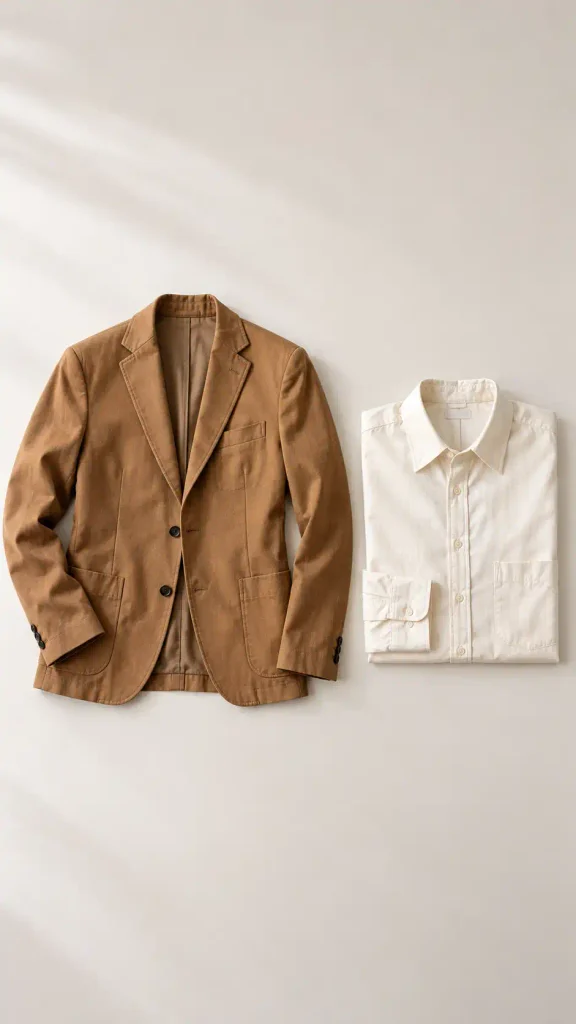
A different event with overlapping requirements.
The formality is usually a step down.
Smart business casual for most evening networking — a jacket without a tie, or a good knit with tailored trousers.
And it depends heavily on the venue and the hour.
And the practical differences:
You’ll be standing and holding a drink.
Which means one hand permanently occupied — and a bag you wear rather than hold matters even more.
Rooms are warmer and more crowded.
And you’ll be talking at close range, which makes fragrance and fresh breath genuinely relevant.
And the thing people forget:
You’ll be handing over and receiving cards, and possibly showing something on your phone. Which means a pocket you can reach without turning away from someone — and a jacket with an inside pocket is genuinely more useful here than it looks.
And a note on visible details:
At close range, condition shows.
A scuffed shoe, a pilled jacket, a frayed cuff — these are invisible across a room and obvious in a conversation. What Actually Matters in Clothing, in Order
Which makes a five-minute check before leaving worth more than the outfit choice itself.
👉 Shop Now — Cushioned Leather Insoles
The Morning Checklist
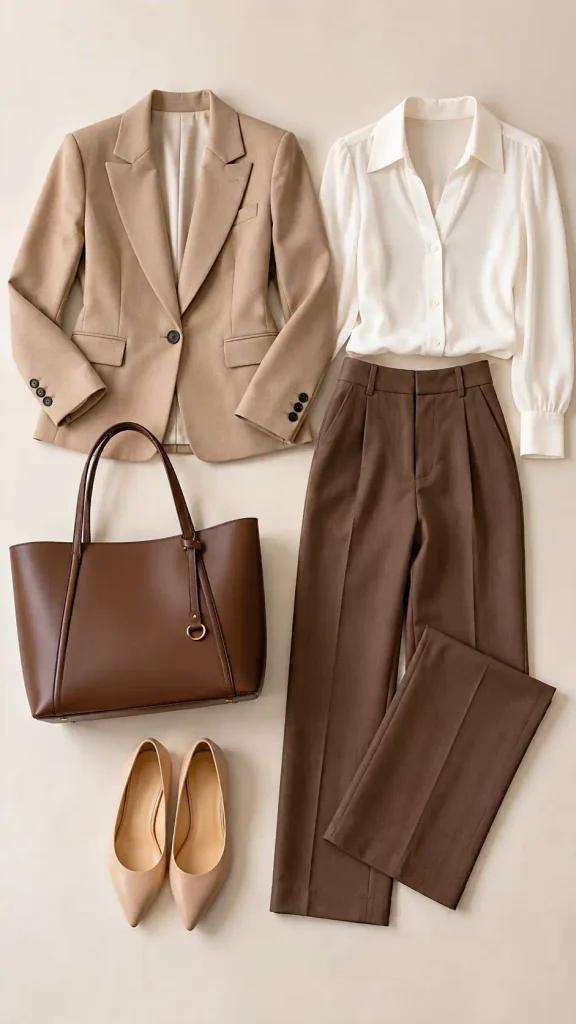
Seven checks before you leave.
Are these shoes broken in, and could I walk five miles in them?
Is anything creased, pilled, scuffed or marked?
Has the antiperspirant dried?
Does the bag leave one hand free?
Are the CVs flat and accessible?
Have I taped the spot that always rubs?
And can I take the jacket off and still look appropriate?
And the two things worth doing the night before:
Lay everything out.
Which removes a morning decision on a day that’s already demanding. Why Getting Dressed Is Hard Even When Your Closet Is Full
And check the shoes specifically.
Heel tips, laces, and a polish — because they’re the item most likely to be neglected and the one you’re relying on most. What’s Worth Repairing on a Shoe
And the summary:
Dress at interview formality for your field, then make every practical choice as though you’ll be on your feet for six hours in a warm room. Because you will be — and the person who looks composed at four o’clock made those choices at eight in the morning.
And the last point:
One good outfit is enough.
You’ll wear it to the fair, to interviews and to networking events — which gives it one of the better cost-per-wear figures in a wardrobe, and makes it worth having properly. Cost Per Wear: The Calculation That Makes Most Bargains Look Terrible
The Short Version
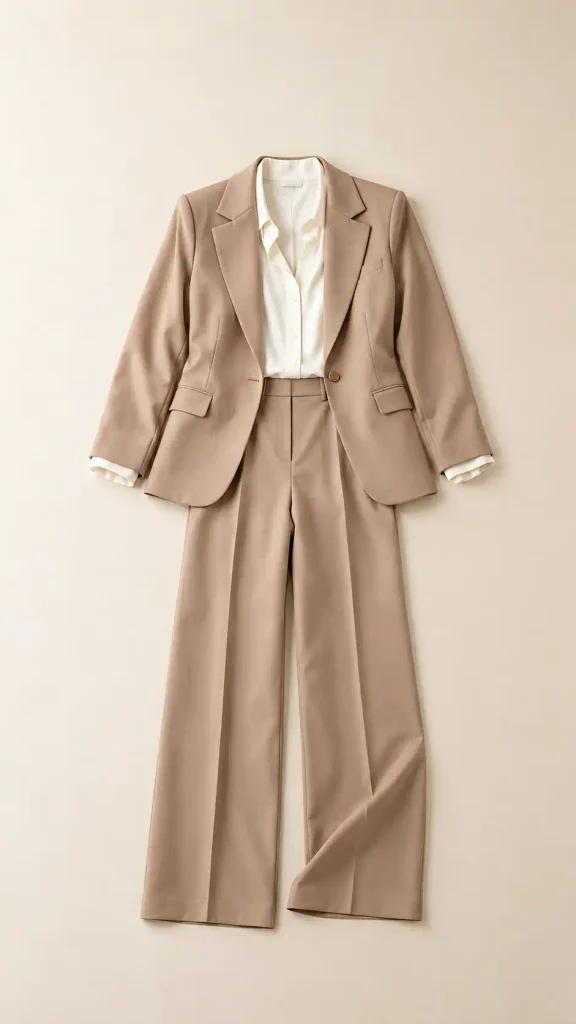
Interview formality, but a completely different physical requirement. Six hours standing, several miles on concrete, in a hot hall.
Footwear is the most consequential decision. Broken in, low, cushioned — because what people notice is whether you seem engaged at four in the afternoon, and that’s decided by your feet.
Mid-gray shows sweat worse than any other color. Which matters at an event where you’ll be warm and meeting people all day.
Use a shoulder bag that leaves one hand free. Handshakes, cards and drinks all need it — and the bag has to expand for what you collect.
And check the exhibitor list to set the formality. A fair full of banks and one full of design studios have different expectations.