
Getting older changes the rules of healthy living — and not always in the ways people expect. The diets and workouts that worked in your thirties and forties are not always the right fit later on, and the sheer volume of health advice out there can feel overwhelming. So what actually matters most for older adults? Cardiologists, nutritionists, and other health professionals who work with senior patients every day have some refreshingly simple answers.
Below are 8 habits and heart checks that experts say make a real difference as we age — from what goes on your plate to how much you move, drink, and rest. None of them require extreme diets or punishing workout routines. They are small, steady choices that add up to stronger muscles, a healthier heart, and a better everyday quality of life.
1. Eat More Fibre Every Day
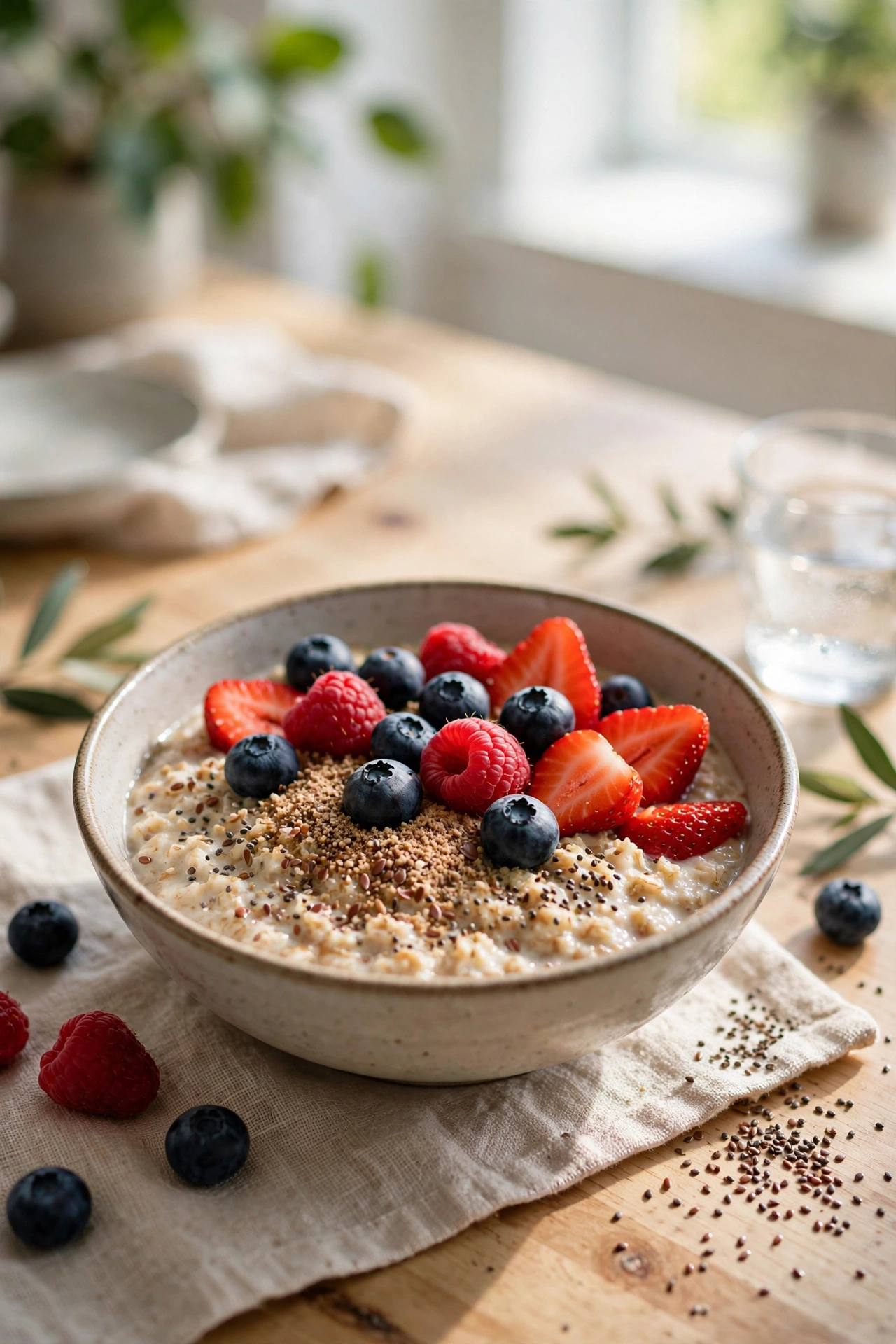
Fibre is one of the simplest upgrades an older adult can make, and it pays off in several directions at once. It supports healthy digestion and regular bowel movements, and it is linked with a lower risk of colon problems. The easiest ways to get more of it are also the tastiest: snack on a handful of berries, stir ground flaxseed or chia seeds into your morning oatmeal, or add a fibre supplement if your diet needs a boost. One important companion rule: drink plenty of water as you increase fibre, so everything keeps moving comfortably.
2. Get Enough Protein at Every Meal
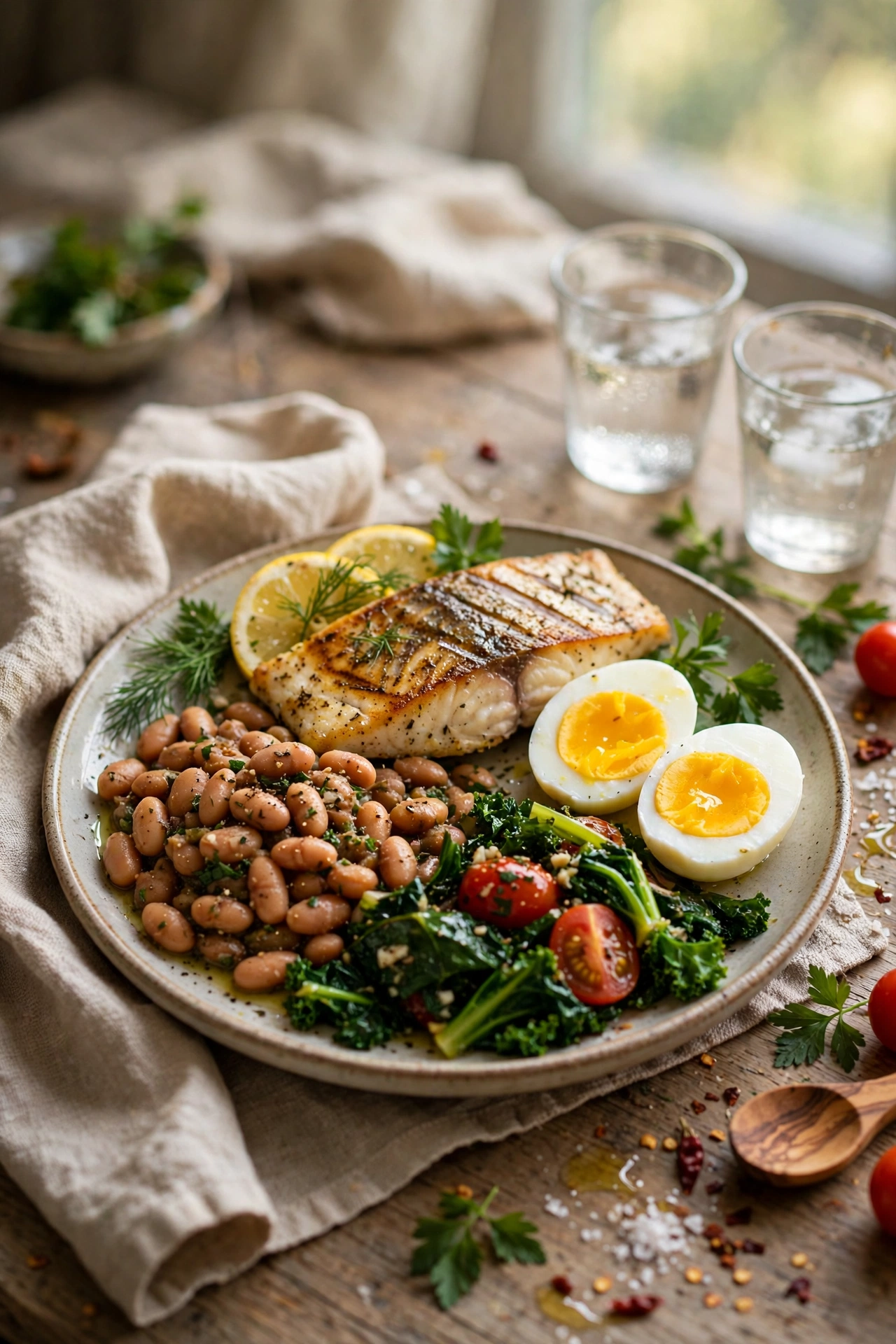
One of the biggest changes aging brings is the gradual loss of muscle mass, strength, and function — a process known as sarcopenia. Protein is your best defence against it. Nutritionists who work with older adults recommend aiming for at least 20 grams of protein per meal, spread across the day rather than loaded into a single dinner. That could mean eggs or Greek yoghurt at breakfast, fish or beans at lunch, and a palm-sized portion of lean meat, poultry, or tofu at dinner. Combined with regular movement, steady protein intake helps you hold on to the strength that keeps everyday life independent.
3. Watch Your Vitamin D Levels
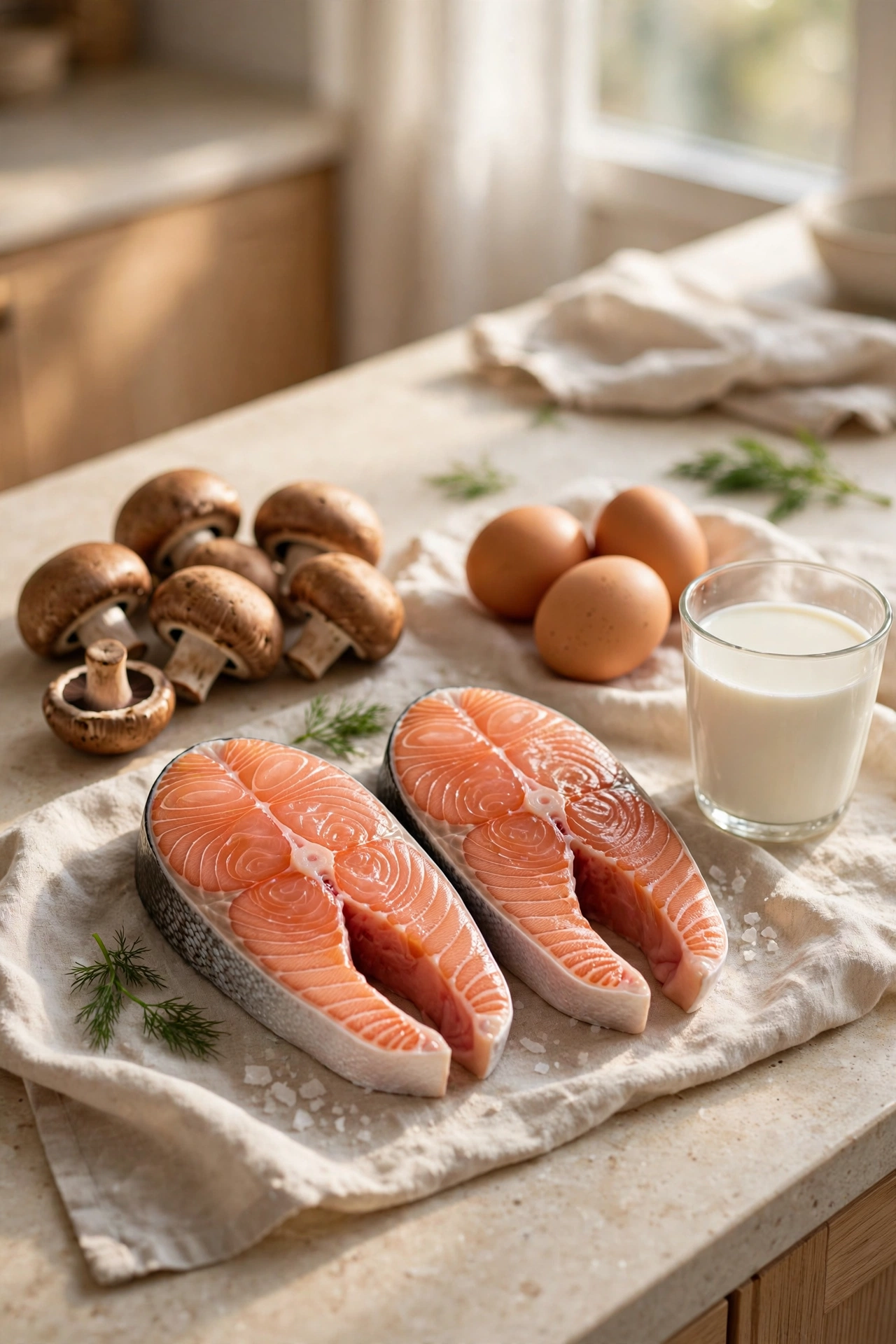
Vitamin D quietly does a lot of jobs: it supports muscle movement, helps the immune system, and keeps bones strong. The catch is that our bodies become less efficient at making it from sunlight as we age, so older adults are more likely to run low. Food can help fill the gap — oily fish like salmon, tuna, trout, and mackerel, egg yolks, fish liver oil, mushrooms, and fortified dairy products are all good sources. If you spend little time outdoors or rarely eat these foods, it is worth asking your doctor whether your levels should be checked.
4. Drink on a Schedule, Not Just When You Feel Thirsty

Hydration sounds basic, but it becomes trickier with age because the body’s thirst signals grow quieter. You can no longer rely on feeling thirsty as a reliable warning that you need water — and good hydration matters for nearly every cell in the body, from energy levels and digestion to body temperature and joint lubrication. A practical target used by nutritionists is at least 48 ounces of fluid a day. The trick is to drink on a schedule rather than waiting for thirst: keep a glass or bottle nearby at all times, sip regularly through the day, and lean on hydrating foods like fruits and vegetables to help you reach your daily total.
5. Eat the Mediterranean Way — and Enjoy It

When cardiologists are asked for one eating pattern that protects the heart, the Mediterranean diet comes up again and again. It is built on fresh fruits and vegetables, whole grains, lean proteins, and healthy fats like olive oil — foods that are as satisfying as they are heart-friendly. Just as important is how you eat it: slowly, joyfully, and ideally in good company. Sharing meals with friends and family is not just pleasant; it supports mental well-being, which is itself an important part of physical health. No fad diet or banned food group required — just real food, eaten well.
6. Move Every Week, in a Way That Fits You

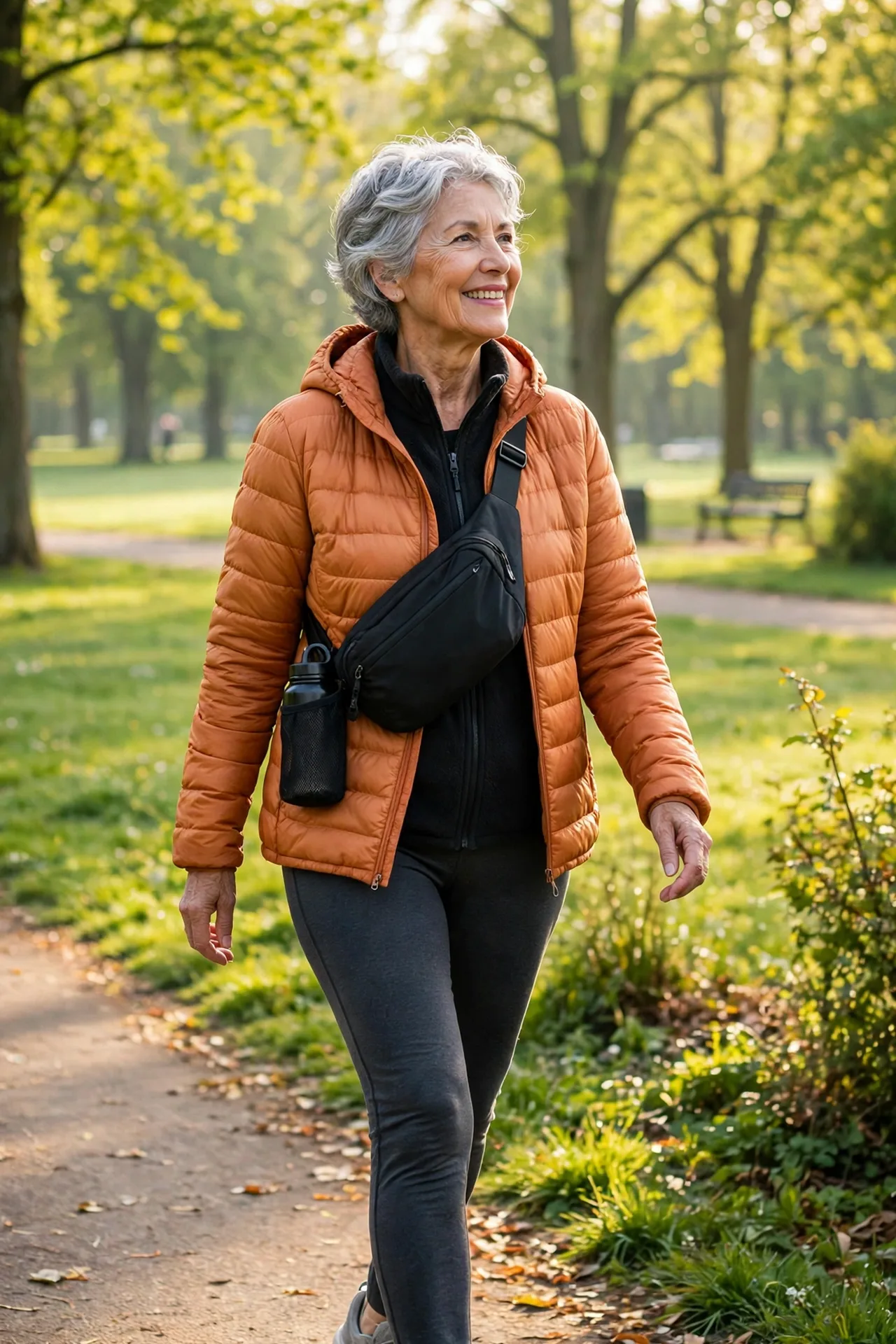
If there is one point every cardiologist agrees on, it is this: exercise matters enormously, and it does not have to be intense to count. Regular movement helps with blood pressure, cholesterol, blood sugar, weight, inflammation, sleep, balance, mobility, mood, and even thinking skills. A widely recommended minimum is 150 minutes of activity per week — and that can be broken into short, gentle sessions. Chair yoga, pilates, and above all walking are excellent choices for older adults, because they can be tailored to your abilities and still strengthen the heart, lower the risk of falls, and lift your sense of well-being. The best exercise is simply the one you will actually do, week after week.
7. Drop the Habits That Hurt Your Heart
Alongside the habits worth building, cardiologists keep a short list of habits worth dropping. Carrying excess weight, smoking, and drinking too much alcohol all work directly against heart health, and cutting them out — or cutting back — is one of the most powerful steps an older adult can take. It is never too late for these changes to help: quitting smoking improves circulation and heart risk relatively quickly, and reducing alcohol eases strain on the heart, liver, and sleep. If any of these feel hard to tackle alone, your doctor can point you toward support that actually works.
8. Ask About Extra Heart Screening

Standard cholesterol checks are a good start, but they do not tell the whole story. Cardiologists say heart screening can be sharpened by adding a few extra tests to the usual lipid panel: Apo-B, lipoprotein(a), and high-sensitivity C-reactive protein, which flags blood-vessel inflammation that can now be treated to lower future risk. A CT coronary artery calcium score is also useful, because it helps sort out who carries higher cardiovascular risk and who does not. These are conversations to have with your own doctor, who can judge which tests make sense for you — but knowing they exist means you can ask the right questions at your next check-up.
None of these eight steps asks for a dramatic overhaul. A little more fibre, enough protein, attention to vitamin D and hydration, Mediterranean-style meals shared with people you like, regular gentle movement, fewer heart-harming habits, and smarter screening — together, they form a practical, expert-backed foundation for staying healthy in later life. As always, treat this as general information rather than personal medical advice, and check in with your own doctor before making changes to your diet, exercise, or medications.
You May Also Like
If you found these healthy-aging tips useful, you may also like these health posts from DBS Guy: