Zinc rarely gets the spotlight in skincare. It is not the flashy new active on every shelf, and it does not come with a dramatic before-and-after story. Yet dermatologists and nutritionists keep coming back to it — for breakouts, for redness, for dry skin, and even for healing. It works from the inside, through food and supplements, and from the outside, through creams and sunscreens. The question is not whether zinc does anything for skin. It is whether it is the right fit for yours, and how to use it without overdoing it.
Zinc is a mineral with anti-inflammatory and skin-healing properties, and it is well studied for those effects. That is what makes it a natural fit for products aimed at breakouts, inflammatory skin conditions, and even the dry skin that comes with eczema. Below, several experts explain what zinc actually does for skin, how to use it, and where its limits are. Keep reading to see whether zinc deserves a place in your routine.
Key Takeaways
- Zinc has anti-inflammatory and antibacterial properties, which makes it useful for treating acne and calming skin inflammation.
- Used on the skin, zinc can support wound healing and help shield skin from harmful UV rays.
- Taking too much zinc can bring side effects such as nausea and headaches, so intake needs to be watched.
Meet the Experts
- Jordan Harper, MSN, NP-C — Founder and CEO of Barefaced, which makes medical-grade skincare matched to skin type.
- Jennifer Herrmann, MD, FAAD — Board-certified dermatologist at Moy Fincher Chipps Facial Plastics & Dermatology in Beverly Hills.
- Elissa Goodman — Holistic nutritionist, author, and coach.
- Amy Shapiro, MS, RD, CDN — Founder of Real Nutrition NYC.
- Morgan Rabach, MD — Dermatologist at LM Medical in New York City.
- Ee Ting Ng — Founder and formulator of hop & cotton, who draws on a molecular biology background and cosmetic chemistry to create holistic skincare.
- Danielle Frank, RD — Senior dietitian at Top Balance Nutrition.
What Is Zinc?
Board-certified dermatologist Jennifer Herrmann, MD, FAAD, describes zinc as an essential mineral the body needs for a long list of healthy functions — supporting the immune system, healing wounds, helping with DNA and protein synthesis and growth, and supporting children’s development. Because the body does not store zinc for long, she adds, getting it every day matters for keeping those systems running. And when intake falls short, holistic nutritionist Elissa Goodman points out, the shortfall can show up as rashes and lesions.
There is another reason zinc matters so much to skin in particular. The top layer of skin holds more zinc than any layer underneath it, which is why making sure you get enough of the mineral can support the growth of new, healthy skin cells.
Fast Facts: Zinc
- Type of ingredient: Anti-acneic
- Main benefits: Anti-inflammatory, antibacterial, regulates oil
- When you can use it: You can generally take it once a day, with a maximum of 40mg.
- Works well with: A range of other supplements and vitamins, including vitamin C and vitamin B5. As always, check with your doctor before starting any new supplement.
- Don’t use with: Multivitamins and other sources of zinc that could push your intake too high.
Benefits of Zinc for Skin
- Treats lesions and acne: Registered dietitian Amy Shapiro, MS, RD, CDN, explains that zinc works alongside other vitamins and minerals to help treat skin lesions, and that taken by mouth it can lessen how severe acne gets.
- Reduces skin inflammation: Zinc’s anti-inflammatory properties mean that, used topically, it can help calm inflammation caused by chronic skin conditions such as eczema, rosacea, and acne, according to Jordan Harper, MSN, NP-C, Founder and CEO of Barefaced.
- Aids in wound healing: Applied topically in products containing zinc oxide — the article names Renée Rouleau’s formula as one example — the mineral has been shown to protect skin and support wound healing and regeneration. As Harper puts it, it protects skin from harm and also helps repair it and support the healing process.
- Helps protect against harmful UV rays: Shapiro says zinc’s protective qualities explain why zinc oxide turns up so often in high-performing sunscreens: it can reflect the sun and form a barrier between skin and damaging UV rays. Formulator Ee Ting Ng agrees, noting that zinc oxide is one of the two physical sun filters able to deflect UV rays and protect skin from sun damage, from redness through to premature aging.
- Has antibacterial properties: Ng points out that zinc is naturally inert, which makes it a good sun filter for children and for anyone with extremely sensitive or reactive skin, and adds that it is also antibacterial, astringent, and barrier-protective.
- Can be used both internally and externally: Dr. Herrmann offers that zinc for skin helps when it is taken both ways. Taken orally, she says, it can help heal wounds, ease inflammation, and improve inflammatory conditions such as acne.
- Assists in collagen synthesis: Because zinc acts as an enzyme cofactor, Dr. Herrmann explains, it assists in collagen synthesis and DNA repair, which can help keep skin looking younger and healthier.
- Available over-the-counter: Unlike some hero skincare ingredients, zinc products are available in most beauty and drugstores.
Zinc for Dry Skin
Most people think of zinc as a sun-protection ingredient and stop there, but Harper says it does far more for skin. If you are not getting enough zinc in your diet — along with vitamin A, D, B3, or iron — you can develop extremely dry skin, she explains.
Used topically, Harper adds, zinc is tolerated by even the most sensitive or compromised skin, which is why it is usually the main ingredient in diaper rash cream for babies. Dry skin can come from many directions — genetics, aging, environmental aggressors, and more — and treating it comes down to strengthening the skin barrier and preventing transepidermal water loss. Zinc does both, Harper says: it helps skin stay moisturized by controlling that water loss and by strengthening the barrier. “A win-win!”
Side Effects of Zinc
Supplements can be an option if you look into quality brands — Twinlab, Solgar, Rainbow Light, Metagenics, Thorne, Pure Encapsulations, and Eidon are expert-approved — and keep your daily dose within the recommendation: for women, 8 or 9mg daily, 11mg if pregnant, and 12mg if lactating, although as much as 40mg is the TUL, or tolerable upper intake level, in the US.
Those daily recommendations are very small, dietitian Danielle Frank says, because our bodies do not need the mineral in large quantities. Taking extra zinc is not likely to improve your skin, she notes, but not getting enough can cause problems such as acne, eczema, and dermatitis.
If a person gets too much zinc, Frank warns, symptoms can include nausea, vomiting, stomach cramps, and headaches. Too much zinc can also lead to low copper levels and a weakened immune response, so it is extremely important to be careful with supplements. Her advice is to talk with your physician first, then start with a lower dose and work your way up depending on how your body reacts.
According to Dr. Herrmann, certain antibiotic medications and a few other prescriptions can block zinc absorption — and so can alcohol.
Dermatologist Morgan Rabach, MD, agrees with Shapiro and Dr. Herrmann but takes a more cautious view of the element. As an oral supplement, she says, zinc may help acne a little, but it is not as effective as more traditional oral medications for acne, and there are no standardized or controlled studies on dosing or efficacy for oral zinc compared with oral medications proven to work for acne. Because of bioavailability, she adds, people with low zinc levels should choose zinc-rich foods before reaching for oral supplements, since zinc from food is better absorbed — and some zinc-rich foods, like oysters, are luxurious, so that can be fun.
How to Use It
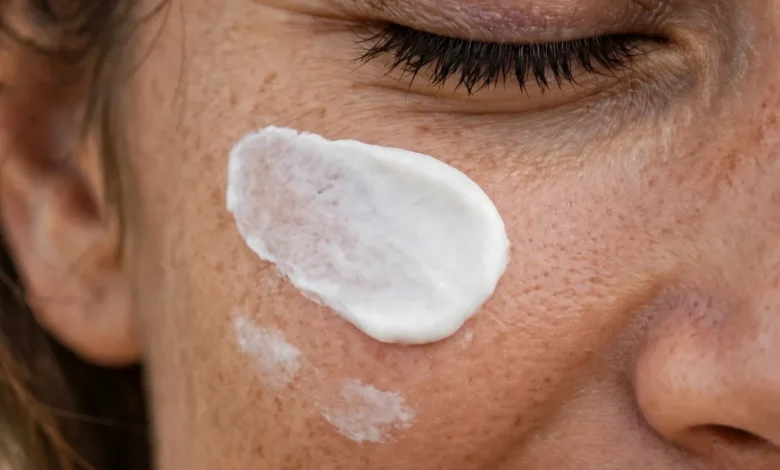
Because zinc has so many different functions, using the right type of zinc on your skin matters. A zinc-based diaper rash cream, for example, cannot be used as sunscreen, Harper notes. Her preferred way to use zinc in skincare formulations, she explains, is when it is micronized, so it does not leave a white cast on the skin.
As mentioned before, zinc oxide is a popular sun filter. Ng notes that it is also popular in spot treatments, where it reduces redness and swelling, dries out weeping or wet blemishes, and helps keep active spots from further infection by physically separating them from the environment. She adds, though, that it is most sun-protective when it sits on the skin’s surface, so the method of application matters: gently pat or press the product into the skin, making sure all sun-exposed areas are evenly covered.
Almost every expert consulted agreed that, internally, the best way to supplement your skin is to get your daily zinc from a healthy and varied diet. Frank puts it plainly: the best way to make sure you are getting the right amount of zinc for healthy skin is to eat foods known to be good sources of the mineral, because the body absorbs vitamins and minerals from food far better than from any other form.
Frank adds that you are also much less likely to exceed the upper limit of zinc from food than you are from a pill. Dr. Herrmann adds a caution about supplements themselves: the amount of zinc in a pill does not always match what the bottle states, and amounts can end up as much as 1,000 times more or less than what is printed on the label.
Goodman shares her own routine: she usually takes Twinlab zinc supplements, but also eats foods high in zinc such as red meat, poultry, oysters, beans, nuts, whole grains, and dairy products. And for an easy, delicious way to work zinc into your diet, she suggests trying the smoothie recipe below.
As with any supplement, though, it is always important to talk to your physician before adding it to your routine. Below is a special zinc-rich smoothie recipe, courtesy of Meryl Pritchard, holistic nutritionist at Kore Kitchen.
Zinc-Rich Smoothie Recipe
Makes 2 servings.
- 2 cups of nut milk
- 2 servings protein powder
- 3 tbsp. cacao
- 2 tbsp. maca
- 1 frozen banana (if you don’t have a frozen banana, use a regular one plus 1 handful of ice)
- 2 Medjool dates, pitted
- 1 tbsp. hemp
- 1 tbsp. vanilla
- 1 tbsp. coconut oil
- 1/3 cup cashews or any nuts you have on hand (almond, walnut, and hazelnut also work)
- Stevia to taste — cacao can be really bitter and sometimes needs extra sweetener
Blend on high and serve.
FAQ
What are some zinc-rich foods?
Oysters, beef, chicken, pumpkin seeds, chickpeas, cashews, beans, and fortified breakfast cereal are some of the best sources of zinc if you are looking to naturally improve your skin’s glow.
Can zinc help with acne?
Zinc has anti-inflammatory properties, which help the body reduce swelling and redness. Anecdotal evidence has shown it can help with acne, but more studies need to be done to establish a link.
Does zinc make skin glow?
Zinc can help reduce inflammation, so that is why your skin may appear glowier if you are using it in your routine.
Sources named in the original article: Gupta and colleagues’ 2014 review “Zinc Therapy in Dermatology”; the National Institutes of Health Office of Dietary Supplements zinc fact sheet for health professionals; Dhaliwal and colleagues’ 2020 systematic review of zinc supplementation for inflammatory skin diseases; and Lin and colleagues’ 2017 paper “Zinc in wound healing modulation.”