20 Pop Stars Who Proved They’re Just As Successful In Business As They Are On The Charts

A hit record can make a pop star rich for a season. A business can make them wealthy for a generation. Over the past two decades, the smartest names in pop have quietly built second careers as founders — launching beauty lines, fashion labels, drinks brands and production companies that, in several cases, now earn more than the music that made them famous.
What separates the empire-builders from the celebrity-merch crowd is involvement: these are not stars who licensed a name and walked away, but founders who sit in the product meetings. Here are twenty who proved they are just as successful in business as they are on the charts.
1. Selena Gomez — Rare Beauty
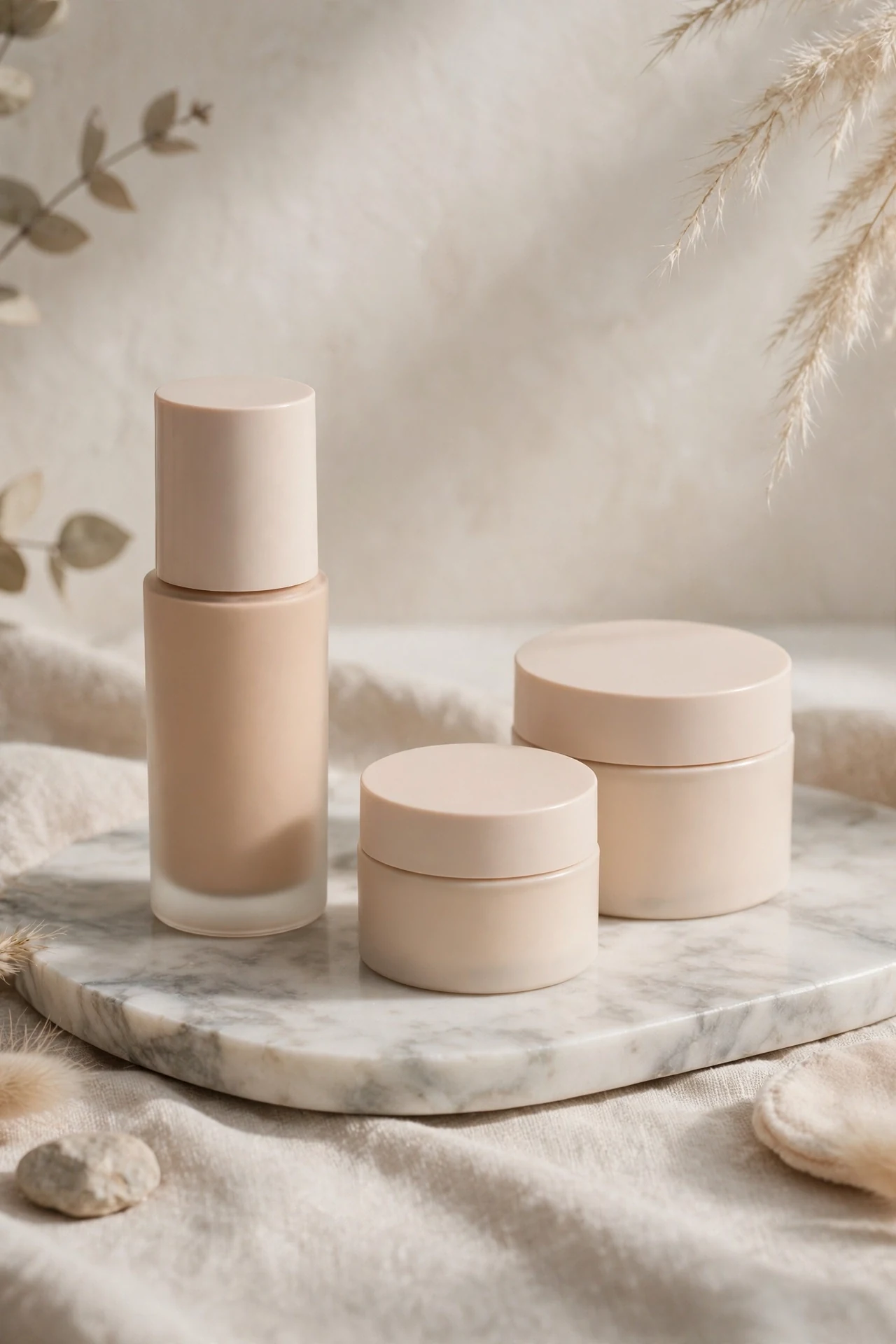
Launched in 2020, Rare Beauty was built around a deliberately un-pop-star idea: makeup that does not hide the face wearing it. The brand’s lightweight formulas and shade-inclusive foundations became a phenomenon on social media, and its Rare Impact Fund — funded by a share of sales — turned mental-health advocacy into part of the business model rather than a footnote.
Within a few years, industry analysts were ranking Rare Beauty among the most valuable celebrity beauty brands ever launched. Gomez remains the face and the decision-maker, which is precisely why it worked.
2. Rihanna — Fenty Beauty and Savage X Fenty
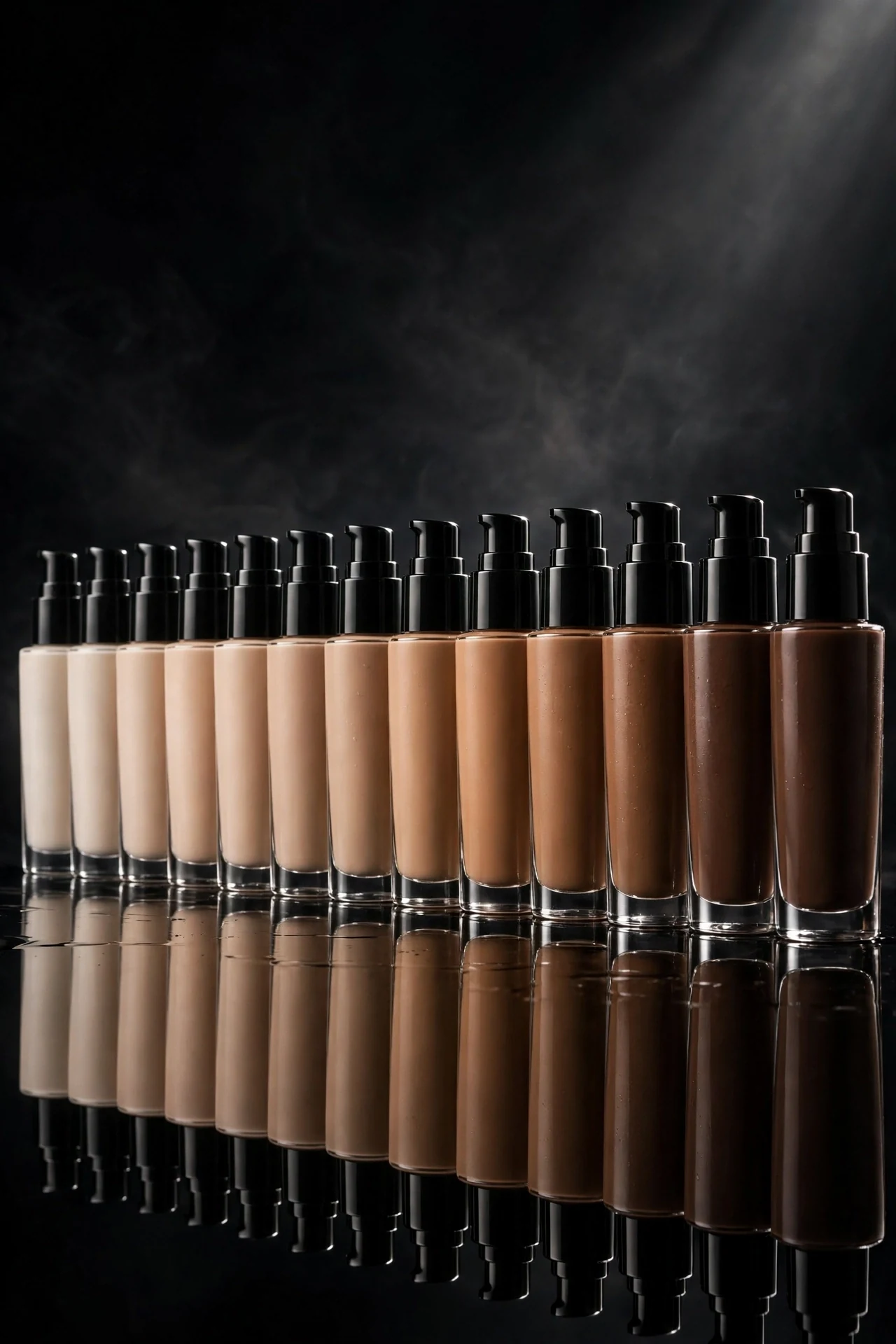
Fenty Beauty’s 2017 launch changed the entire cosmetics industry in a single week: forty foundation shades from day one, at a moment when many legacy brands offered a fraction of that. The “Fenty effect” forced competitors to widen their ranges, and the brand — built with LVMH — became the engine of Rihanna’s billionaire status.
A year later she applied the same inclusivity formula to lingerie with Savage X Fenty (2018), staging runway shows that treated every body type as the main event. Two industries, one lesson: the customers other brands ignored were the market.
3. Ariana Grande — r.e.m. beauty
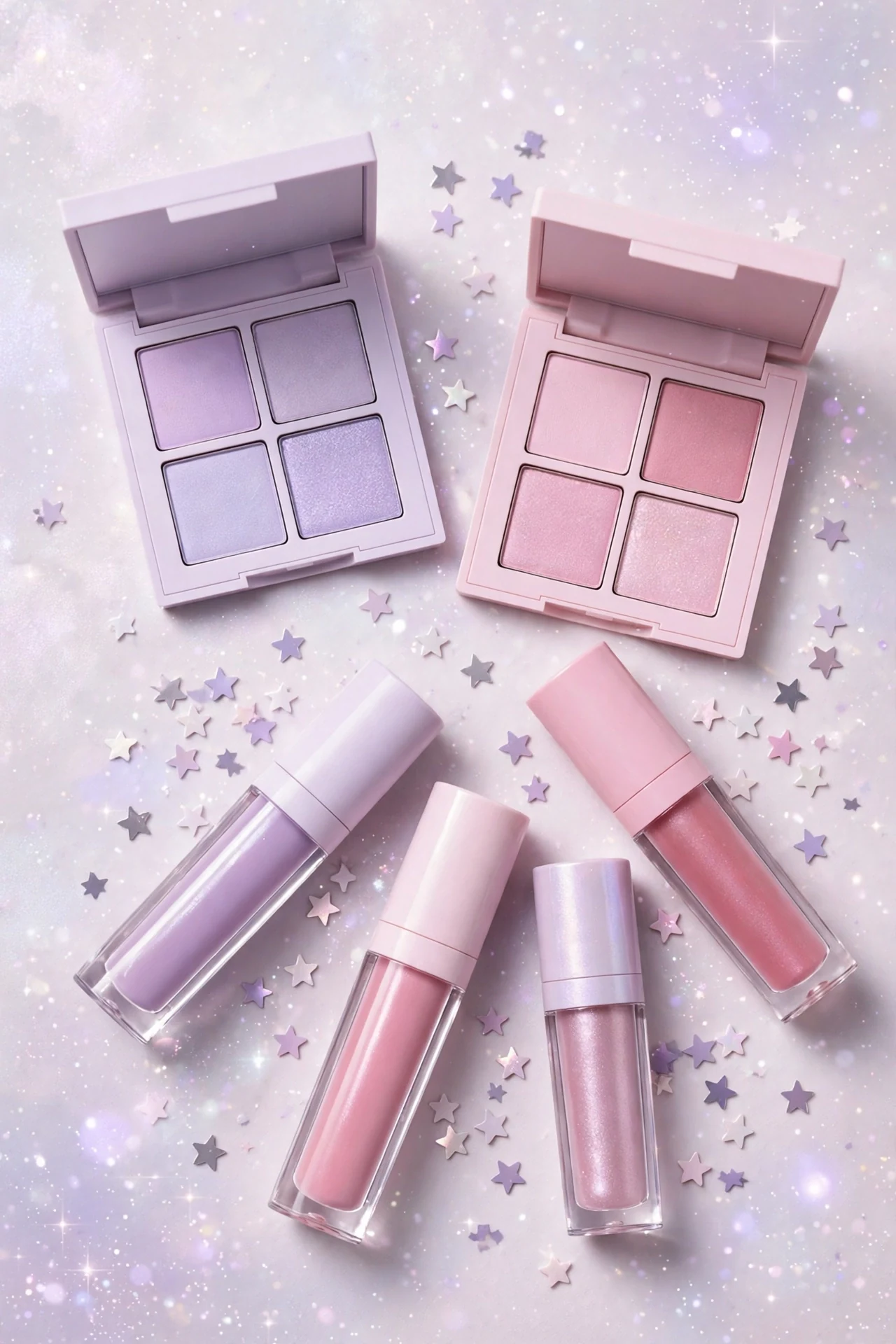
Grande launched r.e.m. beauty in 2021, naming it after a track from her Sweetener album and steering it toward a dreamy, space-age aesthetic that matched her own stage world. The brand rolled out in chapters, starting with eye products — the category her signature winged liner had already made her an authority on.
It was not her first business success: her fragrance line had been a bestseller for years before the makeup arrived. r.e.m. beauty simply proved the audience would follow her from perfume into a full cosmetics house.
4. Lady Gaga — Haus Labs
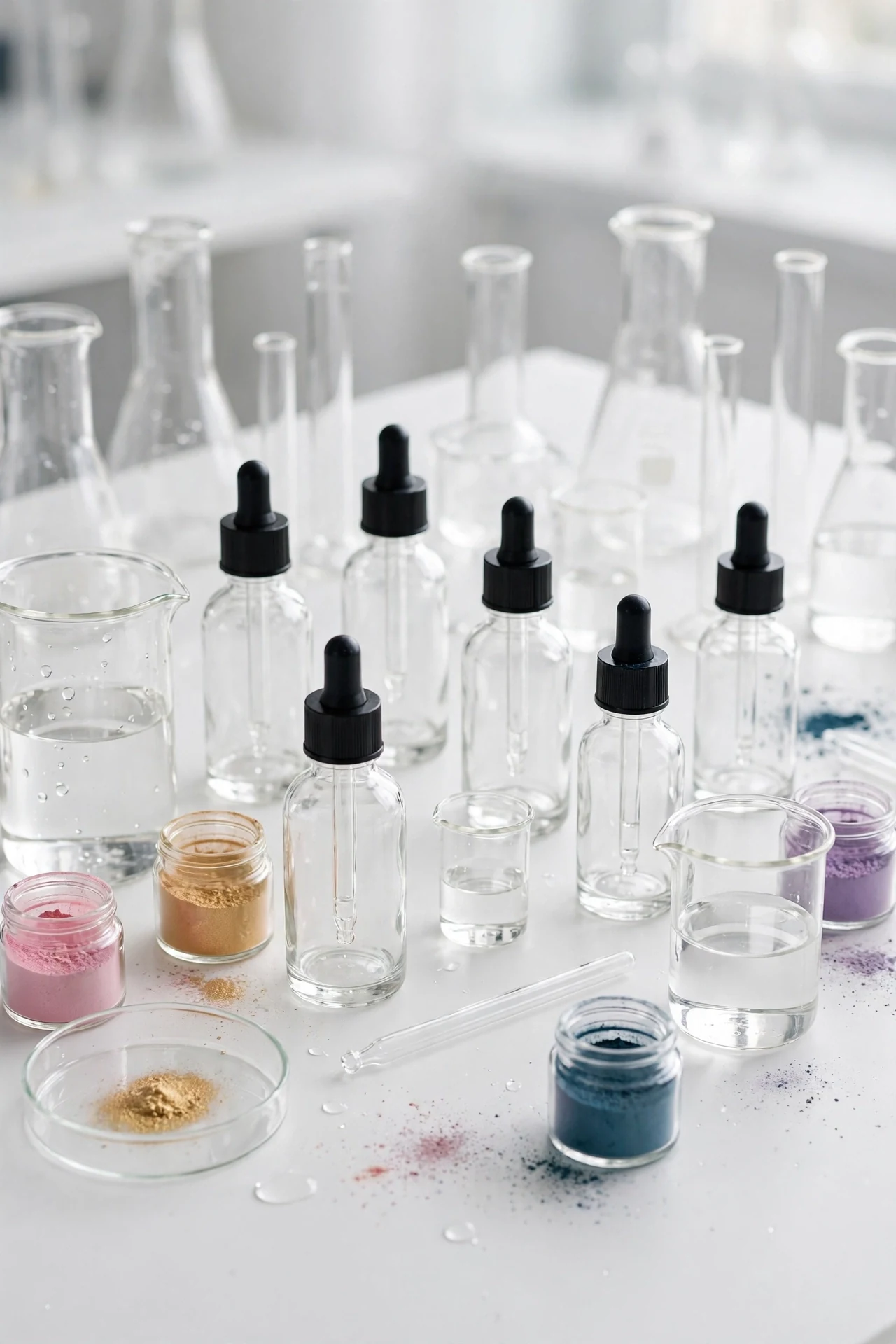
Gaga’s first attempt, Haus Laboratories in 2019, was a solid debut; the 2022 relaunch as Haus Labs was the real statement. The brand rebuilt itself around “clean” high-performance makeup — skincare-infused formulas with serious pigment — and moved into Sephora, where it became a critical and commercial hit.
The relaunch is a useful case study in celebrity-brand maturity: rather than defending version one, Gaga scrapped it, hired beauty-industry veterans, and let the products earn the reputation. Haus Labs is now regularly cited among the celebrity brands that beauty editors actually respect.
5. Katy Perry — De Soi
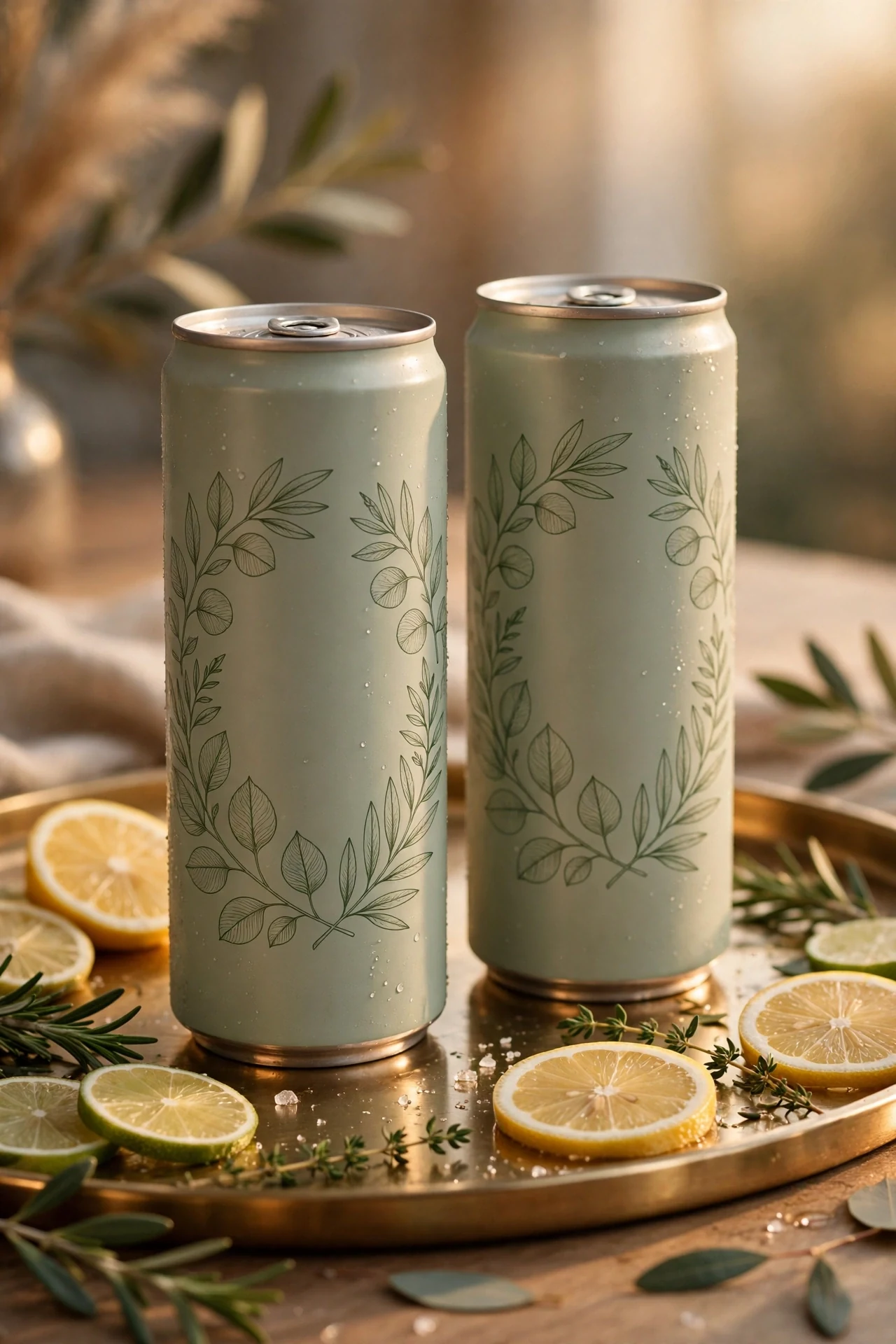
In 2022 Perry co-founded De Soi with distiller Morgan McLachlan — a line of sparkling non-alcoholic apéritifs made with botanicals and adaptogens. The timing was shrewd: the sober-curious movement was turning alcohol-free drinks from a compromise into a category, and De Soi positioned itself as the glamorous option rather than the virtuous one.
Perry has spoken about moderating her own drinking, which gave the brand a founder story that marketing money cannot buy. De Soi helped prove that celebrity drinks brands did not need alcohol to be aspirational.
6. Gwen Stefani — L.A.M.B.
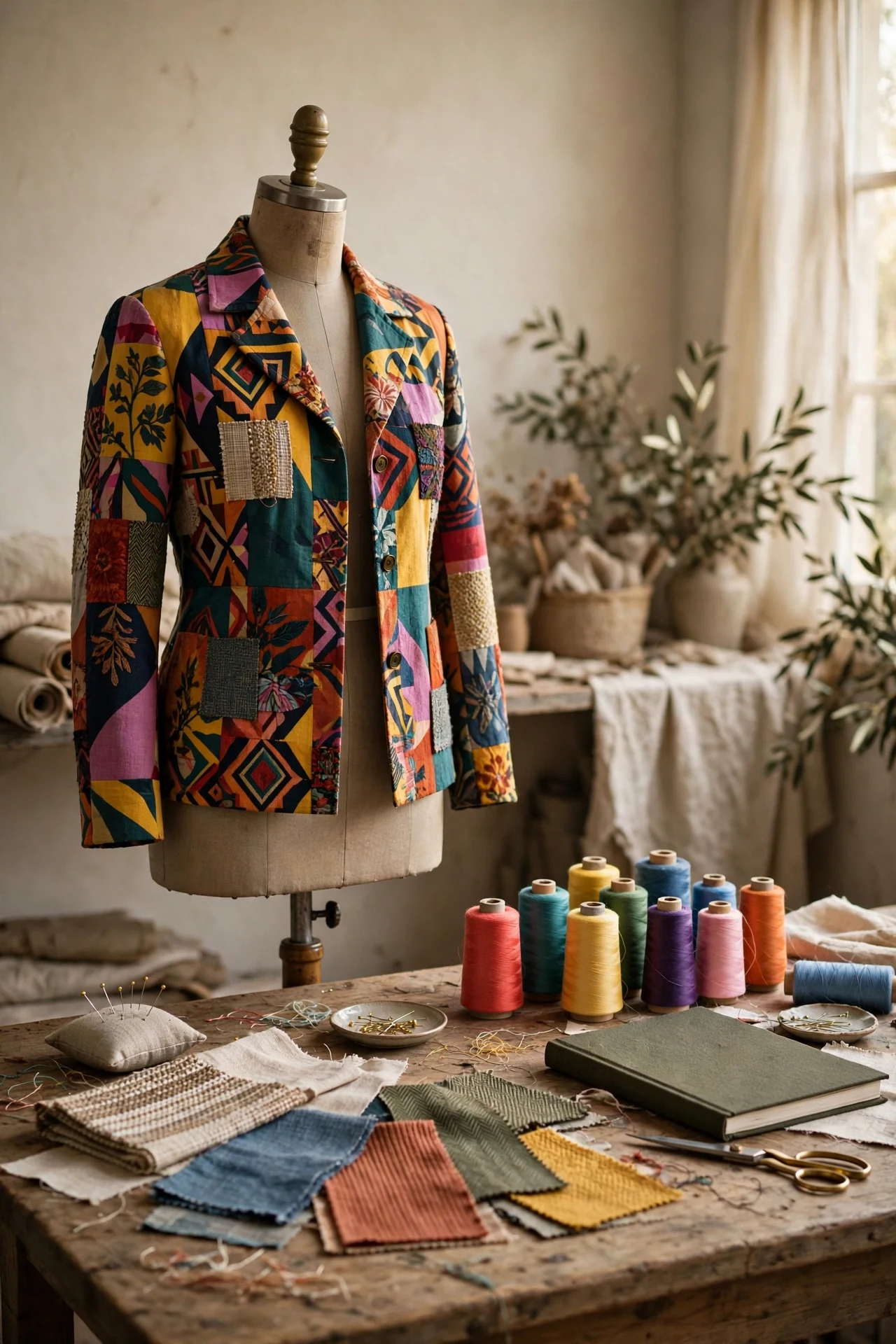
Long before celebrity fashion lines were a formula, Stefani launched L.A.M.B. in 2003 — the name short for Love Angel Music Baby, later the title of her debut solo album. The label blended her ska-punk roots with proper runway ambition: prints, tailoring and handbags that fashion editors treated as a real design house, not a side project.
L.A.M.B. showed at New York Fashion Week for years and expanded into shoes, watches and fragrance. Stefani was the template: a singer whose personal style was so defined that the clothing business was a natural second stage.
7. Beyoncé — Parkwood, Cécred, SirDavis and Ivy Park
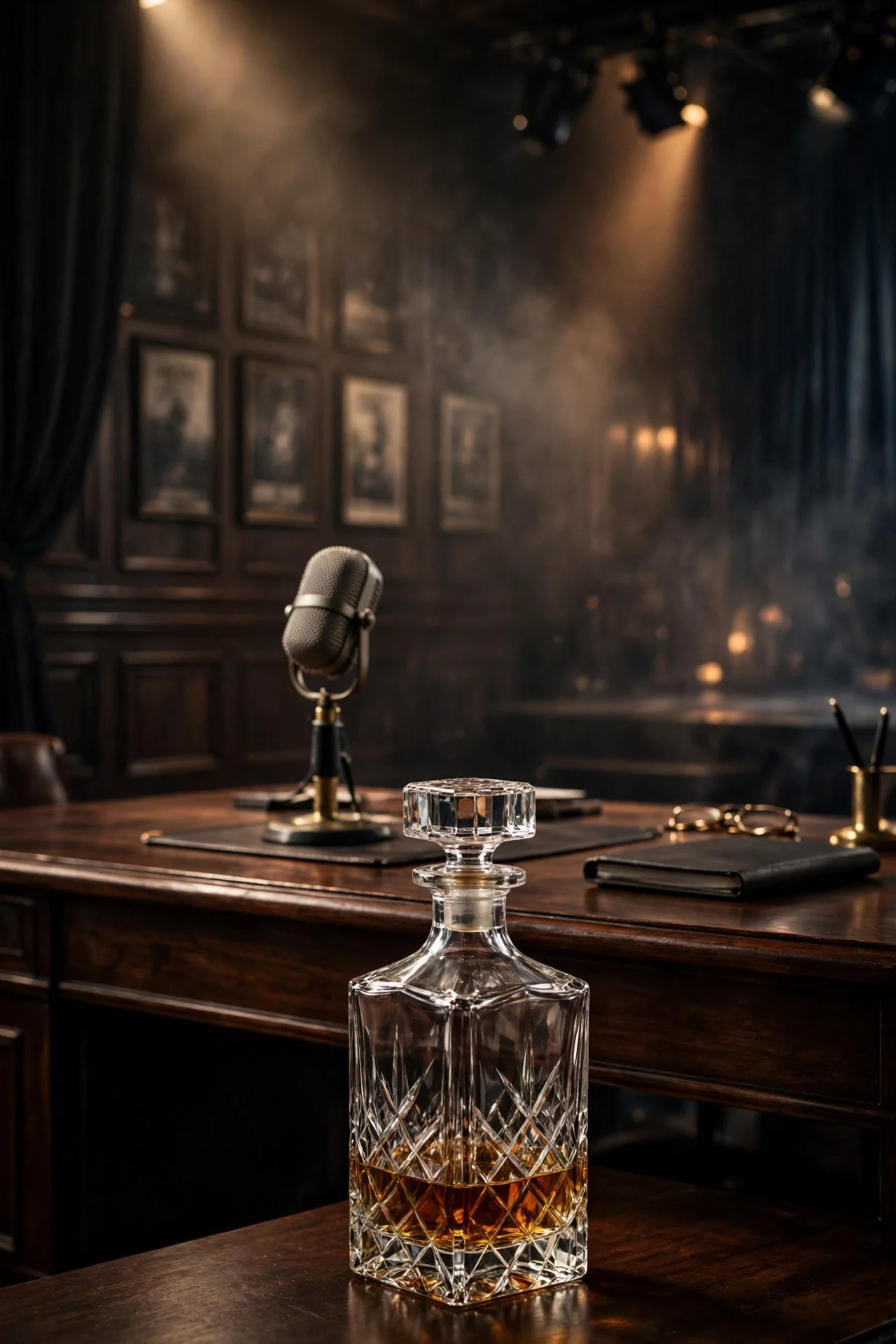
The foundation of Beyoncé’s empire is the least glamorous and most powerful item on this list: Parkwood Entertainment, the company she founded to manage herself. Parkwood produces her albums, films and tours — meaning the industry’s biggest star owns the machine behind the star. Everything else is built on that independence.
On top of it she has layered consumer brands: Ivy Park in athleisure, the haircare line Cécred, and SirDavis, a whisky developed with Moët Hennessy and named for her great-grandfather, a Prohibition-era distiller. It is a portfolio built to outlast any album cycle.
8. Nick Jonas — Villa One Tequila
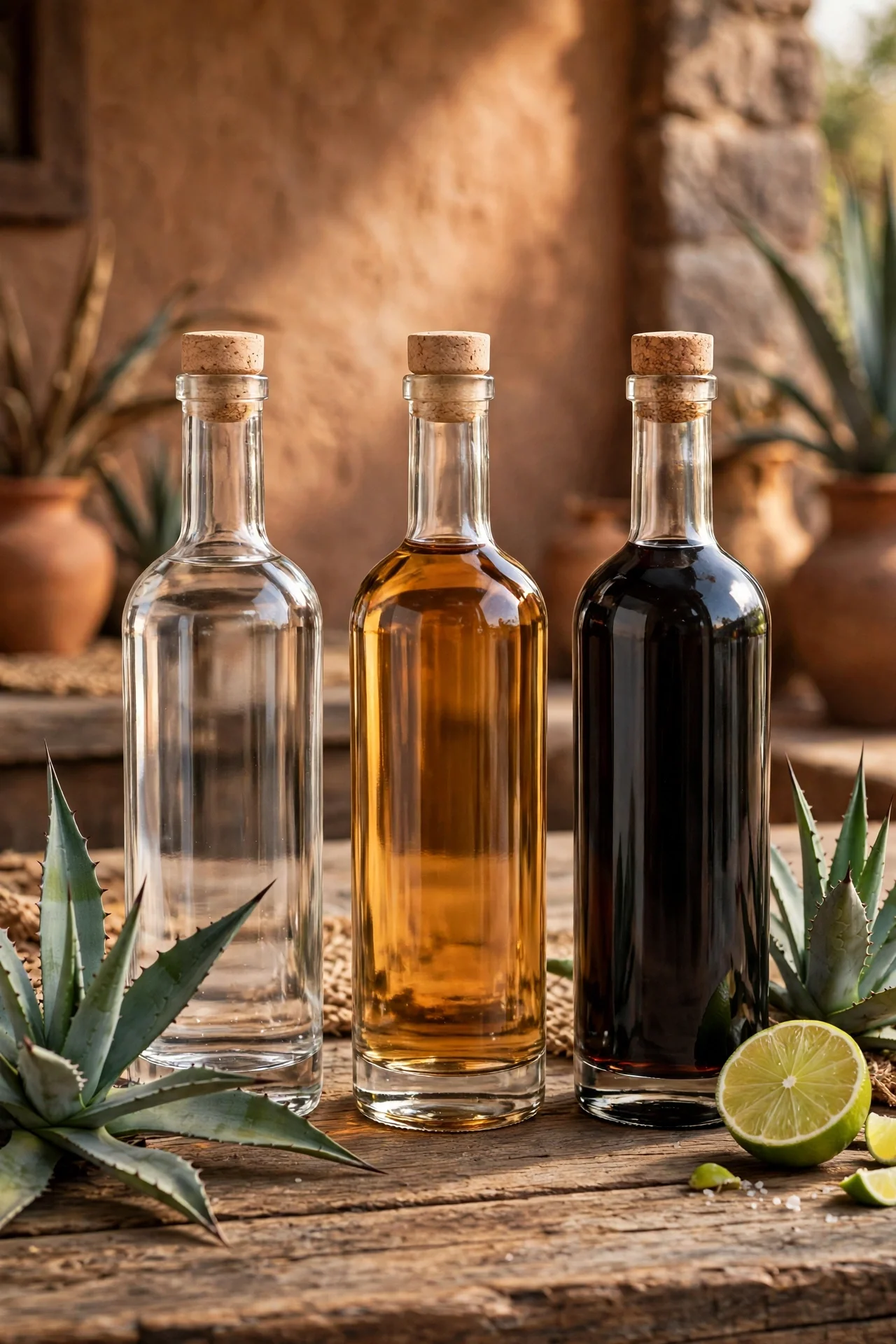
Jonas entered the crowded celebrity-tequila field in 2019 with Villa One, co-founded with fashion designer John Varvatos. Rather than a quick licensing deal, the two built it as a lifestyle brand first — the tequila, made with master distiller Arturo Fuentes, launched in silver, reposado and añejo expressions.
Celebrity spirits is a brutal category, full of famous names that vanished within two years. Villa One’s survival and growth into a broader brand is the tell that Jonas treated it as a company, not a campaign.
9. Cher — Cherlato
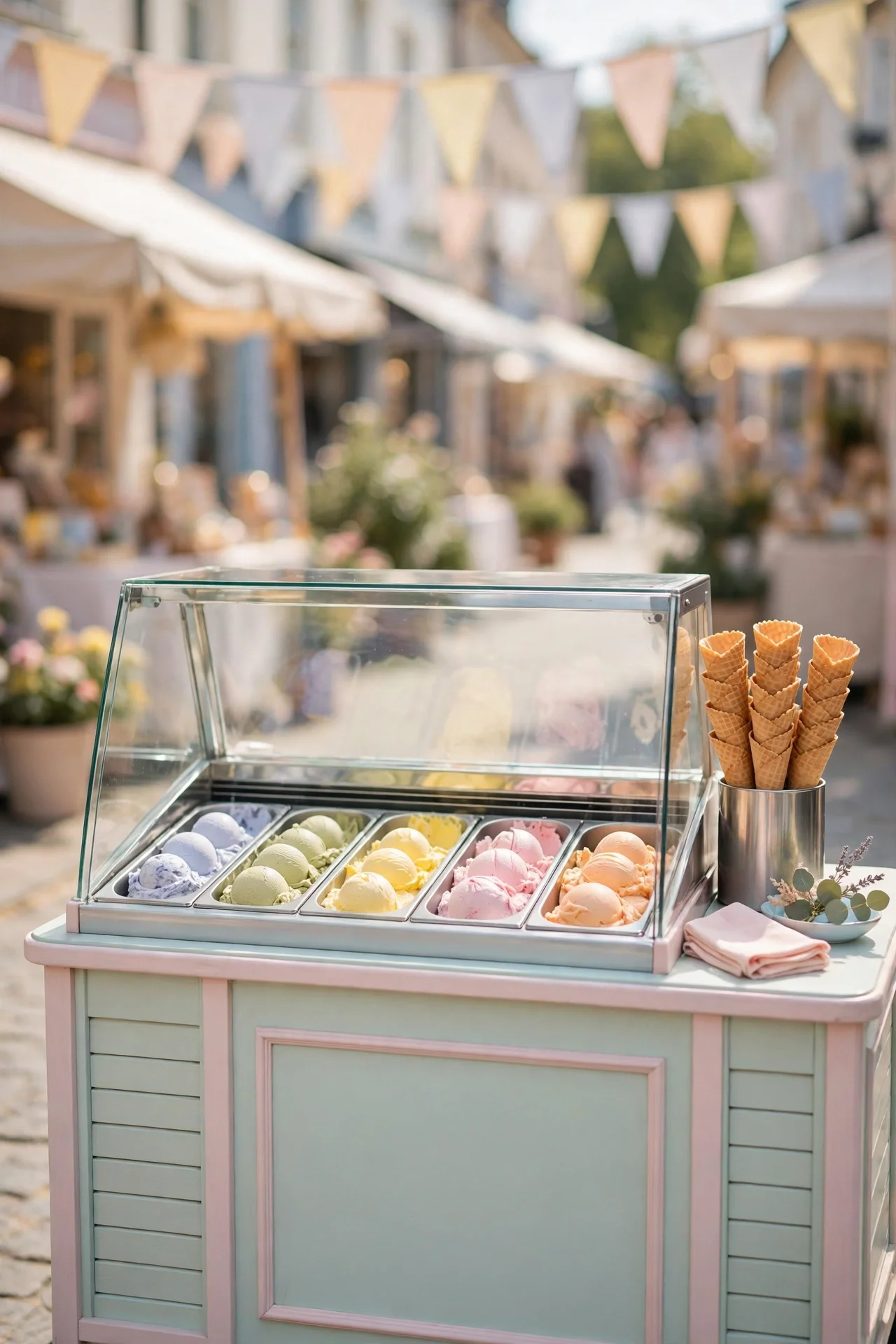
Only Cher would enter business in her late seventies with a gelato brand — and only Cher could make it work. Cherlato launched in 2023, developed with New Zealand gelato maker Giapo, debuting from a truck in Los Angeles with flavours as theatrical as its founder.
The genius of Cherlato is that it is entirely sincere: Cher is a genuine gelato obsessive who spent years on the recipes. After six decades of pop stardom, she picked the business that was simply her favourite thing, and the authenticity sold itself.
10. Kylie Minogue — Kylie Minogue Wines
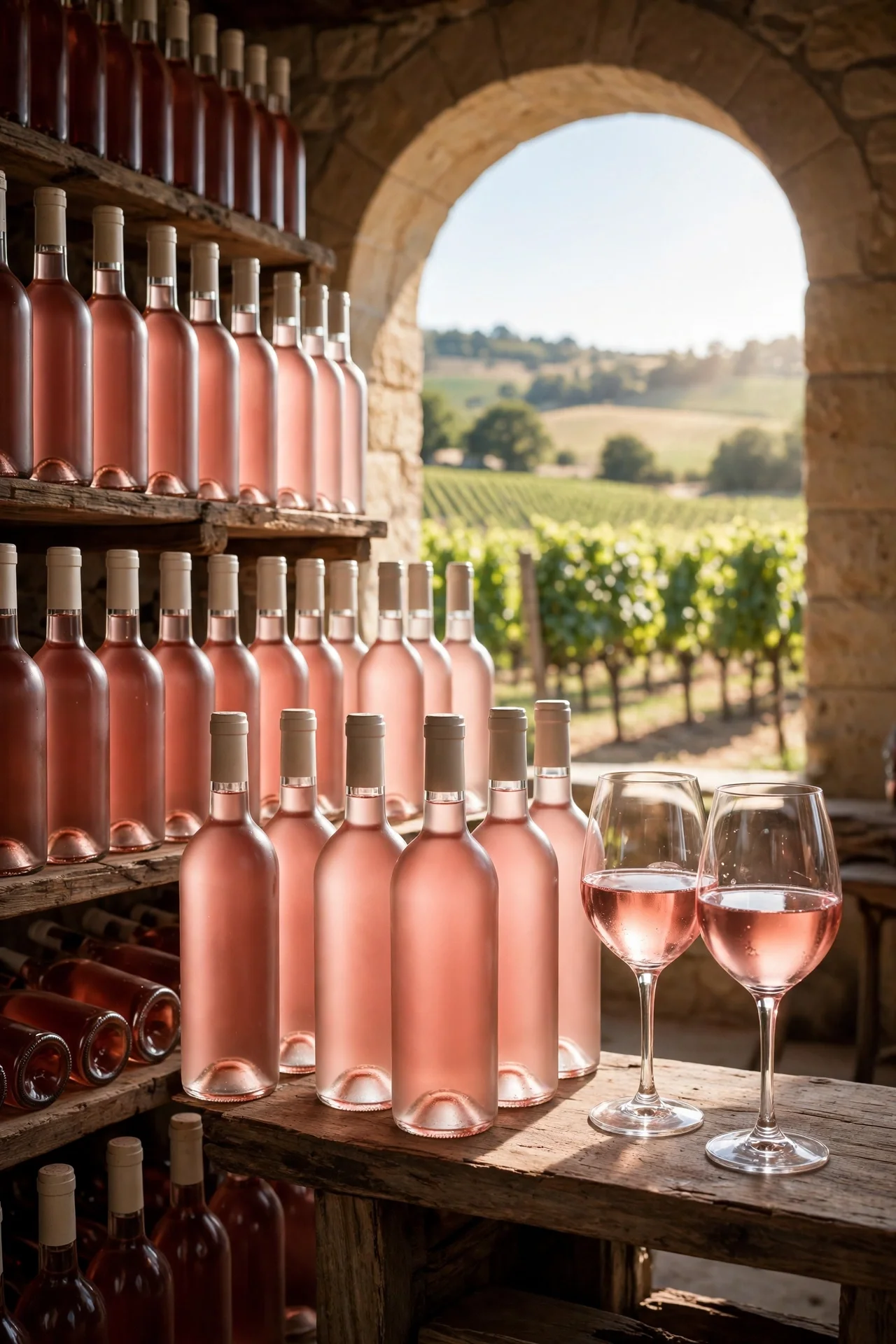
Minogue launched her wine company in 2020 with a single Provence-style rosé — which promptly became one of the UK’s best-selling celebrity wines, moving millions of bottles. The range has since grown to include prosecco, sauvignon blanc and a no-alcohol sparkling option.
Wine critics, initially ready to dismiss it, largely conceded the wines were well made for their price. It is perhaps the purest example on this list of a pop star understanding her audience exactly: joyful, unpretentious and built for a celebration.
11. Ciara — A Whole Portfolio
Where most stars on this list built one flagship brand, Ciara built a holding company. Her ventures include Beauty Marks Entertainment, her own label and production company; The House of LR&C, the fashion house she co-founded in 2020; her skincare line OAM Skin; a stake in Ten To One Rum; and the children’s brand 3BRAND.
The strategy is diversification with a theme: ownership. Ciara has been explicit that creative control and equity — not endorsement cheques — are the point, and her portfolio is structured like it.
12. Celine Dion — Fragrance, Fashion and a Golf Club
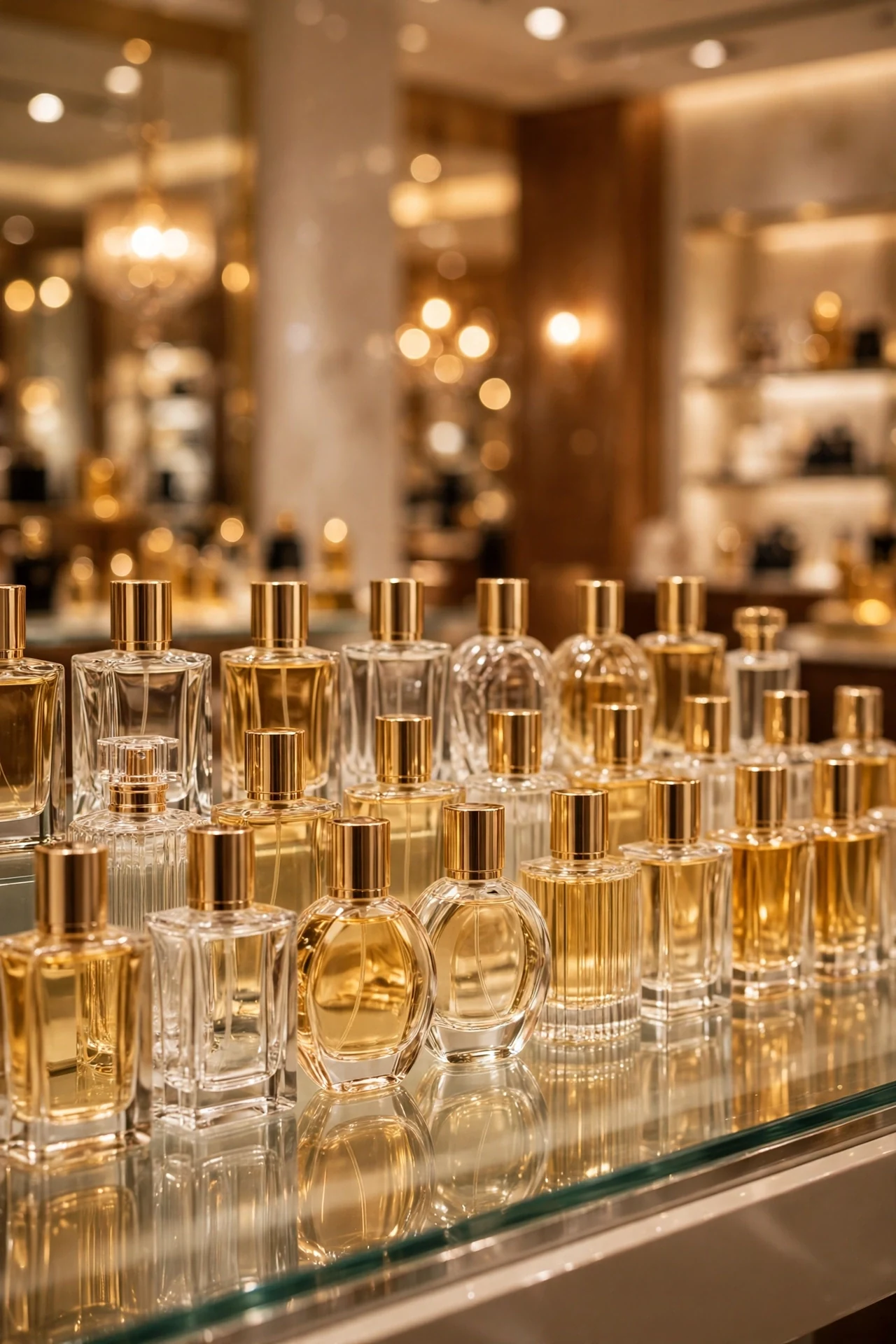
Dion was a business empire before it was fashionable. Her fragrance line, launched in 2003, became one of the most successful celebrity perfume ranges in the world; her management and production company, Les Productions Feeling, has steered her career for decades; and she co-owns Le Mirage, a golf club in Quebec.
She later added a gender-neutral children’s clothing brand to the portfolio. Dion’s business career is a reminder that the modern celebrity-founder era had pioneers — hers was built quietly, in the years when nobody was calling it an empire.
13. Dua Lipa — Skincare with Augustinus Bader
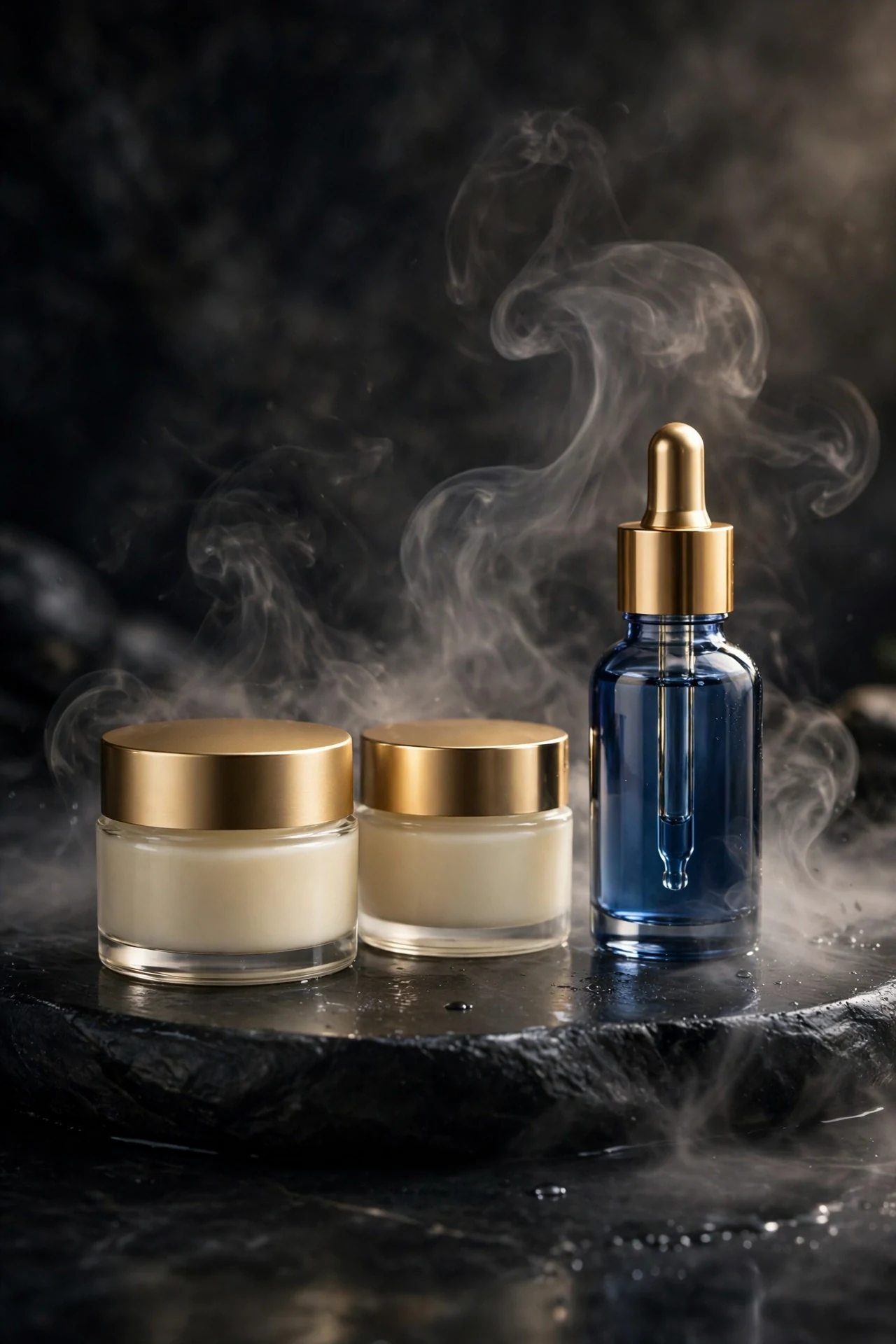
The newest entry on this list: in 2025 Dua Lipa launched a skincare line developed with Augustinus Bader, the cult luxury brand famous for its stem-cell-inspired creams and intimidating price tags. The collaboration positioned her line as the accessible on-ramp to a famously exclusive name.
It is a distinctly modern kind of founder deal — less building a company from scratch, more lending a trusted beauty partner the most valuable distribution channel in pop: her face, her routine and her following.
14. Harry Styles — Pleasing
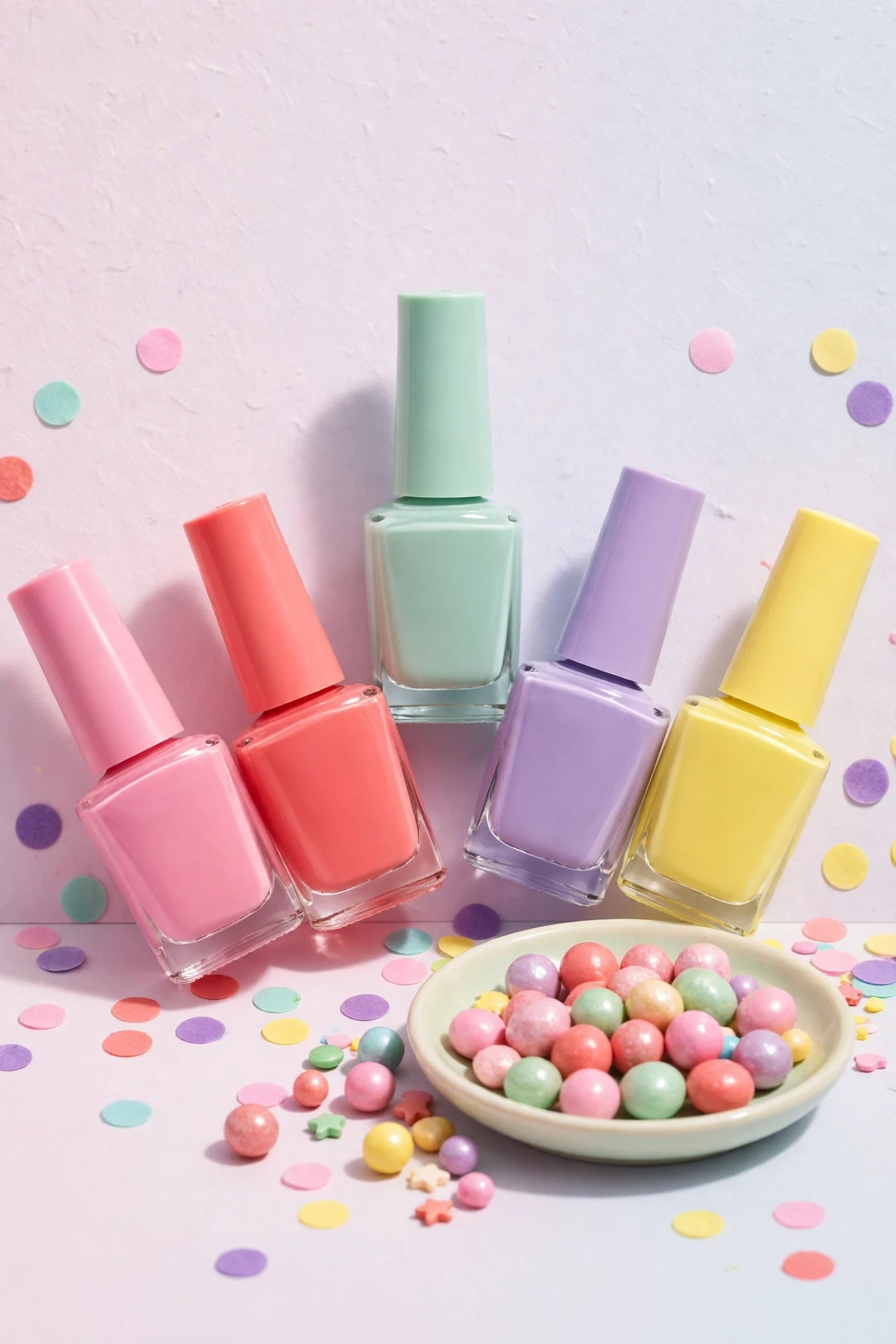
Styles launched Pleasing in 2021 with nail polish — a choice that was itself the brand statement. Pleasing grew into beauty, skincare and apparel, all wrapped in a genderless, joy-first aesthetic drawn directly from his stage persona, and sold through pop-ups and drops that treated a polish launch like an album release.
Like everything in Styles’ career, the brand understands scarcity and theatre. But the products reviewed well on their own merits, which is why Pleasing endured past the first wave of headlines.
15. Christina Aguilera — Fragrance Royalty
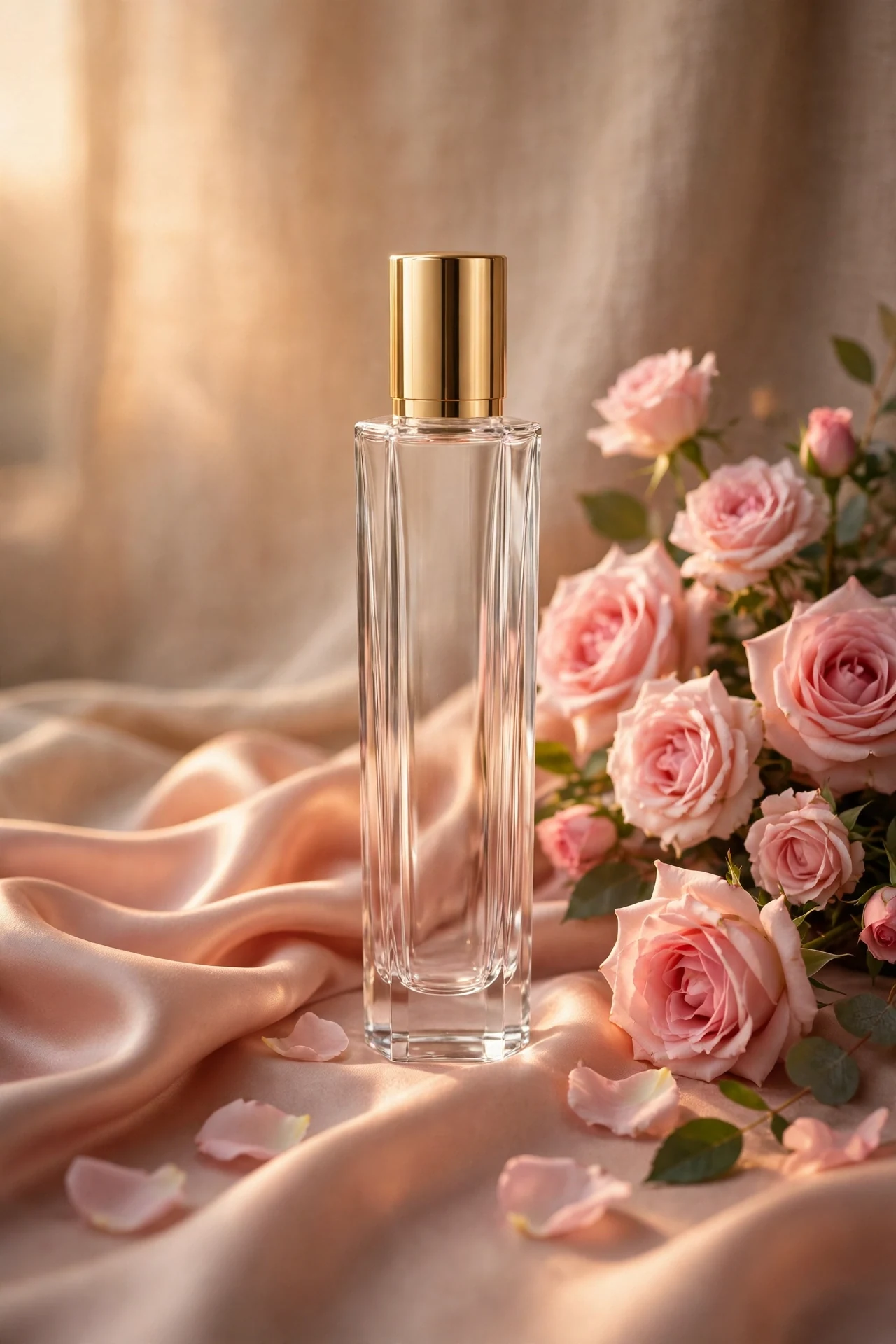
Aguilera’s name rarely leads celebrity-business lists, but her fragrance brand — running since 2007 — has been one of the best-selling celebrity perfume lines in Europe for years, quietly outselling flashier rivals. Longevity at that level is not a licensing accident; it is a business.
More recently she co-founded the personal-wellness brand Playground and serves as its chief brand advisor, extending her portfolio into one of beauty’s fastest-growing categories. The through-line is the same as her perfume success: products aimed squarely at the women who grew up with her music.
16. Madonna — MDNA SKIN
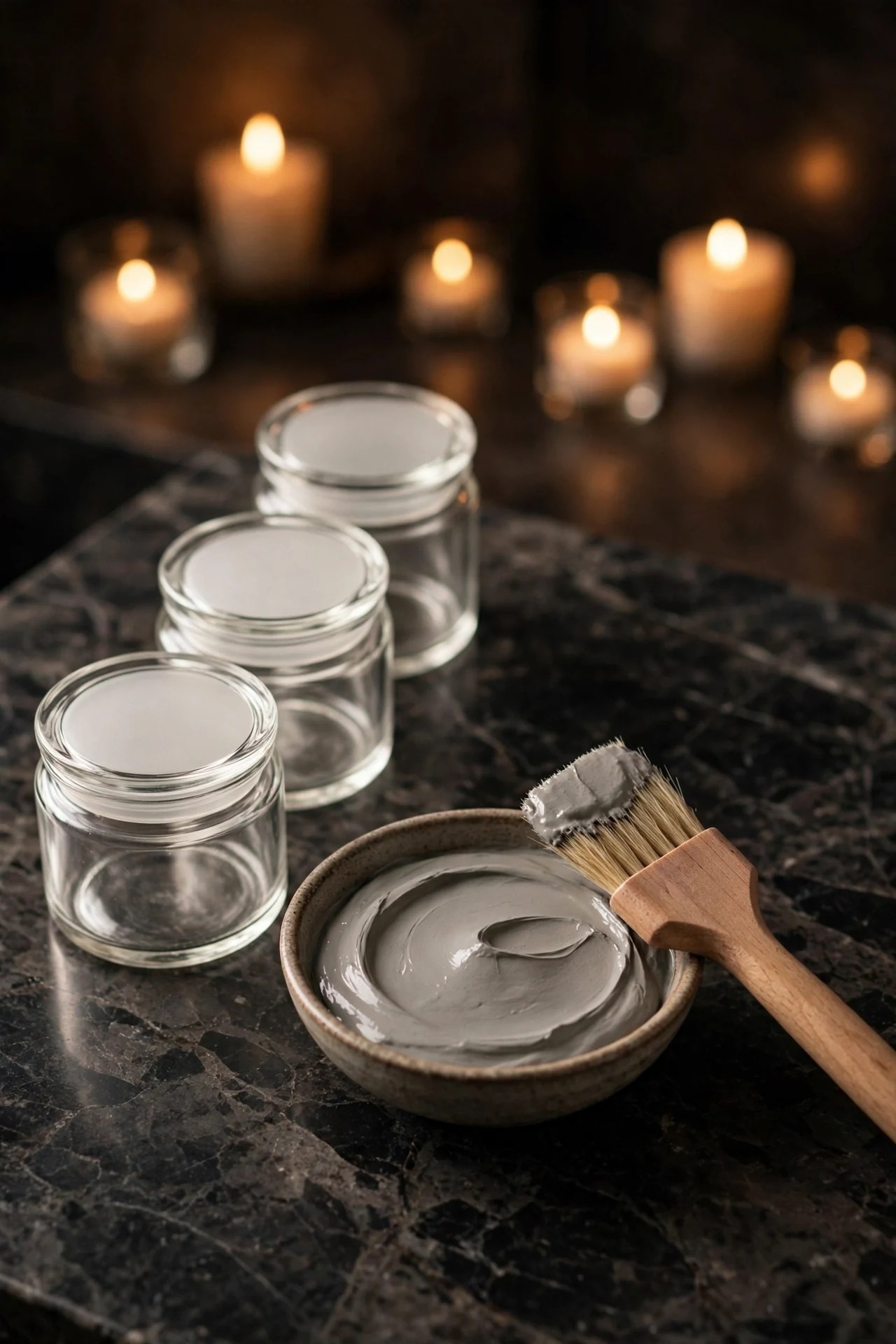
Madonna launched MDNA SKIN in Japan in 2014 — a deliberate choice of the world’s most demanding skincare market — before bringing it to the US. The line built its identity on Montecatini clay and high-tech devices, and on a founder famous for treating her image as a lifelong work of art.
The Queen of Pop has run businesses since the eighties — her Maverick label and Truth or Dare fragrance among them — but MDNA SKIN is the purest play: if anyone could sell the discipline of never ageing on schedule, it was Madonna.
17. Halsey — about-face and af94
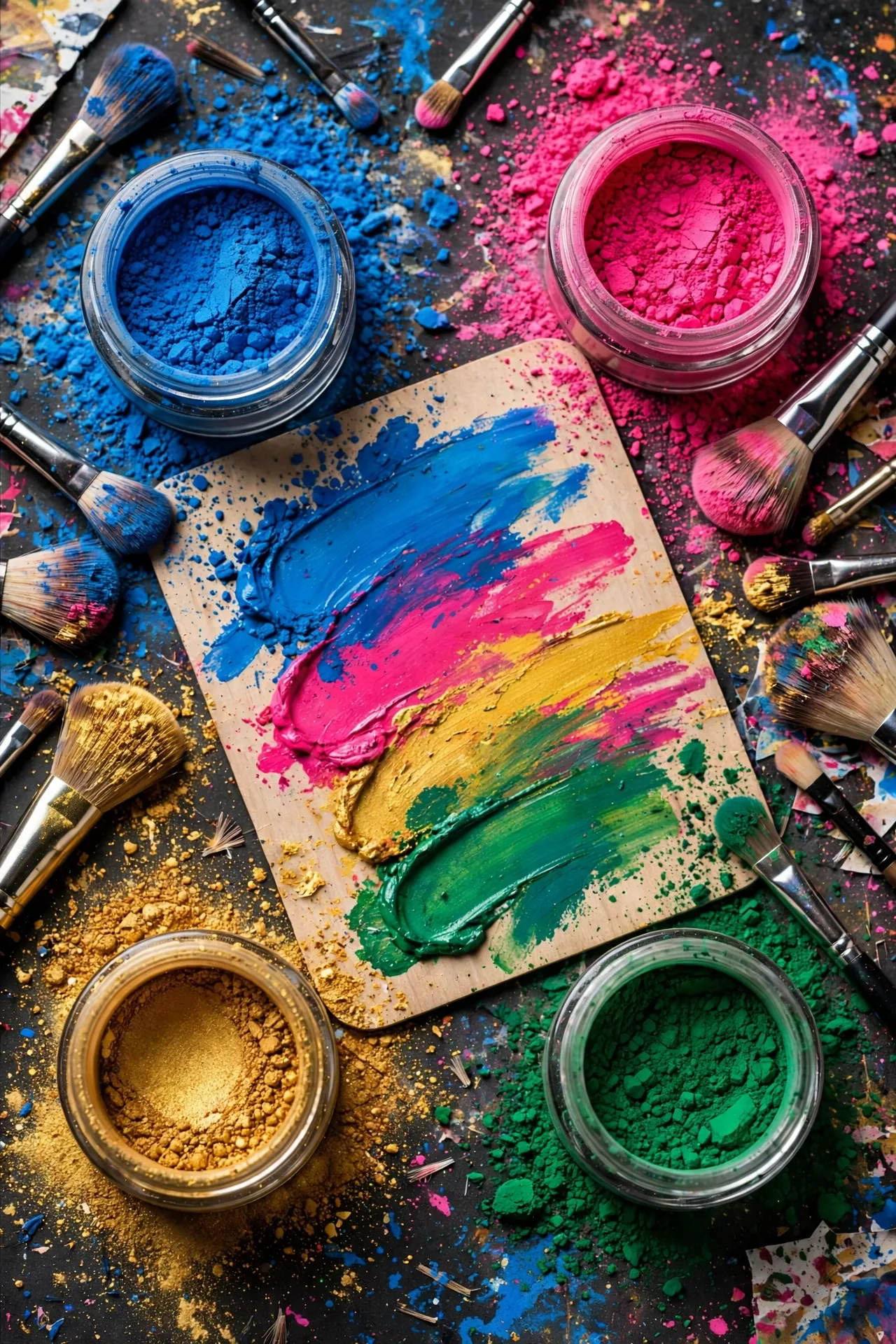
Halsey did her own makeup for years before fame, and about-face (2021) was built on that credibility: highly pigmented, art-first colour cosmetics designed to be played with rather than perfected. It launched with the kind of reviews celebrity brands rarely get from beauty obsessives.
Then came the clever second act: af94 (2022), a lower-priced sister line sold through Walmart and named for her birth year, 1994. Prestige credibility on one shelf, mass-market reach on another — a two-tier strategy many professional beauty CEOs would envy.
18. Jennifer Lopez — JLo Beauty, Fragrance and Film
Lopez arguably invented the modern celebrity business playbook. Her 2002 fragrance Glow by JLo is widely credited with launching the celebrity-perfume era, and her fragrance portfolio has sold in the billions since. JLo Beauty (2021) finally bottled the industry’s most famous glow, two decades after the perfume that promised the same thing.
Add Delola, her ready-to-drink cocktail line, and Nuyorican Productions — the film and TV company behind many of her own starring vehicles — and you have the blueprint almost everyone else on this list followed.
19. Hilary Duff — Below 60°
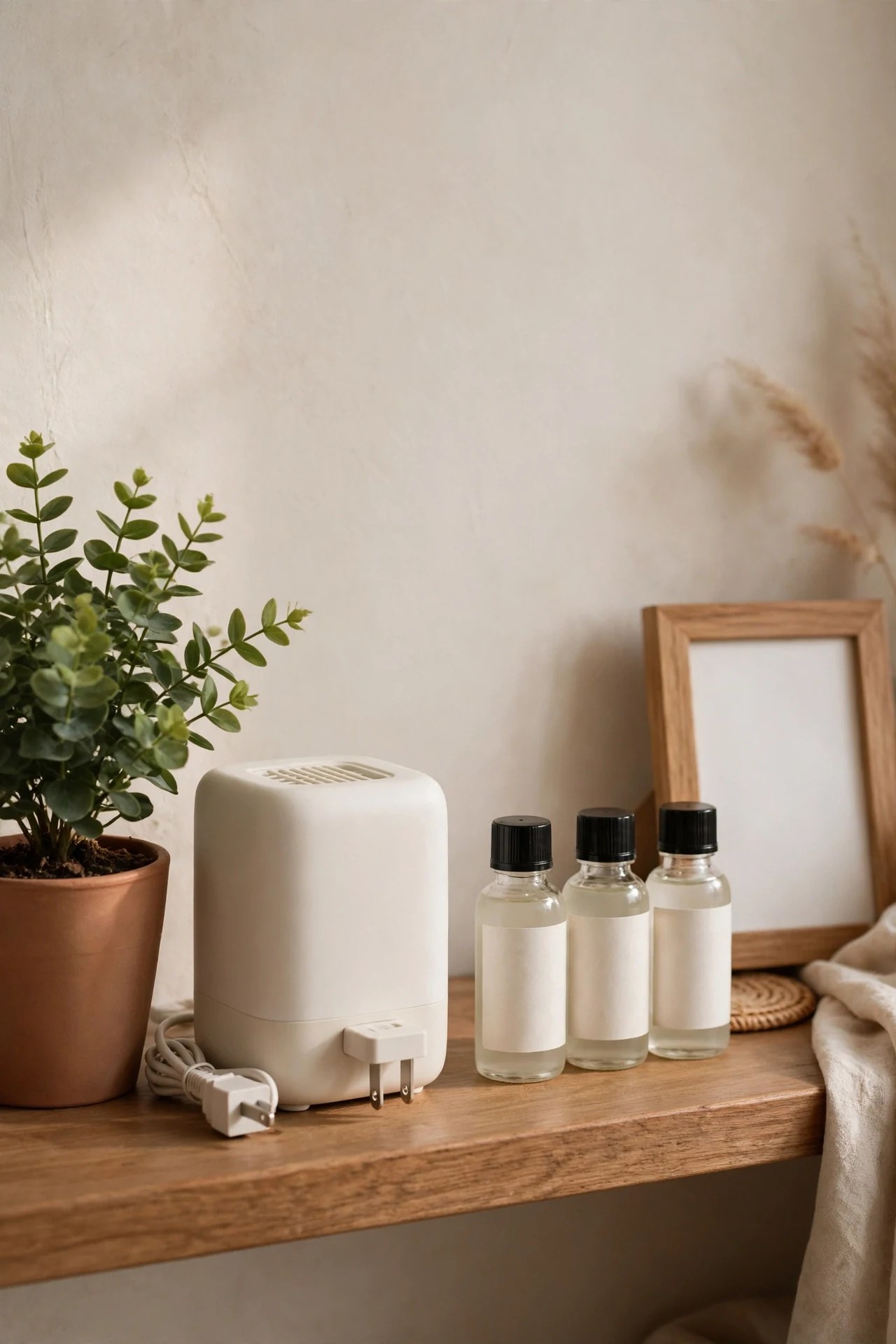
Duff’s business chapter is home fragrance: she joined Below 60°, the air-fragrance brand, as a partner and its chief brand director, fronting its plug-in diffusers and scents. It is a quieter category than beauty or spirits, which is rather the point — home fragrance is a repeat-purchase staple in millions of households.
For a star whose brand has matured alongside her audience — from teen idol to mother of four — selling the smell of a well-kept home is a more honest business than most celebrity ventures manage.
20. Justin Bieber — SKYLRK and Generosity
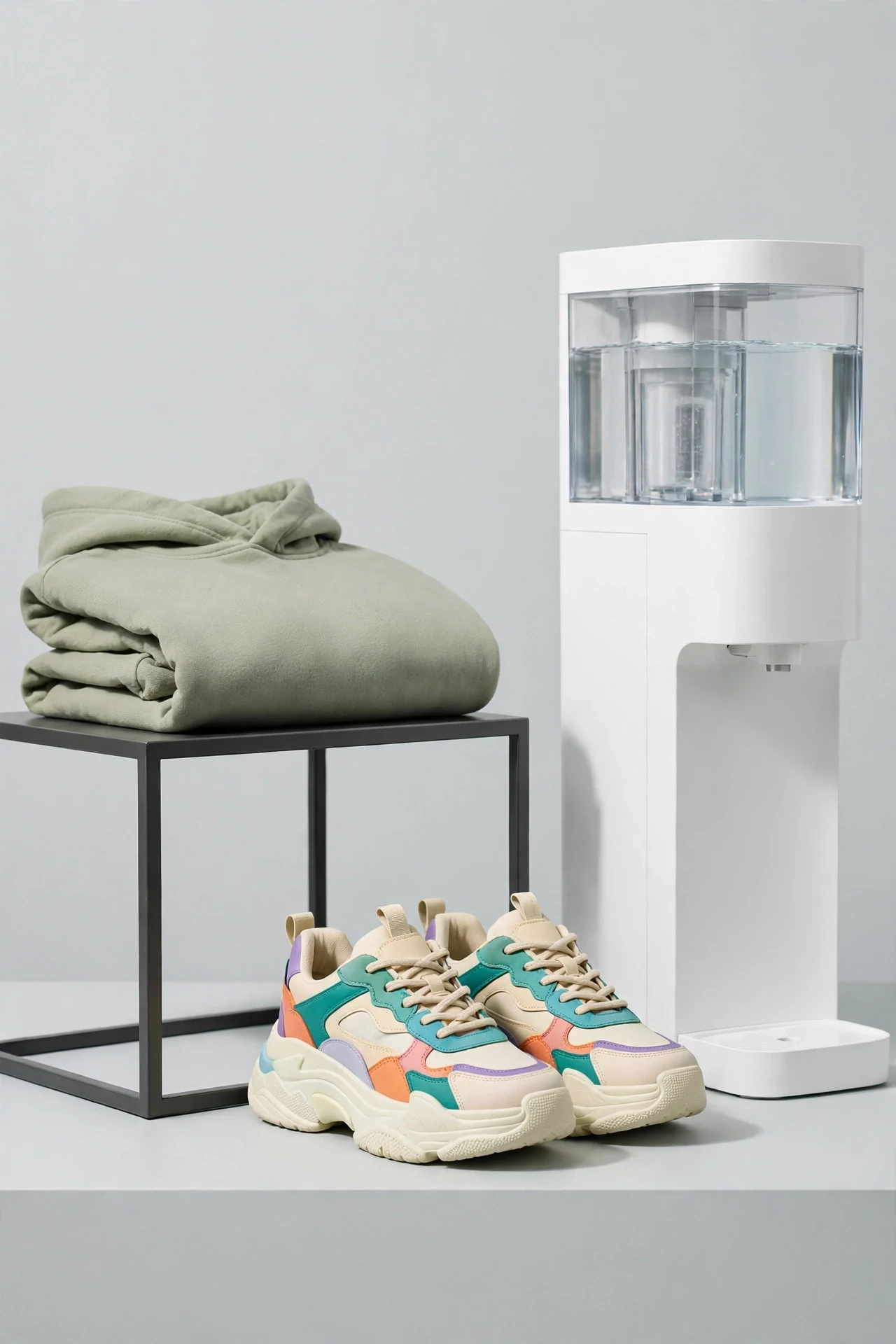
Bieber’s latest chapter pairs fashion with infrastructure. SKYLRK, his own label launched after he stepped away from his earlier streetwear venture, leans into footwear and oversized silhouettes in the colours of his personal wardrobe — a brand built to be his creative reset as much as a business.
Alongside it sits Generosity, the clean-water technology company he backed early, which installs filtered-water fountains in public spaces. A fashion label and a water company is an odd portfolio — but as this list shows, the pop-star empire rarely follows a single script. For more entertainment deep-dives, see my roundup of the must-see movies in theaters this October.




One Comment