17 Historical “Facts” You Believed Your Whole Life That Are Actually Completely False


Some “facts” are so famous that questioning them feels rude. They are in textbooks, movies, pub quizzes and a thousand motivational posters — and a surprising number of them are simply not true. Historians have been politely correcting these for years; here are seventeen of the most stubborn, with what the record actually shows. (A fitting companion to our list of things from the 2000s that quietly vanished — except these never existed in the first place.)
1. “Einstein Failed Maths At School” — He Did Not

The patron saint of struggling students was, inconveniently, excellent at maths. Einstein had mastered calculus by about fifteen, and his school certificates show top marks in algebra and geometry. The myth grew from a grading mix-up: his Swiss school used a 1–6 scale where 6 was best, and later readers assumed 6 meant failure. When shown the “failed maths” claim in his lifetime, Einstein laughed it off — he had, he said, failed only at being believed.
2. “Medieval People Thought The Earth Was Flat” — Educated People Knew Better
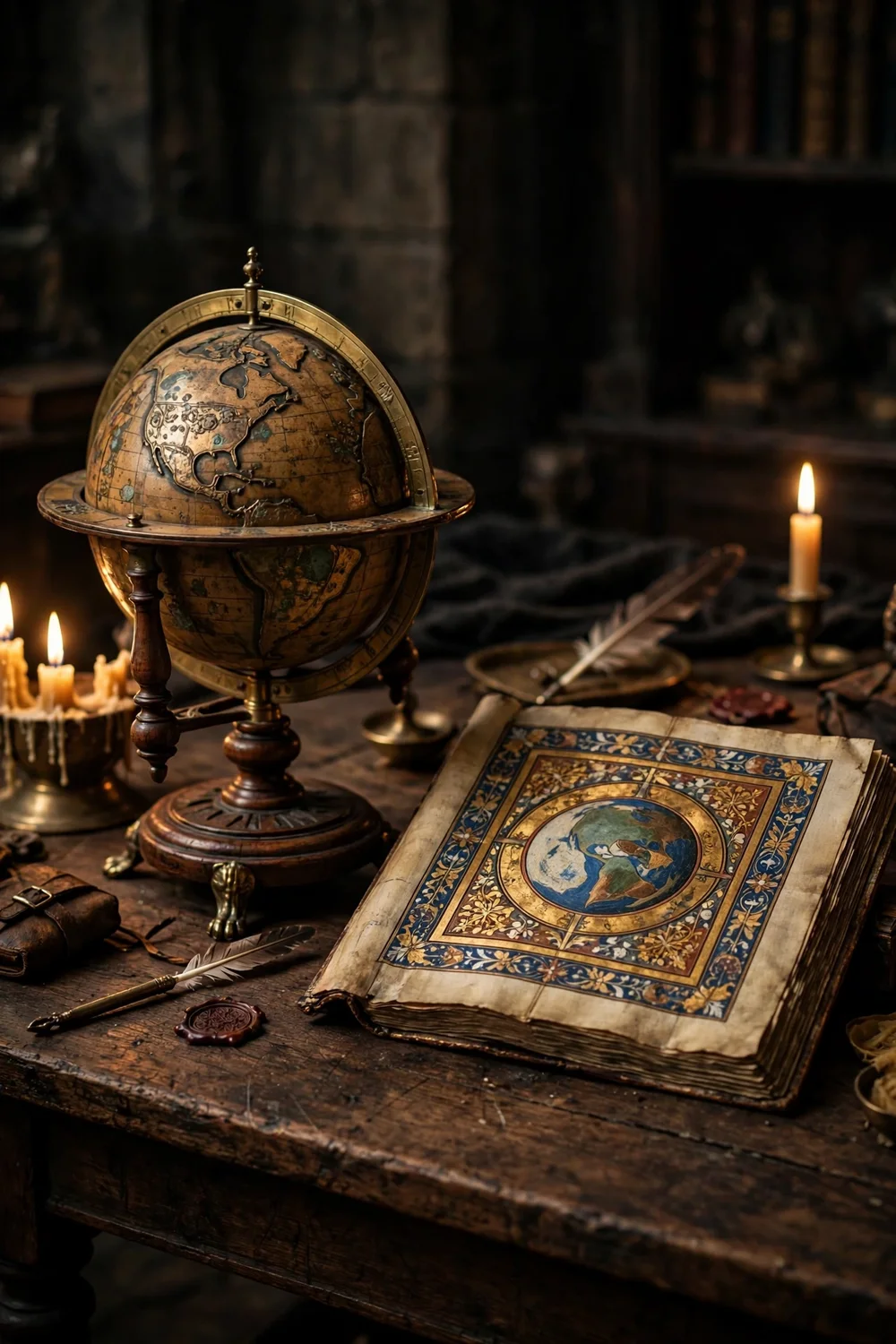
Greek scholars measured the Earth’s circumference in the third century BC, and medieval universities taught a spherical Earth as standard. When Columbus argued with experts, the argument was about the planet’s size — the experts were right and he was lucky the Americas were in the way. The “flat medieval world” story was largely popularised in the 1800s, ironically by people writing Columbus biographies.
3. “Let Them Eat Cake” — Marie Antoinette Never Said It
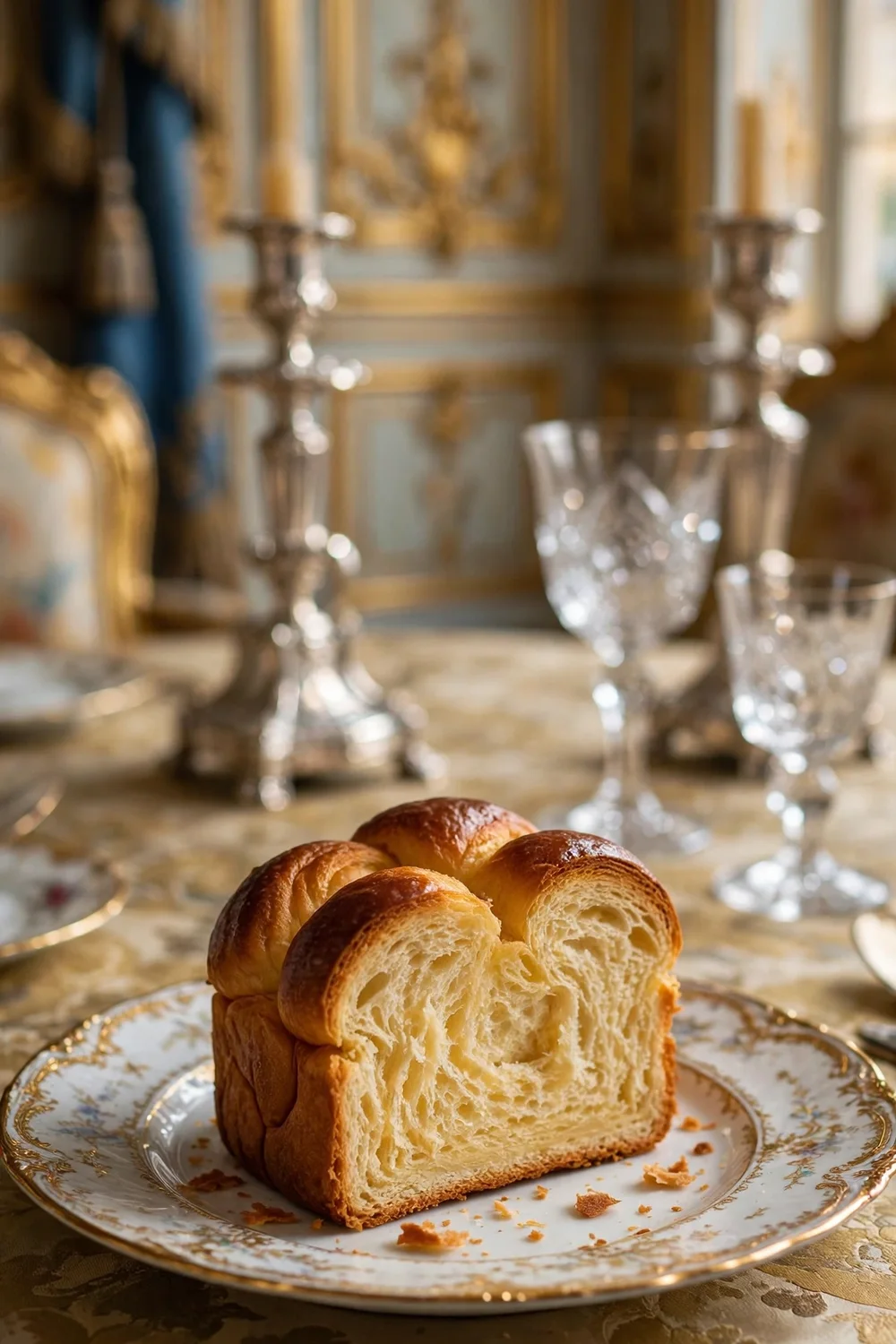
Jean-Jacques Rousseau wrote the line in his Confessions, attributing it to an unnamed “great princess” — when Marie Antoinette was still a child living in Austria. It attached itself to her decades later because she made a better villain. Even the translation is wrong: the French says brioche, an enriched bread, not cake.
4. “Spices Were Used To Hide The Taste Of Rotten Meat” — The Economics Say No

Pepper and cloves were luxury imports that could cost more per gram than the meat itself. A household rich enough to bury food in spices was rich enough to buy fresh meat — and no amount of spice makes spoiled meat safe to eat. Spices were status symbols and flavour, bought precisely because fresh ingredients were already on the table.
5. “Medieval People Married At Twelve And Died At Thirty” — Averages Are Liars
Child marriages existed, mostly as political contracts among royalty, but ordinary people typically married in their early-to-mid twenties — often after years of work and saving. As for dying at thirty: life expectancy at birth was dragged down brutally by infant and child mortality. Survive childhood, and living into your fifties or sixties was unremarkable — a pattern our look at vintage childhood hazards makes easier to understand.
6. “Medieval Clothing Was All Drab Brown” — They Loved Colour

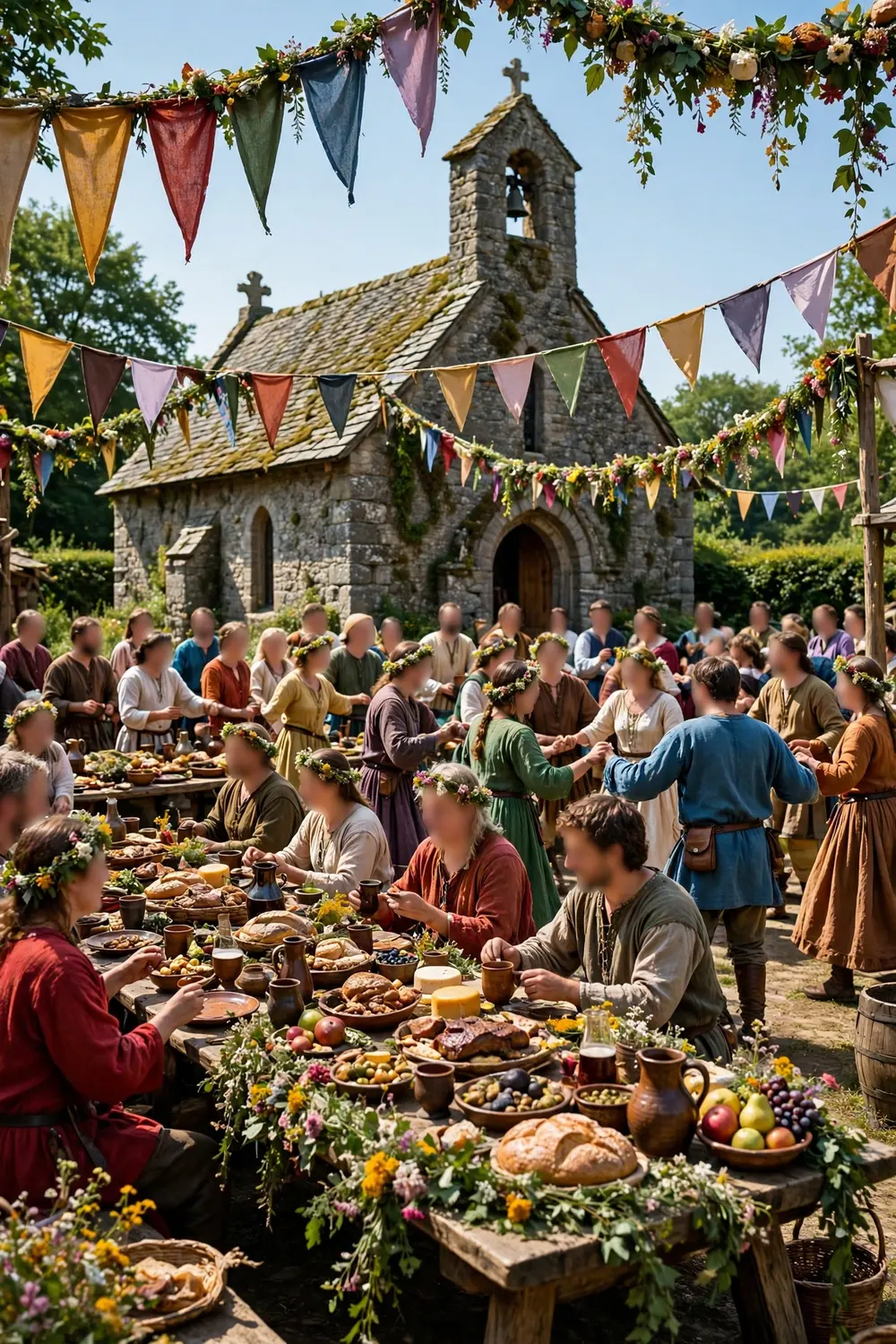
Surviving dye recipes, artwork and accounts describe a world of madder reds, woad blues and weld yellows. Dyeing cloth bright colours was a major industry, festival clothes were vivid, and even working people tinted garments when they could. The mud-brown medieval world is a film-set invention — real peasants at a fair looked more like a paintbox.
7. “Civil War Soldiers Had No Anaesthesia — They Bit Bullets” — Chloroform Was Standard
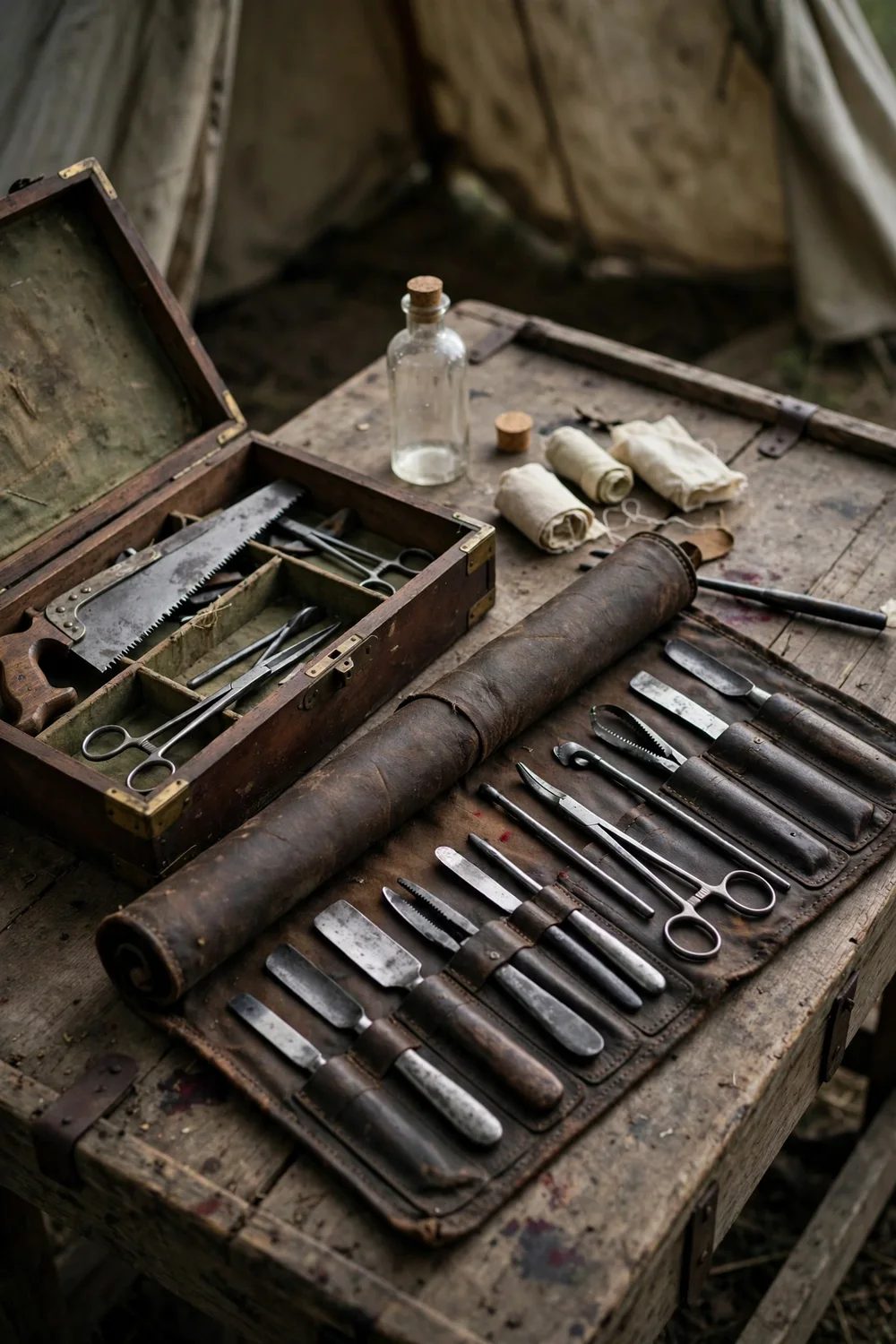
By the American Civil War, ether and chloroform were routine: the great majority of surgeries were performed with anaesthesia, administered by dedicated staff with recorded dosages. The “bite the bullet” image owes more to later films than to field hospitals. Amputations were horrific enough without inventing the anaesthetic shortage too.
8. “The Battle Of Gettysburg Started Over Shoes” — A Postwar Story
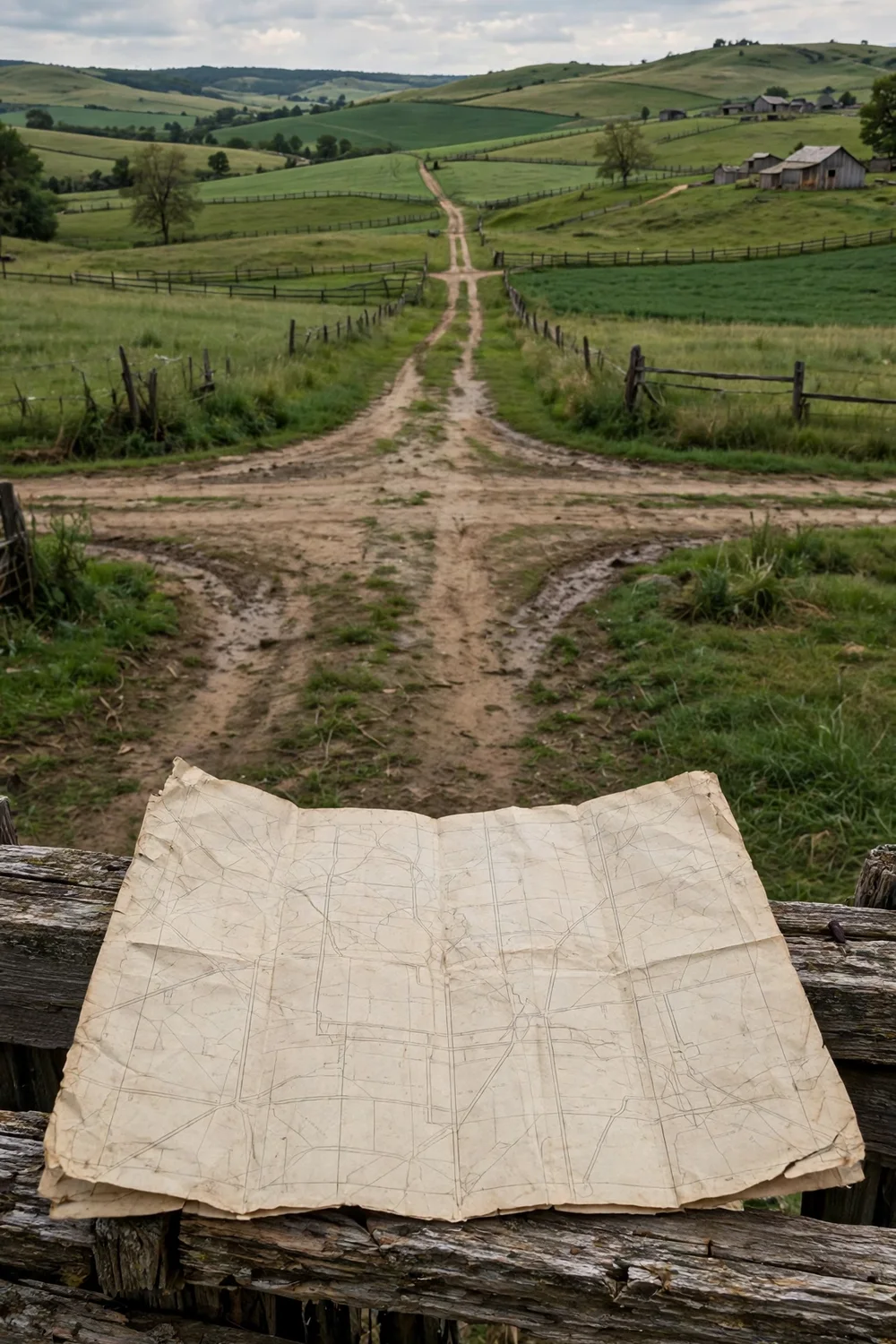
The tale that Confederate troops blundered into Gettysburg hunting for a warehouse of shoes comes mainly from General Henry Heth’s after-the-fact account, and historians have doubted it for over a century. Both armies converged on Gettysburg because ten roads met there — a strategic crossroads in enemy territory, not a shopping trip. The shoes make a charming story; the road map makes a truer one.
9. “Kamikaze Planes Carried Only Enough Fuel To Reach The Target” — They Could Come Back

Special-attack aircraft carried fuel for the return leg, because pilots were expected to come back if no worthwhile target appeared — and many did, some flying several sorties before their final one. Weather, mechanical failure and empty seas turned back plenty of missions. The one-way image is powerful, but the fuel gauges told a more complicated story.
10. “The Lusitania Was Just An Innocent Passenger Ship” — Her Manifest Disagrees
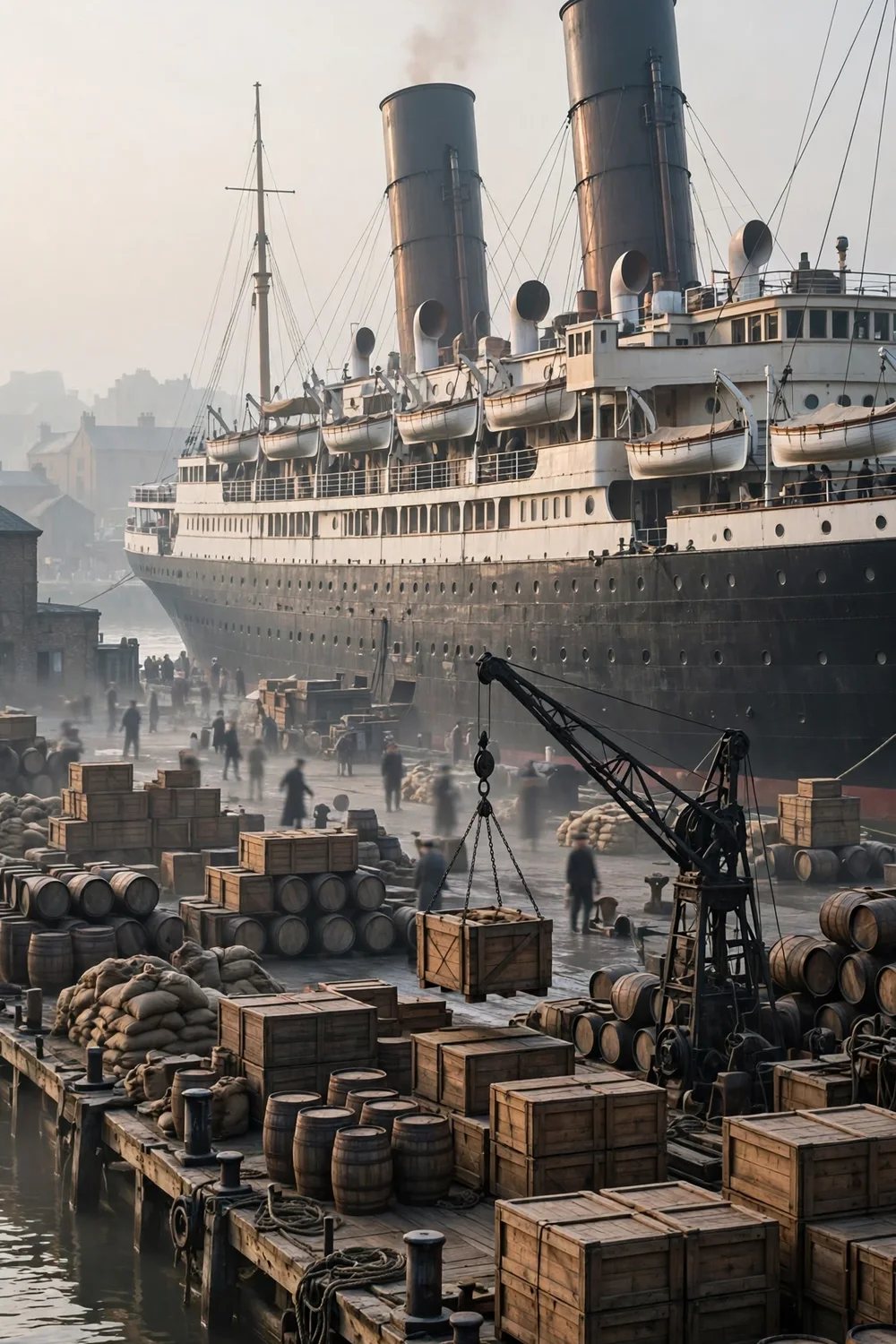
The Lusitania was absolutely a civilian liner, and her sinking in 1915 killed 1,198 people, most of them civilians — that part is not in dispute. But her published cargo manifest included millions of rounds of rifle ammunition and other war material, a fact Germany cited at the time and historians confirm. Both things are true at once, which is exactly why the story remains fought over a century later.
11. “Germany Marched Into WWI With A Finished Plan To Conquer Europe” — The Paper Trail Is Later
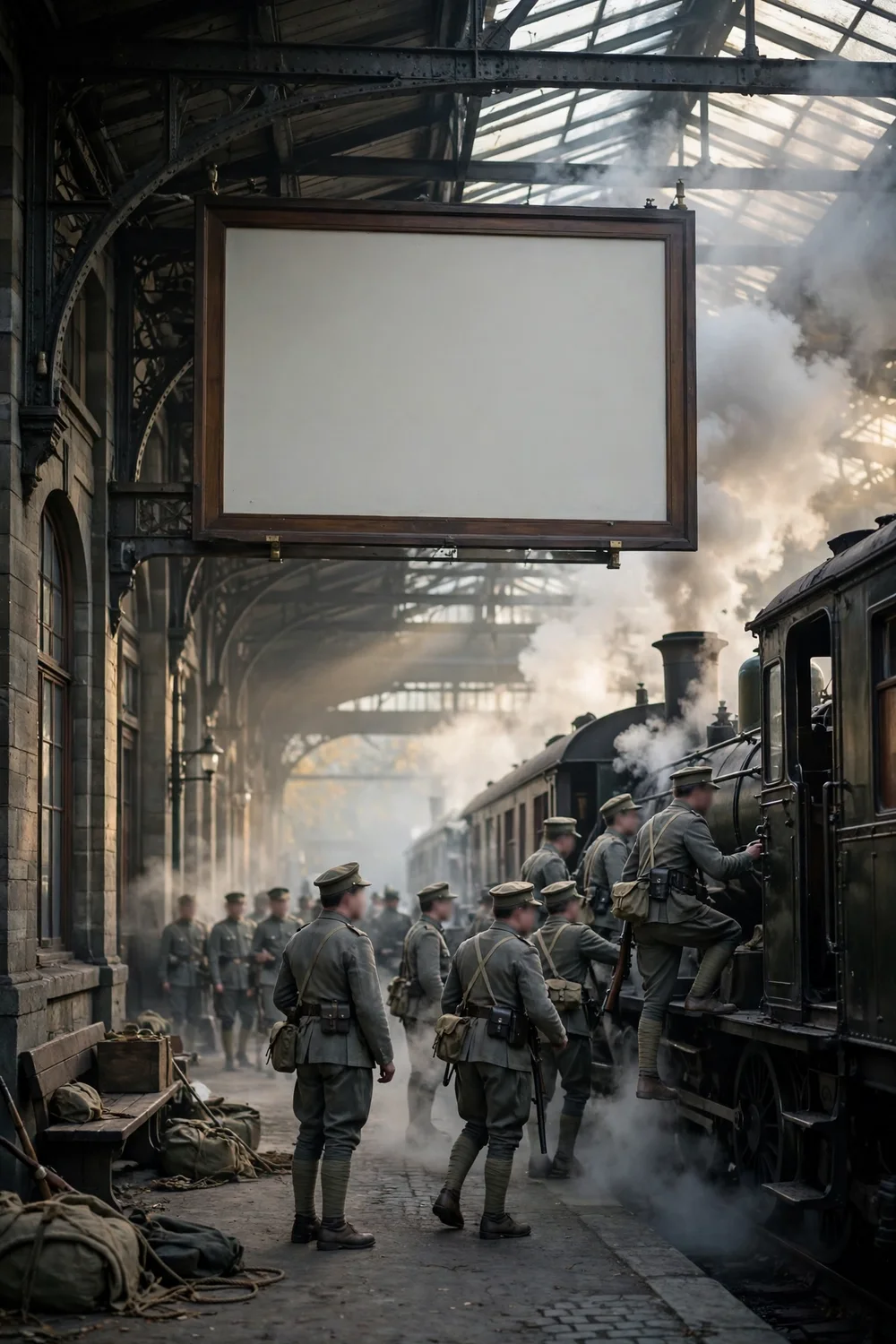
Germany’s famous pre-war planning was military deployment — timetables for fighting France and Russia — not a blueprint for continental conquest. Its most notorious statement of war aims, the Septemberprogramm, was drafted weeks after the war had already begun, like most belligerents’ wish lists. Responsibility for 1914 is still debated by historians; a tidy master plan is not what the archives show.
12. “Women Never Worked Outside The Home Until Modern Times” — They Always Worked
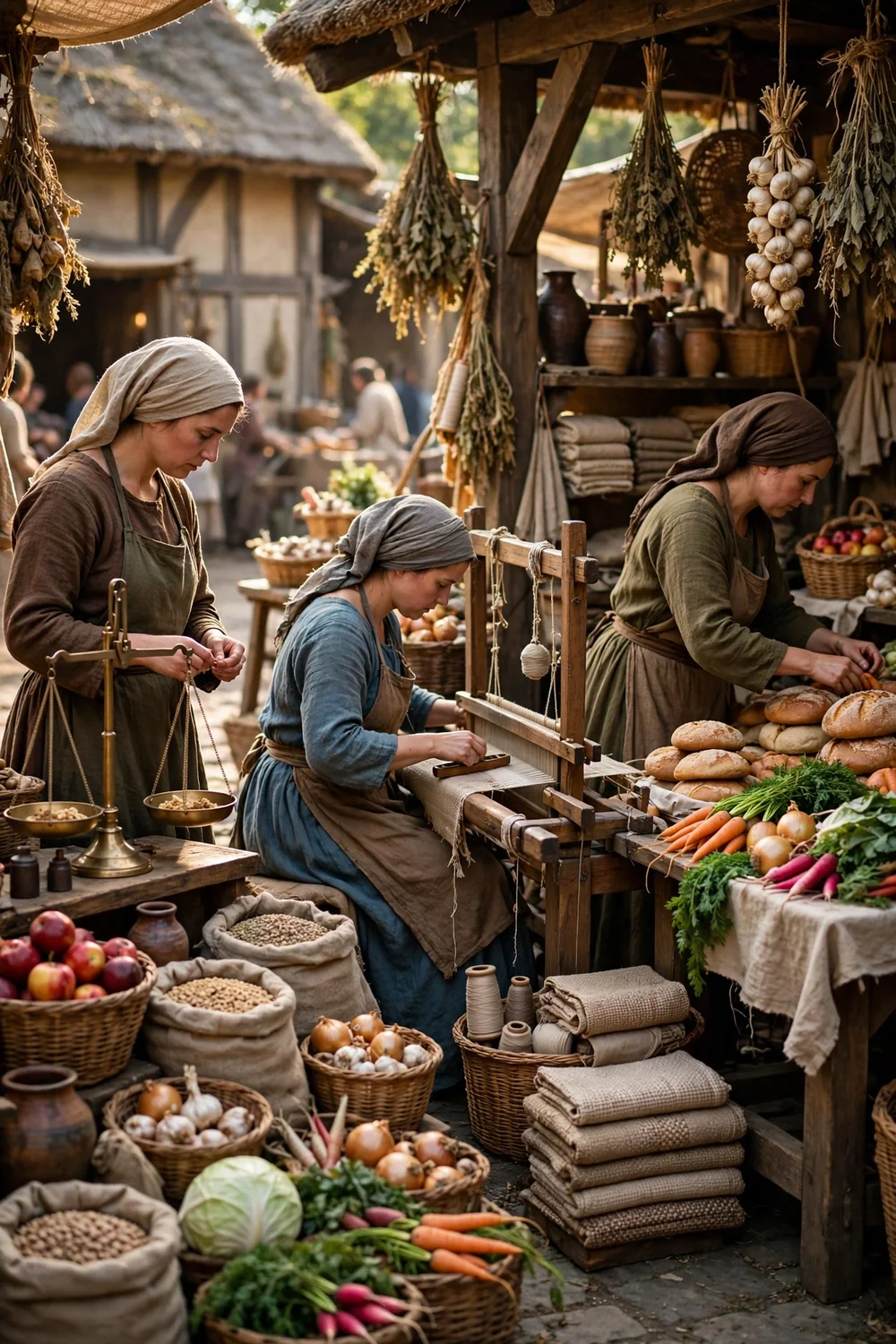
For most of history, the question was not whether women worked but whether anyone could afford for them not to. Women farmed, brewed, traded in markets, ran shops and workshops, and kept family businesses alive — usually unpaid or under-credited, which is how the myth got started. The full-time housewife as a universal norm was a brief, mostly middle-class arrangement, not the historical default.
13. “Corsets Routinely Crushed Women’s Organs And Killed Them” — Exaggerated By Both Sides
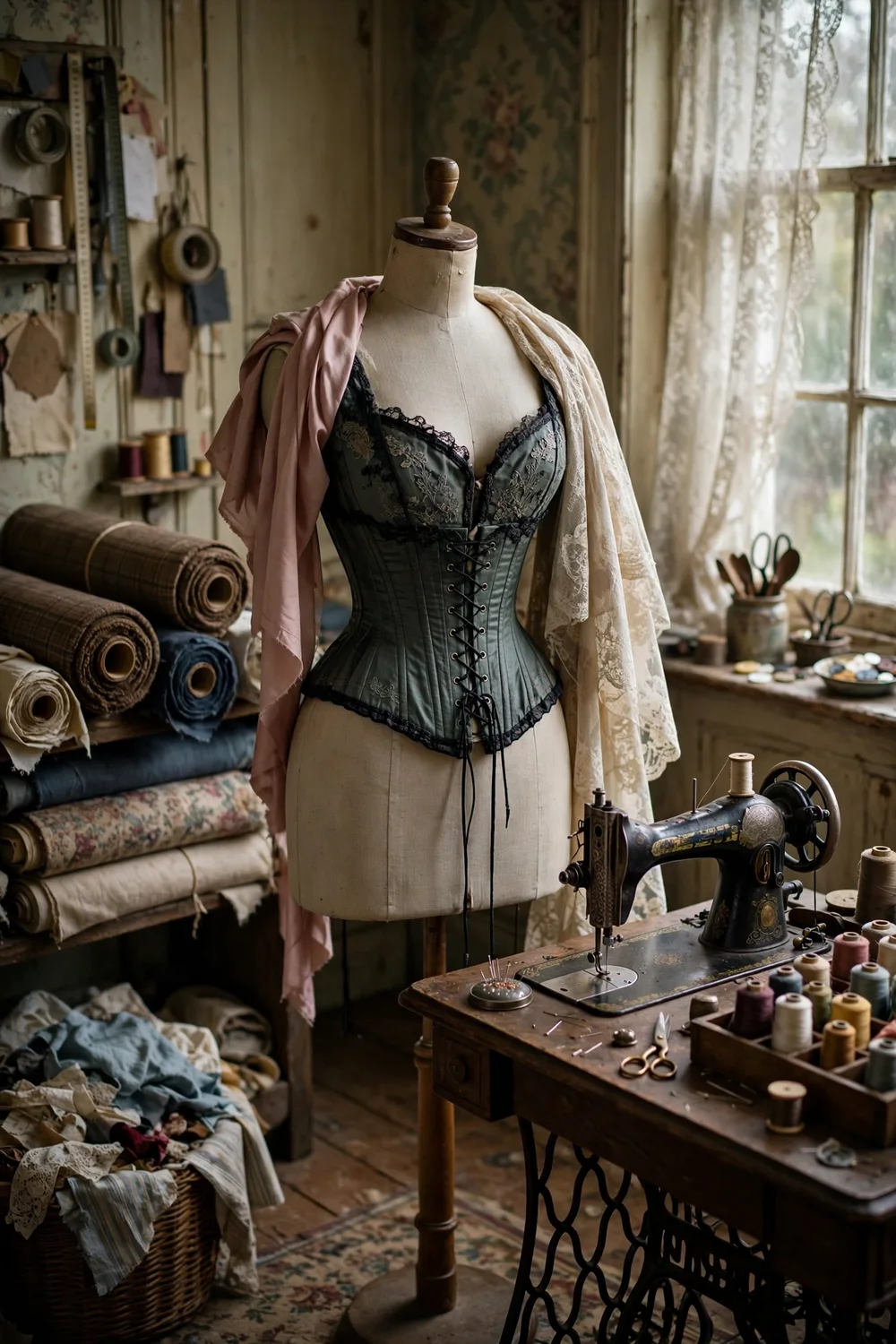
Extreme tight-lacing existed — as a minority fashion statement, endlessly debated at the time — but the ordinary corset was a supportive undergarment worn by maids, shop girls and farm women through full working days. Museum collections show most surviving corsets at natural waist sizes. Victorian doctors’ horror stories, and later retellings of them, say more about the era’s arguments over women than about the garments.
14. “Custer Made A Heroic Last Stand” — The Ground Tells A Wilder Story

Battlefield archaeology at the Little Bighorn — cartridge positions, movement patterns, timelines — shows collapse and desperate movement rather than an orderly, heroic ring of men. The polished “Last Stand” image was manufactured afterwards, by Buffalo Bill’s Wild West shows, popular paintings and Custer’s widow’s lifelong promotion. The real fight was shorter, messier and more confused than the legend allows.
15. “The Pilgrims Sailed Straight From Persecution To America” — They Lived In Holland For A Decade
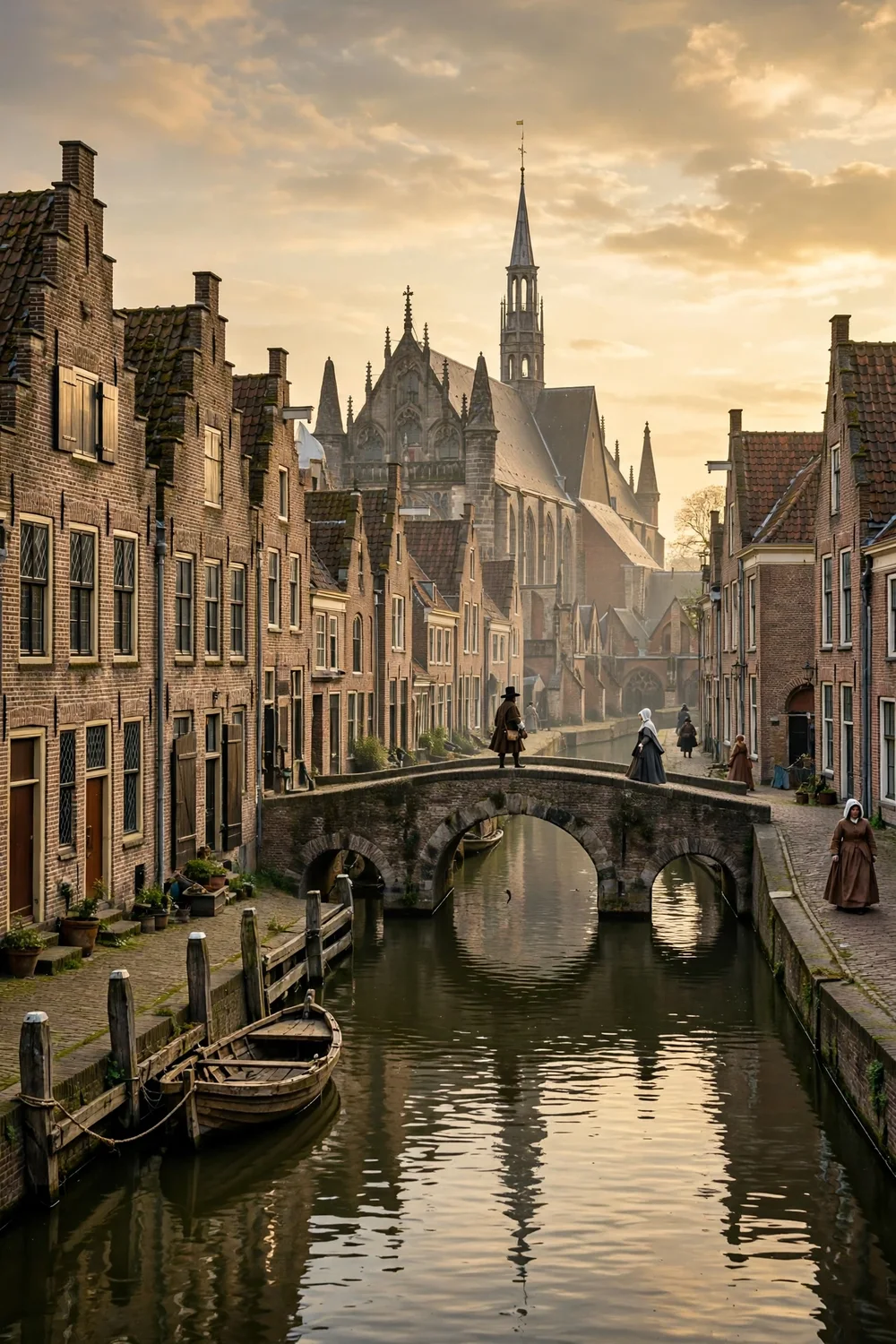
The Leiden years are the forgotten middle of the Pilgrim story: the congregation lived in the Dutch city for about twelve years, worshipping freely — and left largely because work was grinding, the children were becoming Dutch, and they feared losing their English identity. Religious freedom mattered; so did wages, war fears and homesickness in reverse.
16. “One Great Fire Destroyed The Library Of Alexandria” — It Faded Over Centuries
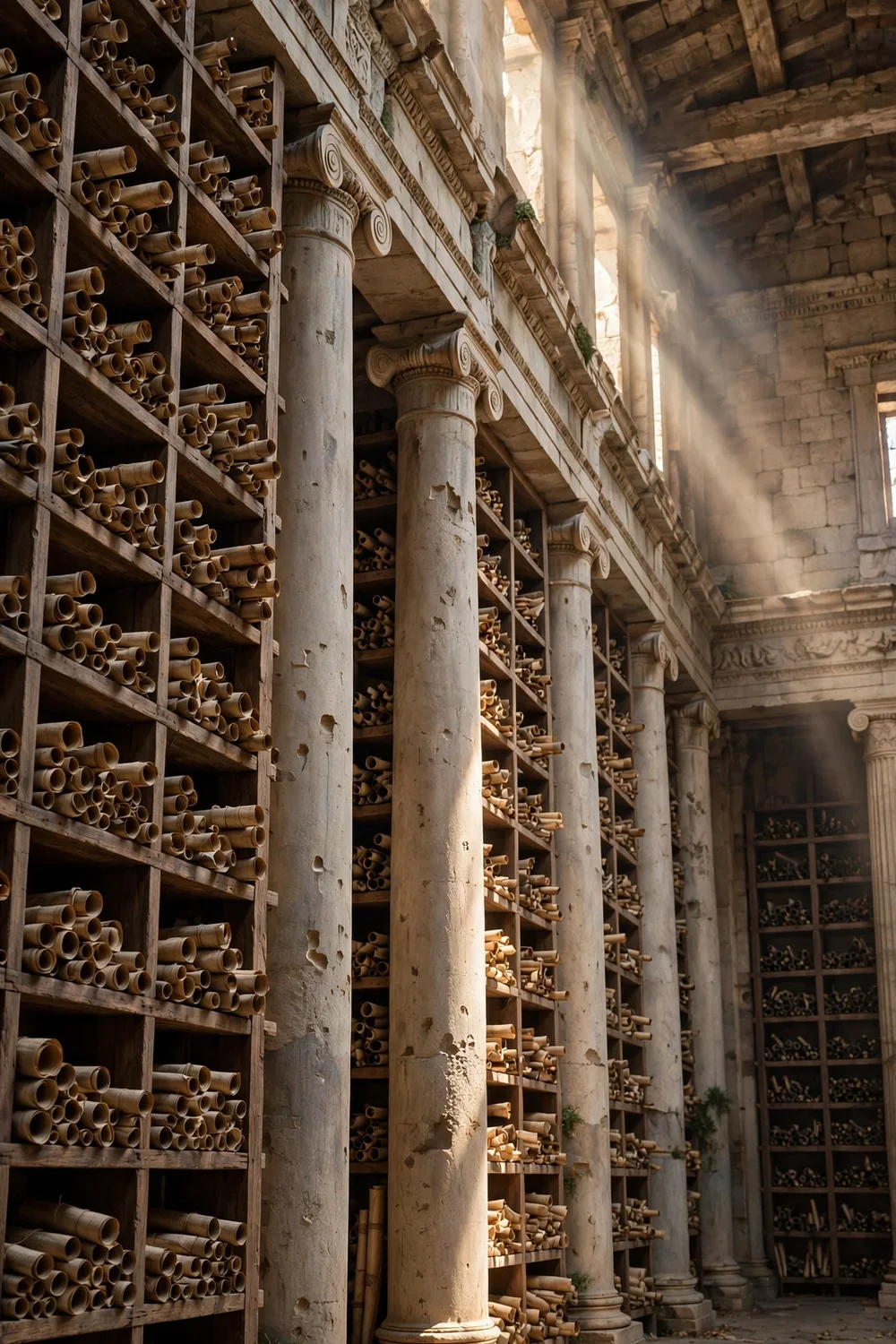
Caesar’s fire in 48 BC damaged warehouses near the harbour and probably some scrolls — but the library’s real killer was slow: funding cuts, scholars purged, and centuries of neglect, with later damage under successive regimes. There was no single day the ancient world’s knowledge went up in smoke. Institutions usually die the way this one did: gradually, then retrospectively.
17. “People In The Past Were Basically Fine With Everything We Call Terrible” — Read Their Letters

A bonus myth underneath all the others: the idea that historical people felt less — grieved less, feared less, minded less. Their letters, diaries and court records say otherwise about nearly everything, from child mortality to bad teeth. The past was not populated by simpler people; it was populated by people with worse painkillers. Remembering that is the real fix for every myth on this list — and a good lens for the rest of our history-haunted film picks too.
Why These Myths Refuse To Die
Each false fact survives because it is a better story than the truth: a failing Einstein consoles us, a flat-earth past flatters us, a shoe hunt makes a battle feel human. The corrections are rarely less interesting — they are just less tidy. So the next time a fact arrives wearing the words “actually, people back then…”, enjoy it, then check it. There is a decent chance it is myth number eighteen.





One Comment