
A good protein-packed ramen bowl starts with a real portion of chicken or beef, then builds flavor around it. These 13 recipes include clear broths, creamy miso bowls, spicy soups, and three saucy noodle options for nights when you do not want soup.
Every recipe makes 2 generous servings. Most use 12 ounces of raw meat total, or 6 ounces per bowl; the cooked-chicken recipe uses 10 ounces of already-cooked meat. Protein totals depend on your ingredients and brands, so these are portion-based recipes rather than calculated nutrition plans.
These are original, research-informed recipes that have not been kitchen-tested. Preparation and cooking times are estimates. Images are AI-generated serving concepts, not photographs of tested dishes.
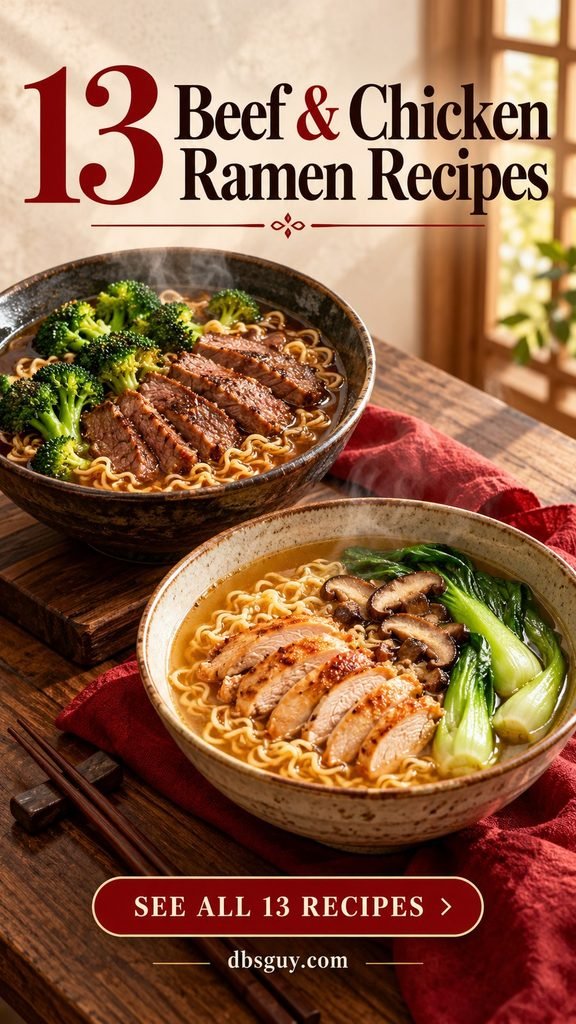
Pick Your Bowl
- Light, brothy choices: ginger-garlic chicken, lemon chicken and edamame, or garlic steak and mushroom.
- Creamier bowls: sesame-miso chicken, coconut-lime chicken, or chicken and corn butter-miso.
- Bring some heat: gochujang chicken or kimchi beef.
- Skip the soup: peanut chicken, sesame ground beef, or beef and broccoli.
- Take your time: slow-braised beef. For both meats in one bowl, choose the final recipe.
Before You Start
Each recipe uses 6 ounces of dry ramen noodles total. Weigh them if your packets are a different size, and omit the included seasoning packets. Fresh ramen has a different weight and cooking time; use two servings according to its label rather than swapping it ounce for ounce.
Use low-sodium broth and reduced-sodium soy sauce, then taste before adding salt. Miso, kimchi, gochujang, and bottled sauces vary considerably in saltiness. Broth needs to taste well seasoned on its own, but it should not taste harsh or overwhelmingly salty.
Cook noodles separately in water according to their package instructions. Drain just before assembling, so they do not sit in broth and become soft while the meat finishes. For the saucy bowls, keep a little hot cooking water available to loosen the noodles as needed.
Use a food thermometer: chicken, including ground chicken, must reach 165°F; ground beef must reach 160°F; whole beef steaks must reach at least 145°F followed by a 3-minute rest. Reheat leftovers to 165°F. These temperatures follow the FoodSafety.gov safe cooking chart. Time and meat color are not substitutes for checking temperature.
Keep raw meat and its utensils away from ready-to-eat toppings. Wash produce, and use a clean plate for cooked meat. Recipes use US cups and spoons: 1 cup = 8 fluid ounces, 1 tablespoon = 3 teaspoons. Meat and noodle ounces refer to weight.
1. Ginger-Garlic Chicken Ramen
A clear, gingery broth is a good place to start if you want a familiar chicken bowl without a creamy sauce. Searing the chicken separately keeps the topping distinct from the soft noodles.
Yield: 2 servings · Estimated total time: 35 minutes

Ingredients
- 12 oz boneless, skinless chicken breast, pounded to an even ½-inch thickness
- 6 oz dry ramen noodles, seasoning packets omitted
- 4 cups low-sodium chicken broth
- 2 tsp neutral oil
- 4 oz shiitake mushrooms, stems removed and caps sliced
- 2 garlic cloves, minced
- 1 tbsp grated fresh ginger
- 2 baby bok choy, stems sliced and leaves separated
- 1 tbsp reduced-sodium soy sauce, plus more to taste
- 1 tsp toasted sesame oil
- 2 scallions, thinly sliced
How to Make It
- Heat the neutral oil in a skillet over medium-high heat. Sear the chicken for about 5–7 minutes per side, adjusting the heat to prevent scorching, until the thickest part reaches 165°F. Transfer to a clean plate and rest for 5 minutes.
- Meanwhile, put the broth, mushrooms, garlic, ginger, and soy sauce in a saucepan. Bring to a boil, then simmer for 5 minutes. Add the bok choy stems; simmer for 2–3 minutes, then wilt the leaves for about 1 minute.
- Cook the ramen in a separate pot of water according to its package directions and drain. Divide between two bowls.
- Slice the chicken. Spoon the hot broth and vegetables over the noodles, add the chicken, and finish with sesame oil and scallions. Taste the broth before adding more soy sauce.
Cook’s note: Cut thick mushroom caps thinly so they soften during the short simmer. If you want more ginger flavor, add an extra teaspoon at the end rather than doubling it before tasting.
2. Creamy Sesame-Miso Chicken Ramen
Tahini gives this broth body without cream, while ground chicken spreads through every bite. Use smooth, well-stirred tahini so the broth stays creamy rather than grainy.
Yield: 2 servings · Estimated total time: 30 minutes

Ingredients
- 12 oz ground chicken
- 6 oz dry ramen noodles, seasoning packets omitted
- 4 cups low-sodium chicken broth
- 2 tsp neutral oil
- 2 garlic cloves, minced
- 2 tsp grated ginger
- 2 tbsp white miso
- 2 tbsp tahini
- 2 cups baby spinach
- 1 tsp rice vinegar
- 1 tsp toasted sesame oil
- 1 tsp sesame seeds
- 2 scallions, sliced
How to Make It
- Heat the neutral oil in a saucepan over medium-high heat. Add ground chicken and break it into small crumbles. Cook for about 6–8 minutes, until it reaches 165°F. Add garlic and ginger; stir for 30 seconds.
- Add the broth and bring to a simmer. Cook for 3 minutes, then add spinach and let it wilt.
- Cook and drain the noodles according to their package directions. In a small bowl, whisk the miso and tahini with ½ cup of hot broth until smooth.
- Take the saucepan off the heat. Stir in the miso mixture, vinegar, and sesame oil. Divide the noodles and soup between two bowls and sprinkle with sesame seeds and scallions.
Cook’s note: Miso brands vary in saltiness. Taste after whisking it in; add a splash of hot water if the broth tastes too concentrated. For a sesame allergy, choose a different recipe rather than treating tahini as a neutral ingredient.
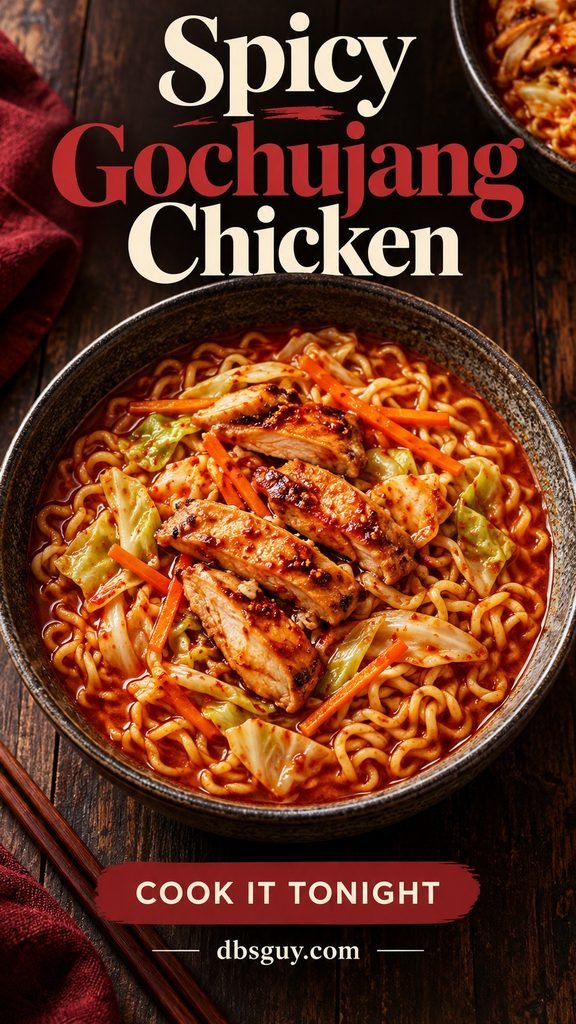
3. Spicy Gochujang Chicken Ramen
Gochujang adds fermented sweetness as well as heat. This is a Korean-inspired ramen variation, with cabbage and carrots to soften the intensity of the red broth.
Yield: 2 servings · Estimated total time: 35 minutes
Ingredients
- 12 oz boneless, skinless chicken thighs, cut into ½-inch strips
- 6 oz dry ramen noodles, seasoning packets omitted
- 4 cups low-sodium chicken broth
- 2 tsp neutral oil
- 2 garlic cloves, minced
- 2 tsp grated ginger
- 1 tbsp gochujang, plus more to taste
- 1 tsp reduced-sodium soy sauce
- 2 cups thinly sliced napa cabbage
- 1 medium carrot, cut into thin matchsticks
- 1 tsp rice vinegar
- 2 scallions, sliced
How to Make It
- Heat oil in a saucepan over medium-high heat. Cook the chicken strips for about 6–8 minutes, turning as needed, until they reach 165°F. Stir in garlic and ginger for 30 seconds.
- Whisk the gochujang with ¼ cup of the measured broth until smooth, then add it to the pan with the remaining broth and soy sauce. Simmer for 3 minutes.
- Add cabbage and carrot. Simmer for 3–5 minutes, until the cabbage is tender and the carrot has a little bite.
- Cook the noodles separately according to the package, then drain. Stir vinegar into the soup, divide over the noodles, and finish with scallions.
Cook’s note: Start with the stated tablespoon of gochujang. Serve extra at the table so one spicy bowl does not decide the heat level for everyone.
4. Coconut-Lime Shredded Chicken Ramen
This coconut broth is rich but loosened with chicken stock. Lime goes in after the heat is off so the finished bowl tastes bright instead of simply creamy.
Yield: 2 servings · Estimated total time: 25 minutes

Ingredients
- 10 oz cooked shredded chicken breast
- 6 oz dry ramen noodles, seasoning packets omitted
- 3 cups low-sodium chicken broth
- 1 cup canned unsweetened coconut milk, stirred
- 1 tsp neutral oil
- 2 garlic cloves, minced
- 1 tbsp grated ginger
- 1 red bell pepper, thinly sliced
- 2 cups baby spinach
- 1 tbsp reduced-sodium soy sauce
- 1 tbsp lime juice, plus lime wedges to serve
- 2 tbsp chopped cilantro
How to Make It
- Heat oil in a saucepan over medium heat. Soften the pepper for 3–4 minutes, then add garlic and ginger and stir for 30 seconds.
- Add broth, coconut milk, and soy sauce. Bring to a gentle simmer rather than a hard boil.
- Add shredded chicken and simmer until it reaches 165°F, about 3–5 minutes depending on its starting temperature. Stir in spinach until wilted.
- Cook and drain the ramen according to the package directions. Remove the soup from heat, stir in lime juice, and divide over the noodles. Add cilantro and lime wedges.
Cook’s note: This is a useful cooked-chicken option, but the storage clock does not restart when you add leftovers to soup. Use chicken that is still within its original refrigerated storage window.
5. Peanut Chicken Ramen with Crunchy Vegetables
Choose this bowl when you want noodles coated in sauce instead of swimming in broth. Cool cucumber and carrot add crunch after the hot chicken and noodles are tossed together.
Yield: 2 servings · Estimated total time: 30 minutes

Ingredients
- 12 oz ground chicken
- 6 oz dry ramen noodles, seasoning packets omitted
- 2 tsp neutral oil
- 2 garlic cloves, minced
- 2 tsp grated ginger
- 3 tbsp smooth unsweetened peanut butter
- 1 tbsp reduced-sodium soy sauce
- 1 tbsp lime juice
- 1 tsp honey
- ½ cup hot noodle cooking water, plus more as needed
- ½ medium cucumber, cut into matchsticks
- 1 medium carrot, shredded
- 1 tbsp chopped roasted peanuts
How to Make It
- Whisk peanut butter, soy sauce, lime juice, and honey in a heatproof bowl. Set aside while the noodles cook.
- Heat oil in a skillet over medium-high heat. Cook chicken, breaking it into crumbles, for about 6–8 minutes until it reaches 165°F. Stir in garlic and ginger for 30 seconds, then reduce the heat to low.
- Cook the ramen according to its package. Before draining, reserve 1 cup of the cooking water. Whisk ½ cup into the peanut mixture until smooth.
- Add drained noodles and peanut sauce to the skillet. Toss over low heat for 30–60 seconds, adding reserved water a tablespoon at a time until glossy. Divide into bowls and top with cucumber, carrot, and peanuts.
Cook’s note: The sauce thickens as the noodles stand, so serve right away. For a peanut allergy, skip this recipe; a different nut butter does not automatically make it suitable.
6. Lemon Chicken and Edamame Ramen
Edamame adds another protein-containing ingredient without changing the light character of the broth. Lemon and spinach make this a useful contrast to the richer bowls in the collection.
Yield: 2 servings · Estimated total time: 30 minutes

Ingredients
- 12 oz boneless, skinless chicken breast, cut into ¾-inch cubes
- 6 oz dry ramen noodles, seasoning packets omitted
- 4 cups low-sodium chicken broth
- 1 cup frozen shelled edamame
- 2 cups baby spinach
- 2 tsp neutral oil
- 2 garlic cloves, minced
- 1 tsp grated ginger
- 1 tbsp reduced-sodium soy sauce
- 1 tbsp lemon juice
- ½ tsp finely grated lemon zest
- 2 scallions, sliced; lemon wedges to serve
How to Make It
- Heat oil in a saucepan over medium-high heat. Add chicken and cook for about 6–8 minutes, stirring occasionally, until the pieces reach 165°F.
- Add garlic and ginger and stir for 30 seconds. Add broth and soy sauce; bring to a simmer.
- Add edamame and cook for the full time directed on its package, extending the simmer if needed. Wilt the spinach during the final minute.
- Cook the ramen separately according to the package and drain. Remove the soup from heat and add lemon juice and zest. Divide over noodles and finish with scallions and lemon wedges.
Cook’s note: Use shelled edamame, not whole pods. The beans should be fully cooked before serving; their bright green color alone does not tell you they are ready.
7. Chicken and Corn Butter-Miso Ramen
Sweet corn and a small amount of butter round out a miso broth. Browned chicken thighs suit the richer flavor better than long-simmered shredded breast.
Yield: 2 servings · Estimated total time: 35 minutes

Ingredients
- 12 oz boneless, skinless chicken thighs
- 6 oz dry ramen noodles, seasoning packets omitted
- 4 cups low-sodium chicken broth
- 1 cup frozen corn
- 2 tbsp white miso
- 1 tbsp unsalted butter
- 2 tsp neutral oil
- 2 garlic cloves, minced
- 1 tsp grated ginger
- 2 scallions, sliced
How to Make It
- Heat neutral oil in a skillet over medium-high heat. Cook thighs for about 6–8 minutes per side, lowering the heat as needed, until the thickest part reaches 165°F. Rest on a clean plate for 5 minutes.
- In a saucepan, melt butter over medium heat. Add garlic and ginger; stir for 30 seconds. Add broth and corn, then simmer until the corn is cooked according to its package directions.
- Cook and drain noodles according to the package. Whisk miso with ½ cup of the hot broth in a small bowl, then stir into the saucepan after taking it off the heat.
- Slice the chicken and divide over noodles. Ladle in the corn broth and finish with scallions.
Cook’s note: Whisking miso separately prevents salty clumps. The butter belongs in the broth; you do not need another pat on each serving.
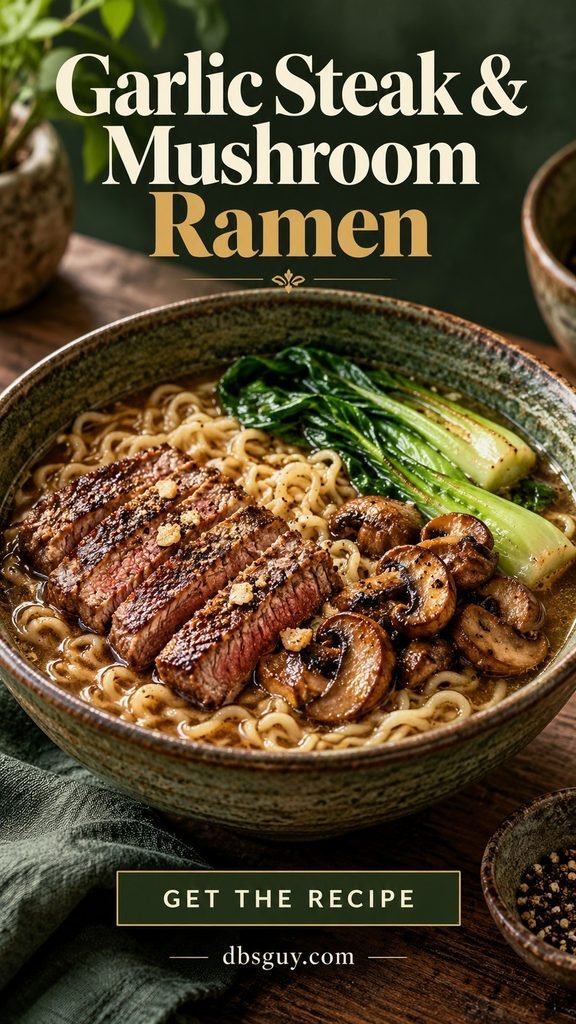
8. Garlic Steak and Mushroom Ramen
Cook the steak whole, rest it, and slice across the grain just before serving. That gives you more control over doneness than dropping raw beef into a bowl of broth.
Yield: 2 servings · Estimated total time: 35 minutes
Ingredients
- 12 oz sirloin steak, about ¾-inch thick
- 6 oz dry ramen noodles, seasoning packets omitted
- 4 cups low-sodium beef broth
- 6 oz cremini mushrooms, sliced
- 2 baby bok choy, stems sliced and leaves separated
- 2 tsp neutral oil, divided
- 3 garlic cloves, minced
- 2 tsp grated ginger
- 1 tbsp reduced-sodium soy sauce
- 1 tsp toasted sesame oil
- 2 scallions, sliced
How to Make It
- Heat 1 tsp neutral oil in a skillet over medium-high heat. Sear steak for about 4–6 minutes per side, using a thermometer to confirm at least 145°F. Transfer to a clean plate and rest for at least 3 minutes before slicing.
- In a saucepan, heat remaining oil over medium-high heat. Brown mushrooms for 5–7 minutes. Add garlic and ginger and stir for 30 seconds.
- Add broth and soy sauce. Simmer for 3 minutes, then add bok choy stems for 2–3 minutes and leaves for the final minute.
- Cook and drain noodles according to their package. Divide into bowls, add broth and vegetables, then top with steak sliced thinly across the grain. Finish with sesame oil and scallions.
Cook’s note: The cooking time is a guide, not a doneness test. Steak thickness, pan heat, and starting temperature all change how long it takes.
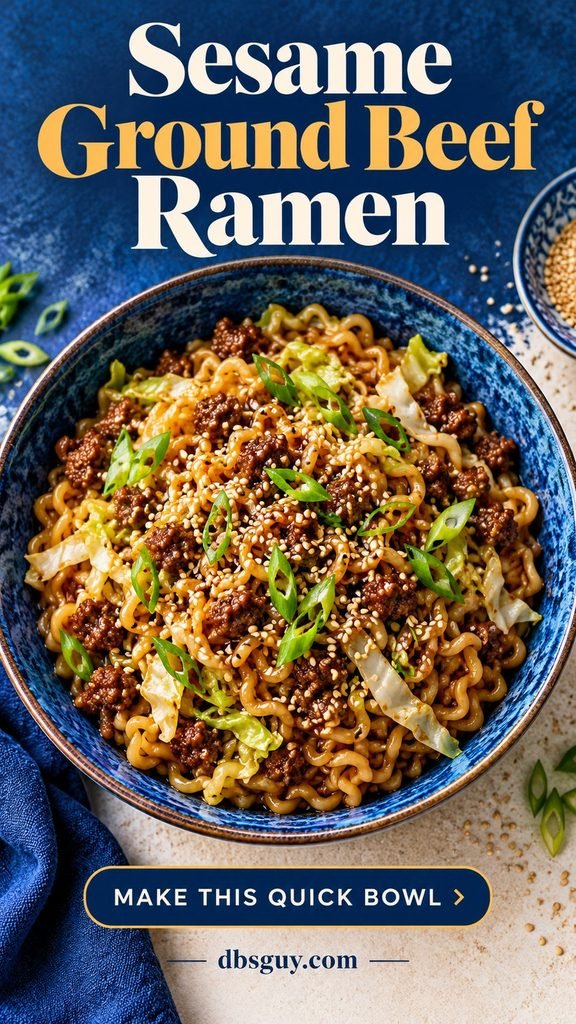
9. Sesame Ground Beef and Cabbage Ramen
This is a dry-style ramen noodle bowl with cabbage folded into the beef. A little broth loosens the sauce without turning the dish into soup.
Yield: 2 servings · Estimated total time: 30 minutes
Ingredients
- 12 oz 90% lean ground beef
- 6 oz dry ramen noodles, seasoning packets omitted
- 2 cups finely shredded green cabbage
- 2 tsp neutral oil
- 2 garlic cloves, minced
- 2 tsp grated ginger
- 2 tbsp reduced-sodium soy sauce
- 1 tbsp hoisin sauce
- 1 tsp rice vinegar
- ⅓ cup low-sodium beef broth, plus more if needed
- 1 tsp toasted sesame oil
- 2 scallions, sliced
- 1 tsp sesame seeds
How to Make It
- Mix soy sauce, hoisin, vinegar, and broth in a small bowl. Heat neutral oil in a large skillet over medium-high heat.
- Add beef and leave it undisturbed for about 2 minutes to begin browning. Break into crumbles and continue cooking until it reaches 160°F, about 6–8 minutes total. Spoon off excess rendered fat.
- Add cabbage and cook for 3–4 minutes until tender-crisp. Stir in garlic and ginger for 30 seconds, then pour in the sauce and simmer for 1 minute.
- Meanwhile, cook the noodles according to their package and drain. Add to the skillet with sesame oil and toss for 1 minute. Add a splash of broth if needed, then divide into bowls and scatter with scallions and sesame seeds.
Cook’s note: Slice cabbage finely enough to cook quickly. Large chunks stay stiff while the noodles soften, which makes the finished bowl awkward to eat.
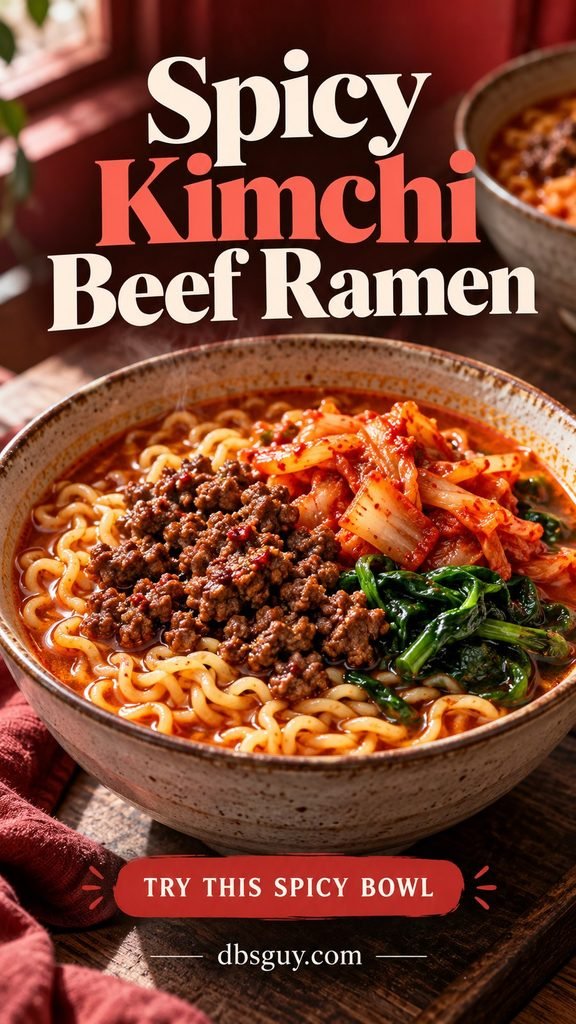
10. Spicy Kimchi Beef Ramen
Kimchi brings tang as well as chili heat. Since both kimchi and its brine are salty, taste the broth before reaching for soy sauce.
Yield: 2 servings · Estimated total time: 30 minutes
Ingredients
- 12 oz 90% lean ground beef
- 6 oz dry ramen noodles, seasoning packets omitted
- 4 cups low-sodium beef broth
- ¾ cup chopped napa cabbage kimchi
- 1 tbsp kimchi brine
- 2 cups baby spinach
- 1 tsp neutral oil
- 2 garlic cloves, minced
- 1 tsp grated ginger
- 1 tsp toasted sesame oil
- 2 scallions, sliced
- Up to 1 tsp reduced-sodium soy sauce, only if needed
How to Make It
- Heat neutral oil in a saucepan over medium-high heat. Brown beef for about 6–8 minutes, breaking into crumbles, until it reaches 160°F. Spoon off excess fat.
- Add kimchi and cook for 2 minutes. Stir in garlic and ginger for 30 seconds, then add broth and kimchi brine.
- Simmer for 5 minutes. Add spinach and cook until wilted. Taste and add soy sauce only if the broth needs it.
- Cook and drain noodles according to the package. Divide into bowls, pour over the soup, and finish with sesame oil and scallions.
Cook’s note: Kimchi varies in heat, acidity, and ingredients. Check the label for fish or shellfish if those are an allergy concern. Cooking it here is for flavor; this recipe makes no probiotic claim.
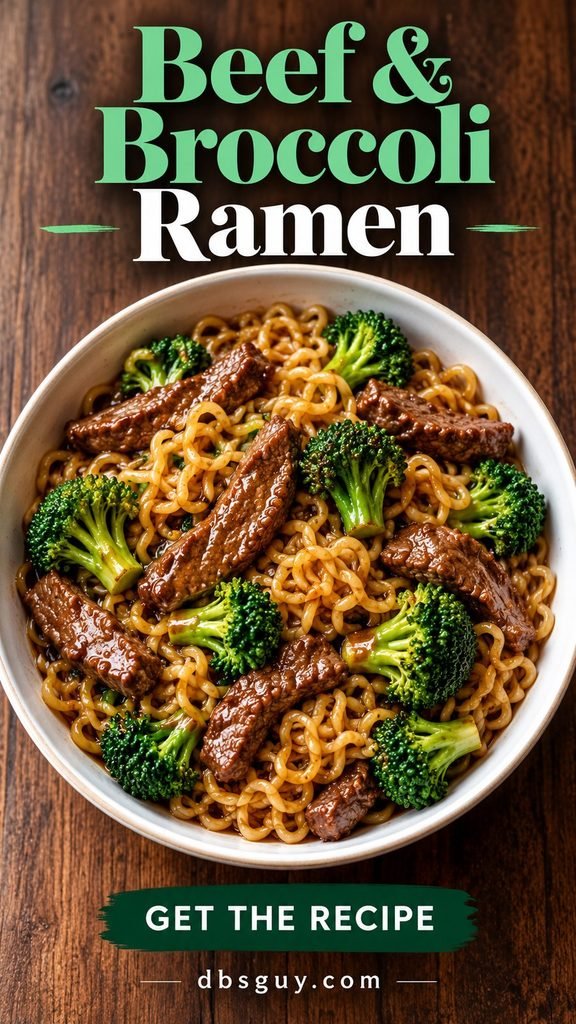
11. Beef and Broccoli Saucy Ramen
Think of this as a beef-and-broccoli stir-fry served with ramen noodles. Cornstarch gives the sauce a light cling, so every strand carries flavor.
Yield: 2 servings · Estimated total time: 35 minutes
Ingredients
- 12 oz raw flank steak, thinly sliced across the grain (or kept whole for the thermometer-friendly option in the cook’s note)
- 6 oz dry ramen noodles, seasoning packets omitted
- 3 cups small broccoli florets
- 1 tbsp neutral oil, divided
- 2 garlic cloves, minced
- 2 tsp grated ginger
- 2 tbsp reduced-sodium soy sauce
- 1 tbsp oyster sauce
- ½ cup low-sodium beef broth
- 1 tsp brown sugar
- 1 tsp cornstarch mixed with 1 tbsp cold water
- 2 scallions, sliced
How to Make It
- Whisk soy sauce, oyster sauce, broth, and sugar together. Heat 1 tsp oil in a large skillet over medium-high heat. Add broccoli and 2 tbsp water, cover for 2–3 minutes, then uncover and cook until the water evaporates. Transfer broccoli to a plate.
- Add remaining oil. Sear beef in two batches so it browns rather than steams. Use a thin-tip thermometer where possible to check that the thickest strips reach at least 145°F; rest on a clean plate for at least 3 minutes.
- Reduce heat to medium. Add garlic and ginger to the skillet and stir for 30 seconds. Pour in the sauce, bring to a simmer, then stir in the cornstarch slurry. Simmer for 1–2 minutes until lightly thickened.
- Cook and drain noodles according to the package. Return rested beef and broccoli to the skillet with the noodles. Toss just until hot and coated, then finish with scallions.
Cook’s note: For easier temperature measurement, cook the flank steak as a whole piece to 145°F, rest for 3 minutes, and slice it afterward. Oyster sauce may contain shellfish; mushroom-based stir-fry sauce is a flavor alternative, but check its label too.
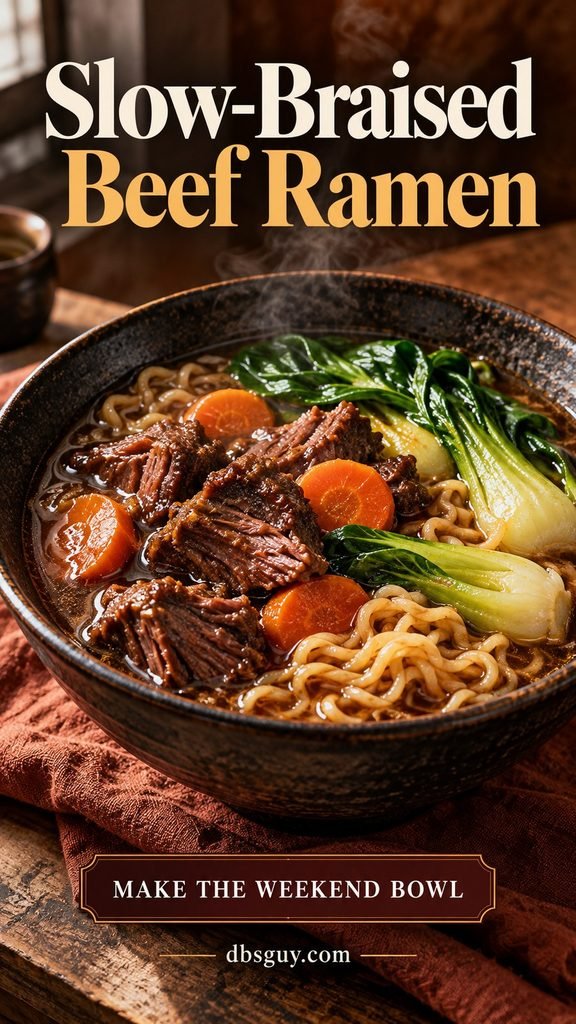
12. Slow-Braised Beef Ramen
Chuck needs time rather than a quick sear-and-slice treatment. This is the weekend option: the broth takes on the flavor of the beef as it becomes fork-tender.
Yield: 2 servings · Estimated total time: About 3 hours
Ingredients
- 12 oz boneless beef chuck, trimmed and cut into 1½-inch chunks
- 6 oz dry ramen noodles, seasoning packets omitted
- 5 cups low-sodium beef broth, plus water as needed
- 1 tbsp neutral oil
- ½ medium yellow onion, sliced
- 3 garlic cloves, smashed
- 1 tbsp grated ginger
- 1 tbsp reduced-sodium soy sauce
- 1 medium carrot, cut into ¼-inch coins
- 2 baby bok choy, stems sliced and leaves separated
- 2 scallions, sliced
How to Make It
- Pat beef dry. Heat oil in a small Dutch oven over medium-high heat and brown the chunks in batches, about 6–8 minutes total. Transfer to a plate.
- Reduce heat to medium. Cook onion for 4 minutes, add garlic and ginger for 30 seconds, then pour in broth and soy sauce. Scrape up the browned bits and return beef and its juices to the pot.
- Bring to a simmer, cover, and cook over low heat for about 2–2½ hours, stirring occasionally, until the beef is easily pierced with a fork. Add hot water if the liquid falls below the meat. Tenderness may require extra time.
- Add carrot and simmer, covered, for 10–15 minutes until tender. Add bok choy stems for 3 minutes and leaves for the last minute. Taste the broth; if it has reduced heavily, dilute with hot water to about 4 cups of serving broth.
- Cook and drain noodles separately according to the package. Divide into bowls and top with beef, vegetables, broth, and scallions.
Cook’s note: Chuck can reach a safe temperature long before its connective tissue softens. If it is still chewy, continue the gentle braise; do not try to fix it by boiling the noodles longer in the pot.
13. Beef and Chicken Double-Protein Ramen
Use smaller amounts of two meats for a mixed bowl, with edamame for another texture. Cooking the chicken and beef separately keeps their different safety temperatures straightforward.
Yield: 2 servings · Estimated total time: 35 minutes

Ingredients
- 6 oz boneless, skinless chicken breast, pounded to ½-inch thickness
- 6 oz 90% lean ground beef
- 6 oz dry ramen noodles, seasoning packets omitted
- 4 cups low-sodium chicken broth
- ½ cup frozen shelled edamame
- 2 cups baby spinach
- 2 tsp neutral oil, divided
- 2 garlic cloves, minced
- 2 tsp grated ginger
- 1 tbsp white miso
- 1 tsp reduced-sodium soy sauce, plus more only if needed
- 2 scallions, sliced
How to Make It
- Heat 1 tsp oil in a skillet over medium-high heat. Cook chicken for about 5–7 minutes per side, until it reaches 165°F. Set on a clean plate and rest for 5 minutes.
- Add remaining oil and ground beef to the skillet. Break into crumbles and cook for about 6–8 minutes until it reaches 160°F. Spoon off excess fat, then stir in garlic and ginger for 30 seconds.
- In a saucepan, bring broth and soy sauce to a simmer. Add edamame and cook for the time directed on its package. Add cooked beef and spinach; stir until the spinach wilts.
- Cook and drain noodles according to their package. Take the broth off the heat. Whisk miso with ¼ cup hot broth and stir it back in. Divide soup over the noodles and top with sliced chicken and scallions.
Cook’s note: Two meats do not automatically mean twice the protein. This recipe keeps the total raw meat at 12 oz for two servings, just like most bowls above; the difference is variety.
Make-Ahead and Leftover Tips
For soup recipes, keep cooked noodles separate from the broth and meat. Combine them when reheating so the noodles absorb less liquid during storage. Keep cucumber, herbs, and other crisp toppings in their own container.
Refrigerate perishable ingredients and leftovers promptly, within 2 hours of cooking or serving, or within 1 hour when the air temperature is above 90°F. Divide soup into shallow containers rather than leaving a large pot on the counter to cool. Keep the refrigerator at 40°F or below and use refrigerated cooked meat and soup within 3–4 days.
Reheat only the portion you need to 165°F, stirring so it heats evenly. Add water or broth if the noodles have absorbed the liquid. For longer storage, freeze the cooked broth and meat without noodles, thaw in the refrigerator, and cook fresh noodles when serving. Creamy sauces may separate after freezing; whisk them as they warm.
Frequently Asked Questions
Can I use instant ramen?
Yes. Use the noodle cakes and leave out the flavor packets. The recipes already include their own broth or sauce. Check the noodle weight: two packets do not always equal 6 ounces.
Can I use rotisserie chicken?
Yes. The coconut-lime recipe is written for cooked chicken. For other chicken recipes, replace 12 ounces raw chicken with about 10 ounces cooked shredded chicken, skip the raw-chicken cooking step, and heat the cooked chicken in the broth or sauce to 165°F. This is an approximate yield substitution, not an exact nutritional equivalent.
How can I add more protein without adding more noodles?
Add ½ cup cooked shelled edamame per bowl, using its package instructions to cook it first. Alternatively, increase the meat portion and cook it in batches so the pan stays hot. Either change affects the portion size and nutrition; extra ingredients may also need more broth or sauce.
Are these traditional Japanese ramen recipes?
They are home-cooking shortcuts and ramen-inspired variations. Gochujang, kimchi, coconut-lime, and peanut bowls deliberately use flavors from outside traditional Japanese ramen styles. The dry-style bowls use ramen noodles but are not ramen soup.
Can I make them gluten-free?
Use gluten-free noodles and check every sauce and broth label. Standard wheat ramen, soy sauce, many miso blends, gochujang, hoisin, and oyster sauces may contain wheat or barley. Tamari is only suitable when its label confirms it is gluten-free. Rice noodles have different cooking needs, so follow their package directions.
What should I do if the broth is too salty?
Add hot water or unsalted broth a little at a time, tasting as you go. Lime or vinegar can balance flavor but will not remove sodium. Avoid adding a seasoning packet on top of the measured seasonings.
Choose One Bowl for Tonight
Start with ginger-garlic chicken for a straightforward soup, peanut chicken for a creamy saucy bowl, or sesame ground beef when you want to use pantry sauces and cabbage. Save the chuck recipe for a day when you can let the beef become properly tender.