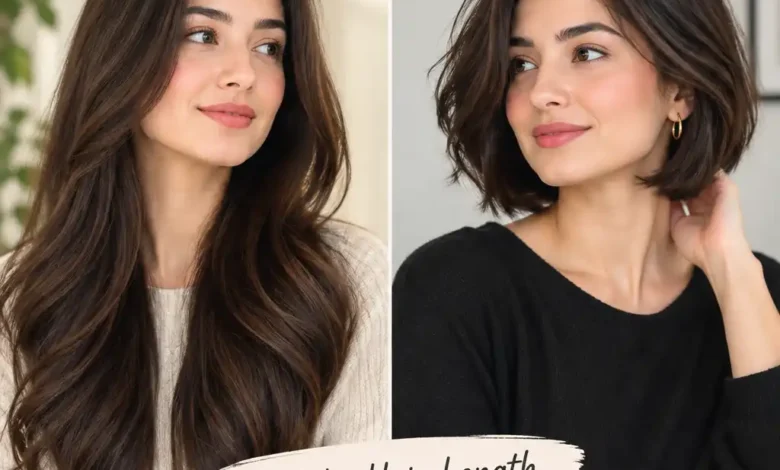
Choosing between long hair and short hair is a personal decision. Your choice often depends on your daily routine, natural texture, and the level of confidence you feel before the mirror.
Understanding the long hair vs short hair debate requires more than following current trends. You must balance your face shape with the practical maintenance your lifestyle demands.

This guide offers a comprehensive look at the long hair vs short hair transition. It explores salon consultations and daily care routines, helping you feel empowered to choose the best look for your aesthetic.
Key Takeaways
- Personal style should always prioritize your comfort and daily schedule.
- Face shape plays a vital role in determining which length frames your features best.
- Maintenance requirements vary significantly between different styles and textures.
- Consulting with a professional stylist helps bridge the gap between inspiration and reality.
- Confidence is the most important accessory when trying a new look.
What to Consider Before Choosing a Hair Length
Choosing the right hair length means more than following an online trend. A celebrity photo may look stunning, but your hair length comparison should reflect how your hair behaves in daily life. Consider your goals before sitting in the stylist’s chair.

Define the Look You Want to Create
Begin by identifying the vibe you want to project. Do you prefer a polished and professional aesthetic or something more romantic and soft? You may want a dramatic change that feels expressive and bold.
Avoid choosing a style based only on a filtered image. Consider your natural texture and how your hair moves. A style that looks effortless on someone else may require significant effort for your hair type.
Balance Appearance With Everyday Practicality
A useful hair length comparison requires examining your daily routine. Weigh a cut’s visual appeal against the time you can spend styling each morning. If you value extra sleep, a low-maintenance cut may be your best choice.
Consider Your Time, Budget, and Styling Confidence
Your lifestyle determines how much maintenance you can realistically handle. High-fashion cuts often require frequent salon visits and specific professional products to maintain their shape. Be honest about your styling confidence: do you enjoy learning techniques, or prefer a “wash and go” approach?
| Factor | Short Hair | Long Hair |
|---|---|---|
| Styling Time | Fast | Moderate to High |
| Salon Frequency | High (Every 4-6 weeks) | Low (Every 8-12 weeks) |
| Product Usage | Minimal | High |
| Versatility | Limited | High |
Ultimately, the best hair length comparison reflects your personal comfort. Choosing a length that fits your budget and schedule can increase your confidence in your new look.
Long Hair vs Short Hair: The Essential Hair Length Comparison
Understanding how hair lengths differ is the first step toward finding your signature style. A thoughtful hair length comparison shows how each cut frames your face and affects daily life. Whether you prefer the natural swing of long locks or the bold precision of a short crop, your choice shapes your aesthetic.
How Long and Short Hair Differ in Shape and Movement
Long hair is often valued for its weight and fluid motion. It creates a sense of length and elegance, letting the hair swing naturally as you move. This length frames the body, draws the eye downward, and softens your overall silhouette.
In contrast, short hair emphasizes the structure of your face and neck. Removing excess weight highlights your jawline and cheekbones with sharp, clean lines. Short styles define facial features in a way long hair cannot, making them popular for those who want to showcase their faces.

Comparing Versatility, Upkeep, and Styling Options
When comparing long hair vs short hair, consider the trade-offs between styling flexibility and maintenance. Long hair offers endless possibilities for braids, updos, and ponytails, ideal for those who enjoy changing their look daily. However, this versatility requires consistent detangling and longer drying times.
Short hair requires a different commitment. You save time washing and drying, but you may need more frequent salon visits to maintain the cut’s shape. If your hair grows quickly, a short style can lose its intended look within just a few weeks.
When a Medium-Length Cut Offers the Best Compromise
If you feel torn between these two extremes, a medium-length cut may offer the perfect solution. This length leaves enough hair for a ponytail while providing the manageability of a shorter style. It offers the movement you desire without the heavy maintenance of very long hair, making it practical for busy lifestyles.
How Your Face Shape Affects the Best Hair Length
Knowing your facial structure can help you choose a hair length that suits you. Stylists often use geometry, but your personal style should guide the final choice. Treat face shape as a compass, not a rulebook that restricts creativity.

Styles for Oval and Oblong Face Shapes
Oval faces offer great versatility because they suit almost any length. With an oblong face, avoid excessive length that may pull features downward. Strategic volume at the sides can add width and create better balance.
Choosing the right face shape hair length means highlighting your strongest features. A chin-length bob or shoulder-grazing cut often suits oblong faces. These styles keep the eye from moving downward, creating a fresh, lifted appearance.
Flattering Cuts for Round and Square Faces
Round and square faces benefit from styles that add height or lengthen the silhouette. Long, sleek layers make excellent flattering haircuts because they guide the eye vertically. A deep side part can also interrupt a round face’s symmetry.
For square faces, the main goal is usually softening the jawline. Wispy ends and soft waves can reduce the impact of a strong jaw. Hair slightly longer than the chin creates a flowing frame around your natural bone structure.
Choosing Length for Heart-Shaped and Diamond Faces
Heart-shaped faces often have a wider forehead and narrower chin. To restore balance, stylists often recommend fullness around the jawline. A textured lob or mid-length cut with soft movement adds volume where it is most useful.
Diamond faces have high cheekbones, plus narrower foreheads and chins. Styles that expose those angles can look striking. Keeping hair away from the face or adding face-framing layers highlights the cheekbones. Avoid heavy, blunt bangs that conceal these features.
Use Layers, Bangs, and Part Placement to Adjust Proportions
You do not need a major haircut to change your appearance. Moving your part or adding a few face-framing layers can transform how your hair falls. These techniques adapt any length to your individual needs.
“The most beautiful hair is the kind that makes you feel confident, regardless of what the geometry books say about your face shape.”
| Face Shape | Recommended Length | Styling Tip |
|---|---|---|
| Oval | Any length | Experiment freely |
| Round | Longer than chin | Add vertical volume |
| Square | Shoulder length | Soft, wispy layers |
| Heart | Chin to collarbone | Add width at jaw |
Ultimately, the best flattering haircuts help you feel like your best self. These guidelines offer a strong foundation, but consider your hair texture and lifestyle. Your face shape hair length is only one part of creating a look you truly love.
Match Hair Length to Your Natural Texture
Before you visit the salon, consider how your natural hair texture dictates your haircut’s final look. Every strand has a distinct pattern that affects how it falls, moves, and responds to different lengths. Understanding these traits helps your chosen style look as appealing in reality as it does in your imagination.
Long Hair for Straight, Wavy, Curly, and Coily Textures
Longer lengths add weight, which can elongate wavy or curly patterns. For straight hair, added length creates a sleek, polished look that highlights shine and health. However, if your hair is curly or coily, extra length can control volume by drawing it downward and creating a more controlled silhouette.

Short Hair Considerations for Fine and Thick Hair
When choosing a short cut, hair density becomes a primary concern. Fine hair often benefits from blunt, shorter cuts that create the illusion of thickness and fullness. Conversely, thick hair may need strategic debulking or carefully placed layers to prevent a “triangle” shape, rather than excessive thinning shears.
How Shrinkage and Hair Density Change the Final Length
You must account for coily hair shrinkage when choosing a new style. Because tightly coiled hair contracts, the curly hair length you see when wet will look significantly shorter after drying. High-density hair also occupies more space, so a short cut may look much wider than expected without proper weight balance.
Why a Texture-Specialized Consultation Matters
A professional stylist who understands your specific texture can prevent common cutting mistakes. They know how much length to leave at the ends for spring-back and volume. Always prioritize a consultation to discuss your daily styling routine and your hair type’s specific needs.
| Texture Type | Length Impact | Best Styling Approach |
|---|---|---|
| Straight | High shine, low volume | Blunt cuts for density |
| Wavy | Moderate movement | Long layers for shape |
| Curly | High shrinkage | Dry cutting for accuracy |
| Coily | Maximum shrinkage | Shape-focused, layered cuts |
Choose a Length That Fits Your Lifestyle
Whether you hit the gym or head to the office, your hair length should support your lifestyle, not hinder it. Finding the perfect balance between style and convenience begins with an honest review of your daily habits. Aligning your cut with your routine keeps your hair a source of confidence instead of stress.

Hair Length for Active Workouts and Outdoor Activities
If you lead an active life, consider how your hair behaves during movement. Long hair can be pulled into a ponytail, braid, or bun, keeping it away from your face during intense exercise. However, account for humidity and sweat, which can change its texture.
For those who prefer active lifestyle hairstyles, short cuts often work well because they dry quickly after a workout. If you frequently wear helmets for cycling or hats for outdoor sports, a shorter, low-maintenance hair option prevents tangles and keeps you comfortable. Before making a major change, consider how your hair interacts with your gear.
Managing Hair During Busy Mornings and Travel
Time is precious when you rush to get ready or navigate a busy travel schedule. Travel-friendly haircuts look polished with minimal effort, leaving less time before the mirror. A well-cut bob or textured crop can look great with a quick finger-comb or a small amount of product.
If you travel often, consider how your hair responds to different climates. High humidity can turn a sleek style into a frizzy mess, while dry air may leave hair feeling brittle. A cut that works with your natural texture helps you maintain a polished look while on the go.
Matching Your Cut to Workplace and Dress Expectations
Your professional environment often sets the polish required for your daily look. Although many workplaces are more relaxed, some industries still favor classic, structured styles that convey order. An appropriate cut should remain easy to maintain throughout the workday without constant touch-ups.
Use the table below to decide which length best matches your daily requirements:
| Lifestyle Factor | Long Hair Benefits | Short Hair Benefits |
|---|---|---|
| Workout Ease | Easy to secure in a bun | Dries quickly after sweat |
| Morning Routine | Versatile styling options | Fast wash and dry time |
| Travel Needs | Protective styles available | Compact and low-maintenance |
| Workplace Style | Classic, elegant updos | Modern, sharp, and tidy |
Benefits of Long Hair
The benefits of long hair include creative styling choices that shorter cuts cannot match. Extra length supports either a sleek, professional look or a relaxed, bohemian mood in your daily routine. Choosing it celebrates elegance and personal expression.

More Styling Possibilities for Ponytails, Braids, and Updos
Many people choose long hairstyles because they offer a wide range of looks. You can move from a polished high ponytail at the gym to an intricate braided crown for dinner. Extra length supports complex updos that stay secure without excessive hairspray or pins.
Heatless styling offers another major advantage. With enough length, you can make soft waves by braiding damp hair overnight or using silk rollers. This method protects hair health while creating beautiful, natural texture that lasts throughout the day.
Ways Long Layers Add Movement Without Removing Too Much Length
If you want to avoid a heavy, one-length look, incorporating long layers offers an effective solution. These layers remove weight from the ends, helping hair swing naturally instead of looking flat. Strategic cutting creates volume and bounce while preserving the length you worked hard to grow.
“Long hair is a powerful accessory that allows you to change your entire aesthetic with just a few simple twists and turns.”
How Long Hair Supports Seasonal and Occasion-Based Styling
Long hair adapts easily to changing seasons. During summer, a chic top knot or loose, messy bun can keep your neck cool. When cold weather arrives, your hair acts as a natural scarf, offering extra warmth and comfort.
For formal occasions, long hair offers unmatched flexibility. You can create elegant chignons, cascading curls, or sophisticated half-up styles to complement any outfit. This versatility provides a suitable look for every event, from a casual brunch to a black-tie gala.
Trade-Offs to Consider Before Growing Your Hair Out
Although the aesthetic rewards are significant, the commitment deserves an honest assessment. Growing hair requires patience while you manage the transition phase and potential split ends. Detangling also takes longer, and drying your hair after a shower can become a lengthy process.
Long hair can also feel heavy for people with very thick strands. A consistent care routine is essential for keeping it healthy and manageable as it gains length.
| Feature | Short Hair | Long Hair |
|---|---|---|
| Styling Versatility | Limited | High |
| Drying Time | Fast | Slow |
| Maintenance Effort | Low | High |
| Heatless Options | Minimal | Extensive |
Advantages of Short Hair
Short hairstyles combine daily convenience with a bold, distinctive look. Many people find that the advantages of short hair extend beyond a faster morning routine. A shorter length can highlight facial features while creating a lighter, more manageable style.

Faster Washing, Drying, and Daily Styling
A shorter cut reduces daily maintenance. Washing and conditioning take less time because less hair requires coverage. Quick drying times may even let you skip the blow dryer.
Shorter hair also requires fewer styling products to create your desired look. This efficiency suits busy schedules and active lifestyles. You can spend less time before the mirror and more time enjoying your day.
How Short Cuts Create Definition and Visual Volume
Short cuts can create the illusion of greater thickness and body. Removing weight from long, heavy strands allows the roots to lift naturally. This creates a dynamic shape that looks full and healthy without excessive heat styling.
Strategic layers can strengthen this effect by adding texture and movement. Whether your hair is fine or thick, a well-executed cut provides structure. The result looks vibrant, balanced, and intentional.
Expressing Personality With Bobs, Pixie Cuts, and Crops
Hair offers a powerful form of self-expression, and short styles provide remarkable variety. Classic bobs create a timeless, sophisticated silhouette for almost any occasion. For a bolder choice, pixie cuts create a chic, edgy look that emphasizes the eyes and cheekbones.
Short crops showcase personal style with minimal effort. They let you explore textures ranging from sleek and polished to messy and piecey. The right shape can reflect your personality and confidence.
Understand the Commitment of Frequent Shape Maintenance
Short hair offers convenience, but it is not maintenance-free. To keep your style sharp, commit to regular salon visits for trims. Short cuts depend on precise lines, so modest growth can alter their intended shape.
Plan to visit your stylist every four to six weeks to maintain your look. Consistent upkeep keeps your hair healthy and preserves its intended frame around your face.
Hair Care Requirements at Different Lengths
Healthy, vibrant hair begins with understanding the demands of your chosen style. Basic hygiene stays consistent, but techniques vary significantly with hair length.
Building a Care Routine for Long Hair
With significant length, your main goal is protecting the hair shaft from root to tip. Long hair care requires a gentle touch because older ends need hydration and strength.
Prevent Breakage With Detangling, Conditioning, and Protective Styling
Detangle from the bottom upward with a wide-tooth comb to reduce stress on each strand. Deep conditioning is essential because scalp oils may not reach long hair ends. Wear protective styles, such as loose braids, at night to limit mechanical damage during sleep.

Maintaining Scalp Health With Short Hair
Short styles need a different focus because the scalp has greater exposure to environmental factors. Effective short hair care keeps the skin clean and balanced to support healthy growth.
Adjust Washing and Product Use for Increased Scalp Exposure
Short hair absorbs less oil than longer styles, so your scalp may need more frequent cleansing. Avoid heavy products that can clog pores or irritate the scalp. Choose lightweight formulas that add texture without leaving a greasy residue.
Universal Hair Care Tips for Any Length
Several hair care tips apply to every style and texture. Consistency helps your hair maintain its best appearance throughout the year.
- Choose products specifically formulated for your natural hair texture.
- Minimize the use of high-heat styling tools to prevent long-term damage.
- Schedule regular trims to remove split ends before they travel up the hair shaft.
- Adjust your washing frequency based on your activity level and oil production.
The following table compares the main maintenance priorities for long and short styles. Use it to refine your routine.
| Feature | Long Hair Focus | Short Hair Focus |
|---|---|---|
| Primary Concern | Hydration of ends | Scalp cleanliness |
| Detangling | Bottom-up approach | Minimal effort |
| Product Choice | Rich, moisturizing | Lightweight, texturizing |
| Maintenance | Protective styling | Frequent refreshing |
Styling Long Hair for Everyday Wear
Mastering the art of styling long hair need not become a time-consuming chore. With the right approach, you can create a polished look that suits your busy schedule.
Easy Looks for Work, School, and Casual Days
On rushed mornings, simple long hair styling ideas can save the day. A classic low ponytail or loose, messy bun keeps hair away from your face while looking intentional and chic.
If you prefer wearing your hair down, try a half-up, half-down style with a small claw clip. It keeps the front sections tidy while letting the rest flow naturally.

Heat Styling, Air-Drying, and Damage Reduction
Protecting your strands supports healthy growth. Whenever possible, embrace heatless hairstyles to give your hair a break from thermal tools.
“Healthy hair is the best accessory you can wear, so treat it with kindness every single day.”
If you must use a blow dryer or iron, apply a high-quality heat protectant spray first. Air-dry your hair until it is slightly damp, then use a low-heat setting to reduce potential damage.
Creating Volume Without Losing Length
Many people worry that adding volume requires cutting layers, but that is not always true. Create the illusion of thickness with dry texturizing spray at the roots.
Another effective method involves flipping your head upside down while brushing your hair. This simple trick lifts the roots and adds instant body, supporting your long hair styling ideas without sacrificing hard-earned length.
Use Accessories to Change the Look Without a Haircut
Accessories are the ultimate secret weapon for styling long hair. A silk scrunchie, decorative headband, or stylish bobby pins can transform your look within seconds.
- Use velvet ribbons for a soft, romantic vibe.
- Try metallic clips to add a modern edge to your outfit.
- Incorporate heatless hairstyles like overnight braids to wake up with effortless waves.
Rotating your accessories keeps your daily routine fresh and exciting. It lets you explore new trends while keeping your hair healthy and long.
Managing Short Hair From Day to Day
Managing short hair can turn your morning routine into a quick, creative process. Although shorter lengths may seem demanding, a well-cut style often needs less time than longer alternatives. Mastering a few core techniques helps you maintain a polished look with minimal effort.

Simple Styling Techniques for Bobs and Lobs
Bob hairstyles respond well to directional blow-drying and offer impressive versatility. Use a round brush to direct hair toward your face while drying, creating a smooth, rounded shape. For a sleeker finish, flat-iron selected sections to reduce frizz and add professional polish.
For a relaxed look, use a large-barrel curling iron to create subtle waves. This method adds movement to your lob without requiring a complete styling session. Always apply heat protectant to keep your ends healthy and vibrant.
Textured Styling for Pixie Cuts and Short Crops
Creating textured short hair depends on using your hands to build volume and definition. For pixie cuts, apply a small amount of styling cream to your fingertips. Gently scrunch the roots to encourage natural lift and movement.
Finger styling often works better than a comb for shorter lengths. It lets you place individual pieces precisely, creating a customized look that feels effortless. If your hair is fine, lift the roots to prevent the style from falling flat during the day.
Refreshing Short Hair Between Washes
Short hair commonly loses its shape while you sleep. To refresh flattened areas, lightly mist it with water or texturizing spray. Use your fingers to reshape the crown and sides, where compression occurs most often.
If you have oily roots, dry shampoo can provide an immediate volume boost. Apply it sparingly, wait a few seconds, then massage it into the roots. This simple step revives your style and extends the time between full washes.
Select Products by Hold, Finish, and Hair Texture
Choosing the right product is essential for lasting results. Rather than following trends, select products suited to your hair density and porosity. Light mousse works well for fine hair, while pomade or wax controls thicker, coarser textures.
- Matte finish: Best for a natural, lived-in look.
- High shine: Ideal for sleek bobs and formal occasions.
- Flexible hold: Perfect for styles that need to move throughout the day.
Consider your natural texture when choosing your styling arsenal. A product that suits a friend may not meet your needs, so prioritize performance over brand popularity. With the right tools, you can keep your hair fresh and intentional every day.
Hair Health, Growth Goals, and Major Changes
Achieving your dream hair length begins with a realistic assessment of your current hair condition. Before choosing a new style, assess whether your strands can withstand styling stress and the patience required for significant growth.
Decide Whether Your Hair Is Strong Enough to Grow Longer
If you are interested in growing hair longer, first check for signs of structural weakness. Run your fingers through your ends; brittle, rough, or easily broken strands may struggle to retain length.
Healthy hair should feel smooth and elastic. Excessive shedding or breakage during your daily routine means you should prioritize strengthening treatments over length. Consistent hair care tips, including deep-conditioning masks and limited heat, build resilience for long-term growth.

Prepare for a Big Chop or Major Length Change
Sometimes, the best way to reach your hair growth goals is to start fresh. A “big chop” removes years of chemical damage, split ends, and uneven layers that can diminish your hair’s appearance.
Cutting your hair short can feel like a major emotional shift, but it often brings relief. Your hair may feel thicker, healthier, and easier to manage. If you are not ready for a drastic change, use gradual trims to remove damaged sections while maintaining your preferred silhouette.
Manage Split Ends, Color Damage, and Uneven Growth
Maintaining hair health requires proactive damage control. Split ends do not heal; they travel up the hair shaft and cause further breakage. Regular dusting—a technique that trims only the tips—helps preserve length while removing damage.
- Use a wide-tooth comb to detangle wet hair gently.
- Apply leave-in conditioners to protect against environmental stressors.
- Avoid overlapping chemical dyes on previously colored ends.
- Sleep on a silk or satin pillowcase to reduce friction.
Set Realistic Timelines for Growing Hair Back
Patience is essential when you are growing hair longer. Most people grow about half an inch per month, although genetics and overall health cause variation.
| Growth Phase | Expected Time | Focus Area |
|---|---|---|
| Short to Bob | 6-9 Months | Shape maintenance |
| Bob to Shoulder | 12-18 Months | Moisture retention |
| Shoulder to Mid-back | 24+ Months | End protection |
Remember that your hair growth goals depend on a balanced diet and consistent routine. Prioritize scalp health so each new inch grows as strong as possible. Following these hair care tips helps keep your hair vibrant throughout every stage of your transformation.
Match Your Hair Length to Your Personal Style
Your hair is an essential accessory that completes your overall fashion identity. Choosing the right length helps create a signature hairstyle that feels true to you. When your cut complements your wardrobe, it creates a cohesive look and emphasizes your best features.

Soft, Classic, Edgy, and Minimalist Style Directions
Different personal style haircuts can change how others perceive your aesthetic. A soft, romantic look often suits long, flowing layers that gently frame the face. A classic style usually favors a polished bob or shoulder-length cut that remains timeless beyond passing fads.
For an edgy vibe, consider shorter, textured crops or asymmetrical cuts that demand attention. Minimalist fashion enthusiasts often choose clean, blunt lines for a sharp, intentional silhouette. These trendy haircuts support daily self-expression and keep your hair aligned with your mood.
How Hair Length Can Support Your Wardrobe and Accessories
Your hair length interacts with the clothes and accessories you wear each day. Long hair can soften high collars or heavy scarves, while shorter styles clear the neck for statement earrings or necklaces. If you wear glasses, a shorter cut can keep your hair from competing with your frames.
Consider how your hair proportions balance your outfit. A sleek, short cut complements structured blazers and professional attire, creating a balanced, sophisticated profile. Long, voluminous hair can add drama to flowing dresses or casual, layered outfits.
Choosing Between a Low-Commitment and Statement-Making Look
Choosing between a low-commitment style and a bold statement depends on your willingness to maintain it. Adjustable layers provide a flexible, low-maintenance option that grows out gracefully. They suit anyone who wants to experiment without frequent salon visits.
In contrast, a statement-making cut, such as a pixie or precise geometric bob, creates a strong visual identity. These styles require more upkeep but can provide powerful confidence. Use the table below to determine which direction best suits your current lifestyle needs.
| Style Direction | Recommended Length | Maintenance Level |
|---|---|---|
| Minimalist | Blunt Bob | Moderate |
| Edgy | Pixie or Undercut | High |
| Classic | Shoulder-Length | Low |
| Soft/Romantic | Long Layers | Low to Moderate |
Hair Length Trends Worth Considering
Social media is full of trendy haircuts, but the best choice should honor your unique features. A viral style may look exciting, yet true satisfaction comes from a look that fits your life. Focus on the haircut’s silhouette, not only its photo, to keep your hair a lasting source of confidence.

Current Long-Hair Trends With Wearable Layers and Texture
Modern long styles are shifting from blunt, heavy ends toward soft, lived-in movement. Current hair length trends favor face-framing layers that add volume without sacrificing overall length. These cuts look appealing even when air-dried, making them ideal for people who prefer a low-maintenance routine.
Popular Short-Hair Trends Including Bobs, Lobs, and Pixie Cuts
Short hair remains a powerhouse in current haircut trends, with the classic bob and versatile lob leading the way. These styles create a clean, polished look that suits almost any hair texture. Pixie cuts are also seeing a resurgence, often featuring longer, softer pieces around the ears and neck to create a feminine, approachable vibe.
How to Adapt Trends to Your Features Instead of Copying a Photo
When you bring a reference photo to your stylist, remember that your hair density, face shape, and growth patterns are unique. A professional can adjust the layer placement or bob weight to suit your specific needs. Personalization is the secret ingredient that turns a generic trend into a signature look.
Prioritize a Cut That Will Still Work After the Trend Changes
Always consider how a style will grow out before committing to a drastic change. A great haircut should look intentional at six weeks, just as it does when you leave the salon. Choose a shape that complements your natural features, so you remain happy with your hair after the initial trend fades.
| Trend Style | Maintenance Level | Best For | Longevity |
|---|---|---|---|
| Long Layers | Low | Wavy/Straight | High |
| Textured Bob | Medium | Fine/Medium | Medium |
| Modern Pixie | High | All Textures | Low |
| Blunt Lob | Medium | Thick/Straight | High |
How to Make Your Final Hair Length Decision
Choosing your ideal hair length balances personal style with daily reality. The process may feel overwhelming, but manageable steps can help you feel confident about the final choice.
Compare Your Priorities With a Simple Decision Checklist
Before visiting the salon, evaluate what matters most to your lifestyle. A haircut decision checklist helps you weigh the pros and cons of different lengths objectively.
Rate Maintenance, Styling, Versatility, and Personal Expression
Consider how much time you will dedicate to your morning routine. For a low-maintenance look, managing short hair may be your best path. If you enjoy experimenting with intricate updos, styling long hair offers endless creative possibilities.

| Feature | Long Hair | Short Hair |
|---|---|---|
| Maintenance | High | Low |
| Styling Time | Longer | Faster |
| Versatility | High | Moderate |
| Budget | Higher | Lower |
Bring the Right Information to Your Hairstylist
Clear communication helps achieve the look you envision. A professional stylist can provide a realistic hair length comparison based on your hair type and face shape.
Discuss Reference Photos, Texture, Growth Plans, and Daily Routine
Bring at least three clear reference photos to show your stylist exactly what you like. Be honest about your daily habits and the effort you actually give your hair. Discussing long-term growth plans ensures your current cut transitions well as it grows out.
Try a Low-Risk Change Before Committing
If you remain hesitant about a major transformation, several methods can help you test the change. A cautious approach can prevent “hair regret” and help ensure satisfaction with the final result.
Use Temporary Styling, Virtual Try-Ons, or a Gradual Trim
Virtual try-on apps can show how different lengths frame your face. Alternatively, use clip-in extensions to experience long hair vs short hair without cutting a single strand. If you prefer a shorter style, ask your stylist for a gradual trim and assess each stage.
Conclusion
Choosing the right style is a personal process shaped by your face shape, hair texture, and daily schedule. The choice between long hair vs short hair often depends on what makes you feel confident when you see yourself.
The benefits of long hair include creative freedom for anyone who enjoys intricate braids or seasonal updos. Long hair creates a versatile canvas that adapts easily to any occasion.
By contrast, the advantages of short hair include a streamlined routine that saves time during busy mornings. These cuts often emphasize facial features while creating a bold, polished look with minimal maintenance.
Share your specific goals with a professional stylist who understands your hair type. They can turn your vision into a cut that suits your lifestyle. Choose a style that supports your routine instead of following temporary trends.
Your hair remains a powerful form of self-expression. Embrace the length that reflects your personality, and enjoy refining your signature look.
## FAQ
### Q: How should I choose between long hair and short hair for my lifestyle?
A: When comparing hair lengths, consider your daily routine. If you hit the gym daily or face a busy morning commute, short hair washes and dries much faster. If you enjoy a ponytail or chic top knot with a Slip silk scrunchie, long hair may justify its extra maintenance.
### Q: What are the main benefits of long hair for styling?
A: Long hair offers a wide range of styling options. You can experiment with Dyson Airwrap curls, intricate boho braids, and sophisticated updos for formal events. It also serves as a “blank canvas” for seasonal changes, including face-framing layers that add movement without sacrificing overall length.
### Q: Is managing short hair actually easier than managing long hair?
A: Managing short hair depends on the look. Short hair uses less product and needs less blow-drying, but its shape requires more frequent salon visits. Pixie and blunt bob cuts can lose their silhouette quickly, so visit a salon like Aveda every 4 to 6 weeks for polish.
### Q: Which hair length trends are popular in the United States right now?
A: The United States is seeing a varied mix of hair length trends. For length lovers, the “Butterfly Cut,” with voluminous, 90s-inspired layers, remains a top choice. Short-style fans may prefer the “French Bob” or “Bixie,” a bob-and-pixie hybrid popular for its effortless, edgy vibe.
### Q: Do you have essential hair care tips for growing your hair?
A: Consistency is key when growing your hair. Use micro-trims to remove split ends without losing length, and apply Briogeo Don’t Despair, Repair! deep conditioner twice a month. Always use heat protectant before styling, so your ends stay healthy and strong as they reach your goal length.
### Q: How does face shape influence the long hair versus short hair decision?
A: Your face shape can guide a balanced choice. People with round or square faces often find that longer layers elongate the silhouette. Those with oval or heart-shaped faces can wear dramatic short crops that highlight the cheekbones and jawline. Consult a professional stylist to tailor a cut to your features and natural texture.