There is nothing quite like a live show. The lights drop, the first chord hits, and thousands of strangers suddenly feel like old friends. But the difference between a night you will remember forever and a night you spend queuing, dehydrated, and annoyed often comes down to a few small decisions you make before the music even starts. The good news is that every one of those decisions is easy once you know what to watch for. These sixteen mistakes show up at concerts and festivals again and again, and every single one of them is avoidable. Read through them before your next show, pack accordingly, and you will spend your evening exactly where you belong: lost in the music, comfortable, safe, and having the time of your life.
1. Not Reading the Venue Rules Before You Go
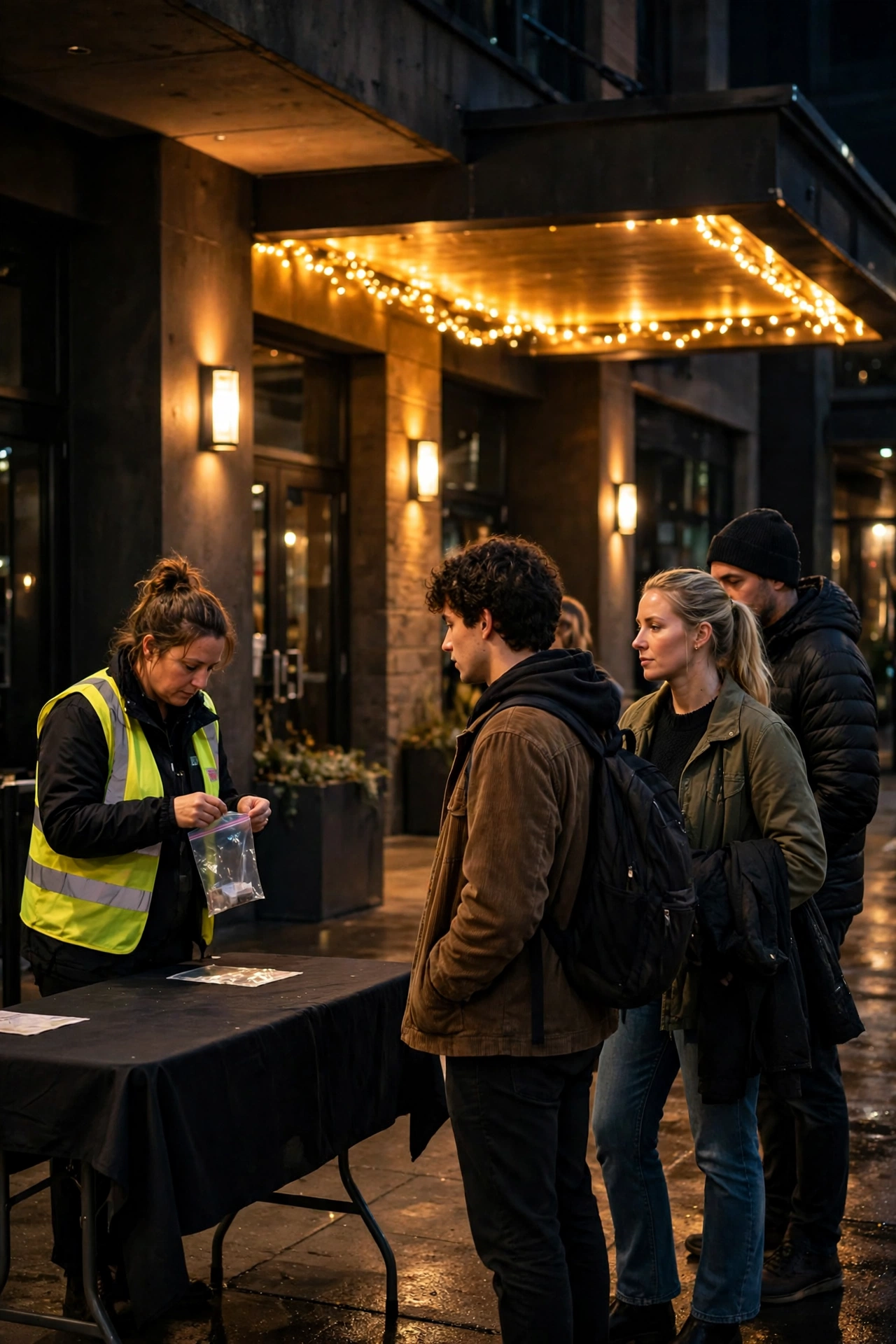
Every venue has its own rulebook, and assuming they are all the same is the fastest way to start your night in a bad mood. One arena bans backpacks but allows a small clear bag, the next one allows neither, and the outdoor festival down the road might ban professional cameras, umbrellas, and even sealed water bottles. The rules are almost always listed clearly on the venue’s website or the ticket confirmation email, so a two-minute check before you leave home can save you a long walk back to the car, a surprise coat-check fee, or the painful choice of throwing something away at the gate. Pay special attention to bag size limits, camera policies, and the list of prohibited items. If you are unsure about something, leave it at home or message the venue in advance. Arriving prepared means you glide through security while everyone else is arguing with the staff at the entrance.
2. Not Saving the Set Times Where You Can See Them
Festival phone service is famously unreliable. Tens of thousands of people in one field will overwhelm even the strongest signal, and the moment you actually need to check when your favourite act starts, the schedule page will refuse to load. The fix is wonderfully simple: screenshot the set times before you arrive and put the image on your lock screen. That way the information is available even with no signal and a dying battery, and you never have to unlock your phone to find it. While you are at it, take a screenshot of your ticket and any parking or entry instructions too. Sit down before the day begins and make a loose game plan with your group: which stages, which sets, and where you will meet if you split up. A little planning up front means you spend the day watching music instead of staring at a loading screen in frustration.
3. Showing Up Hungry and Thirsty
It is easy to get so excited about a show that food becomes an afterthought, but standing for hours on an empty stomach is a genuine recipe for trouble. Concerts involve long queues, long walks between stages, hours on your feet, and a lot of heat and noise, and your body burns through energy faster than you expect. Every year, people faint at shows simply because they skipped lunch and forgot to drink water. Eat a proper meal before you head out, something with real substance rather than just a snack, and drink a good amount of water before you arrive. Once inside, keep topping up. Food and drink inside a venue can be pricey and the queues can be long, so arriving fuelled means you only need the occasional top-up instead of a desperate hunt for food halfway through the headliner’s set.

4. Wearing Shoes You Cannot Stand In for Hours
That gorgeous pair of heels or those stiff brand-new boots might look perfect in the mirror at home, but a concert floor is a brutal place to break in footwear. Between the queue outside, the walk to the stage, several hours of standing, and all the dancing in between, your feet will be doing serious work all night. The wrong shoes turn a great evening into an exercise in endurance, and by the second song you will be thinking about your aching feet instead of the music. Choose shoes you have already worn for a full day and know you can trust. Comfortable trainers are the classic choice for a reason, and there are plenty of stylish options that will not leave you limping. If you absolutely must wear a statement pair, bring a comfortable backup in a small bag. Your future self, dancing pain-free at midnight, will be grateful.

5. Dressing for the Photo Instead of the Night
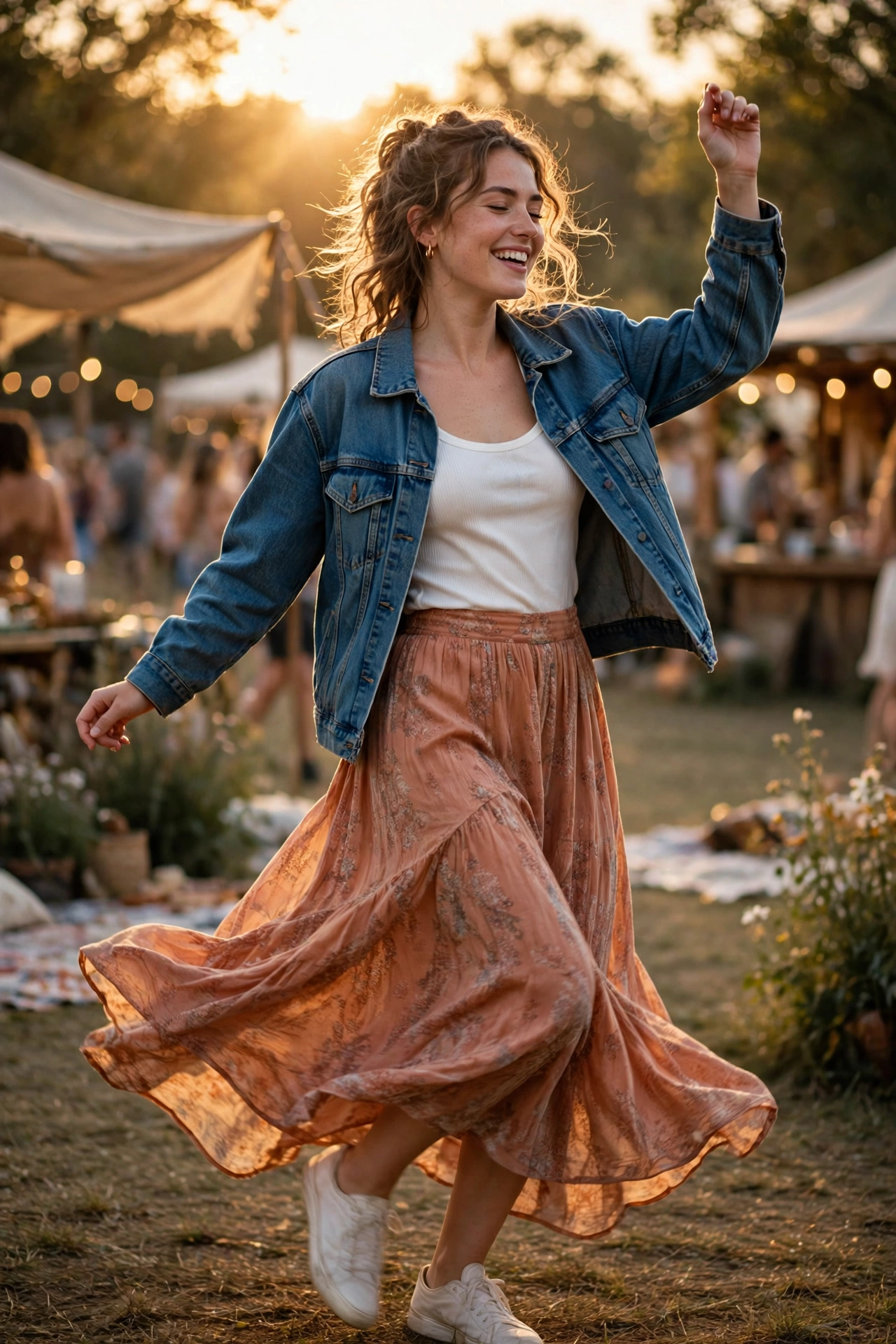
Concerts are one of the best excuses to have fun with your outfit. Themed looks, artist-inspired colours, glitter, and bold accessories are half the joy of a live show, and nobody is suggesting you turn up in your most boring clothes. The trick is to choose an outfit that looks great and still feels good after five hours of standing, dancing, and moving through crowds. A stunning outfit that pinches, rides up, overheats you, or needs constant adjusting will steal your attention all night. Pick fabrics that breathe, layers you can remove or add, and clothes you can move in freely. Test the outfit at home by walking around and dancing in it for a while. When your clothes work with you instead of against you, you can throw yourself into the show completely instead of fidgeting in the dark.
6. Skipping Ear Protection
Concerts are loud. Gloriously, thrillingly loud, and also loud enough to leave your ears ringing for days if you are standing near the speakers. Hearing damage from live music is real, and it is cumulative, which means the ringing you shrug off today can become a permanent problem over time. Earplugs are the easiest protection in the world: they are small, cheap, and modern concert earplugs are designed to lower the volume evenly without turning the music into a muffled mess. You will still hear every note, just at a level your ears can handle. Keep a pair in your bag or pocket and pop them in when the volume ramps up, especially if you are close to the stage. There is nothing uncool about protecting your hearing. Your future self, still enjoying music decades from now, will thank you for it.

7. Forgetting a Portable Charger
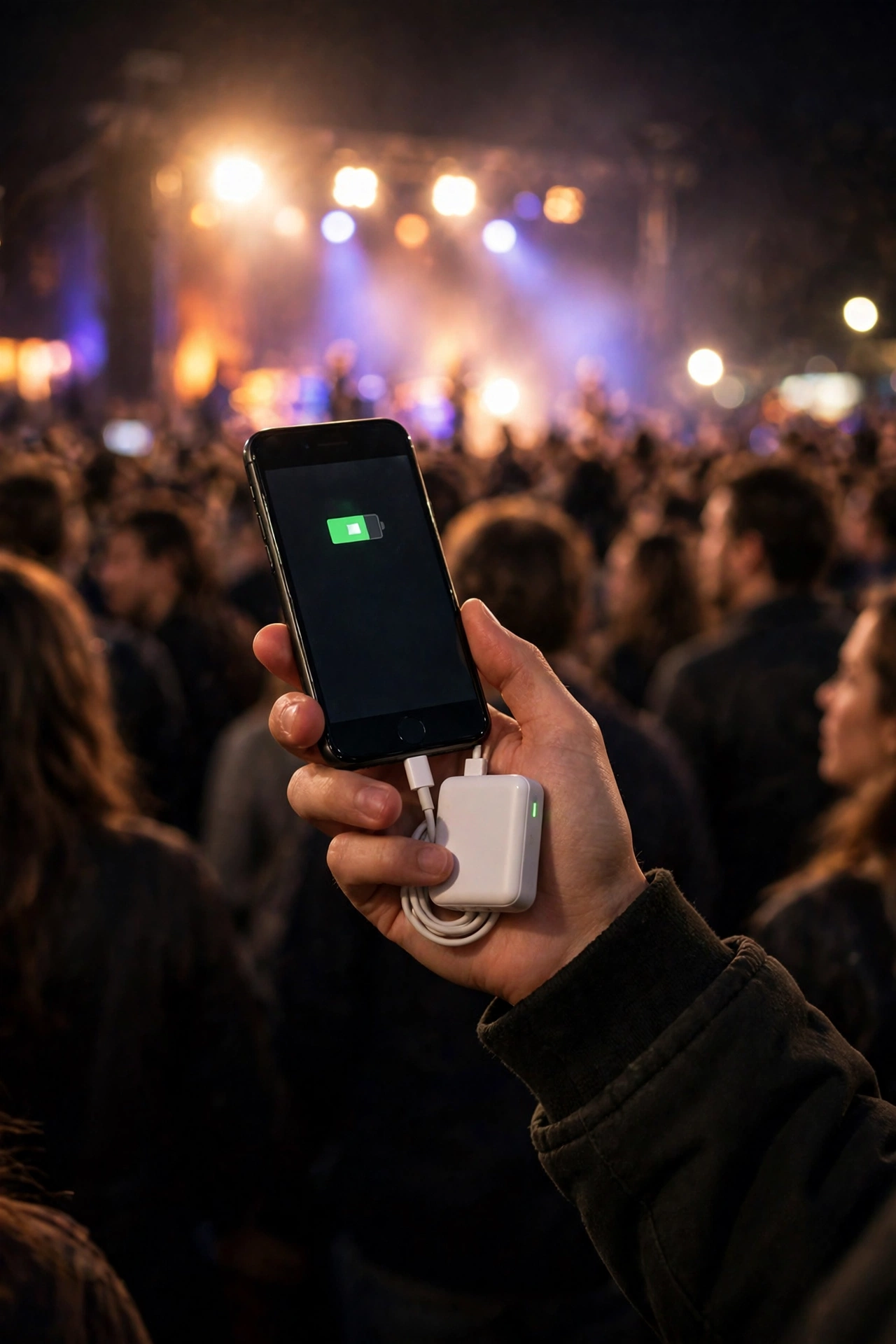
Your phone is your ticket, your map, your camera, your way to find your friends, and your ride home, and a concert is one of the hardest places to keep it alive. Between photos, videos, messages, and the constant searching for signal that drains a battery fast, a full charge at the start of the night can easily be gone by the encore. Nobody wants to be the person asking strangers for a charger or realising they cannot call their ride home. A small portable charger and a short cable weigh almost nothing and fit in any bag or pocket, and they turn a potential disaster into a non-event. Charge the power bank the night before, and keep it somewhere easy to reach. It is one of those items you will barely notice carrying and will be enormously relieved to have when your battery icon turns red.
8. Ignoring the Weather Forecast
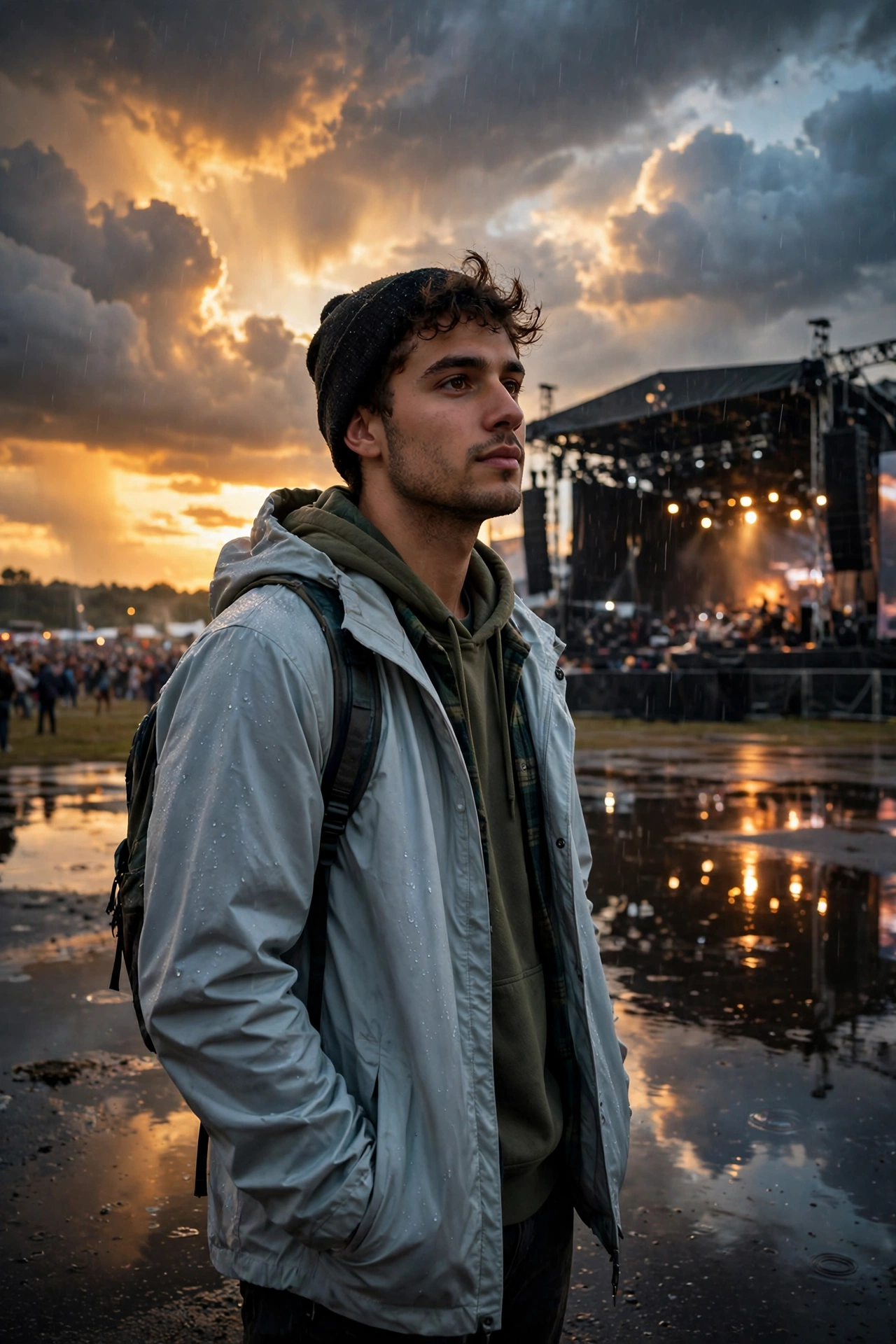
Outdoor shows live and die by the weather, and the forecast on the morning of the festival is the single most useful thing you can check. A sunny afternoon can turn into a cold, windy evening, and a clear sky can open up into a downpour halfway through a set. Dressing only for the weather at the door is how you end up shivering in a thin top at midnight or soaked through with nowhere to dry off. Check the forecast for the whole day, not just the afternoon, and pack in layers you can add or shed as the temperature changes. Sunscreen is essential for daytime festivals, and a cheap disposable raincoat, a bandana, or a small handheld fan can make an enormous difference when conditions swing. A little preparation means the weather becomes part of the adventure instead of the thing that ruins it.
9. Leaving Your Valuables Easy to Reach
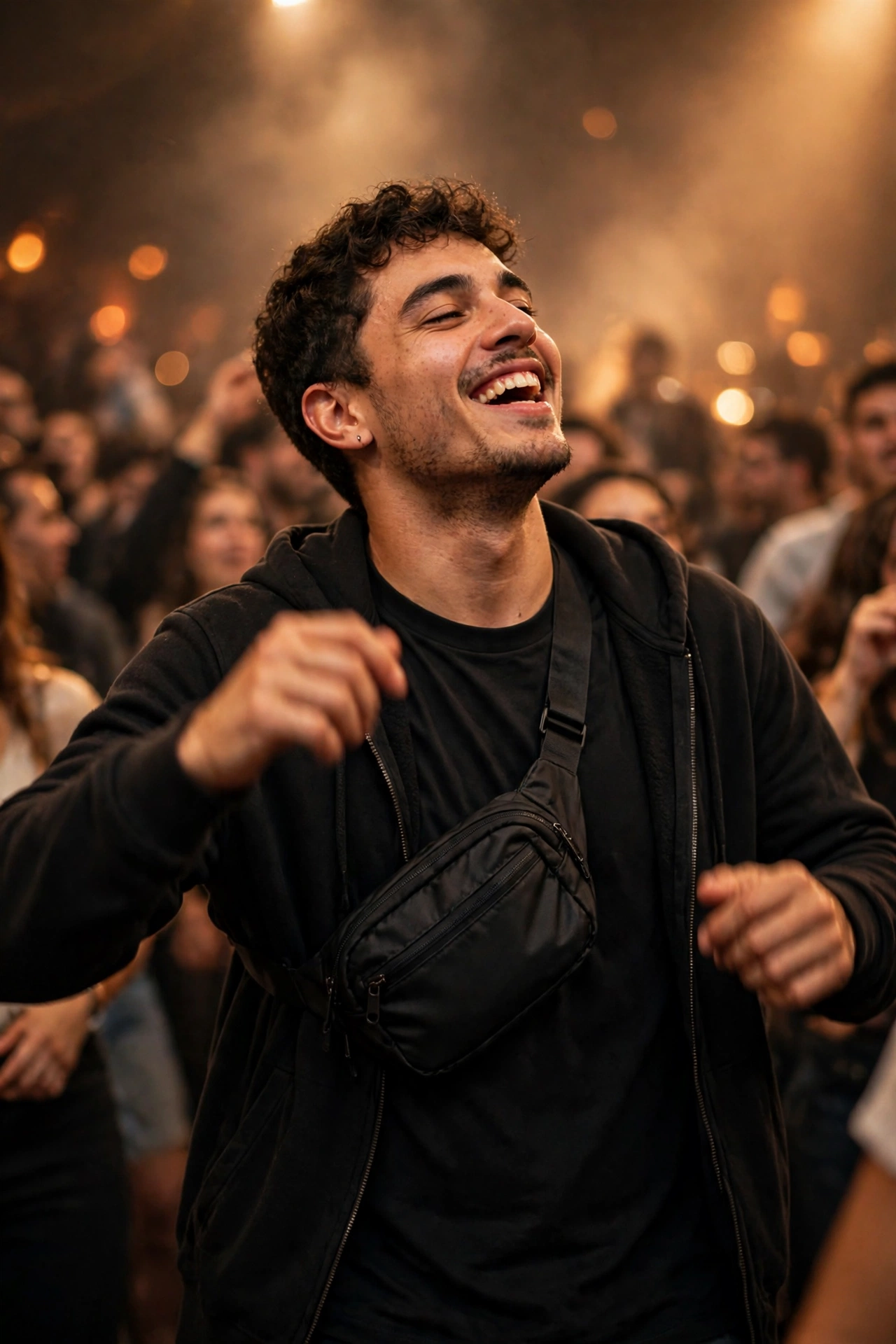
A packed crowd is a wonderful place to enjoy music and a terrible place to keep a phone in a loose back pocket. Pickpockets love concerts because everyone is distracted, squeezed together, and moving in the same direction, and a phone or wallet can vanish before you even notice it is gone. The solution is to make your valuables hard to reach and easy to keep track of. A small crossbody bag or fanny pack worn high on the chest, with the zippers closed and facing your body, keeps your phone, cards, and keys secure while leaving your hands free to dance. Avoid open tote bags, back pockets, and anything dangling loosely. Keep the essentials minimal so there is less to lose, and check your bag every so often. A few seconds of awareness can save you the nightmare of losing your phone in a crowd of thousands.
10. Going In Without a Buddy System
Festivals are enormous, phone service is unreliable, and it is astonishingly easy to lose your friends in a crowd of fifty thousand people. One trip to the food stalls or a quick bathroom break can turn into a twenty-minute search that eats into the set you came to see. Before you split up for any reason, agree on a clear meeting point and a rough time to regroup. Choose something obvious and fixed, like a specific flag pole, a food stall, or the entrance to a stage, rather than something vague like “near the main stage.” Make sure everyone in the group knows the plan and has the meeting point saved on their phone. It is also smart to agree on what to do if someone’s phone dies. A simple plan takes thirty seconds to make and saves a lot of wandering, worrying, and missed music.
11. Being Afraid to Go Alone
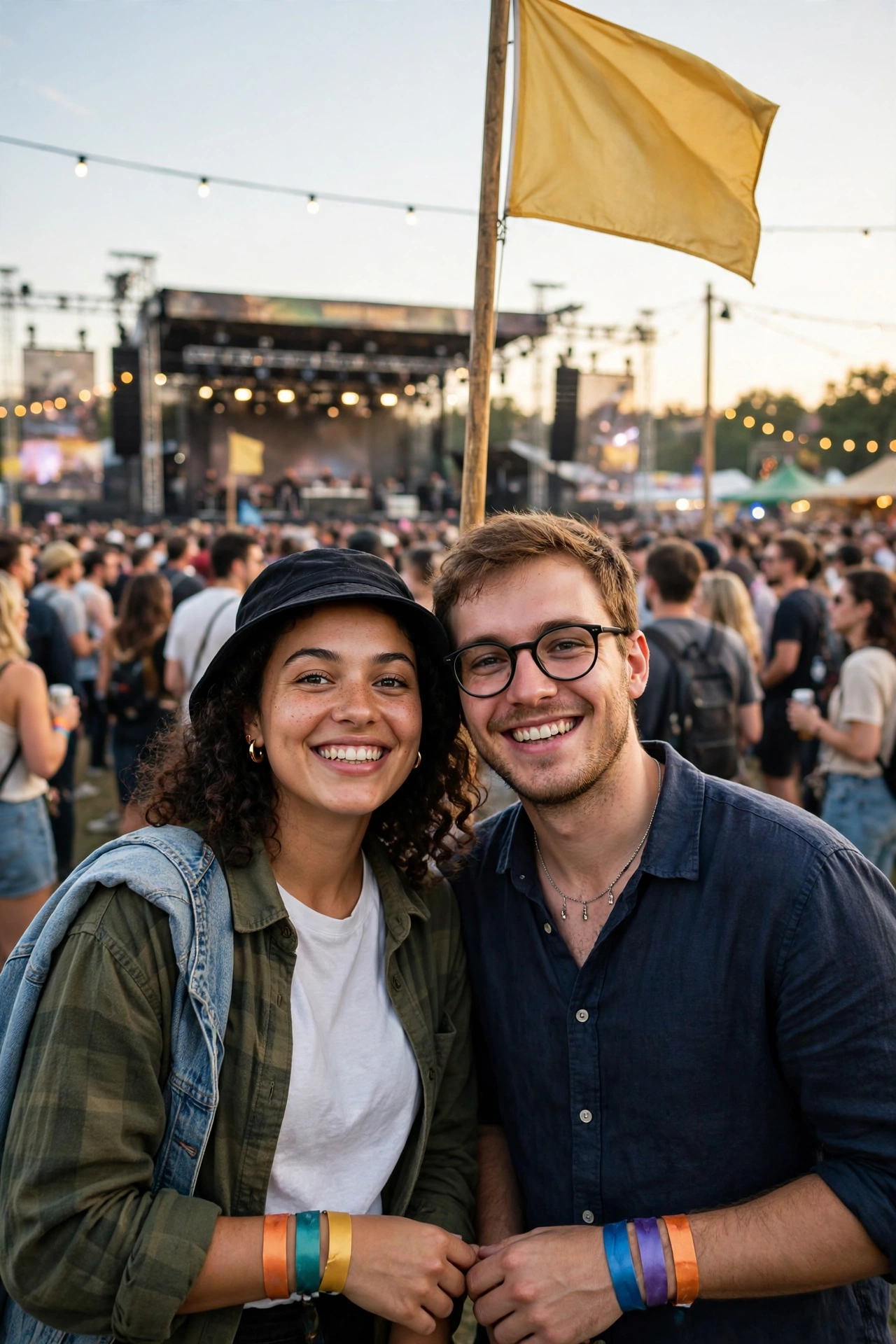
Waiting for a friend who loves the same artist can mean waiting forever, and some of the best concert experiences happen solo. Going alone means you choose the set times, you pick your spot, you stay for the encore or leave early, and you answer to nobody. There is a particular freedom in standing in a crowd of people who all love the same music, and solo concertgoers often find it easier to chat with the people around them and make new friends who share their taste. If you are nervous, start with a smaller local show, arrive a little early to get comfortable, and let yourself settle in. You will be surprised how quickly the awkwardness fades once the music starts. The artist you love is not going to wait for your schedule to line up with someone else’s, so go, enjoy it, and take the memory home with you.

12. Underestimating the Openers
It is tempting to treat the opening act as background music while you buy a drink or find your seat, but that is how you miss the next big thing. Many of today’s biggest stars spent years opening for other artists, learning their craft in front of crowds who had never heard of them, and the opener on tonight’s bill could be your new favourite by the time the headliner takes the stage. Arrive early, give the opening act your real attention, and you might discover music you would never have found otherwise. At the very least, you get more music for the same ticket price, and the energy of a hungry young act warming up a room is often one of the most exciting parts of the night. Check out the openers in advance, learn a song or two, and show up on time. Future you will be very glad you did.
13. Forgetting to Drink Water
Somewhere between the excitement, the dancing, and the heat of a packed venue, drinking water quietly slides to the bottom of everyone’s priority list, and that is exactly when it matters most. Dehydration creeps up slowly: first a headache, then dizziness, then exhaustion, and by the time you feel really unwell the set you were looking forward to is already half over. Make a habit of drinking water throughout the day, not just when you feel thirsty, because by the time you feel thirsty you are already behind. If the venue allows it, bring a refillable bottle and use the water stations. Electrolyte packets are a smart addition on hot festival days, since they help replace what you lose through sweat. Set a little reminder on your phone if it helps. Staying hydrated is not glamorous advice, but it is the advice that keeps you dancing until the last song.

14. Talking Through the Whole Set
Everyone paid to hear the artist, not to hear a full conversation shouted over the chorus. There is a time and a place for catching up with your friends, and the middle of a quiet ballad is not it. A quick comment to the person next to you is perfectly normal, but a running commentary at full volume forces everyone around you to listen to your conversation instead of the music they came for. If you need to have a real chat, step to the back or wait for the gap between songs, when the whole crowd is buzzing anyway. The people around you will notice the difference, and so will you: when you stop talking, you start hearing details in the performance you would otherwise have missed. The conversation can wait twenty minutes. The song cannot.
15. Pushing Through the Crowd
We have all seen it: someone shoving their way forward with a hand on everyone’s shoulder, muttering about a friend who is supposedly waiting up front. It is uncomfortable, it is rude, and in a packed crowd it can genuinely be dangerous. Crowds move like water, and pushing creates pressure that ripples through the people around you. If you want to get closer, the polite way is to wait for a natural gap, move gently between songs when people are shifting anyway, and ask rather than shove. A smile and a quick “excuse me” goes a long way, and most people will happily make a little room. If the spot you want is full, find a different one with a good view and a bit of breathing space. The music sounds just as good from three rows back, and everyone around you will have a better night for it.

16. Forgetting to Actually Be There
It is wonderfully easy to spend an entire concert watching it through a phone screen: recording every song, checking the footage, worrying about the angle, and realising at the end that you barely experienced any of it live. Photos and videos are lovely keepsakes, and nobody is saying you should not take a few, but the best memories of a live show are rarely the perfectly captured ones. They are the moment the crowd sang the chorus back in unison, the surprise song you never expected, and the feeling of the bass in your chest. Put the phone down for a few songs, sing along, look around, and let yourself be fully present in the room. When the lights come up and the night is over, you will remember how it felt, and that feeling is the whole reason you came.

Concerts are at their best when the small stuff is handled before the first note plays. Read the rules, charge your phone, wear the comfortable shoes, drink the water, look after your belongings, and be kind to the people around you. None of it is complicated, and all of it adds up to a night where the only thing you need to think about is the music. So take this list, share it with your concert crew, and make your next show the one you talk about for years. The stage is waiting, the lights are about to drop, and this time, you are ready for all of it.