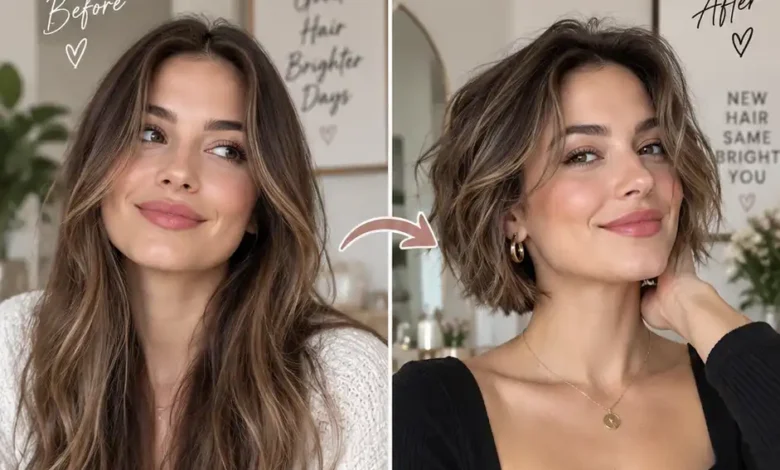
Refreshing your look can begin with a bold chop and an exciting new direction. A long hair to short hair transformation can boost confidence and simplify daily routines.

The current hair transformation trend inspires many people to shed weight and gain a fresh perspective. Whether you choose a chic bob or daring pixie cut, our guide provides clear direction. This comprehensive 17-section guide covers style selection, stylist communication, and new maintenance habits.
A dramatic change requires careful thought. We can help you evaluate your options, so you feel completely prepared before committing to the scissors.
Key Takeaways
- Assess your face shape to find the most flattering cut.
- Learn how to communicate your vision clearly to your stylist.
- Discover essential styling tools for your new look.
- Understand the maintenance schedule required for shorter styles.
- Navigate the emotional adjustment period with ease.
Is a Long Hair to Short Hair Transformation Right for You?
A fresh haircut can reset your confidence and reshape your daily routine. Choosing a haircut transformation offers an exciting way to express your personality and begin a new chapter. Before visiting the salon, consider whether this change suits your everyday life.

Reasons to make a dramatic hair change
Many people choose a dramatic hair change after feeling trapped in a style rut. Shorter hair can feel lighter, more modern, and more professional. This bold statement emphasizes facial features and draws attention to your neck and shoulders.
Beyond appearance, a major chop often represents a fresh start. Whether you are entering a new career or shedding the weight of the past, a new look can provide a powerful psychological boost. It offers a tangible way to mark a life transition.
When a shorter cut can simplify your routine
If washing, drying, and styling long locks takes hours, a shorter cut may become your best friend. Shorter hair usually needs less product and far less time under a blow dryer. That saved morning time can be a game-changer for a busy lifestyle.
Your hair will likely dry faster and remain styled longer. This efficiency lets you focus on other parts of your day instead of worrying about your hair. For those who value convenience and speed, shorter hair often brings welcome relief.
Questions to ask before committing to the haircut transformation
Before finalizing your haircut transformation, reflect on your daily habits. Ask whether you are ready for the maintenance that shorter styles require. They reduce drying time, but some cuts need more frequent salon visits to maintain their shape.
- Are you prepared for the commitment of regular trims every 6 to 8 weeks?
- Does your current lifestyle allow for the styling time required for your chosen cut?
- Are you comfortable with the fact that your hair will feel different when you wake up?
Consider whether you are willing to learn techniques such as using a flat iron or texturizing spray on shorter layers. A dramatic hair change can be an enjoyable journey, but preparation helps you love the result for months.
What to Expect From a Long to Short Hair Makeover
Starting a long to short hair makeover is an exciting journey that changes your entire silhouette. Even a subtle style shift can refresh your appearance and significantly strengthen your confidence.
Understanding the mechanics of a hair length change helps you form realistic expectations for your new look. Your hair will behave differently after losing the weight of its length.

How much visual impact comes with each length change
You may be surprised by how much a small adjustment changes your appearance. Removing three or four inches can lift your hair, creating instant volume and movement.
This change often emphasizes your jawline and neck in ways long hair cannot. A minor trim can feel like a major style upgrade when it frames your face more effectively.
The difference between removing a few inches and going dramatically short
A trim differs clearly from a total transformation. A modest hair length change usually preserves your styling routine, while a dramatic cut requires new techniques.
Going from waist-length hair to a chin-length bob is a bold move that emphasizes your facial features. Expect an adjustment period as you grow accustomed to your new reflection.
How hair density, curl pattern, and previous color affect the result
Your hair’s natural characteristics strongly influence the result of your long to short hair makeover. Curly hair, for instance, shrinks significantly and appears shorter than straight hair with the same cut.
High-density hair may become quite puffy if cut too short without proper internal layering. If your hair was heavily lightened or colored, removing the ends may change its texture and how the style holds its shape.
Choose the Best Short Hair Length for Your Lifestyle
Finding the right length for your hair length change means balancing personal style with your daily routine. Consider how much time you want to spend styling your hair each morning. A cut that matches your habits will remain easy to manage.

Chin-length bobs for a polished, adaptable look
A chin-length bob offers a sophisticated, professional appearance. Its versatile shape can look sleek and straight or carry soft, beachy waves. It frames the face beautifully and suits nearly every hair texture.
Shoulder-grazing cuts for a softer transition
If you fear going too short, a shoulder-grazing cut offers a practical middle ground. These beautiful short hairstyles retain enough length for a ponytail at the gym or during a rush. This cut creates a gentle shift that feels fresh without seeming overly dramatic.
Pixie cuts and cropped styles for maximum impact
For those ready to embrace a bold change, a pixie cut offers a striking, modern aesthetic. These styles highlight your facial features and require little styling after you master the right products. They suit busy individuals who want to wake up and go with minimal effort.
How to match maintenance demands with your schedule
Every haircut has upkeep requirements that you should consider before your appointment. A longer bob may need a trim every eight weeks, while a tight pixie may require salon visits every four to six weeks. The pixie needs those visits to maintain its shape. Choosing from these beautiful short hairstyles means being honest about your commitment to regular maintenance.
| Style Type | Styling Time | Trim Frequency | Maintenance Level |
|---|---|---|---|
| Chin-length Bob | 10-15 Minutes | 6-8 Weeks | Moderate |
| Shoulder-grazing | 5-10 Minutes | 8-10 Weeks | Low |
| Pixie Cut | 5 Minutes | 4-6 Weeks | High |
Ultimately, your hair length change should make you feel confident and comfortable. Whether you choose a low-maintenance lob or a high-impact crop, ensure the style fits your unique lifestyle. Planning your cut carefully can lead to a happier result over time.
Match the Haircut to Your Face Shape and Features
Your face shape provides a canvas for exploring hair makeover ideas. Trends can inspire you, but flattering cuts should complement your natural bone structure.
Treat your haircut as a frame for your face. The right silhouette highlights favorite features and can strengthen your confidence.

Short hairstyles for oval, round, square, heart, and long faces
Oval faces suit almost any length, from a sleek pixie to a blunt bob. For round faces, soft, elongated layers create the illusion of added length.
Square faces benefit from textured cuts that soften the jawline. Heart-shaped faces suit chin-length styles that add width below. Long faces need side volume for a balanced, wider appearance.
Using layers, bangs, and side parts to balance proportions
You do not need rigid rules to find effective hair makeover ideas. Use elements such as bangs and layers to adjust your proportions.
A deep side part can add lift and drama to a flat style. Wispy bangs can shorten a high forehead, while face-framing layers direct attention to your eyes.
How a stylist can customize the cut around your jawline and cheekbones
A professional stylist considers more than your face shape. They study your jawline and cheekbones so the cut suits your individual anatomy.
They might leave extra inches near your chin to soften a sharp jaw or add layers that highlight high cheekbones. Personalization is the secret to making any short style feel custom-built for you.
Discuss your goals during every consultation. A skilled stylist will refine these hair makeover ideas so the final result complements your natural movement and hairline.
Beautiful Short Hairstyles to Consider Before Your Appointment
Choosing the right look means studying more than one photo and seeing how each cut behaves. When exploring beautiful short hairstyles, compare long to short hair before and after examples from several angles. This process reveals how shape, fringe, and layering produce different results.

“A great haircut is not just about the length; it is about the architecture of the style and how it frames your unique features.”
Textured bob with effortless movement
A textured bob suits anyone seeking a light, airy style. Internal layers give the cut effortless movement and keep hair from appearing heavy or static.
Blunt bob for a modern, high-impact finish
If you prefer a clean, sharp aesthetic, a blunt bob makes an excellent choice. This cut creates a modern, high-impact finish for straight or slightly wavy hair.
Layered lob for volume and versatility
The layered lob, or long bob, offers a useful middle ground for those hesitant to go short. It provides extra volume and enough length for a ponytail, making it a versatile choice among hair makeover ideas.
Shaggy short cut for relaxed texture
For a casual, lived-in appearance, consider a shaggy short cut. Choppy layers create relaxed texture, making this style ideal for a low-maintenance morning routine.
French bob, bixie, and soft pixie options
If you want a bolder change, these shorter silhouettes offer distinct personality:
- French bob: Usually chin-length with a playful, chic fringe.
- Bixie: A hybrid between a bob and a pixie, offering a trendy, face-framing shape.
- Soft pixie: Features longer, wispy layers that feel feminine and easy to style.
Celebrity Hair Transformations That Can Inspire Your Cut
When considering a shorter style, iconic celebrity hair transformations offer a useful place to begin. These public changes often inspire a popular hair transformation trend, helping you picture what might suit your own locks. Watching stars handle these shifts can reveal ideas that match your personal aesthetic.

Jennifer Aniston’s length changes and face-framing layers
Jennifer Aniston is known for evolving her look while keeping it classic. She often uses face-framing layers to soften the change from long hair to medium lengths. These layers add movement and keep a shorter cut from seeming heavy or static.
Zendaya’s bob and shape-shifting short hairstyles
Zendaya is a leading example of the hair transformation trend, often shifting between lengths and textures. Her bob demonstrates the variety possible within one short style. She shows that a polished look can still leave room to experiment with different shapes.
Anne Hathaway’s pixie cut and dramatic hair change
Anne Hathaway’s decision to choose a pixie cut remains a memorable example of bold change. This style shows how a dramatic shift can emphasize facial features and the jawline. It reminds us that going very short can feel liberating while remaining incredibly chic.
How to use celebrity references without copying an unsuitable style
An exact replica of a star’s look may seem tempting, but remember that celebrity hair transformations suit specific hair density and face shape. Use these photos as a starting point when discussing your goals with a stylist. Focus on elements you love, such as texture or how the hair frames your face, instead of copying the cut exactly.
Always consider your lifestyle and maintenance preferences before committing to a major change. A professional stylist can adapt these high-profile looks to your unique hair type. This helps ensure your new style is both flattering and manageable for your daily routine.
Prepare Your Long Hair Before Cutting It Short
A fresh, shorter look begins well before you reach the salon. A few proactive steps help your stylist understand your vision and keep you completely comfortable. Good preparation can turn a nervous appointment into an exciting milestone.

Collecting useful long to short hair before and after references
Visual aids communicate your goals clearly during a long to short hair makeover. Browse online galleries for images that match your personal style. Choose photos showing a long to short hair before and after change on someone with similar hair texture.
Save these images in a dedicated phone folder. Clear references help your stylist picture the shape and length you want. This step reduces confusion and keeps your expectations aligned.
Washing, detangling, and preparing hair for the appointment
Arriving with clean, detangled hair shows respect for your stylist’s time. Wash your hair the morning of your appointment, or the night before, to remove heavy product buildup. Gently detangle every strand so your stylist can section and cut without snags.
Avoid excess styling products and heavy oils that can hide your natural texture. Clean hair gives your stylist a clear view of its natural fall. This makes the cut more precise and efficient.
Checking your hair’s condition, thickness, and natural movement
Before committing to the big chop, examine your hair’s current condition. Compare its behavior when air-dried with its appearance after styling. Understanding your natural thickness and movement helps you choose a cut with manageable daily maintenance.
If your hair feels damaged or dry, ask your stylist about deep conditioning. Knowing its condition helps you set realistic expectations for your new look. It may also show whether removing extra length could improve your ends.
Deciding whether to donate the cut hair
A major transformation can also become an opportunity to give back. If you are removing substantial length, consider donating your hair to charity. Research each organization’s length and condition requirements before your appointment.
Tell your stylist about your donation plan when you sit down. They must secure your hair in ponytails or braids before the first cut. This thoughtful choice adds a meaningful layer to your personal style evolution.
How to Communicate Your Desired Hair Transformation
A successful haircut transformation begins with clear communication between you and your stylist. Precise dialogue prevents confusion and helps your professional understand your desired look.
Bring clear photos from multiple angles
Visual aids communicate your goals more effectively than words. A single front-facing image may hide the style’s complete structure.
- Provide photos that show the back and sides of the hair.
- Choose images featuring a model with hair texture similar to yours.
- Bring at least three angles for a complete 360-degree view.

Describe the length, shape, layers, and styling finish you want
Describe your preferences precisely. Rather than saying “short,” specify where you want the hair to end, such as the collarbone or jawline.
Explain the shape and movement you want. Choose between a blunt, heavy edge and soft, wispy layers framing your face. Also describe the finish, whether sleek and polished or messy and textured, so your stylist can select suitable cutting techniques.
Discuss realistic results for your hair texture and density
Every haircut transformation must reflect your unique hair type. A style that looks effortless on fine, straight hair may require considerable work on thick, curly hair.
Ask how your natural density will respond when weight is removed. Your stylist can explain whether the hair will flip out or lie flat after shortening. Realistic expectations about your hair’s behavior can make the final haircut transformation more satisfying.
Important questions to ask your stylist before the first cut
Before the scissors touch your hair, ask these essential questions. They can confirm that you and your stylist share the same expectations.
- Will this style require daily heat styling to look like the photo?
- How often will I need to return for maintenance trims to keep this shape?
- Does this cut work with my natural growth patterns and cowlicks?
- What styling products do you recommend to achieve this specific finish at home?
What Happens During the Long Hair to Short Hair Transformation
A major salon change can mark an exciting step in your personal style journey. Learning the technical steps can clarify your long hair to short hair transformation. Knowing what to expect may help you feel relaxed and confident in your stylist’s chair.
Sectioning and removing the initial length
The service begins with a thorough consultation and precise sectioning. Your stylist divides the hair into manageable sections for an even cut. Afterward, the stylist removes most of the length, often the dramatic moment of the visit.

Creating the foundational shape
After removing the initial length, the stylist focuses on the perimeter. This creates the foundational shape that determines how your hair will fall. Whether you choose a blunt line or tapered edge, this step provides structure for the rest of the cut.
Adding layers, texture, bangs, or face-framing pieces
Once the base is established, your stylist customizes the look to suit your features. Specific techniques create the finished style:
- Layers: Added to create movement and reduce weight.
- Texture: Point-cutting techniques to soften blunt ends.
- Bangs: Tailored to balance your forehead and highlight your eyes.
- Face-framing: Soft pieces that accentuate your jawline and cheekbones.
Refining the cut with dry detailing and a final style
Many professionals perform dry detailing at the end of the service. Cutting dry hair lets the stylist see how your natural texture behaves. This helps create a balanced final silhouette before you leave the salon.
“A great haircut is not just about the length; it is about how the shape complements the individual’s unique bone structure and lifestyle.”
When to speak up if the shape or length feels wrong
Feeling nervous during a long hair to short hair transformation is perfectly normal. If the length seems too short or the shape feels wrong, speak up immediately. Your stylist wants you satisfied, and small adjustments remain easier while you are still in the chair.
Handle the Emotional Side of a Dramatic Hair Change
A dramatic hair change can trigger an emotional journey that extends well beyond the salon chair. After losing significant length, your mind may need time to adjust to your new reflection. Feeling shocked or vulnerable immediately after the transformation is common.

Why short hair can feel unfamiliar at first
Long hair often serves as a security blanket, framing the face in a comfortable, familiar way. When that weight disappears, your facial features become more prominent, which may feel jarring. You are meeting a new version of yourself in the mirror, and that adjustment requires patience.
“True style is about how you carry yourself, not just the length of your hair. Embrace the change as a new chapter in your personal expression.”
How to judge the haircut after styling and after a few days
The salon finish looks polished, but it may not show how your hair behaves during daily routines. Do not make a final judgment while sitting in the stylist’s chair. Wait until you have washed, dried, and styled your hair yourself at home.
Give your new look at least one week to settle. Observe how your hair responds to your specific products, sleeping habits, and morning schedule. This dramatic hair change will feel more natural after you master techniques suited to your unique texture.
Ways to build confidence during the adjustment period
If you feel uncertain, remember that hair is a temporary accessory that grows back. Focus on benefits, such as added volume or time saved during your morning routine. You can also use these steps to build confidence:
- Experiment with accessories: Use headbands, clips, or scarves to change the silhouette while you get used to the length.
- Change your part: A simple shift in your part can completely alter how the hair frames your face.
- Practice new styles: Spend time learning one or two quick ways to style your hair so you feel in control.
- Focus on makeup: A bold lip or new eye shadow can complement your shorter cut and highlight your features.
Ultimately, confidence comes from owning your choice. A dramatic hair change is a bold decision that shows you are ready for something fresh. Be patient with yourself, and enjoy discovering your new style.
Care for Your New Short Hairstyle
Maintaining your fresh look helps keep beautiful short hairstyles polished and healthy. After a shorter cut, your daily routine must adapt to support its new shape. Consistent care keeps your hair stylish between salon visits.

How often to schedule trims for different short cuts
Your salon schedule depends largely on the specific style you choose. A precision pixie cut often needs a trim every four to six weeks to preserve its sharp, intentional lines. With a longer bob or lob, you can usually wait eight weeks between appointments.
Staying on schedule prevents an awkward grow-out phase. Regular maintenance lets your stylist refine the edges before they lose their intended structure.
Washing and conditioning shorter hair without weighing it down
Because short hair sits closer to the scalp, it may absorb natural oils faster. To keep beautiful short hairstyles voluminous, apply conditioner only to the ends. Avoid heavy products at the roots, which can create a flat, greasy appearance.
Choose lightweight, volumizing formulas that hydrate without adding excess weight. Gentle cleansing helps your hair feel airy and full of life throughout the day.
Protecting color, shine, and softness after the cut
Short hair often faces greater exposure to sunlight and heat styling. Apply a high-quality heat protectant spray whenever you use a blow dryer or flat iron. This simple step preserves your strands’ integrity and keeps your color vibrant.
Use a weekly deep conditioning mask to maintain softness. A small amount of shine serum can smooth flyaways and give your style a polished finish.
Signs your haircut needs reshaping or a maintenance appointment
You will notice clear signs when it is time to return to the salon. If your hair feels heavy or loses its signature silhouette, it likely needs a trim. Difficult styling sessions may also show that your cut’s weight distribution has shifted.
Watch your style’s outline, especially around the neckline and ears. When those areas become overgrown or fuzzy, your beautiful short hairstyles can lose their crisp, modern edge. Book an appointment at the first sign of change to keep your look sharp and manageable.
Style Your New Cut With the Right Techniques
Your path toward beautiful short hairstyles continues with essential techniques for daily maintenance. Learning to manage your new length helps you feel confident and polished whenever you leave home.
Blow-drying methods for volume, smoothness, and direction
When drying short hair, airflow direction matters most. Use a round brush to lift the roots for maximum volume, or aim the nozzle downward for a sleek finish.
Keep the dryer moving to limit heat damage on shorter, delicate strands. A concentrator nozzle directs air precisely where you need it.

Creating waves and texture without overwhelming short layers
You do not need long locks for soft waves. Use a small-barrel curling iron or flat iron to create subtle bends, focusing on the top layers for an airy, natural look.
“The beauty of a short cut lies in its ability to look effortless while still being perfectly intentional.”
Too much product can weigh down your layers and leave them looking flat. Choose lightweight texturizing sprays for hold without a crunchy finish.
Using heat protectant, styling cream, mousse, wax, and hairspray
Choose products according to your hair type and desired finish. A high-quality heat protectant is essential because it shields hair from styling tools.
| Product Type | Best For | Application Tip |
|---|---|---|
| Mousse | Volume and lift | Apply to damp roots |
| Styling Cream | Smoothness and shine | Use on ends only |
| Wax | Definition and hold | Warm between palms |
Low-effort styling routines for busy mornings
When time is short, embrace a minimalist approach. A quick spritz of sea salt spray on damp hair creates beautiful, lived-in texture that dries naturally.
For added polish, use a small amount of styling cream to tame flyaways and tuck hair behind your ears. These habits help maintain beautiful short hairstyles without hours before the mirror.
Make Your Short Hair Versatile Between Appointments
Short hair offers creative possibilities that extend well beyond a morning blow-dry. Many people fear a hair length change will restrict styling options, yet the opposite is often true. With a few simple tools, you can reinvent your look each day.

Changing your look with parts, clips, headbands, and scarves
You can shift your aesthetic instantly by changing your part. A deep side part creates volume and a sophisticated silhouette, while a center part offers a modern, symmetrical appearance. Experimenting with your part is the easiest way to refresh your style without any extra effort.
Accessories are invaluable when exploring new hair makeover ideas. Decorative clips can secure stray layers, while silk headbands provide a polished finish on busy mornings. Scarves are also versatile; weave one into a small braid or tie it around a low ponytail for a vivid pop of color.
Adapting short hair for work, weekends, and special events
Your haircut should work as hard as you do. For professional settings, choose sleek, controlled styles that keep hair away from your face. On weekends, embrace natural texture with sea salt spray for a relaxed, beachy look.
Special events call for greater drama. Use a curling iron to create soft waves or apply smoothing serum for a high-shine, red-carpet finish. The following table shows how to adapt your style for various occasions:
| Occasion | Styling Focus | Recommended Tool |
|---|---|---|
| Professional | Sleek and polished | Smoothing cream |
| Casual Weekend | Textured and loose | Sea salt spray |
| Special Event | Volume and shine | Curling wand |
Transitioning the cut as it grows longer
Every great cut eventually enters a growth phase. This phase is natural during any hair length change, but it does not need to become a struggle. Regular maintenance keeps your hair looking intentional rather than neglected.
“The key to a successful grow-out is keeping the ends healthy and the shape balanced. A small trim every six weeks prevents the hair from looking bottom-heavy.”
How to avoid an awkward grow-out phase
To avoid the dreaded awkward stage, communicate your long-term goals to your stylist. They can shape your hair for graceful growth, using layers that blend over time. Consistent trims are essential for maintaining the shape while you wait for your desired length.
Embrace the process by trying new hair makeover ideas as your hair evolves. Proactive trims and styling techniques help your hair look intentional throughout every stage.
Avoid Common Long-to-Short Haircut Mistakes
A dramatic shift can feel thrilling, yet common mistakes may turn a salon visit into regret. A successful haircut transformation needs careful preparation and realistic expectations, not boldness alone. Recognizing these traps early can help your new style bring lasting joy instead of frustration.

Choosing a reference photo that does not match your hair type
Celebrity styles can inspire you, but hair texture determines how a cut will sit. If you have fine, straight hair, a heavily layered shag for thick, wavy hair may behave differently. Always prioritize photos of people who share your natural hair density and curl pattern.
Removing too much length without planning the finished shape
One major error is removing too much length before choosing the final silhouette. Discuss your goal with your stylist so the shape suits your face and lifestyle. A rushed haircut transformation often creates a style that feels awkward or difficult to manage after the appointment.
Ignoring styling time and professional maintenance needs
Short hair often needs more frequent styling to preserve its intended shape. Consider whether you can commit to daily blow-drying or product application. Shorter cuts also grow out faster, so regular trims remain necessary for a fresh look.
Making major color and length changes at the same appointment
Combining a major chop with a drastic color change can overwhelm your hair and emotions. Spacing these services gives you time to adjust to the new length. Taking your haircut transformation in stages helps maintain hair health and ensures you are truly happy with each change.
Feel Confident About Your New Hair Length
Recording your transformation helps preserve the memory after the scissors stop. A long to short hair makeover is more than a physical update; it visually expresses your changing style. Documenting the process creates a lasting record of your move toward a fresh look.

Taking effective before-and-after photos
Consistency matters when creating a high-quality long to short hair before and after comparison. Stand in the same spot under natural light for both photos, keeping attention on your hair. Photograph the front, both sides, and the back to show your new cut’s complete shape.
Avoid filters that could distort your hair’s color or texture. Clear, high-resolution photos let you appreciate your stylist’s precise work. They also provide useful references for future appointments or sharing your excitement with friends.
Learning the styling routine before leaving the salon
Before leaving, ask your stylist to explain the exact steps used to style your hair. Watch how products are applied and note the tools used to create volume or texture. Ask questions about recreating the look at home.
Practicing the technique in the chair can strengthen your confidence. If a step feels unclear, ask your stylist to demonstrate it again. Learning your routine helps you look polished on a Tuesday morning, not only after your appointment.
Celebrating the personal meaning of a fresh haircut transformation
Every dramatic hair change carries personal meaning. It may mark renewal, a shift in identity, or a search for convenience during a busy life. Accepting this change can support self-care, confidence, and a stronger presence.
Pause to appreciate the lightness and new silhouette in the mirror. Whether you chose a sleek bob or textured pixie, your style reflects personal growth. Celebrate this transition as a positive step in your style journey.
| Action Item | Purpose | Benefit |
|---|---|---|
| Documenting Photos | Visual Comparison | Tracks progress and style evolution |
| Styling Tutorial | Skill Acquisition | Ensures daily salon-quality results |
| Personal Reflection | Emotional Growth | Boosts confidence and self-identity |
| Maintenance Plan | Long-term Care | Keeps the cut fresh and healthy |
Conclusion
A successful long hair to short hair transformation requires more than scissors. It depends on balancing personal style, hair texture, and daily maintenance.
Every meaningful change begins with clear communication and realistic expectations. Aligning your vision with a professional stylist helps create a shape that suits your unique face structure and lifestyle.
The current hair transformation trend shows that shorter styles offer versatility and renewed confidence. A sleek bob or textured pixie can highlight your best features while simplifying your morning routine.
Enjoy discovering a new version of yourself. Hair is a powerful tool for self-expression, and a bold change offers a rewarding way to refresh your look. Enter your next salon appointment with clarity and excitement about your new style.
FAQ
How do I know if a long hair to short hair transformation is right for me?
A long hair to short hair transformation suits anyone seeking a “visual reset” or a simpler daily routine. Shorter hair dries faster, but maintaining its shape may require more frequent salon visits. If you welcome new hair makeover ideas and enjoy experimentation, this dramatic hair change could strengthen your confidence.
Does my hair texture change the results of a long to short hair makeover?
Yes, texture strongly influences the result. Hair density and curl pattern affect how hair “behaves” at a shorter length. Curly hair may show significant “shrinkage,” while fine hair can gain surprising volume. Discuss your natural movement with a stylist at Drybar or Aveda, so the finished silhouette supports your goals.
What are the most beautiful short hairstyles for different face shapes?
Balance is essential when changing hair length. Oval faces suit nearly any length, while round faces often benefit from a textured bob that adds height and elongation. A soft pixie cut can highlight the cheekbones of a heart-shaped face. Layers and side parts can adapt the cut to your jawline and features.
Can I use celebrity hair transformations as a reference for my own cut?
Absolutely! Celebrity hair transformations offer useful inspiration. You might prefer Zendaya’s sharp, modern bobs, Jennifer Aniston’s face-framing layers, or Anne Hathaway’s bold pixie cut. Use these looks as guides, not exact templates. Your stylist can adapt each hair transformation trend to your hair thickness and facial structure.
How should I prepare for my dramatic hair change appointment?
Preparation makes a long to short hair makeover less stressful. Gather long to short hair before and after photos showing the front, side, and back. Arrive with clean, detangled hair, allowing your stylist to assess its condition accurately. If you remove substantial length, consider donating it to Locks of Love or Wigs for Kids.
What is the best way to communicate with my stylist during a haircut transformation?
Be specific rather than simply requesting “short” hair. Show clear photos and describe your preferred mood, such as a blunt bob or shaggy short cut. Ask about styling needs and products, including Bumble and bumble surf spray or Oribe texturizing spray, for recreating the look at home.
How do I handle the emotional adjustment of a dramatic hair change?
A dramatic hair change may feel unfamiliar at first. Changed visual proportions can make recognizing yourself in the mirror difficult for several days. Give yourself time to practice new styling techniques and use accessories. After the first wash and personal styling session, many people feel their beautiful short hairstyles look more like “them.”
How often do I need to maintain my new short hair length?
Maintenance depends on how “precise” the cut is. A very short pixie cut or French bob usually needs trimming every 4 to 6 weeks. A relaxed, layered lob may last 8 to 10 weeks before losing its intended shape. “Heaviness” around the ears or styling difficulty signals time for an appointment at Ulta Beauty.
What are common mistakes to avoid when transitioning from long to short hair?
A frequent mistake is choosing a reference photo featuring someone with a different hair type. Another mistake combines a dramatic hair change with major color work, such as dark brown to platinum blonde using Redken lighteners. This process can stress your hair. Perfect the haircut transformation first, then adjust the color after adapting to the new length.
How can I keep my short hair versatile between salon visits?
Short hair offers surprising versatility. Change your look by switching your part, adding decorative clips, or wearing a silk headband. As your hair grows, small “shape-up” trims can prevent an awkward phase. Following a hair transformation trend also means adapting the style for work, weekends, and events with tools like a Dyson Airwrap or classic flat iron.