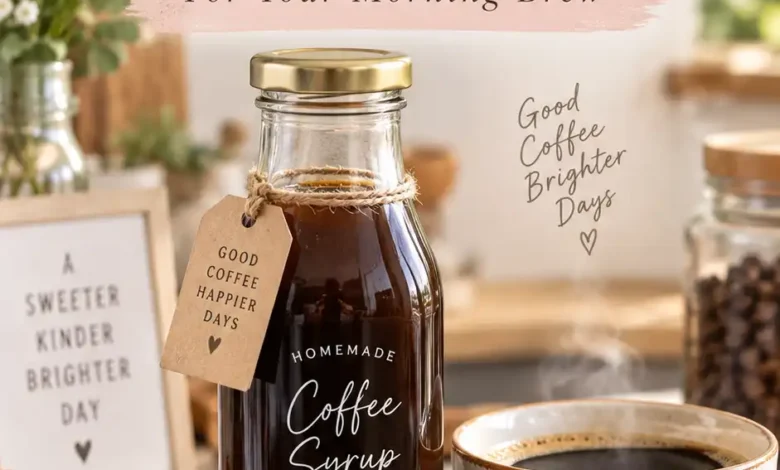
Do you want café-style beverages at home? This simple coffee syrup recipe homemade method uses pantry staples to transform your morning coffee into a refined treat.
Add a splash to a hot latte or drizzle it over an iced drink for richer flavor. Imagine the possibilities when you control the sweetness and quality in every pour.

This guide covers each step, from choosing ingredients to achieving the right consistency. You will also learn customization options, storage tips, and serving ideas for impressing guests.
Key Takeaways
- Learn to create professional-grade sweeteners using only two basic ingredients.
- Discover how to infuse natural flavors like vanilla, cinnamon, or hazelnut.
- Master the ideal boiling technique to ensure a smooth, shelf-stable texture.
- Find out how to properly store your creations to maintain freshness for weeks.
- Explore versatile ways to use your finished product in both hot and cold beverages.
Why Make a Coffee Syrup Recipe Homemade?
Why pay coffee-shop prices when you can master a diy coffee syrup recipe at home? Homemade sweeteners help you avoid the artificial preservatives found in many commercial bottles. You control the ingredient quality, so each morning cup matches your preferences.

How Homemade Syrup Improves Everyday Coffee
A freshly prepared syrup can turn standard drip coffee into a café-quality experience. Real sugar and natural extracts create a cleaner, more vibrant flavor profile. This simple upgrade adds a special touch to your routine without a costly coffee-shop visit.
What Makes This Recipe Easy for Beginners
You do not need professional barista skills to make this diy coffee syrup recipe. Basic pantry staples, including sugar and water, form the foundation, and you likely have them already. Most batches take under ten minutes, making this a stress-free part of morning preparation.
Ways to Customize Sweetness and Flavor
Making your own syrup lets you adjust its intensity to suit your personal taste. Use less sugar for lighter sweetness or extra extracts for a bolder flavor profile. Choose a subtle hint of vanilla or a rich, spiced finish; the decision is entirely yours.
| Feature | Store-Bought Syrup | Homemade Syrup |
|---|---|---|
| Ingredients | Artificial Flavors | Natural Ingredients |
| Cost | High per bottle | Very Affordable |
| Customization | Fixed flavors | Fully Adjustable |
| Shelf Life | Long (Preservatives) | Moderate (Fresh) |
Ingredients for a Simple Coffee Syrup Recipe
You need only a few basic ingredients to master a professional-grade homemade coffee syrup recipe. Keep these essentials stocked to create endless flavor combinations for your morning cup.

Granulated Sugar, Brown Sugar, and Alternative Sweeteners
White granulated sugar provides a neutral base for your homemade coffee syrup recipe. It lets other flavors shine without adding molasses or caramel notes. Brown sugar offers an excellent substitute when you prefer a deeper, richer profile.
Brown sugar’s molasses adds natural warmth that pairs well with darker roasts. If you monitor sugar intake, try liquid sweeteners such as agave or honey. However, they may change the syrup’s final texture.
Water Ratios for the Right Syrup Consistency
The sugar-to-water ratio forms the foundation of any homemade coffee syrup recipe. A classic one-to-one ratio produces a versatile syrup for hot and iced drinks. Equal parts by volume provide enough sweetness without making the syrup overly thick.
Optional Ingredients for Coffee Flavor Syrup
After preparing the base, add aromatics to customize your brew. These ingredients turn a simple sweetener into a complex, café-style syrup.
Vanilla Extract and Vanilla Bean
Vanilla remains the most popular addition to a homemade coffee syrup recipe. Use high-quality vanilla extract for a quick flavor boost. For a more intense, aromatic result, scrape a fresh vanilla bean into the pot.
Cinnamon, Cocoa, and Warm Spices
Ground cinnamon, cinnamon sticks, or unsweetened cocoa powder can create a cozy, seasonal flavor. These ingredients add deep, earthy notes that complement espresso or cold brew’s natural bitterness.
Salt for Balancing Sweetness
A tiny pinch of salt acts as the secret weapon in many professional recipes. It cuts through the sugar’s intensity, creating a balanced, rounded flavor in your finished drink.
Equipment and Preparation Before Cooking
A prepared workspace makes syrup making safer, smoother, and more enjoyable. Gather your tools first, so you can focus on cooking instead of searching while the stove is on.
Choosing a Small Saucepan and Heat-Safe Spoon
For most batches, a small saucepan is ideal. Its even heat distribution helps prevent sugar from burning or caramelizing too quickly.
You also need a heat-safe spoon for stirring the mixture. A high-quality heat-safe spoon lets you combine ingredients safely without melting or warping from heat.

Selecting a Clean Storage Bottle or Jar
A clean jar suits this purpose because its airtight seal keeps syrup flavorful for weeks.
Alternatively, a glass storage bottle with a pour spout makes serving morning coffee easier. Wash and dry the container thoroughly to preserve your homemade creation’s highest quality.
“Preparation is the secret ingredient to any successful recipe, turning a simple task into a delightful ritual.”
Preparing Ingredients for a Smooth Syrup
Before turning on the burner, measure your sugar and water. Having everything ready helps you control the syrup’s consistency.
This organization makes the process feel effortless. Whether you use a clean jar or specialized storage bottle, a clear plan helps you achieve professional results at home.
How to Make Coffee Syrup at Home
If you want to customize your daily brew, learning how to make coffee syrup at home is an ideal first step. This simple process turns pantry ingredients into a versatile sweetener that can rival costly store-bought versions. With a few easy steps, you can create a delicious base for lattes, cold brews, and iced coffees.

Combine the Sugar and Water
Measure equal parts granulated sugar and water into a small saucepan. For a standard batch, one cup of each usually provides enough syrup to begin. Consistency is key, so measure carefully before turning on the stove.
Heat the Mixture Until the Sugar Dissolves
Place the saucepan over medium heat. Stir gently and continuously until the sugar crystals disappear into the water. The liquid should look perfectly clear, showing that the sugar has fully dissolved.
Simmer Without Overcooking the Syrup
After the sugar dissolves, bring the liquid to a very light simmer. Do not let it reach a rolling boil, which can evaporate water too quickly and create a sticky, crystallized mess. Watch the pan closely to maintain steady, gentle heat.
Add Flavoring After Removing the Pan from Heat
Remove the saucepan from the heat before adding extracts or flavorings. Heat-sensitive ingredients, such as vanilla or almond extract, may lose their delicate aromas if added too soon. Stir your chosen flavorings thoroughly into the warm syrup while it is no longer cooking.
Cool and Transfer the Syrup Safely
Let the syrup cool completely at room temperature before transferring it to a storage container. A clean glass bottle or jar helps preserve its freshness. After cooling, refrigerate it so your syrup is ready for the next morning’s cup.
| Syrup Type | Sugar Amount | Water Amount | Simmer Time |
|---|---|---|---|
| Standard | 1 Cup | 1 Cup | 3-5 Minutes |
| Rich | 2 Cups | 1 Cup | 5-7 Minutes |
| Light | 0.5 Cup | 1 Cup | 2-3 Minutes |
Learning how to make coffee syrup at home gives you endless opportunities to experiment with favorite drinks. Whether you are crafting bold espresso or a refreshing iced latte, homemade syrup makes each cup feel like a special treat.
How to Adjust Syrup Thickness and Sweetness
Achieving the ideal syrup thickness and syrup sweetness is easier than it may seem. Adjust cooking time or ingredient ratios to create a sweetener that suits your morning coffee.

Using Equal Parts Sugar and Water for a Pourable Syrup
The standard easy coffee syrup recipe uses a 1:1 sugar-to-water ratio. This produces a thin syrup that dissolves quickly in hot coffee or tea. It offers beginners a versatile sweetener for daily use.
Making a Thicker Syrup for Iced Drinks
Iced beverages often benefit from a more viscous syrup. Use a 2:1 sugar-to-water ratio, or simmer the mixture for five additional minutes. The thicker syrup clings to ice cubes and keeps the sweetener from settling.
Fixing Syrup That Is Too Thin or Too Thick
If the syrup is too thin, simmer it for several more minutes. This evaporates excess water. If it becomes too thick or crystallizes, add hot water one tablespoon at a time. Stir gently to restore the desired flow without changing the flavor.
Balancing Sweetness in Hot and Cold Coffee
Temperature strongly affects how we perceive sugar. Cold drinks may need more syrup because low temperatures dull our taste buds. Start with a small amount, then adjust the syrup sweetness to taste. This keeps your coffee balanced and flavorful.
| Syrup Type | Sugar to Water Ratio | Best Use Case |
|---|---|---|
| Standard | 1:1 | Hot Coffee & Lattes |
| Rich/Thick | 2:1 | Iced Coffee & Cold Brew |
| Light | 1:2 | Subtle Sweetening |
Vanilla Coffee Syrup Recipe Homemade
To elevate your morning routine, learn to make classic vanilla coffee syrup. This flavor anchors the best homemade coffee syrup collection you can build at home. It is versatile, crowd-pleasing, and pairs beautifully with almost any roast.

Adding Vanilla Extract for a Quick Flavor
For a fast option, use high-quality vanilla extract. After removing the saucepan from heat, stir one tablespoon of pure extract into the syrup base. This method preserves the vanilla’s delicate floral notes by preventing evaporation during boiling.
Using a Vanilla Bean for a Deeper Taste
For a more sophisticated profile, use a whole vanilla bean. Split it lengthwise, then scrape the seeds into the sugar and water mixture before heating. The result is a rich, aromatic syrup with beautiful, tiny black specks of real vanilla.
Pairing Vanilla Syrup with Brewed Coffee and Lattes
A high-quality vanilla latte syrup turns a standard espresso shot into a café-style treat. Stir a small amount into drip coffee to reduce bitterness. Whether served iced or steaming hot, this syrup adds a smooth, sweet finish that balances the beans’ natural acidity.
| Feature | Vanilla Extract | Vanilla Bean |
|---|---|---|
| Preparation Time | Instant | Requires scraping |
| Flavor Intensity | Standard | Deep and complex |
| Visual Appeal | Clear liquid | Includes visible seeds |
| Cost Efficiency | Budget-friendly | Premium investment |
Creative Homemade Coffee Flavor Syrup Variations
Discover how simple ingredients can turn your kitchen into a personal coffee shop with these creative homemade coffee flavor syrup variations. Master a basic coffee flavoring syrup recipe, then explore flavors that suit your mood or the season. Pantry staples can deliver professional results without expensive equipment.

Brown Sugar Cinnamon Syrup
This cozy blend adds warm, rustic sweetness to your morning mug. Simmer brown sugar with water, then add two cinnamon sticks as the mixture heats. This brown sugar cinnamon syrup creates a rich, spiced flavor that pairs perfectly with dark roasts.
Mocha Syrup with Unsweetened Cocoa Powder
If you love chocolate, this mocha syrup is a must-try. Whisk high-quality unsweetened cocoa powder into the sugar-and-water base until smooth. It creates a decadent foundation for lattes that rivals any expensive cafe drink.
Caramel-Style Syrup Without Complicated Techniques
You do not need to master melting sugar for deep, buttery flavor. Use dark brown sugar and a splash of vanilla extract to mimic caramel easily. This version is far more forgiving for beginners than traditional candy-making methods.
Hazelnut-Inspired Syrup Without Nut-Based Ingredients
Many people enjoy hazelnut’s nutty profile without using actual nuts. Use a high-quality hazelnut extract to achieve this classic coffeehouse taste. Add the extract after removing the syrup from heat to preserve its delicate aroma.
Peppermint Syrup for Seasonal Coffee Drinks
Peppermint adds refreshing flavor during the winter months. A small amount of peppermint extract goes a long way in a simple sugar base. It is the perfect way to brighten a hot mocha or cold brew coffee.
Maple Coffee Syrup for a Naturally Warm Flavor
For a natural twist, replace half your granulated sugar with pure maple syrup. This creates deep, earthy sweetness that complements the natural notes of your coffee beans. It is an excellent choice for people who prefer a complex, less processed flavor profile.
| Flavor Profile | Key Ingredient | Best Coffee Pairing |
|---|---|---|
| Brown Sugar Cinnamon | Cinnamon Sticks | Dark Roast |
| Mocha | Cocoa Powder | Espresso |
| Caramel-Style | Dark Brown Sugar | Iced Latte |
| Hazelnut-Inspired | Hazelnut Extract | Medium Roast |
| Peppermint | Peppermint Extract | Hot Mocha |
Using Homemade Coffee Syrup in Hot Drinks
Turning a standard mug of coffee into a café-style treat is easier than it seems. Keeping a simple coffee syrup recipe nearby gives you control over each cup’s sweetness and flavor profile.

Sweetening Drip Coffee and French Press Coffee
Drip coffee and French press coffee often have bold, robust flavors that benefit from slight sweetness. Add your syrup after brewing finishes so the sugar dissolves fully without changing the extraction of the coffee grounds.
Stir in one teaspoon of your favorite syrup to balance the beans’ natural acidity. This approach lets you adjust flavor intensity to suit your personal preference.
Flavoring Homemade Lattes and Cappuccinos
When you prepare a latte at home, syrup establishes your drink’s character. High-quality latte syrup helps replicate expensive coffee shop beverages in your own kitchen.
For the best results, pour syrup into the bottom of your mug before adding espresso. After you pour steamed milk over it, the syrup blends naturally, creating smooth, consistent flavor.
Mixing Syrup into Americanos and Espresso Drinks
An Americano combines espresso with hot water and may taste thin without proper balance. A small amount of syrup adds body and depth, making the drink feel more indulgent.
Because espresso is highly concentrated, a small splash can make a significant difference. This is among the most popular hot coffee syrup uses for people who enjoy a clean yet flavorful caffeine boost.
Choosing the Right Amount for an Individual Serving
Portion control is the main advantage of making your own sweeteners. Start with a small amount, then add more until you reach your preferred sweetness.
The following table offers a quick guide for balancing hot drinks:
| Coffee Type | Recommended Syrup | Flavor Intensity |
|---|---|---|
| Drip Coffee | 1-2 Teaspoons | Light & Subtle |
| Latte | 1-2 Tablespoons | Rich & Creamy |
| Americano | 1 Tablespoon | Balanced & Bold |
| Cappuccino | 1 Tablespoon | Sweet & Frothy |
Always remember that you can add more syrup, but you cannot remove it after mixing. Start conservatively and taste your coffee before adding extra, so each cup matches your preferences.
Using Coffee Syrup in Cold Brew and Iced Drinks
Cold beverages create a unique challenge when you mix in sweeteners. Unlike hot coffee, cold liquids may not dissolve sugar crystals, leaving grit at the glass’s bottom. A homemade coffee flavor syrup keeps your drink smooth and evenly sweet from the first sip to the last.

Stirring Syrup into Cold Brew Coffee
When you prepare cold brew, the liquid is already chilled and dense. Add your cold brew syrup before pouring in the coffee concentrate. Coffee flowing over the syrup helps disperse it evenly, creating consistent flavor throughout the beverage.
Building a Balanced Iced Latte
Creating a professional-grade iced latte at home requires careful layering. Add your iced latte syrup to the bottom of the glass. Then add espresso shots, ice, and your choice of milk. This order blends the syrup with espresso before the milk cools the mixture further.
Preventing Sugar from Settling in Cold Beverages
Sugar usually settles when syrup enters the drink too late. Stir vigorously for at least ten seconds after adding the syrup. In a tall glass, use a long-handled spoon to reach the bottom, where syrup tends to pool.
Combining Syrup with Milk, Cream, or Non-Dairy Alternatives
Your milk choice can change how syrup interacts with the drink. Dairy and oat milk often carry flavors better, while almond or soy milk may need more syrup for equal sweetness. Experiment with these combinations to find your ideal balance.
| Drink Type | Syrup Timing | Mixing Method |
|---|---|---|
| Cold Brew | Before coffee | Stir with concentrate |
| Iced Latte | Before espresso | Swirl with hot shots |
| Iced Americano | After water | Stir thoroughly |
Best Ways to Store Homemade Coffee Syrup
Effective homemade syrup storage begins as soon as the syrup leaves the stove. Careful handling keeps each sweet addition safe and flavorful for your morning coffee.

Cooling the Syrup Before Refrigeration
Do not place a hot saucepan directly in the refrigerator. A sudden temperature change can create condensation inside the container, adding moisture that supports bacterial growth.
Let the syrup reach room temperature on the counter before refrigeration. This step protects your appliance and keeps the syrup perfectly stable longer.
How Long Simple Syrup Lasts in the Refrigerator
The syrup shelf life depends largely on sugar concentration and environmental cleanliness. High-sugar mixtures resist spoilage naturally, but environmental factors can still affect them.
“Proper storage is the foundation of food safety, turning a simple kitchen project into a reliable pantry staple.”— Culinary Arts Daily
Check the syrup regularly for changes in texture or clarity. Discard the batch if it becomes cloudy or develops an unusual odor, then start fresh.
Recognizing Spoilage, Fermentation, or Mold
Watch your bottles during refrigerating coffee syrup sessions. Tiny bubbles may signal fermentation, while fuzzy spots on the surface or cap may indicate mold.
| Indicator | What to Look For | Action Required |
|---|---|---|
| Cloudiness | Hazy or milky appearance | Discard immediately |
| Bubbles | Unusual carbonation | Check for fermentation |
| Surface Growth | Visible mold spots | Dispose of contents |
Keeping the Bottle Clean Between Uses
A sterilized glass bottle best preserves quality. Wipe its rim after pouring so sticky residue does not attract bacteria.
Do not dip used spoons into the bottle. Pour the needed amount into a small measuring cup instead, keeping the main supply pristine and uncontaminated.
Troubleshooting Common Coffee Syrup Problems
Even experienced home baristas encounter minor problems while making their own sweeteners. Knowing how to correct them keeps your morning coffee routine smooth and enjoyable. Most issues yield to a few practical changes in technique.

Why the Syrup Crystallizes
If gritty sugar grains form in your bottle, you have crystallized syrup. This usually occurs when the sugar concentration is too high or the mixture is stirred too vigorously while cooling. To prevent it, avoid scraping your saucepan sides while the liquid simmers.
Why the Syrup Becomes Cloudy
A cloudy syrup may contain impurities from the sugar or water, or it may have begun fermenting. Filtered water and high-quality granulated sugar help preserve clarity. If the syrup appears hazy, discard it to protect your coffee’s safety and quality.
How to Fix Burnt or Overly Dark Syrup
Excessive heat or an unattended pan can create burnt syrup. Once sugar scorches, its bitter flavor is difficult to conceal. If the syrup is only slightly dark, thin it with extra water; restart a truly burnt batch.
What to Do When Flavoring Tastes Too Strong
A strong flavor can overwhelm the delicate notes of your favorite coffee beans. If an extract or spice tastes too intense, dilute it with fresh plain simple syrup. This balances the profile and makes the sweetener more versatile for daily use.
| Problem | Primary Cause | Quick Fix |
|---|---|---|
| Crystallization | Excessive stirring | Add water and reheat |
| Cloudiness | Impurities or age | Use filtered water |
| Burnt Taste | High heat | Start a new batch |
| Strong Flavor | Too much extract | Dilute with plain syrup |
How to Make a Lower-Sugar or Alternative-Sweetener Syrup
If you want to reduce refined sugar, several options can improve your morning brew. A lower-sugar coffee syrup offers favorite flavors while supporting dietary goals. By replacing traditional ingredients, you can tailor each cup to your needs.

Reducing Sugar Without Losing Pourability
When reducing sugar, the water-to-sweetener ratio controls the syrup’s texture. Using less sugar makes the syrup thinner and more watery. Simmer the mixture slightly longer to evaporate excess moisture. This helps thicken the consistency without adding extra calories.
Using Honey, Maple Syrup, or Agave
Natural liquid sweeteners offer distinct flavors that pair well with roasted coffee beans. A honey coffee syrup provides floral, rich sweetness for iced lattes. Similarly, a maple coffee syrup adds warm, earthy depth resembling high-end coffee shop flavors. Because these sweeteners are already liquid, use slightly less water than you would with granulated sugar.
Working with Sugar Substitutes and Their Texture
Many people use granulated alternatives such as erythritol or monk fruit to create a sugar substitute syrup. These products often dissolve quickly but may crystallize as the liquid cools. To keep the texture smooth and pourable, add a tiny pinch of xanthan gum or some vegetable glycerin.
Understanding Shelf Life Changes in Modified Recipes
Modified recipes often have a shorter shelf life than traditional simple syrups. Natural sweeteners such as honey or maple syrup may ferment faster without strict refrigeration. Check your syrup for cloudiness or off-odors before adding it to your drink. Prepare smaller batches so you can use them while fresh.
| Sweetener Type | Flavor Profile | Texture | Best Use |
|---|---|---|---|
| Honey | Floral/Rich | Thick | Iced Lattes |
| Maple Syrup | Earthy/Warm | Medium | Hot Brews |
| Monk Fruit | Neutral | Thin | Daily Coffee |
| Agave | Mild/Sweet | Syrupy | Cold Brew |
Measuring, Serving, and Scaling the Recipe
Mastering coffee syrup measurements can turn your daily coffee routine into a cafe-quality experience. Perfect sweetness requires precision, yet the process remains easier than expected. Simple guidelines help each cup match your preferred taste.

Recommended Syrup Amounts per Cup of Coffee
For most standard mugs, begin with one tablespoon of syrup per eight ounces of coffee. Adjust this syrup per cup ratio to suit your preferred sweetness. For a bolder flavor, add an extra teaspoon until you find your ideal profile.
Scaling the Batch for Daily Use or Guests
When preparing larger quantities, scaling coffee syrup is straightforward. Multiply your base recipe by the number of servings you plan to make. This helps when hosting guests or preparing a week’s worth of supplies for morning lattes.
Converting Tablespoons to Teaspoons and Fluid Ounces
A quick reference guide makes recipe adjustments easier on the fly. Use the following table to keep proportions accurate for any serving size.
| Measurement Unit | Equivalent in Teaspoons | Equivalent in Tablespoons | Fluid Ounces |
|---|---|---|---|
| 1 Tablespoon | 3 Teaspoons | 1 Tablespoon | 0.5 oz |
| 2 Tablespoons | 6 Teaspoons | 2 Tablespoons | 1.0 oz |
| 1/4 Cup | 12 Teaspoons | 4 Tablespoons | 2.0 oz |
| 1/2 Cup | 24 Teaspoons | 8 Tablespoons | 4.0 oz |
Preparing a Small Batch to Test a New Flavor
If you feel adventurous, make a small batch syrup to test new ingredients. Begin with a quarter cup of sugar and a quarter cup of water to reduce waste. This creative approach helps refine flavor combinations before you commit to a larger, full-sized batch.
Easy Ways to Use Extra Coffee Syrup
Beyond the morning mug, homemade syrup can elevate breakfast plates and evening desserts. Exploring creative leftover coffee syrup uses helps ensure none of your hard work goes to waste. These simple additions give your home kitchen a professional touch.

Flavoring Whipped Cream and Cold Foam
Whisk a tablespoon of syrup into plain heavy cream to create a gourmet topping. This method works especially well for flavored cold foam, adding silky texture and deep sweetness to iced beverages. Froth the milk and syrup together until they reach a light, airy consistency.
Adding Syrup to Smoothies, Milkshakes, and Hot Chocolate
Using syrup for desserts can transform the flavor of favorite treats. A splash of vanilla or mocha syrup adds depth to a classic chocolate milkshake or morning fruit smoothie. It also sweetens rich hot chocolate, replacing plain sugar with a more complex, aromatic profile.
Drizzling Syrup Over Ice Cream and Breakfast Foods
Your syrup can top solid foods, not just liquids. Drizzle caramel or cinnamon syrup over vanilla bean ice cream for an instant sundae. It also replaces maple syrup deliciously on warm pancakes, waffles, or French toast.
Creating Homemade Coffeehouse Drinks for Brunch
Hosting brunch lets you show your skills by crafting coffeehouse drinks right at home. Set up a DIY station where guests customize lattes or iced coffees with various syrup options. This interactive approach makes the gathering feel special and creates a memorable experience for everyone.
| Syrup Flavor | Best Dessert Pairing | Breakfast Use |
|---|---|---|
| Vanilla | Vanilla Ice Cream | Greek Yogurt |
| Mocha | Chocolate Cake | Oatmeal |
| Cinnamon | Baked Apples | French Toast |
| Hazelnut | Whipped Cream | Waffles |
Conclusion
Mastering a coffee syrup recipe homemade transforms your kitchen into a personal café. You can dissolve sugar, control syrup consistency, and infuse bold flavors into every cup.
Consistency remains essential for professional results. Cool the mixture properly and store it in a clean glass container to keep your creations fresh for weeks. This simple process turns basic pantry staples into versatile additions for your morning routine.
Experiment with favorite flavor profiles to customize every latte, cappuccino, or cold brew. Whether you prefer vanilla or a rich mocha finish, a coffee syrup recipe homemade creates endless beverage possibilities. Grab your saucepan and start brewing your signature drinks today.
FAQ
What is the most basic coffee syrup recipe homemade for beginners?
The most simple coffee syrup recipe uses equal parts granulated sugar and water. Simmer both ingredients in a Cuisinart saucepan until the sugar dissolves completely. This versatile simple syrup sweetens standard drip coffee and a Keurig brew.
Why should I choose a diy coffee syrup recipe over store-bought brands like Torani or Monin?
Learning how to make coffee syrup at home gives you complete control over ingredients and sweetness. A homemade coffee syrup recipe can omit artificial preservatives and colors while reducing costs. You can also tailor the flavor to your favorite Peet’s Coffee beans.
What is the best homemade coffee syrup storage method to keep it fresh?
Let your homemade coffee flavor syrup cool completely before transferring it to a clean, airtight glass container. A Ball mason jar works well for storage. Refrigeration preserves bright flavors and prevents spoilage for morning lattes or Todddy cold brew sessions.
Can I use this easy coffee syrup recipe for iced coffee and cold brew?
Absolutely. A coffee flavoring syrup recipe can transform an iced drink. Unlike granulated sugar, liquid syrup blends quickly instead of sinking in cold liquids. It creates a smooth, Starbucks-style texture in homemade iced lattes and cold brews.
How do I add flavors like vanilla or mocha to my simple coffee syrup recipe?
Customizing your diy coffee syrup recipe is simple. For classic vanilla, stir in high-quality McCormick vanilla extract after removing the syrup from heat. For mocha, whisk in Hershey’s unsweetened cocoa powder while the mixture simmers. Cinnamon sticks or Morton salt can balance the sweetness.
Why did my homemade coffee syrup recipe crystallize in the refrigerator?
Crystallization can occur when sugar remains partly undissolved or the mixture boils too vigorously. Rapid boiling makes water evaporate too quickly. To repair your homemade coffee flavor syrup, gently reheat it with a tablespoon of water until the crystals disappear.
Is it possible to make a lower-sugar version of a coffee flavoring syrup recipe?
Yes, adapt your homemade coffee syrup recipe with alternative sweeteners such as Truvia or Splenda. The result may be thinner than traditional sugar syrup. Natural options, including Honey or Agave, add rich texture and distinctive flavor to your morning cup.
How much syrup should I use for a single serving of coffee?
Most people prefer 1 to 2 tablespoons of the best homemade coffee syrup in an 8-ounce coffee. A diy coffee syrup recipe lets you adjust the amount to suit your taste. Begin with a small portion, then add more until your Nespresso or French press coffee reaches the desired sweetness.
What else can I do with an easy coffee syrup recipe besides flavoring coffee?
Your homemade coffee flavor syrup has many uses beyond coffee. Sweeten homemade whipped cream, drizzle it over Haagen-Dazs vanilla ice cream, or glaze breakfast pancakes. It adds a coffeehouse touch to brunch or dessert.