Dentists Are Begging You Not To Do Any Of These 9 Habits, And You Might Be Guilty Of At Least 1 Without Even Realizing It

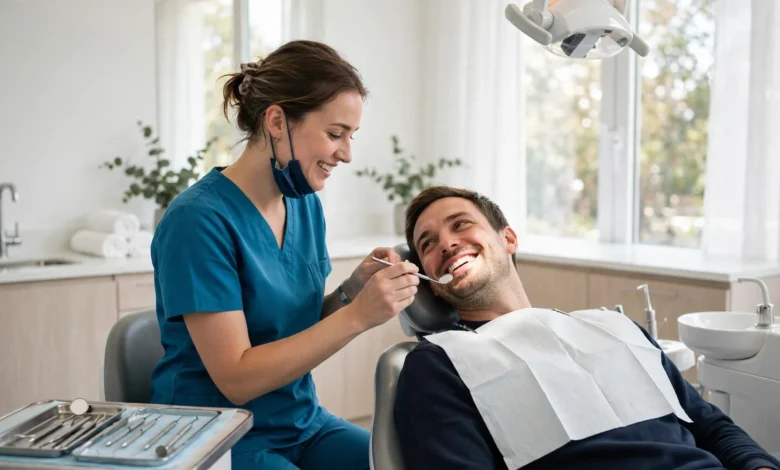
Everyone knows the basics: brush, floss, see a dentist. But dentists will tell you the real damage often comes from the small, everyday habits nobody thinks twice about — the things people do at their desks, in their cars and in front of the TV that quietly chip, wear and rot otherwise healthy teeth. Here are nine habits dentists consistently beg their patients to stop, and why each one matters more than it seems. (Good health habits are a theme here — our explainer on what drooling in your sleep can signal about your health covers another everyday clue most people ignore.)
1. Chewing Ice
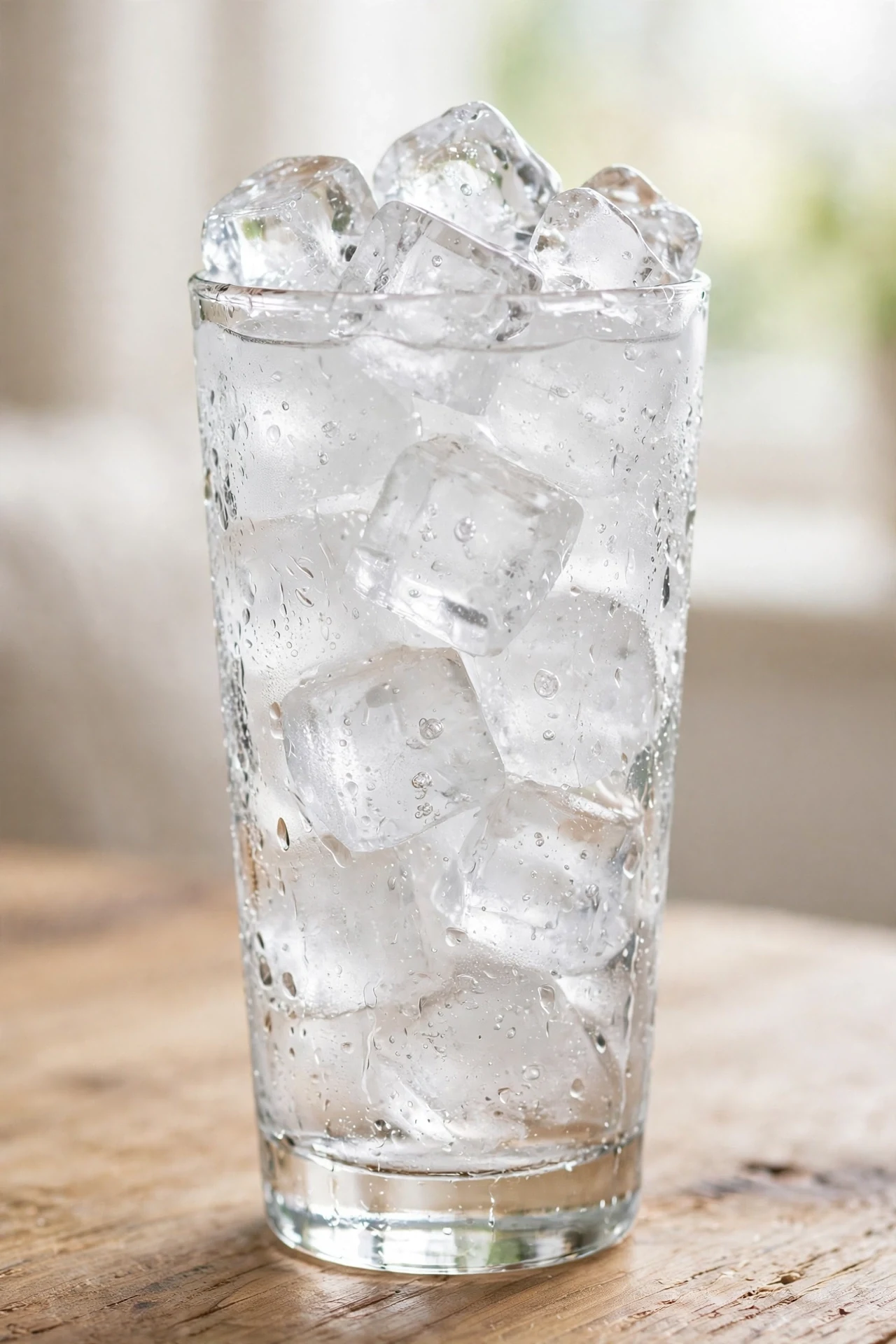
Crunching the ice left in your drink feels harmless — it is just water, after all. But ice is hard enough to crack enamel and even fracture a tooth outright, especially teeth with older fillings. Enamel does not grow back, so every cube is a small gamble against a repair bill. If the urge to crunch is the appeal, dentists suggest letting the ice melt, switching to a straw, or choosing softer things to chew.
2. Biting Your Nails
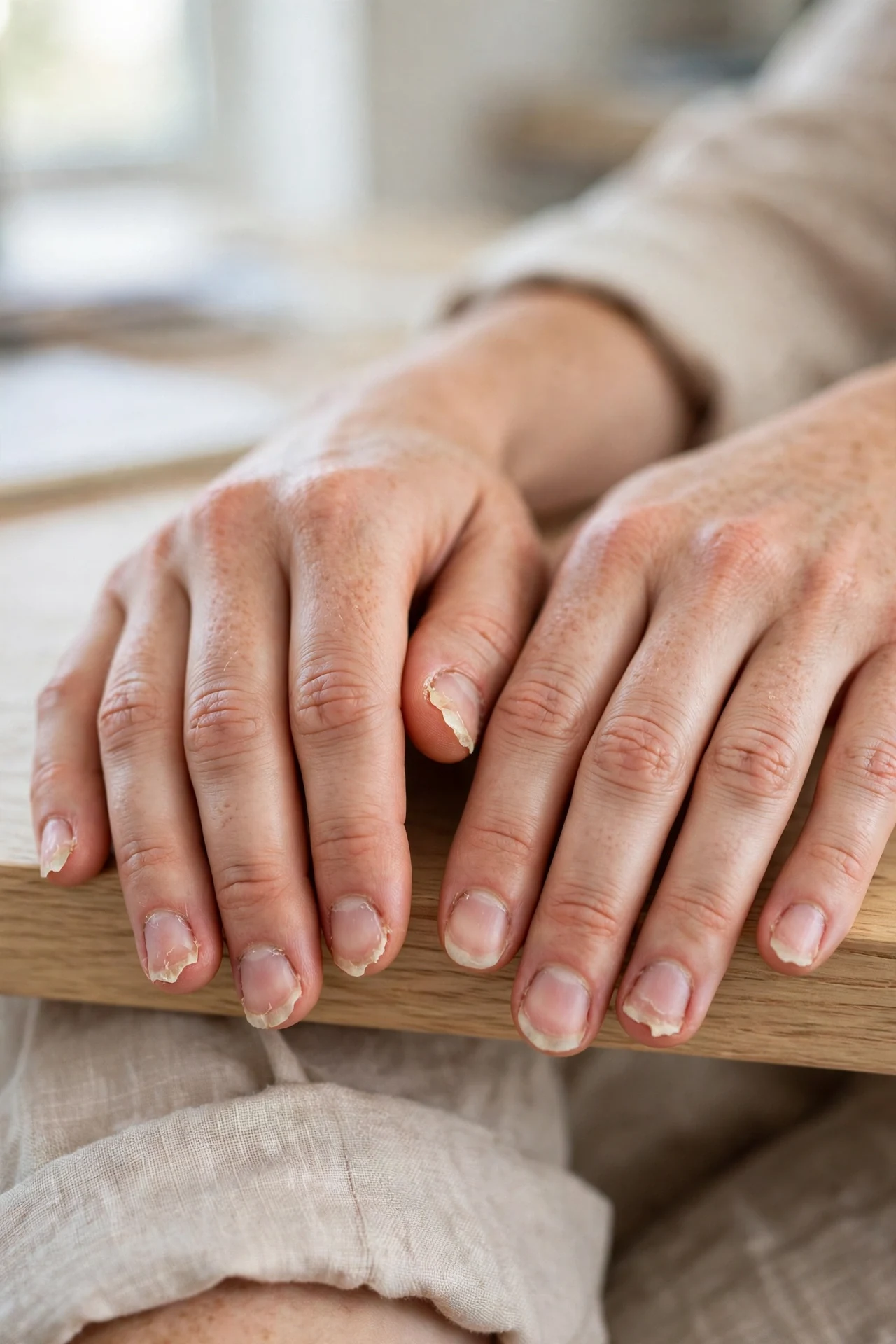
Nail biting grinds the edges of your front teeth against a hard surface over and over, gradually wearing the enamel down and sometimes chipping it. It also shifts the jaw into an unnatural position for long stretches, which can contribute to jaw pain. Add the bacteria that live under fingernails being delivered straight to your mouth, and dentists rank it among the habits they most want patients to break.
3. Opening Bags And Bottles With Your Teeth
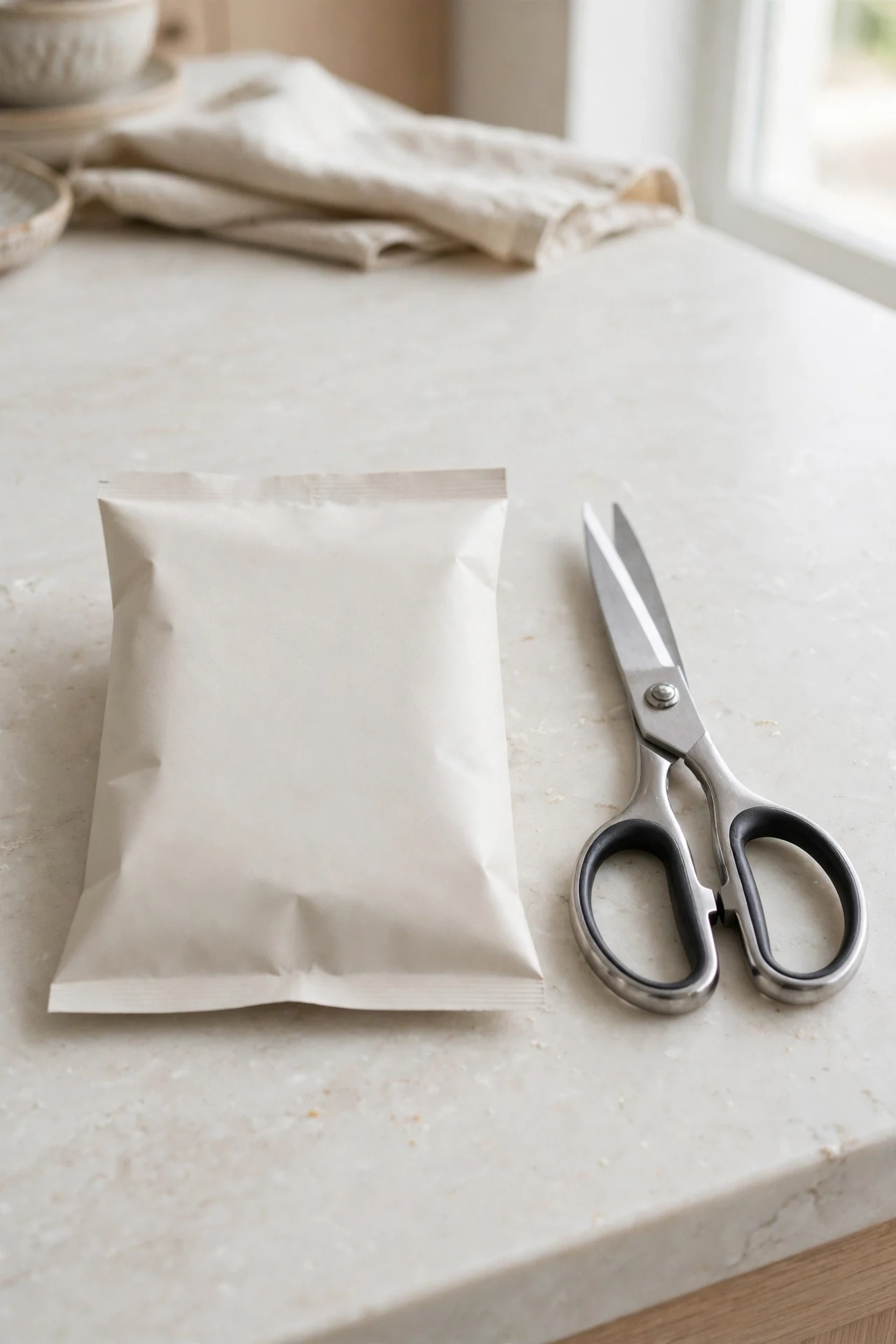
Teeth are tools for eating — not bottle openers, scissors or pliers. Using them to tear packaging or twist caps puts concentrated, twisting force on single teeth, and cracked or broken teeth from exactly this are a routine sight in dental offices. The two seconds saved are never worth a crown. Keep scissors and a bottle opener where you actually need them.
4. Eating Gummy Candy

Of all sweets, sticky gummies worry dentists most. They wedge into the grooves of molars and cling there long after eating, feeding the bacteria that produce cavity-causing acid for hours. Sour gummies are a double hit — sugar plus acid softening the enamel itself. If you eat them, dentists advise rinsing with water afterwards and waiting a little before brushing, so softened enamel is not scrubbed away.
5. Drinking Too Much Alcohol

Alcohol dries the mouth, and saliva is the mouth’s built-in cleaning system — it washes away food debris and neutralises acids. A chronically dry mouth means more plaque, more cavities and more gum disease, on top of alcohol’s wider health effects. Dentists suggest alternating alcoholic drinks with water, which helps both hydration and your mouth, and never skipping the evening brush after a night out.
6. Using A Toothbrush With Hard Bristles
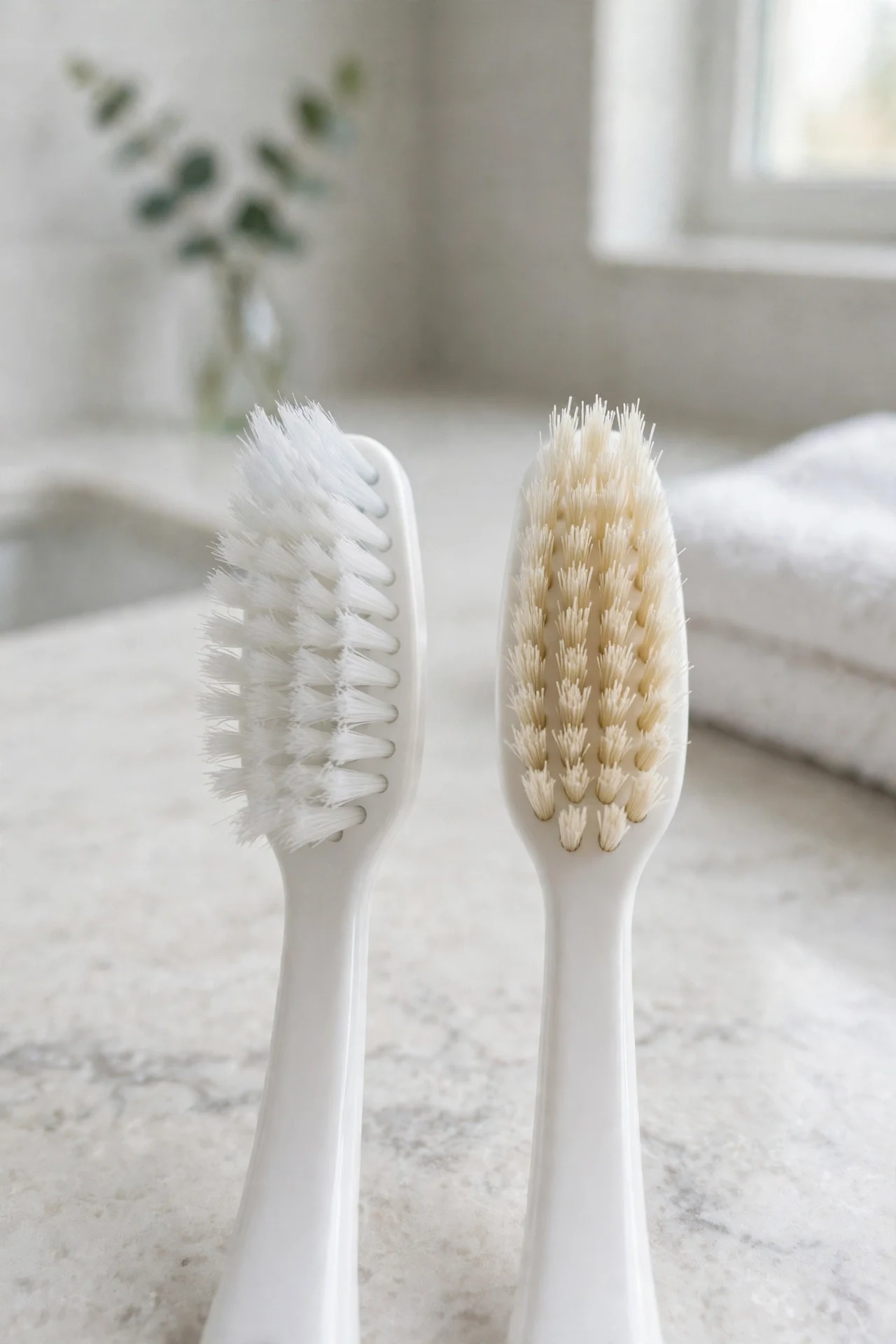
Harder does not mean cleaner. Firm bristles — especially combined with enthusiastic scrubbing — abrade gum tissue and contribute to gum recession, exposing the sensitive roots of teeth, and can wear enamel near the gumline. Dentists overwhelmingly recommend soft bristles and a gentle touch; plaque is soft and lifts away easily, so force adds damage without adding benefit.
7. Smoking And Tobacco Use

Tobacco stains teeth, causes bad breath and sharply raises the risk of gum disease, tooth loss and oral cancers. It also slows healing, which makes dental treatments less predictable. This is the one habit on the list dentists raise even when everything else looks fine — and while quitting is hard, they point out that dental teams can connect patients with support and resources to help.
8. Skipping Brushing And Flossing
The obvious one — and still the most common. Plaque hardens into tartar within a day or two, and only a professional cleaning removes it after that. Night-time brushing matters most of all: saliva flow drops during sleep, so going to bed with a dirty mouth gives bacteria an undisturbed all-night shift. Flossing reaches the surfaces between teeth that a brush physically cannot, where a large share of cavities begin.
9. Missing Regular Dental Checkups
Most dental problems are painless until they are expensive. Checkups catch small cavities, early gum disease and other issues while they are still cheap and simple to fix, and professional cleaning removes the tartar home care cannot. How often you need to go varies — many people are advised twice a year, some once — but “only when something hurts” is the schedule dentists unanimously argue against.
None of these nine habits feels dramatic in the moment, which is exactly the problem — teeth keep score quietly, over years. The encouraging flip side is that every habit here is changeable, and most swaps cost nothing. For more expert-led health reading, our piece explaining a major athlete’s blood clot scare shows how early attention to small warnings makes all the difference.
This article is general information only and is not medical or dental advice. If you have concerns about your teeth or gums, talk to your own dentist.