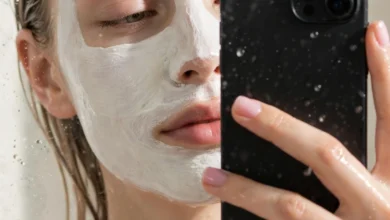
This Is the Anti-Aging Skincare Routine Recommended By Both Dermatologists and Aestheticians


Is it ever too early to start an anti-aging routine? According to board-certified dermatologic surgeon Dr. Dendy Engelman, the answer is no. It is never too early to go after concerns like pigmentation, fine lines around the eyes and skin that looks a little dull, using ingredients made for exactly that. And if you are not that keen on anti-aging just yet, that is fine too — as Engelman puts it, it is cool if you are not so keen. Her reassurance is simple: even a routine as basic as a cleanser and sunscreen will do the trick. To build the full routine, the article turned to Engelman, board-certified dermatologist Dr. Michelle Henry, and Shani Darden, a licensed celebrity esthetician and founder of Shani Darden Skincare. The piece was reviewed by Dr. Engelman, MD, FACMS, FAAD.
The short version first. Starting an anti-aging routine early can help with pigmentation and fine lines before they settle in. Daily sunscreen is crucial, because sun exposure wears down collagen and brings on pigmentation. And retinol in your night routine helps stop new wrinkles forming while smoothing out the fine lines you already have.
Meet the Experts
Dr. Dendy Engelman is a board-certified dermatologic surgeon at Shafer Clinic Fifth Avenue. Dr. Michelle Henry is a board-certified dermatologist and Harvard-trained Mohs surgeon, caring for patients at Skin & Aesthetic Surgery of Manhattan in the Midtown East neighborhood of Manhattan, New York City. Shani Darden is a licensed celebrity esthetician and the founder of Shani Darden Skincare. Below is the step-by-step anti-aging routine they recommend and approve.
Morning Routine
Step 1: Cleanser
Start the day with fresh skin. Engelman keeps the rule simple: stick with a gentle cleanser, one that will not strip your skin of its natural oils and leave you more dehydrated than before.
Step 2: Toner
Toner goes on right after cleanser, because it preps the skin for everything that follows. Henry calls it a necessary step for anyone whose skin tends to run oily, or who is prone to breakouts.
Step 3: Vitamin C Serum
Next comes serum, and Darden says a vitamin C formula is the best choice. Vitamin C is an antioxidant, she explains, that protects skin from sun damage and free radicals — and she likes to follow it with an oil-free sunscreen that hydrates without clogging pores. Vitamin C also helps even out the complexion and brighten it.
Step 4: Facial Oil
If your skin is super-dry, consider a drop of facial oil before moisturizer. Look for soothing rosehip oil and conditioning sea buckthorn oil. The tip for keeping it from looking greasy: rub a drop between your palms and gently press it into your face.
Step 5: Moisturizer
Once the oil has had a second to absorb, apply moisturizer. The pick here is the Allies of Skin Peptides & Antioxidants Advanced Firming Daily Treatment, praised for its fluffy texture and ingredient list. Packed with probiotics and antioxidants, it is made to help with aging concerns in the same way a wrinkle cream is — and the texture is part of the appeal: silky, smooth and ultra-light.
Step 6: SPF
Sun is one of the biggest drivers of premature aging, which makes SPF the most important step in an anti-aging routine. Darden explains that sun exposure depletes the collagen in your skin and can cause pigmentation problems. For an option that is easy to apply and wears well under makeup, the routine’s favourite is the Shiseido Urban Environment Oil-Free Sunscreen SPF 42 — it blends into skin well, and it is packed with hyaluronic acid to add moisture and volume. And if chemical sunscreens concern you, Engelman suggests looking for formulas that do not contain oxybenzone.
Night Routine
Step 1: Double Cleanse
After a day out in the elements, washing once is not enough. Engelman’s instruction is short: double-cleanse. Start with an oil-based cleanser, then lather up with a gel-based one. The oil or balm breaks down old makeup, dirt and debris, and the gel that follows leaves a clean canvas — clear pores and better absorption for everything you apply next.
Step 2: Toner
Toner in the evening works the same way it does in the morning, coaxing skin to absorb what follows. Engelman recommends something like the Lotion P50 range from Biologique, which exfoliates and tones the skin with phenol and salicylic acid. It preps the skin and helps maintain its ideal pH balance.
Step 3: Retinol
Aside from sunscreen, Darden calls retinol the most important step in an anti-aging routine. Retinol works hard to prevent new wrinkles from forming and to smooth out any fine lines you may already have, she explains, and it also helps fade pigmentation by speeding up cellular turnover. The routine pairs it with Sunday Riley’s Luna Sleeping Night Oil, applied before moisturizer — a formula made to trigger collagen and elastin production, with blue tansy and German chamomile to calm redness and avocado seed oil to plump the skin.
Step 4: Exfoliating Serum
AHAs such as glycolic acid are great for exfoliating, says Engelman. The pick here is Sunday Riley’s Good Genes Lactic Acid Treatment, which hydrates the skin while brightening it. Licorice and lemongrass help illuminate dark spots, while prickly pear extract soothes. Use it every few nights, on top of the Luna sleeping oil and under moisturizer.
Step 5: Moisturizer
Lock it all in with a great moisturizer. Ingredients such as peptides and ceramides are crucial here — Engelman says they reinforce the integrity of the skin. The recommendation is Drunk Elephant’s Protini Polypeptide Cream, described as being like a green smoothie for your skin: loaded with nutrients and active ingredients, including soybean folic acid and pygmy waterlily stem cell extract, it is formulated to trigger more collagen production. If you want a moisturizer made specifically to target aging concerns, this is it.
Step 6: Eye Treatment
Eye cream is an absolute must. Engelman reminds us that the skin around the eyes is thinner than the rest of the face, so it needs a little extra attention. Darden uses an eye cream to brighten and hydrate the under-eye area, and she stresses keeping the under-eyes hydrated — that is what helps make wrinkles less noticeable and keeps the skin firm and plump. If you need extra hydration, you can add a hyaluronic acid serum before your moisturizer.
Weekly Extras
Face Mask
Masks work to hydrate and strengthen the skin barrier, says Darden. Full of peptides, ceramides and hyaluronic acid, they support collagen production, which can smooth fine lines and wrinkles. A face mask is a great activity on a quiet night in, but it also works in the morning after double-cleansing. The experts suggest adding this step after toner.
Dermarolling
In-office microneedling treatments have long been touted for a variety of skin concerns, and the more user-friendly dermaroller puts that same clinical power in your hands. If you have never tried at-home derma-rolling, here is the run-through: it is a device you roll over your skin to make sure product penetrates deep enough to work. The little needles open up the skin, which also sets it off into collagen production overdrive. It can help products absorb better — but Henry warns against misusing it. Used incorrectly, she says, it can cause problems with pigmentation, especially for women of color.
The routine is surprisingly simple, and that is the point. Sunscreen does the heavy lifting by day, retinol does it by night, and everything else is support — a gentle cleanse, a vitamin C serum in the morning, a good moisturizer and eye cream at night, and a mask or a dermaroller when the week allows. Start early, keep it consistent, and let the steps build on each other.