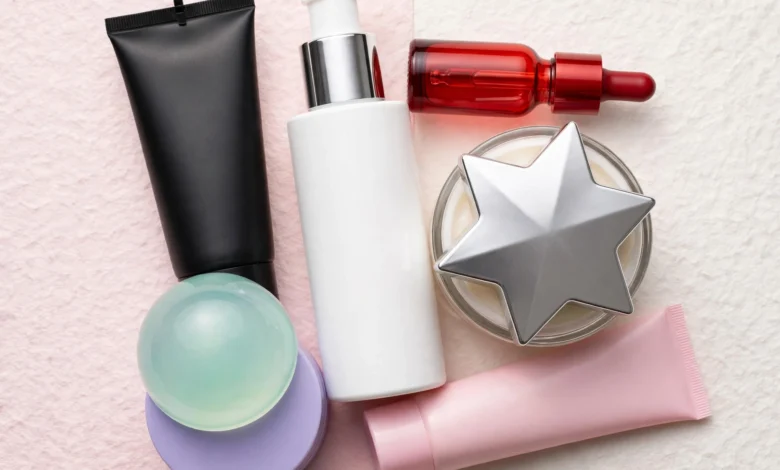
Mid-2010s nostalgia is in full force right now. Celebrities are posting throwback photos (the hashtag reads #2106 in the piece), Kylie Lip Kits are back in the conversation, and everyone is reliving the golden days of Beauty YouTube and the rise of the “Instagram face.” But while the makeup and hair of 2016 get all the looking back, the skincare of that year barely gets a mention. Amanda Ross argues that is a miss — because that chaotic, fun era was the beginning of the skincare obsession we live with today.
The routines were long, the products were extra, and the results were, by her own admission, questionable. That was part of the fun. And it set the scene for everything that followed: the most fun skincare has ever been, a moment when everyone was figuring out skin together, on the internet, in front of everyone.
The 2016 Skincare Landscape
In 2016, skincare was as much about aesthetics and vibes as it was about results — about cultivating personal taste. Eye patches were performative. Boscia’s black peel-off mask was everywhere. GlamGlow mud masks came with vibey names, sheet masks came patterned, serums came laced with glitter, and primers looked like unicorn blood, patted into skin with an oversized silicone egg at double speed while a Chainsmokers song pulsed in the background.
The mood around it was just as extra: astrology, manifestation and metaphysics, the don’t-date-a-Gemini era, a loose rose quartz carried in your purse. It was experimentation for its own sake, before the ingredient-led, clinical framing that followed — and the fun, colour and texture of the products were the whole point.
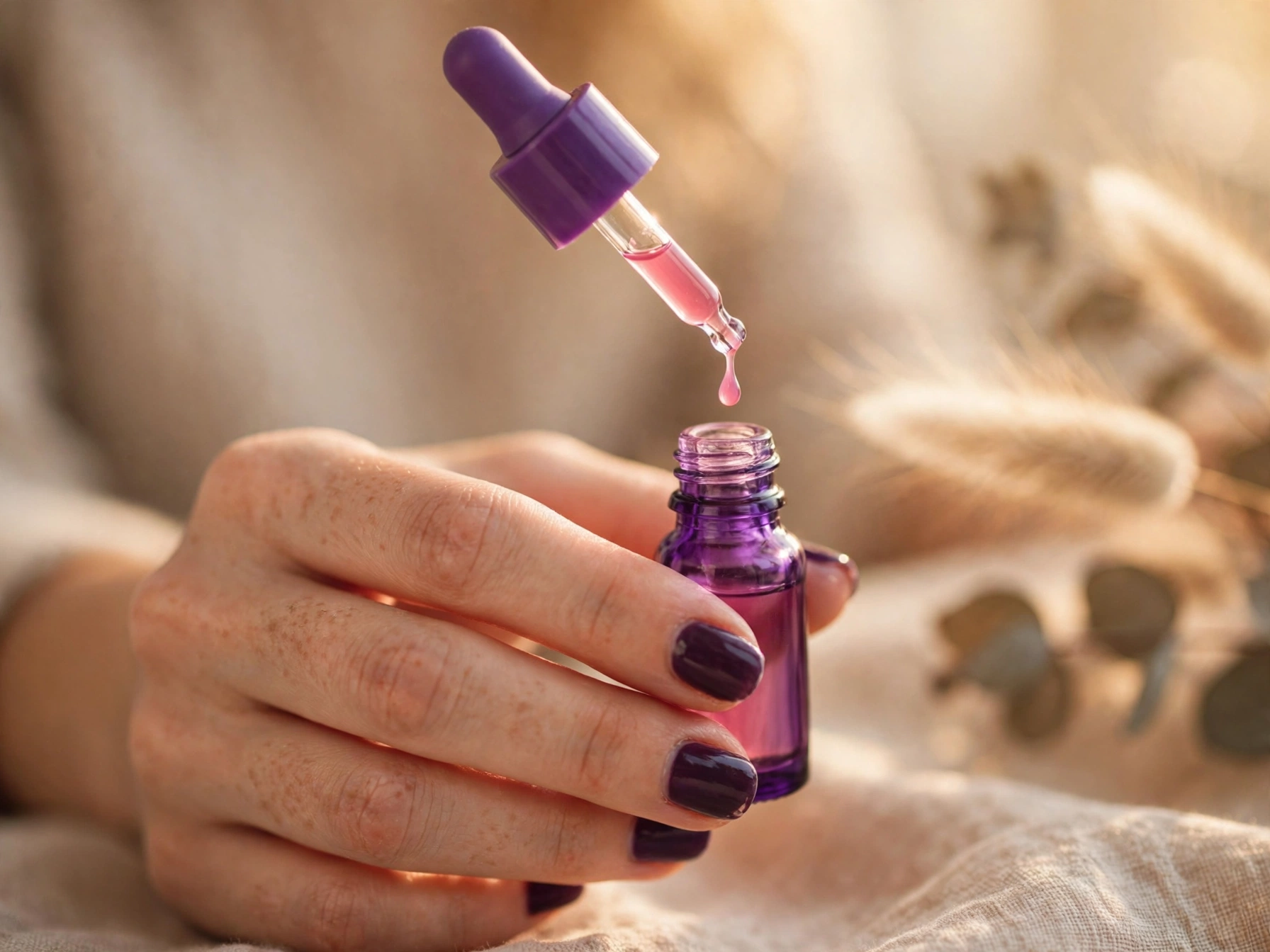
Farsali’s own look back at the year captures the mood perfectly. In a post captioned “POV: your 2016 IG feed…”, the brand remembers 2016 as the year before it entered Sephora — the year that quietly set everything in motion, when its Rose Gold Elixir and Unicorn Tears found their way onto the explore page, passed from creator to creator. The brand credits the early creators who believed in it first, including Farah Dhukai, Huda Beauty and MakeupShayla.
The Information Boom
The real legacy of 2016, Ross argues, was information. People learned skincare online, from each other, before brands and retailers caught up. Rio Viera-Newton’s skin care Google Doc became a shared skincare bible — a spreadsheet passed around like a sacred text. K-beauty and double cleansing entered the conversation, and consumers started getting fluent in ingredients: reading labels, comparing formulas, sharing routines.
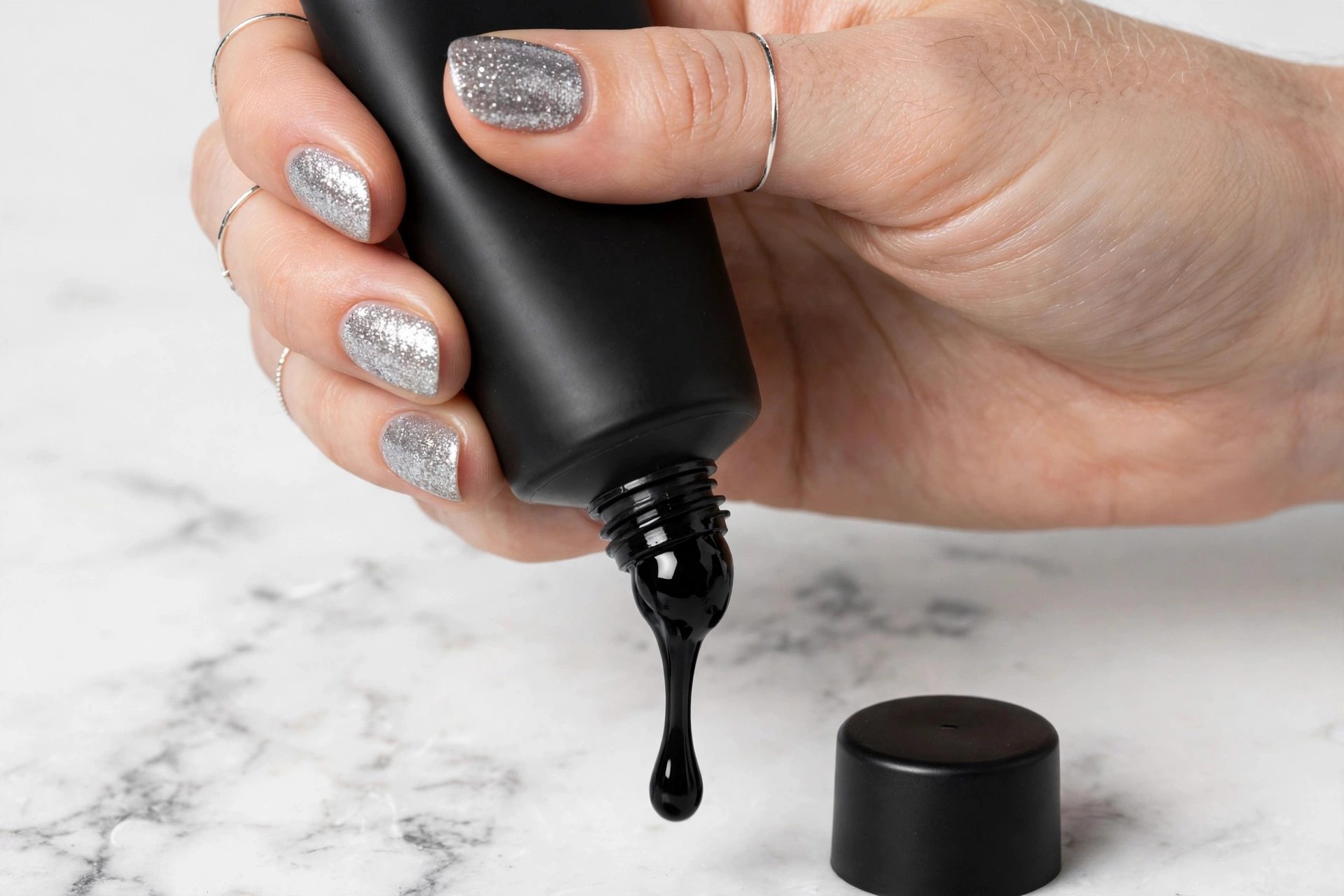
Charlotte Palermino, co-founder of Dieux Skin, remembers 2016 as the year she first heard about K-beauty and double cleansing — ironically, from SoKo Glam founder Charlotte Cho. She was fascinated: back in 2012, Gwyneth Paltrow’s Goop newsletter had made French Beauty trend, and now here was the first wave of Korean beauty in America. Communities like the r/IndianBeautyTalks subreddit were doing the same work, and the shift was real enough that packaging and brand language eventually followed — moving from mystical marketing copy to percentages and active ingredients printed right on the label.
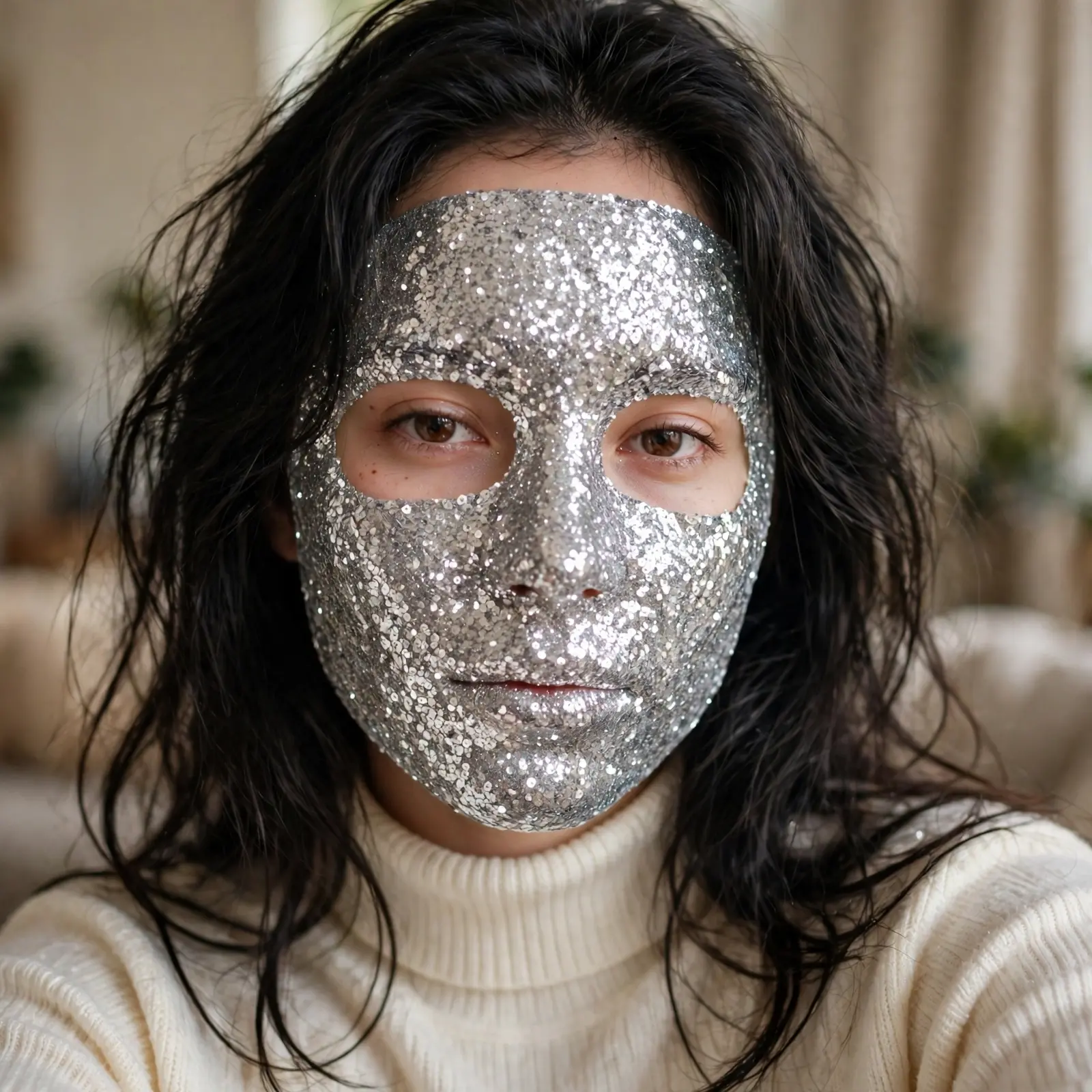
Rio Viera-Newton’s own post from the era says it in three words: “Big A.I. Energy” — a silver glitter sheet mask, a cream turtleneck, and the whole confident strangeness of 2016 skincare in a single frame.
2016 to 2026
The shift shows in the language. “Volcanic ash” and “dragon’s blood” are out; niacinamide, tranexamic acid and ectoin are in. The old logic — it tingles, so it’s working — has given way to a new one: a formula works because it combines azelaic acid and ceramides to target breakouts without compromising the skin barrier.
Palermino’s view is that TikTok supercharged the beauty and skincare consumption cycle, fuelled in large part by how long and often we now stare at ourselves over Zoom and other front-facing cameras since the pandemic. Carolyn Bojanowski, EVP of Merchandising with Sephora US, sees the category evolving toward a more science-driven space, with customers prioritising long-term skin health, repair and barrier resilience. She points to growing interest in skin longevity, cutting-edge ingredients and biotech, mindful formulation, personalised routines, streamlined routines and packaging innovations that minimise waste — a natural progression from the “it tingles” era of ten years ago.
Ross closes on a first-person note: it is wild how much the average person now knows about injectables and in-office treatments. Her 60-year-old father recently asked her what she thought of him getting PRP treatments — a dinner-table conversation that would have been unthinkable back when Kim K was making headlines for her infamous “vampire facial.” That, she says, is what happens when a whole generation spends a decade crowdsourcing skincare knowledge online.
Knowledge might be power, she writes, but ignorance is also bliss. It is nice to be able to dial up a six-product lineup tailored to calm a forehead breakout by next weekend, but there is something freeing and almost alchemic about not knowing what you are doing — even if it gets you nowhere. Before tretinoin, before skin cycling, before the average 20-something knew what a moisture barrier was, it was just you and a jar of Urban Outfitters-bought Disco Kitten glitter face mask against the world.
So 2016 skincare deserves its place in 2016 nostalgia, not just the makeup and hair. Its chaotic experimentation created the ingredient literacy, the online knowledge-sharing and the product landscape of today — and the not-knowing had its own freedom.