
Start with one detail they’ll recognize. Maybe it’s the porch light they leave on for you, the song they played on a long drive, or the toast you both pretended was fine. Put that detail in a sentence, then choose a card that gives it a place to land. A blank card and a pen are enough for the first idea.
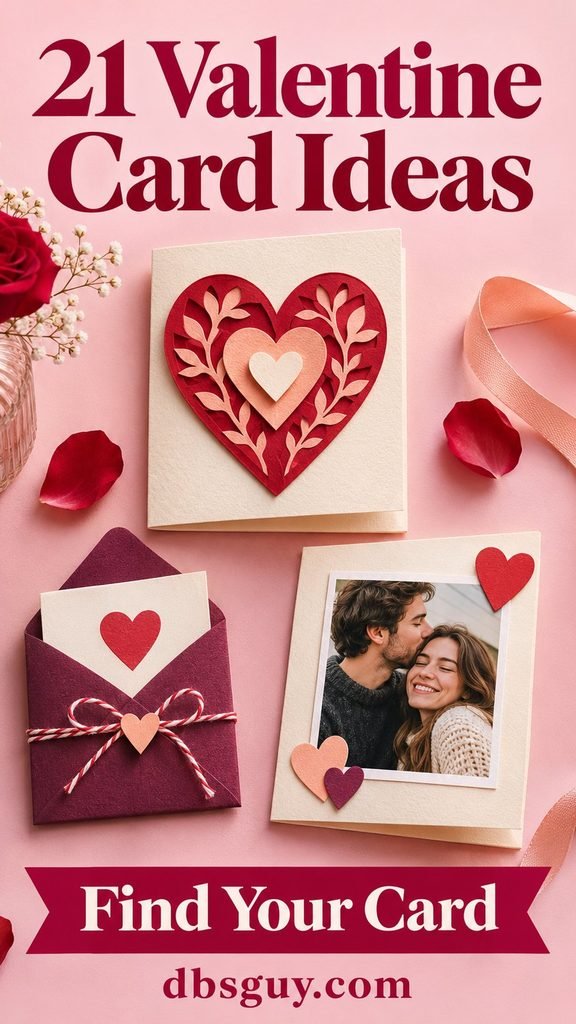
These Valentine card ideas pair something to make or personalize with an example of what to write. For a quick card, choose a thank-you, a doodle, or a photo. For a small keepsake, try a corner bookmark or a pressed flower. If you’ll see them after February 14, turn the card into an invitation for a day you can both make.
The images are AI-generated concepts that illustrate the card designs.
Quick cards with one personal detail
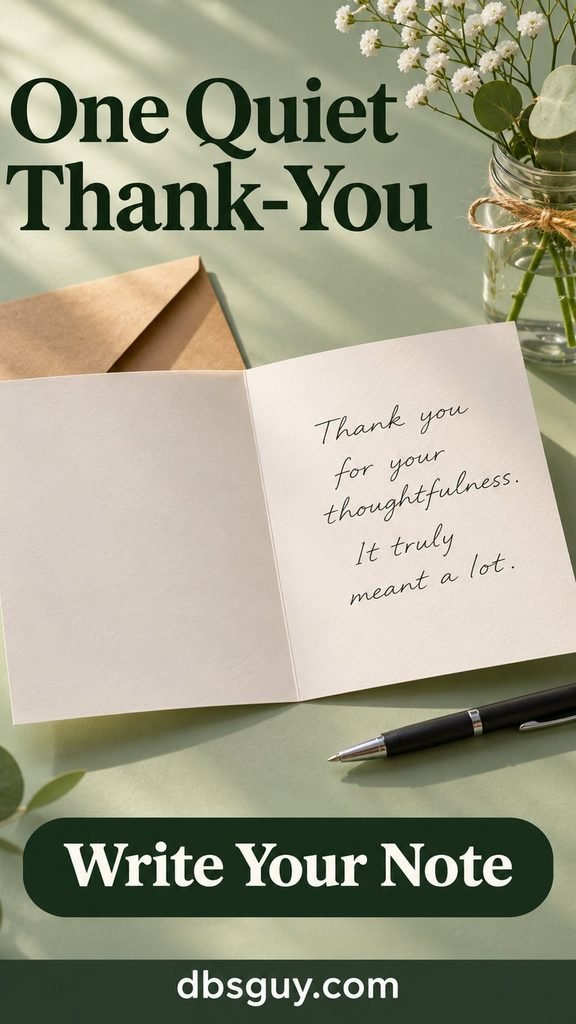
1. Thank them for one ordinary thing
Open a store-bought card and think of one small thing they do that makes your day better. Name the thing and tell them what it means to you. If the card already has a printed verse, use the blank panel opposite it so your handwriting has room.
What you could write
“You always leave the hall light on when I’m getting home late. It makes the whole place feel like home.”
2. Put their initial on a paper heart
Fold a scrap of red paper in half, cut half a heart along the crease, and open it. Glue it flat to a blank card and add their initial with a dark pen. An initial makes a stack of matching cards feel individually addressed, even if you make them all with the same paper.
What you could write
“Maya, the best part of a slow Sunday is getting coffee with you.”

If you want to practice the initial before inking it, the calligraphy section of DBSGuy’s guide to screen-free hobbies starts with an ordinary marker and scrap paper.
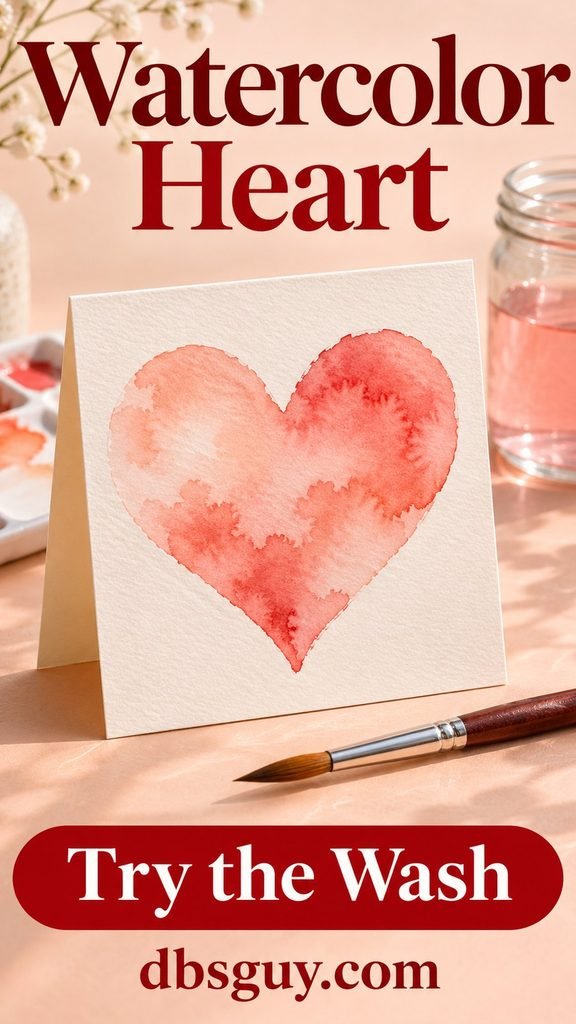
3. Paint one watercolor heart
Draw a heart on a small piece of watercolor paper. Brush a little clean water inside the outline, then touch diluted paint to one side and let it spread. Let the paper dry flat before attaching it to the card. You can also paint directly on a folded watercolor-paper card. Pick their favorite color or one that reminds you of a place you’ve been together.
What you could write
“I picked the color of the sky from our last night at the lake. I’d go back with you in a heartbeat.”
4. Turn an inside joke into a doodle
Draw one object that brings the joke back, like a piece of crooked toast from the morning you set off the smoke alarm. Put the setup on the front if it needs one, then save the punch line for inside. A shaky drawing can be part of the joke.
What you could write
“Here’s to another year of breakfast and the smoke alarm’s ongoing commentary.”

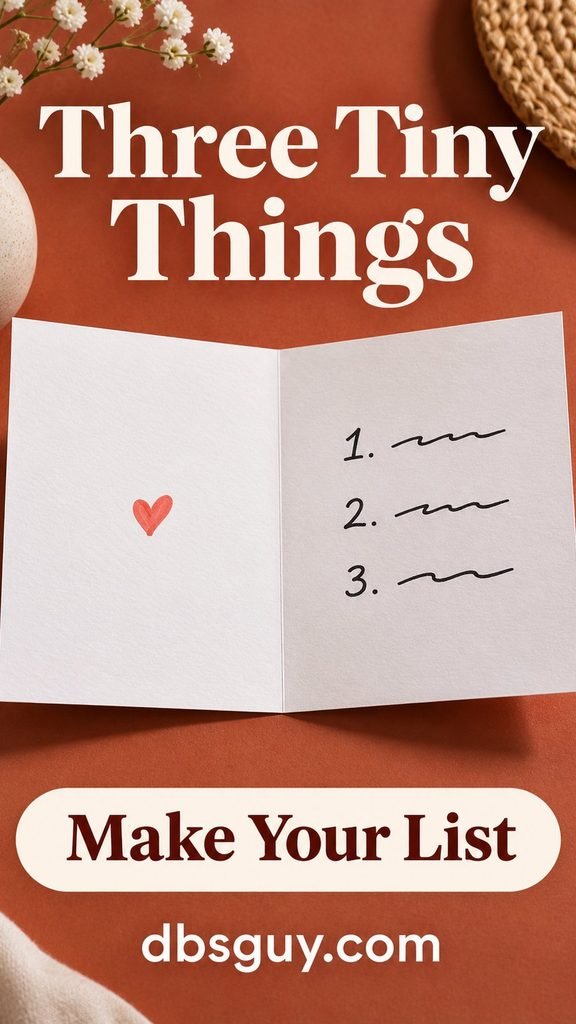
5. Write a list of three tiny things
Use the inside of a blank card for three details you’d miss if you spent a month apart. Try a sound, a routine, and a phrase they say. Number them down the page and leave a line of space between entries so each one gets a moment.
What you could write
“Your hallway whistle. The orange you always peel for me. The way “one more episode” never means one.”
Cards that hold a memory or a plan
6. Caption a photo they haven’t seen in a while
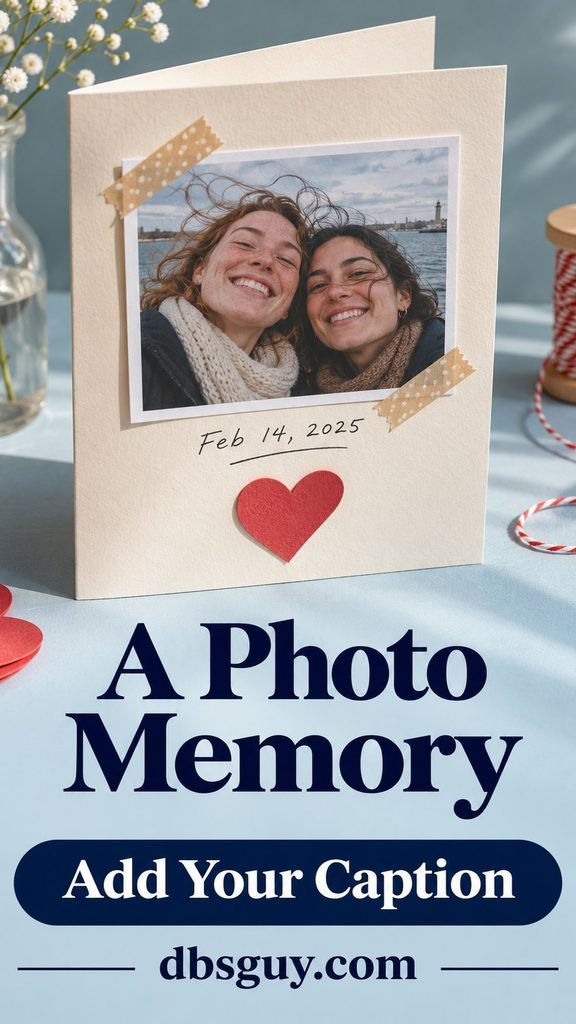
Print one photo small enough to leave a wide border. Attach it with photo corners or washi tape, then caption it with what the camera missed. The better picture might be the blurry one if the moment behind it is more recognizable.
What you could write
“We took this right before the wind stole your hat. I still laugh when I drive past that pier.”
7. Draw a tiny map of a shared place
Start with one landmark they’ll recognize, such as a river bend, a footbridge, or the corner store. Mark the exact spot where something happened with a heart. Sketch it from memory, and leave your home address or other private details off if the card might be shared.
What you could write
“Right here is where you asked if I wanted to take the long way home. I’m glad I said yes.”

8. Tuck in a recipe with a story
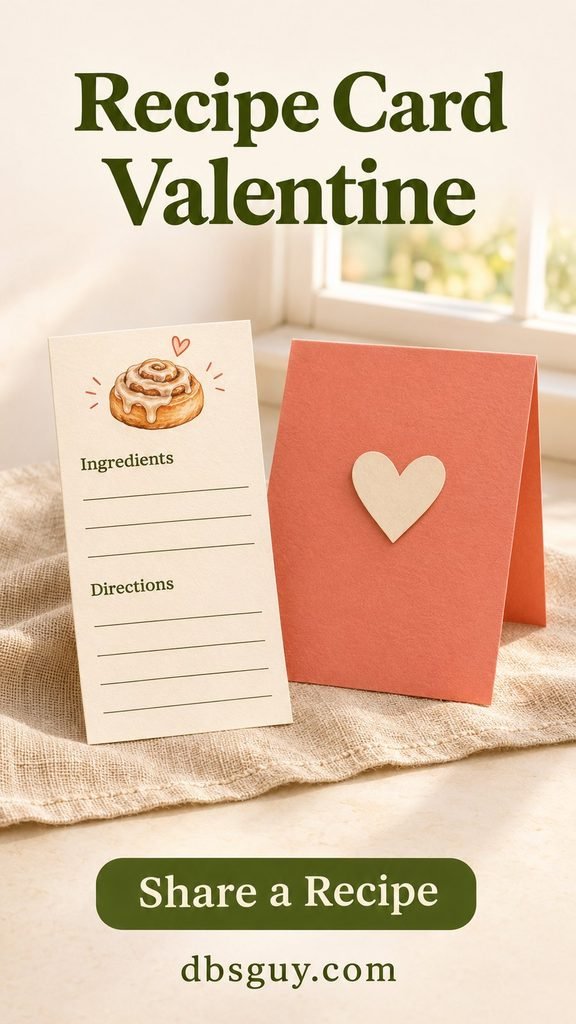
Copy a recipe they’ve asked for onto a removable index card. Include the ingredient amounts, oven temperature if it needs one, and the detail you’d tell them if you were standing in the kitchen together. In the Valentine, explain why you wanted them to have it.
What you could write
“You always called dibs on the middle cinnamon roll. I’m sending the recipe so you can claim it from your own kitchen, too.”
9. Make a pocket for a private note
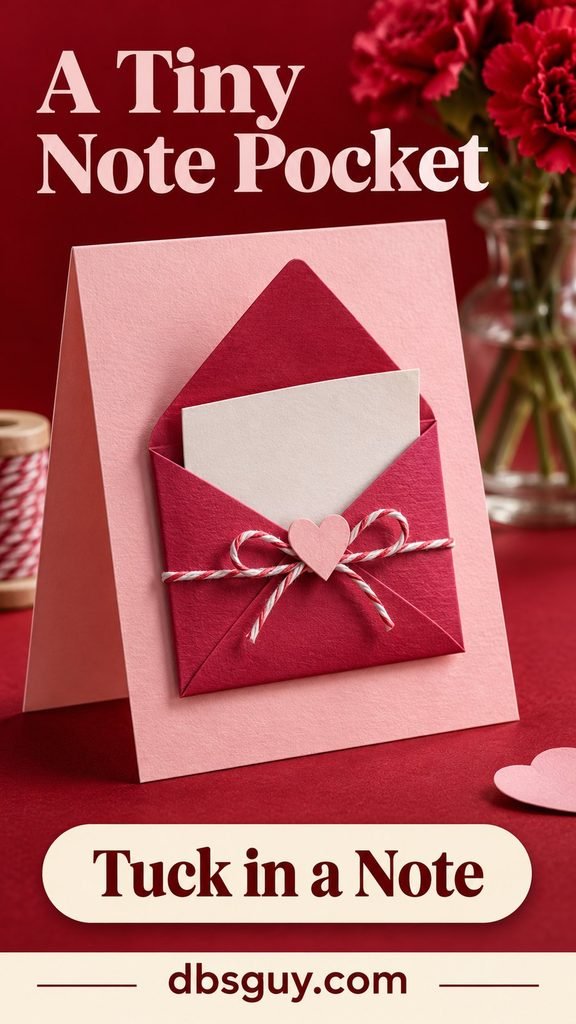
Glue a miniature envelope onto the front of a folded card with its flap facing out. Slip in a short note folded to fit. Try sliding it out before sealing the larger mailing envelope. If the folds catch, use thinner paper for the insert.
What you could write
“I still think about the afternoon you sat with me in the car until I was ready to go inside. Thank you for staying.”
10. Slip in a ticket for two
Cut a narrow rectangle of cardstock and letter it like a ticket. Put the activity on the front and practical details on the back. If a date is still up in the air, suggest two times and say who’s handling the booking or setup.
What you could write
“Pizza night, my kitchen. Friday or Sunday? I’ll get the dough and remember your extra olives.”

For a friend, turn the ticket into an invitation for a snack night. A Valentine-style treat board gives you something easy to share while you catch up.
11. Send a rain check with a new date
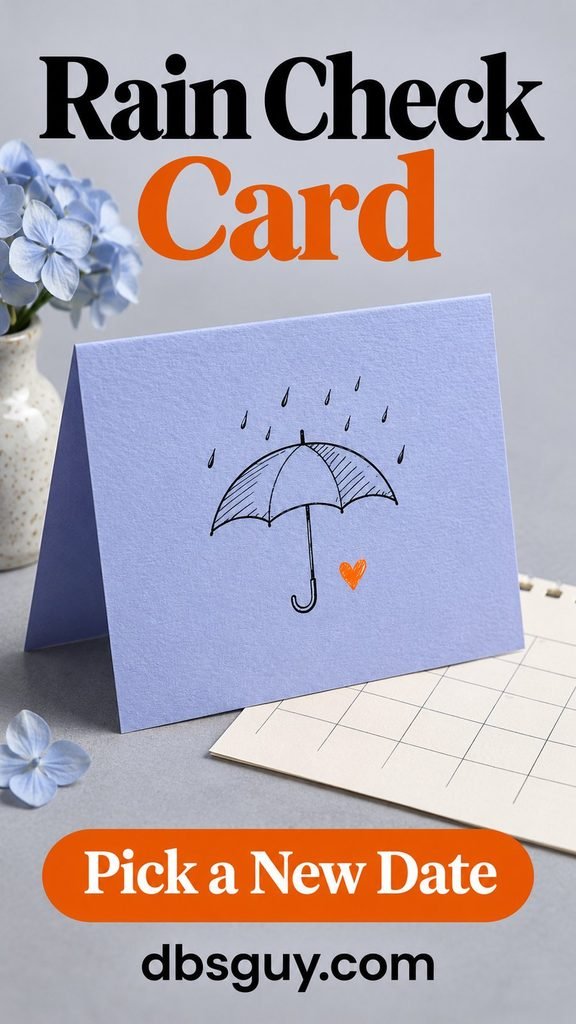
Draw a small umbrella on the front and use the inside to bring back a plan you had to cancel. Suggest a specific day and place. Keep the invitation easy to move if the reason you canceled is still affecting their schedule.
What you could write
“Rain check for the bookstore and pie. Could we try next Saturday? I still owe you the corner booth.”
Small keepsakes and paper surprises
12. Make a heart bookmark they can keep
Fold a 2-inch square of thin cardstock diagonally, then cut along the crease to make two matching right triangles. Glue them together along the two short edges, leaving the long edge open so the pocket slides over a page corner. Glue a paper heart onto the front triangle without blocking the opening. Tuck it into the card once the glue is dry.
What you could write
“For the chapter you’ll tell me you’re only halfway through, then finish before bed.”

13. Save one pressed flower
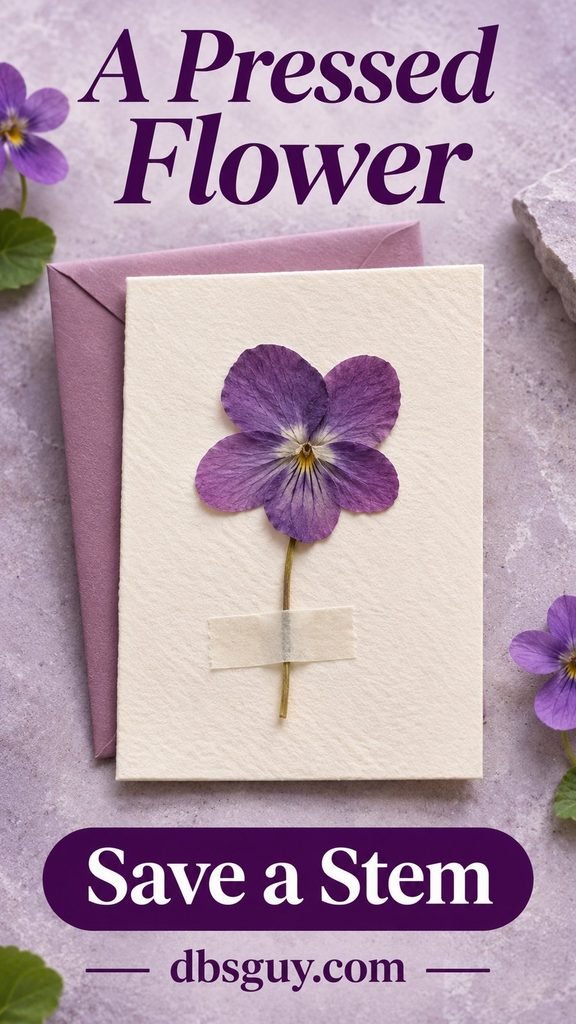
Pick a thin, fully dried flower and place it on a plain card. Hold it with a narrow strip of paper tape across the stem. If you’re starting from fresh flowers, set those aside to press for another occasion and use a paper cutout for this card. Hand-deliver a brittle bloom if it might crumble in the mail.
What you could write
“This little violet made me think of the ones by your front steps, and all the afternoons I spent on them.”
14. Stitch a simple heart outline
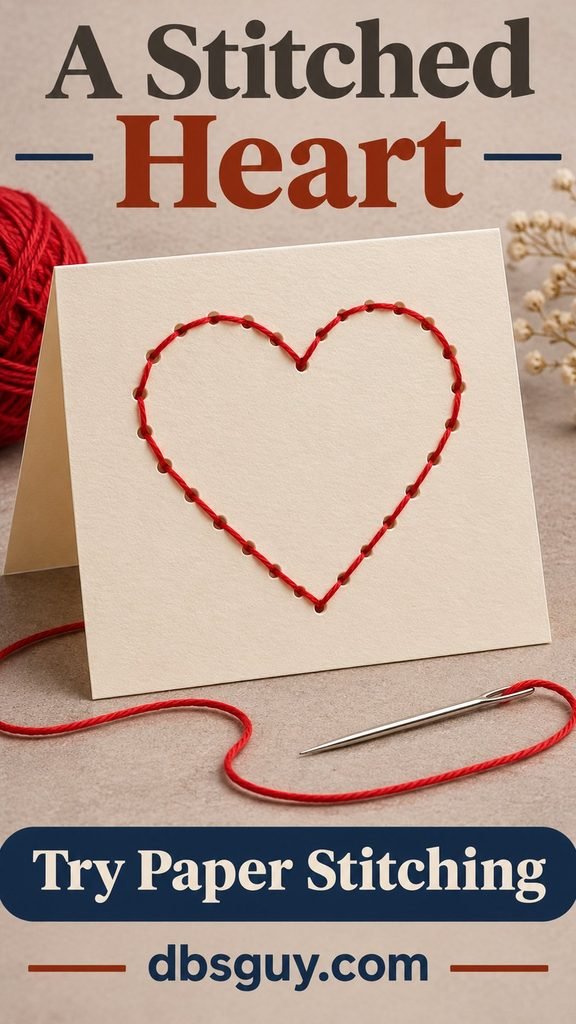
Pencil a heart on the front of a folded card, then open the card flat. Set the front panel over scrap cardboard and pierce evenly spaced holes around the outline. For a card made with kids, an adult can pierce the holes first. Stitch through them with embroidery floss, keeping the tension loose enough that the paper stays flat. Glue a thin liner behind the front panel if you want to cover the knots.
What you could write
“I love the way you mend things, from the hole in my sweater to a bad day.”
15. Hide a tiny surprise under a flap
Draw a tiny symbol on the inside of the card. Cut a paper square big enough to cover it and tape down only the top edge so the square lifts. Write “Lift” on the flap or draw a small arrow. Put the full message next to the reveal, where there’s room to read it.
What you could write
“Tea at your table always turns into two hours. I never mind the second pot.”

16. Build one pop-up heart
With a blank card folded shut, make two parallel cuts about ¾ inch apart and ¾ inch deep, starting at the folded edge. Bend the cut strip back to crease it. Open the card and push the strip inward to make a step. Glue a small paper heart to the upright face of the step, then open and close the card to check that the heart folds inside. Add a second folded sheet over the outside if you’d like to hide the cuts.
What you could write
“You still make me grin when I hear your key in the door.”

17. Slide out a compliment
Cut a small rectangular strip for the message. Lay a wider rectangle across it to make a sleeve and glue only the sleeve’s top and bottom edges to the card. Let it dry before sliding in the strip. Leave enough of the strip sticking out to pinch between two fingers, and write the compliment where it’ll be hidden until they pull.
What you could write
“You make it easy to be the new person in the room.”

Cards for kids, classmates, and long-distance Valentines
18. Let a child draw the two of you
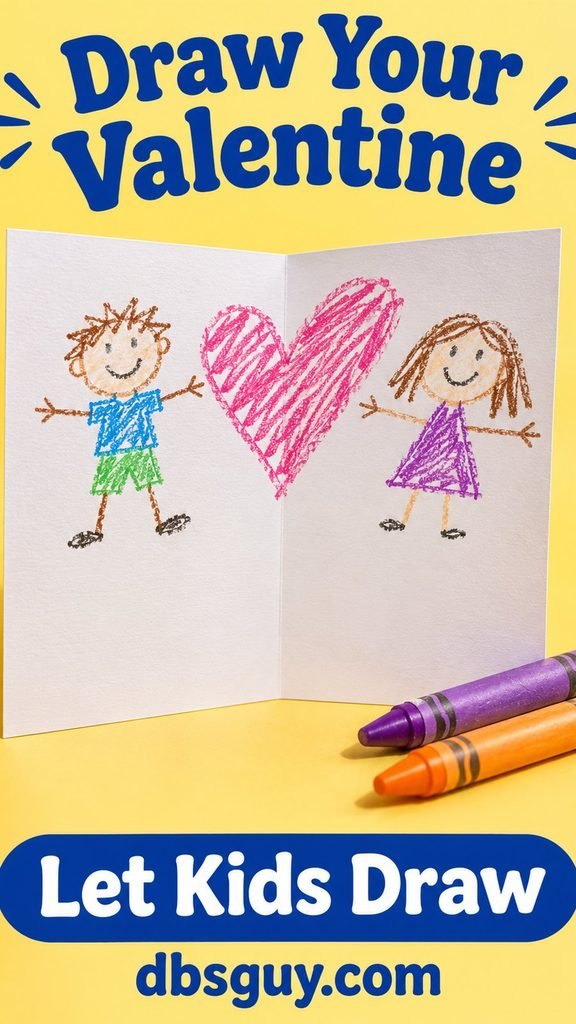
Ask them to draw something they like doing with the recipient. If they’re still learning to write, ask what they want the picture to say and write their words underneath. Let them sign with a name, an initial, or a mark they choose.
What you could write
“I like when Grandma makes the big pancake and lets me flip it.”
19. Batch classroom cards with one personal detail
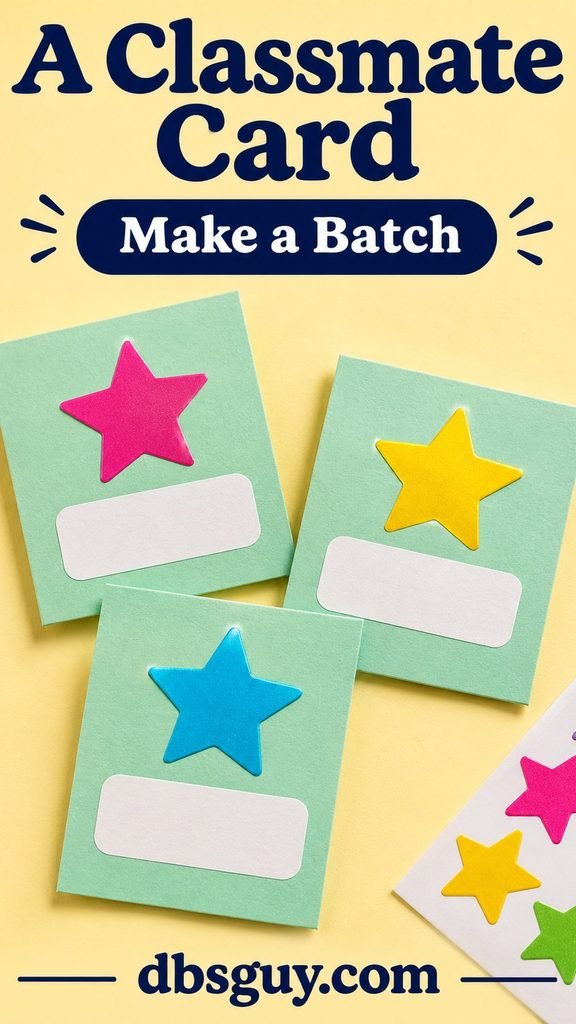
Cut matching rectangles, put a sticker in one corner, and leave the center clear for a name and a short line. If cards are going to the whole class, use a friendly message that works for everyone and let your child add details they know. Check the teacher’s exchange instructions before making the batch.
What you could write
“Ari, thanks for showing me how to draw a shark.”
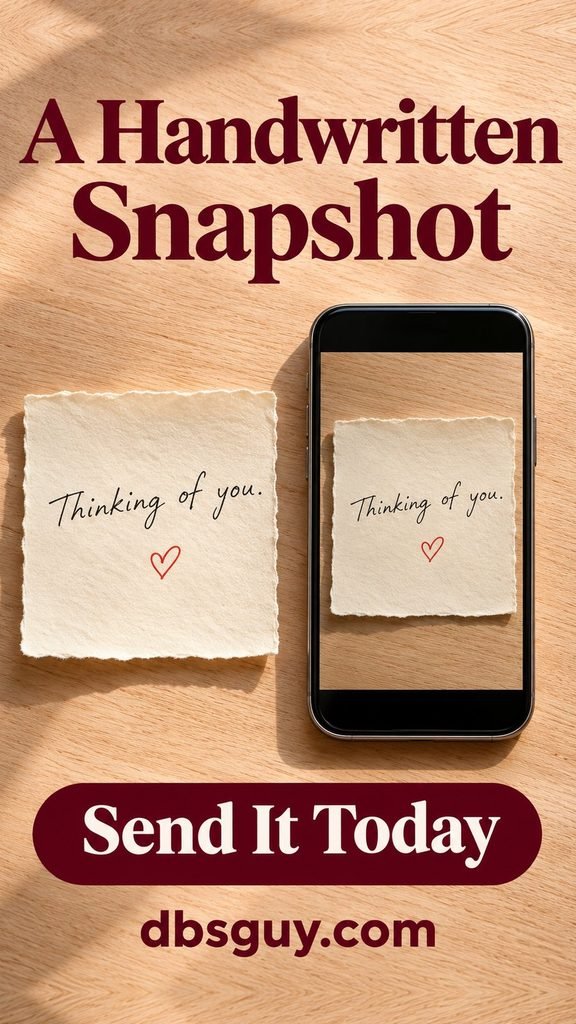
20. Send a handwritten snapshot
Write the note by hand and photograph it straight on near a window. Crop out the table clutter and zoom in once to check that every word is legible before sending. If small handwriting might be hard to read, include the note as text in the same message.
What you could write
“I passed our old bus stop today and remembered how you always saved me the window seat.”
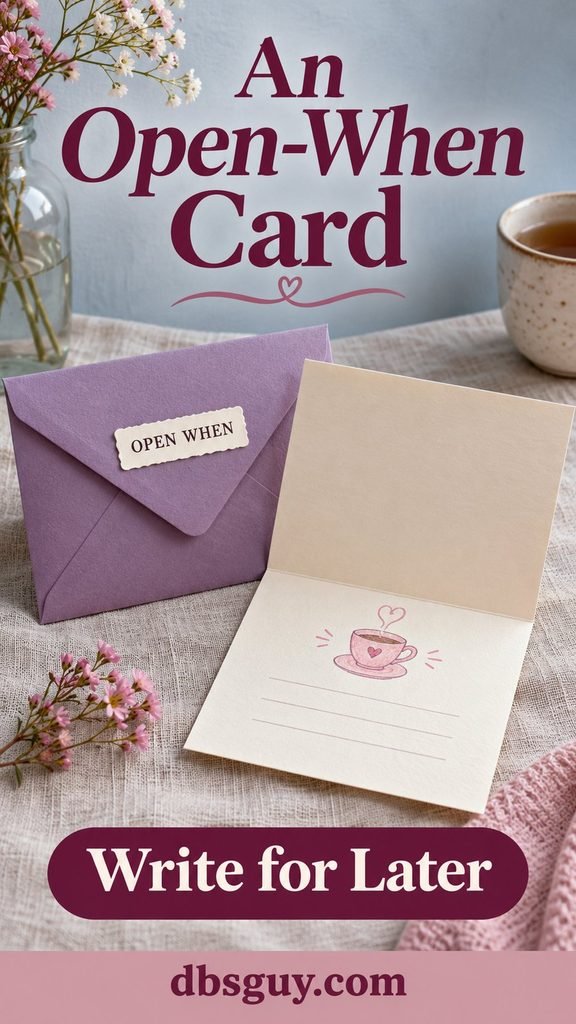
21. Seal an ‘open when’ card
Write one clear cue on the envelope, like “Open when you get home after a long day.” Inside, write something the reader can receive without needing to answer or do anything. Hand it over on Valentine’s Day so the first surprise is knowing there’s another one waiting.
What you could write
“Put the kettle on if you feel like it. I hope the rest of today asks less of you.”
Valentine card questions
What can I write in a Valentine card that isn’t romantic?
Thank them for something they did, tell them a memory you’re glad to have, or name a quality you’ve seen in action. For a friend, try “I still think about how you called before my interview. Hearing your voice helped.” For a family member, use a memory you share and sign off the way you normally would.
Which Valentine cards are easiest to mail in the U.S.?
Put a flat, flexible card in a rectangular envelope and write the address parallel to the long edge. A flat paper heart or a single photo is easier to pack than a thick fold, a button, or a fragile flower. Square, rigid, or lumpy envelopes can require extra postage. If the sealed envelope feels bulky, take it to the counter or check the USPS guide to sending letters and postcards.
What if I only have printer paper?
Fold a sheet in quarters for a small card with a little more body. Use a ballpoint pen if a marker bleeds through, and give the front one simple detail, like their initial or the umbrella doodle. If you’re mailing it, choose an envelope that fits the folded paper and meets letter-size requirements.
Also Read
25 Thoughtful Valentine’s Day Gifts for Partners, Friends, and Family