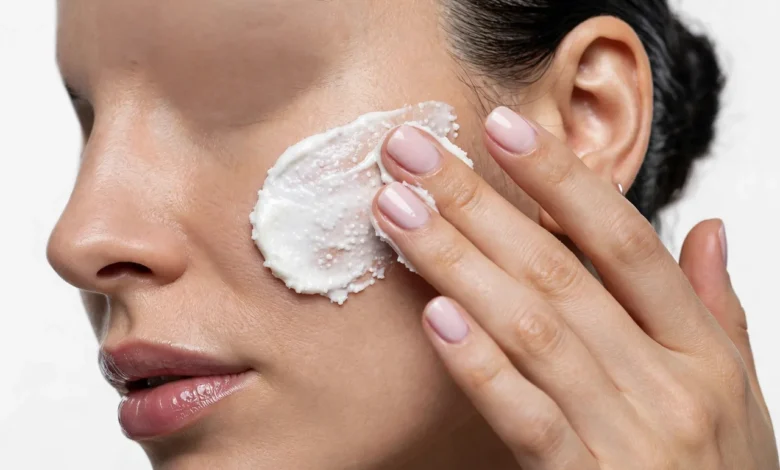
For a lot of people, the word scrub still brings back a very specific memory: a harsh, gritty tube from years ago, used far too enthusiastically, that left skin feeling raw rather than renewed. That is exactly the history Byrdie writer Bella Cacciatore brings to this review — and it is why her change of heart is the whole point of the piece. Cacciatore describes herself as someone who, while not religious, treats New York acne specialist Sofie Pavitt as the closest thing she has to a guiding authority, and says she follows Pavitt’s skincare advice to the letter. As someone with acne-prone skin, she says, she takes Pavitt’s word seriously. The examples she gives are taking fish oil for her skin and icing spots as a first response when they appear.
Last summer, Pavitt suggested something Cacciatore did not expect to hear: a gritty scrub, used together with a mandelic serum, to deal with closed comedones — those clogged, under-the-skin bumps. Cacciatore says she was doubtful at first. Her own reference point was the scrub she had used in high school, a St. Ives scrub, and she had long since decided that scrubs simply were not for her. But, she reports, that scrub-and-serum pairing made a noticeable difference to her clogged pores. Pavitt’s new launch, the Sofie Pavitt Face Studio-Smooth Microdermabrasion Treatment, is the product at the centre of this review, and the question running through it is a simple one: can a scrub be reclaimed?
The Formula
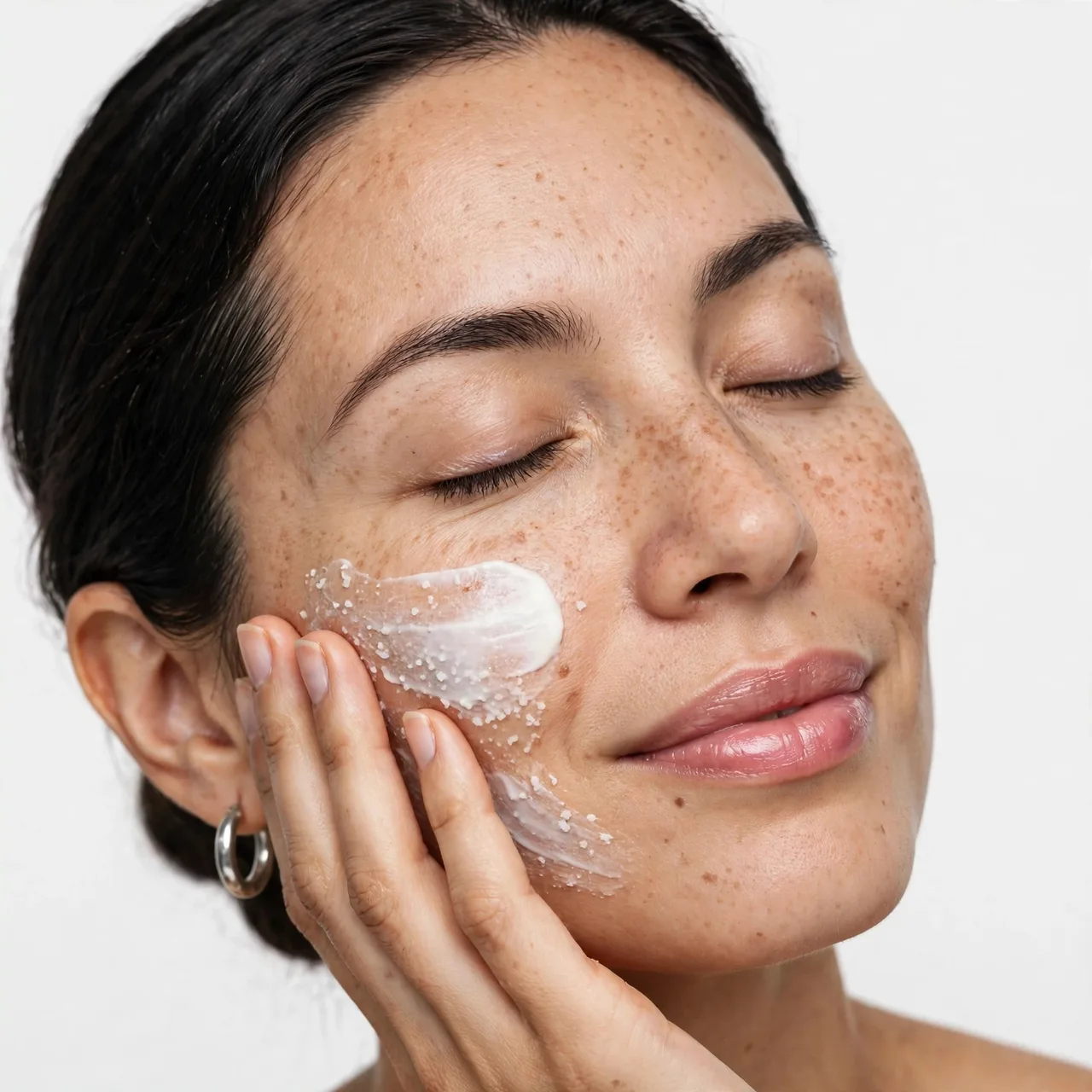
Cacciatore says she is someone who likes to see and feel physical exfoliation at work — she wants to be able to tell that a product is doing something on the surface of her skin. On that measure, she says, this formula surprised her at first by just how gritty it feels. That grittiness, it turns out, is the point, and Pavitt’s explanation for it is at the heart of the review.
Pavitt’s argument, as Cacciatore reports it, is that physical exfoliants are not bad in themselves. The trouble with the scrubs of the 1990s and 2000s, Pavitt says, was twofold: people overused them, and the natural grains in them were sharp and spiky, which made them irritating. Used correctly, Pavitt says, scrubs can be excellent. Her own formula is built to avoid that old problem. Where older scrubs relied on jagged kernels, this one uses magnesium flakes that dissolve, so they do not act on the skin in the same harsh way.
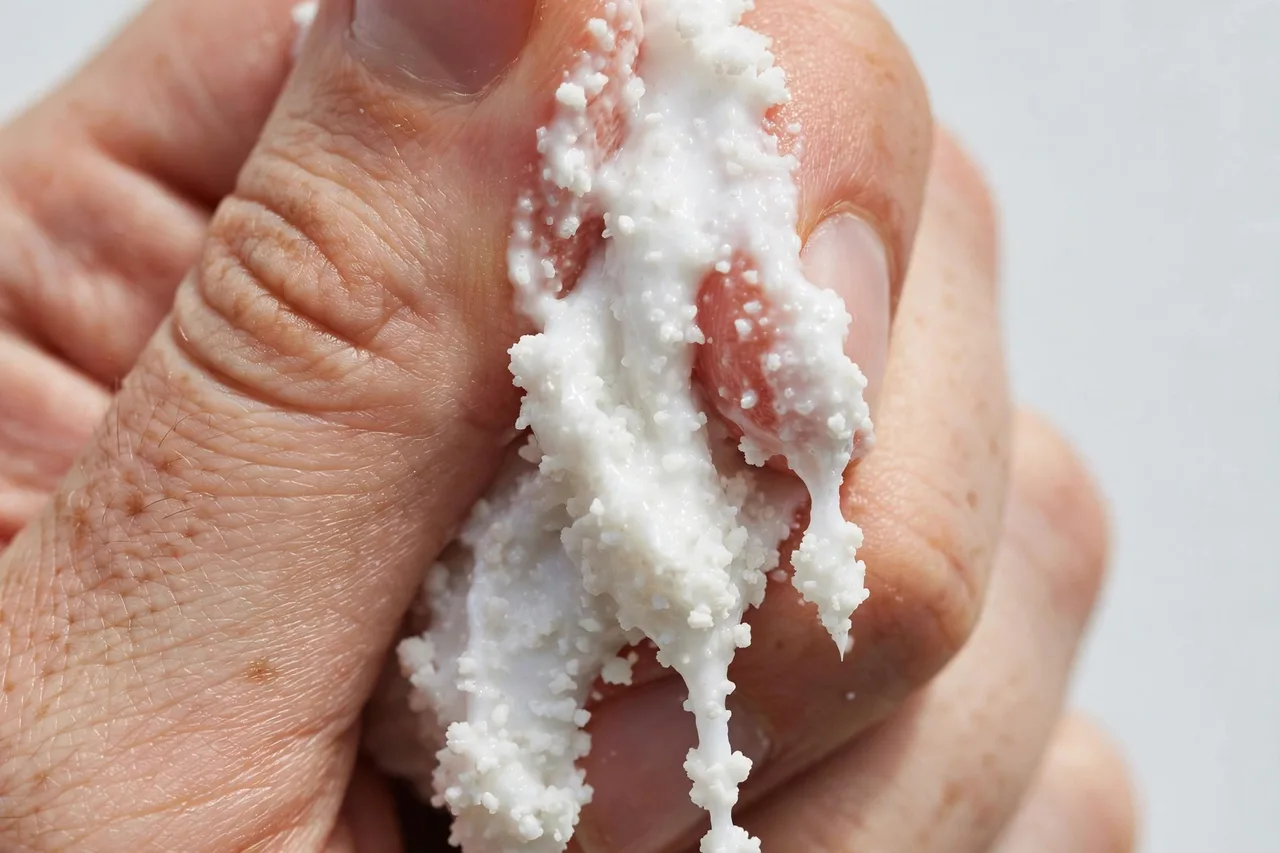
Alongside the magnesium flakes, the formula includes zinc, which Pavitt links to helping control oil, and PHAs — polyhydroxy acids — which add a further layer of exfoliation as well as hydration. Pavitt also gives an assurance aimed squarely at the readers most likely to be wary: the formula follows a non-comedogenic ingredient philosophy, and is therefore described as safe for acne-prone skin. And Pavitt says she understands the hesitation of anyone who has had a bad experience with a scrub before — readers should not be afraid of what she calls her ultra-gritty formula.
The Packaging
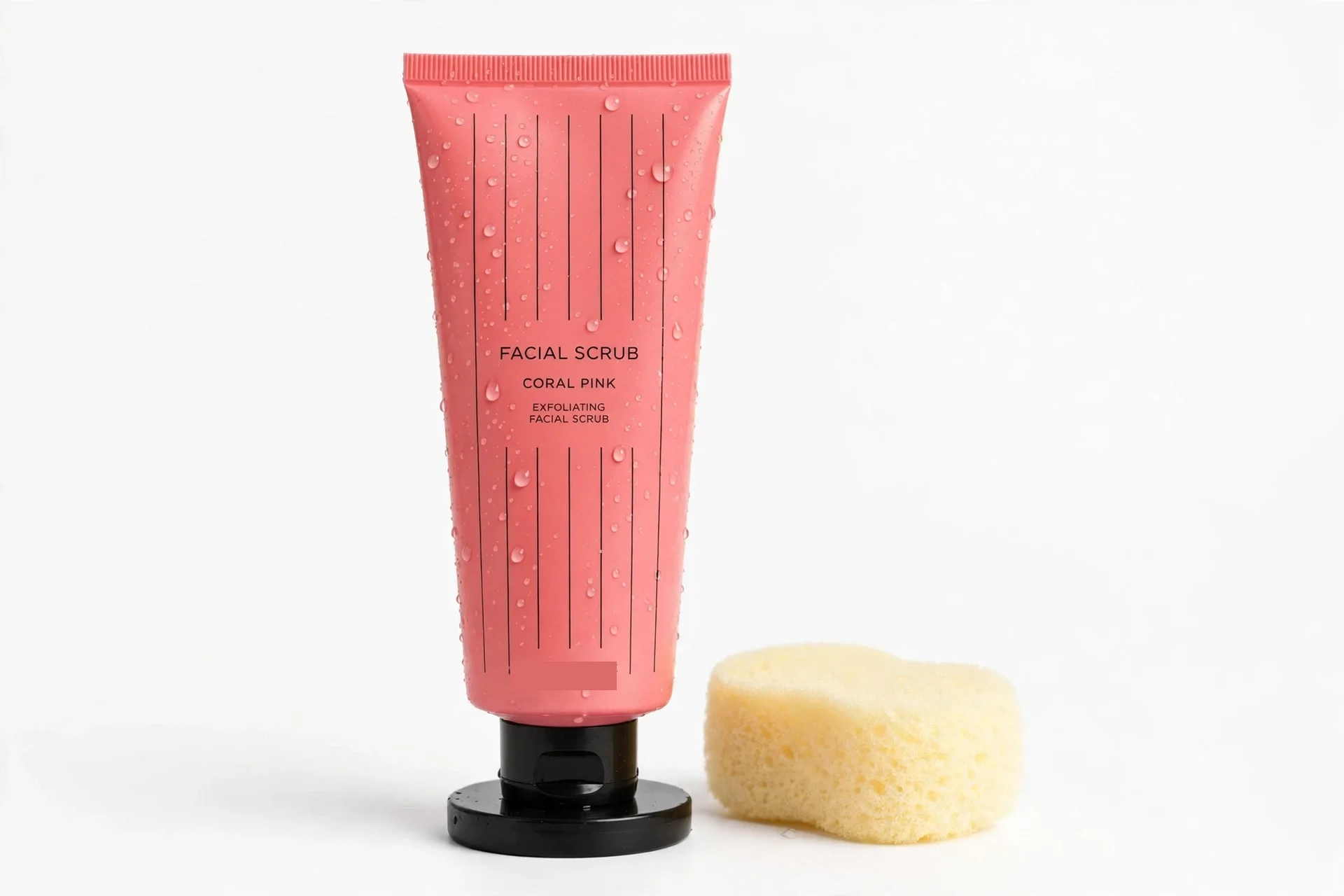
The product comes in a practical squeeze tube with a black flip-top cap, as pictured. That is the whole packaging story in the review: a straightforward tube you squeeze product from, rather than a jar or a pump. No size, material, recyclability, or refill claim is made for it in the source, and none is made here.
The Usage
In use, the treatment is a facial exfoliant: it is massaged onto the skin of the face — the review’s photographs show it applied to the cheek — and then rinsed off. Cacciatore presents it as a periodic exfoliating step in a routine, not as a daily cleanser, and as the physical-exfoliation counterpart to chemical exfoliants. She notes that she had previously leaned mainly on chemical exfoliation, so this is a deliberate shift in her routine rather than an extra daily habit. No exact number of uses per week is given in the review, and none is invented here.
The sensory experience is exactly what the formula section promises: gritty, with a visible white, creamy texture that you can feel on the skin. Cacciatore says that grittiness is intentional and that, in her experience, it was not irritating when the product was used as directed — the distinction Pavitt draws between a scrub used correctly and the overused, sharp-grained scrubs of the past.
The Results
After use, Cacciatore reports that her skin felt smoother and looked clearer and brighter, with a visible improvement in texture and in the clogged pores and closed comedones she had set out to address — consistent with the improvement she had already noticed from the scrub-and-serum approach last summer. Importantly for someone with her history, she says she did not experience the irritation or redness she associated with old scrubs. Instead, her skin felt polished and smooth rather than stripped. The review gives no before-and-after measurements, percentages, clinical-trial figures, tester-panel numbers, or star ratings, and none are added here. No other tester is quoted.
The Final Verdict
Cacciatore’s verdict is a recommendation, aimed most directly at people in her own former position: readers who had written scrubs off entirely, and acne-prone readers who want the feeling of physical exfoliation without the harshness of old-school scrubs. For her, this is the scrub that changed her mind — a product she says she would keep using and buy again as part of her routine. If you are one of those readers who flinches at the word scrub, this review’s message is that the category itself may not have been the problem; the formula, and how it is used, might have been.