Every industry has things everyone inside it knows and nobody says out loud. Entertainment just has more of them than most — and better lighting. Ask editors, publicists, session musicians and crew members what surprises newcomers most, and the same open secrets surface again and again: the editing tricks, the staged spontaneity, the credits that are not quite what they seem. None of this requires a conspiracy. It is simply how the business works when the product is an illusion. Here are 14 of the most talked-about — the same world of fame and image-making we explored in our list of singers who were everywhere, then suddenly disappeared.
1. Reality TV Dialogue Is Often Built In The Edit

Editors have a nickname for it: “Frankenbiting” — stitching a sentence together from words a person said at completely different moments, so they appear to say something they never actually said in one breath. Reality television runs on conflict and quotable lines, and real conversation rarely supplies them on schedule. Producers also reorder scenes, lift reaction shots from other days, and let the music tell you who the villain is. The people are real; the sentences, often, are assembled.
2. Many “Candid” Paparazzi Photos Are Staged
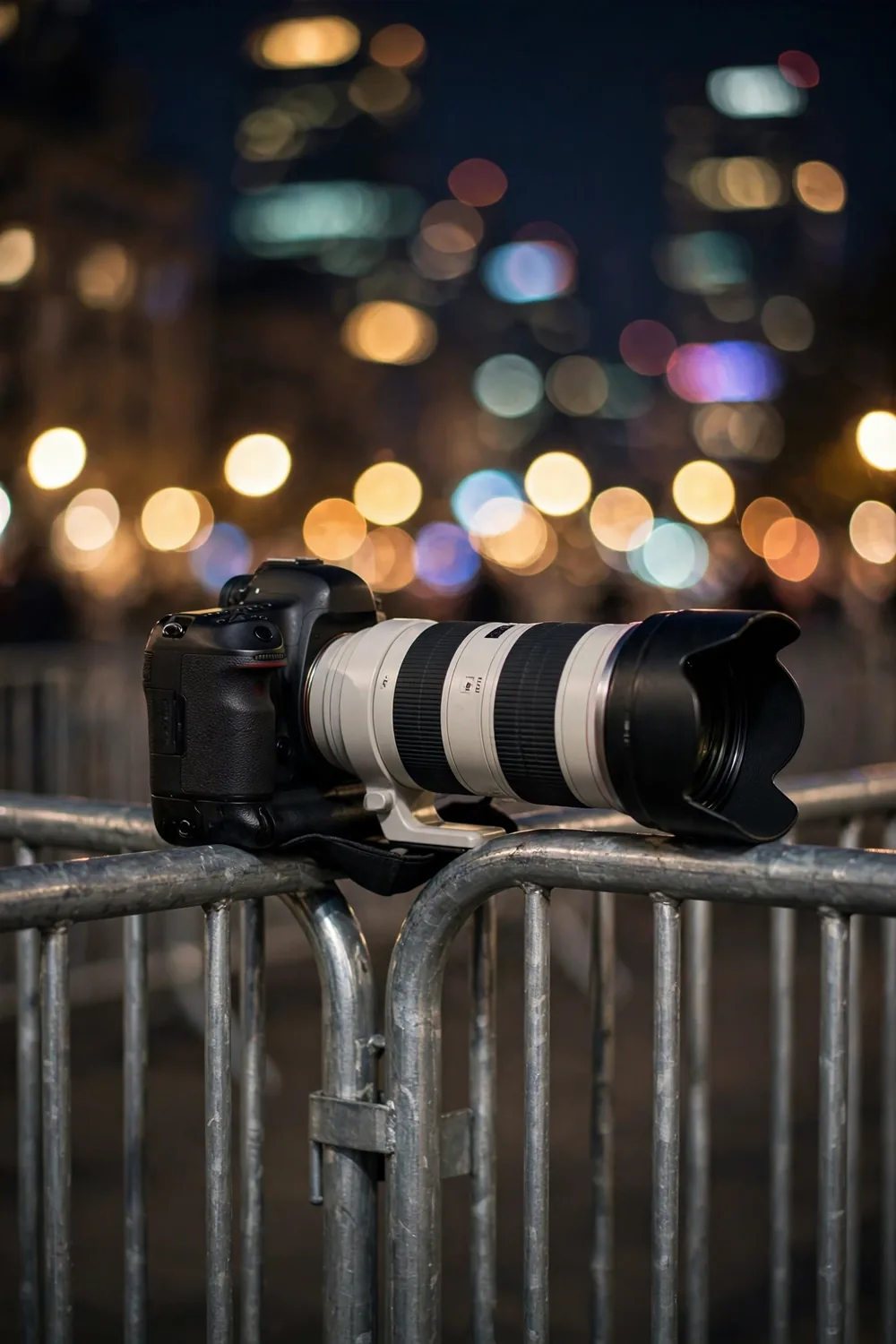
The celebrity “caught off guard” leaving the exact right restaurant, holding the exact right product, in perfect light? Working photographers will tell you a large share of those shots are arranged — a publicist tips off an agency, the star knows where the cameras are, and everyone gets what they need: the photo sells, the star stays visible. Genuinely ambushed photos exist too, but the line between candid and coordinated is far blurrier than the tabloids pretend.
3. Superhero Physiques Are Rarely Just Chicken And Broccoli

When an actor transforms into a screen superhero in a few months, the official story is always discipline, a trainer, and boiled chicken. Doctors and industry insiders have long pointed out that some of those transformations are chemically assisted — performance-enhancing drugs are an open secret in physique-driven casting, and the silence around them worries health professionals, because young fans try to copy results that were never achievable naturally in that timeframe. The workouts are real. They are not always the whole story.
4. “Net Profit” In Hollywood Rarely Means Profit

One of show business’s oldest jokes is also an accounting method: through creative bookkeeping — distribution fees, marketing charges, overheads loaded onto a production — a film can gross enormous sums and still officially show no “net profit.” It matters because some contracts pay participants out of net points, which is why experienced stars demand a cut of the gross instead. Lawsuits over the practice stretch back decades, and the definition games remain a fixture of studio accounting.
5. Cannabis Use Has Long Been Common In Pro Basketball

Former players have estimated for years that cannabis use in the NBA was widespread long before it was publicly discussed — some have put the share of players using it very high. The league has steadily softened its stance, and under its recent collective bargaining agreement marijuana was removed from the banned-substances list and testing, treating it much like alcohol. What was once a career-risking secret is now, officially, close to a non-issue — a shift players had predicted privately for a long time.
6. TV Singing Shows Are Not Entirely “Live And Untouched”

Viewers assume televised singing competitions are raw: one take, no safety net. Post-production engineers have acknowledged that pitch correction and audio sweetening can be applied to competition broadcasts and replays, and contestants’ packages are heavily produced long before anyone sings. The voices are real, and some are extraordinary — but the polished sound reaching your sofa has often had more help than the “live” label suggests.
7. Many Celebrity Memoirs Are Ghostwritten

The famous name on the cover guarantees sales, not typing. Ghostwriting is a respected, well-paid profession inside publishing: the celebrity talks, the ghost shapes hours of interviews into chapters in the star’s voice, and the book appears “by” someone who may never have opened a word processor. Sometimes the ghost is credited subtly (“with…”) and sometimes not at all. It is not considered dishonest inside the industry — it is simply how the sausage of celebrity publishing gets made.
8. “Live” Albums Are Often Repaired In The Studio

The roar of the crowd is real. Everything else is negotiable. Engineers have described for decades how live albums are routinely fixed afterwards: a fluffed guitar part re-recorded, a vocal re-sung in the studio and blended under the audience noise, the best choruses flown between nights. Purists call it cheating; professionals call it Tuesday. The performance happened — it just got the same cosmetic help as everything else in entertainment. It is a fitting companion to our look at actors who walked away from hit shows and movies: what the audience sees is rarely the full story.
9. Some Streaming Numbers Are Bought

Charts drive careers, so charts get gamed. The modern version of chart-rigging is the stream farm: networks of devices and accounts playing songs on loop to inflate counts, sold cheaply online to anyone who wants a “hit.” Platforms purge fake streams and artists have been embarrassed by suspicious overnight numbers, but the market persists because the rewards for appearing popular — playlist places, press, bookings — are so large. A big number is evidence of something; not always of listeners.
10. Paid Music Promotion Is Not Always Disclosed

When an influencer “discovers” a song and it dances across every feed at once, there is a fair chance a label paid for the discovery. Paid promotion is legal; hiding that it is paid is where it crosses lines — advertising rules in the US and UK require disclosure, and regulators have warned creators and brands about unlabelled music campaigns. Insiders treat sudden, simultaneous “organic” enthusiasm as a tell: real virality is messy and staggered; bought virality arrives on schedule.
11. Payola Never Really Died — It Changed Clothes

Paying radio DJs to spin records was scandalised and outlawed in the 1950s and 60s, yet enforcement actions ever since show the practice mutating rather than vanishing — independent promoters, “consulting” fees and other middlemen standing between labels and stations. The streaming era added fresh equivalents, from pay-for-playlist schemes to discounted-royalty programmes critics describe as payola with better branding. The technology changes; the temptation — buying the audience instead of earning it — does not.
12. Actors Receive Invisible Digital “Beauty Work”

Visual-effects artists quietly perform digital cosmetic surgery on major productions: softening skin, removing blemishes, subtly reshaping, de-ageing a few years without the headline-grabbing full CGI makeover. It is so routine that “beauty work” is a standard, uncredited line in post-production budgets. It is also almost never discussed publicly, because the entire point is that audiences must not notice — the star simply looks like themselves on their best-rested day, in every single frame.
13. Superstar DJs Often Have Ghost Producers

Electronic music has its own version of the ghostwritten memoir: headline DJs whose tracks are substantially produced by uncredited producers behind the scenes. Touring schedules make it almost structural — an artist playing 150 shows a year cannot also spend months sound-designing in a studio, so a quiet economy of hired producers supplies the records the star releases and performs. Fans occasionally revolt when it surfaces, but inside the industry it is treated as ordinary division of labour.
14. Pre-Game Pain Injections Are Part Of Football’s Background

Former NFL players have described for years how powerful anti-inflammatory injections — Toradol is the name most often mentioned — were a routine part of game day, letting players perform through injuries that would sideline anyone else. The practice has featured in player lawsuits about long-term health and informed consent, and the league says painkillers are administered by medical staff under protocols. However it is framed officially, ex-players describe it as one of the sport’s most normalised open secrets. And for a lighter reminder that stardom keeps its own logic, see the story of Drake’s lavish 40th birthday bash — fame’s public face is only half the business described here.
Why The Secrets Stay “Open”
None of these practices survives because nobody knows. They survive because nearly everyone who could expose them benefits from them, and because audiences, mostly, prefer the illusion polished. Knowing how the trick works does not have to spoil the show — a great song is still great, a great film still moves you. But it does change how you read the headlines: the candid photo, the overnight chart-topper, the miracle transformation. Entertainment sells magic. The open secret is that magic, like everything else on a call sheet, is scheduled, budgeted and very hard work.