Every great song has a story, but the story behind the song is often even better than the one in the lyrics. When you hear a voice you love pouring its heart out on the radio, it is natural to assume the singer wrote every word. More often than you might think, though, the pen belonged to someone else entirely — sometimes another huge star, sometimes a songwriter who was quietly shaping the sound of pop from behind the scenes. These are the songs that made other people famous, written by famous people you would never have guessed. Here are nineteen of them, and the surprising journeys each one took before it reached your ears.
“Love Yourself” — Justin Bieber

When Justin Bieber released “Love Yourself” in 2015, it became his third straight number one on the Billboard Hot 100, a run that put him at the very top of pop. What most listeners did not realise was that the song had started life in the hands of another superstar entirely. Ed Sheeran had written it with Benny Blanco, and for a while he planned to keep it for himself.
Everything changed when Sheeran heard Bieber’s version. The stripped-back guitar arrangement suited Bieber’s voice so well that Sheeran decided the song had found its rightful home. Bieber joined in as a co-writer, and the result was a gentle, acoustic break-up song that sounded nothing like the dance-pop dominating the charts at the time — and that was exactly why it stood out.
It is one of the great what-ifs in pop history: had Sheeran kept the song, it would have been a very different record. Instead, it became one of the defining hits of Bieber’s career.
“Same Old Love” — Selena Gomez

“Same Old Love” was one of Selena Gomez’s biggest hits of 2015, a sleek, moody pop song about a romance stuck on repeat. But before Gomez ever sang it, the track had already passed through the hands of another pop star. It was written by Charli XCX, alongside Ross Golan, Benny Blanco and the Norwegian production duo Stargate, who also produced the finished record.
Even more surprising is who recorded it first. Rihanna reportedly cut a demo of the song before it moved on, meaning the track had already been tried out by one of the biggest voices in pop before Gomez made it her own.
Gomez’s version turned out to be the perfect fit, all cool detachment and late-night atmosphere, and it became one of the standout singles of her album.
“Ain’t Your Mama” — Jennifer Lopez

Jennifer Lopez’s “Ain’t Your Mama” arrived in 2016 as a bold comeback single, a brassy anthem about a woman refusing to be treated like a maid. The voice behind the writing, though, belonged to another pop star: Meghan Trainor, who co-wrote the song and recorded the original demo.
Trainor’s influence did not vanish when Lopez took over. Traces of her demo vocals were kept in the final recording, so if you listen closely, you can still hear the songwriter’s voice woven into the finished track. It is a rare thing — most demos are discarded entirely, but this one left its fingerprints all over the hit.
The song suited Lopez perfectly, giving her a sassy, high-energy comeback, but its roots belong to Trainor, who had already built a career writing sharp, funny pop songs for herself.
“I Miss You” — Beyoncé

Beyoncé’s “I Miss You” is one of the quietest, most haunting tracks on her 2011 album, a slow, smoky ballad about longing. It was co-written and produced by Beyoncé herself, working alongside Shea Taylor and a young songwriter who was just beginning to make a name for himself: Frank Ocean.
Ocean’s contribution was one of his early songwriting credits, and his presence is right there in the recording — he opens the song with his own ad-libs, his voice drifting in before Beyoncé’s takes over. At the time, he was still a rising name; within a year, he would be one of the most talked-about artists in music.
The track is a reminder that even the biggest stars collaborate, and that some of the most interesting songs come from two artists meeting at exactly the right moment in their careers.
“We Found Love” — Rihanna

“We Found Love” is not a song with pages of lyrics to write, but the words it does have were written by Calvin Harris, who also produced the track. The Scottish DJ and producer built the song around a huge, euphoric dance beat, and Rihanna’s vocal gave it the emotional lift that turned it into a global phenomenon.
It spent ten weeks at the top of the charts, becoming one of Rihanna’s biggest hits of all time, and it changed the sound of pop radio, ushering in an era where dance music and mainstream pop became inseparable. Harris has since become one of the most successful producers in the world, but this track was one of the moments that proved he could write a pop smash as well as produce one.
It is a partnership that worked both ways: Rihanna got one of her defining songs, and Harris got a calling card that opened every door in pop.
“Pretty Hurts” — Beyoncé
Sia is one of the most prolific songwriters in modern pop, and “Pretty Hurts” is one of her most famous creations. She wrote the song about the pressures of beauty standards, and it nearly went to two different artists before Beyoncé claimed it. Sia had originally written it with Katy Perry in mind, but Perry never ended up hearing it.
Then came the awkward part. Both Beyoncé and Rihanna wanted the song, and Rihanna’s team had it on hold for eight months — only for the deal to slip because the track was never formally secured. Beyoncé’s team moved quickly, paid for it, and the song became the powerful opening statement of her self-titled album.
It is hard to imagine the song belonging to anyone else now. Beyoncé’s performance turned it into an anthem, and its music video, with its beauty-pageant imagery, made the message impossible to miss.
“Till the World Ends” — Britney Spears

Britney Spears has never written all of her own material, and “Till the World Ends” is one of the songs that came to her from another famous artist: Kesha, who wrote the track and later appeared on a remix of it. Kesha has described how much fun she had writing it, deliberately putting herself into the mindset of a Britney Spears song — bold, flirtatious and built for the dance floor.
She wrote the whole song specifically for Britney, and it shows. The track is pure end-of-the-world party energy, a pulsing dance anthem that became one of the biggest hits of Spears’ later career.
“Irreplaceable” — Beyoncé

“Irreplaceable” was never meant for Beyoncé at all. The song was written by Ne-Yo, who had originally planned to keep it for himself and record it as his own single.
He changed his mind for a simple reason: sung by a man, the lyrics about throwing a cheating partner out sounded, in his own judgement, a little harsh, even a little mean. Sung by a woman, the same words became something else entirely — a confident, empowering anthem about knowing your worth.
Ne-Yo was happy to hand it over, and Beyoncé turned it into one of the biggest hits of her career, a song that topped the charts for ten weeks. It remains one of the best examples of a song finding its true voice in someone else’s hands.
“Party in the U.S.A.” — Miley Cyrus
Miley Cyrus has never hidden the fact that she did not write “Party in the U.S.A.” — and she has admitted she did not expect it to become popular at all. The song was written by Jessie J, along with Dr. Luke and Claude Kelly, and Jessie had originally intended to sing it herself.
The label had other ideas, though, and the song ended up with Cyrus, whose fresh, youthful delivery turned it into a summer anthem and one of the biggest hits of her career. Jessie J has joked that the royalties from the song paid her rent for about three years, which is a pretty good consolation prize for giving away a number one.
It is one of pop’s happiest accidents: a song its singer did not believe in, written by a singer who wanted to keep it, became a defining hit of the summer for a whole generation.
“Little Things” — One Direction

“Little Things” is one of One Direction’s most beloved songs, a gentle acoustic ballad about loving someone’s imperfections. It was written by Ed Sheeran and Fiona Bevan, and the story of how it reached the band is almost as charming as the song itself.
Sheeran and Bevan had written the song years earlier and then, quite literally, lost it. Bevan rediscovered it and sent it to Sheeran with a message asking if he remembered it — and he did. At the time, Sheeran happened to be in the studio with the One Direction boys, so he played it for them. They loved it on the spot and decided to record it for their album.
The song became a fan favourite and a showcase for the band’s softer side, proving that sometimes the best songs are the ones that have been waiting patiently in a drawer for years.
“Forget You” — Cee Lo Green

“Forget You” was everywhere in 2010, a bouncy, retro-soul kiss-off that dominated the radio. But the song was actually written by Bruno Mars and Philip Lawrence, who penned it together before Cee Lo Green ever heard it. In fact, the two writers nearly gave up on the song and considered not finishing it at all.
Then Cee Lo heard it, and he wanted to try it himself. His big, soulful voice gave the track the swagger it needed, and the finished version became one of the biggest songs of the year — a hit so catchy that radio stations played a cleaned-up version all day long.
“I Will Always Love You” — Whitney Houston
Few songs are as closely tied to one voice as “I Will Always Love You” is to Whitney Houston, whose 1992 version became one of the best-selling singles of all time. But the song was written and first performed by Dolly Parton, who wrote it as a farewell to her mentor and musical partner, Porter Wagoner.
Parton’s connection to the song runs deep. She once turned down Elvis Presley’s wish to record it, because his team wanted a share of the publishing rights — a decision she has never regretted. When Houston’s version was being made, Parton herself helped with the production, guiding her own song into its most famous form.
It is a rare and generous story: a songwriter watching another artist take her song to heights she never imagined, and helping her do it.
“I Heard It Through the Grapevine” — Marvin Gaye
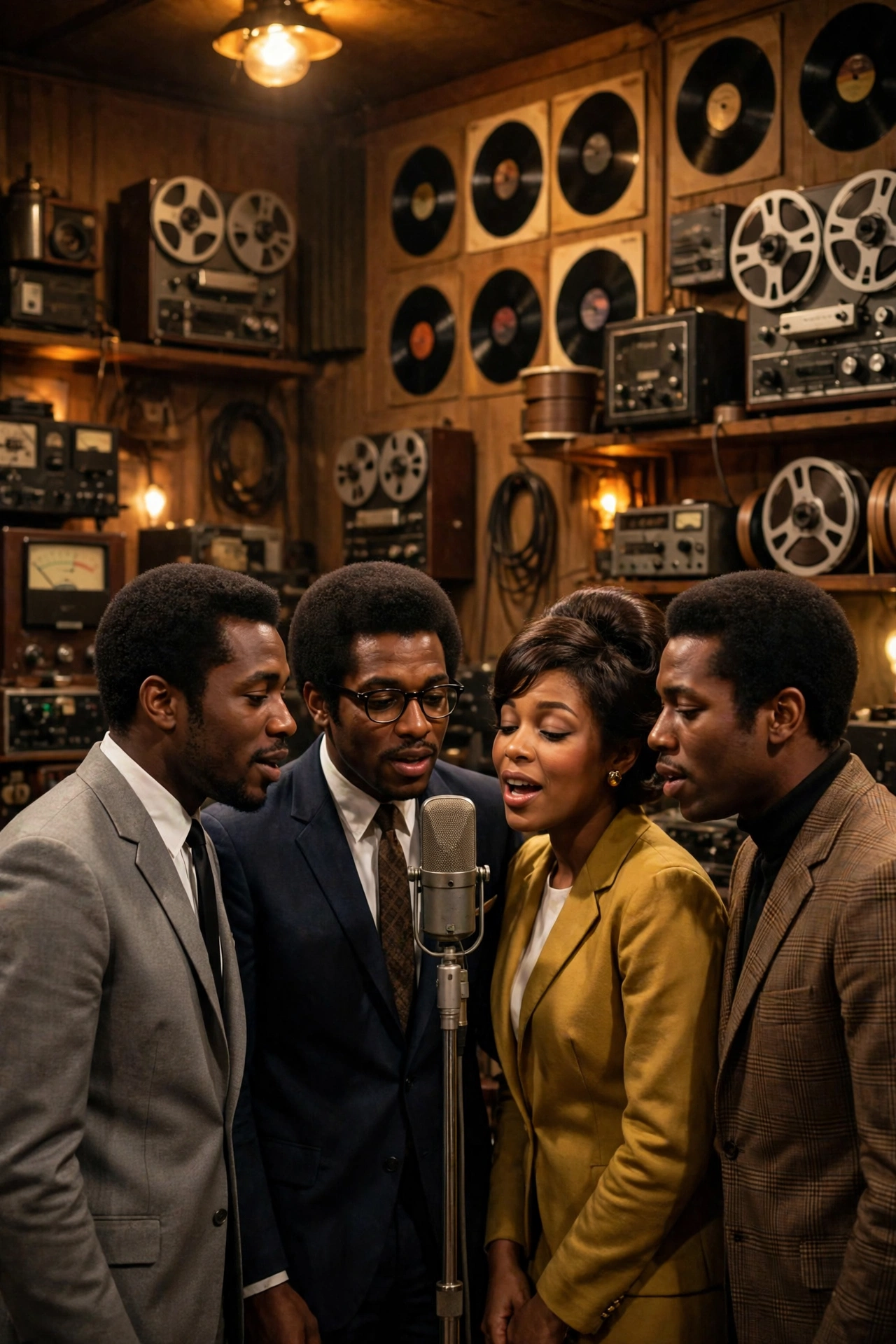
“I Heard It Through the Grapevine” is one of the most famous songs in the Motown catalogue, and Marvin Gaye’s version is the one most people know by heart. But the song had already travelled a long way before it reached him. It was written by the legendary songwriting and production team of Norman Whitfield and Barrett Strong, and it passed through several artists first.
Gladys Knight and the Pips recorded a version, as did the Temptations, the Undisputed Truth and the Miracles, each one putting their own spin on the song’s paranoid, heartbroken groove. Gaye’s version, though, was the one that became definitive — smouldering, suspicious and utterly unforgettable.
“…Baby One More Time” — Britney Spears
Britney Spears’ debut single is one of the most recognisable songs in pop history, the record that launched her career in 1998 and turned her into a global superstar overnight. It was written by the Swedish hitmakers Max Martin and Rami Yacoub, the duo who would go on to shape the sound of pop for the next two decades.
There is a famous story behind the song’s title. Martin and Yacoub, writing in their second language, believed that the word “hit” was new American slang for “call” — so the song was originally about a girl asking her ex-boyfriend to call her again. Spears’ label liked the track but did not want the words “hit me” in the title, so it became “Baby One More Time.”
A small misunderstanding, and one of the biggest debut singles of all time. It is hard to imagine pop music without it — or without Max Martin, who went on to write hits for almost every major pop star of the next twenty years.
“Material Girl” — Madonna
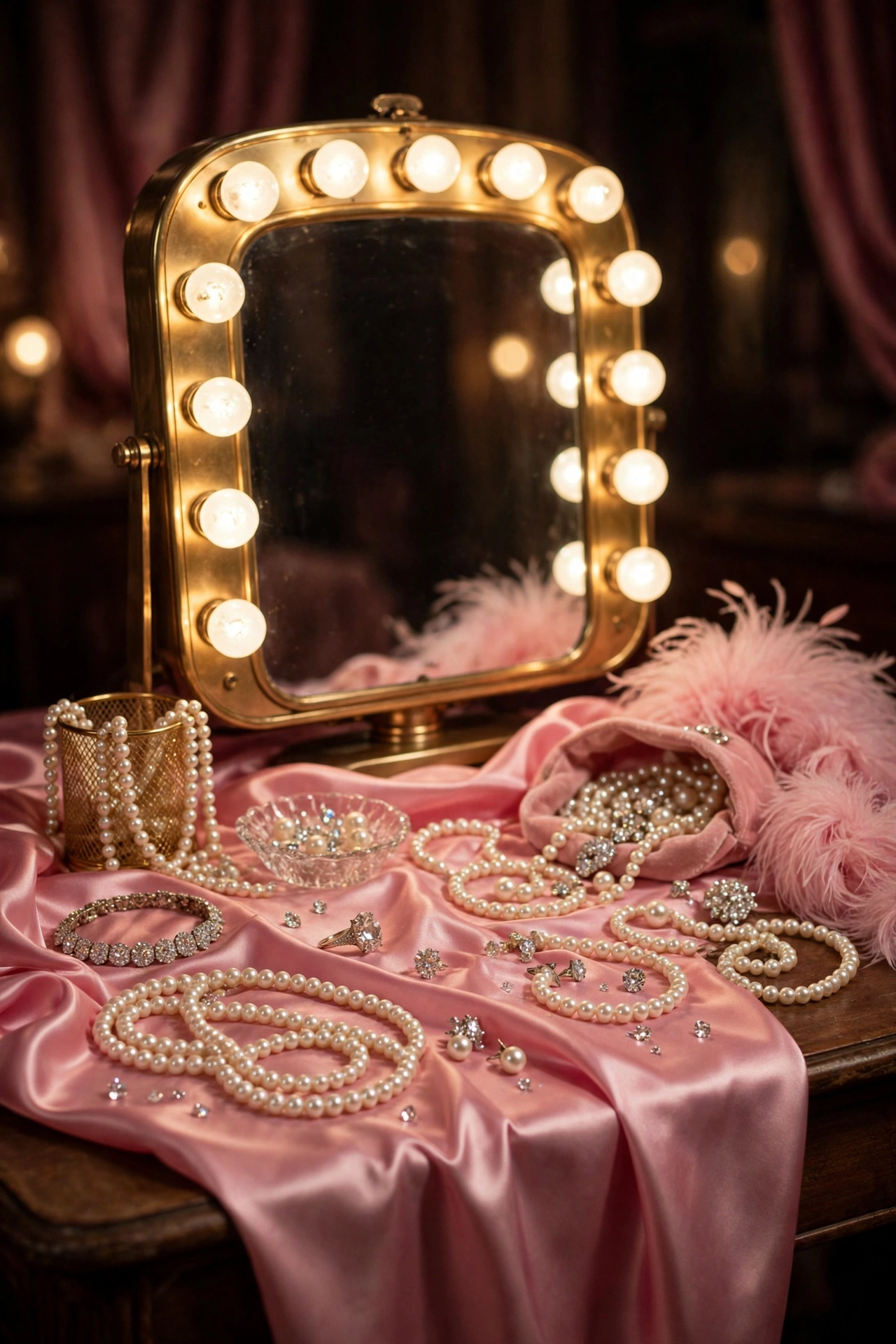
“Material Girl” is one of Madonna’s most iconic songs, the track that gave her a nickname she would carry for decades. But Madonna did not write it. The song was written by Peter Brown and Robert Rans, and Madonna made it her own with a wink and a music video that paid loving tribute to old Hollywood glamour.
Madonna has always had a complicated relationship with the song. She has said it did a great deal for her career, while also regretting how the media latched onto the phrase and missed the joke — the video is, after all, about a woman who rejects diamonds and money. Irony, she has pointed out, was never the media’s strong suit.
“My Heart Will Go On” — Celine Dion

“My Heart Will Go On” is one of the best-selling singles of all time, the song that played over the end credits of Titanic and became inseparable from the film. It was composed by James Horner, with lyrics by Will Jennings — and it almost did not exist at all.
Director James Cameron had specifically asked for a score without lyrics, and Horner knew it. But as the film neared completion, Horner asked Jennings to write words for his melody anyway, and the two secretly had Celine Dion record a demo. Only three weeks before the film was finished did Cameron agree to include the song.
The gamble paid off beyond anyone’s wildest dreams. The song won the Academy Award, topped charts around the world, and became the defining ballad of its era — all because two songwriters quietly disobeyed the director.
“My Way” — Frank Sinatra
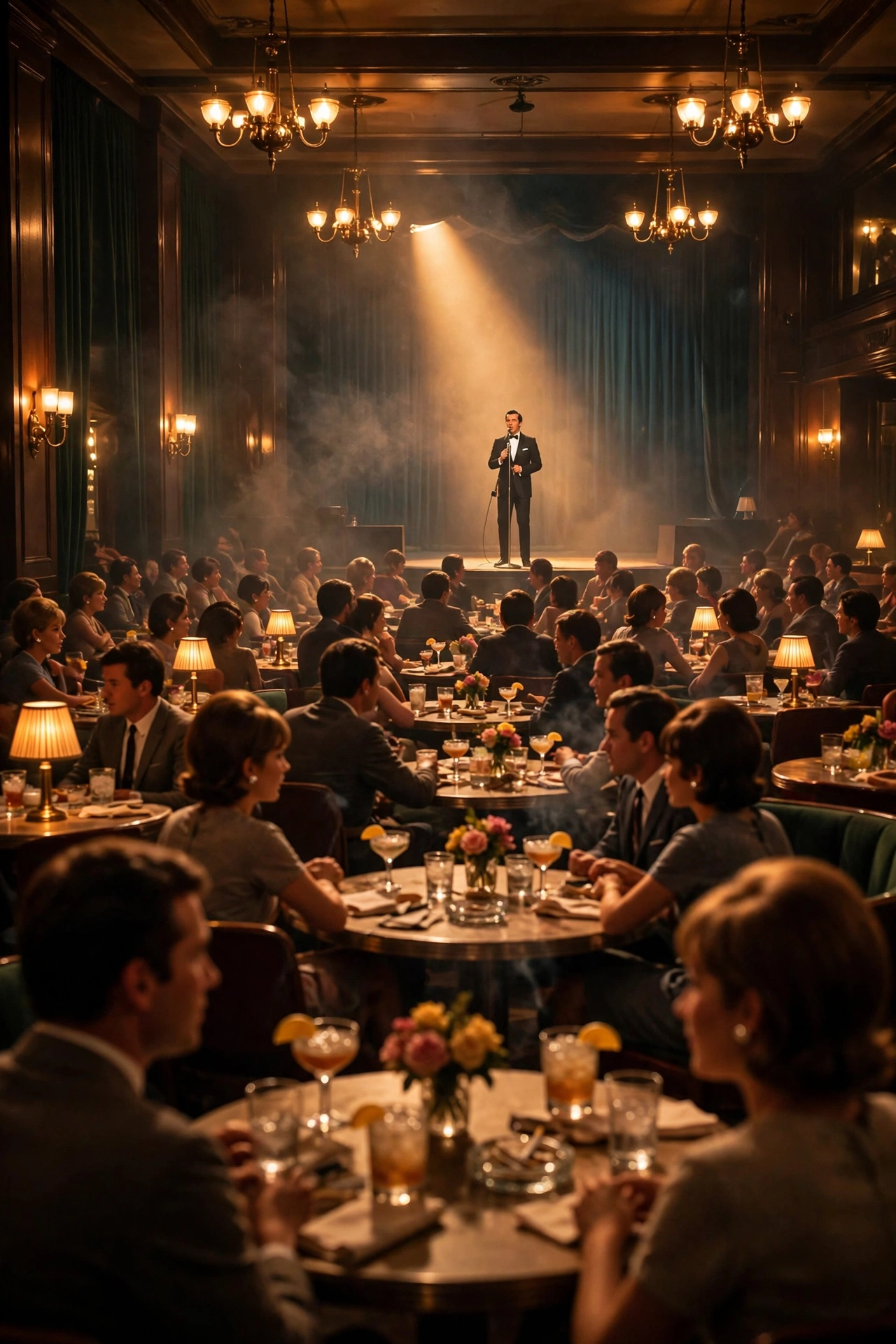
“My Way” is one of Frank Sinatra’s signature songs, the defiant anthem that closes his story on his own terms. It was written by Paul Anka, and it came about after Sinatra told Anka over dinner in Las Vegas that he was thinking of retiring. The Rat Pack era was over, Sinatra was tired and under pressure, and Anka went home determined to write something worthy of the moment.
It was midnight by the time Anka sat down at his typewriter, and the song poured out of him in about five hours. He wrote it as if Sinatra himself were writing his farewell, and the result was a song that sounded like it had always belonged to him.
Sinatra did not retire, of course — but the song became his anthem anyway, and one of the most covered songs in history. It is a remarkable thing: a young songwriter writing an old man’s farewell, and getting it exactly right.
“Don’t Cha” — The Pussycat Dolls
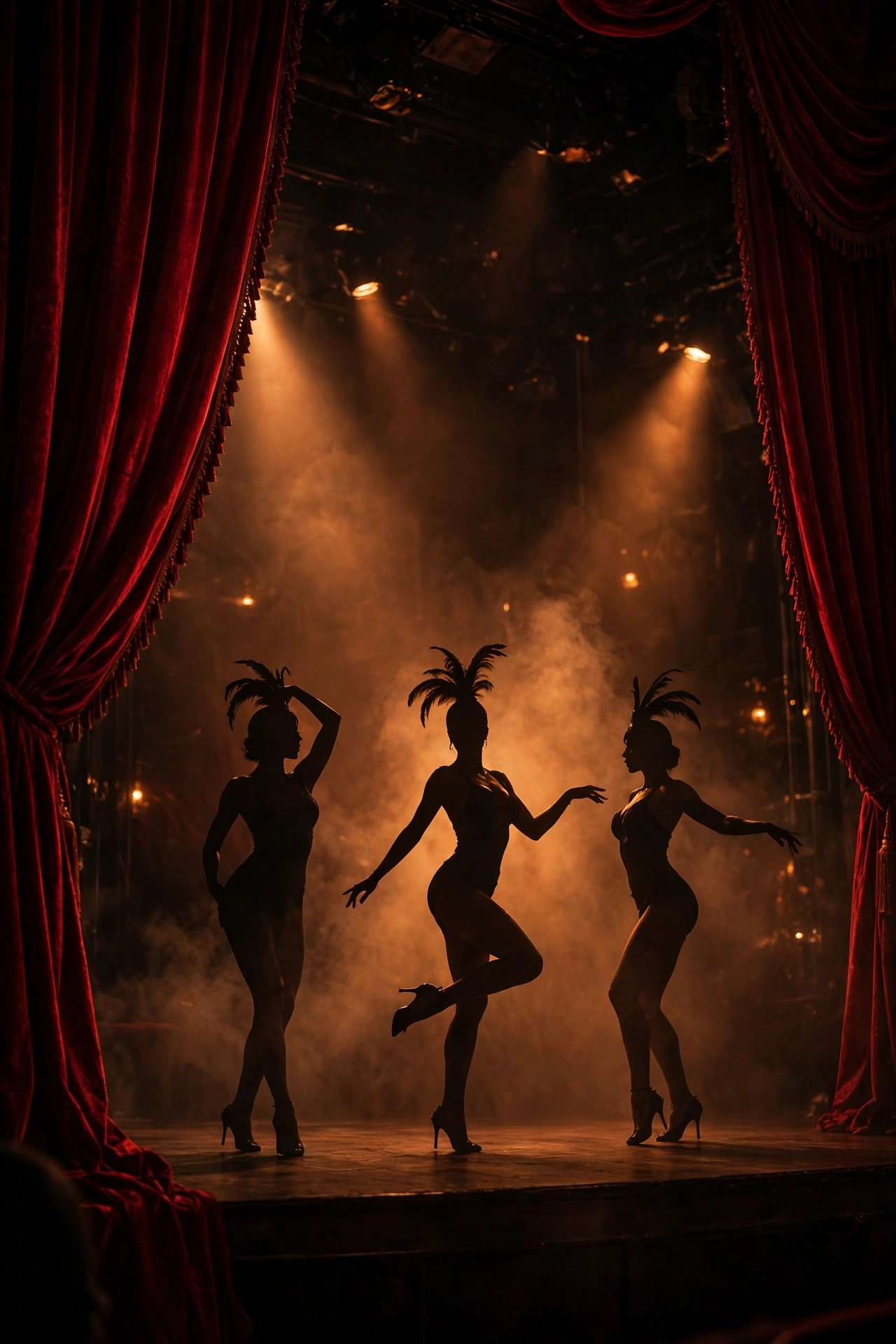
“Don’t Cha” was the breakout hit for the Pussycat Dolls in 2005, a teasing, dance-floor-ready anthem that turned the group into stars. But the song was written by Cee-Lo Green, who first recorded it with Tori Alamaze, a former backing singer for Outkast.
Alamaze later gave up her rights to the song in order to get out of her record contract, and a remix of the track by producers Justin Martin and Sammy D started gaining traction in clubs. Cee-Lo then recorded an almost identical version with the Pussycat Dolls, adding a verse from Busta Rhymes, and the song exploded.
It is one of the strangest journeys on this list — a song that passed through three different versions, two record deals and a club remix before it finally became the hit everyone remembers.
“Get the Party Started” — Pink

“Get the Party Started” is one of Pink’s most iconic songs, the high-energy anthem that helped define her early career. It was written by Linda Perry, the former frontwoman of 4 Non Blondes, and it was not originally meant for Pink at all. Perry had written it for Madonna, who passed on the song.
A week later, Perry got a call from Pink, who was looking for a track for her new album. Perry sent over the song she had just written, and Pink turned it into a smash — a loud, joyful, unapologetically fun record that became one of her signature hits.
So the next time a song stops you in your tracks, take a second to wonder whose pen was really behind it. The voice on the record gets the glory, but the songwriter is often the quiet hero of the story — and as these nineteen hits prove, the biggest songs in the world are often team efforts, passed from hand to hand until they find the voice that makes them unforgettable.
You May Also Like
21 Mega-Popular Songs That Are Actually Covers
25 Mind-Blowing Music And Song Facts