
The most useful Christmas gifts for parents and grandparents fit something they already do: make morning coffee, read before bed, cook for family, or spend time with people they love. Start with one familiar routine and ask what would make it a little easier or more enjoyable.
If you need a quick starting point, choose by the person rather than their age:
- For the photo lover: a preloaded digital frame, or a printed album if they prefer no setup.
- For someone who dislikes clutter: a favorite food, grocery credit, or an agreed service visit.
- For a small budget: a tea sampler, book light, or a scheduled afternoon of help.
- For a shared gift: a local membership or an outing you have planned together.
- For an everyday upgrade: replace something they use often and have mentioned wanting to change.
The 40 ideas below include who each gift suits, practical buying checks, and ways to make it personal. Suggested budgets are planning allowances in U.S. dollars, not live price quotes; local services and product prices vary. They are not spending requirements.
The images are AI-generated gift concepts, not photographs of specific products we tested.

1. Digital Photo Frame
Suggested budget: $100–$200. A good fit for: Long-distance families.
Choose a digital frame for the parent or grandparent who loves seeing new family photos but rarely prints them. Load a small, well-edited collection before wrapping it: recent portraits, ordinary afternoons, pets, and a few older favorites. A frame with an empty screen feels like another task.

Check the exact model’s Wi-Fi requirements, power supply, app access, and any ongoing charges. For example, Aura’s official setup guide explains that its frames need power, compatible Wi-Fi, and a smart device for setup. Arrange help at their home and decide who will send fresh pictures afterward.
2. Family Photo Calendar
Suggested budget: $20–$40. A good fit for: People who still write appointments on paper.
A family photo calendar earns its place on the wall by doing two jobs: displaying familiar faces and keeping everyday plans visible. Choose a layout with a generous date grid rather than tiny writing squares. Use one strong photo per month so the page stays readable.
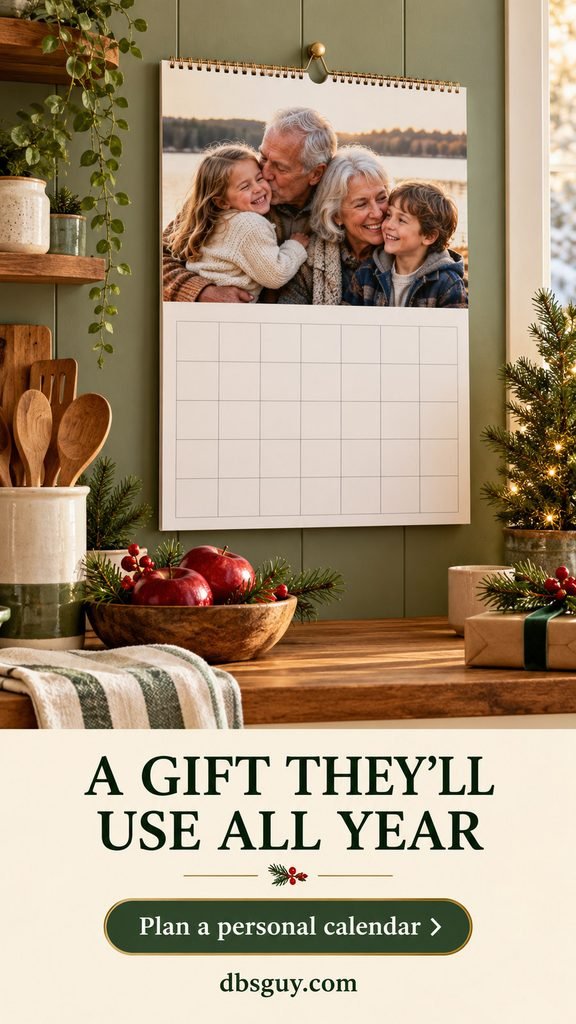
Add birthdays and anniversaries, then double-check spellings, dates, and the calendar year before ordering. Leave medical appointments and other private information for the recipient to add. If they keep a calendar beside the phone, measure that spot and check how it hangs.
3. Family Recipe Binder
Suggested budget: $20–$45. A good fit for: The family cook who saves handwritten recipes.
Put their scattered recipe cards into a binder with wipeable sleeves, easy-to-turn dividers, and room to add more. Start with a handful of recipes they actually make. Clear copies can go in the working binder while fragile originals stay protected elsewhere.

Keep the handwriting where it matters, but add a readable transcription if the original is difficult to follow. Organize by the way they cook—weeknight dinners, baking, holiday favorites—rather than building an elaborate filing system. Include the name of the person each recipe came from.
4. Family Story Journal
Suggested budget: $15–$35. A good fit for: A parent or grandparent who enjoys telling stories.
A family story journal works best as an invitation. Pick one with short, open-ended prompts about childhood homes, family traditions, favorite meals, and memorable people. A plain lined notebook also works if you write a few thoughtful questions on separate cards.

Offer to sit together and write down their answers if they would enjoy that more. Ask before recording anything, and let them skip subjects they prefer to keep private. One conversation at a time is a gentler start than handing over a book with an implied deadline.
5. Printed Photo Album
Suggested budget: $25–$60. A good fit for: Someone who prefers turning pages to opening apps.
A printed photo album gives a whole family chapter a home: a reunion, a grandchild’s first year, or a collection of ordinary moments from the past twelve months. Use fewer, larger photos instead of squeezing every picture into tiny collages.

Add names, places, and approximate dates where helpful. A slip-in album makes future additions easy; a printed photo book gives you more control over the sequence. Proof the cover and page order carefully. Include a mix of relatives rather than letting the most recent photo folder choose the whole story.
6. Washable Throw Blanket
Suggested budget: $25–$60. A good fit for: The person with a favorite reading chair.
A washable throw is a good upgrade when their current blanket is scratchy, too small, or difficult to clean. Choose a texture they already like and a color that works in the room where they relax. A simple sage, oatmeal, navy, or burgundy can stay out long after Christmas.

Read the care label before buying. Check the actual dimensions against how they use a blanket, especially if they like to tuck it around their feet. Avoid treating heavier as automatically better; easy lifting and easy laundering may matter much more.
7. Closed-Back Slippers
Suggested budget: $35–$90. A good fit for: Someone who has asked for new house shoes.
Buy slippers around fit, not a festive slogan. A closed-back pair may suit someone who dislikes loose slides, but their preferred style and comfort should lead the decision. Look at the heel, toe room, sole, and opening—not just the fluffy lining.

Check whether they wear socks with slippers and whether the brand offers the width they need. Keep the exchange option simple and include a gift receipt. Textured soles are a feature to inspect, not a promise that a shoe will prevent slips or falls.
8. Everyday Robe
Suggested budget: $40–$100. A good fit for: Slow-morning coffee drinkers.
A robe can be useful every morning if the fabric matches the house and the person. Waffle cotton is one option for someone who dislikes bulky layers; a softer plush style might suit a colder room. Notice what they already reach for after getting dressed or showering.

Check sleeve length, overall length, pocket placement, and how securely the belt stays attached. A robe that drags or sleeves that get in the way is unlikely to become a favorite. Skip monogramming until you are confident about sizing and return rules.
9. Cushioned Lap Desk
Suggested budget: $25–$55. A good fit for: Crossword fans and letter writers.
A cushioned lap desk gives a notebook, crossword, or tablet a steadier place to sit. Look for a flat working surface with enough space for the activity they enjoy. The cushion underneath should sit comfortably without making the whole desk awkward to move.

Measure a favorite puzzle book or laptop before choosing the size. A raised edge can help hold a pencil, but it should not press into their wrists. If they plan to use a computer, follow the computer manufacturer’s ventilation guidance and keep vents clear.
10. Rechargeable Book Light
Suggested budget: $15–$35. A good fit for: Bedtime readers.
A rechargeable book light is a small gift with a clear purpose: lighting the page where they read. Choose a clip that fits their usual books and controls they can find without hunting through several modes. Adjustable brightness gives them more choice than a single harsh setting.

Check the weight of the light and whether the charging cable is included. Try the clip on a similarly sized book before wrapping it, if the return policy allows. Add a note explaining the basic controls so the gift is useful on its first evening.
11. Insulated Handled Mug
Suggested budget: $20–$45. A good fit for: Coffee drinkers who keep reheating the same cup.
An insulated mug with a handle can suit someone who carries coffee from the kitchen to a desk or favorite chair. Pick a size close to the cup they already use. An enormous mug is less helpful if it is uncomfortable to hold or will not fit under their coffee maker.

Look closely at the lid: how it opens, how it comes apart, and which parts can go in the dishwasher. Do not assume a sipping lid is leakproof. A familiar color and an easy-to-grip handle make this feel like an everyday upgrade.
12. Tea Sampler
Suggested budget: $15–$35. A good fit for: Tea drinkers with an established favorite.
A tea sampler is most useful when it stays near the flavors they already enjoy. If they drink black tea every afternoon, choose a small selection built around that preference instead of an oversized assortment of unfamiliar blends. Individually wrapped bags may be easier than loose tea for some recipients.

Check caffeine preferences, ingredient labels, and any ingredients they avoid. Include an infuser only if they use loose leaf tea and need one. A handwritten card noting which tea reminded you of them adds warmth without adding another permanent object to the shelf.
13. Prepaid Coffee Delivery
Suggested budget: $30–$90 total. A good fit for: Someone who already has a daily coffee ritual.
Give a fixed number of coffee deliveries rather than an open-ended subscription. Match their grind, roast preference, and brewing method. If you do not know those details, a one-time bag from their regular roaster is a better starting point than guessing.

Check shipment size and frequency so fresh coffee does not pile up. Confirm whether the gift ends automatically and whether the recipient will need to enter payment information. Include a simple note with the delivery schedule. The useful part is keeping their usual coffee stocked, not changing their whole routine.
Also read: 30 DIY Christmas Gift Basket Ideas That Are Perfect for Anyone for ways to package a small selection of useful favorites.
14. Easy-Lift Electric Kettle
Suggested budget: $35–$85. A good fit for: Frequent tea drinkers who want a simpler kettle.
An electric kettle is worth considering when it solves a specific annoyance with the one they own. Look for a comfortable handle, clearly marked water level, stable base, and controls that make sense to them. Compare the filled weight, not just the empty kettle.

Verify features such as automatic shutoff in the exact model’s manual. A compact capacity may be preferable for one or two cups, while a larger household may want more. Check counter space, outlet placement, and the return policy. A useful replacement should not introduce a more complicated routine.
15. Jar Opener
Suggested budget: $10–$25. A good fit for: A cook frustrated by stubborn jar lids.
A jar opener is a modest gift that addresses a very specific kitchen problem. There are handled, twisting, strap, and under-cabinet versions; the right one depends on the jar sizes and motion the recipient finds comfortable. A separate gripping mat can help keep a jar steady.
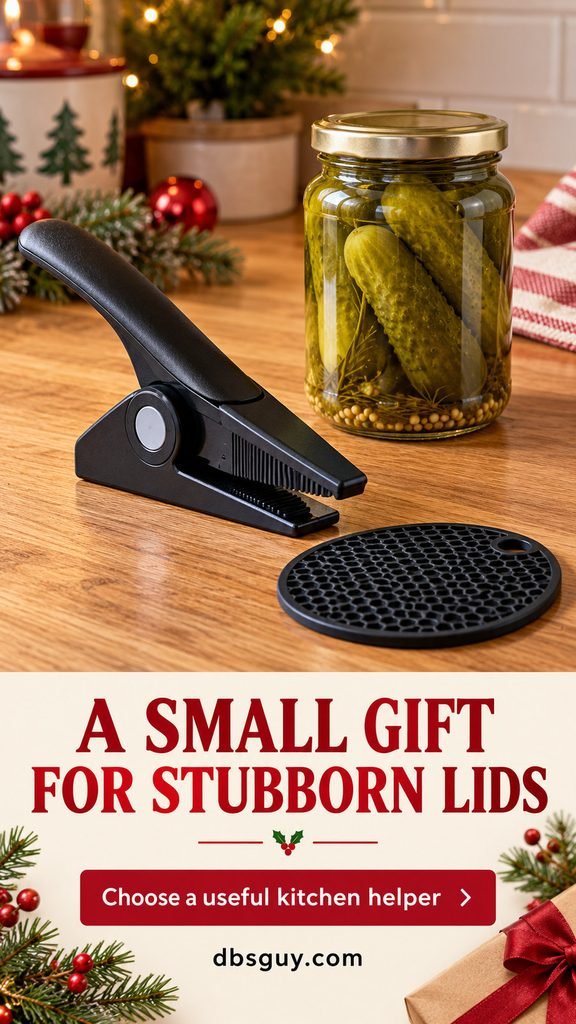
Choose the design with them if possible, rather than assuming every “easy-open” label means the same thing. Check storage space and cleaning instructions. Tuck it beside a jar of a favorite pantry food for a personal presentation, and explain that it is simply a handy kitchen tool.
16. Easy-Open Food Containers
Suggested budget: $25–$55. A good fit for: The person whose container drawer never matches.
Replace a frustrating jumble with a small, coordinated set of food containers. A few practical sizes are easier to use than a giant set with many tiny pieces. Stackable shapes can help, but the lid should be comfortable to open and close.

Check the manufacturer’s freezer, microwave, and dishwasher instructions for each part; lids and bases may have different rules. Ask whether they prefer lighter plastic or heavier glass. Only remove their old containers with permission, and leave the new set washed and ready if they would appreciate it.
17. Freezer Dinner Bundle
Suggested budget: $30–$75. A good fit for: Parents or grandparents who welcome a break from cooking.
A freezer dinner bundle can be more welcome than another kitchen appliance. Ask which meals they like and how many portions they need, then choose a few prepared meals that fit their freezer. Single or two-person portions can be more practical than one large casserole.

Check allergies, dietary preferences, and available freezer space before arranging delivery. Use clear meal names and include the supplier’s storage and reheating instructions. For homemade meals, use a trusted recipe and appropriate food-handling guidance. Agree on the delivery time so the food can be stored promptly.
18. Olive Oil Gift Duo
Suggested budget: $25–$55. A good fit for: An enthusiastic everyday cook.
A small olive oil duo can suit someone who loves simple salads, roasted vegetables, or bread at the table. Choose oils in manageable bottles rather than an enormous quantity they may struggle to finish. Clear origin and producer information are more useful than ornate packaging alone.

Check the label and dates, and buy from a seller with clear product information. You can pair the bottles with a short note suggesting how they might use each one, without turning the gift into a cooking lesson. Keep the selection aligned with flavors they already enjoy.
19. Insulated Casserole Carrier
Suggested budget: $25–$55. A good fit for: The relative who always brings a dish.
An insulated casserole carrier is a useful gift for someone who takes dinner to family gatherings, potlucks, or a neighbor. Measure their usual baking dish, including its lid and handles, before buying. The outside dimensions printed for the carrier do not always tell you what will fit inside.

Check how it opens, how sturdy the handles feel, and whether the lining can be cleaned. A carrier helps with transport; follow the food’s handling guidance rather than treating insulation as unlimited safe holding time. Include a removable name tag if dishes often travel between households.
20. Knife Sharpening Service
Suggested budget: $20–$60. A good fit for: A cook who likes the knives they already own.
Professional knife sharpening can be a thoughtful service gift when the recipient already has kitchen tools they love. Ask whether they would welcome it, then check which local provider handles their knife types. Some specialty knives need a service familiar with their construction.

Confirm the price, turnaround, and transport requirements before making the plan. Offer pickup and return so the gift does not become another errand. Use the provider’s recommended protective packaging. The present is a practical refresh of a familiar tool, with the organizing already taken care of.
21. Multiport Charging Station
Suggested budget: $30–$75. A good fit for: A household with several devices in one charging corner.
A multiport charging station can tidy a desk or kitchen charging spot when it matches the devices already in use. List the phones, tablets, and other items before shopping. Check the required connectors and total charging capacity instead of relying on the number of ports alone.

Include the correct cables if they are not supplied, and label them only if that would help. Choose a stable location with easy outlet access and follow the charger’s instructions. Skip the stand if a simple existing charger already does the job well.
22. Simple Bedside Clock
Suggested budget: $20–$50. A good fit for: Someone who wants to see the time without reaching for a phone.
A simple bedside clock can be a welcome change from a tiny phone display. Look for clear numbers, easy-to-find buttons, and brightness settings that suit their bedroom. A dimmable display matters if they dislike a bright light at night.

Decide whether they need an alarm, a radio, or just the time. More features can mean more steps. Set the time before gifting it, explain the main controls, and check what happens after a power interruption. Let the recipient choose the display brightness in their own room.
23. Item Finder
Suggested budget: $25–$50. A good fit for: The family member always searching for house keys.
An item finder can help someone locate their own keys, bag, or another regularly misplaced possession. The useful choice depends on their phone: check the operating system, app requirements, and exact compatibility before buying. Different finders do not all work with the same network.

Set it up together with permission and demonstrate the sound and finding controls. Check battery replacement or charging needs and any subscription features. Keep it attached to the item they choose. Present it as a convenience they asked for or would enjoy, rather than a joke about forgetfulness.
24. E-Reader
Suggested budget: $120–$220. A good fit for: A reader who would enjoy adjustable text.
An e-reader can suit a regular reader who wants several books in one small device. Look at screen size, weight, page controls, and how the text settings work. The best choice is the one that makes their usual reading easier.

Check where they get books before selecting the device. Public-library borrowing depends on the library service, country, and supported reader; confirm compatibility with their library first. Help with setup only with permission, add a book they want, and include a case if it will make the device easier to carry.
25. TV Headphones
Suggested budget: $80–$180. A good fit for: Someone who wants private TV listening.
TV headphones are useful when one person wants a different listening volume or watches while someone else reads. Check the television’s exact audio outputs and the headphone system’s connection requirements. A phone-compatible Bluetooth headset is not automatically the simplest TV solution.

A transmitter-and-dock system may suit some setups, but confirm compatibility before buying. Look at headband comfort, controls, charging, and whether TV speakers can operate at the same time if that matters. Offer to connect the equipment and test it with their usual channels and streaming services.
26. Easy-Clean Bird Feeder
Suggested budget: $25–$60. A good fit for: Someone who enjoys watching the garden.
An easy-clean bird feeder can turn a favorite window into a small daily pleasure. Choose a size and mounting style that fit the space, with parts the recipient can comfortably reach and remove. A simple feeder can be more useful than a camera model that requires another app.

Ask whether feeding birds works for their property, local rules, and maintenance preferences. Plan where it will hang and who will refill and clean it. Pair it with suitable seed only after checking what is appropriate locally. Do not make installation or upkeep an unspoken part of the gift.
27. Gardening Essentials
Suggested budget: $25–$60. A good fit for: A gardener who knows exactly what they like.
Refresh the gardening supplies they wear out: gloves in the right size, a comfortable trowel, or the type of pruners they already use. A compact tote can keep a small kit together. There is no need to buy a huge assortment of unfamiliar tools.

Check their garden and interests first. Container gardeners, flower growers, and vegetable gardeners may need different things. Avoid surprising an experienced gardener with plants that need a location they do not have. If they have favorite tools, replacement gloves or a local nursery credit may be the more useful choice within the kit.
28. Puzzle and Storage Mat
Suggested budget: $25–$55. A good fit for: A puzzle lover who needs the table back.
Pair a jigsaw puzzle with a storage mat or board that fits its finished dimensions. Choose the picture and piece count around their preferences, not the most impressive number on the box. A 300-piece landscape can be a better fit than a 2,000-piece challenge they did not ask for.

Check the puzzle’s actual assembled size and the storage system’s usable area. A rolling mat and a rigid board work differently, so ask which they would find easier. Include shallow sorting trays only if they have room for them. The goal is a hobby they can pause without taking over dinner.
29. Large-Print Card Set
Suggested budget: $15–$35. A good fit for: The family game-night host.
Large-print playing cards and a card holder make a compact gift for someone who already enjoys card games. Choose a familiar game rather than introducing complicated new rules unless they like learning them. A sturdy wooden holder can be useful for keeping a hand of cards visible.

Check the size of the card markings and whether the holder fits comfortably on their table. Add a short note proposing a real game night. If they prefer standard cards, dominoes, or a particular game, follow that preference instead of assuming large print is automatically the right choice.
30. Favorite Craft Supplies
Suggested budget: $20–$60. A good fit for: An established knitter, painter, or other maker.
Buy more of the supplies they already love. For a knitter, that might mean yarn in the exact weight and fiber they use, plus a simple project bag. For another hobby, ask for the product name or a photo of the label before ordering.

Check quantities and compatibility carefully: a beautiful single skein is not enough for every project. Avoid buying a beginner kit for someone who has practiced for years. If their supplies are highly specialized, shop together or let them choose within your budget. Your attention to their craft is the personal part.
31. Housecleaning Visit
Suggested budget: $100–$200, or a contribution. A good fit for: Someone who would welcome practical help at home.
A housecleaning visit can be a generous gift when the recipient actually wants someone else in the house. Ask first, then use a provider they trust or are comfortable reviewing. Agree on a manageable scope, such as the kitchen and bathrooms or a routine maintenance clean.

Check the local quote, access arrangements, supplies, pet requirements, and what the service excludes. Give a clear contribution if the full visit costs more than your budget. Coordinate a convenient date after the holiday rush. A cleaning gift should feel like relief, with no suggestion that their home needs judgment.
32. Yard Care Visit
Suggested budget: $50–$150, or a contribution. A good fit for: Someone with an outdoor task they would happily delegate.
A yard-care visit can cover a specific job: gathering leaves, weeding a small bed, or a seasonal cleanup appropriate to their area. Ask which task they would most like off their list. A concrete service is easier to appreciate than a vague promise to “help outside sometime.”

Get a local quote and confirm whether hauling away debris is included. Check tools, access, weather rescheduling, and any disposal requirements. Do not arrange pruning, chemical treatments, or changes to plants without the owner’s approval. For a DIY help visit, choose work you can competently complete and bring the needed supplies.
33. Grocery Credit
Suggested budget: $25–$100. A good fit for: A household that appreciates flexible, practical gifts.
Grocery credit is useful when it can be spent at a store they already visit. Choose the retailer around their habits rather than the prettiest card. For someone who dislikes apps, a physical card with clear instructions may be easier than a digital account balance.

Buy directly from a trusted source, inspect a physical card for damage, and keep the receipt. Read the terms and check whether delivery charges apply if you are gifting a delivery service. Add a personal note such as “For your favorite Sunday breakfast” while leaving the shopping choices entirely theirs.
34. Favorite Restaurant Credit
Suggested budget: $40–$120. A good fit for: Parents or grandparents with a favorite local restaurant.
Cover a meal at a restaurant they already enjoy. Estimate enough for the kind of order they usually make, including tax and a tip where appropriate, so the gift does not require an uncomfortable extra expense. A familiar place can feel more thoughtful than a fashionable spot across town.

Check the restaurant’s current hours, gift-credit terms, and reservation process. Ask whether they prefer dine-in or takeout. You can offer a ride or join them if that is part of what they would enjoy, but leave them room to decide when to use it.
35. Car Detailing Visit
Suggested budget: $75–$200, or a contribution. A good fit for: Someone who spends a lot of time in the car.
A car-detailing visit can make an everyday drive feel nicer without adding anything to the house. Ask whether they want an interior clean, an exterior wash, or a particular problem addressed. Check the provider’s service list rather than assuming every package includes the same work.

Confirm vehicle-size charges, mobile-service access needs, weather policies, and appointment length. Let the owner remove personal belongings and approve any products used on specialty surfaces. Arrange transportation if the car has to stay at the shop. A specific booked service is more helpful than an unexplained coupon.
36. Museum Membership
Suggested budget: $75–$180, or a contribution. A good fit for: People who already enjoy a particular museum.
A museum membership can be a good shared gift when the location is close enough to visit repeatedly. Start with a place they like: art, local history, science, or a garden with a membership program. Check how often they would realistically go before paying for a year.

Read the exact benefits: named adults, guest access, grandchildren, parking, special exhibitions, and reservation rules may differ. Do not assume all family visits are included. Pair the membership with a proposed first outing, and confirm whether it renews automatically. Accessibility, transport, and opening days matter as much as the brochure.
37. Matinee Tickets
Suggested budget: $40–$150 for the planned outing. A good fit for: Someone who enjoys live entertainment.
Matinee tickets can make a thoughtful afternoon for a parent, grandparent, or a pair who enjoy getting out. Choose the performance around their taste—music, theater, a local talk, or another event they already follow. An earlier start can be useful, but ask rather than assuming.

Check the date with them before purchasing nonrefundable seats. Consider sightlines, steps, accessible seating where needed, parking, and the journey home. Include a clear plan for transport and any meal you intend to cover. Tickets are easiest to use when the surrounding logistics have been thought through.
38. A Class Together
Suggested budget: $50–$150 for the planned activity. A good fit for: Someone who likes learning and doing things together.
Book a class in something they have mentioned wanting to try, then attend with them. Pottery, cooking, painting, or a local history workshop can all work, depending on their interests. The shared plan is the gift, so choose a pace and setting they will enjoy.

Check the actual class length, materials fee, cancellation terms, and any physical requirements. Avoid a surprise enrollment with a fixed date they cannot change. If the class creates an object, find out whether collection or shipping is needed later. Put the date in both calendars and make the travel plan.
39. Family Photo Session
Suggested budget: $150–$300, or a family contribution. A good fit for: A family that keeps putting off a proper group photo.
A family photo session can be a meaningful group gift when someone also handles the organizing. Ask the intended recipients who they want included, then coordinate a photographer, location, and date. A short session may fit better than a long formal shoot.

Read what the package includes: session time, edited images, download rights, print permission, and any print credit. Do not assume digitals or framed prints are included. Choose accessible surroundings and simple clothing guidance. Finish the gift by helping them select and print a favorite image, rather than leaving the results in an inbox.
40. A Scheduled Help Day
Suggested budget: $0–$40 in supplies. A good fit for: Someone who values dependable time together.
Give a scheduled help day with a specific task and an actual date. That might mean sorting family photos, setting up a new device, organizing one shelf, or tackling an agreed household job. Ask what would be most useful and keep the plan within your skills.

Write down what you will bring, when you will arrive, and how long you can stay. Include time for coffee or lunch if they would enjoy it. A simple card saying “Saturday afternoon: photo sorting, lunch, and no errands for you” is more concrete than an open-ended coupon that never gets redeemed.
How to Choose a Gift They Will Actually Use
Before ordering, finish this sentence: “They will use this when they _____.” If you cannot name a real moment, look again at their interests, habits, or a request they have made. A small, well-matched gift can be more useful than a large upgrade they never wanted.
- Notice what needs replacing. A worn-out favorite often gives you a better clue than a generic gift category.
- Check the hidden work. Who will assemble, charge, clean, book, or maintain the gift?
- Respect their space. Measure the shelf, drawer, counter, or storage area when size matters.
- Keep the choice comfortable. Include a gift receipt and ask before arranging a service in their home.
- Finish the gift. Add the correct cable, useful instructions, an agreed appointment, or the first family visit.
Christmas Gift Questions
What do you give parents or grandparents who say they have everything?
Ask whether they would enjoy a favorite consumable, a familiar outing, or help with a specific task. Grocery credit, a meal at their usual restaurant, a photo album, or a scheduled help day can all work. If they genuinely do not want a gift, respect that request and discuss time together instead.
What is a thoughtful gift on a tight budget?
Choose one useful item and add attention. A tea sampler matched to their usual brew, a book light with a simple control note, or a small batch of organized family photos can feel personal. A help day can cost little, but only promise a task and date you can follow through on.
Should you buy one shared gift or separate presents?
A shared gift suits a shared routine: a restaurant they both love, a museum they both visit, or a family photo session they both want. Choose separate gifts when their interests differ. If several relatives contribute, agree on a total budget, one organizer, and who handles setup or booking.
How do you make a gift card feel more personal?
Choose a place they already use, write why you picked it, and include enough for the intended treat or contribution. Keep the purchase receipt and make redemption instructions easy to find. For a service or outing, offer help with booking without taking away their choice of date.
What if they do not enjoy technology?
Use their preferences as the guide. A printed calendar or album may be a better gift than an app-connected frame. If they want a device, check compatibility first, set it up together with permission, and leave a short explanation of the few controls they will use most.
When should you order personalized Christmas gifts?
Start by checking the seller’s current production time, shipping estimate, proof-approval process, and return policy. Personalized products may take longer than ready-made items, and seasonal deadlines differ. Do not rely on a previous year’s cutoff. Keep a local or printable alternative in mind if delivery cannot be confirmed.
More Christmas Gift Ideas
Also read: