Some movies do not just adapt a book. They take over. Ask a room full of people to describe a story, and half of them will picture the film first — the fog, the music, the faces, the one scene they can never forget. The book might be brilliant, and the film might still be the version that lives in everyone’s head. That is a strange kind of victory, and it happens more often than devoted readers like to admit. A novel gives you interior thought and pages of detail. A film gives you a face, a voice, and two hours of pure momentum. Sometimes that trade works so well that the movie becomes the definitive version of the story. Here are 25 films that many fans believe genuinely beat the books they were based on.
1. Twilight
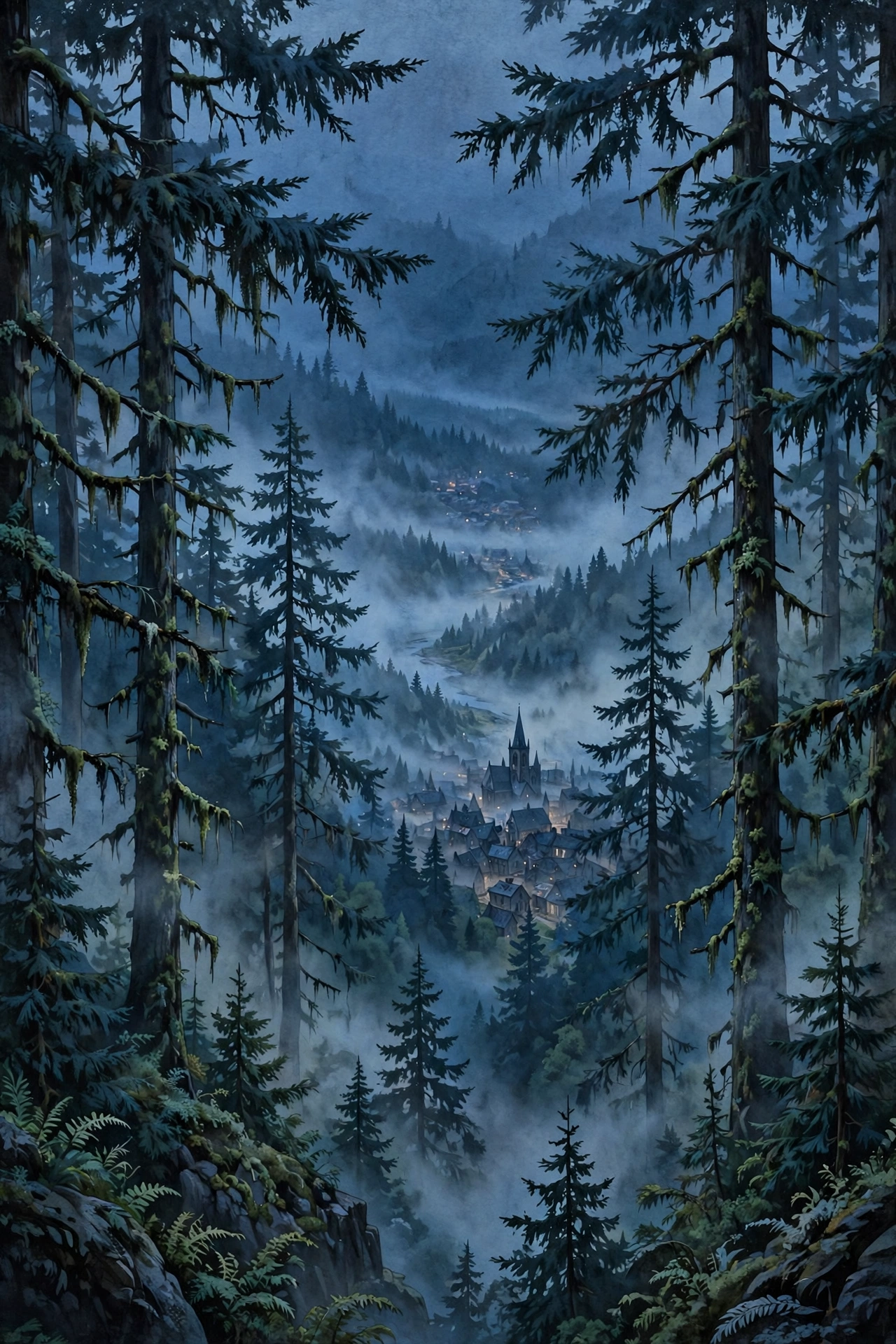
Stephenie Meyer’s novel Twilight, published in 2005, turned a small-town vampire romance into a publishing phenomenon. The book’s great strength is Bella Swan’s inner voice — every nervous thought, every glance across the school cafeteria, laid out in intimate first-person detail. Catherine Hardwicke’s 2008 film had to find a different way in, and it did so through atmosphere. The grey-green light of the Pacific Northwest, the constant drizzle, the blue-toned forests — the film makes Forks feel like a real place you could drive to, and that setting does half the storytelling.
2. Coraline
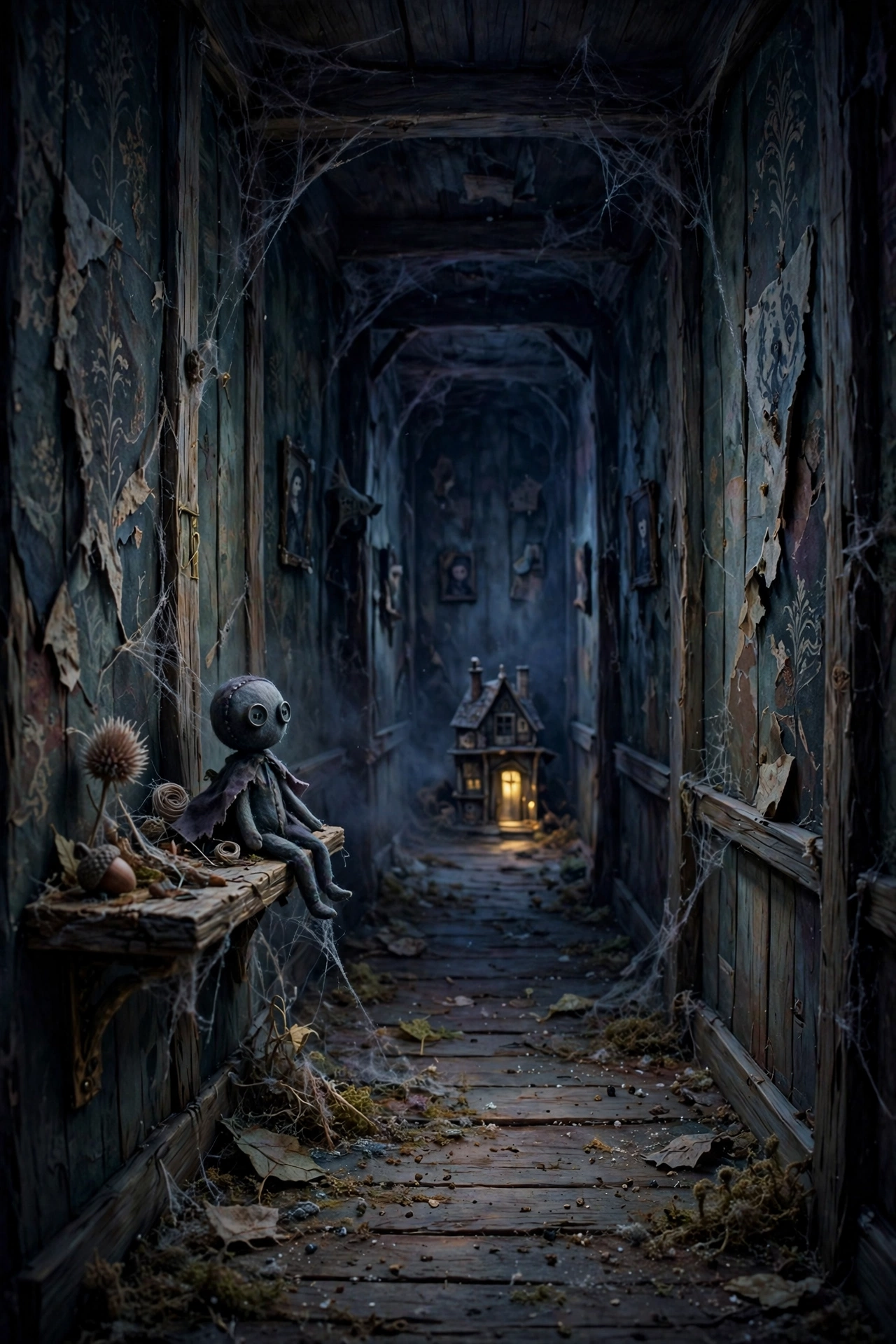
Neil Gaiman’s 2002 novella Coraline is a slim, elegant nightmare of a children’s story: a bored girl finds a small door in her new home, and behind it a world that looks like hers, only better — at first. On the page, the horror works through suggestion and quiet dread. Henry Selick’s 2009 stop-motion film keeps that dread but adds something the book cannot: texture. Every stitch, every button, every crooked room in the Other World is built by hand, and the film’s tactile, handmade look makes the danger feel physical. The movie also gives Coraline a stronger emotional arc, with her friendship and her parents’ distraction given more room to breathe.
3. Project Hail Mary
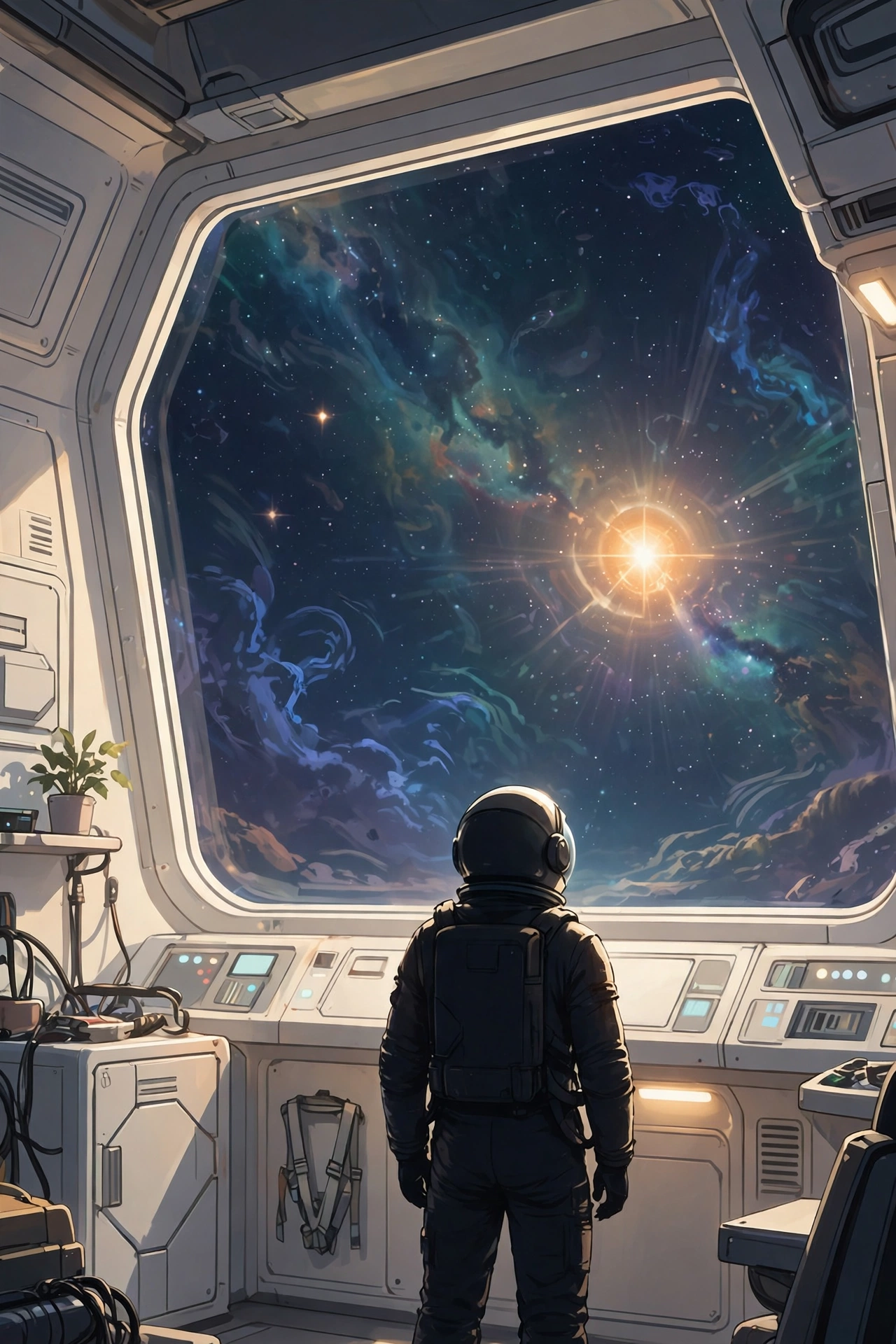
Andy Weir’s 2021 novel Project Hail Mary is a puzzle-box of a book: a science teacher wakes up alone on a spaceship with no memory, and has to science his way out of trouble while humanity’s survival hangs in the balance. It is funny, clever, and packed with problem-solving, but much of its charm lives in long passages of explanation. The film adaptation, directed by Phil Lord and Christopher Miller and starring Ryan Gosling as Ryland Grace, turns that solitary problem-solving into something warmer and more immediate.
4. Die Hard
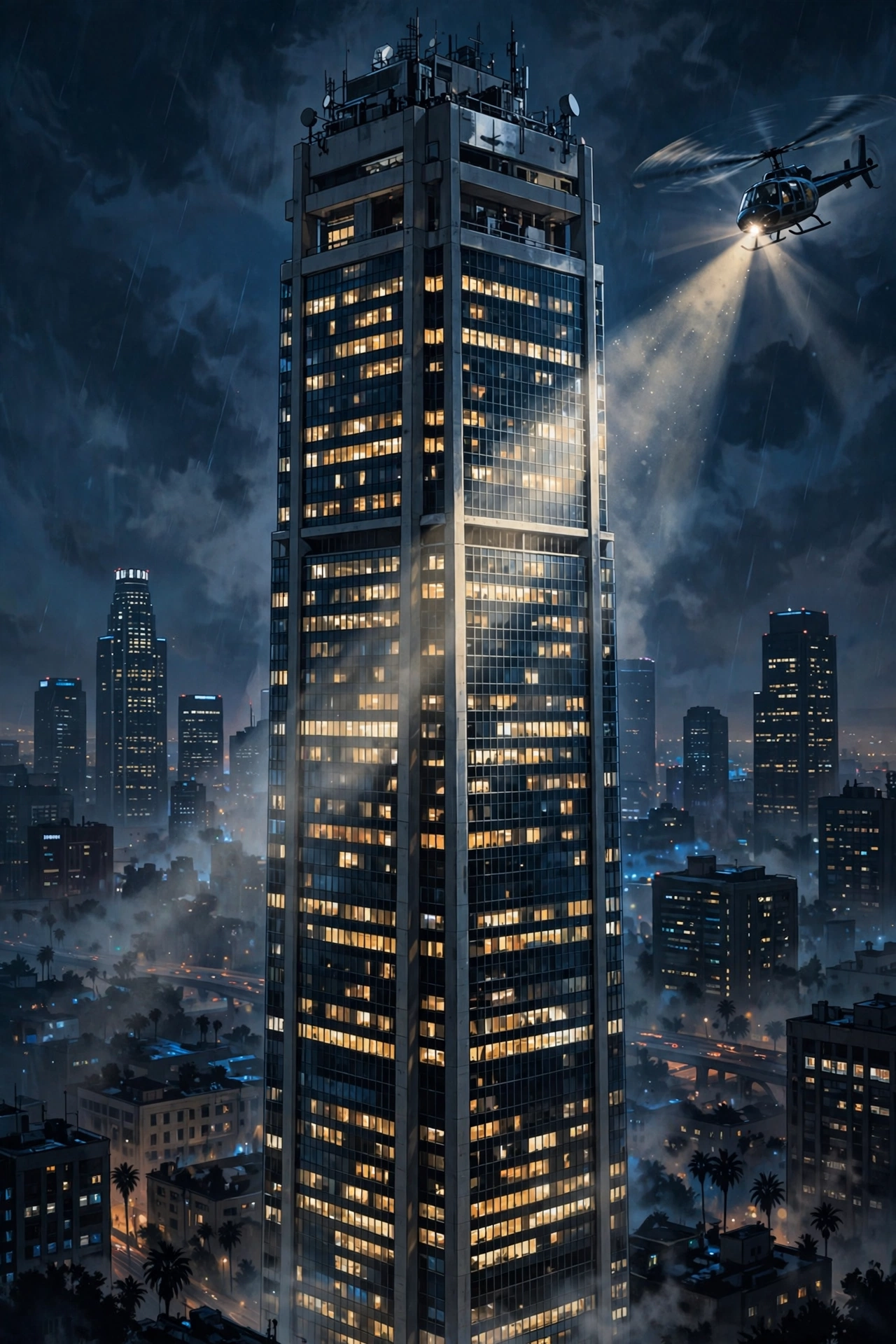
Almost nobody remembers that Die Hard began as a novel. Roderick Thorp’s 1979 book Nothing Lasts Forever follows a weary detective trapped in a Los Angeles skyscraper taken over by terrorists, and it is a solid, grim thriller. John McTiernan’s 1988 film keeps the skeleton — one man, one building, one very bad Christmas party — and rebuilds everything around it. The film sharpens the hero, gives the villain unforgettable style, and turns the tower itself into a character, all glass and height and vertigo. It also understands something the book only gestures at: the fun of watching an ordinary person improvise his way through an impossible night.
5. American Psycho
Bret Easton Ellis’s 1991 novel American Psycho is infamous for a reason: its long, numbing passages of brand names, restaurant orders, and pop-music criticism are the point, a portrait of a hollow man in a hollow world — but they make for a punishing read. Mary Harron’s 2000 film keeps the satire and cuts the slog. By turning Patrick Bateman’s vanity into dark comedy, the movie lets the audience laugh at the very emptiness the book forces you to sit inside. The film’s casting, its deadpan tone, and its famous set pieces — the business card scene, the morning routine — distill the novel’s argument into images that are instantly quotable.
6. The Shawshank Redemption
Stephen King’s novella “Rita Hayworth and Shawshank Redemption,” from his 1982 collection Different Seasons, is a quiet story about patience: a banker named Andy Dufresne, wrongly imprisoned, slowly builds a life inside Shawshank prison over decades. Frank Darabont’s 1994 film honors that patience and then gives it a heartbeat. The movie’s friendship between Andy and Red, the small kindnesses, the library, the rooftop beers — these moments land harder on screen because you can see the years pass on the actors’ faces. Darabont repeated the trick with King’s 1996 novel The Green Mile in 1999, another prison story where the film’s warmth and pacing made the book’s long serial structure feel like one continuous, devastating story.
7. The Lord of the Rings
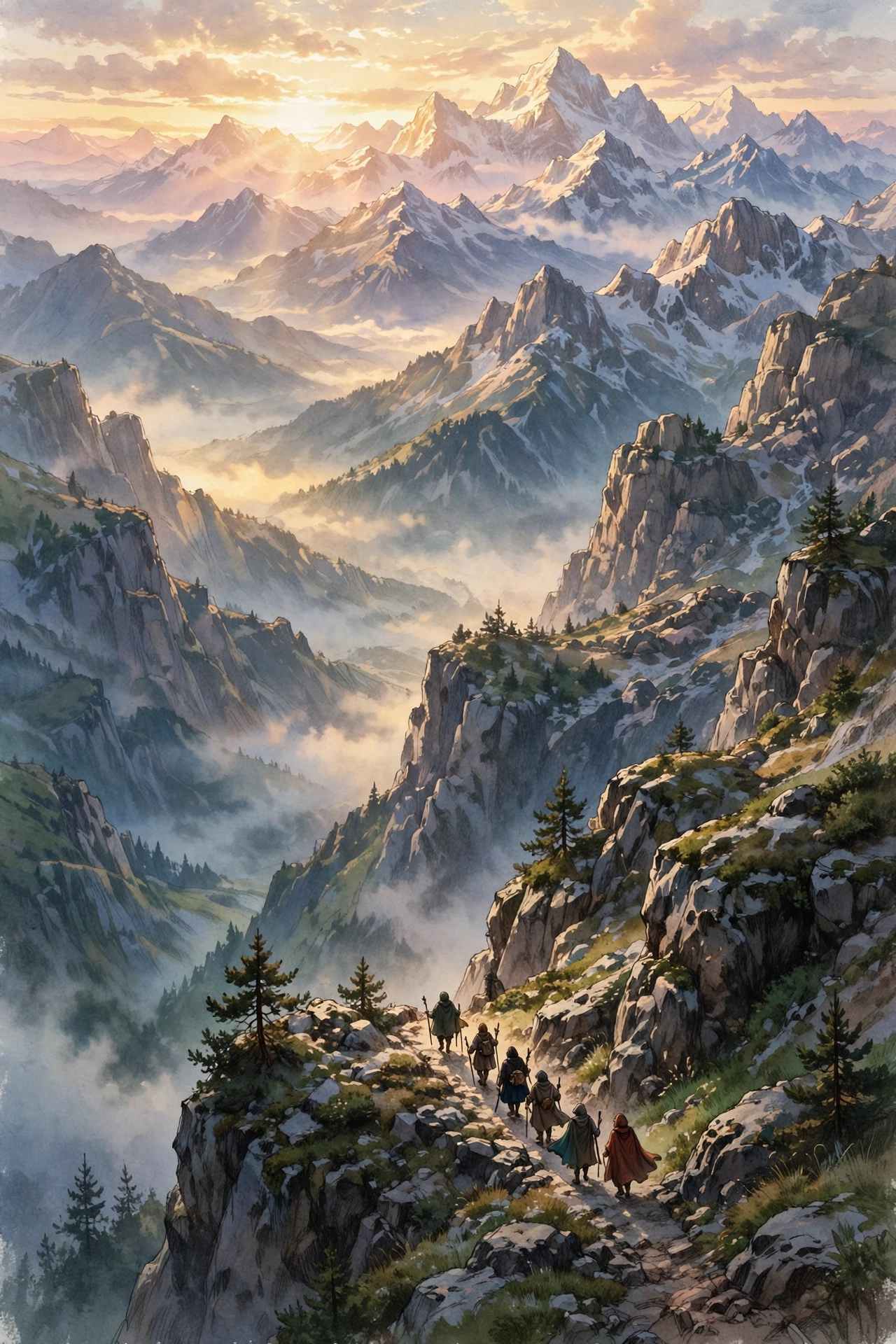
J.R.R. Tolkien’s The Lord of the Rings, published in 1954 and 1955, is one of the most beloved novels ever written — and one of the most demanding. Its songs, histories, and long walks through Middle-earth reward patient readers and test impatient ones. Peter Jackson’s film trilogy, released from 2001 to 2003, keeps the epic scale and trims the wandering. The films give the fellowship faces and voices, turn the battles into set pieces, and let the landscapes do the work of a thousand pages of description. New Zealand’s mountains and valleys became Middle-earth so completely that it is now hard to imagine the Shire any other way.
8. Silver Linings Playbook

Matthew Quick’s 2008 novel The Silver Linings Playbook is a tender, funny first-person story about Pat, a man rebuilding his life after a breakdown, told in a voice that is both fragile and hopeful. David O. Russell’s 2012 film keeps the heart of that story and opens it up. On the page, everything filters through Pat’s head; on screen, the whole family gets to live. The film’s great strength is its ensemble — the shouting dinners, the dance rehearsals, the way love and mental illness are handled with messiness rather than sentiment. The movie also finds a rhythm the book sometimes loses, balancing comedy and pain scene by scene. The novel is a lovely, quiet read.
9. Who Framed Roger Rabbit
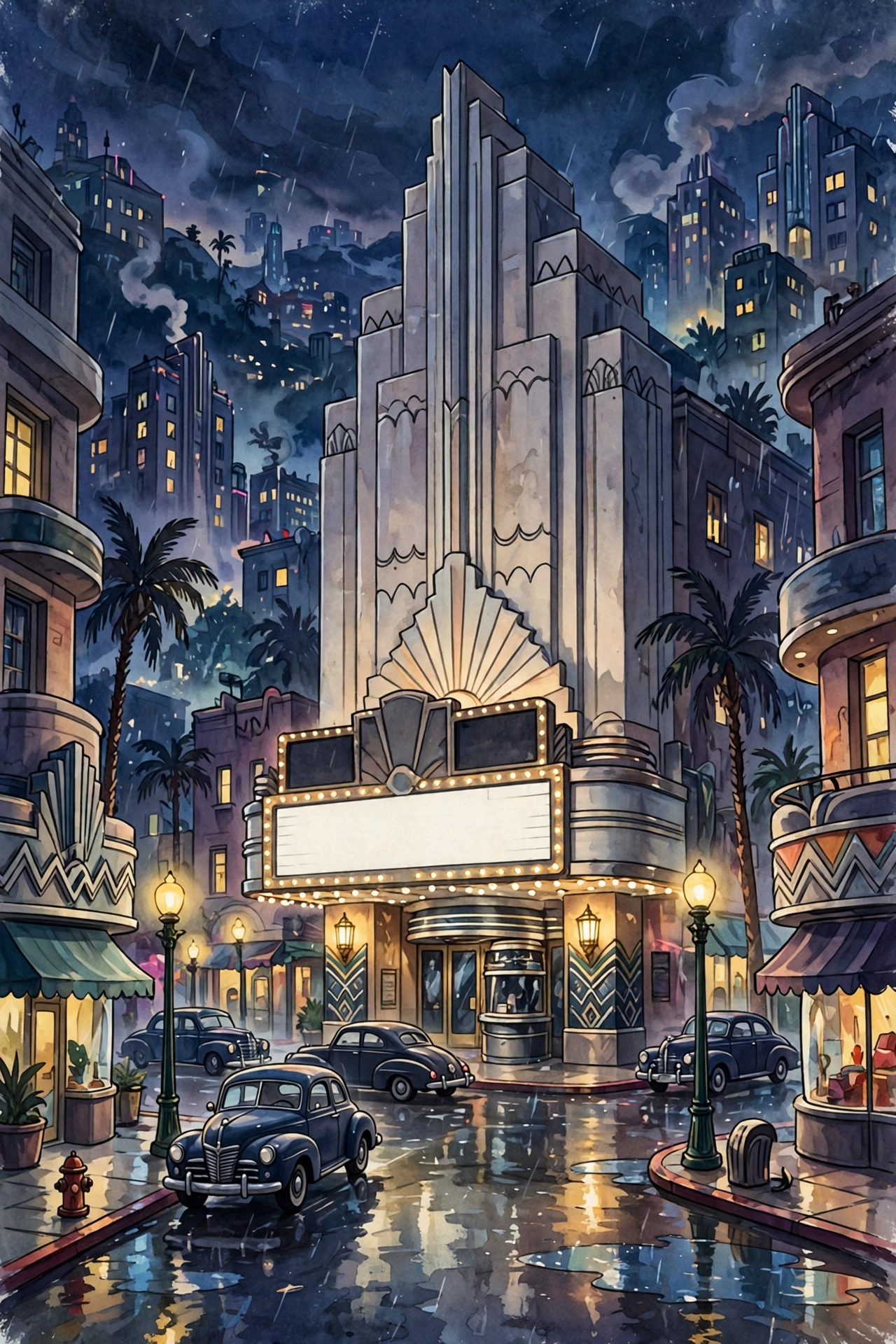
Gary K. Wolf’s 1981 novel Who Censored Roger Rabbit? is a clever, strange little noir in which cartoon characters are comic-strip creations and the mystery is genuinely dark. Robert Zemeckis’s 1988 film Who Framed Roger Rabbit takes the premise and runs in a completely different, more joyful direction: toons are living, breathing actors in a 1940s Hollywood, sharing the screen with humans. The technical achievement alone — hand-drawn characters interacting with live actors and real sets — was a landmark, but the film also works as a story: a washed-up detective, a wrongly accused rabbit, and a city where cartoons are second-class citizens.
10. Forrest Gump
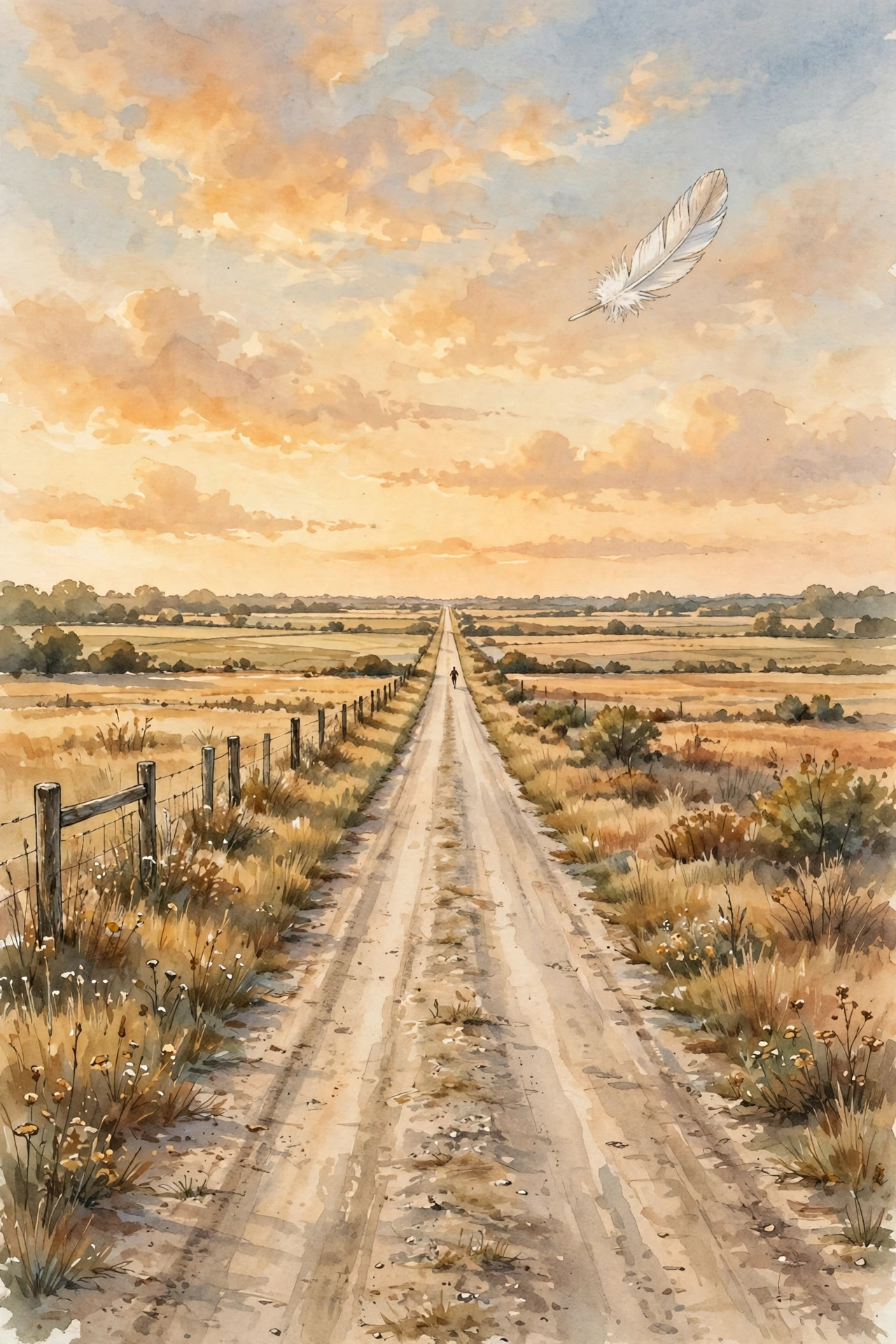
Winston Groom’s 1986 novel Forrest Gump is a wilder, darker, and stranger book than the movie most people know — its Forrest is sharper-edged, funnier in a biting way, and the story wanders into places the film never visits. Robert Zemeckis’s 1994 film smooths those edges into something warmer and more universal. The movie turns Forrest’s journey through American history into a gentle fable, and its visual trickery — Forrest shaking hands with presidents, standing on history’s sidelines — made the film feel magical in a way the book never attempted. The feather drifting through the sky, the bench, the box of chocolates: the film created images that entered the language.
11. Jaws
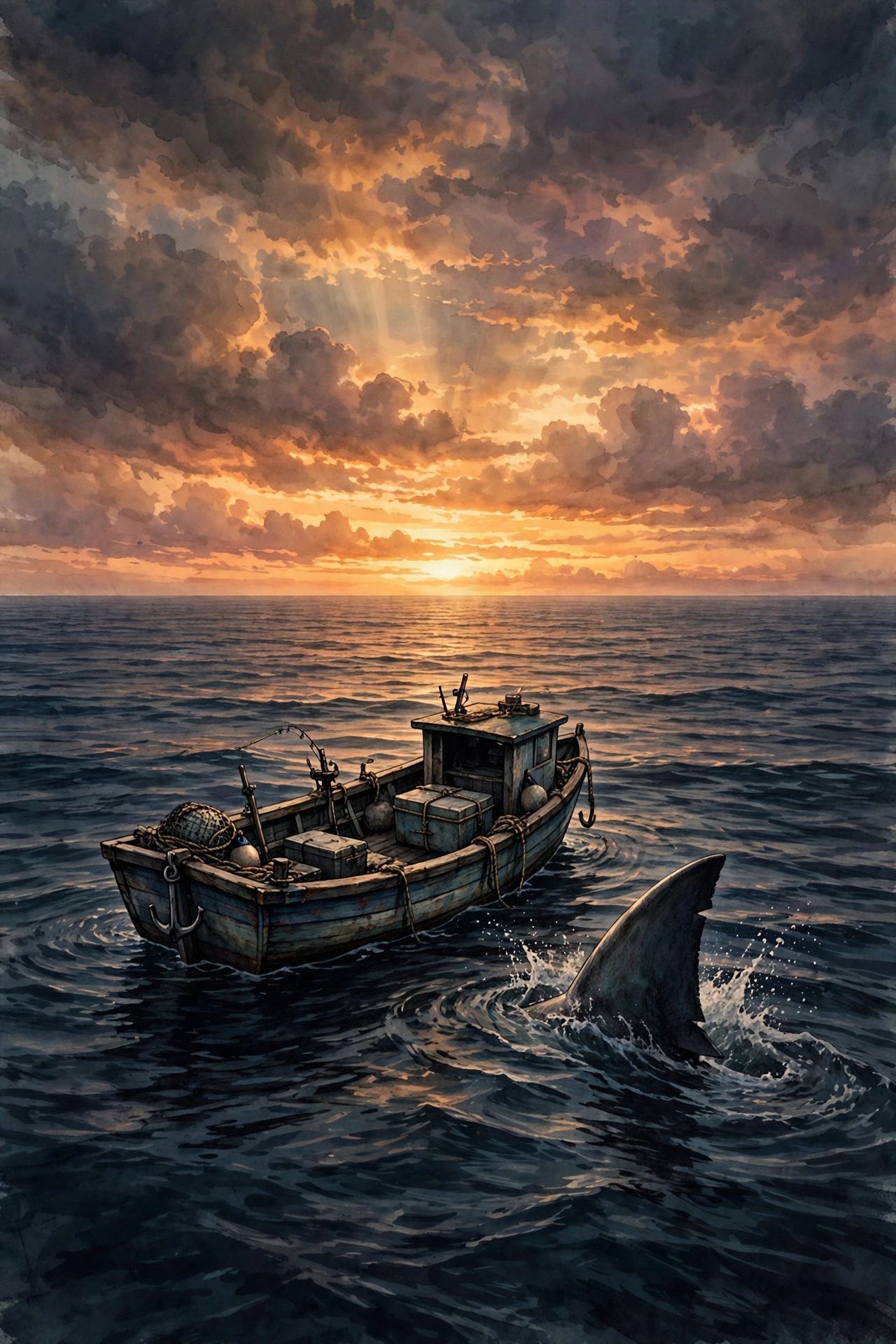
Peter Benchley’s 1974 novel Jaws is a solid beach-read thriller, but it spends a surprising amount of time on subplots — affairs, town politics, and mob connections — that have nothing to do with the shark. Steven Spielberg’s 1975 film throws almost all of that overboard and keeps the essentials: a small island town, a shark, and three men in a boat. The movie’s famous restraint — the shark barely appears, the score does the hunting — turned a limitation into genius, and the final act on the Orca is one of the great suspense sequences ever filmed. The book gives you a shark; the film gives you dread.
12. Stand by Me
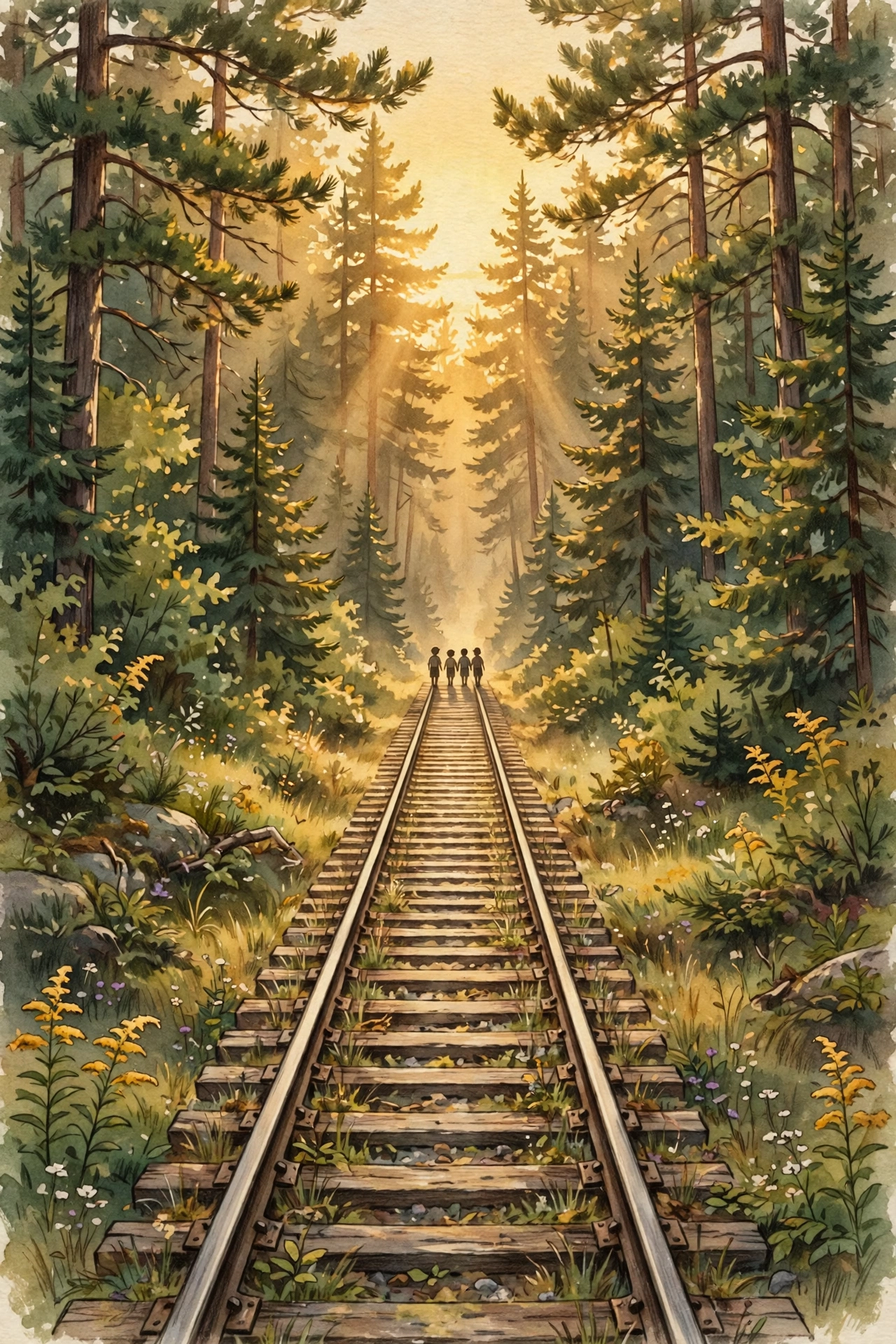
Stephen King’s novella “The Body,” from his 1982 collection Different Seasons, is a bittersweet story about four boys who walk along railroad tracks to find a missing boy’s body — and about the summer when childhood ends. Rob Reiner’s 1986 film Stand by Me captures that summer so precisely that it feels like a memory rather than an adaptation. The movie’s casting, its dialogue, and its quiet moments around the campfire give the boys a warmth the novella’s adult narrator can only look back on.
13. Stardust
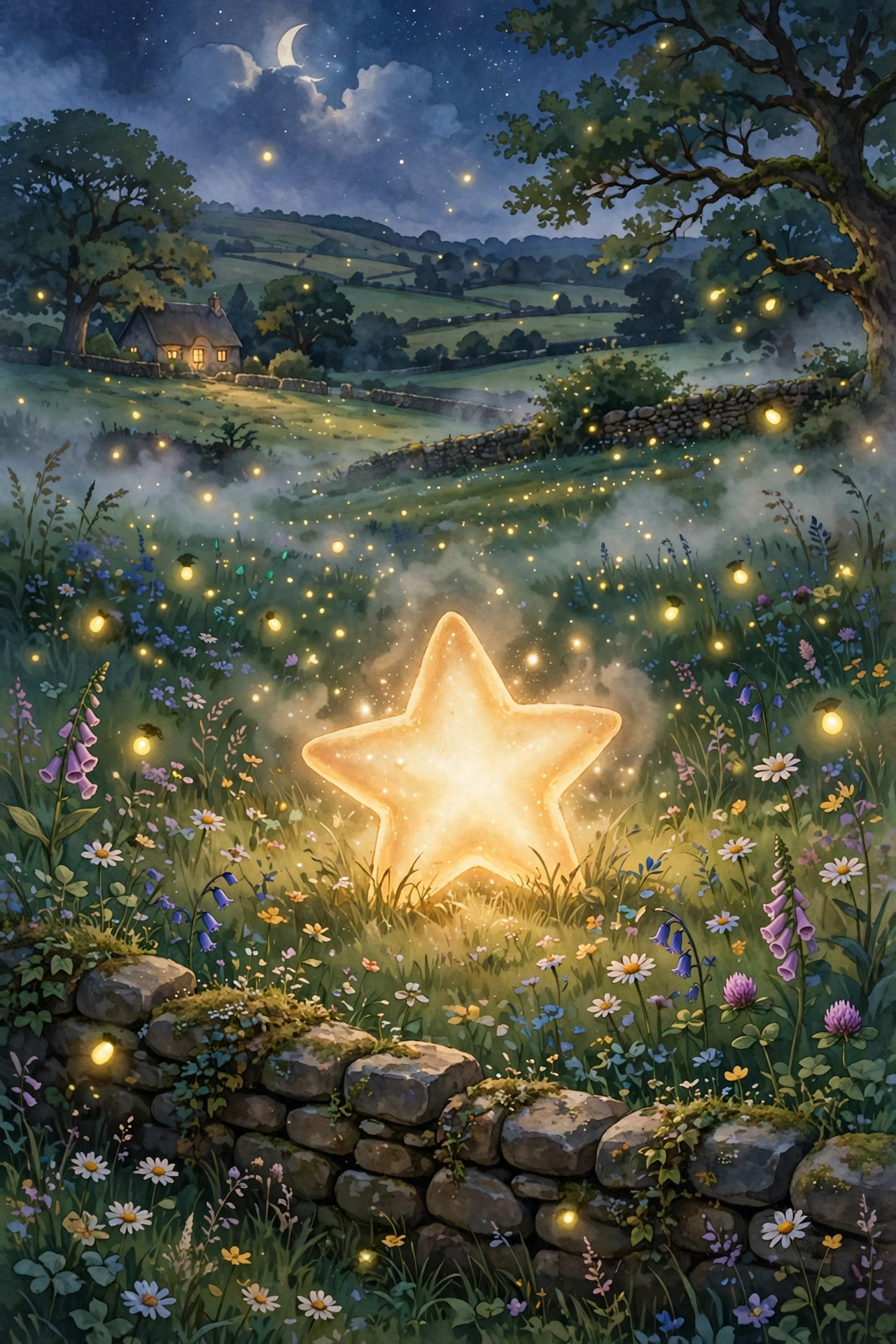
Neil Gaiman’s 1999 novel Stardust is a fairytale for adults: a young man named Tristan crosses from a quiet English village into a magical land to fetch a fallen star, and discovers the star is a person. The book is charming and lyrical, but its pleasures are gentle, almost sleepy. Matthew Vaughn’s 2007 film wakes the story up. The movie adds swashbuckling energy, sharper comedy, and a romance with real spark, and it gives the villains — a coven of witches and a scheming prince — scenes the book only sketches. The film also understands that a fairytale works best when it moves: chases, duels, and a sky full of pirate ships keep the wonder coming.
14. The Princess Bride
William Goldman’s 1973 novel The Princess Bride is a clever book with a famous trick: it pretends to be an abridged version of a longer, older tale, and Goldman’s wry asides keep interrupting the story to argue with it. It is funny, but the joke can wear thin across hundreds of pages. Rob Reiner’s 1987 film keeps the framing device — a grandfather reading to his sick grandson — and lets the adventure run free. The movie’s sword fights, its perfectly timed jokes, and its cast’s chemistry turned the story into one of the most quotable films ever made. The film also knows when to let a moment simply be romantic or thrilling, without undercutting it.
15. Arrival
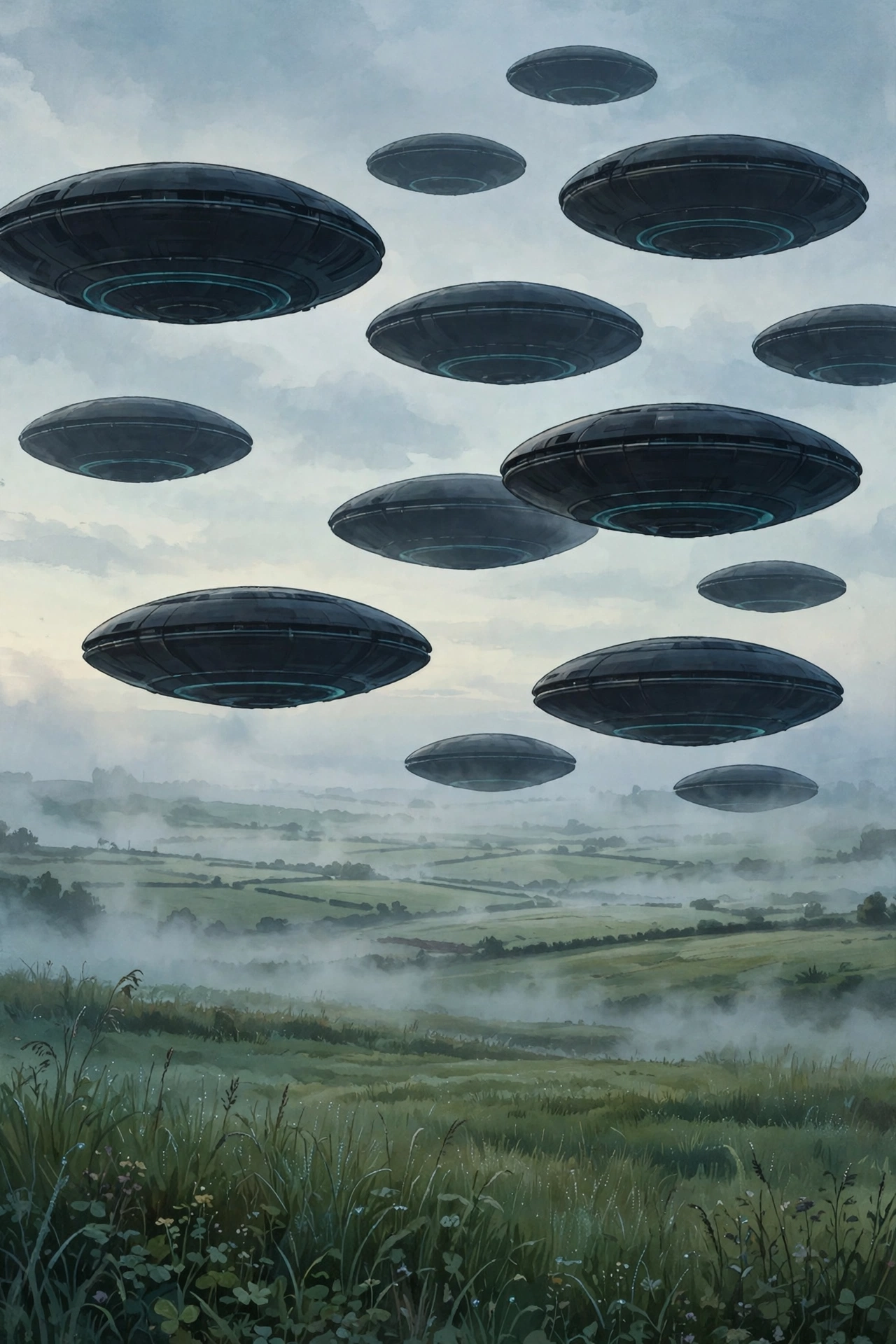
Ted Chiang’s 1998 story “Story of Your Life” is a small, precise masterpiece: a linguist learns an alien language, and the language quietly changes how she understands her own life. It is beautiful, brainy, and very short — the kind of story that leaves you staring at the wall when it ends. Denis Villeneuve’s 2016 film Arrival takes that spark and builds a full-scale first-contact drama around it. The movie keeps the story’s central idea but gives it scale: twelve ships, a global crisis, and a performance that carries the whole film on one woman’s shoulders. The sound design, the alien ships, and the slow reveal of the language make the abstract feel physical.
16. Field of Dreams
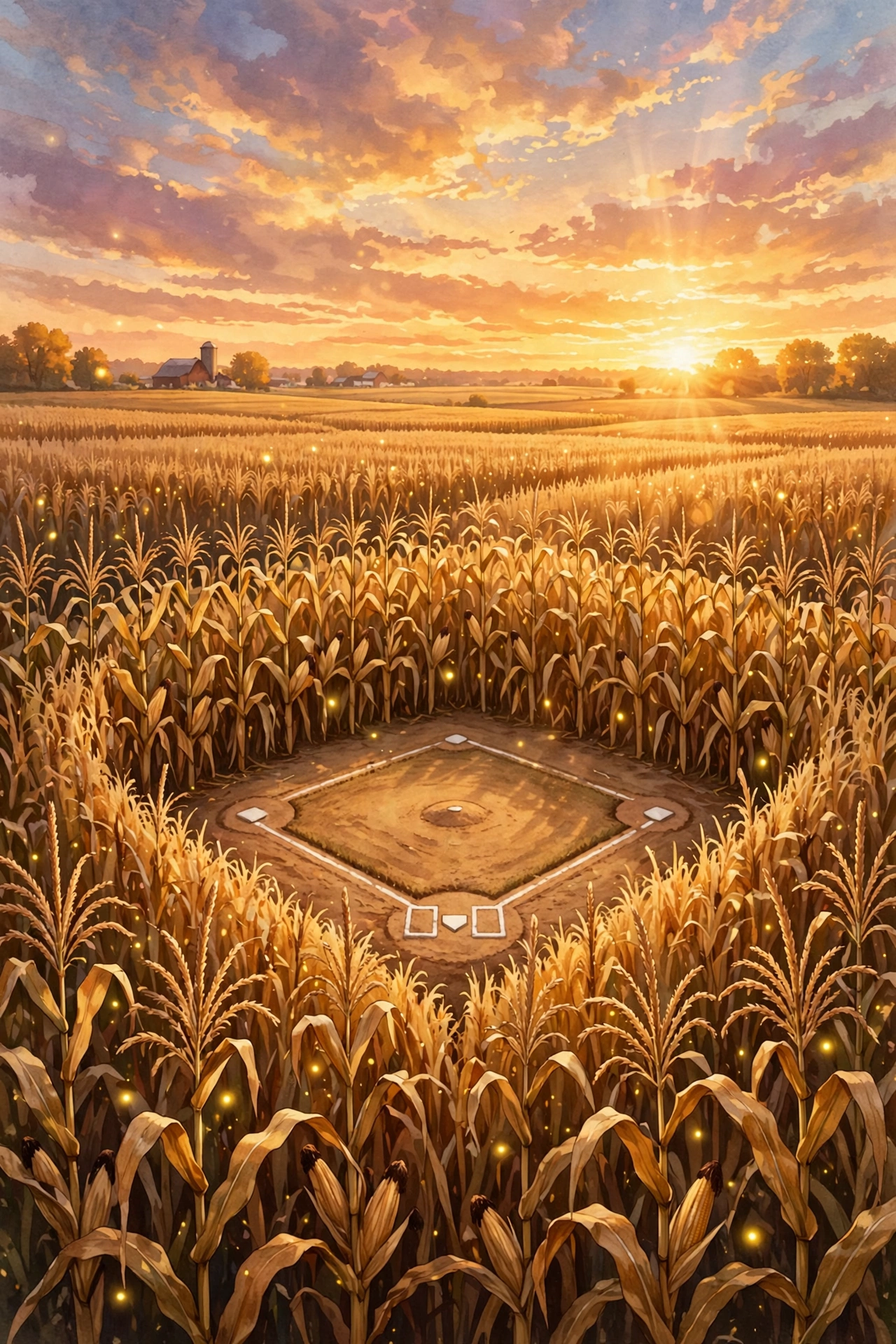
W.P. Kinsella’s 1982 novel Shoeless Joe is a strange, dreamy book about a farmer who hears a voice telling him to build a baseball field in his cornfield, and about the ghosts of baseball’s past who come to play on it. Phil Alden Robinson’s 1989 film Field of Dreams takes that premise and gives it the one thing the book keeps at arm’s length: feeling. The movie turns the field into a place where fathers and sons get a second chance, and its final scenes have made grown adults cry in cinemas for decades. The book is the more eccentric and literary of the two, full of digressions and odd magic.
17. Children of Men
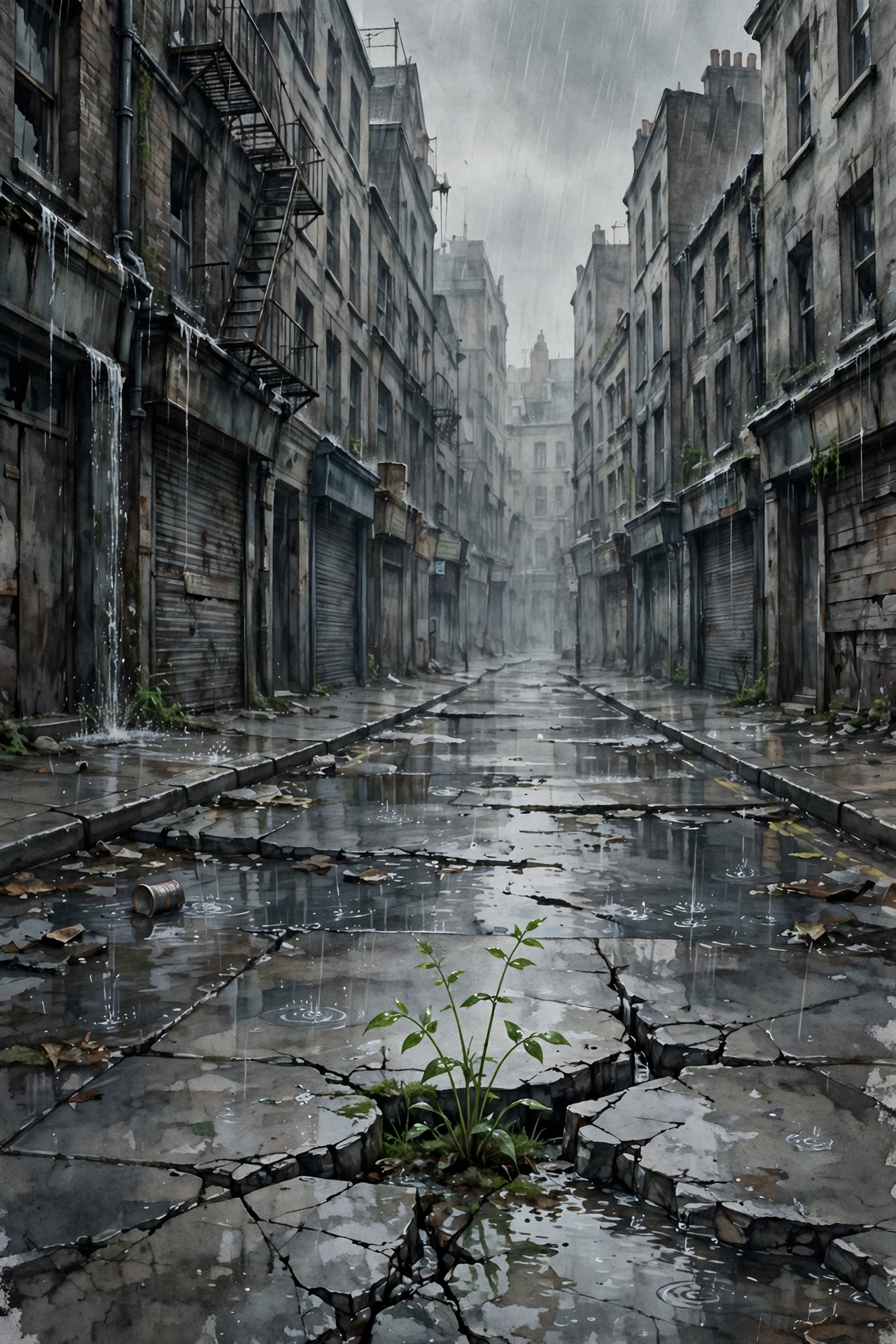
P.D. James’s 1992 novel The Children of Men imagines a world where humanity has stopped having children, and follows a historian drawn into a quiet, thoughtful resistance. It is a serious, philosophical book — and a slow one, with long passages of ideas and very little action. Alfonso Cuarón’s 2006 film keeps the premise and rebuilds the story as a thriller. The movie’s Britain is a crumbling, rain-soaked place of checkpoints and refugee camps, and its famous long takes — the car ambush, the battle through the streets — put the audience inside the danger instead of describing it from a distance.
18. The Prestige
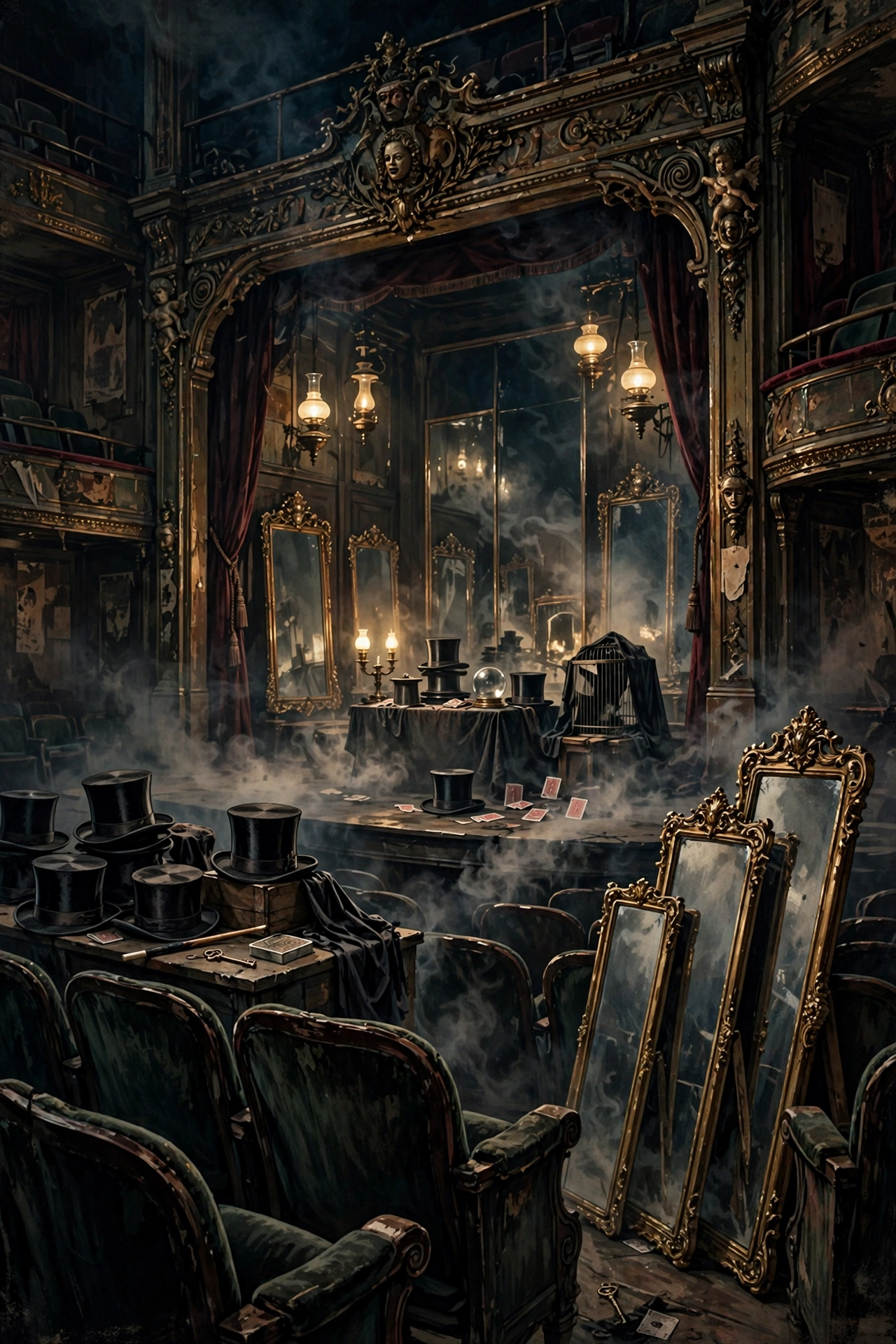
Christopher Priest’s 1995 novel The Prestige is a puzzle told through journals and letters, about two rival Victorian stage magicians whose obsession destroys them both. It is intricate and rewarding, but its structure — nested narratives, unreliable narrators, a present-day frame — demands a lot of patience. Christopher Nolan’s 2006 film keeps the puzzle and makes it move. The movie’s non-linear editing turns the book’s structure into pure cinema, cutting between the rivals’ lives so the audience feels the obsession building. The performances, the period detail, and the film’s own final twist give the story a punch the novel spreads across hundreds of pages.
19. Jurassic Park
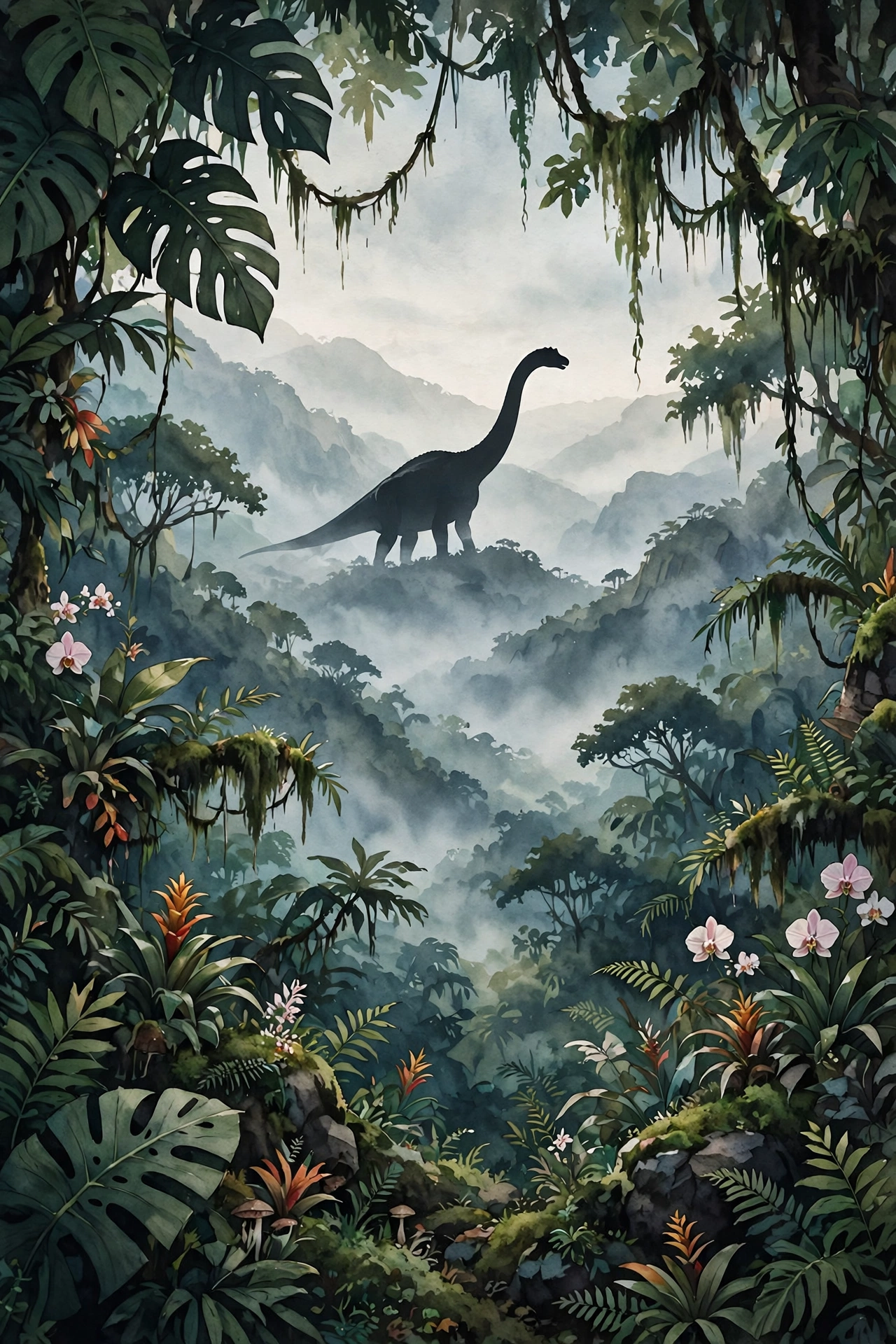
Michael Crichton’s 1990 novel Jurassic Park is a smart techno-thriller, full of chaos theory, corporate greed, and long lectures about science gone wrong. It is a page-turner, but its characters are mostly vehicles for ideas. Steven Spielberg’s 1993 film keeps the ideas and gives the audience something the book never could: dinosaurs that feel alive. The first sight of the brachiosaurus, the T. rex in the rain, the raptors in the kitchen — these are moments of pure cinema that turned a thriller into a shared cultural memory. The movie also trims the novel’s lecture-hall passages and lets the wonder do the persuading.
20. The Prince of Egypt
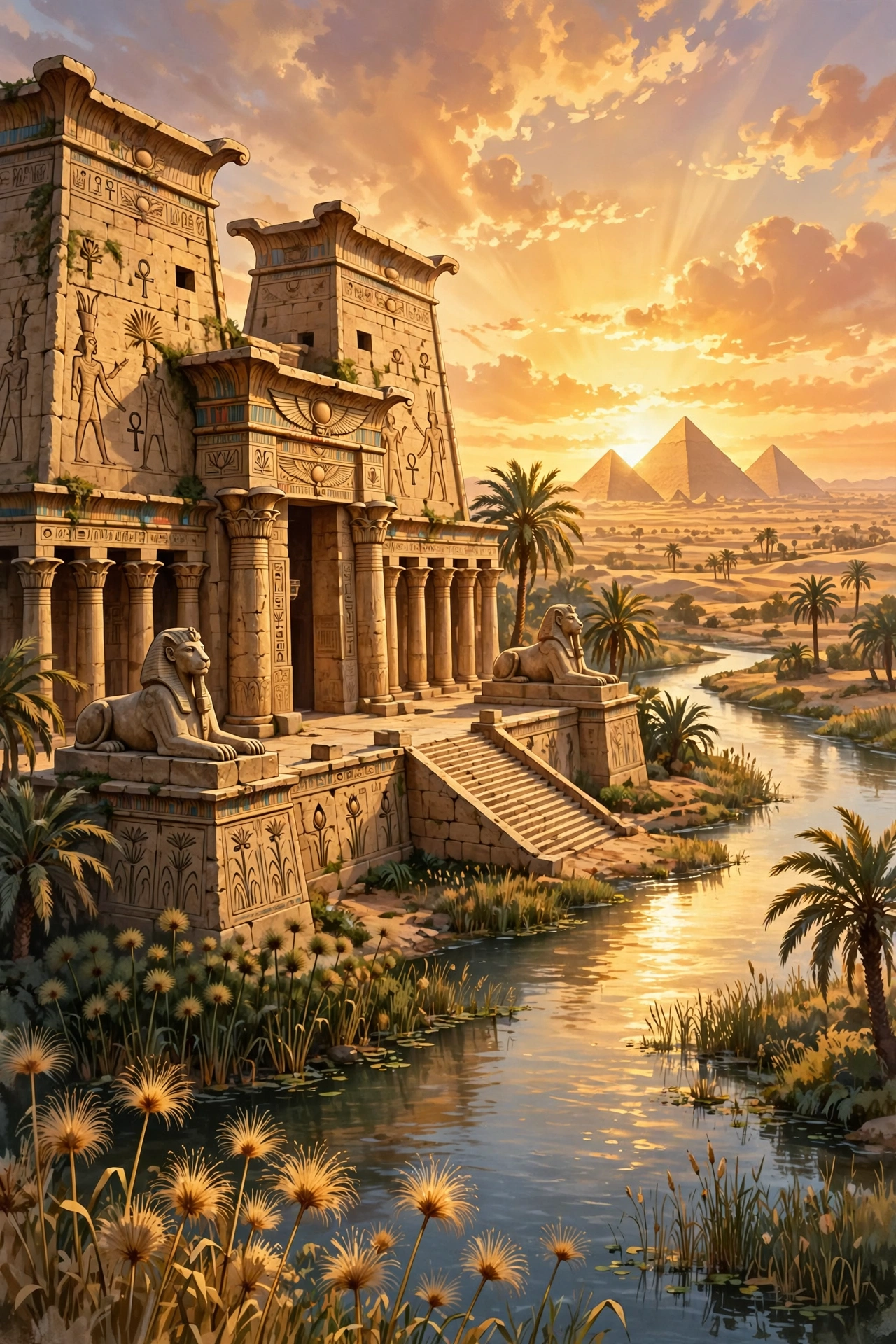
The Prince of Egypt, DreamWorks’ 1998 animated film, draws on one of the oldest stories in the world — the Exodus narrative, the story of Moses leading his people out of Egypt. It is a bold choice for a family film, and the movie treats its source with genuine reverence. The film’s strength is how it turns an ancient, monumental story into something personal: two brothers, raised together, pulled apart by destiny. The animation is sweeping and gorgeous — the parting of the sea, the burning bush, the Nile at sunset — and the songs give the story an emotional lift that a plain retelling could never manage.
21. The Hunt for Red October
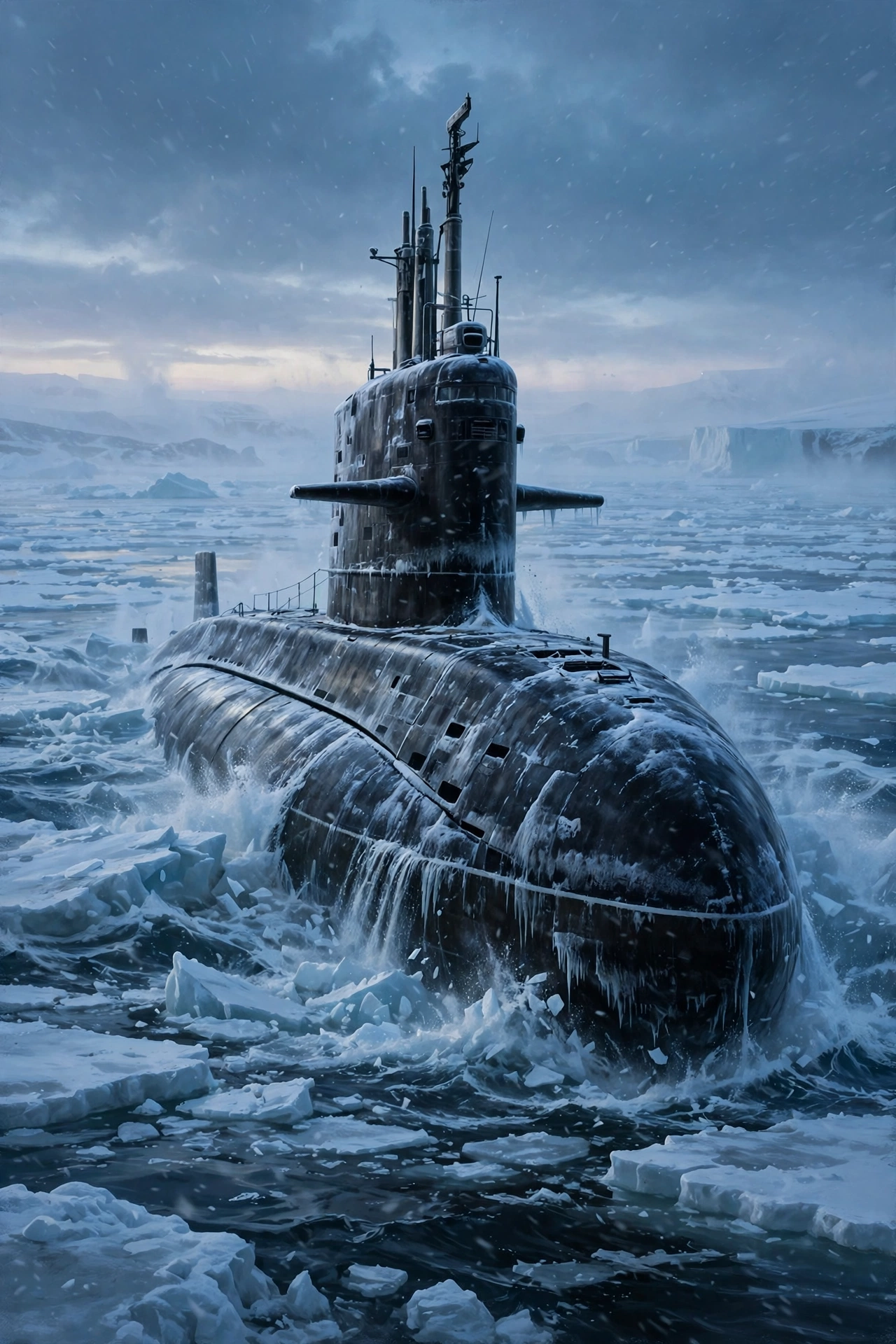
Tom Clancy’s 1984 novel The Hunt for Red October launched a whole genre of techno-thriller, and it is famous for its detail: sonar frequencies, submarine specifications, and pages of military procedure. Fans of the genre love that precision; everyone else can find it heavy going. John McTiernan’s 1990 film keeps the tension and drops the manual. The movie turns the novel’s cat-and-mouse game into a taut thriller, with the submarine itself — silent, dark, enormous — doing the work of a hundred pages of description. The film also gives the story a human center in its officers, whose calm under pressure is more gripping than any technical readout.
22. Blade Runner
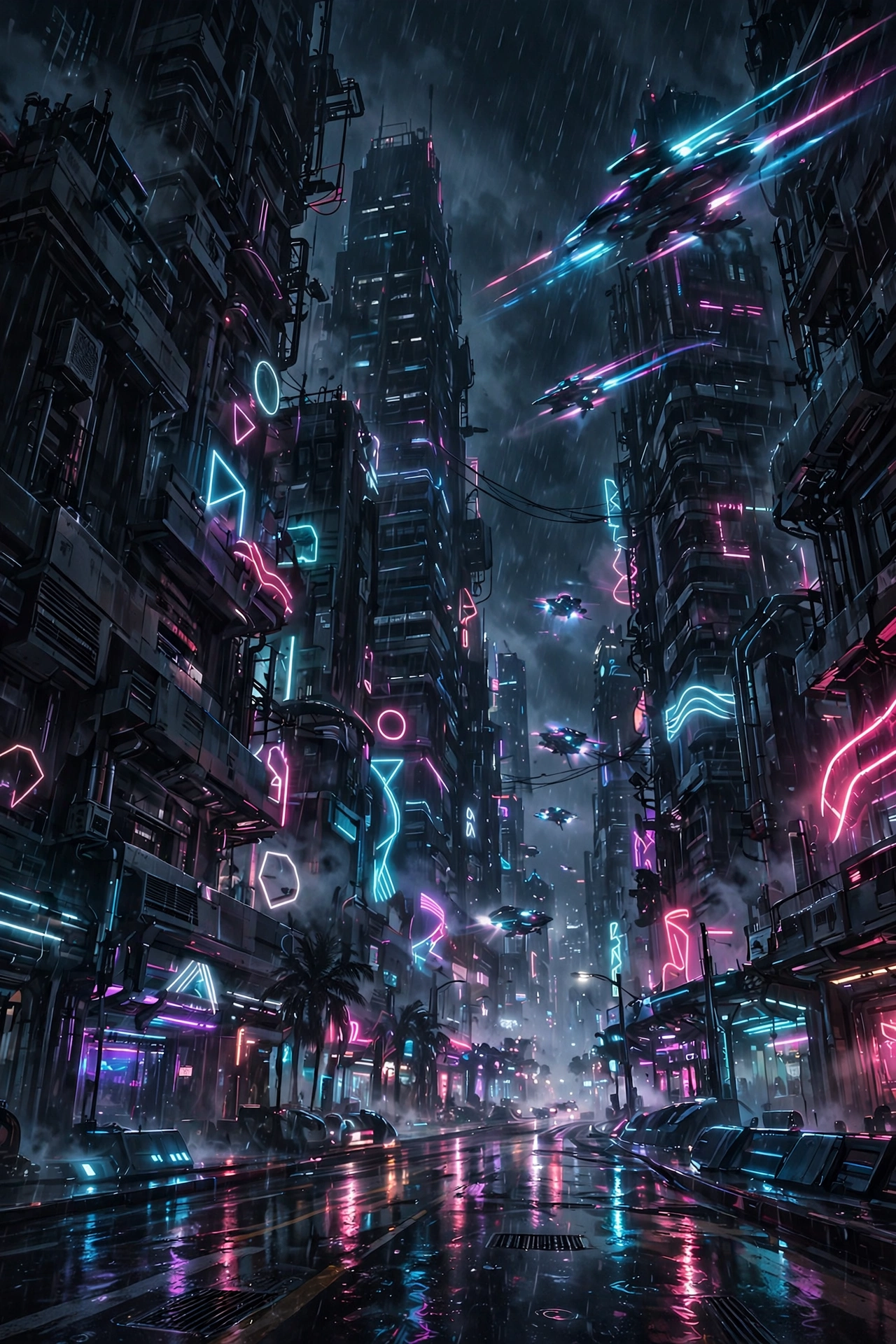
Philip K. Dick’s 1968 novel Do Androids Dream of Electric Sheep? is a strange, melancholy book about a bounty hunter retiring androids in a dying San Francisco, where real animals are so rare they are a status symbol. Ridley Scott’s 1982 film Blade Runner takes the novel’s core question — what makes someone human? — and builds an entirely new world around it: a rain-soaked, neon Los Angeles that has defined science fiction ever since. The film drops much of the book’s plot, including its religion of empathy and its electric animals, and replaces it with atmosphere, design, and one of cinema’s great villains.
23. Trainspotting
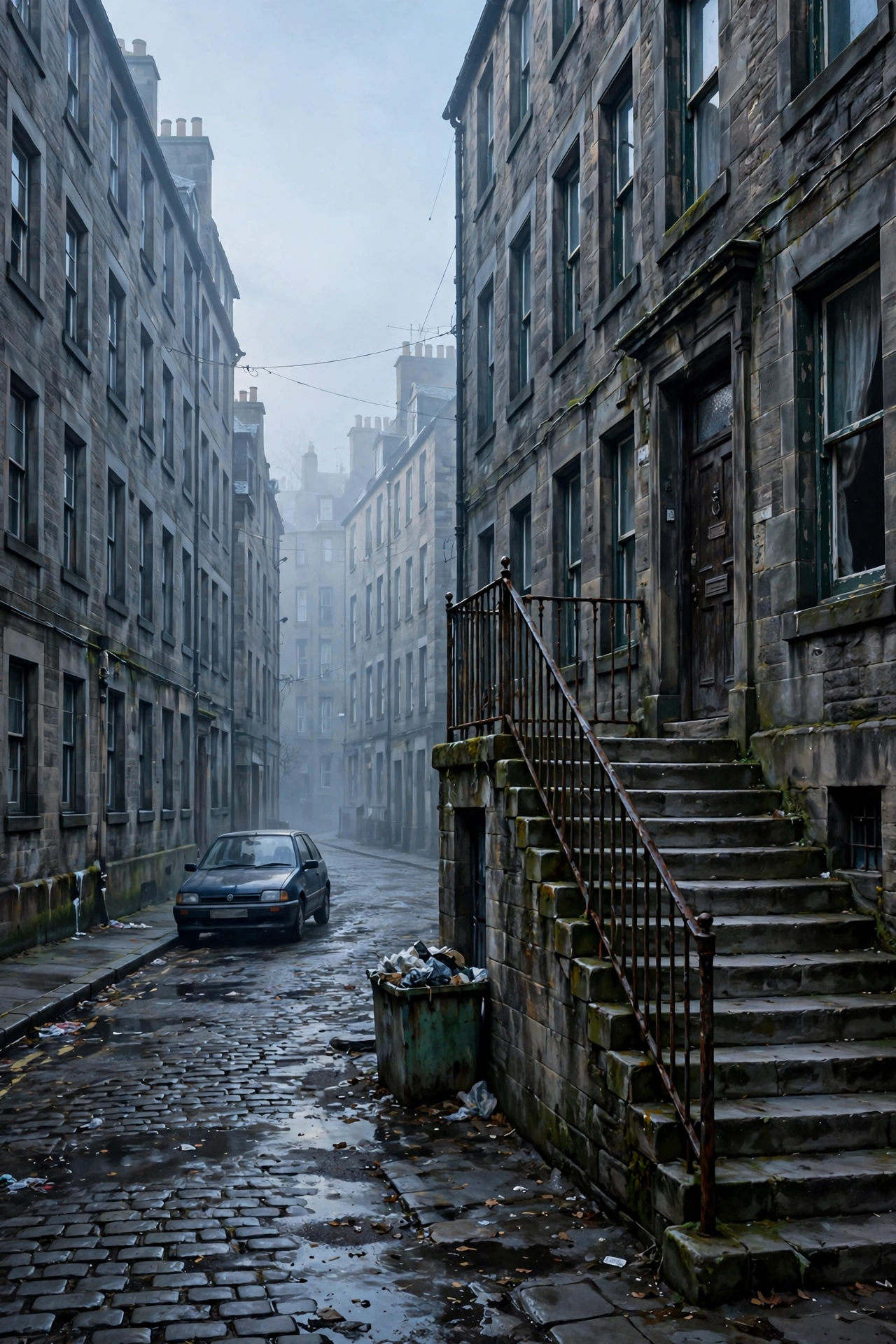
Irvine Welsh’s 1993 novel Trainspotting is a raw, episodic portrait of a group of friends in Edinburgh, written in thick Scots dialect and jumping between narrators and time periods. It is powerful, but its style is a barrier — many readers bounce off the dialect and the fragmented structure before the story hooks them. Danny Boyle’s 1996 film keeps the energy and gives it shape. The movie streamlines the episodes into a propulsive story, and its style — the music, the pace, the black humor — makes the chaos feel exhilarating rather than exhausting. The film also made its characters iconic in a way the book’s shifting voices never quite do.
24. The Count of Monte Cristo
Alexandre Dumas’s 1844 novel The Count of Monte Cristo is one of the great adventure stories: a young sailor is betrayed, imprisoned for years, escapes, and returns as a mysterious, wealthy count. It is also enormous — over a thousand pages of subplots, side characters, and slow-burning schemes. Kevin Reynolds’s 2002 film keeps the spine of the story and cuts the rest, turning a sprawling epic into a tight, swashbuckling adventure. The movie’s pleasures are simple and direct: the prison escape, the treasure, the sword fights, and a revenge plot that moves at a gallop. The film also gives the story a warmth the novel sometimes withholds, keeping the hero’s heart visible even as his plans darken.
25. The Talented Mr. Ripley

Patricia Highsmith’s 1955 novel The Talented Mr. Ripley is a chilly, precise psychological thriller: Tom Ripley, a small-time con man, is sent to Italy to bring home a rich playboy, and instead decides to become him. The book’s power is in its cold interior logic — we watch Ripley think his way into murder and almost admire the efficiency. Anthony Minghella’s 1999 film keeps that chill and adds sunlight. The movie’s Italian Riviera is so beautiful it becomes part of the seduction: the sea, the villas, the jazz, the endless summer that Ripley wants to live in forever. The film also gives the supporting characters more life, so Ripley’s crimes feel like they cost something real.
You May Also Like
If these book-to-screen stories left you wanting more, here are a few more reads from our bookshelf that dig into adaptations, fairy tales, and great next reads.
9 Major Ways Netflix’s East of Eden Differs From the Original Book
9 Books to Read Next If You Loved East of Eden
I Just Learned the Real Traumatizing Stories Behind These 10 Famous Fairy Tales
Top 5 Romantasy Books for Spooky Season (That Aren’t Spooky Reads)