
Some places are beautiful because of one famous view.
Others feel magical before you have even found the thing you came to see.
You turn a corner and there is a tiny cottage under twisted cypress trees. A horse-drawn carriage passes a hotel porch. A Bavarian-style village sits beneath snowy peaks. An adobe church glows in late-afternoon light. A coastal path disappears between old mansions and the Atlantic.
Those are the places on this list.
These 12 destinations were chosen because the storybook feeling extends beyond a single photo. Each one gives you enough architecture, scenery, walkable streets, local character, food, history, or nearby nature to make the trip worthwhile after the first “wow” moment wears off.
Some are ideal for a weekend. Others deserve a longer stay. A few are busiest in summer, while others become especially atmospheric in fall or around the holidays. The important thing is to check current seasonal hours, reservations, road conditions, ferry schedules, and local visitor guidance before you build the entire trip around one saved image.
1. Carmel-by-the-Sea, California

Carmel-by-the-Sea may be the easiest place on this list to describe as “storybook” without exaggerating.
The village is known for whimsical cottages, hidden courtyards, garden-covered lanes, tiny passageways, art galleries, tasting rooms, and a walkable center that eventually spills toward a white-sand beach. The famous Hugh Comstock cottages are especially playful, with steep roofs, irregular stonework, timber details, and proportions that look more illustrated than engineered.
But Carmel works as a trip because the fantasy does not end with the cottages.
You can spend the morning wandering the village, walk down Ocean Avenue toward Carmel Beach, then use another part of the weekend for Point Lobos or the 17-Mile Drive. That combination keeps the destination from feeling like a photo stop.
What makes it feel magical
The best detail is that Carmel does not require you to follow one precise route. Many of the most memorable moments are small: a courtyard you almost miss, a vine-covered doorway, a crooked roofline, or the sound of the ocean at the end of a residential lane.
Best for: Couples, architecture lovers, photographers, coastal weekends, and travelers who enjoy exploring on foot.
Do not miss: A self-guided walk past the storybook cottages, Carmel Beach near sunset, and at least one coastal nature stop outside the village.
Planning note: Many famous cottages are private homes. Admire them from public streets and respect gates, driveways, and residents’ privacy.
2. Mackinac Island, Michigan
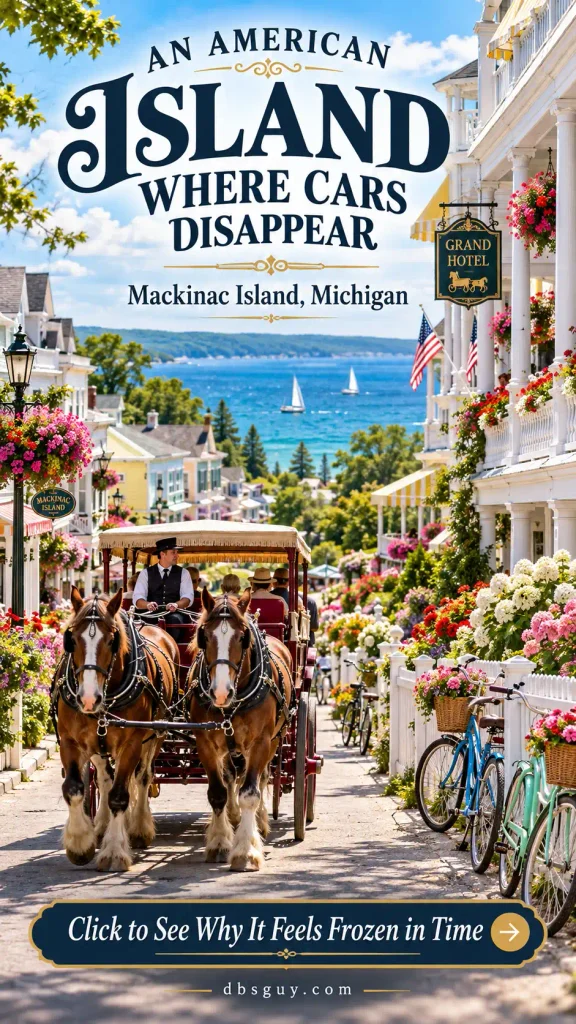
Mackinac Island changes the feeling of travel before you have even checked into your hotel.
You arrive by ferry, leave the car behind, and enter a place where bicycles, walking, and horse-drawn carriages still shape the rhythm of the streets. The official tourism bureau notes that the island has been car-free for more than a century, which is one reason the historic atmosphere feels so convincing.
Grand porches, old hotels, Fort Mackinac, lake views, wooded roads, bicycles, fudge shops, and the steady sound of carriage horses give the island a kind of time-capsule quality that is difficult to reproduce elsewhere.
Stay after the day-trippers leave
If you can, spend at least one night on the island.
The atmosphere changes after the last major wave of ferries departs. Streets feel quieter, porches become part of the evening, and sunrise arrives before the first day visitors. That slower period is when the island feels most removed from modern travel.
Best for: Families, couples, cyclists, history lovers, and anyone who wants a destination with almost no car noise.
Do not miss: Biking at least part of the island, a historic site, an evening walk, and one stretch of time simply sitting near the water.
Planning note: The main tourism season is generally May through October, while off-season lodging and restaurant choices are more limited. Check ferry and business schedules before booking.
3. Leavenworth, Washington

Leavenworth has one of the most dramatic visual transformations of any small town in the United States.
The village leans fully into Bavarian-inspired architecture, with carved balconies, alpine façades, German-style food and drink, seasonal festivals, and the Cascade Mountains rising behind town.
It can feel especially storybook-like in two very different seasons: fall, when the mountains and village turn warm and golden, and winter, when snow and holiday lights push the alpine fantasy even further.
Why it works beyond the theme
The reason to stay longer than a few hours is the setting.
You can walk beside the Wenatchee River, explore nearby trails, drive into the Cascades, then come back to a compact village where dinner, shops, and evening atmosphere are easy to find.
Best for: Holiday trips, couples, mountain scenery, friends’ weekends, food and drink, and travelers who enjoy highly themed destinations.
Do not miss: An early village walk before crowds build, a riverfront walk, and at least one mountain outing beyond the commercial center.
Planning note: Major festival and holiday weekends can sell out early and change the feel of the town dramatically. Check event dates before choosing lodging.
4. Solvang, California
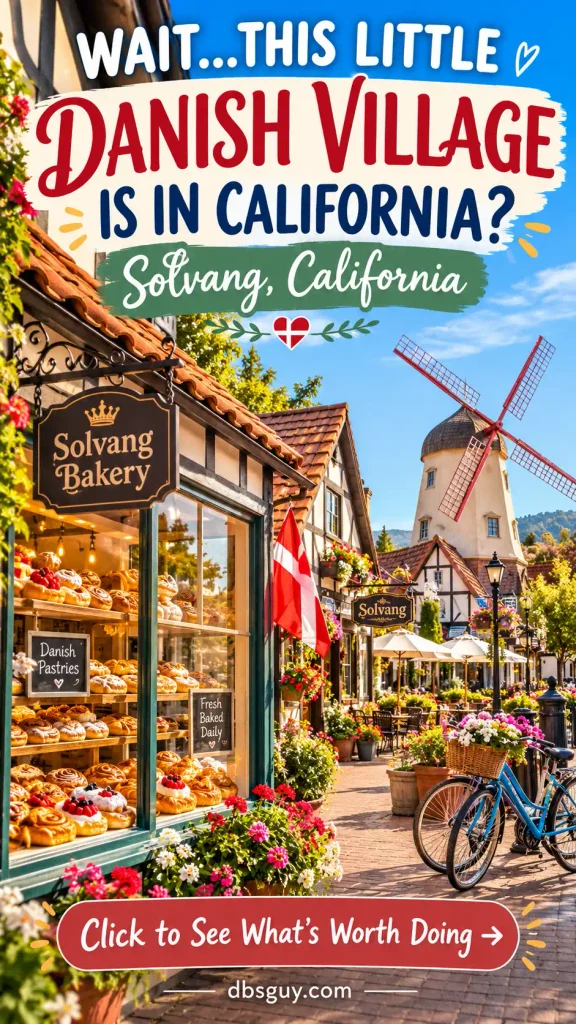
Solvang is one of those places where the first reaction is usually the same: this does not look like California.
Danish-inspired architecture, windmills, bakeries, courtyards, tasting rooms, tiled roofs, and flower boxes create an almost theatrical streetscape in the Santa Ynez Valley. Yet the destination becomes more interesting once you stop treating the architecture as the entire trip.
Solvang sits in wine country, close to scenic roads, ranch landscapes, small towns, and restaurants that make the area easy to turn into a full Central Coast weekend.
Use the village as a base
Spend part of the day walking Solvang, but do not schedule every hour inside the central blocks. Add a vineyard, another Santa Ynez Valley town, or a scenic drive so the weekend gains contrast.
Best for: Couples, food and pastry lovers, wine-country weekends, architecture, and easy California road trips.
Do not miss: A Danish-style bakery stop, a slow walk beyond the busiest intersection, and time in the surrounding valley.
Planning note: Solvang can become busy on holiday and festival weekends. If atmosphere matters more than events, consider a weekday or quieter shoulder-season stay.
5. Eureka Springs, Arkansas

Eureka Springs looks as if someone ignored the idea of a street grid and let the Ozark hills decide where the town should go.
Roads curve, staircases climb between levels, Victorian buildings appear at unexpected angles, and historic houses seem to stack into the wooded slopes. The historic district is one of the biggest reasons to visit, but galleries, independent shops, local food, Lake Leatherwood, and surrounding Ozark scenery give the trip more range.
The architecture is especially atmospheric in fall, when the hills around town take on warmer colors and the historic streets become even more layered.
The best way to explore is slowly
Do not try to understand Eureka Springs from your car.
Walk part of the historic district, use the trolley if the hills become tiring, and spend time on the quieter residential streets above the main commercial area. Many of the details that make the town feel magical are above eye level or around the next bend.
Best for: Couples, architecture, artsy weekends, unusual small towns, and Ozark road trips.
Do not miss: Historic downtown, one viewpoint above the rooftops, and an outdoor stop beyond the commercial core.
Planning note: The town is steep. Comfortable shoes matter, and travelers with limited mobility should review trolley routes and access before planning a walking-heavy day.
6. St. Augustine, Florida
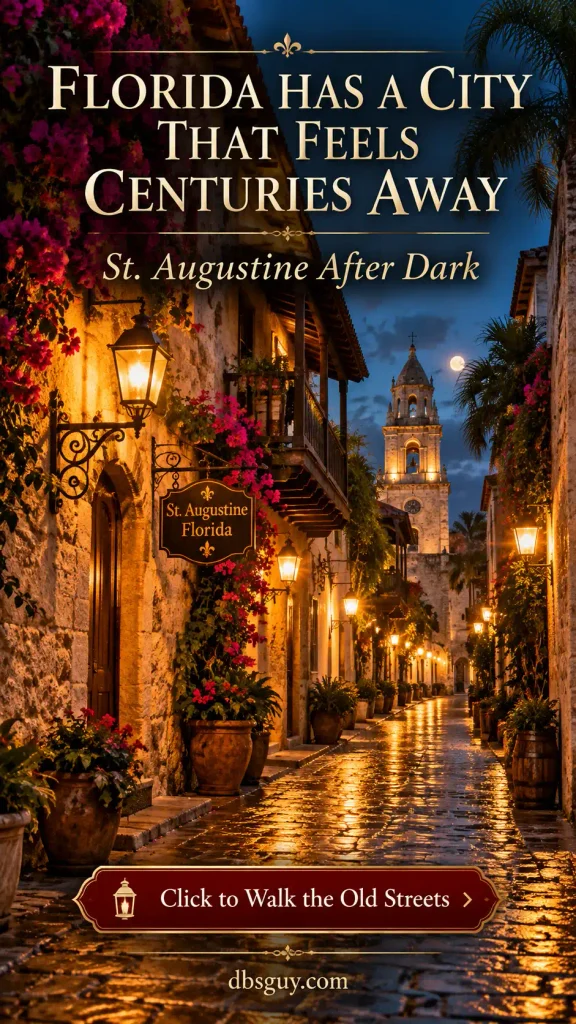
St. Augustine feels magical for a different reason: age.
The city layers Spanish-colonial influence, old stone, narrow streets, courtyards, church towers, waterfront views, historic forts, and centuries of stories into an area that is still easy to explore on foot.
It is not a quiet village, especially during popular travel periods, but the historic core can feel remarkably atmospheric early in the morning or later at night when the busiest day-trip hours have passed.
See it at two different times of day
Walk the historic area in daylight for architecture and history, then come back after dinner when lanterns, courtyards, and old façades create an entirely different mood.
That second walk is often what makes the city feel most storybook-like.
Best for: History lovers, couples, architecture, family trips, and travelers who want an old-world atmosphere without leaving the Southeast.
Do not miss: The historic streets, waterfront, Castillo de San Marcos area, and one evening walk without a detailed agenda.
Planning note: Florida heat and humidity can make midday walking uncomfortable in warmer months. Start earlier, take indoor breaks, and plan around seasonal weather.
7. Woodstock, Vermont
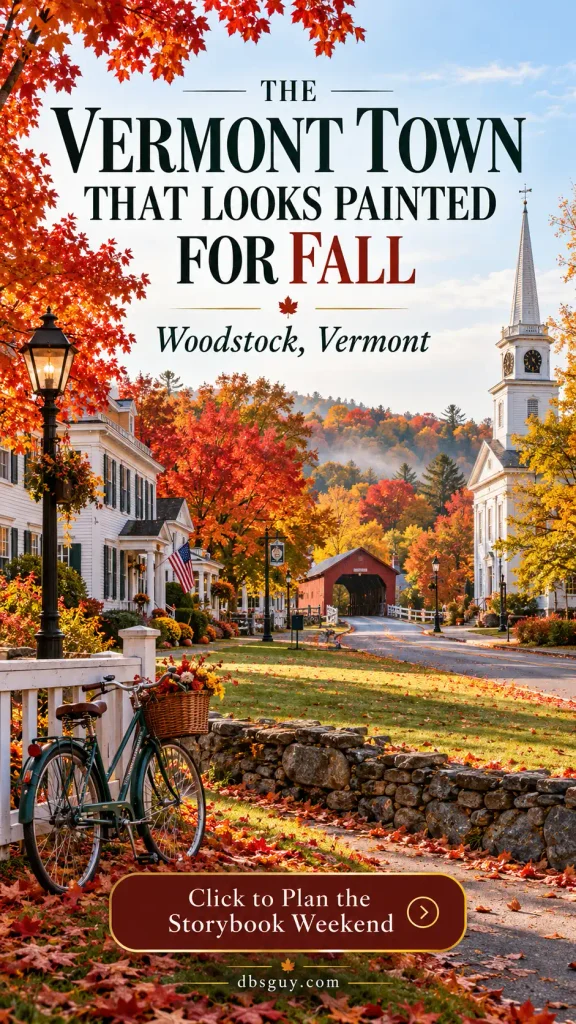
Woodstock feels less like a themed destination and more like the version of New England people hope still exists.
Historic homes, a walkable village, covered bridges, farms, country roads, old trees, and nearby trails all work together without needing much visual exaggeration. In fall, the town becomes especially photogenic, but the architecture and surrounding countryside make it appealing well beyond foliage season.
It is also one of the easiest places on this list to enjoy at a genuinely slow pace.
Let the village be enough
You do not need a long checklist.
Walk through town, visit a farm or historic property, take a short trail, drive a quiet road, then come back before dinner. The magic comes from continuity rather than one blockbuster attraction.
Best for: Couples, slow travel, fall foliage, families, farm-country scenery, and classic New England atmosphere.
Do not miss: A covered bridge, a countryside drive, and time walking without navigating from one attraction to another.
Planning note: Autumn weekends are popular. Reserve lodging early and check current foliage conditions rather than planning around an old peak-date prediction.
8. Bar Harbor, Maine

Bar Harbor gives the storybook idea a wild edge.
The town itself is walkable and inviting, with waterfront streets, inns, restaurants, shops, and views across Frenchman Bay. But Acadia National Park sits immediately beside it, adding granite peaks, rocky shoreline, carriage roads, forest, and sunrise viewpoints to the same trip.
That combination is what makes Bar Harbor memorable. It does not feel like a pretty town isolated from nature; the landscape keeps interrupting the town in the best possible way.
Do not turn Acadia into a checklist
Choose one major park experience per day, then leave time for Bar Harbor itself.
A harbor walk, relaxed meal, or quiet morning in town can be just as valuable as racing to one more viewpoint before dark.
Best for: Coastal scenery, couples, hikers, photographers, families, and travelers who want town and national park in the same weekend.
Do not miss: A waterfront walk, one Acadia scenic route or trail, and a sunrise or sunset if the weather cooperates.
Planning note: Acadia uses seasonal reservation or access systems for some high-demand experiences and roads. Check current National Park Service guidance before your visit.
9. Helen, Georgia
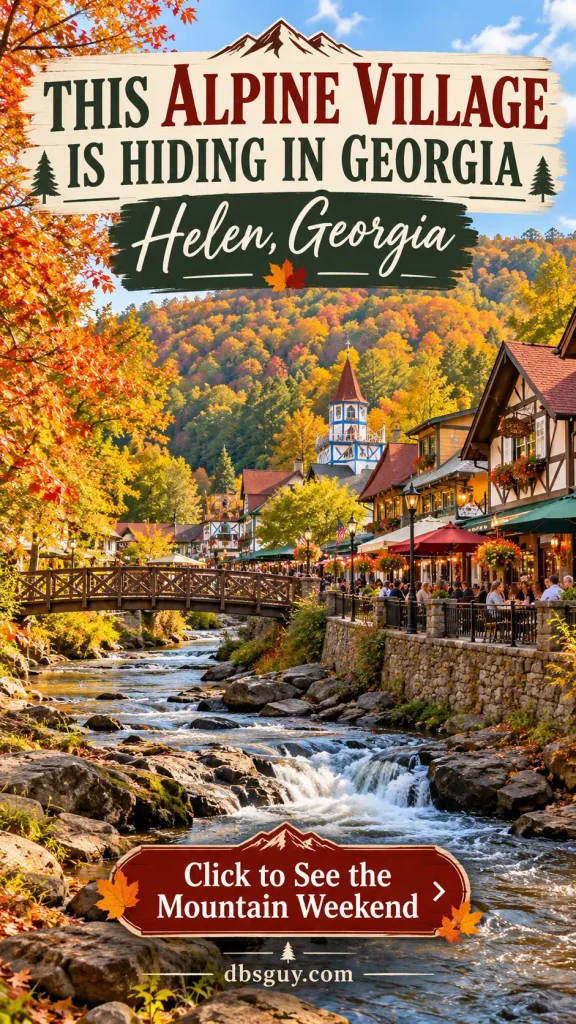
Helen is intentionally playful.
The North Georgia town transformed its central architecture into an Alpine-inspired village, creating a streetscape of colorful façades, balconies, shops, restaurants, and seasonal festivals beside the Chattahoochee River.
What saves Helen from being only a novelty stop is its location.
Waterfalls, forest roads, wineries, mountain towns, hiking, and North Georgia fall color sit close enough to turn the themed center into one part of a larger mountain weekend.
Balance the town with the landscape
Enjoy Helen for what it is, then spend part of the day outside it.
A waterfall trail, scenic drive, winery, or mountain stop adds enough contrast that you appreciate the village more when you return in the evening.
Best for: Families, couples, fall trips, festive weekends, and travelers from Atlanta or the Southeast.
Do not miss: A riverside walk, one North Georgia nature stop, and the village after daylight crowds begin to thin.
Planning note: Oktoberfest and peak fall weekends can be extremely busy. Check the event calendar before deciding whether you want the festival energy or a quieter visit.
10. Telluride, Colorado

Telluride has a setting that does most of the storytelling by itself.
The historic town sits at the end of a box canyon surrounded by steep San Juan Mountains, waterfalls, forests, and peaks that make the main street feel almost impossibly well positioned.
Victorian-era architecture, a compact walkable center, restaurants, cafés, festivals, trails, and the free gondola connection to Mountain Village add enough substance to keep the scenery from carrying the entire trip.
See the town from above and below
Walk the historic streets first, then ride the gondola for a completely different sense of scale.
That shift—from details at street level to the full canyon around you—is one of the best ways to understand why Telluride feels unreal.
Best for: Couples, mountain lovers, photographers, luxury weekends, hiking, and fall aspen trips.
Do not miss: The gondola, a slow walk through the historic core, and one viewpoint that shows the box canyon as a whole.
Planning note: High-altitude weather can change quickly, and shoulder-season businesses or lifts may have limited schedules. Verify current operations before traveling.
11. Taos, New Mexico

Taos is important on this list because it expands the idea of what “storybook” can mean.
The town grew around a historic plaza at the foot of the Sangre de Cristo Mountains and is known for adobe architecture, a major arts culture, historic churches, dramatic desert light, and deep Native American and Hispano cultural roots.
Nearby Taos Pueblo is a living Native American community and a UNESCO World Heritage Site, not a decorative attraction. Visiting respectfully means following current rules, access guidance, photography restrictions, and community expectations.
Let history and culture lead the visit
Taos is not a place to rush through for pretty adobe walls.
Spend time around the historic plaza, museums, galleries, churches, and regional landscapes. Drive toward the Rio Grande Gorge or the Enchanted Circle if you have time, but keep enough space to understand the town itself.
Best for: Art, culture, architecture, couples, Southwest road trips, and travelers who want a completely different visual language.
Do not miss: Taos Plaza, at least one museum or historic site, and time learning about the cultures that shaped the region.
Planning note: Respect current access and photography policies at pueblos, churches, and culturally significant sites. Rules can change and should be checked directly before visiting.
12. Newport, Rhode Island
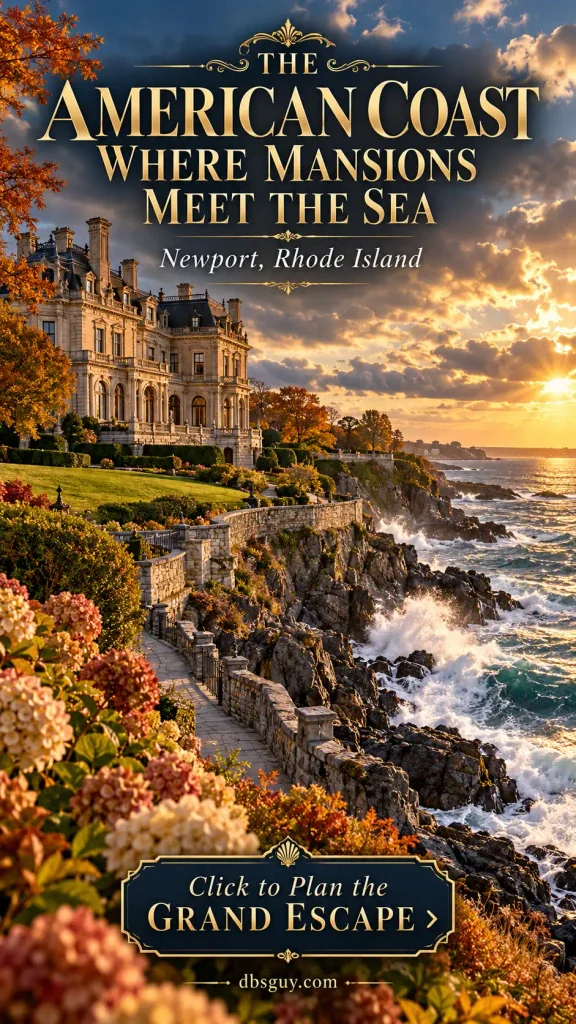
Newport feels less like a fairy tale and more like an elaborate period novel.
Gilded Age mansions, historic streets, sailboats, stone walls, ocean views, and the famous Cliff Walk create a destination where architecture and coastline compete for attention.
The most memorable part is the contrast. One moment you are looking at formal architecture and landscaped grounds; the next, the Atlantic is crashing against the rocks below.
Do not try to tour every mansion
Choose one or two interiors that genuinely interest you and spend the rest of the trip outside.
Walk part of the Cliff Walk, explore the historic center, watch the harbor, and leave time for the coastal scenery that makes Newport feel larger than its mansion tours.
Best for: Architecture lovers, couples, history, coastal road trips, and travelers who enjoy polished old-world atmosphere.
Do not miss: One mansion, part of the Cliff Walk, the harbor, and an evening walk through the historic streets.
Planning note: Cliff Walk conditions and closures can change because of weather, erosion, or repairs. Check current local guidance before assuming the full route is open.
Which Storybook Place Should You Visit First?
These destinations create magic in completely different ways.
For literal fairytale cottages: Carmel-by-the-Sea.
For a car-free world of bikes and horse-drawn carriages: Mackinac Island.
For Bavarian mountain atmosphere: Leavenworth.
For Danish architecture and California wine country: Solvang.
For twisting Victorian streets: Eureka Springs.
For old-world history in the Southeast: St. Augustine.
For classic New England charm: Woodstock.
For a coastal village beside a national park: Bar Harbor.
For an Alpine-style Southern mountain weekend: Helen.
For the most dramatic mountain setting: Telluride.
For adobe architecture, art, and Southwest culture: Taos.
For mansions, cliffs, and Atlantic drama: Newport.
How to Keep a “Magical” Trip From Feeling Like a Tourist Checklist
Stay long enough to see the place outside peak hours
Many famous destinations feel most special before day-trippers arrive or after they leave. An overnight stay can change your relationship with a place more than adding five extra attractions.
Look beyond the one image that made you book
The famous cottage, mansion, mountain street, or windmill may get you there. The bakery, trail, harbor, museum, side street, or quiet morning may be what you remember.
Respect the fact that beautiful places are also real communities
Do not block private driveways for photos, climb fences, treat homes like public sets, ignore cultural rules, or trespass for a better angle. A memorable trip should not come at the expense of the people who live there.
Check seasonal logistics before you commit
Ferries, gondolas, park roads, shops, trails, historic properties, and restaurants can run reduced schedules outside peak season. Verify the one or two experiences you care about most before finalizing dates.
Leave room to wander
Storybook places work best when every turn is not preselected on your phone.
Give yourself at least one part of the day when the plan is simply to walk and notice what is around you.
Final Thoughts
The most magical places in America are not all magical for the same reason.
Carmel hides cottages under coastal trees. Mackinac Island removes cars from the equation. Leavenworth and Solvang borrow visual cues from Europe. Eureka Springs seems to climb through the Ozarks without following normal city rules. St. Augustine feels shaped by centuries. Woodstock makes rural New England look effortless. Bar Harbor puts a walkable town beside wild Atlantic scenery. Telluride disappears into a mountain canyon. Taos proves that adobe, high-desert light, and living cultural traditions can feel every bit as transportive as a European village. Newport lets grand architecture meet an unruly coastline.
That variety is exactly why this list is worth traveling through.
Do not choose the place with the most dramatic photo.
Choose the one whose rhythm sounds like the trip you want to have.
Then stay long enough for the destination to become more than the image that first made you click.