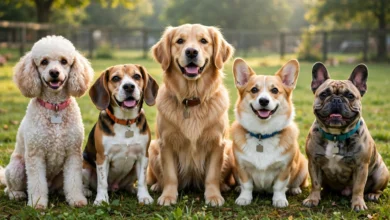
Most dog owners know their dog’s routines by heart — the morning stretch, the hopeful stare at breakfast time, the exact spot on the couch that belongs to them. That familiarity is actually one of the best early-warning tools you have, because dogs cannot tell us when something feels wrong. Vets say the earliest clues that something serious is going on are often small changes that only the person who lives with the dog would notice.
The numbers explain why paying attention matters. Roughly one in four dogs will be diagnosed with cancer at some point in their life, and among dogs over ten, cancer is behind about half of all deaths. The disease is becoming more common, partly because dogs are living longer, partly because of selective breeding and environmental factors, and partly because diagnostic testing keeps getting better at finding it.
The hopeful part is that finding it early changes the odds. Cancer is far easier to treat when it is caught before it has spread, and the sooner a problem is investigated, the more options a vet has. These five warning signs — shared by veterinary oncologists — are the ones worth knowing, and worth acting on the moment you spot them.
1. Your Dog Is Behaving Oddly
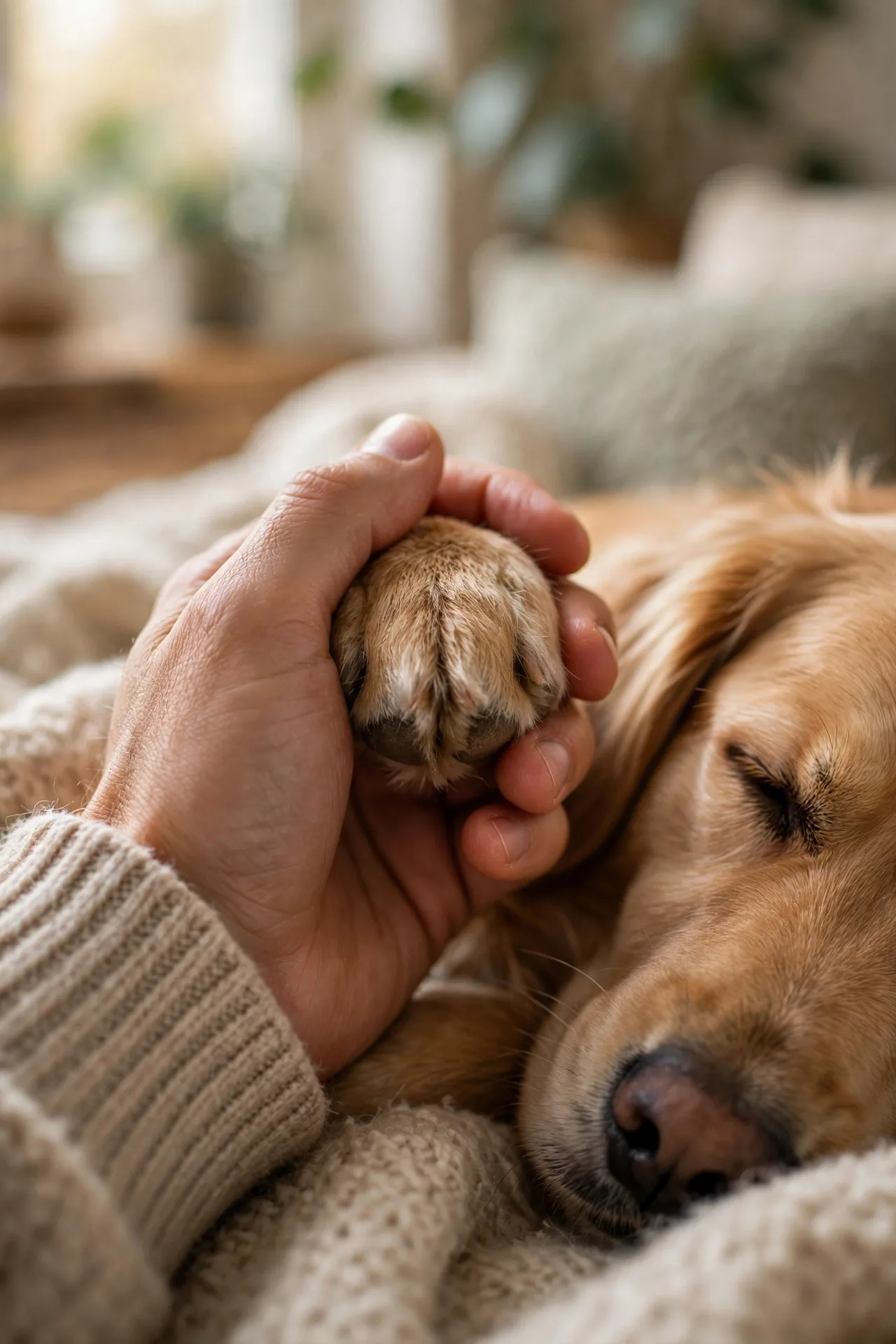
When vets are asked what the very first sign of cancer in a dog usually is, the answer is often the least dramatic one: the dog starts acting like a slightly different version of itself. A dog that always begged for a treat while you made your morning coffee suddenly stays in its bed. A dog that greeted you at the door starts sleeping in. A dog that loved its walks begins stopping halfway, or avoids the family and seeks out a quiet corner instead.
The change can be so subtle that only someone in the household would register it — and it can arrive quickly or creep in over days and weeks. Lethargy is a common thread: the dog seems more tired than usual, less enthusiastic about the things it normally loves.
There is a physical reason for this. Most cancers cause inflammation throughout the body, and that inflammation can make a dog feel generally unwell in the same way flu makes a person feel washed out — tired, off its food, and less interested in daily life. Behaviour change can also be a dog’s way of showing pain. If your normally bright, engaged dog has gone quiet or withdrawn, vets say that shift alone is worth a phone call to your clinic.
2. Your Pup Has New Lumps

Most owners check their dog over without thinking about it — a scratch behind the ear, a belly rub — and that habit is worth keeping, because new lumps are one of the most important things to catch early.
Older dogs frequently develop harmless skin growths and soft fatty lumps, and it is easy to assume a new bump is more of the same. But a mass that feels firm, has an irregular shape, or is changing quickly in size, texture or colour is a different matter, and it needs a vet’s eyes on it promptly.
The advice from veterinary oncologists is simple: get every new lump or bump investigated early, rather than waiting to see what it does. An examination can confirm whether a mass is benign or malignant, and early intervention genuinely offers the best chance of a cure. Finding a lump does not mean the worst — many turn out to be harmless — but the only way to know is to have it checked.
3. Suddenly Super Thirsty — And Peeing a Lot
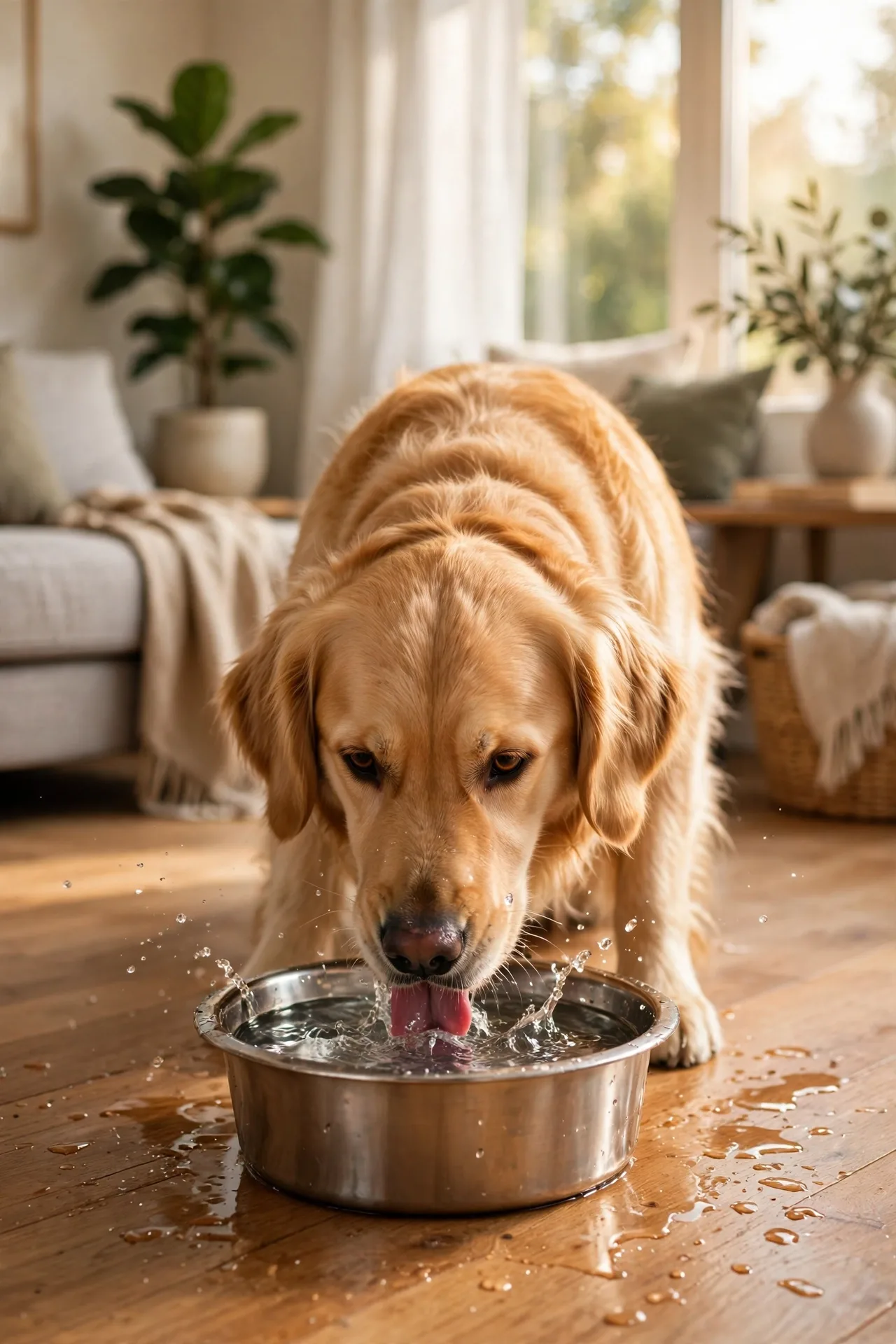
A dog that suddenly starts drinking far more than usual is easy to miss at first. Owners often only realise something has changed when the water bowl needs constant refilling, the dog is begging to go outside every hour or two, or a previously house-trained dog starts having accidents indoors.
There are a few ways cancer can drive this. Some cancers raise calcium levels in the blood, and high calcium makes a dog intensely thirsty. Other cancers affect the kidneys, which makes the dog urinate more — and therefore drink more to compensate. Internal bleeding can also leave a dog feeling thirstier than normal.
Thirst and frequent urination can also be signs of other conditions, including diabetes and kidney disease, which is exactly why they should never be brushed off. A sudden change in drinking or toileting habits is one of the clearest signals to book a vet visit.
4. Your Dog Is Limping Around the House

A limp that appears out of nowhere — or one that slowly gets worse — deserves attention, particularly in large and giant breeds. Some dogs develop tumours in the bones or joints of their legs, and the first sign is often difficulty getting up and moving around.
It can show up as a sudden limp, a limp that steadily progresses, a reluctance to put weight on one leg, or swelling in a single limb. Because the signs overlap with ordinary soft-tissue injuries, the only way to tell the difference is imaging: a vet can order X-rays to determine whether the problem is a bone or joint tumour or something benign like a sprain.
If your dog is favouring a leg, keep them rested and get it looked at rather than assuming it will settle on its own — especially if the limp keeps coming back or is getting worse.
5. Unexplained Weight Loss or Reduced Appetite

Weight loss is worrying when nothing else has changed. If your dog is eating the same food and getting the same exercise but is steadily getting thinner, something internal may be using up more energy than it should — the body can burn extra energy fighting disease, and cancers can trigger metabolic changes that suppress hunger.
Tumours in the digestive tract can also interfere with how nutrients are absorbed, so a dog can eat normally and still lose weight. And tumours in the mouth, throat or stomach can make eating painful or uncomfortable, which shows up as a dog that sniffs its food and walks away, eats much more slowly than usual, or simply loses interest in meals it once loved.
Many owners report that their dog just stopped being interested in food. Because appetite loss can also come from many other health problems, it is a symptom to report to your vet quickly rather than trying to tempt the dog with different foods and hoping it passes.
What To Do If You Notice Any of These Signs
None of these signs on its own is a diagnosis — each of them can also point to diabetes, an injury, an infection, kidney disease or another health problem. What they share is that they are all worth a prompt vet visit. A physical exam, and bloodwork or imaging if needed, is how a vet can tell what is really going on.
The most useful thing you can do is notice early and note what you saw: when the change started, how quickly it is progressing, and whether more than one sign is present. Regular check-ups with your primary care vet, plus staying alert to small changes in your dog’s behaviour, appetite, drinking and movement, are the best tools for catching problems while they are still treatable.
If your dog is showing one of these signs, do not wait for it to pass. Call your vet, describe the change, and let them decide what needs checking.
This article is for general information only and is not a substitute for veterinary advice, diagnosis or treatment. If you are worried about your dog’s health, contact your veterinarian.
You May Also Like
6 Signs Your Dog Is Truly Happy, According To Veterinarians
9 Dog Treats That Seem Safe — But Vets Want You To Avoid Them