When you hear “acne”, you probably picture a high-schooler in the middle of puberty. But acne does not go away after graduation — it can stick around for years after adolescence, and for millions of people it shows up for the first time as adults. Hormonal acne is one of the most common forms of it, and while it is, in Dr. Elyse M. Love’s words, tough to treat, it can be managed and kept under control.
This guide walks through the whole picture the way the dermatologists who advise on it lay it out: what hormonal acne is, what it looks like, what causes it, and thirteen ways to treat it — from the hormone test that tells you whether your breakouts are hormonal at all, to the over-the-counter products, the habits, and the prescription options a dermatologist can offer when the rest is not enough.
In this article: what hormonal acne is; what it looks like; what causes it; and thirteen ways to treat it.
Key takeaways: hormonal acne usually shows up as painful cysts on the lower face, often flaring before your period; dermatologists point to topical benzoyl peroxide and salicylic acid to clear pores and calm outbreaks; and stress can make it worse through inflammation, so sleep and yoga are part of managing it too.
Meet the experts: Dr. Elyse M. Love, a New York City-based board-certified dermatologist and co-host of the Beauty Curious podcast; Dr. Joshua Zeichner, director of cosmetic and clinical research in dermatology and assistant professor of dermatology at Mount Sinai Medical Center in New York City; Annie Tevelin, founder of the skincare brand SkinOwl; Dr. Katie Rodan, a dermatologist and co-founder of Rodan + Fields; Dr. Jeremy Fenton, a dermatologist at Schweiger Dermatology Group in Manhattan; and Kimberly Snyder, a holistic nutritionist, wellness expert and host of the Feel Good podcast.
What Is Hormonal Acne?
Dr. Love says the term is typically used to describe adult-onset female acne, and there is a strong hormonal component to it. It can show up in your 20s, 30s or 40s, and it can affect people who have dealt with cystic breakouts before as well as people who never have.
What Does Hormonal Acne Look Like?
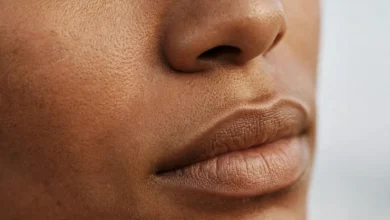
Dr. Love says hormonal acne is almost always cystic and inflammatory, showing up as painful red papules, pustules or deep cysts on the lower face. It can leave long-term scarring, especially if you pop it. It can range from the mildest breakout or two around the time of menstruation to a condition that carries on all month.
It is most commonly found on the lower face — the lower cheeks, jawline and chin — and on the body, on the chest, back and shoulders. Dr. Love adds that it can also appear between the brows, a common spot for hormonal acne.
Causes of Hormonal Acne
Dr. Zeichner says there are two main signs that hormonal acne is at play: breakouts along the lower third of the face, and breakouts that get worse before your period, when there is an excess build-up of testosterone. In that same phase, estrogen and progesterone drop and testosterone rises, which causes acne.
The menstrual cycle is not the only trigger. Pregnancy, a decline in reproductive hormones at menopause, and conditions such as PCOS can also cause hormonal acne. Annie Tevelin says acne linked to PCOS is typically the result of excess androgen production, which drives the skin to overproduce sebum and can trigger breakouts. Tevelin notes that PCOS can occur in women of reproductive age, and that the hormone fluctuations it causes can lengthen the menstrual cycle, cause obesity, and result in breakouts.
How to Treat Hormonal Acne
Preventing hormonal acne might seem like a tall order — after all, it is caused by your hormones. But the dermatologists below share their best tips, thirteen of them, starting with figuring out whether your acne is hormonal in the first place.
01 Monitor Your Hormone Imbalances With a Test
The first step is finding out whether the acne is hormonal. Tevelin says 50% of women in their 20s experience hormonal acne, and one of the key signs is a menstrual cycle that runs irregular — if your breakouts get worse around your period, that may be a sign of hormonal acne. She suggests running an in-depth hormone panel blood test to assess your hormone levels, and notes that the body is strongly sensitive to androgens in hormonal acne. The authors recommend Everlywell’s Women’s Health Test, an at-home hormone level test for monitoring hormone imbalances.
02 Clear Pores With Benzoyl Peroxide
Dr. Rodan calls benzoyl peroxide the best topical medicine for reducing hormonal acne. It is an antibacterial agent, she says, that clears out acne-causing bacteria by increasing oxygen flow into the pores. Dr. Zeichner recommends using benzoyl peroxide in concentrations ranging from 2.5 to 10 percent. The authors recommend Humane’s Acne Spot Treatment Gel, which contains five percent benzoyl peroxide along with soothing ingredients like aloe vera gel and cucumber extract.
03 Consider Your Diet to Avoid a Hormonal Imbalance
Dr. Fenton says acne can be affected by diet, especially foods that raise insulin levels and drive inflammation. Dairy products, especially skim milk, are the worst offenders, he says, though the exact cause is unknown — removing the fat from dairy makes it more concentrated in the relevant component. Foods that spike blood sugar, such as white bread and refined flour, can also cause inflammation and lead to hormonal acne.
04 Clean Up Your Skincare
Sometimes the products around your face are part of the problem. The advice here is to take inventory of what you use: avoid heavy oils and creams, choose light, oil-free or gel-based products, and replace anything containing pore-clogging ingredients such as coconut oil, isopropyl myristate and sodium lauryl sulfate. Check your skincare labels for “non-comedogenic” and “oil-free”.
05 Exfoliate With Salicylic Acid
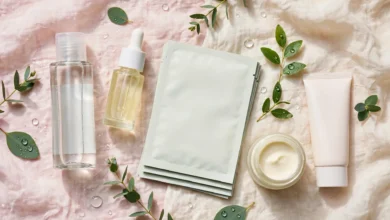
Tevelin says salicylic acid, also known as beta-hydroxy acid, is extremely helpful for skin affected by hormonal acne: it exfoliates dead skin and clears out the excess oil that can clog pores and cause breakouts. She suggests looking for a product with a salicylic acid concentration of up to 2 percent for best results. If your skin is sensitive, start with a lower concentration and use it every other day to see how your skin reacts — two to three times a week to start, increasing the frequency as your skin tolerates it. The authors suggest First Aid Beauty’s White Clay Acne Treatment Pads, which contain the maximum strength of two-percent salicylic acid.
06 Limit Stress to Reduce Inflammation
Dr. Fenton says stress can trigger the hormonal fluctuations that cause acne: stress sets off hormones such as cortisol and androgens, which can lead to inflammation. Kimberly Snyder suggests prioritizing sleep, drinking plenty of water, and exercising — along with dry brushing and yoga — to help manage stress.
07 Check Your Gut Health
Snyder says gut health is closely linked to skin health, and keeping your gut healthy can help reduce acne. Poor gut health, and diets high in sugar, white flour and processed foods, can lead to inflammation and hormonal acne. She suggests using a probiotic to improve gut health and reduce acne.
08 Try an Oral Contraceptive to Balance Hormones
For prescription options, Dr. Zeichner says the best are birth control and spironolactone. Birth control can help even out hormones and reduce oil production, he says, and Dr. Fenton notes there are currently four birth control pills approved by the U.S. Food and Drug Administration (FDA) to treat acne. Zeichner names them: Yaz, Beyaz, Ortho Tri-Cyclen, and EstroStep. As for spironolactone, Zeichner says it prevents testosterone from stimulating the oil glands: “Less oil means less shine, fewer clogged pores, and less food to feed acne-causing bacteria.”
09 Maintain a Preventative Skincare Routine
Consistency is the point here. Dr. Fenton recommends using an over-the-counter acne wash and a non-comedogenic moisturizer on a regular basis to prevent breakouts — and to keep using topical retinoids and exfoliants even when your skin is clear, so breakouts stay away.
10 Try LED Light Therapy
Blue light therapy has antibacterial, anti-inflammatory and sebum-regulating properties, which makes it a useful tool in the fight against hormonal acne. The authors recommend the Dr. Dennis Gross DRx SpectraLite FaceWare Pro mask, used for three minutes a day.
11 Get a Chemical Peel
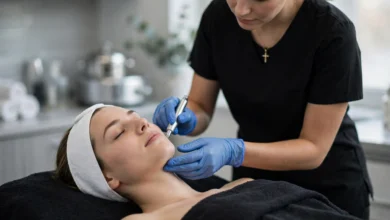
Chemical exfoliants, including alpha-hydroxy acids (AHAs) and beta-hydroxy acids (BHAs), can help shed the top layer of skin, unclog pores and reduce acne breakouts. They can be used at home or in an office.
12 Consider Zinc Supplements
Dr. Love says: “Zinc is anti-inflammatory and can provide natural benefits for acne,” and “Most studies have been performed with oral zinc supplements, but topical zinc is likely also helpful.”
13 See a Dermatologist For a Prescription Treatment
If topical solutions and lifestyle changes are not working, seeing a skincare professional will help you approach treatment in the best way possible. And if you have not noticed an improvement in your hormonal acne after two weeks of intentional changes, it is time to loop in a dermatologist for a more specialized regimen. A dermatologist can also provide in-office extractions or steroid injections to decrease inflammation quickly.
The through-line is simple: find out whether hormones are driving the breakouts, treat gently and consistently, and bring a dermatologist in when the over-the-counter route stalls. Hormonal acne is stubborn, but as Dr. Love puts it, it can be managed and kept under control.