Let’s be honest: life does a real number on our skin. Seasonal dryness, stress, getting older — our skin is in a constant battle to keep up a healthy, youthful appearance. Fillers might be the fast track to plumper skin, but there are also natural ways to revive a tired, dull complexion. Ahead are eight ways to effectively strengthen and tighten your body’s largest organ — try them for instant improvement, then build them into your daily routine for long-term results.
From collagen-boosting foods to skin-firming habits, here is how to plump skin naturally, according to dermatologists.
Key takeaways: Dermatologists recommend facial massage and exfoliation to naturally boost collagen and get firmer, plumper skin. Avoiding sun exposure — and using sunscreen regularly — protects skin from the UV rays that damage collagen. And foods rich in vitamins C and E can enhance collagen production and improve skin’s youthful appearance.
Meet the experts: Brendan Camp, MD, is a board-certified dermatologist at MDCS Dermatology. Shari Sperling, DO, is a board-certified dermatologist who practices in Florham Park, NJ. The article was medically reviewed by Lucy Chen, MD, a board-certified dermatologist, and fact checked by Michelle Regalado.
Massage Your Face
Beauty is in your hands. Georgia Louise, the seasoned facialist behind famous faces like Gwyneth Paltrow, Jennifer Aniston and Anna Wintour, swears by this technique to lift and sculpt her clients’ faces. By gently massaging your own face — or doing facial exercises — you stimulate the muscle tissue, which improves your skin’s volume and combats atrophy. It may sound strange, but facial massages feel wonderful, and knowing the technique is refining your pores and plumping your skin makes it even more enjoyable. Massaging regularly keeps everything engaged and tightened, like a natural face-lift.
Aside from using your fingers, you can also use a jade roller or a gua sha stone to massage your skin. Gently press, then roll or slide your massage tool across your face to promote lymphatic drainage and collagen production, which leads to plumper-looking skin.
Avoid Sun Exposure
We all know the sun can cause hyperpigmentation and even severe damage like burns, and excess sun damage causes collagen loss as well. As Dr. Camp explains, the sun’s ultraviolet rays damage the structural proteins in the skin — collagen and elastin — the proteins that normally give skin its firmness and rigidity. When there is less collagen and elastin, skin shows the features of aging: fine lines, wrinkles and less buoyant skin.
Of course, if you can’t avoid the sun, make sure to slather on the SPF. Dr. Sperling stresses that sunscreen is extremely important to protect skin from harmful UV radiation: it helps prevent sunburn, premature aging and skin cancer, and during the summer months it is important to reapply often — every two hours or so.
Eat Collagen-Boosting Foods
Certain foods are known for stimulating collagen production. Pack your diet with a healthy balance of nutritious superfoods like dark leafy greens, amino acid-rich eggs, avocado and even garlic. Look for foods abundant in vitamins C and E and antioxidants. There are even collagen-boosting powders you can add to your food or drink of choice.
Exfoliate Your Skin
Exfoliating your skin doesn’t only leave it smooth and soft — it can also help stimulate collagen production, which then turns into firmer, more plump skin. Dr. Camp says that removing dead skin cells from the surface helps reveal brighter, more radiant skin, and is also thought to encourage collagen production, which can contribute to more youthful looking skin.
Try a Skin-Plumping Mask
Once you’ve tackled all you can from the inside, treat your tired skin from the outside. You can whip up a natural skin-plumping mask at home by mixing together one egg with two tablespoons of rosewater and two tablespoons of glycerin. Adding glycerin to the mask serves as a natural humectant — a natural way to hydrate skin — to help with visible skin plumping. Leave it on for fifteen minutes, then rinse with water.
Get a Good Night’s Sleep
One of the best things you can do for your skin is to prioritize a good night’s sleep. As Dr. Sperling explains, sleep is a restorative process and is necessary for optimal health — lack of sleep can weaken the immune system and impact hormone regulation. Dr. Camp adds that not getting enough sleep can affect not only your overall health, but the health of your skin too.
Use Proven Ingredients
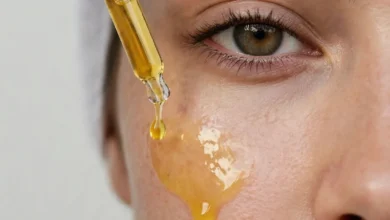
Incorporating good-for-your-skin ingredients into your routine — hydrating hyaluronic acid, anti-aging retinol and plumping collagen — will bring you one step closer to a healthier complexion. You should also be exfoliating at least once a week to shed off any buildup of dirt, sebum and dead skin cells. Not only will this improve dullness, it will also allow product ingredients to absorb into the skin better.
Exercise Regularly
We don’t need to tell you that exercise is good for you — okay, we just did. Getting your heart rate up will increase blood flow, delivering oxygen and nutrients to the organs, skin included, resulting in a healthy post-workout flush. Exercise is also a great outlet to let go of stress, and it even sets the stage for a good night’s sleep. Since both stress and lack of sleep can have adverse effects on the skin, addressing these aggravators can bring you plumper skin.
Frequently Asked Questions
How do you know if you have tired skin? If you notice that your eyes are a bit puffy or dark, your skin is looking dull, and the lines on your face are more prominent, then you are likely dealing with tired skin that needs a little TLC. Fortunately, you can improve tired skin by making certain lifestyle changes that are within your control.
How can I prevent skin from sagging? Skin naturally becomes less firm as we age, but our lifestyle choices can also affect when and to what degree our skin sags. To help combat premature signs of aging, quit smoking and wear sunscreen daily.
Does drinking water plump your skin? Unless you are severely dehydrated, there is not strong enough evidence to support that drinking water will give you plumper skin. Still, drinking at least eight glasses of water a day is beneficial to your health and will keep you hydrated.
Plump skin isn’t only about what you put on your face — it is the sum of small daily habits: how you massage, how you protect, what you eat, how you sleep and how you move. The dermatologists’ message is consistent across all eight tips: support your collagen, and your skin will look and feel fuller for it.
Sources: Alam M, Walter AJ, Geisler A, et al., “Association of facial exercise with the appearance of aging,” JAMA Dermatology, 2018;154(3):365–367; Paul C, Leser S, Oesser S., “Significant amounts of functional collagen peptides can be incorporated in the diet while maintaining indispensable amino acid balance,” Nutrients, 2019;11(5):1079; American Academy of Dermatology Association, “How Your Workout Can Affect Your Skin.” Original reporting by Dacy Knight and Krista Carter, published February 09, 2026; medically reviewed by Lucy Chen, MD.