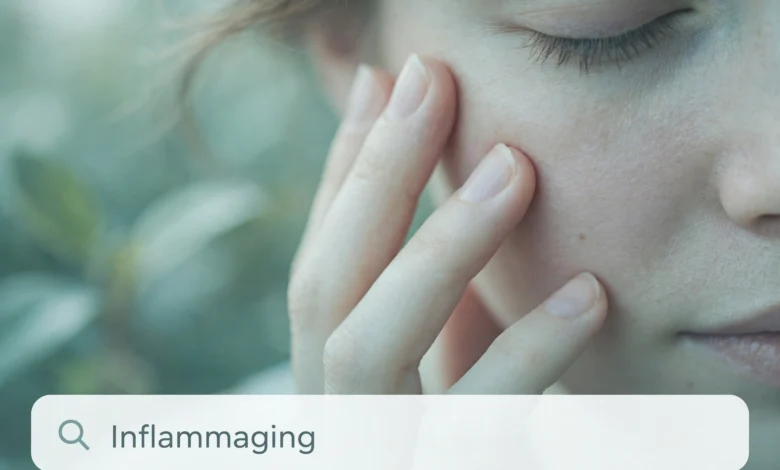
If you spend any time on skincare social media, you have almost certainly met the word inflammaging — and you have probably wondered whether it describes something real or whether it is simply the latest label for getting older. Dermatologists, it turns out, are quite clear on the first part: this is a genuine process, not just a trend word. What follows is the full picture they give — what is happening under the skin, what it looks like from the outside, and which habits and products genuinely support skin through it.
That framing matters, because the point of understanding inflammaging is not to add another worry to your routine. It is to explain why gentle, consistent care often does more for ageing skin than aggressive routines, and why the same trigger can leave one person’s skin unbothered and another’s visibly unsettled.
What Is Inflammaging?
Board-certified dermatologist Nicole Ruth, DO, FAAD, describes inflammaging as inflammation that stays at a low level for a long time and quietly builds. Over time, she explains, the immune system grows less efficient at switching that inflammation off, and the result shows up as visible ageing: skin-cell turnover slows, collagen and elasticity break down, moisture is lost, and uneven pigmentation appears.
Ageing itself cannot be stopped, but Ruth’s point is that skin health can still be supported — and that how strongly someone experiences inflammaging depends on a blend of inner and outer influences. Genetics and hormones play a part, as do diet, stress and lifestyle, along with what dermatologists call the exposome: the total of environmental exposures collected across a lifetime, from pollution and ultraviolet light to other everyday stressors.
One distinction Ruth draws is worth holding on to. Inflammation on its own is not the enemy; it is part of how the body heals. The trouble starts when it lingers and stops resolving, turning a short-term repair response into a long-term background state.
What Inflammaging Looks Like
Board-certified dermatologist Michelle Henry, MD, FAAD, describes the visible pattern as ageing signs mixed with inflammation signs. Expect redness and sensitivity alongside puffiness, dark circles, a dull complexion, and skin that simply looks tired or unwell. The key point is that this is not one sudden flare-up: it is the slow effect of low-grade inflammation gradually changing how skin looks and behaves.
Everyday factors feed into that state. Poor sleep, excess sugar and smoking are named as contributors, with stress, diet and alcohol relevant too. Puffiness and similar visible signs are often the first clues, and the process builds gradually rather than arriving overnight — which is also why it can be easy to miss until several small signs are present at once.
The Immune System and Skin Aging
Board-certified dermatologist Hadley King, MD, FAAD, a clinical instructor of dermatology at Weill Cornell Medicine, puts the immune system at the centre of how skin ages. Skin is not just a covering, she explains — it is an immune organ and a barrier in its own right. When inflammation drags on, immune cells keep sending signals that hold the process open, and that sustained activity damages collagen, elastin and the skin barrier itself.
Ageing skin is then caught in a loop. As its barrier and repair capacity weaken, outside stressors trigger inflammation more easily, which in turn weakens the barrier further. King also notes that the skin’s immune activity does not simply fade with age — it can become dysregulated, so the same trigger produces a stronger or longer-lasting response than it once did. That is why inflammaging is best understood as a cycle, not a single event.
Skincare and Inflammaging
When it comes to products, the goal is to calm that cycle and support the barrier, not to strip skin or over-exfoliate it. Several ingredients are presented as helpful in this context: niacinamide, ceramides, squalane, allantoin and panthenol, which soothe, shore up the barrier and help skin hold on to moisture. Retinoids and vitamin C can also help with visible ageing signs, but they need a careful introduction, because irritation from going too fast can feed the very inflammation you are trying to settle.
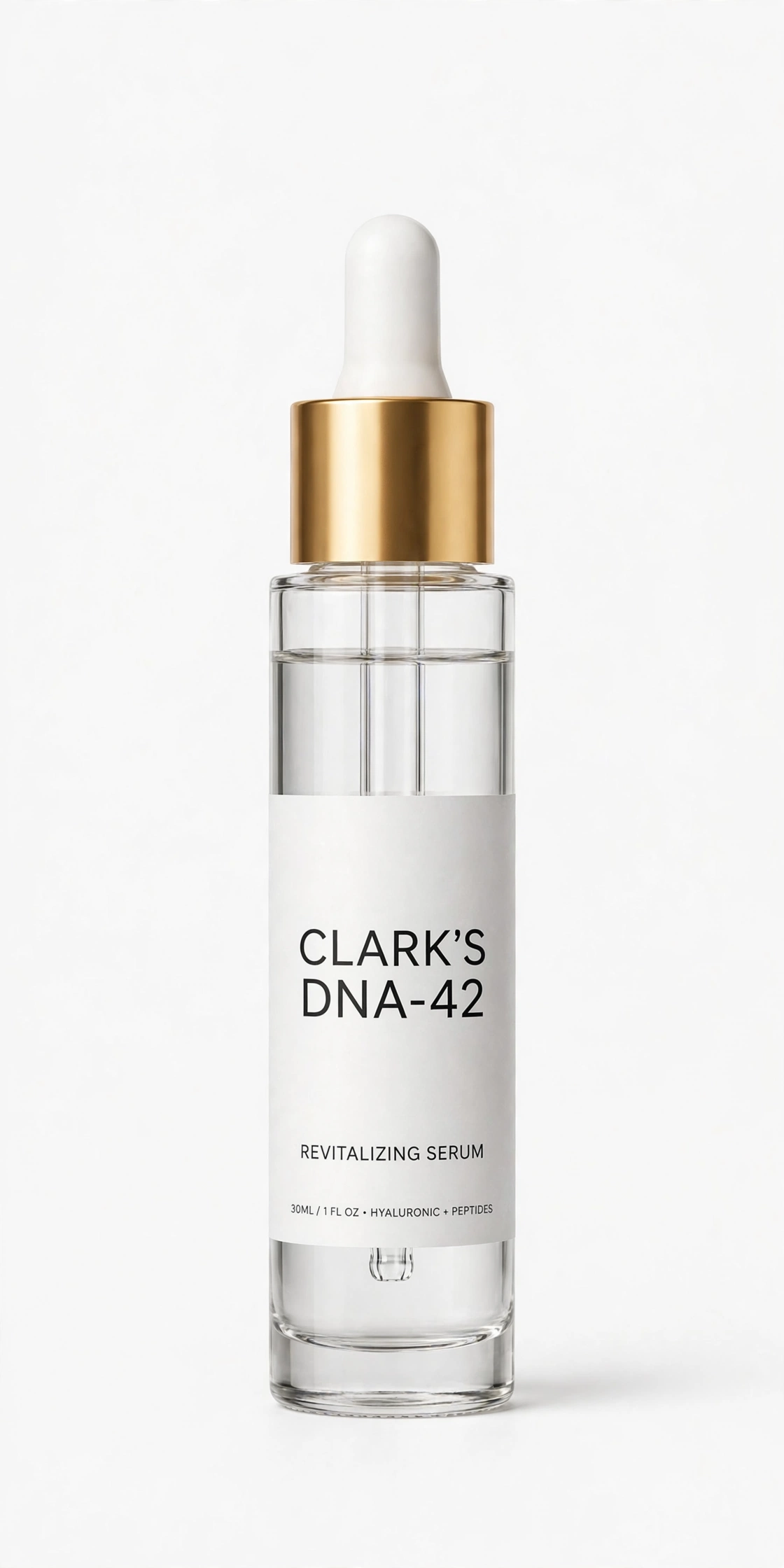
The practical takeaway is restraint: avoid overusing strong actives and avoid routines that damage the barrier, and favour a gentler, barrier-supportive approach instead. The four products below sit in this section of the source article, in the same order, as examples of that calmer approach.
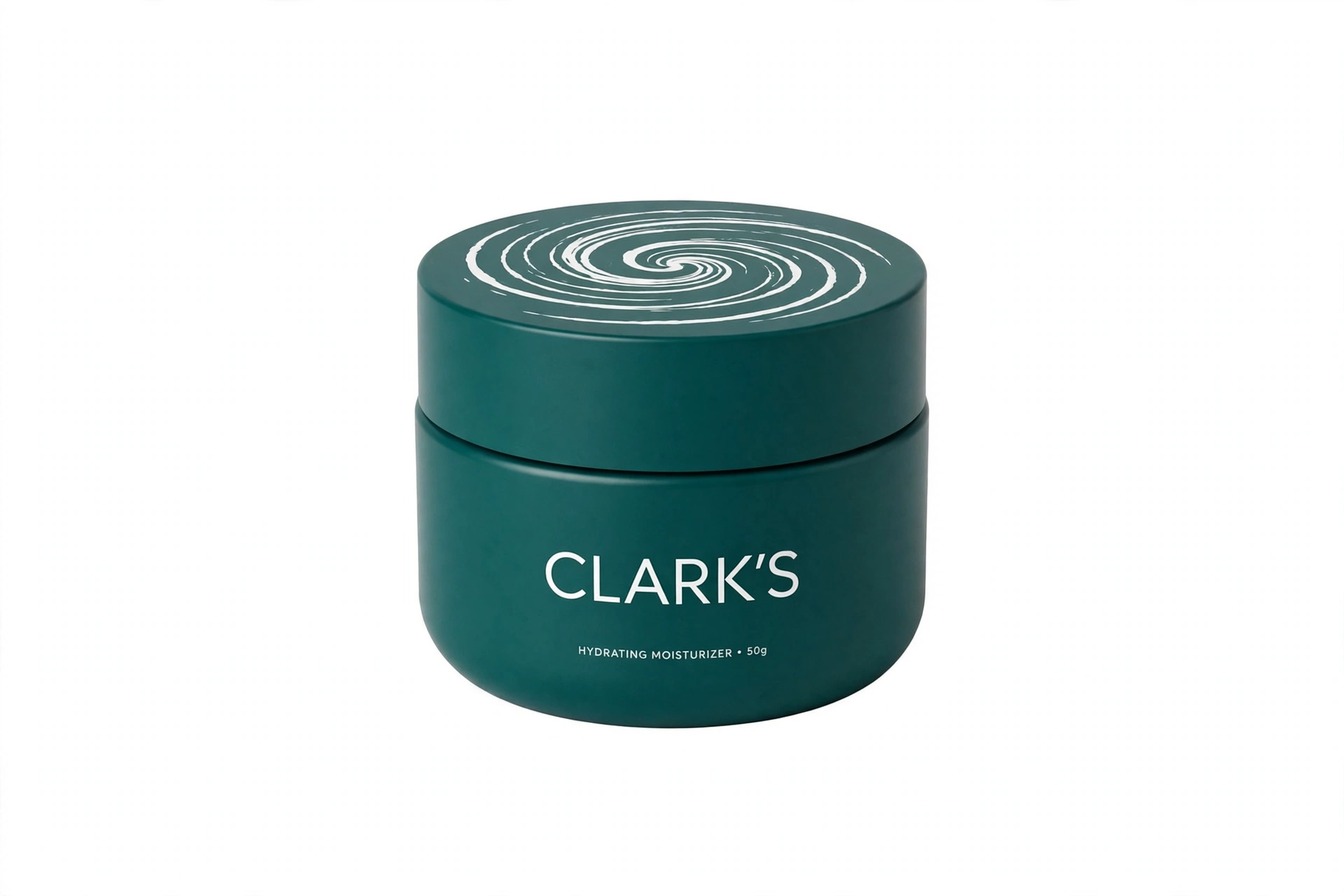
Clark’s Botanicals DNA-42 Clinicalift Serum
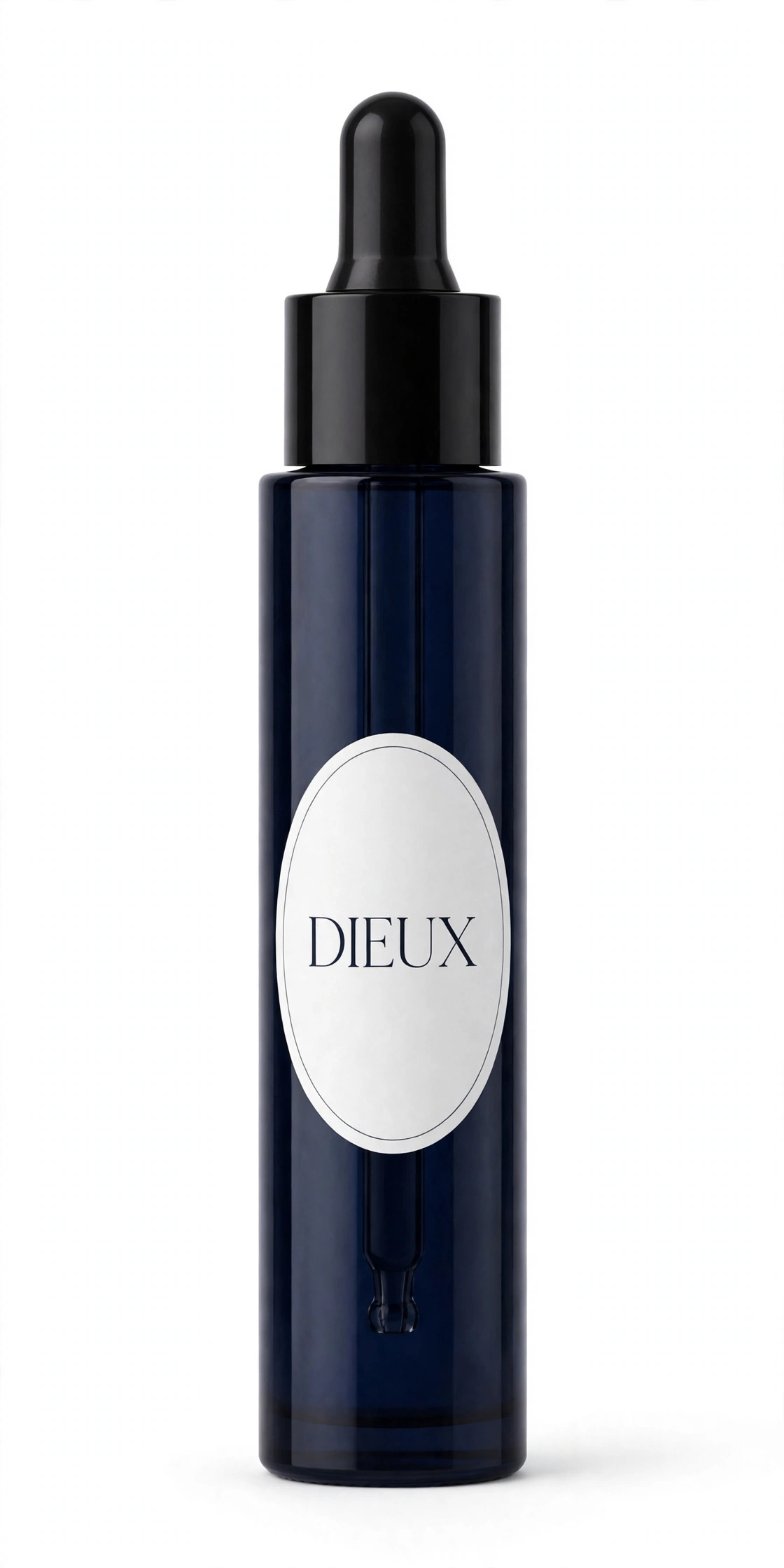
Dieux Skin Deliverance Soothing Trinity Serum
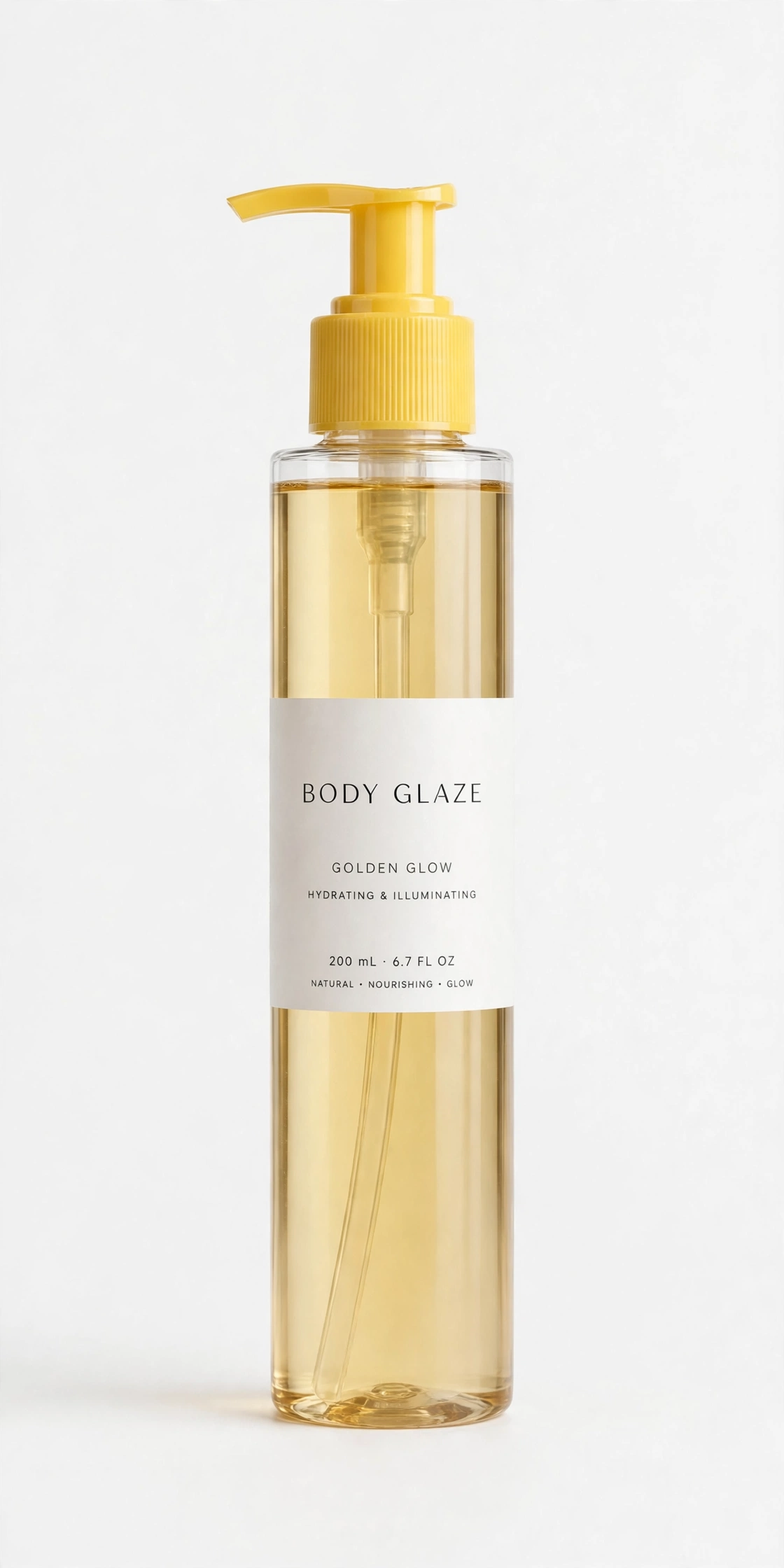
Joonbyrd Future Romance Longevity Body Glaze
Clark’s Botanicals Retinol Rescue Overnight Cream
Why Anti-Inflammatory Skincare Works
Francesco Clark, founder of Clark’s Botanicals, frames the whole question around resilience — and he defines that word carefully. Resilient skin, in his account, is not skin shielded from every challenge. It is skin that meets a challenge and recovers from it. Ultraviolet exposure, pollution, travel, a missed night’s sleep, a difficult week: these are the ordinary tests skin faces, and resilient skin knows how to respond to them.
Inflammaging, he explains, is what happens when that response breaks down. A transcription factor called NF-κB, which should switch the immune response on briefly and then switch it back off, stays stuck in the “on” position. Low-grade inflammation that should have resolved in an afternoon instead continues for years, and collagen breaks down faster than skin can rebuild it. That gap, more than any single wrinkle or spot, is a central reason skin shows its age.
Anti-inflammatory skincare, on this view, works not by covering redness but by helping restore that balance — supporting skin’s ability to recover so the cycle can quieten rather than keep feeding itself.
Other Ways to Treat Inflammaging
Products are only half the story. The lifestyle measures presented alongside skincare are familiar, but they matter precisely because they lower overall inflammation: consistent sleep, stress management, a balanced diet, limiting alcohol and sugar, not smoking, and regular sun protection. These are presented as companions to skincare, not substitutes for medical care — persistent or worsening skin problems should be discussed with a dermatologist.
There is also a caution worth repeating: no single product reverses ageing, and improvement is gradual. Anyone promising a fast undo is selling something the dermatologists in this article do not claim.
The Final Takeaway
So, is inflammaging real? Yes — a real process driven by chronic low-grade inflammation, shaped by both internal and external factors. And the most useful response is a combination, not a single hero product: barrier-supportive, anti-inflammatory skincare, daily habits that reduce overall inflammation, and sun protection, applied consistently.
The closing advice is reassuring rather than alarming. Do not panic about the term. Treat it as a reason to be steady with gentle, supportive skincare and healthy habits — the kind of routine that helps skin recover, day after day, instead of fighting it.