This Is My 3rd Marathon, And I’ve Finally Figured Out What To Buy To Make Training Easier

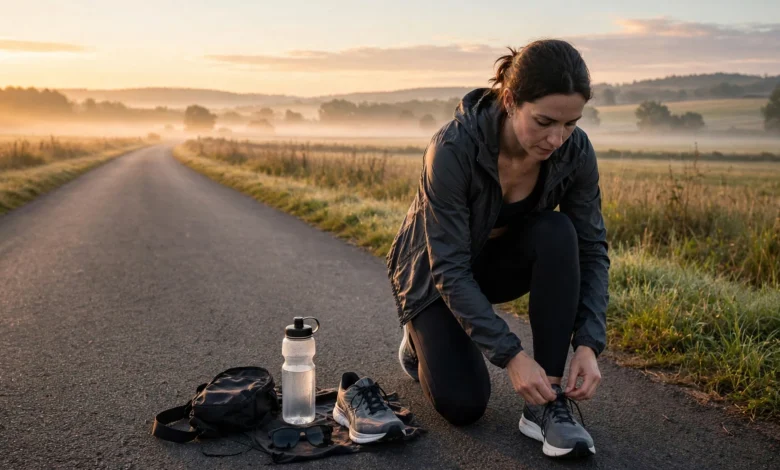
Training for a marathon changes your relationship with your gear. When your long run stretches past two hours, the little things stop being little: a hotspot on your heel, a waistband that rubs, a phone with nowhere to go, legs that feel heavy the morning after. Getting the right kit in place early means you can spend your energy on the running itself, not on problems you could have prevented.
This list brings together 11 buys that make marathon training genuinely easier, from the unglamorous essentials every long-distance runner ends up relying on, to long-run gear, to the recovery tools that help you get out the door again the next day. Each one earns its place by solving one specific training problem.
As an Amazon Associate, I earn from qualifying purchases.
1. Hydrocolloid Blister Bandages For Feet Under Pressure
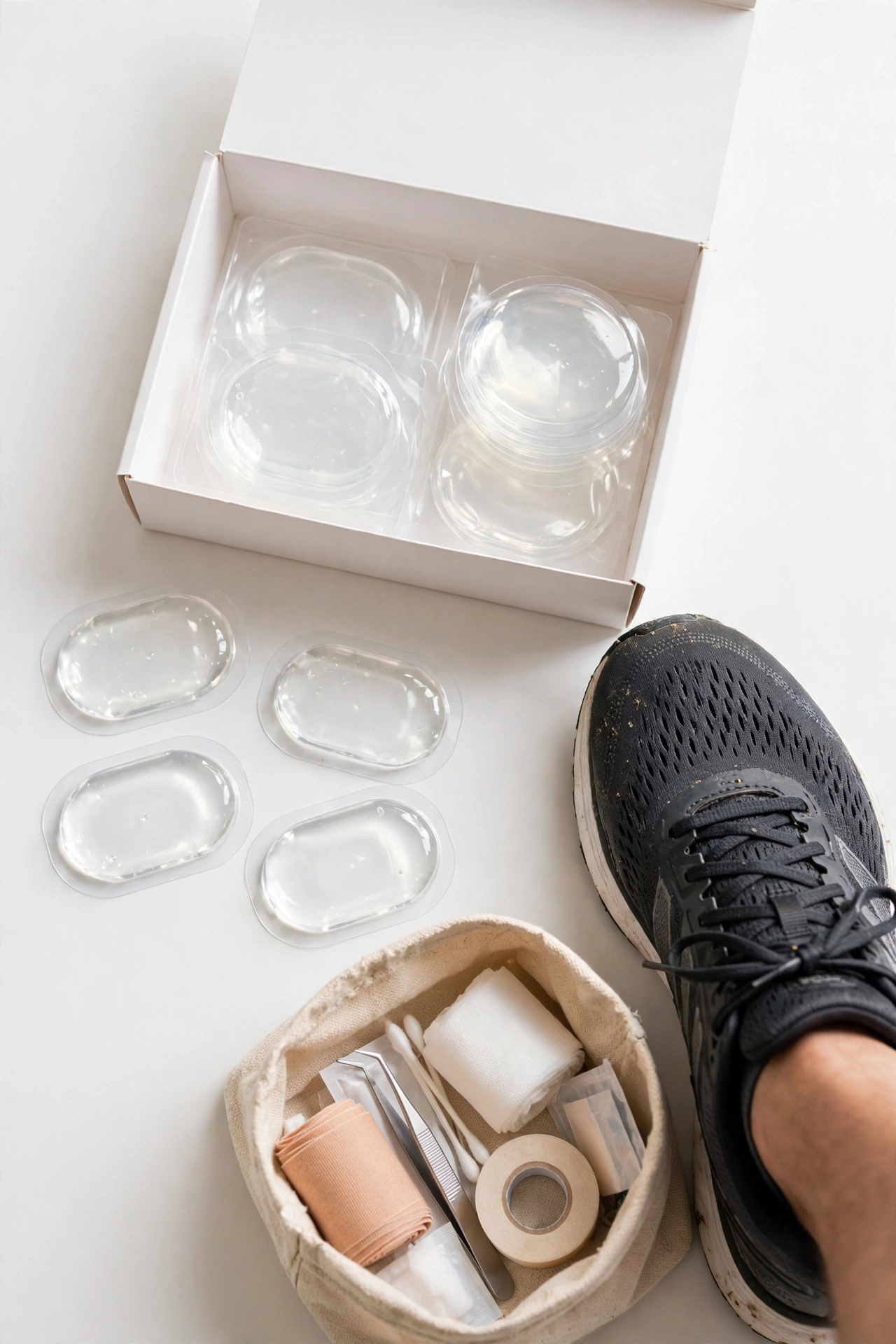
Blisters are the most common reason a training plan gets derailed, and they are almost always preventable. A hydrocolloid bandage cushions the sore spot, seals out dirt and water, and stays put for days, creating the moist environment skin needs to heal. Keep a pack in your running drawer and another in your race bag, and put one on at the first sign of a hotspot rather than waiting until it becomes a full blister.
They are small, cheap, and easy to forget about until the day you need one — which is exactly why they belong at the top of this list.
2. An Anti-Chafe Balm Stick For Long Miles
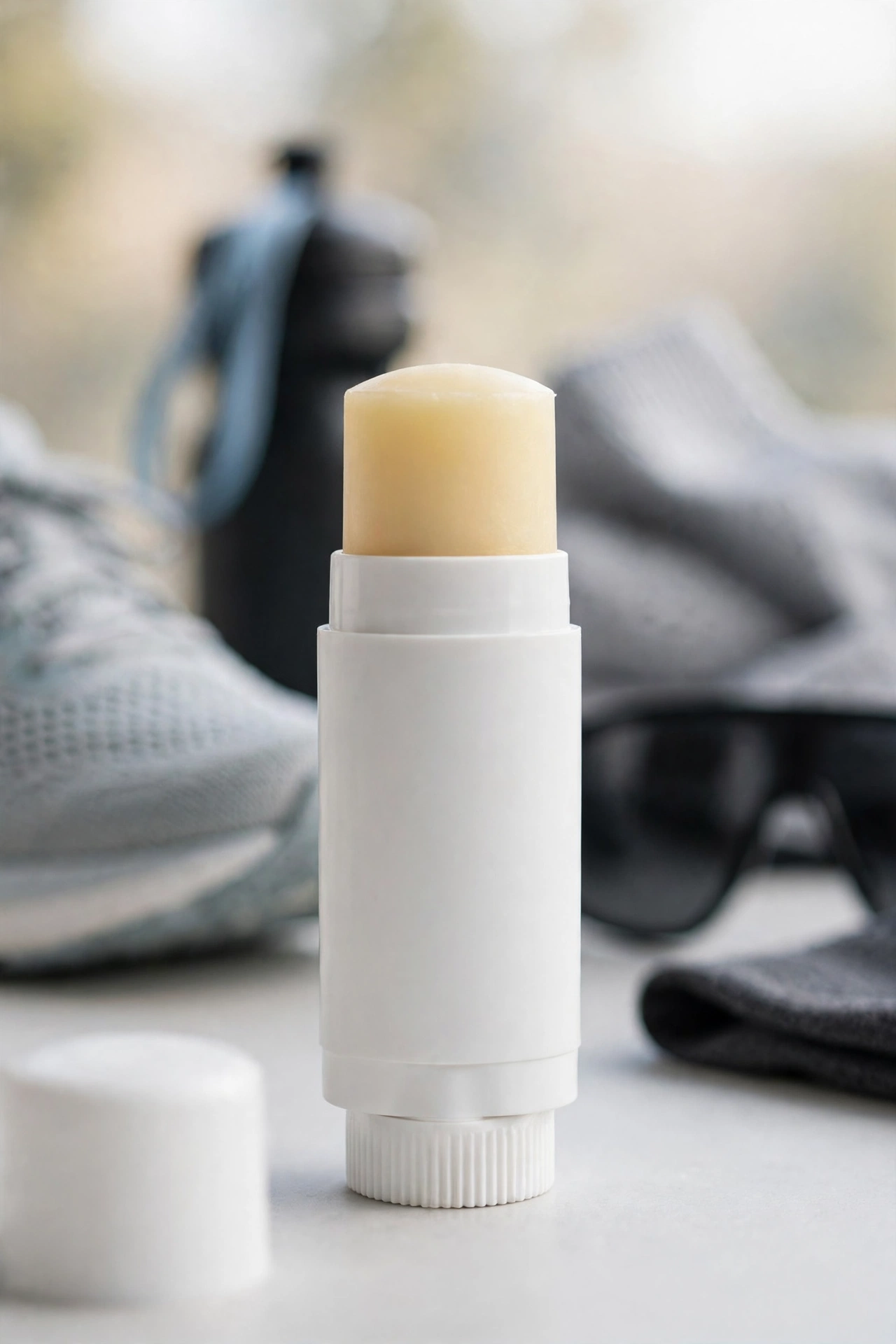
Over the course of a long run, skin rubs against skin and fabric rubs against skin, thousands of times over. An anti-chafe balm lays down a slick, invisible barrier before you head out, and it takes about five seconds to apply. Use it anywhere you have ever felt rubbing on a longer effort, and reapply on very long days if you need to.
It is one of those purchases that feels unnecessary until the first time you finish a long run without the soreness you used to accept as normal.
3. Open-Ear Headphones So You Still Hear The World
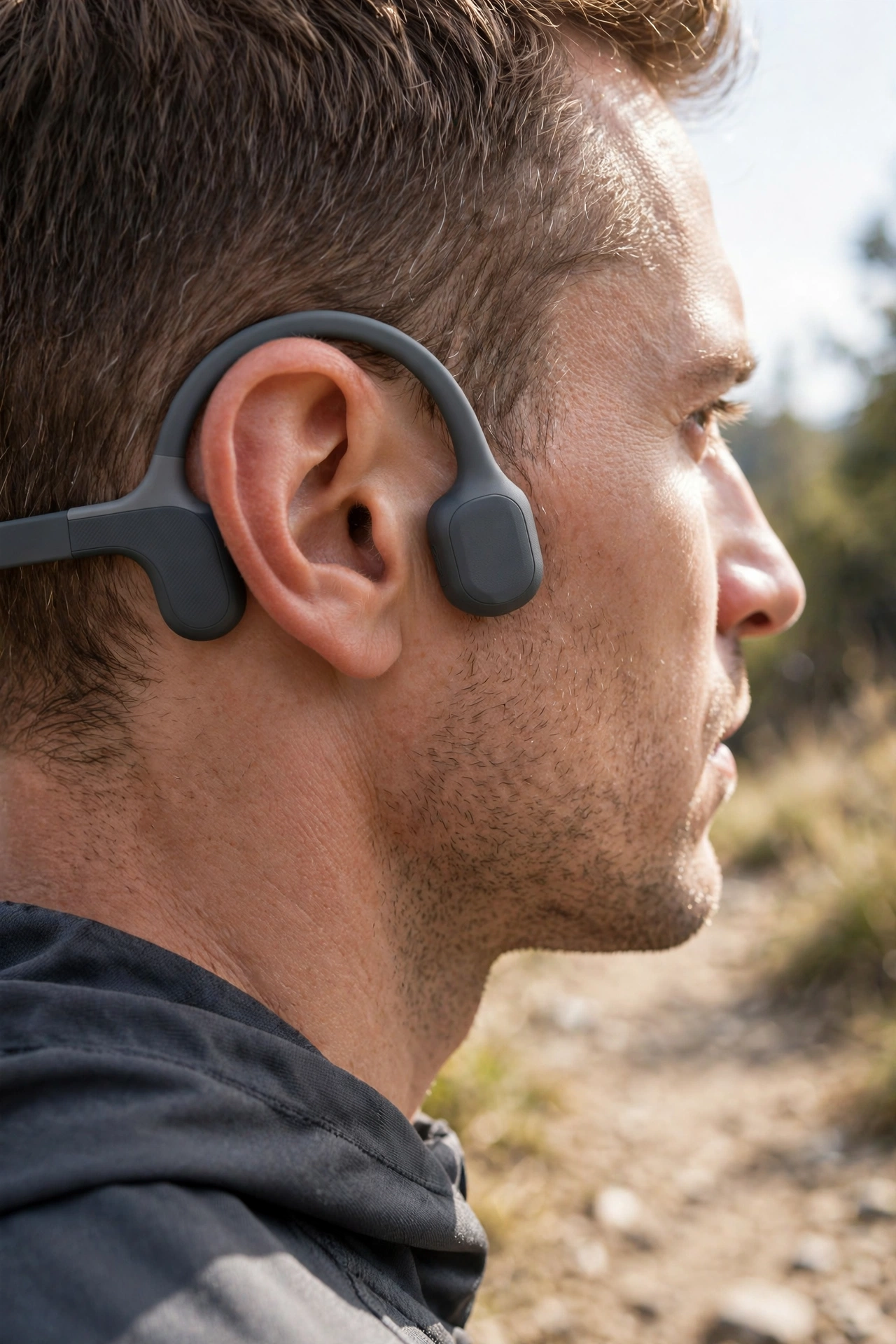
Long runs mean hours with your own thoughts, and music or podcasts make them far more enjoyable. Open-ear headphones sit in front of your ears rather than inside them, so you can listen while still hearing traffic, cyclists, other runners, and the crowd on race day. The wraparound band stays secure without the pressure of earbuds sitting in your ears for hours.
For outdoor training, that awareness is not just pleasant — it is a genuine safety advantage.
4. Honey Energy Gels For Mid-Run Fuel
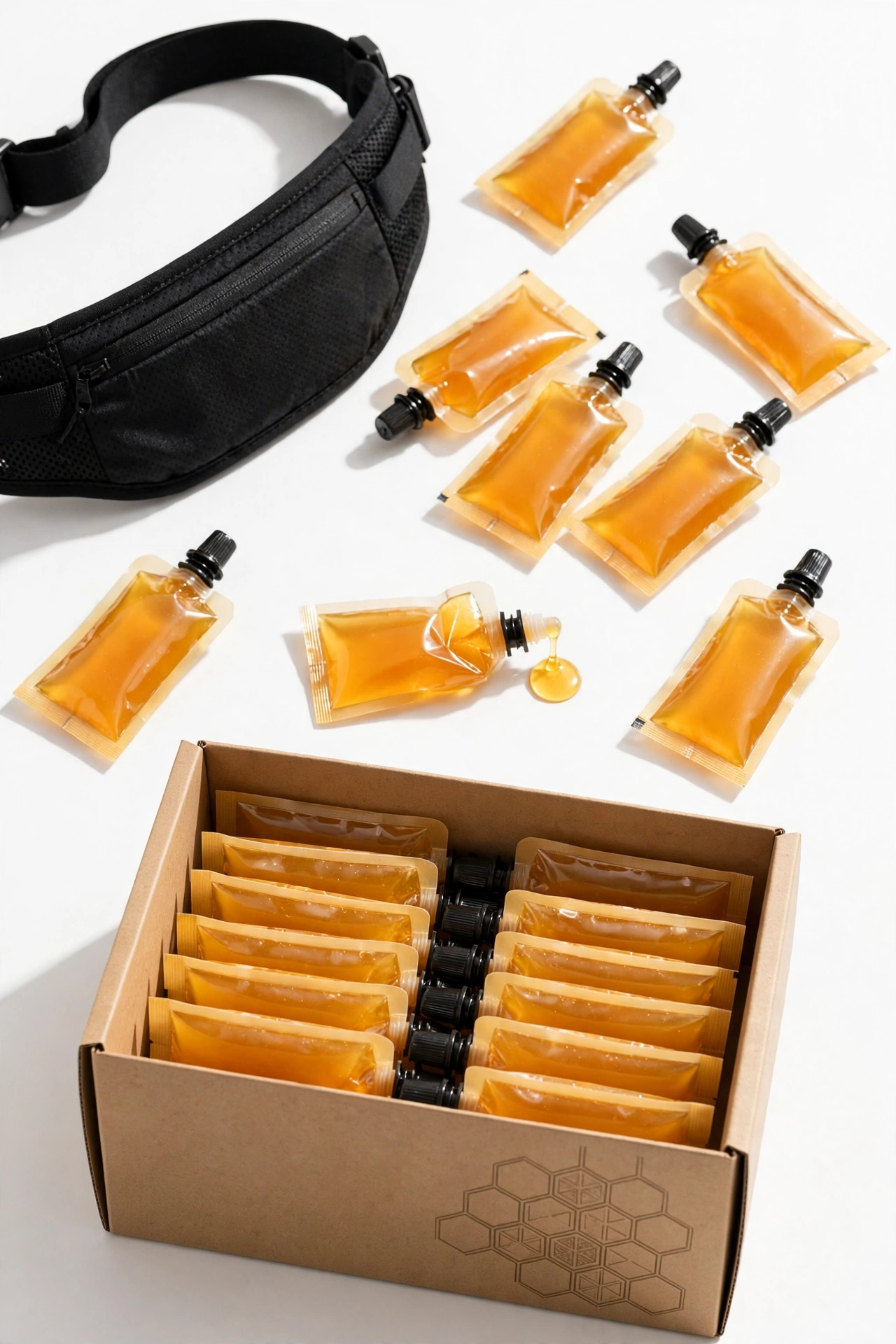
Once a run passes about 90 minutes, your body needs fuel from outside, not just the breakfast you ate hours earlier. Energy gels are small, easy to carry, and quick to take while moving, giving you steady carbohydrates without weighing you down. Honey-based gels are a good starting point because they are gentle on the stomach and taste like actual food rather than a chemistry experiment.
Practice with them in training, never for the first time on race day, and work out how often your body wants one — most runners settle on one every 30 to 45 minutes on long efforts.
5. Supportive Running Shoes That Carry You 26.2 Miles
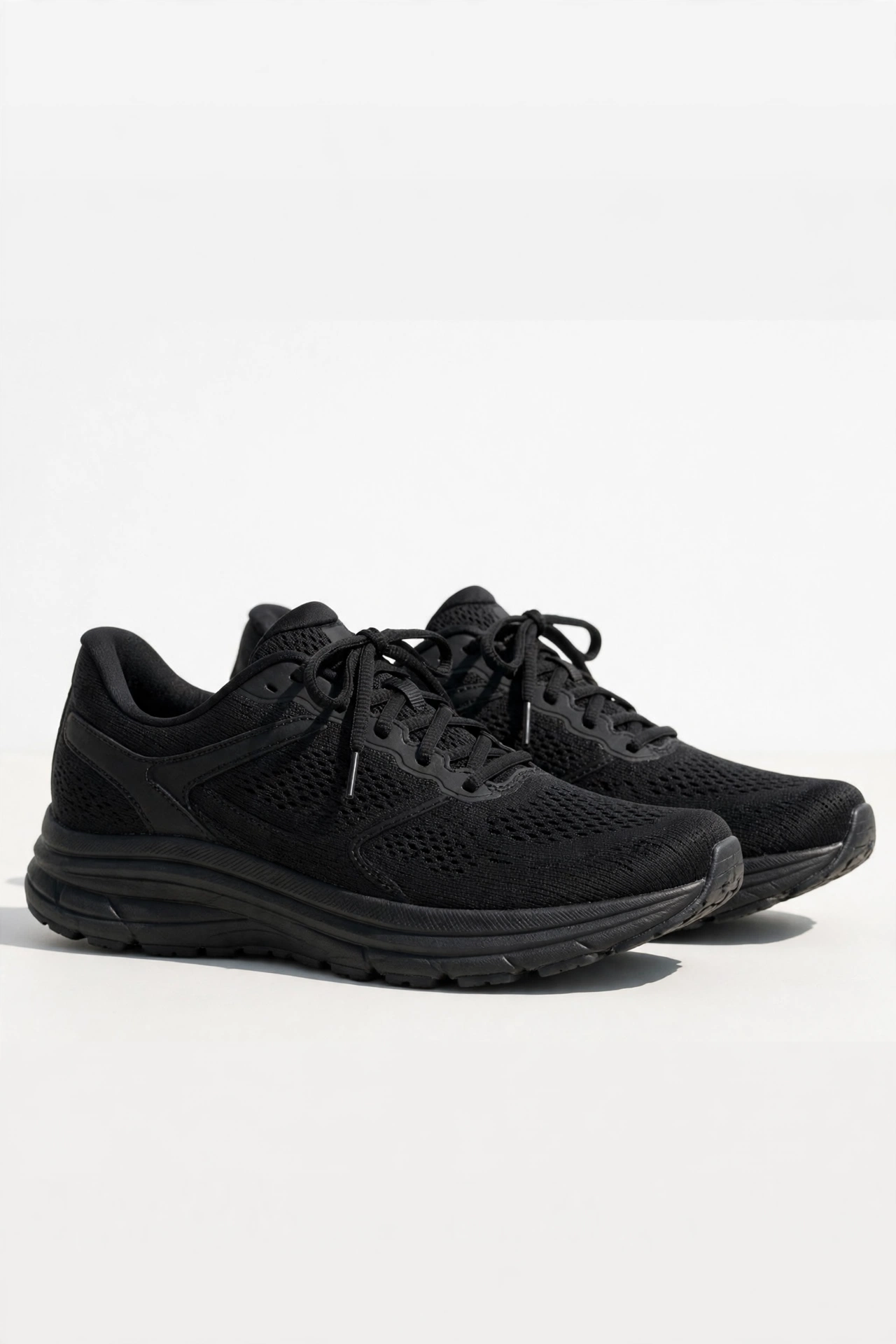
If there is one thing not to experiment with late in a training cycle, it is your shoes. A supportive daily trainer with reliable cushioning and gentle stability guidance keeps your feet, ankles, and knees happier over hundreds of miles. Look for a shoe that fits your foot shape, gives your toes room, and feels good at mile 15, not just in the shop.
Train in the shoes you plan to race in, and retire a pair when the cushioning feels flat — worn-out shoes are a quiet cause of aches that runners often blame on everything else.
6. Polarized Running Sunglasses That Stay Put
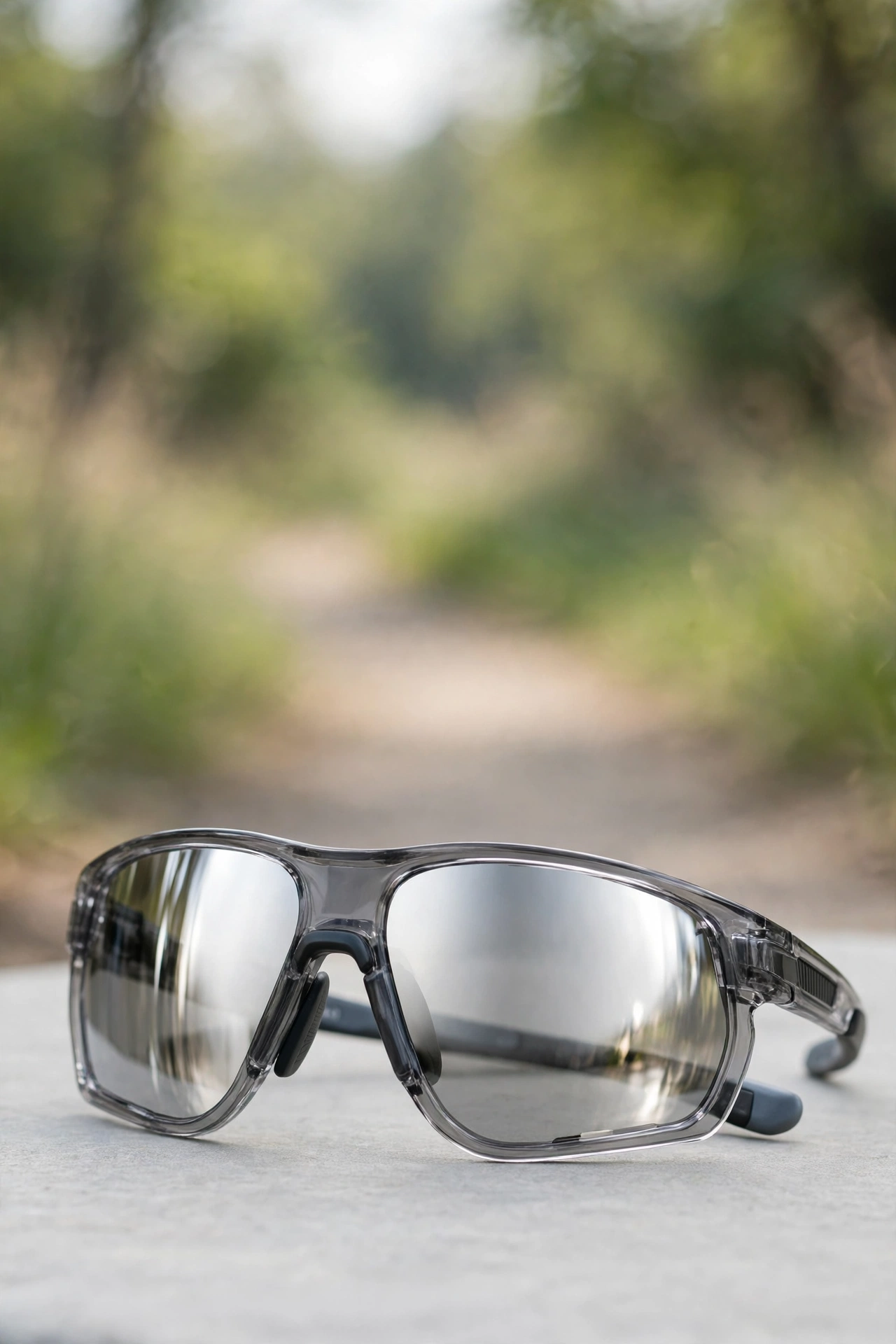
Leave the expensive fashion sunglasses at home for training. A good pair of running sunglasses is lightweight, polarized to cut glare, and grippy enough to stay on your face when you sweat. If you plan to race in sunglasses, train in them too, so there are no surprises on the big day.
At a friendly price, you also stop worrying about what happens if they fall off mid-run — and that peace of mind is worth almost as much as the sun protection.
7. A Mini Massage Gun For Tight Muscles
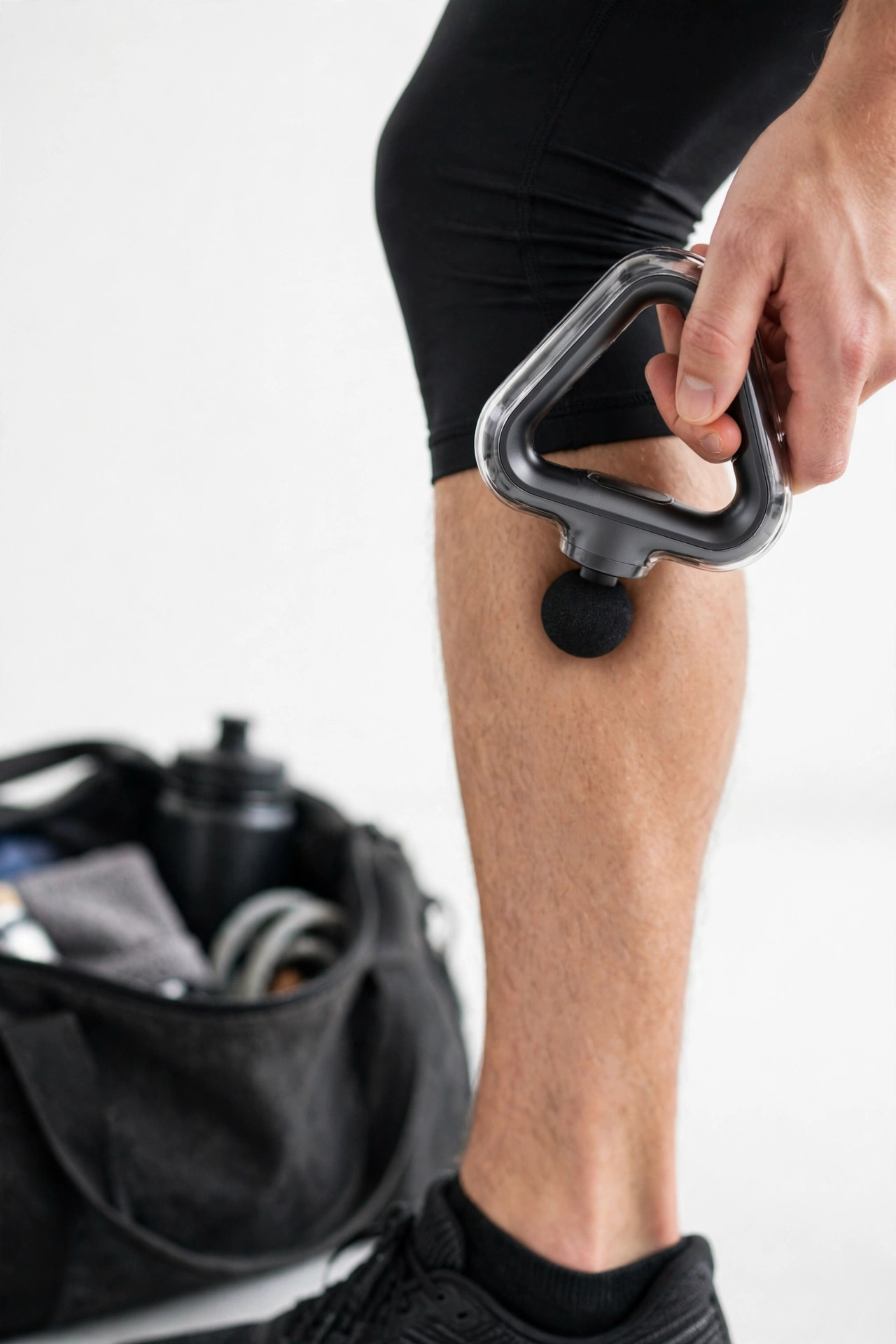
A compact massage gun is the recovery tool you will actually use, because it is small enough to live in your gym bag instead of gathering dust in a cupboard. A few minutes on calves, quads, and shoulders before a run helps loosen things up, and the same routine afterwards feels like a reward for the miles you just banked.
It will not magically erase a long run, but for daily tightness it is one of the most satisfying tools a runner can own — and the mini size means it travels to races too.
8. A Grid Foam Roller For Legs That Need Attention
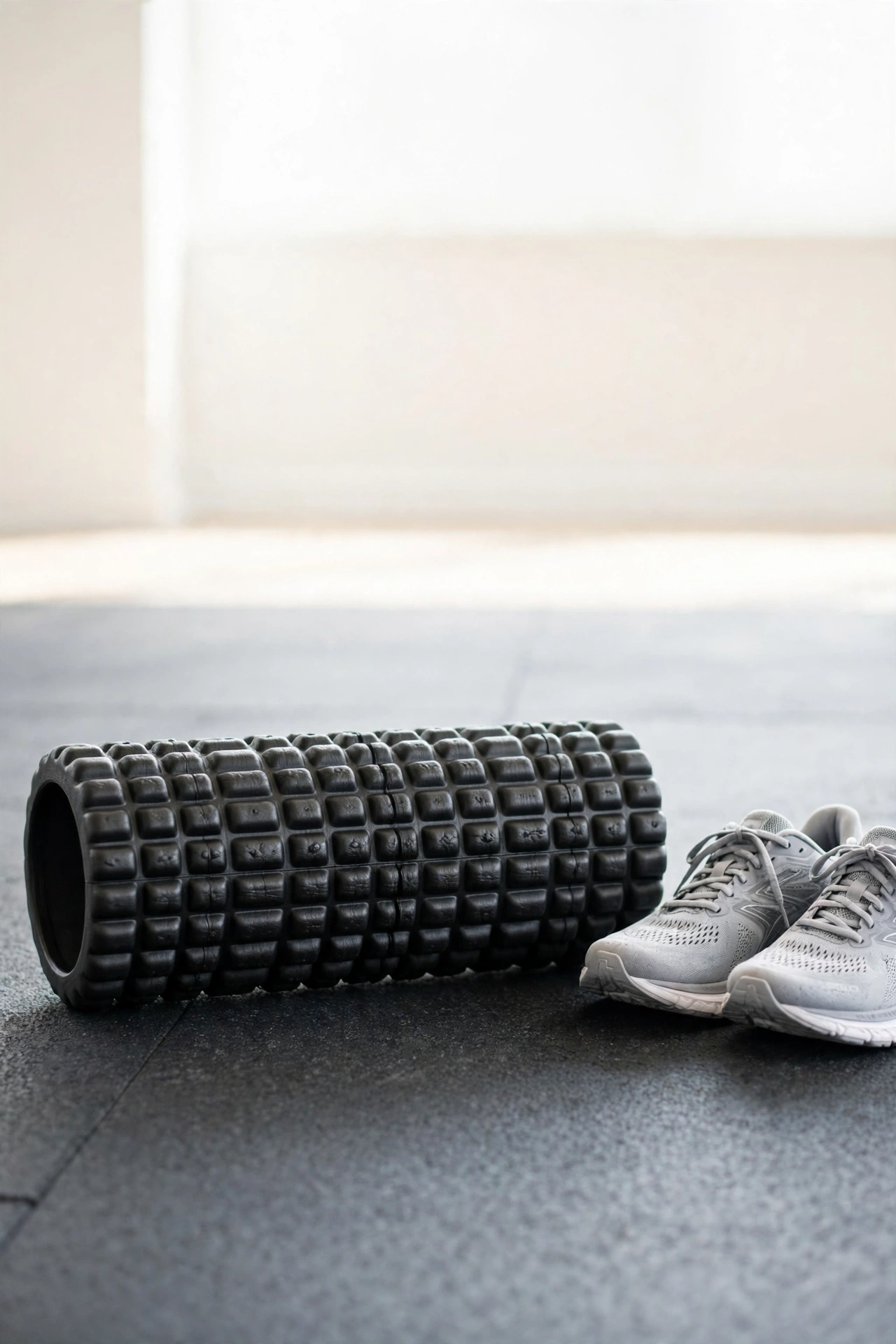
A foam roller is far less exciting than a massage gun, and just as useful. A firm, textured grid roller lets you work through tight calves, quads, and IT bands with your own body weight, before and after runs, or while watching television in the evening. The grid pattern gives different levels of pressure as you roll, so you can find the spots that need it most.
Rolling on the floor after a long run is not glamorous, but it is one of the simplest habits that keeps a training cycle on track.
9. Electrolyte Packets For Proper Hydration
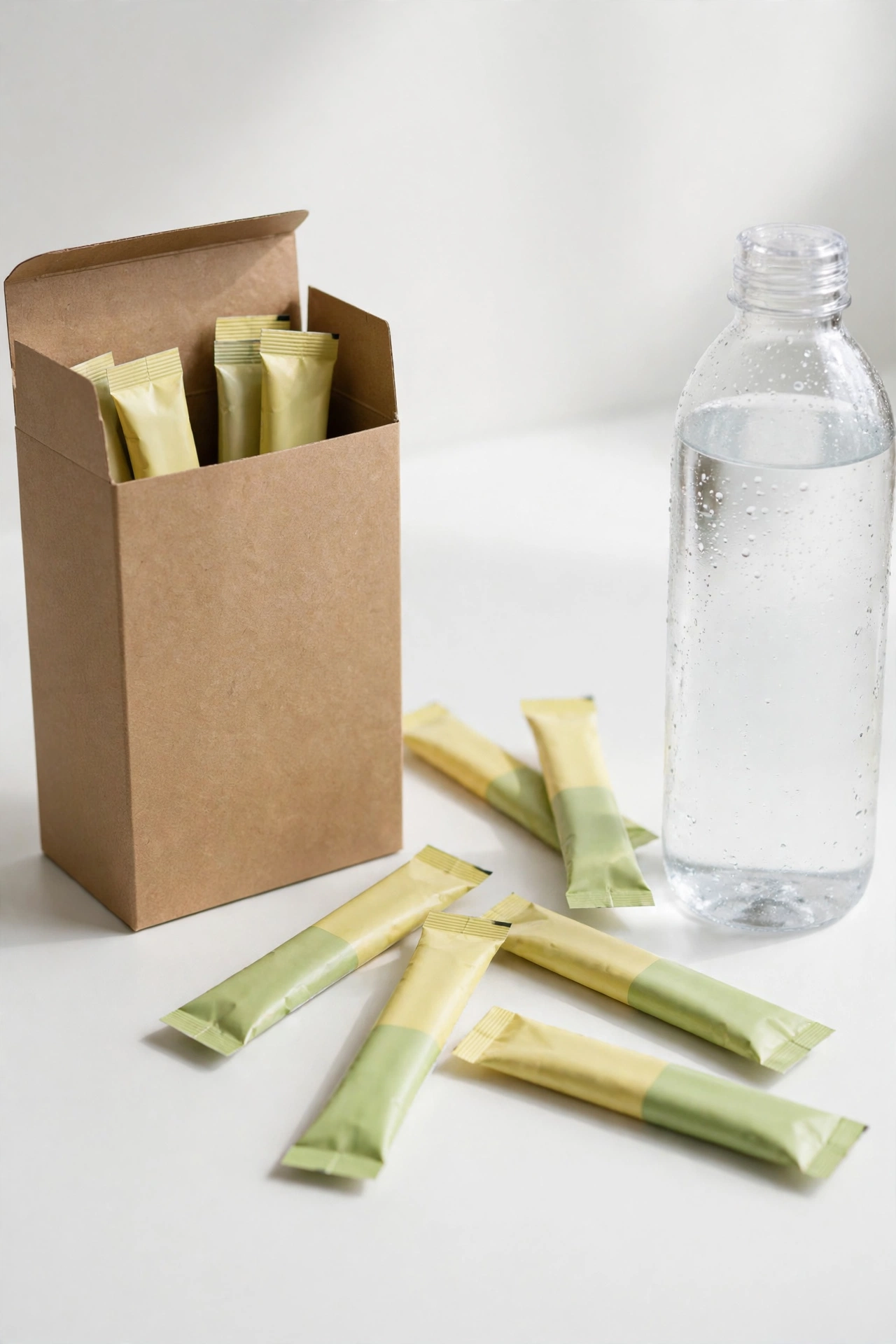
Marathon training teaches you quickly that hydration is about more than drinking water. When you sweat for hours, you lose salts as well as fluid, and replacing only the water leaves you short. Electrolyte packets stir into a bottle in seconds and are easy to carry in a pocket or running bag, which makes them practical for travel and race weekends too.
Try one the day before a long run as well as during it, so you start your biggest efforts properly hydrated rather than playing catch-up.
10. Calf Compression Wraps For Faster Recovery
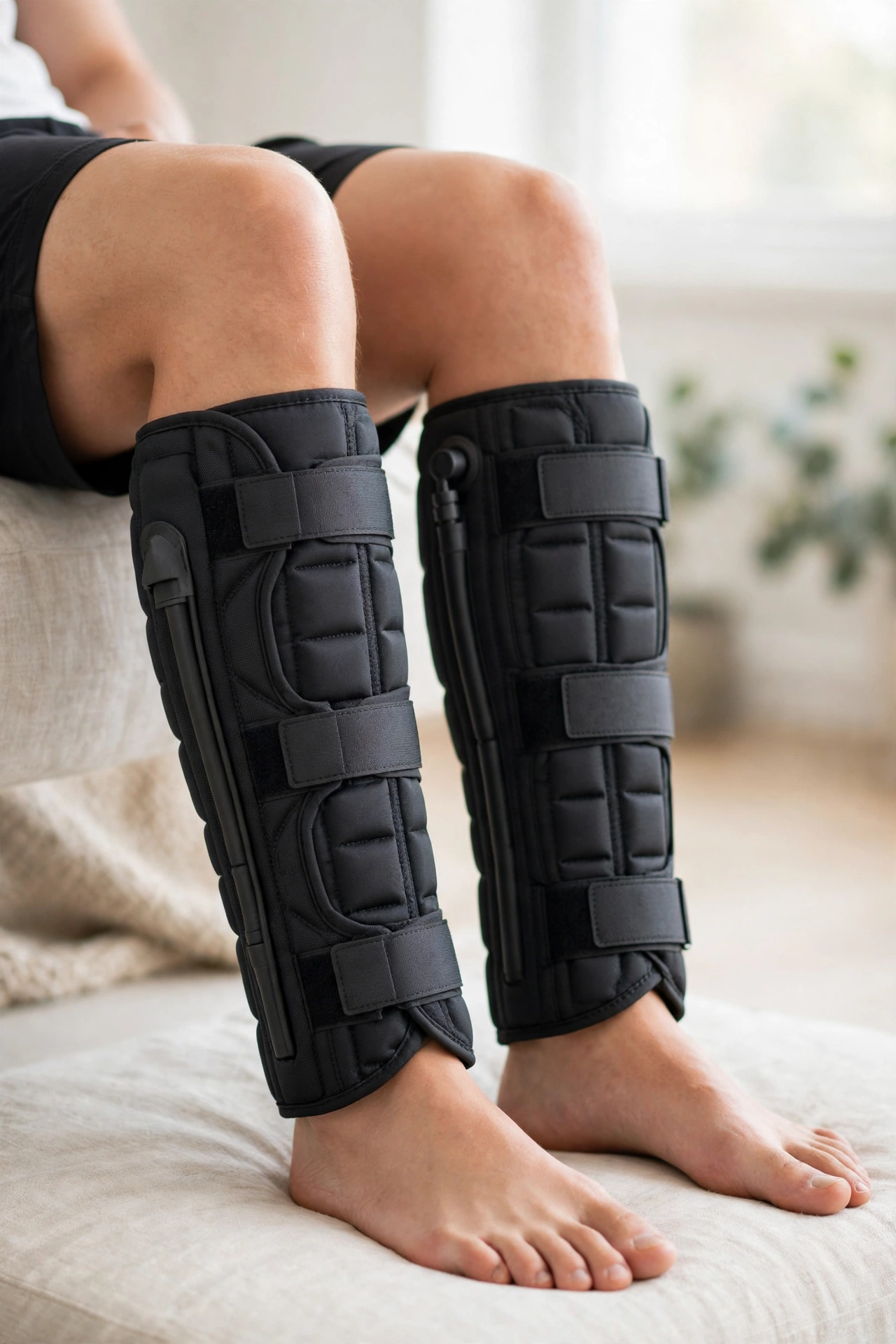
For days when your calves feel especially heavy, targeted compression wraps offer a step beyond a foam roller. Unlike full-size compression boots, calf-only wraps are portable enough to use while sitting at your desk or relaxing at home, and they deliver rhythmic compression that helps tired legs feel lighter.
They are an investment, but for runners who train day after day, they turn the hours between runs into genuine recovery time instead of just waiting.
11. A Cooling Roll-On For Sore Muscles
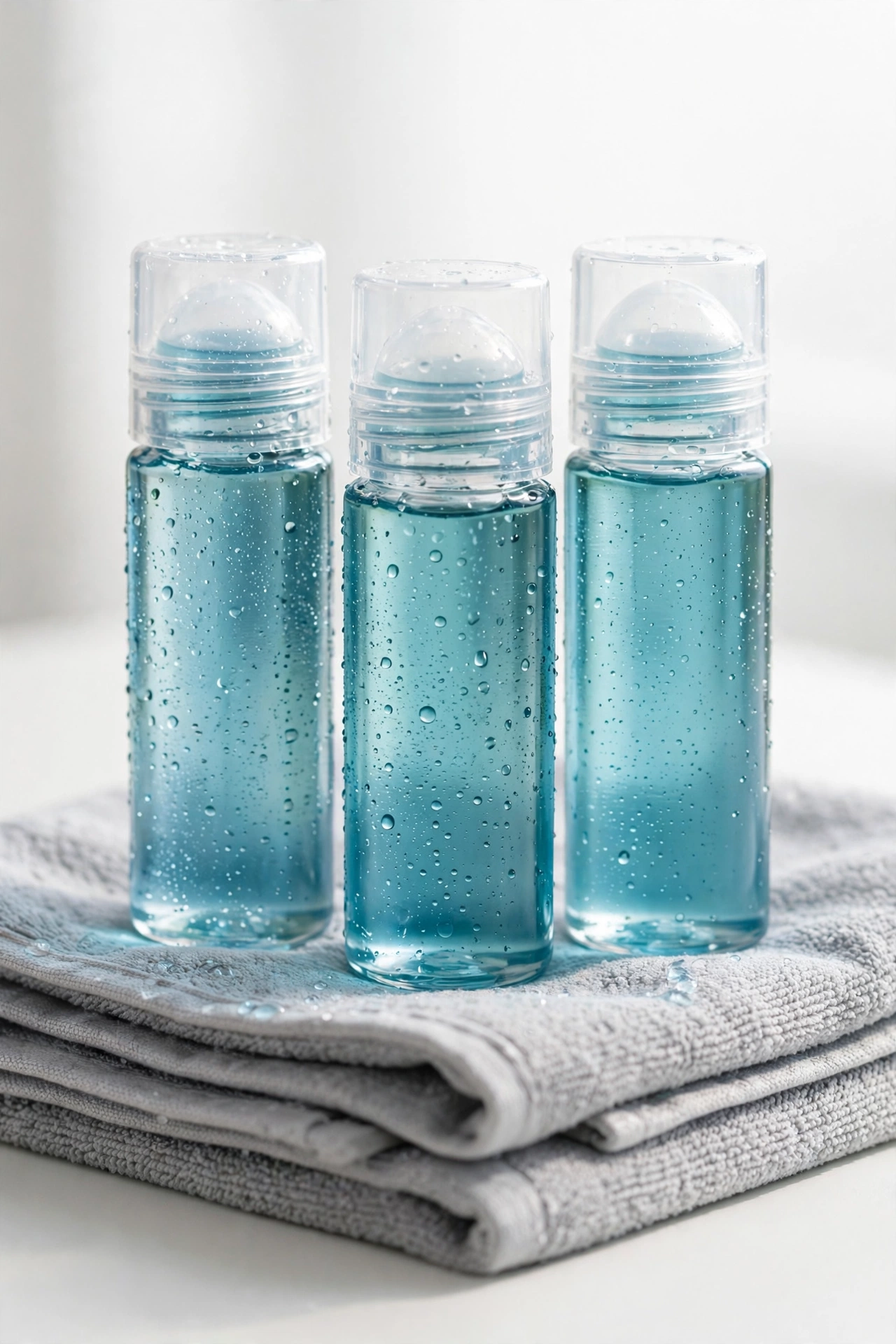
Sometimes you finish a run and know immediately which muscle is going to complain. A cooling menthol roll-on gives fast, targeted relief for ordinary post-run soreness, with a no-mess applicator that keeps it off your hands. Keep a pack at home and one in your gym bag so it is there on the days you need it.
It is not a substitute for paying attention to real pain or an injury, but for normal training soreness it is one of the handiest inexpensive buys on this list.
Marathon training will always be hard — that is the point. But the right gear removes the avoidable hard parts, so the effort goes into the running instead of into blisters, chafing, dehydration, and stiff legs. Start with the essentials, add the recovery tools as your mileage grows, and arrive at the start line knowing your kit has already carried you through months of training.