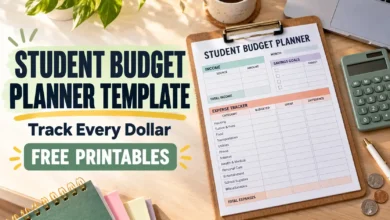
The most useful side hustles for college students fit the room and the week you actually have. Proofreading, design, writing, and spreadsheet work can be done quietly between classes. Tutoring, product videos, and customer support need predictable stretches when talking will not disturb your roommate.
Below are 17 options you can deliver from a dorm, with a specific starter offer and a realistic way to look for work. You do not need to launch all of them. Choose one skill you can demonstrate, make a small sample, and offer a job you can finish without borrowing time from an exam.

The visuals are AI-generated concepts illustrating possible dorm work setups and sample deliverables. They do not document actual clients, earnings, or tested results.
Choose a side hustle that fits your dorm
- For quiet, flexible work: start with proofreading, resume formatting, graphics, spreadsheets, translation, or digital art.
- For scheduled conversations: consider tutoring or customer support if you can reliably provide a quiet space.
- For work with a clear finish line: offer one article, a small video edit, an audio cleanup, or a one-page website.
- For occasional opportunities: user testing can supplement other work. Do not count on a particular number of invitations.
- For a product rather than a client service: try an original digital template, knowing that making the file and finding buyers are separate jobs.
Start with equipment you already own. Before spending money, check residence hall rules on commercial activity, recording, deliveries, and use of campus resources. Check any platform’s age, location, payment, and eligibility requirements too. If you have a student visa, speak with your designated school official before accepting paid work; being online in your dorm does not establish permission to work.
1. Tutor one subject online
Choose a subject you can explain clearly, such as introductory algebra, a language, or a course you have already completed well. A focused offer is easier to evaluate than a promise to tutor anything.

Build a sample lesson around one concept: explain it, work through an original practice problem, and let the learner attempt another. A starter service could be a 45-minute session on factoring, with a short recap afterward. Ask what the learner needs before the appointment so you can prepare.
Look for leads through permitted campus boards, department referrals, or an online tutoring marketplace whose requirements you meet. Offer instruction and practice, and follow the course’s assistance rules. Do not complete graded assignments, take tests, or sell access to instructor materials. If you cannot keep a reliable quiet appointment in your room, choose an asynchronous service instead.
2. Proofread newsletters and business copy
Proofreading suits someone who notices a missing word, inconsistent date, or punctuation problem. Aim first at short business material: a newsletter, an event announcement, or a local organization’s website copy.
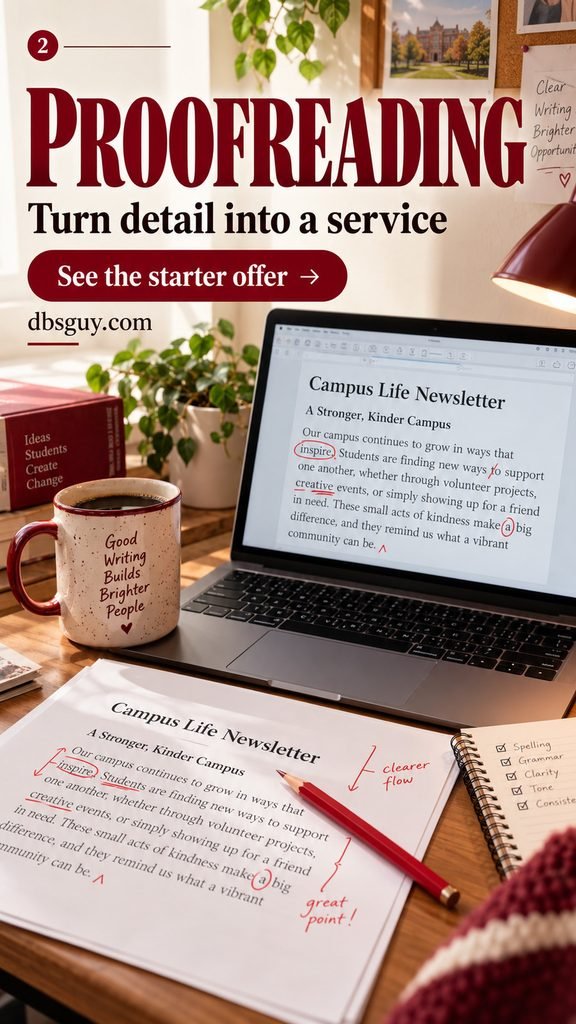
Make a before-and-after sample using a paragraph you wrote yourself. Show tracked changes and add a short explanation of what your service covers. For example, you might check spelling, punctuation, and consistency in one newsletter up to an agreed word count, with one round of follow-up questions.
Approach a club officer or small organization that actually produces this material. Keep proofreading separate from rewriting: an unclear argument or missing reporting may require a different job. For coursework, accept only assistance explicitly permitted by the instructor; nonacademic material is a simpler starting point.
3. Format resumes for internship applicants
Some students already know what they want to say but need help making a resume readable. You can offer formatting without presenting yourself as a recruiter or promising interviews.
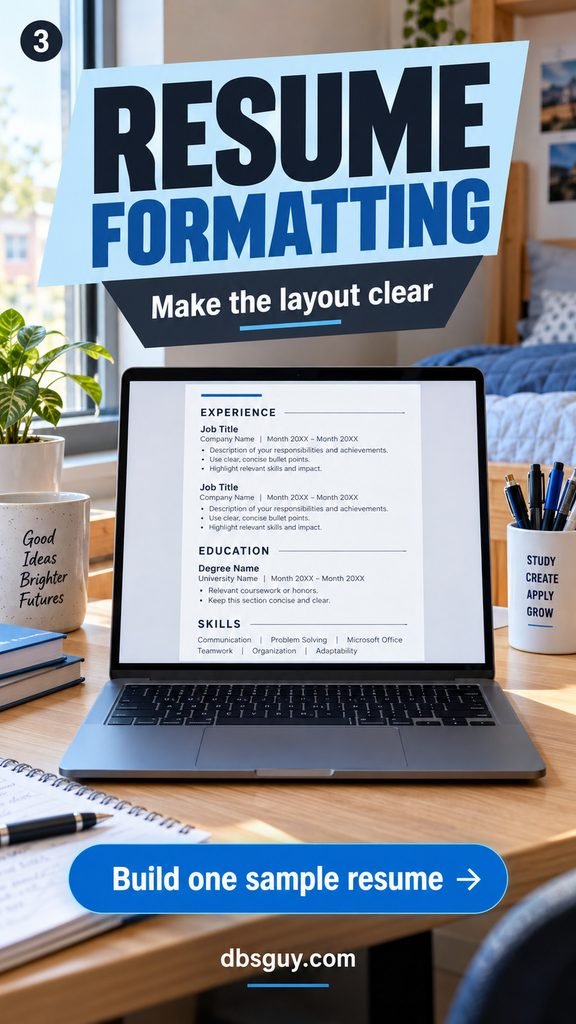
Create a fictional one-page sample with clear headings, consistent spacing, and an uncomplicated layout. Your first package might format a client’s existing content and return an editable document plus a PDF. Ask whether they need a particular file format for an application.
Find potential clients through approved student groups or referrals. Keep names, contact details, and employment history private, and get permission before showing any example publicly. Do not invent achievements or promise that a layout will beat every applicant tracking system. When someone needs career strategy rather than formatting, campus career services may be the better next stop.
4. Write short articles or newsletters
A writing service works best when the buyer can see a relevant sample. Pick a subject you can research responsibly and an audience you understand, rather than advertising yourself as a writer for every industry.

Draft one original sample, such as a short newsletter for a fictional neighborhood bookstore. Then offer a defined deliverable: one article from an approved outline, with an agreed length, deadline, source expectations, and revision round. Ask who supplies photographs, quotes, and factual details.
A useful first lead is a small publication or business with a real content need. Explain what you can produce and show the sample. Avoid medical, legal, or financial assignments beyond your knowledge, and verify facts rather than treating an AI draft as a source. Research, client messages, and revisions all belong in your time estimate.
5. Design a small pack of social media graphics
Offer the visual assets for a specific purpose, such as three graphics announcing a café event. That is a more manageable first project than taking responsibility for an entire social account.

Make a sample pack for a fictional organization. Show a consistent type style, readable text on a phone, and the correct dimensions for the requested placements. Ask the client to supply approved wording, brand colors, and images they have permission to use.
Define the number of graphics, file formats, editable files, and revision limit before starting. You can look for work with campus organizations or local businesses, but get approval before using a real organization’s identity in a public sample. Check licenses for fonts, photographs, and design elements; a tool making an asset easy to download does not establish resale rights.
6. Edit short videos from client footage
If you can find the useful moment in a long clip, short video editing gives you a clear service to demonstrate. Start with footage you recorded or have permission to use.

Build a sample with a strong opening, clean cuts, readable captions, and an ending that makes sense. A starter offer might turn a limited amount of supplied footage into one short vertical video. Specify both the maximum source-footage length and the finished length so a small edit does not become an afternoon of searching through files.
Look for a creator or business already recording videos. Ask for the intended platform, reference style, and approved music before quoting. Include export and upload time in your schedule, and agree whether source project files are included. Do not promise views or engagement; the deliverable is the edit.
7. Clean up podcast audio
Audio editing is a separate skill from making social clips. The job is to improve a conversation’s listening experience while keeping the speaker’s meaning intact.
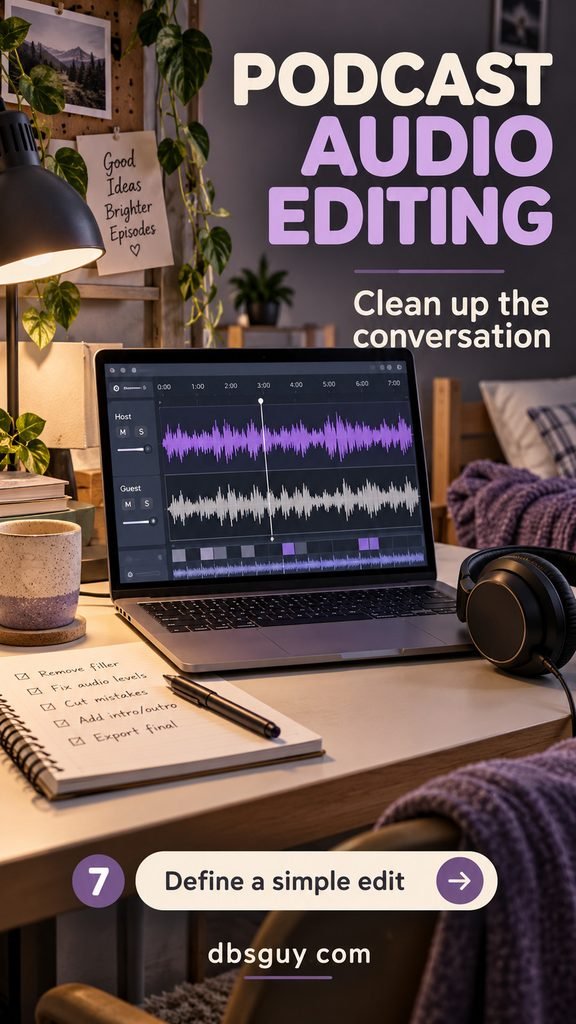
Practice on a recording you made yourself. Remove an obvious mistake, reduce a long pause, and compare the result through headphones. A first offer could cover a short episode with a fixed number of speakers, light cleanup, and placement of a client-supplied intro.
Ask to hear a representative audio sample before accepting. Background noise, overlapping speech, and damaged recordings change the work considerably. Set limits on source length and revisions, and keep an untouched original. You can contact a small podcaster with a relevant sample, but avoid claiming that software can restore every recording.
8. Become a virtual assistant for one repeatable task
Virtual assistance becomes workable around classes when the task and response window are clear. Start with something bounded, such as formatting a weekly newsletter, organizing approved files, or maintaining a calendar.
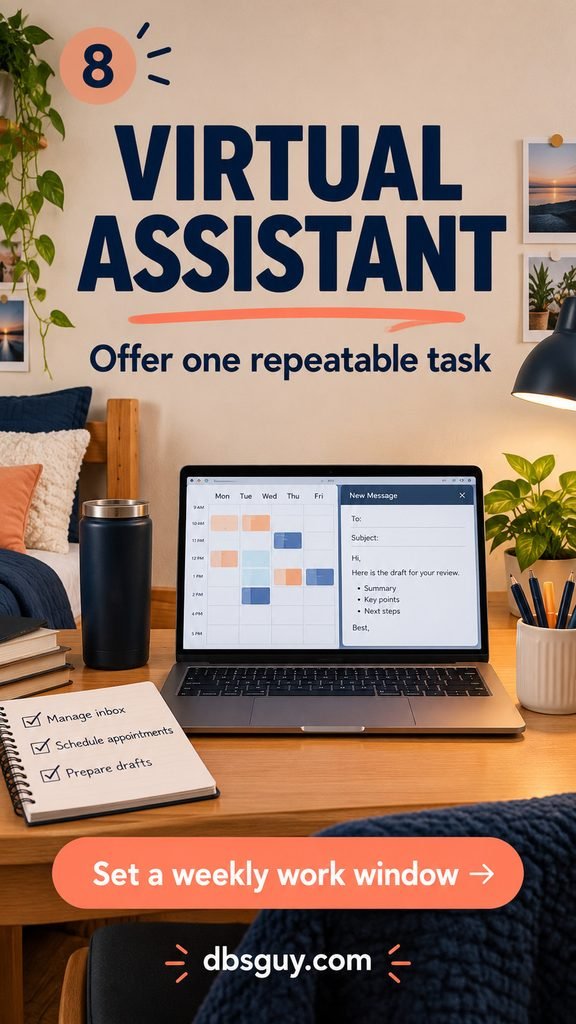
Prepare a sample checklist showing how you would receive the task, complete it, and report back. Then offer a small recurring package with stated availability. A client who needs immediate replies all afternoon is a poor fit if you spend that time in labs.
Find leads through a verified business, alumni connection, or reputable job listing. Use the client’s approved access method, request only the permissions needed, and avoid moving confidential files into personal tools. Confirm any apparent professor or campus job offer through a known official contact before sharing information.
9. Clean and organize spreadsheets
This option suits someone who enjoys making information consistent. A useful first project might tidy an event registration sheet, standardize dates, remove confirmed duplicates, or organize a simple inventory.
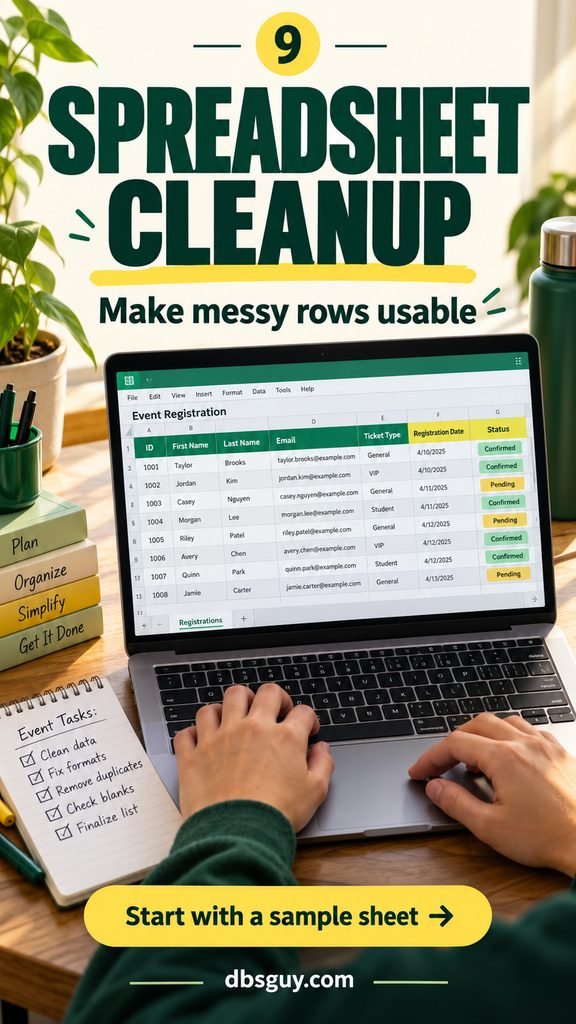
Create a fictional messy spreadsheet and a cleaned version. Explain exactly what changed and preserve the original. For paid work, agree on the sheet size, required columns, duplicate rules, and expected output before editing. A row that looks repetitive may still represent a separate order.
Try a student organization or small business with a recurring administrative problem. Work on a copy, document uncertain entries, and spot-check the result. Begin with nonsensitive data; payroll, financial reporting, and complex automation require additional expertise. The service is accurate organization, not merely typing quickly.
10. Build simple one-page websites
A one-page site can suit a small organization that needs its basic information in one place. Keep the first project modest: an introduction, a description of services, and a clear contact method.

Build a demonstration site for a fictional maker or student project. Check it on a phone, use readable contrast, and test navigation. Offer a defined page with client-approved text and images, plus an agreed handoff. If a contact form is included, test delivery and discuss where submissions will go.
Set expectations for hosting, domain renewal, ongoing edits, and account ownership before taking payment. Have clients own their accounts and approve recurring costs. Avoid payment processing or sensitive-data collection on your first job. A site can become much more complicated when the client adds bookings, a shop, or unlimited maintenance.
11. Translate short, non-specialist material
Translation is an option if you write naturally in both languages and understand the intended audience. Speaking a language socially does not automatically prepare you to translate contracts or medical instructions.
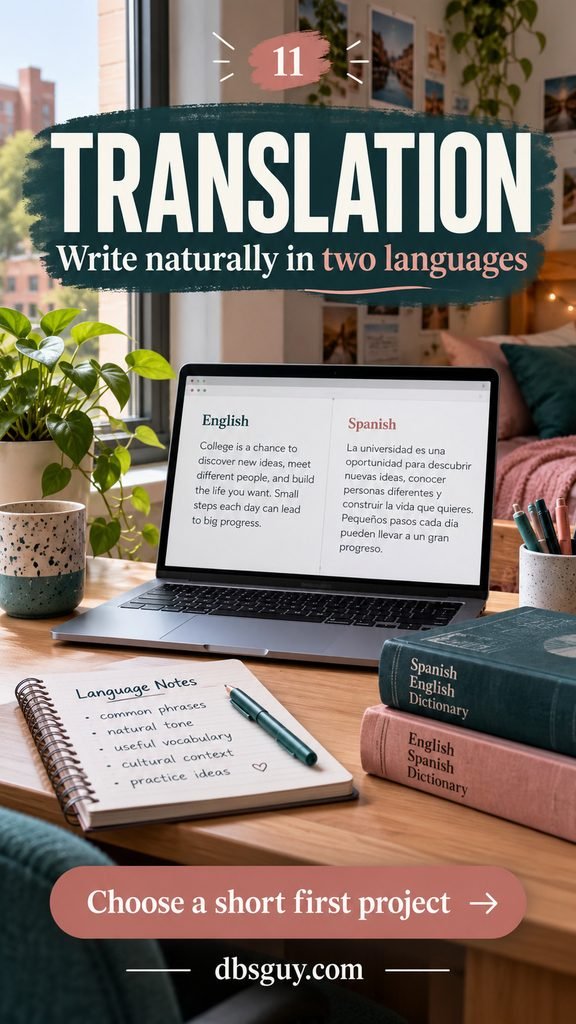
Start with a sample such as an event announcement you wrote yourself. Preserve its meaning, tone, dates, and action steps rather than swapping words mechanically. State your language pair and direction clearly, and ask which regional audience the client wants to reach.
Look for small organizations that need short public-facing material. Agree on word count, terminology, delivery format, and revisions. Leave certified, legal, and other specialist work to appropriately qualified providers. If you use assistance tools, follow the client’s confidentiality rules and review every line yourself.
12. Transcribe recordings or correct captions
Good transcription needs careful listening, not just fast typing. Caption work also involves timing the words to the video and identifying meaningful sounds when required.
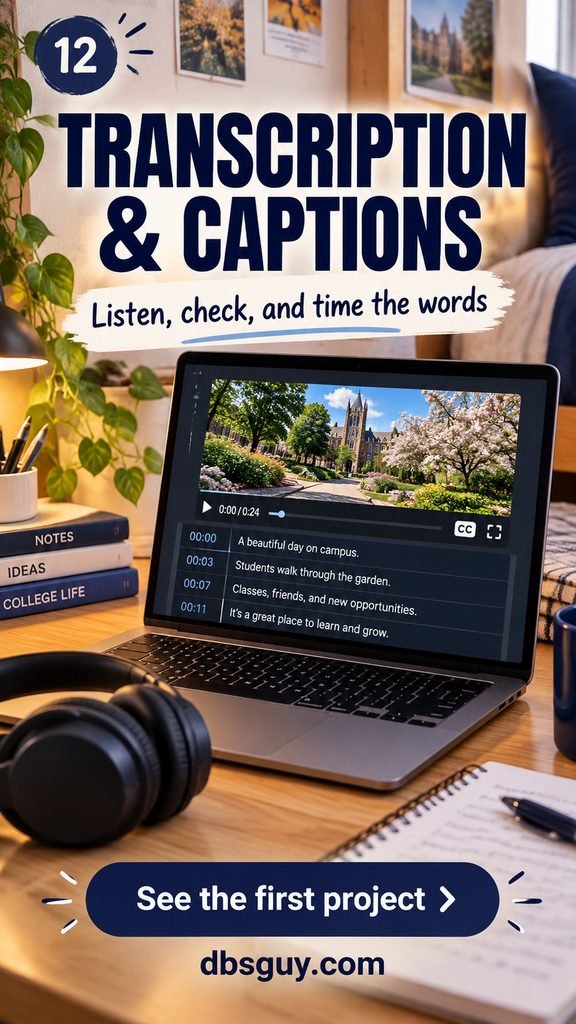
Practice with a short recording you own. Time the entire job, including replaying unclear speech, labeling speakers, checking names, and correcting an automated draft. A five-minute recording can take much longer than five minutes to finish accurately.
A starter project could be one short interview transcript or a caption file for a creator. Ask for an audio sample and the required format first. Marketplace access is not immediate everywhere: Rev’s freelancer page currently lists an application waitlist. Check current intake before relying on it, and consider direct clients too. If payment is quoted per audio minute, calculate what that means for your actual working time.
13. Film product demonstration videos
You can make product footage for a brand to use without first building your own audience. The service is creating the agreed video; posting it to your personal account is a separate arrangement.
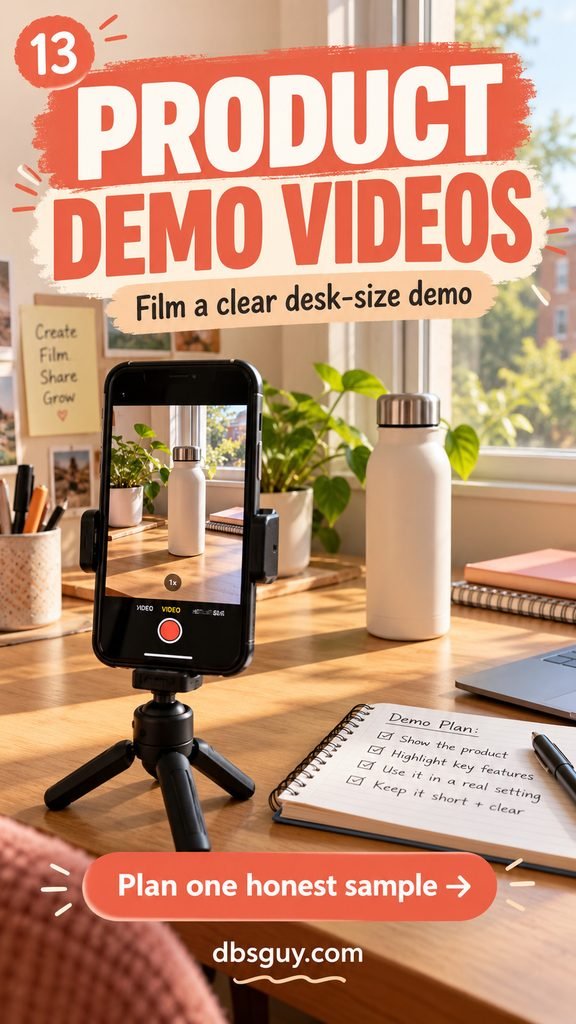
Make an honest sample with an everyday item you already own. A small desk beside a window can provide a simple background for an unbranded bottle, notebook, or desk accessory. Show what the item does, keep private belongings out of frame, and use your own observations rather than unsupported claims.
Before accepting a job, agree on the script, finished clips, revisions, reshoots, and how long and where the brand may use your footage, including paid ads. If you publish an endorsement yourself, clearly disclose payment or free products as FTC guidance requires. Never portray a sample as a real sponsorship or a scripted claim as your experience.
14. Apply for part-time remote customer support
Customer support may suit you if you prefer an employer’s defined role to finding individual clients. It often comes with scheduled shifts, training, location restrictions, and specific equipment or privacy requirements.
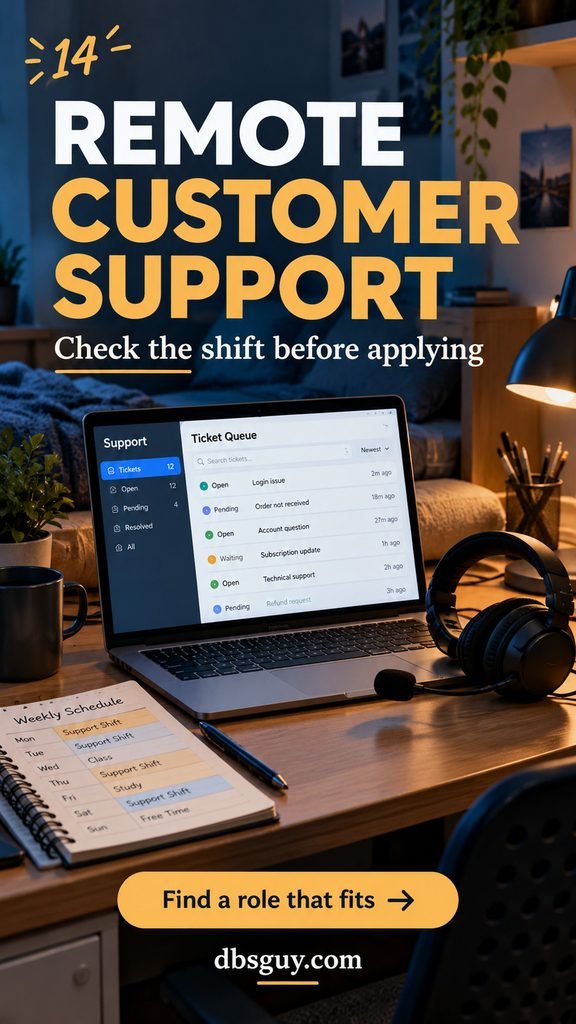
Read each posting for the actual work: phone calls, chat, email, or a mixture. Chat support can still require fixed availability and quick responses. Compare the shift and training schedule against classes before applying, and check whether a shared dorm meets the employer’s workspace rules.
Apply through a verified employer careers page or a campus-approved listing, then independently confirm the recruiter. Do not assume every remote job is available in every state. If you cannot provide the required quiet or privacy, choose project work with deadlines you can control.
15. Give feedback through website user tests
User testing asks you to explain your experience of a website, app, or prototype. Useful feedback describes what you expected, where you looked, and what made the task confusing.
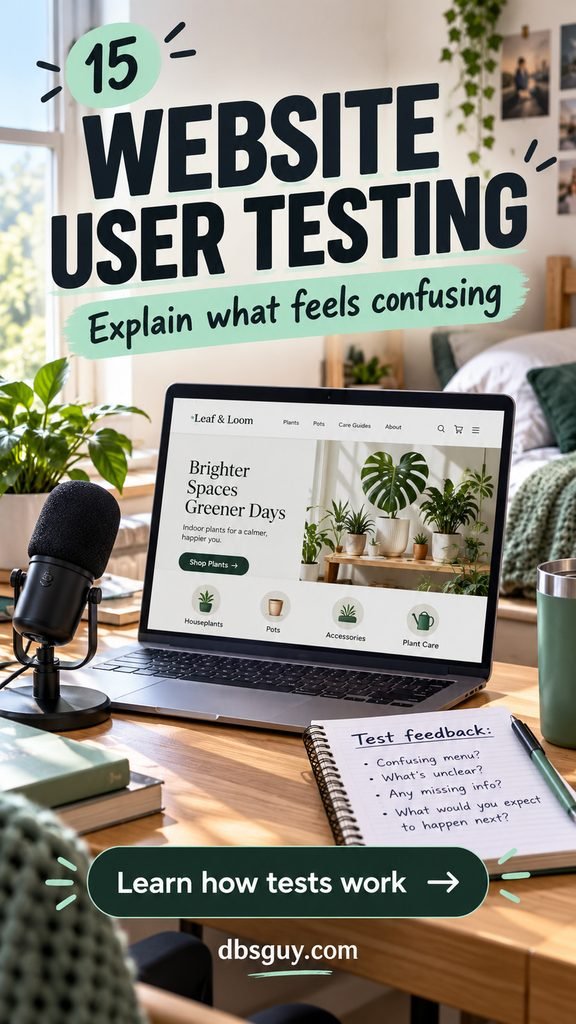
UserTesting’s participant process includes an application and practice test, screening questions, and opportunities you qualify for. Recorded tests can involve speaking your thoughts aloud while your screen is recorded. Check the current device, location, and payment requirements before applying.
Practice describing a task on a public website without exposing personal information. Close private tabs, silence notifications, and follow the recording instructions. Answer screening questions honestly. Because you may not match a test’s intended participants, treat this as occasional work rather than money already available for a bill.
16. Sell an original digital template
A useful template handles one repeatable problem, such as tracking assignments or preparing an event checklist. A narrow, understandable file gives a potential buyer something concrete to evaluate.
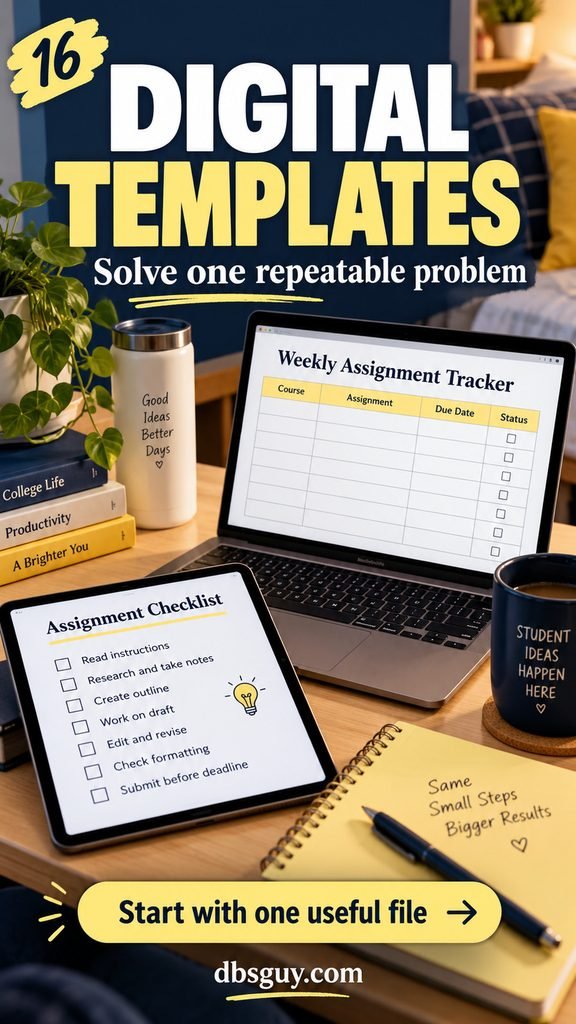
Build one original product and test the exported file as a buyer would. If it is printable, check the page size and print preview. If it includes formulas, try realistic entries and empty fields. Include a short explanation of the required software and how to make a working copy.
Then decide where to list it and how a likely buyer will find it. Check current seller eligibility, fees, delivery rules, and asset licenses before opening a shop. Sales are not automatic, and updates and customer questions still take time. Do not resell other people’s templates, instructor slides, or course materials.
17. Take custom digital art commissions
If you already draw, try a clearly defined commission such as a digital pet portrait or a simple original profile illustration. Digital delivery avoids storing stock or handling shipping from your room.

Show samples in the style you can consistently deliver. State the subject limit, background detail, file size, delivery date, and number of revisions. Ask clients to supply reference images they have permission to use, and clarify whether the purchase includes personal use or commercial use.
A sketch approval before the final stage can prevent an avoidable redraw. Agree on payment terms in writing or use the platform’s approved process, and keep a record of changes. Quote extra characters or a new concept separately instead of letting one small commission grow without an updated agreement.
Also Read: First Week of College: The Freshman Survival Guide (Orientation to First Friday) for fitting work around the commitments that need attention first.
Turn one idea into a small first offer
Choose a service you can demonstrate with your current skills and equipment. Make one original sample, then write down the deliverable, what the client supplies, your turnaround, revision limit, price, and payment arrangement. Those details make a small project easier for both people to judge.
For example, a sample offer could be: “I will format one newsletter up to 600 words using your approved text and images, return a PDF and editable file, and include one revision round.” Adjust it to work you can actually do. Do not promise same-day delivery if your schedule cannot support it.
Approach a relevant contact with the sample and a specific offer. A club connection can help you understand an organization’s needs, but participate respectfully and follow its promotion rules. Free portfolio samples can be fictional; you do not need to complete a stranger’s usable project as an unpaid test.
Estimate the whole job before quoting. As an illustration, a $45 project taking three total hours works out to $15 per hour before fees, expenses, and taxes. This is arithmetic, not a suggested rate or an earnings prediction. Include time spent finding work, messaging, revising, and delivering when deciding whether a service is worth continuing.
Keep the money, schedule, and client details manageable
Give paid work a limited place on your calendar and leave room for revisions. Before midterms and finals, tell recurring clients about reduced availability and pause new orders if necessary. A deliverable you can finish reliably is more useful than a large list of services you cannot maintain.
Keep records of payments, platform fees, and business expenses from the first job. U.S. gig income can create tax obligations even when no tax form arrives. The IRS explains that net self-employment earnings of $400 or more generally require a tax return; other filing rules can apply below that amount. Read its guidance on managing taxes for gig work and get help with your own situation when needed.
Be cautious with unexpected recruiter messages, especially vague offers with impressive pay and no clear duties. FTC warnings describe fake checks and tasks that eventually require you to deposit money. Do not send money to unlock earnings, buy gift cards for a supposed employer, or forward part of a check. Verify a job independently through the organization.
Keep client files out of shared folders unless sharing is approved. Do not upload private recordings, resumes, or business records into AI services without authorization. Agree on how files will be returned and deleted when the work ends.
Questions before you start
Which dorm side hustle is best for a beginner?
Start with a skill you can show in a small sample. If you already write accurately, proofreading may fit. If you handle spreadsheets well, try a simple cleanup. If you cannot yet produce a reliable sample, practice that skill before charging for it. “Beginner-friendly” does not mean the client should pay you to learn the basics.
Can I start without spending money?
You can create samples and look for suitable clients using equipment and software you already have. Some platforms, tools, or sales channels involve costs. Check the terms before committing, and wait until you understand the job before buying a microphone, subscription, or course.
How much can I realistically earn?
That depends on your skills, available time, prices, expenses, and ability to find work. Your first week may produce no paid project. Track actual money received and total time spent, then review whether the service is worthwhile. Do not put hoped-for client payments into a budget for bills due now.
Can I do this with a roommate?
Quiet work is usually easier to arrange. Discuss calls and filming before booking them, and never include your roommate or their belongings in a recording without permission. If reliable privacy is unavailable, favor editing, writing, design, or spreadsheets over calls and shift-based support.
Will side-hustle income affect financial aid?
The effect depends on the aid program, award year, and your circumstances. Keep accurate records and ask your financial aid office how earnings should be reported and whether particular awards have conditions. A platform’s payment threshold does not determine your aid obligations.
For a first step today, choose one service, finish one honest sample, and identify one suitable place to offer it. You will learn more from a clearly scoped project than from opening several unfinished storefronts.
Also Read
- Freshman Year: The Complete Survival Guide — plan classes, work, spending, and everyday routines together.
- How to Join Clubs in College: Find Your People Freshman Year — find a campus community without overloading your schedule.